
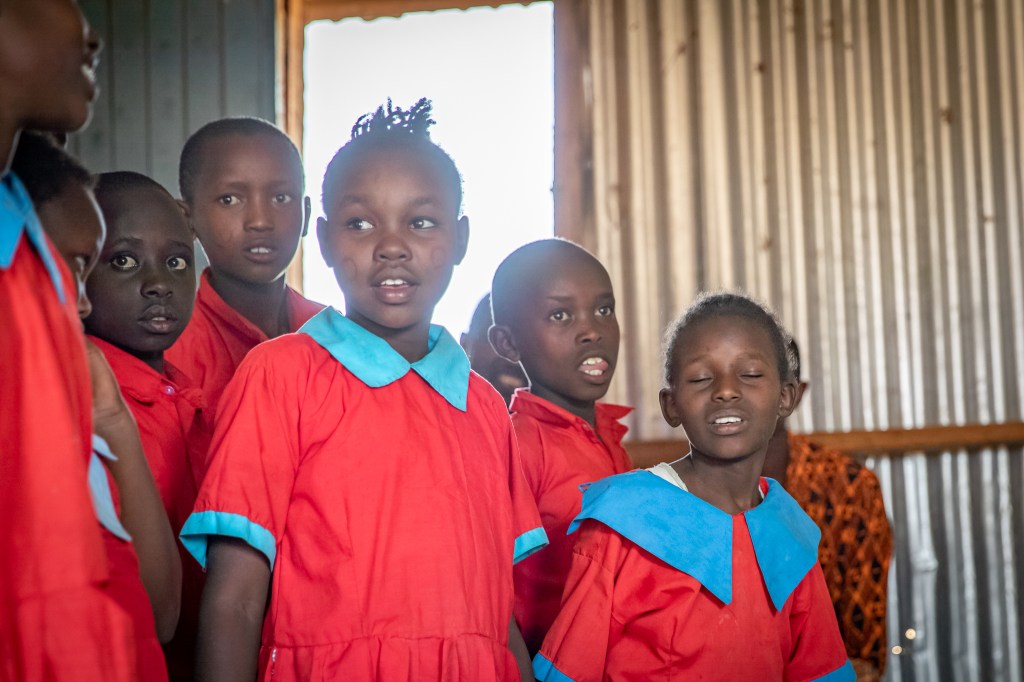
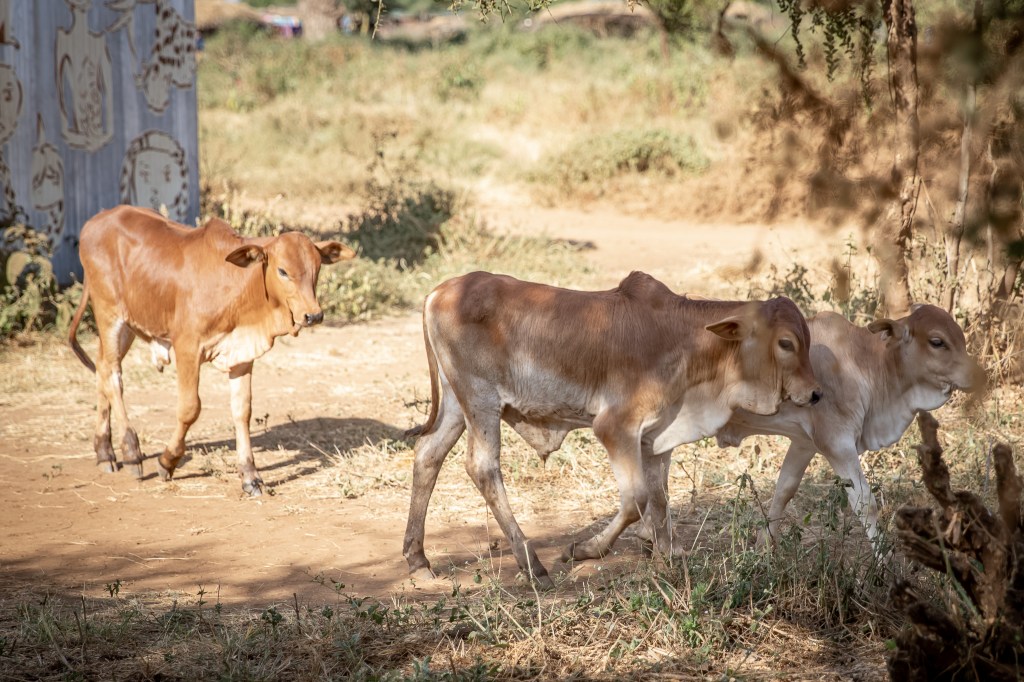
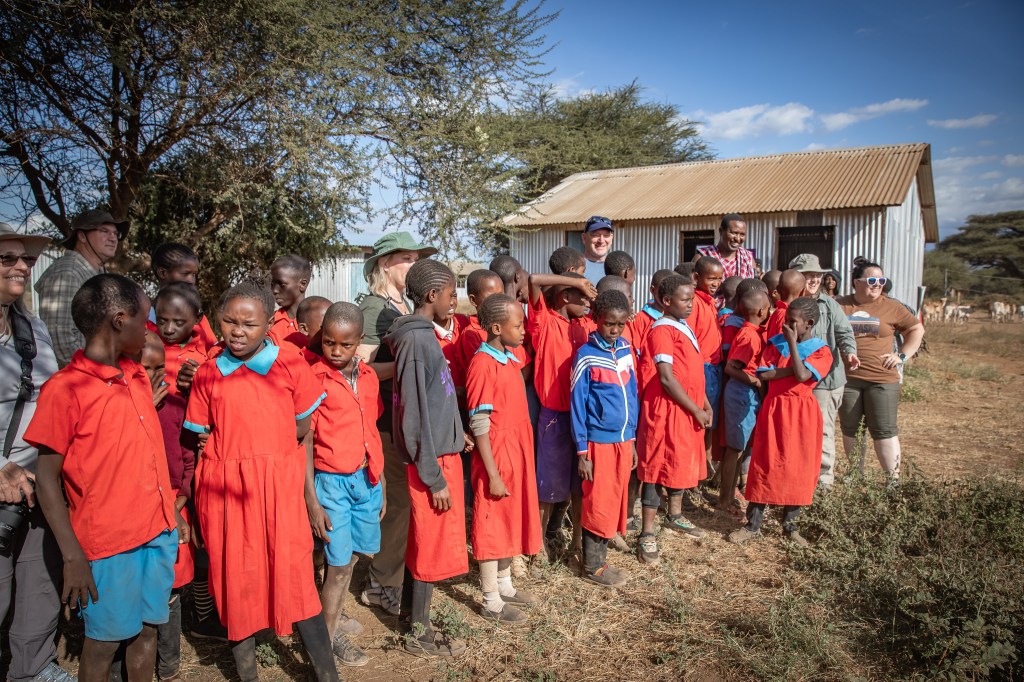
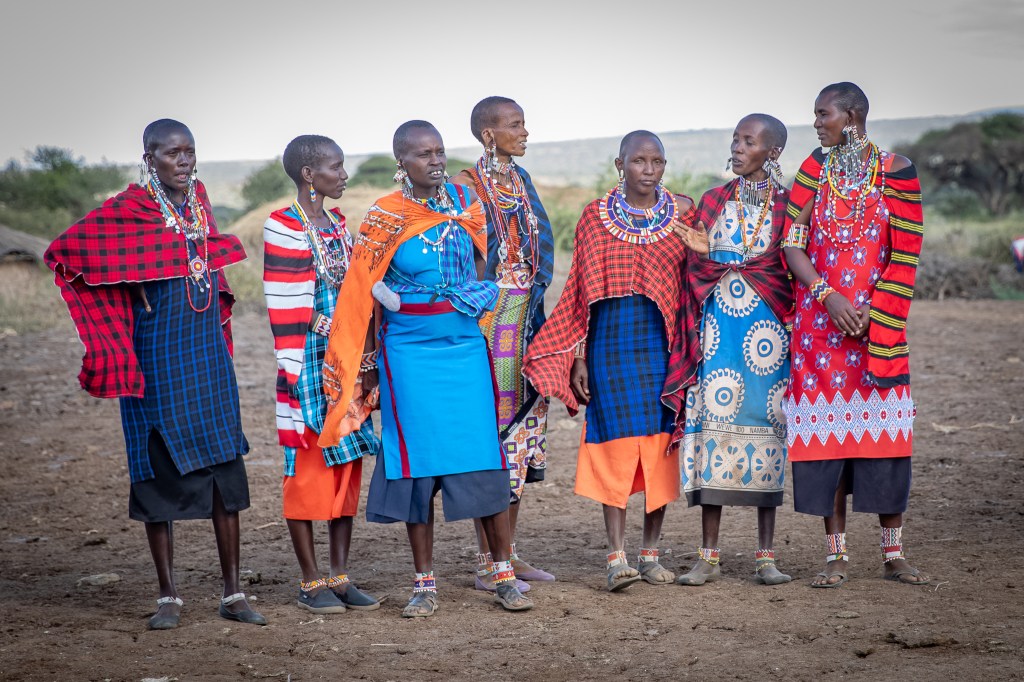
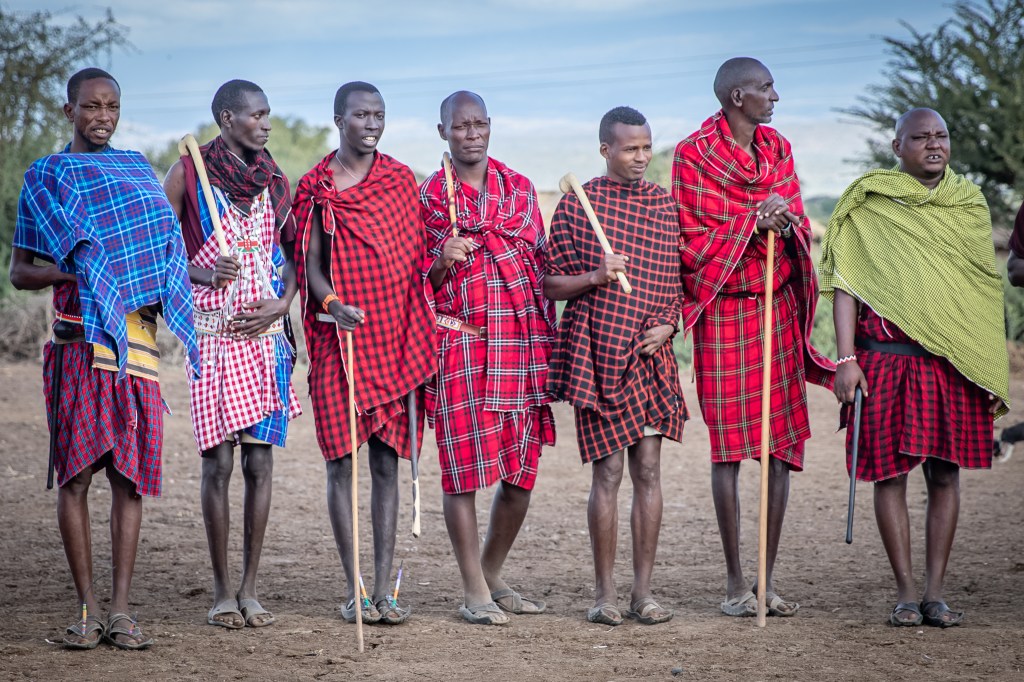
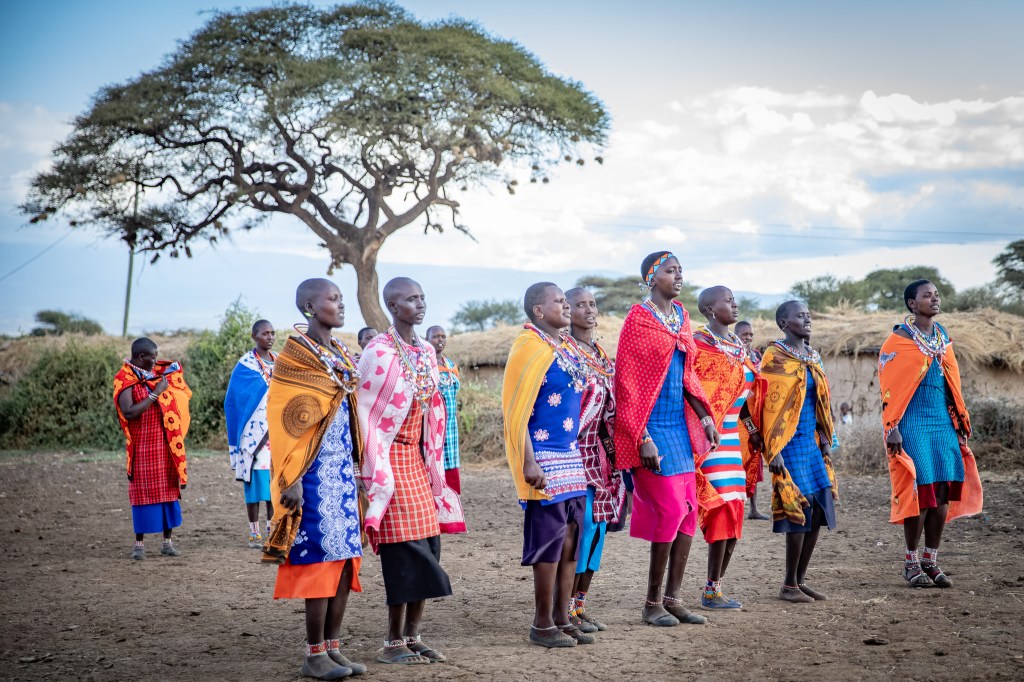
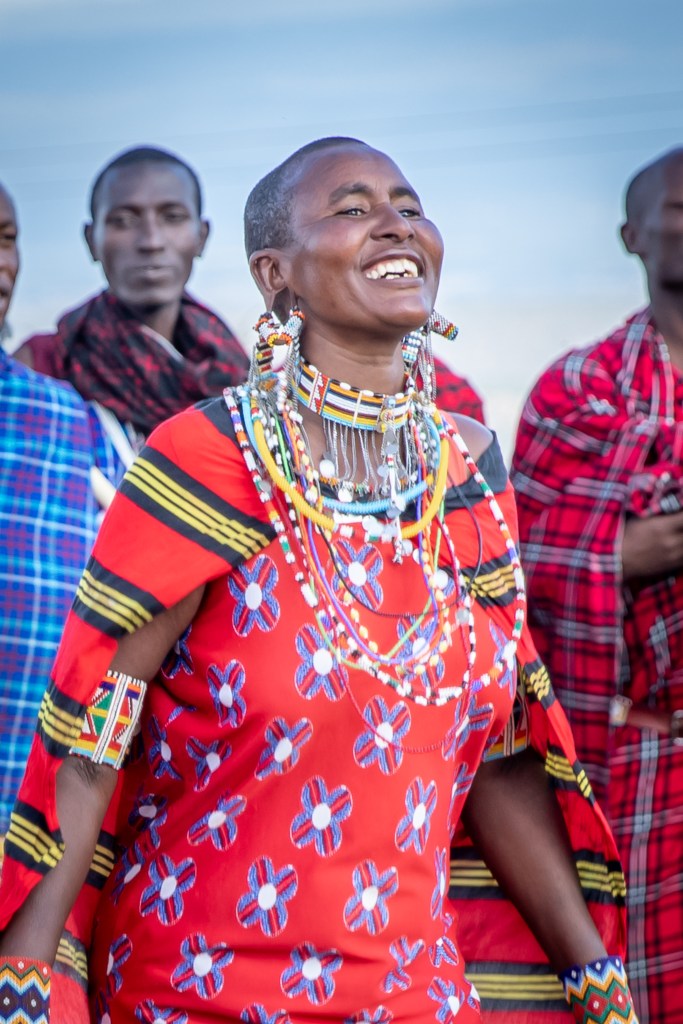
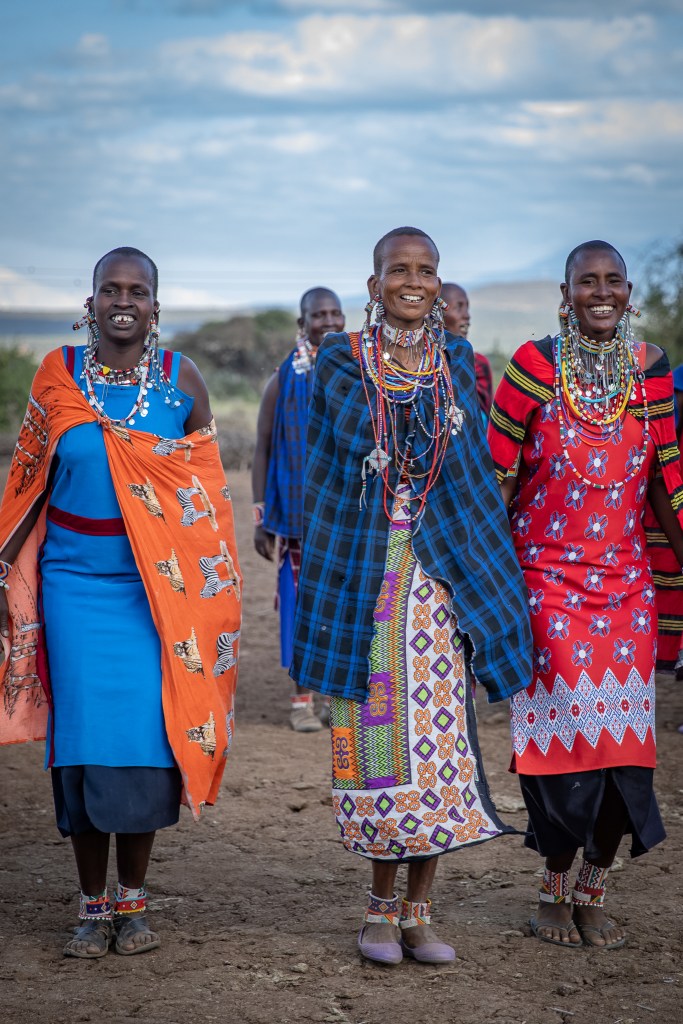
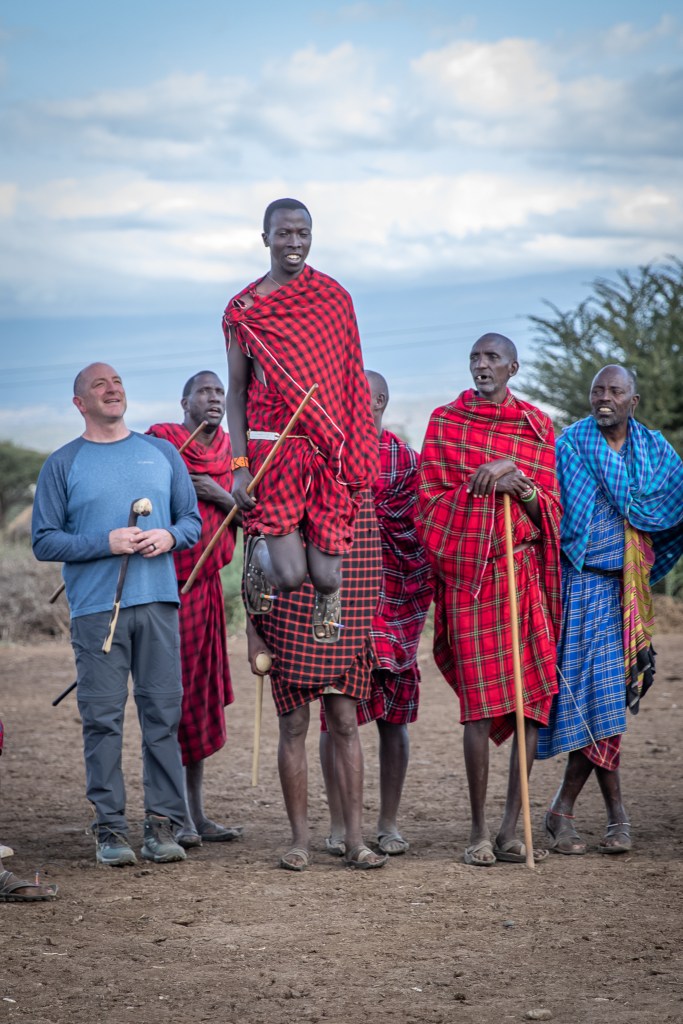
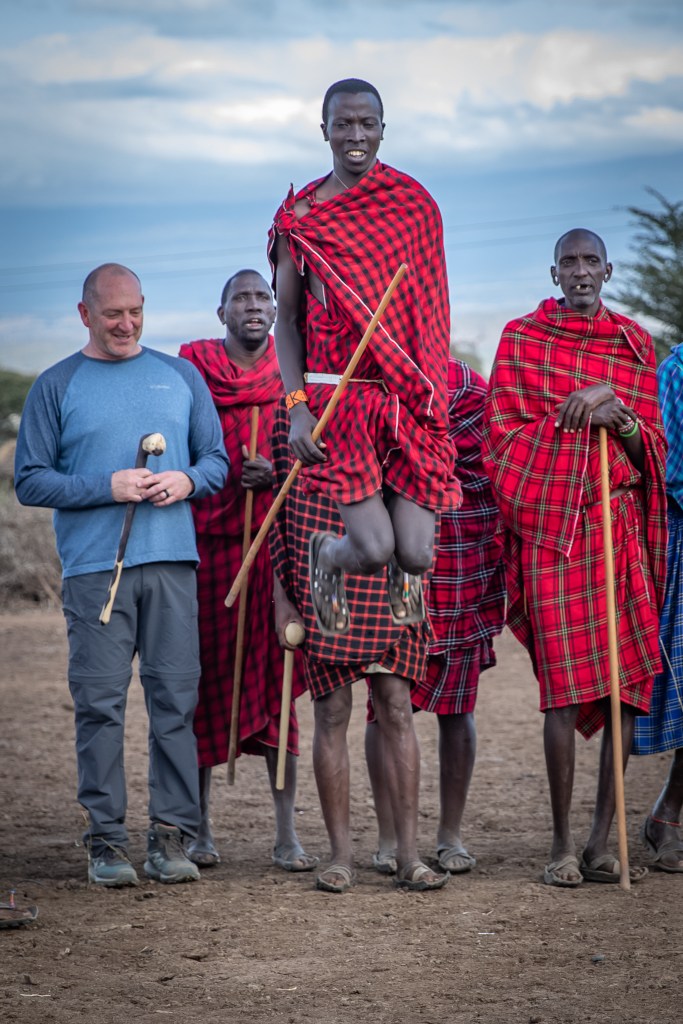
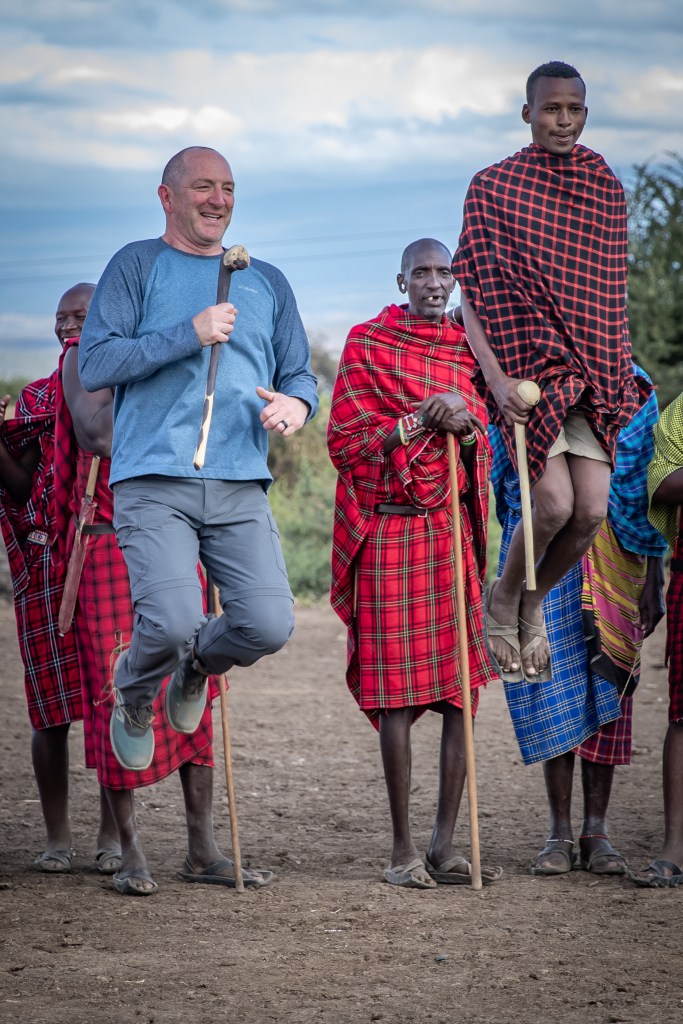
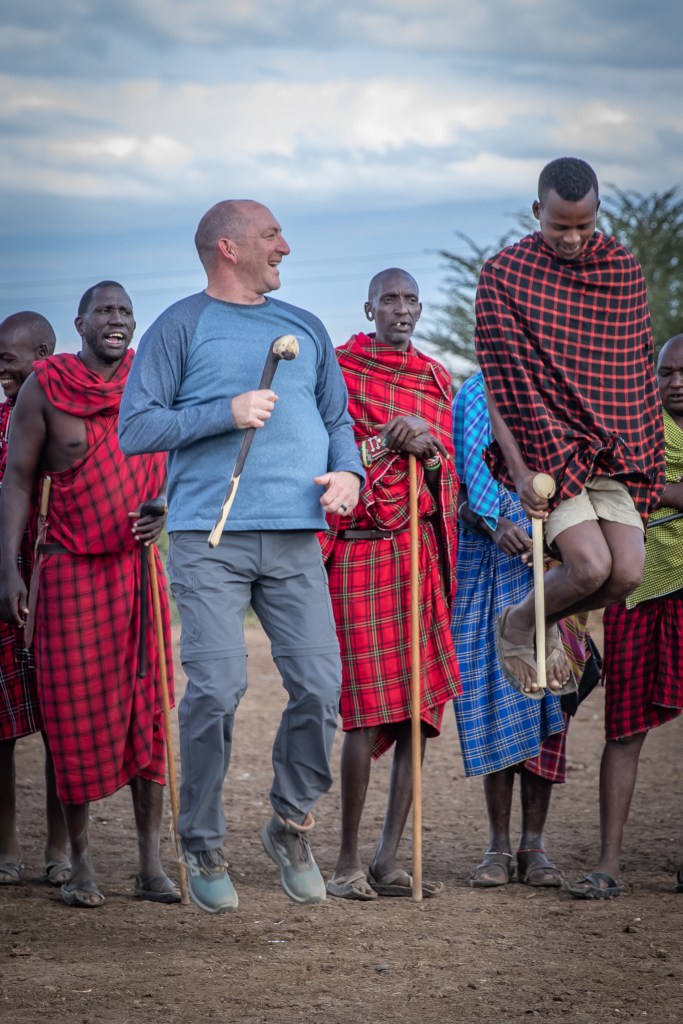
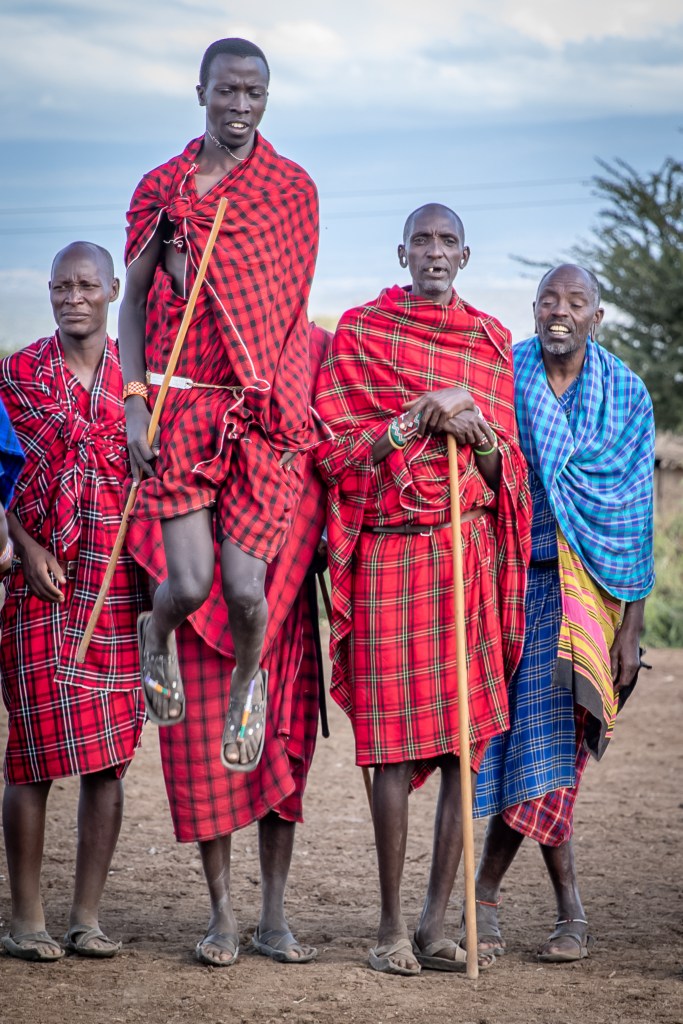
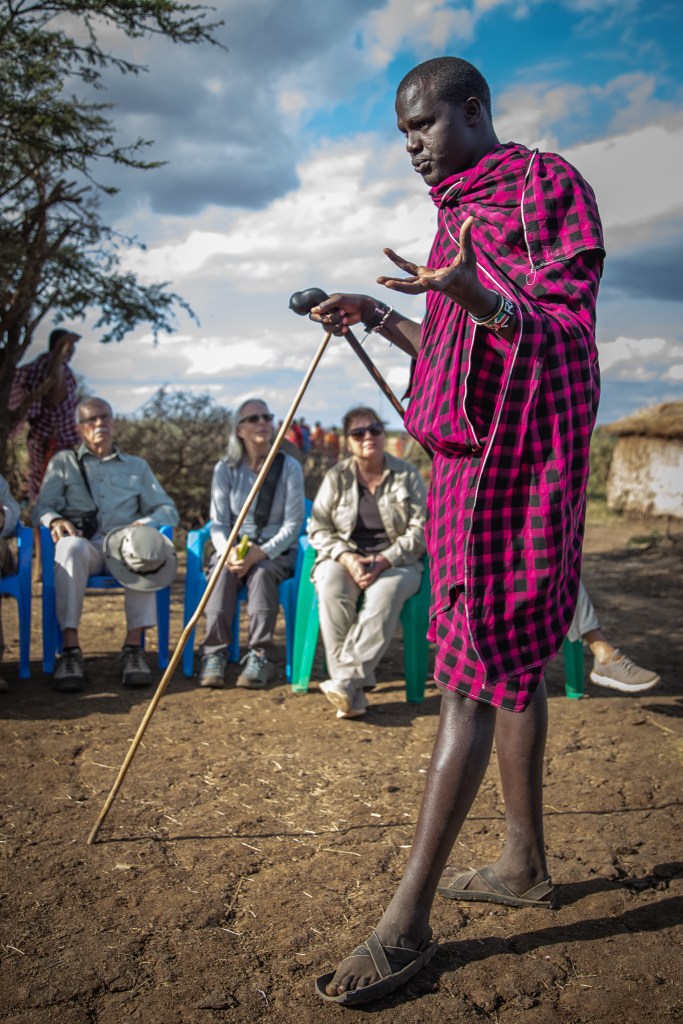
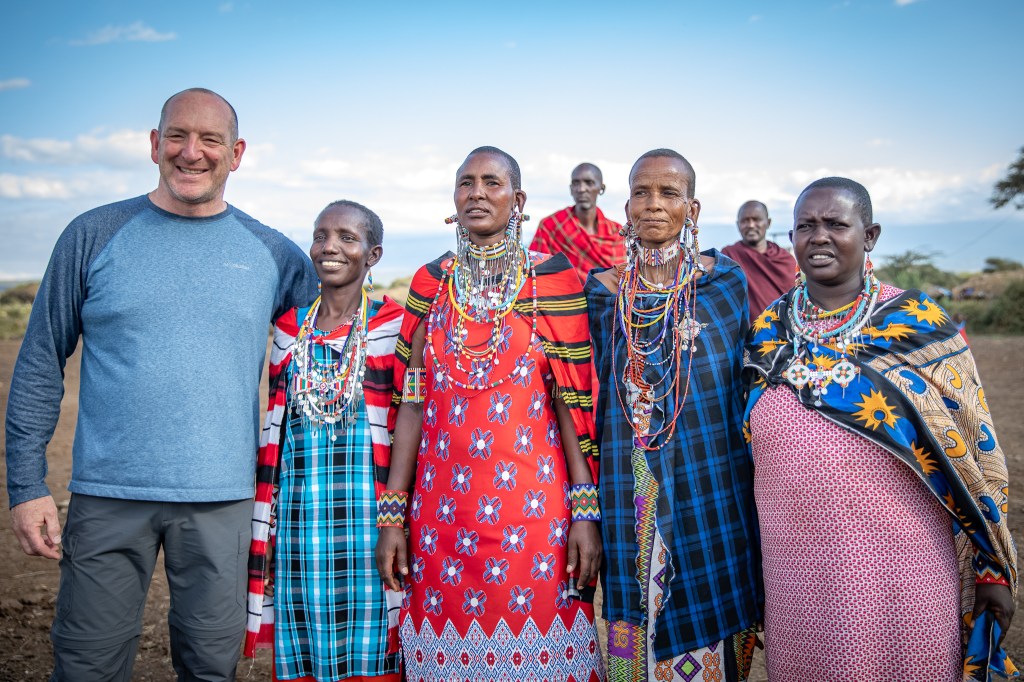
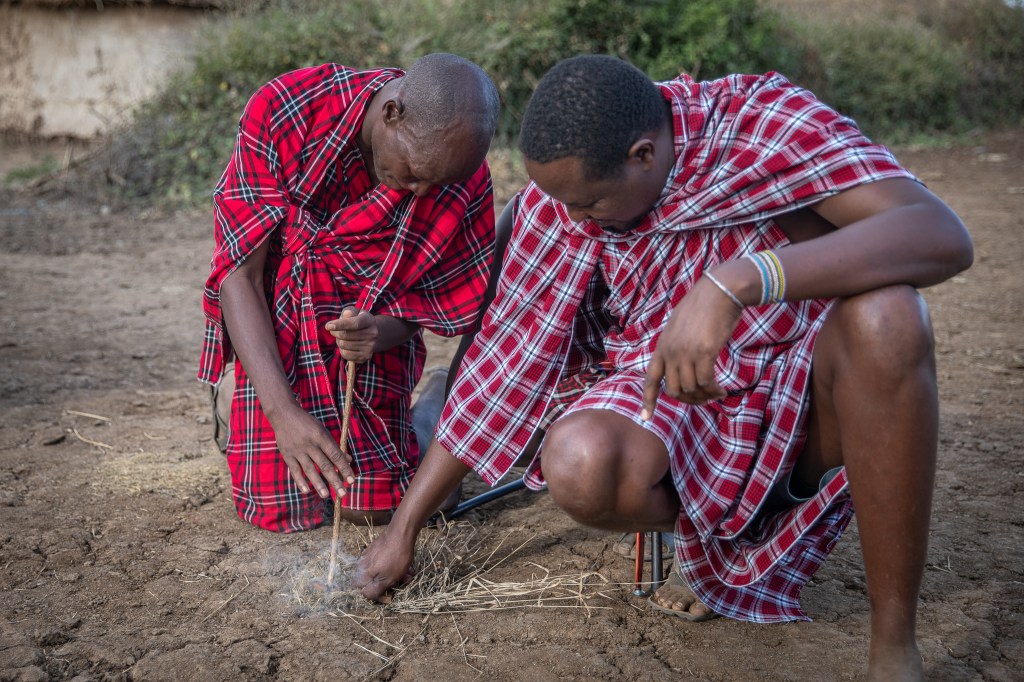
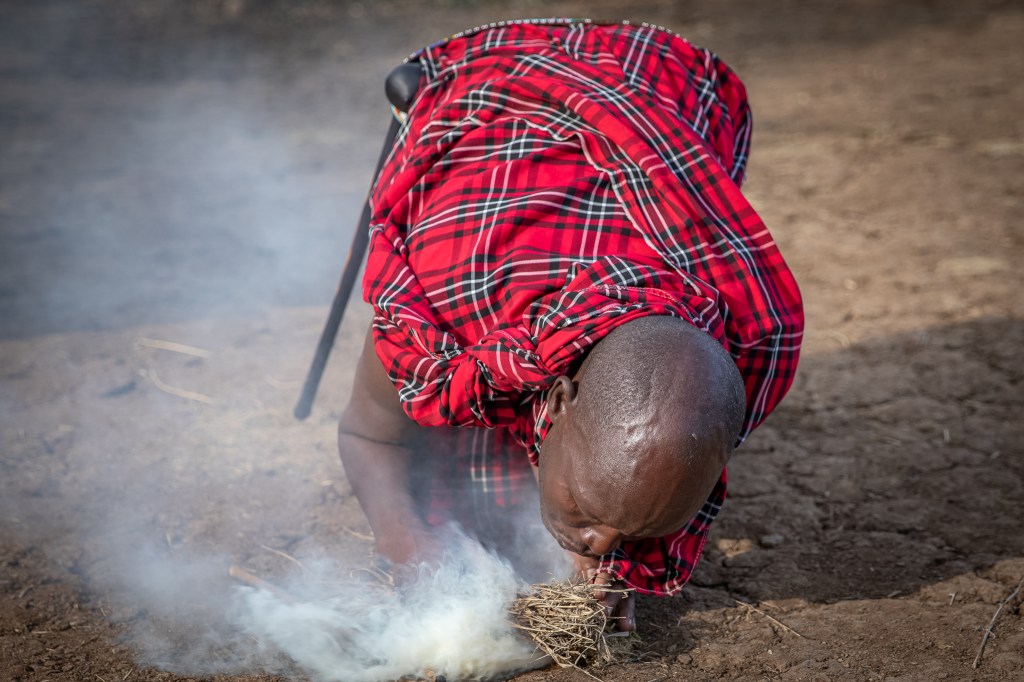
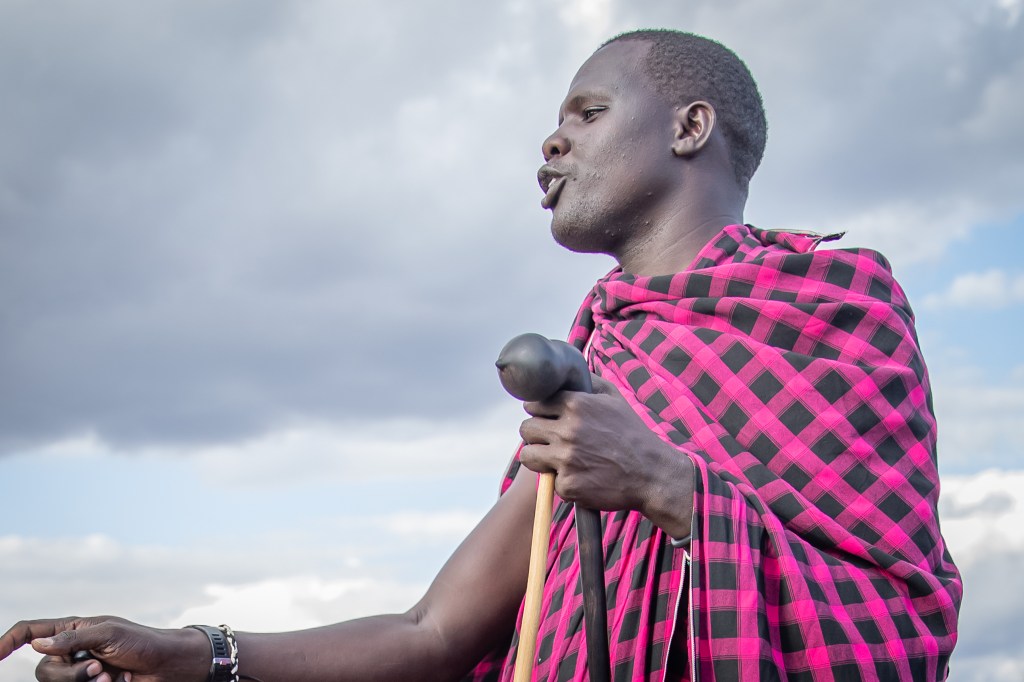
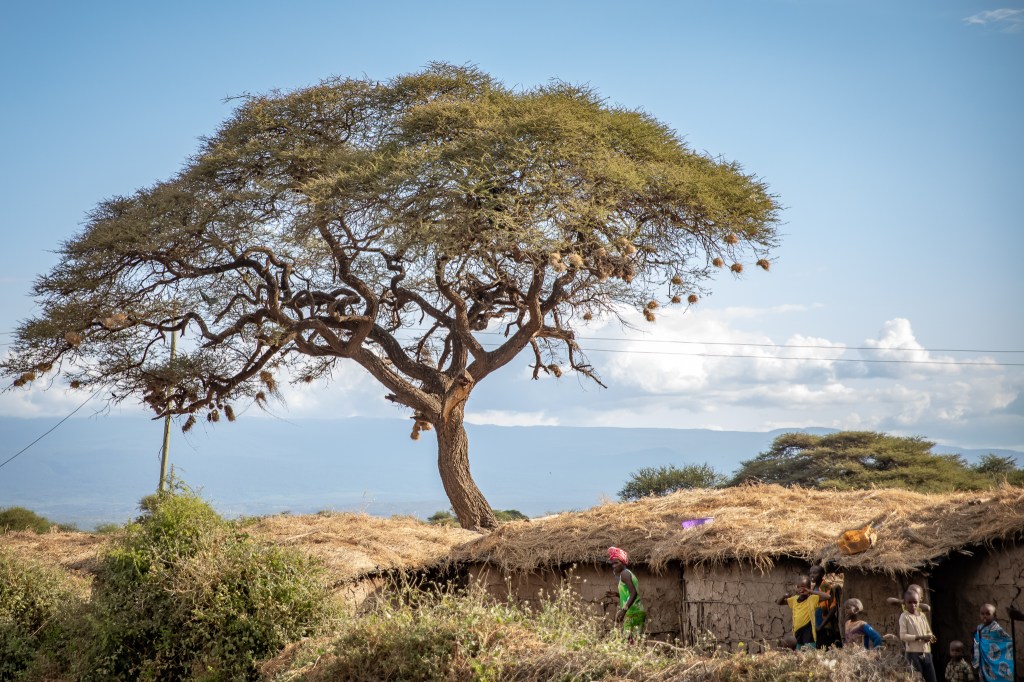
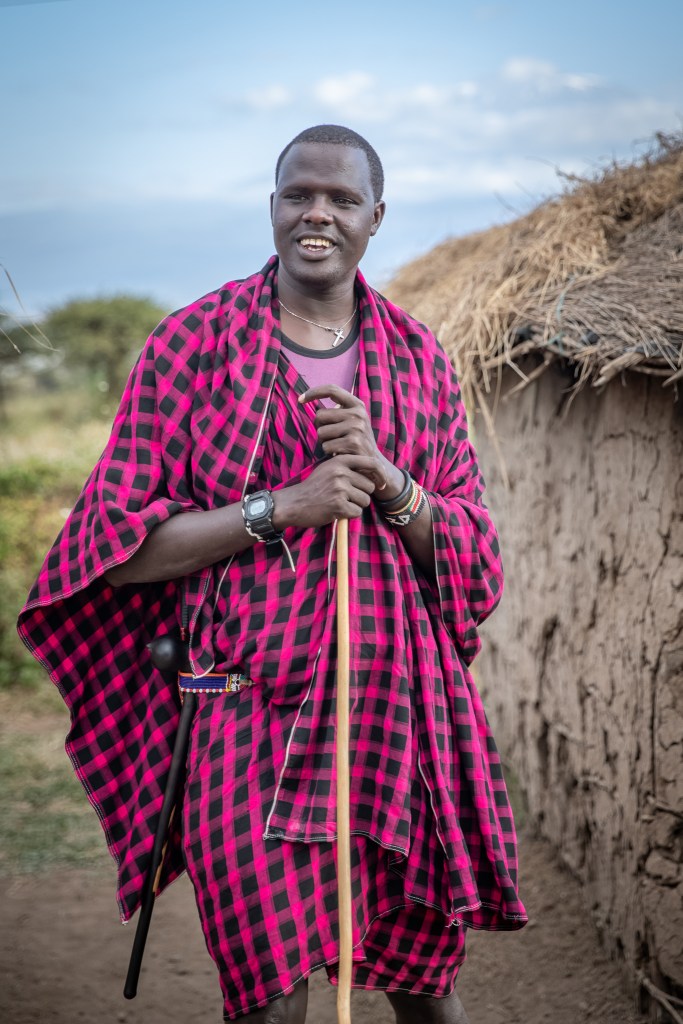
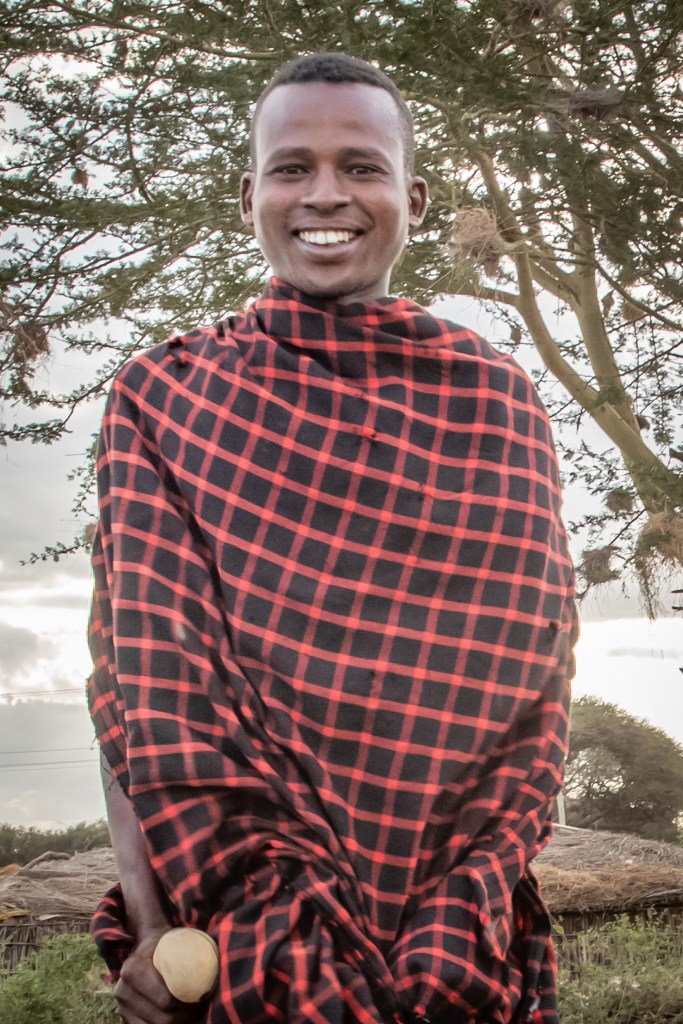
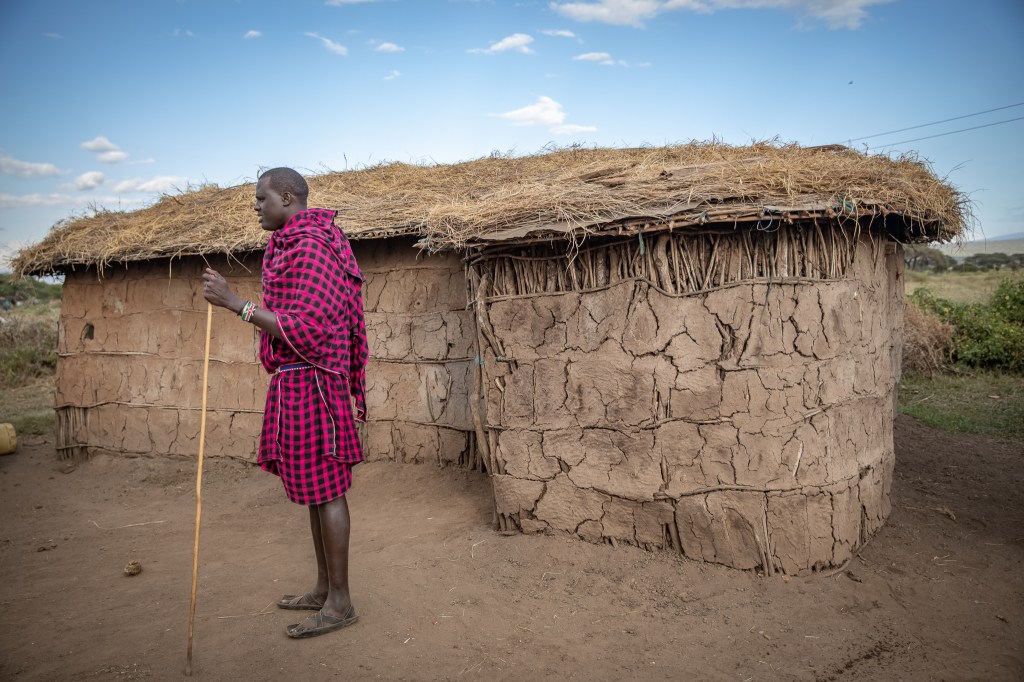
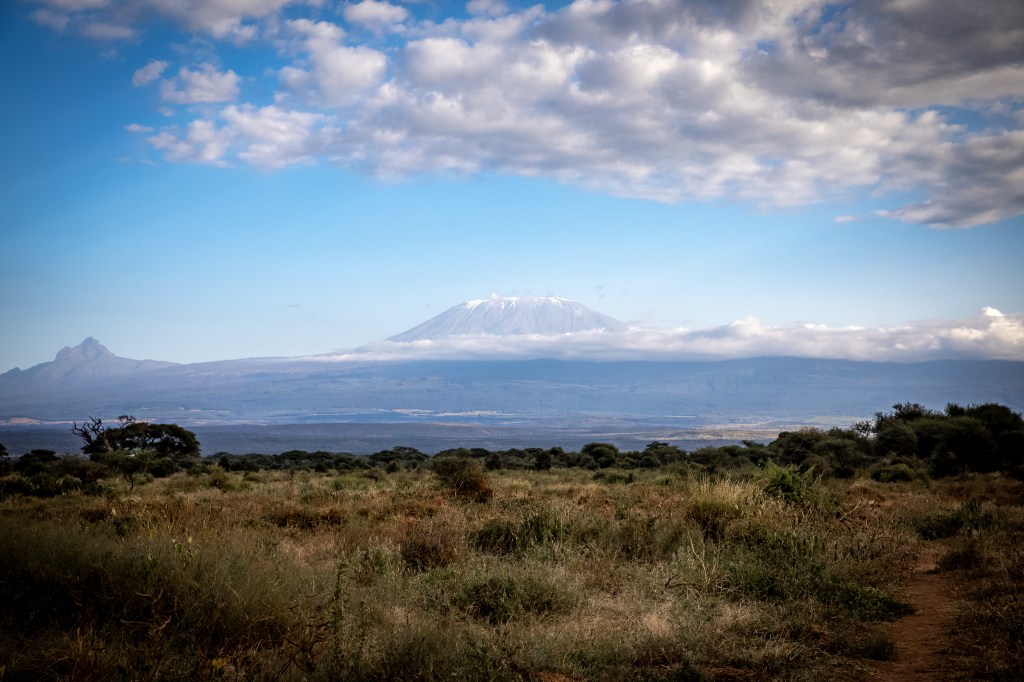
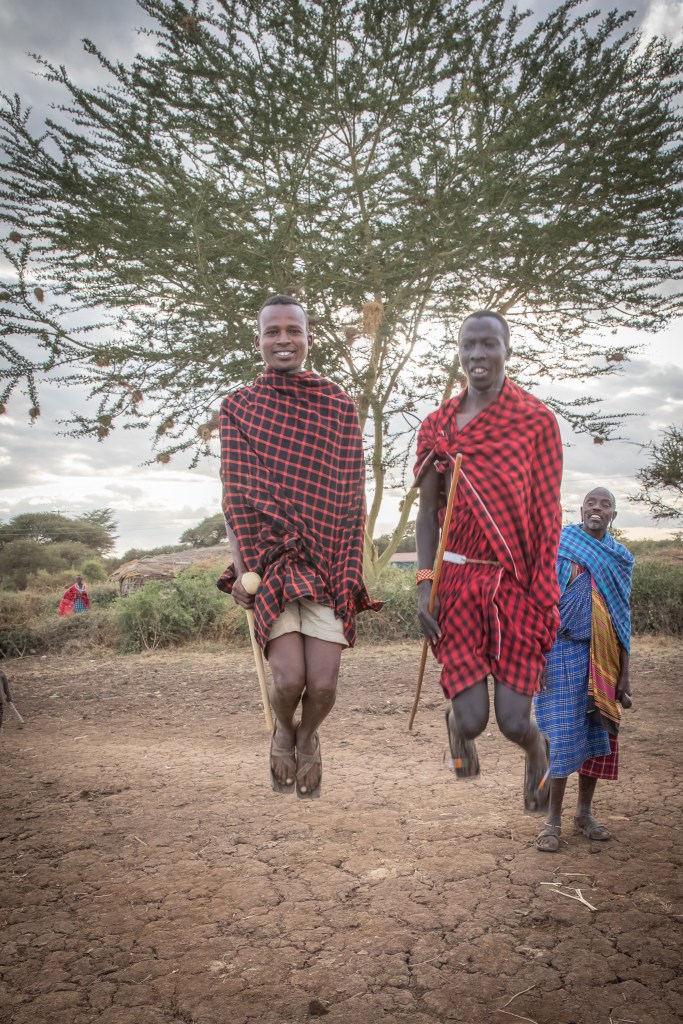
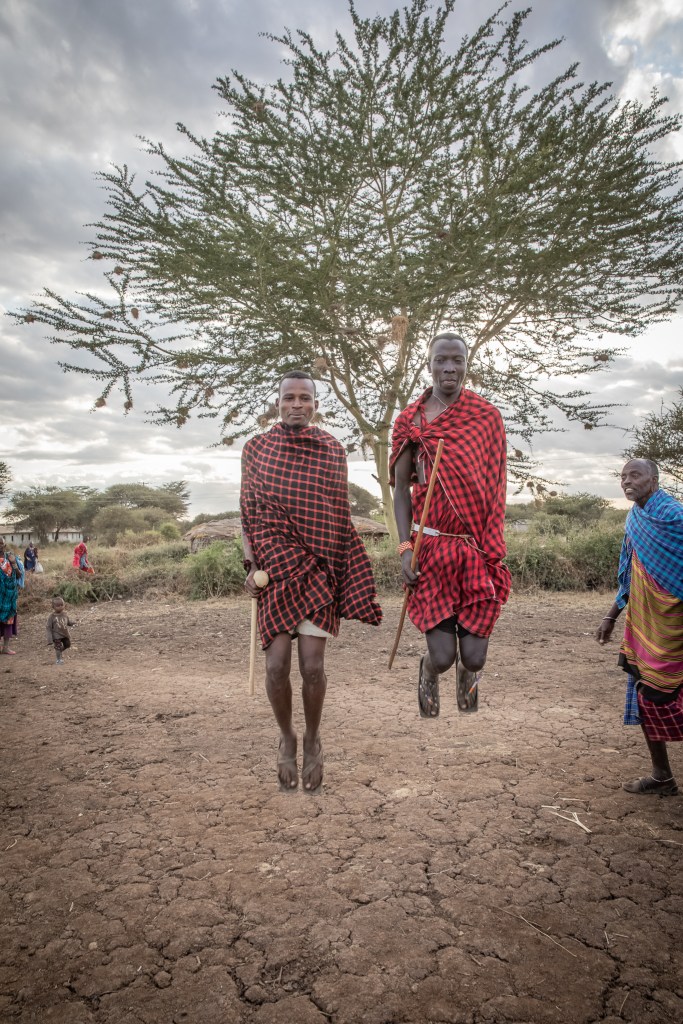
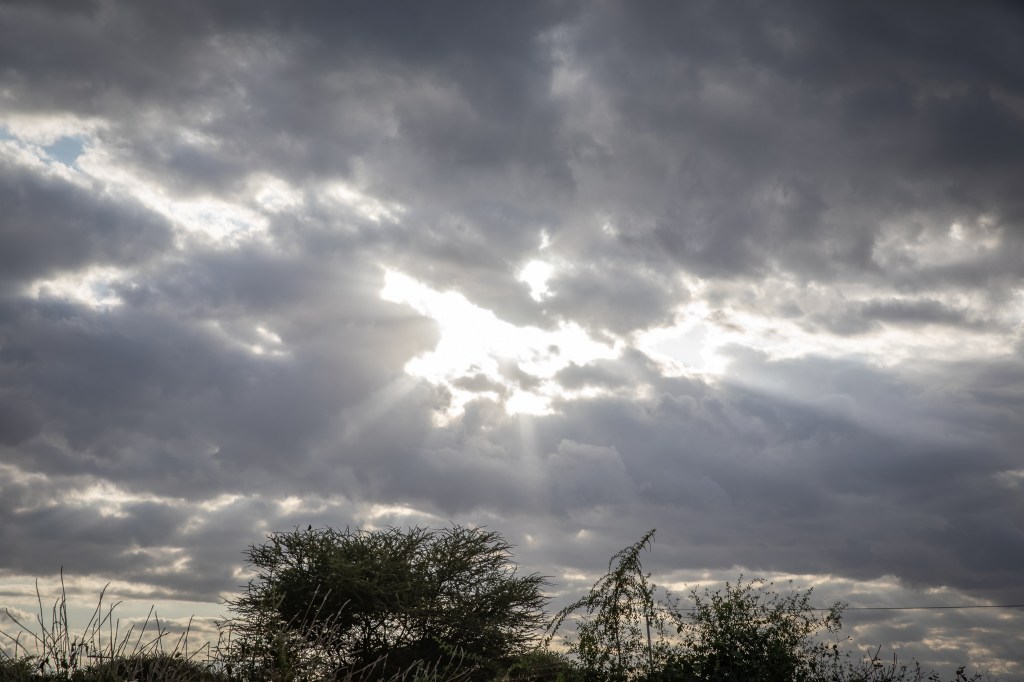
I am guessing (as I thought the same thing before I went to Africa myself) that when you think of African safaris, you think of riding around in 4×4 jeeps and spotting animals with binoculars and hopefully getting close enough to take photos. Well, that is a good part of it. However, we travelled with a travel group guided by a company called Collette. They specialize in land tours all over the world. They arranged our flights, our transportation, our guides, our accommodations, and our itinerary. We were all sent a booklet ahead of time so we knew what to expect each day. Each night we would have a chat before dinner in which Alfred, our tour guide, would tell us about what time and where to meet the next day and what the schedule would be for the day. He told us how to dress appropriately (if we needed bug spray…long sleeves to fight against Tse Tse flies or if we were only going to be in the vehicle and could wear shorts and sandals. All of this is great to know, and it is nice to have someone else make the decisions and you just be along for the ride. So we didn’t just go seek out wild animals. We learned a lot about the culture of the areas we were in as well. We spent a couple of hours on the border of Kenya and Tanzania (on the Kenya side) with a Masai tribe. They are nomadic people and travel with their herds of cattle, goats, and donkeys. However, about 5 years ago, the countries of Kenya and Tanzania cracked down on children and them going to school. They realized that girls should also be able to go to school and now both genders are expected to go until they are about 18 years old. The Masai and some other tribes had a pass on this because they are nomadic. However, the government stepped in and created some community schools. These schools were closer to where some of the temporary villages were located for the Masai. Their children no longer had to walk several miles one way to school. The adult men that are younger still leave with the herds but many of the women and the older adults stay with the children in the huts so that they can continue to go to school. They are expected to wear uniforms, and they learn Swahili and English. We got a chance to meet with the 4-6 graders at the community school along with their teachers (who are usually from cities and come to live and teach there for 9 months at a time). They sang and danced for us and then we had a question-and-answer session with them. They asked us questions and we asked them questions. It was really fun. We even had a few cows wander through the school yard. Then we met the chief’s son, Richard, who has one wife and two children. We also met James, who has two wives and 10 children. Masai are all Catholics and they are also polygamists. I couldn’t quite wrap my head around that. Richard’s dad, the chief, had 6 wives. The women in our group asked Richard how his dad keeps all those women happy. They women each have their own hut and he spends one night a week with each of them. He told us that Sunday was for church though. The Masai live in mud huts made from cow dung and sticks. They have no electricity or running water. The men light a fire every morning at 0500 for all the women to come out of their huts and take some of the fire back to their huts for their cooking fires. They make the kids breakfast before they head to school at 0700. They are there all day and come home around 4. The Masai are very easy to recognize due to their dress. They normally wear red, especially for weddings. The entire village will wear blue if a new baby is born though. At the age of 8 or 9, they have a rite of passage where they will have a circle branded into their cheeks. The men also have round burn marks on their right upper arms that they put there themselves to test their manhood and pain tolerance. The children and the men are expected to make no noise or cry during this time. In the photos I took, you will see they love color. They love colorful fabric and beads. They do their own beadwork. The men and women are allowed to carry a peace stick (it is the short stick with the knob on it) once they got married. We didn’t see any women carrying them, but the men were all carrying them. Most were made from ebony. This tribe lived in the shadow of Mount Kilimanjaro. Even though Mt. Kilimanjaro is located in Tanzania, we were right on the border and therefore on the Kenyan side this day, near Amboseli National Park. We started seeing a lot of acacia trees (there are something like over 300 different species of acacia trees). I feel in love with the flat top acacias…they kind that just really make you think of Africa. Mt. Kilimanjaro is shy and often covered in clouds. There are three peaks. Mt. Kilimanjaro is the 2nd highest mountain in the world behind Mt. Everest. Rich is hoping to go back and meet up with our head guide, Alfred, and climb to the top. Alfred grew up at the base of Mt. Kilimanjaro on the Tanzania side and used to be a guide for the climb. He has been to the summit more than 50 times. Rich is thinking October of 2026 if you want to join him. The Masai are known for their jumping. The men work very hard on being high jumpers as that is supposed to attract a female. They love to show off their jumping ability, especially the young men. They only jump to music though, so when we cornered the two best young jumpers and had them jump for us side-by-side, a couple of men started singing for them to get them into a rhythm for jumping. Rich joined in as well with the big group of men. Look at the shoes on the men’s feet. They are made with leather straps and the soles are cut pieces of motorcycle tires. They last forever and are all weather rated (at least that is what Richard and James joked with us saying). They offered to make Rich a pair if he comes back. He just has to call ahead and talk to the chief’s son. You will notice smiles on everyone’s faces at the Masai village. They are furaha (the Swahili word for happy). No matter what we might think of their lifestyle…they are happy. After we were done at the Masai tribe visit, we went back to our lodge and Collette has all their visiting groups plant small acacia tree saplings to help with reforestation. We were supposed to each plant our tree and say a blessing over each one. They also said it would make sure we would come back the next year to check on our trees! When they came around to water my tree and for me to say a blessing over it, I said it was in honor of Joe…who never got to see Kenya or Tanzania and would have loved it. Right then, the clouds opened up and a big ray of sunshine shot out of the clouds. So that is what that photo is about. My Joe giving me a sign that he heard my acacia tree blessing in his name.




 Messina Musings
Oh, Cyndi, how comforting Joe gave you a sign when you planted the acacia tree! Thank you for all the information to go along with your beautiful photos. I will probably never go, but I love learning about Africa and the people.
LikeLike