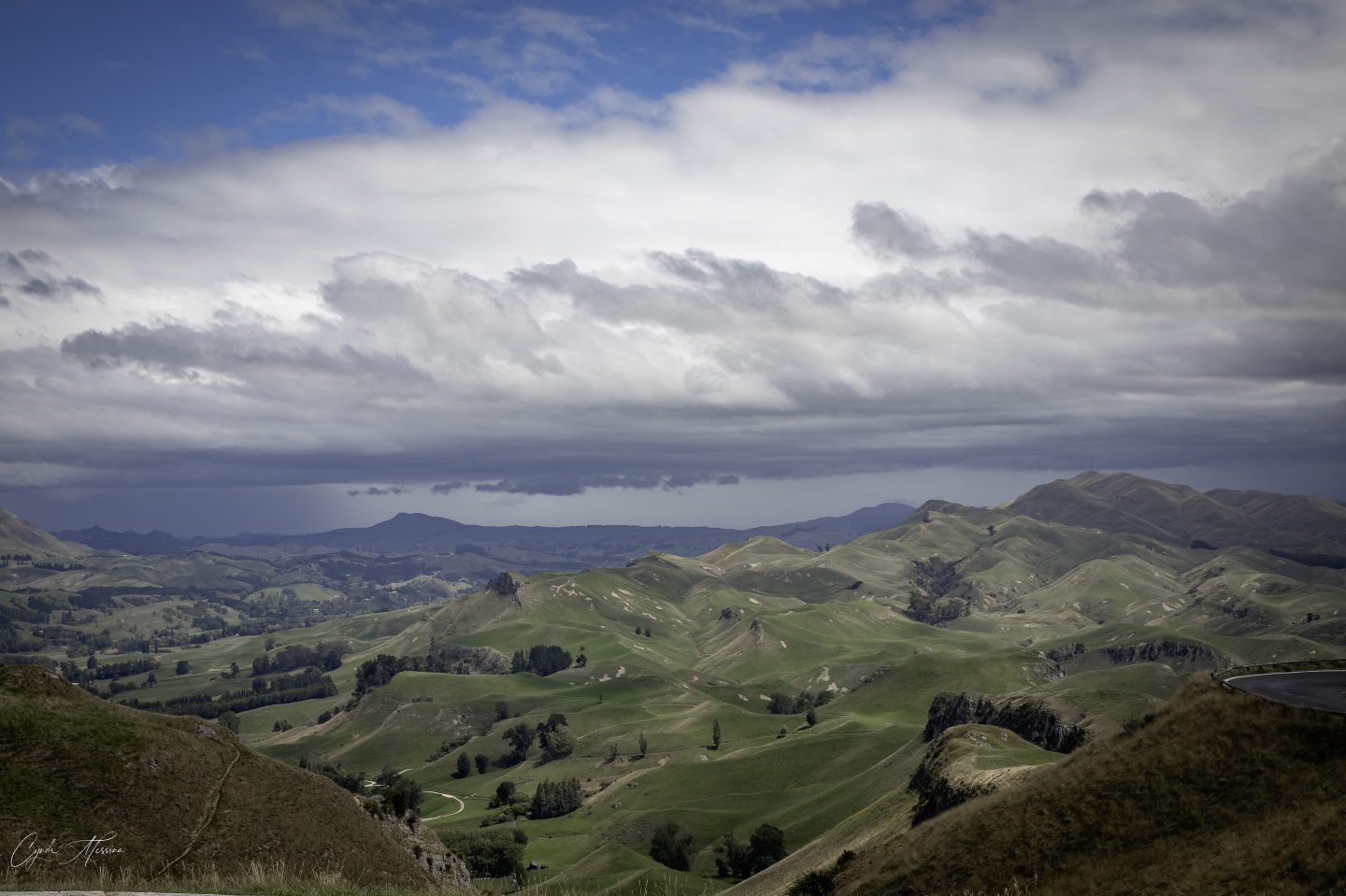

Before I start off talking about our trip to the David Sheldrick Wildlife Trust in Nairobi on our first full day in Kenya, I want to talk to you a bit about Kenya itself.
We didn’t fly with the rest of the group from Omaha (since we were coming from Montana). We flew into Amsterdam a day early and then tried to acclimatize to the new time zone. As with most flights to Europe, you flight through the night. I don’t sleep well upright. I am a side or tummy sleeper, so sitting upright is not conducive to good sleep for me. I think we managed to stay up until 7:30 p.m. and then crashed. We flew out around noon the next day to Nairobi. So the flight to Amsterdam was about 9 hours and the flight to Nairobi was the same, (and that was not including the initial flight to get to Minneapolis from Montana). It is A LOT of flight time, so we broke it up a bit. We arrived in Nairobi around 10 p.m. and was picked up in the airport by one of the Collette employees (that was the company we did our tour with).
Nairobi has about 5.5 million people and is the largest city in Kenya. Mombasa is a little less than 500 km away and is the 2nd largest city in Kenya. There are 44 tribes in Kenya and they all speak a different language. They learn Swahili when they head to school and then later English is added in. We actually learned a lot of phrases in Swahili while we were in Africa. It is the national language of many of the countries in southeastern Africa. Jambo Jambo! (Hello! – A greeting we heard all the time.) Karibu (welcome!). I will sprinkle a few more phrases as I blog through our trip. Our guide, Afred, often spoke in what he called SwaEnglish – a combo of Swahili and English. The Kenyan money is the shilling and a U.S. dollar = 130 Kenyan shillings. They do drive on the other side of the road and the vehicle, as they were a British protectorate for a long time. They gained their independence from the UK in 1963. The population of Kenya is about 56 million and covers 587,000 square km. Kenya doesn’t use states but counties, of which they have 47. We were in Kenya and Tanzania in mid to late June, which is their wintertime. We had cooler nights in the mid 50’s and it was mostly in the 70’s or low 80’s at most while we were there. It was dry, as the rainy season had ended about a month prior. We had a few dusty days in the Serengeti, but for the most part, things were still green from all the rain. It was the perfect time to be there. In the city of Nairobi, there was the Nairobi National Park, where they have all sorts of wild animals, including black rhino. Right in the middle of the city! Christianity makes up 64% of Kenyan’s religion. Muslims make up 42%. The remainder are mostly Hindu or other Indian religions. Nairobi has a slum area called the Kibera slums, where 100’s of thousands of Kenyans live. It is the largest slum in Africa. Other random facts about Kenya….the drinking age is 18 years old, which is also when they can vote. Plastic bags are illegal. This includes plastic grocery bags and ziploc baggies. All illegal. We couldn’t bring them into the country unless we took them out with us.
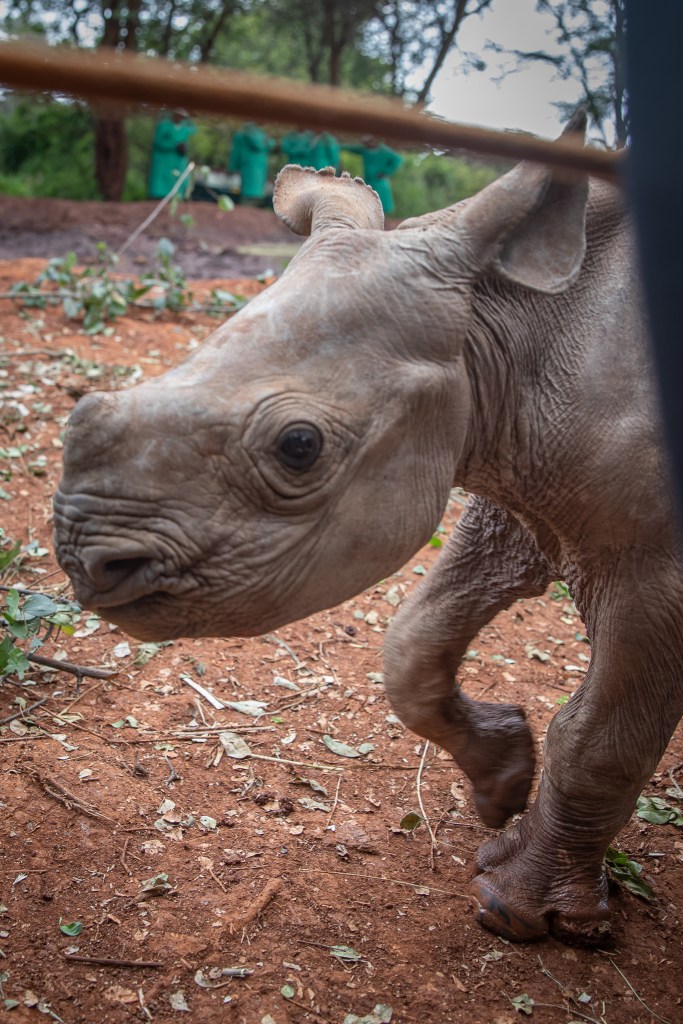
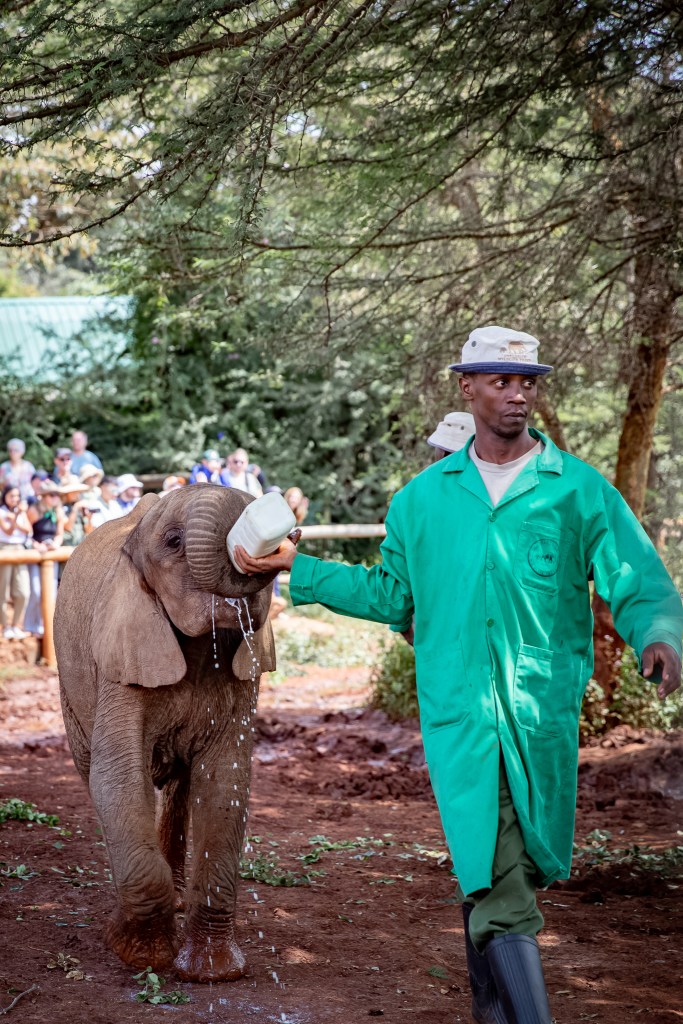
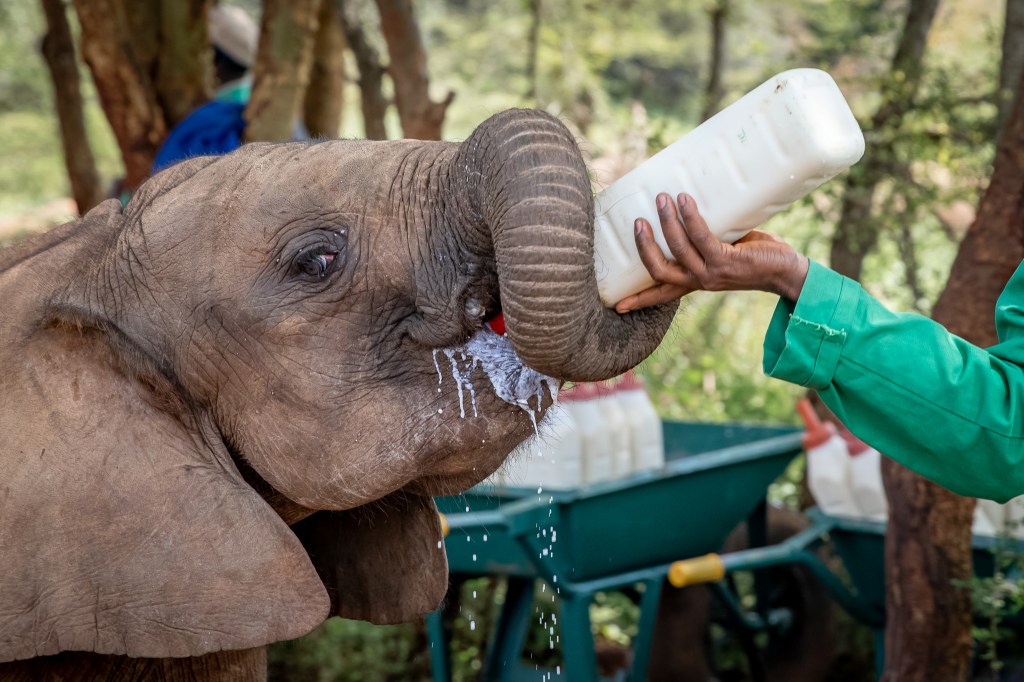
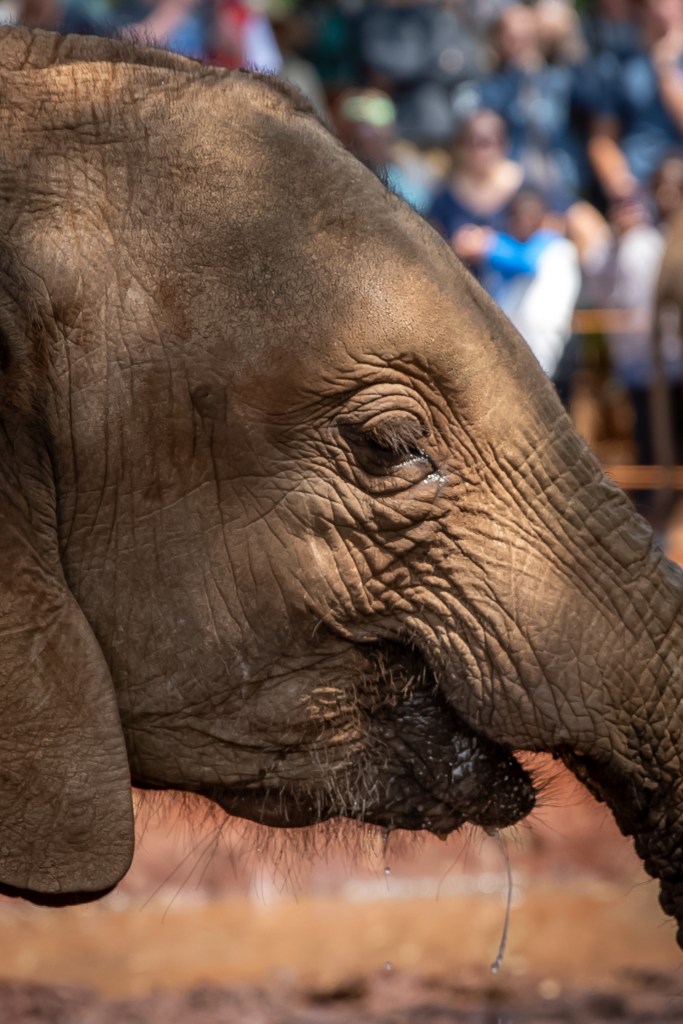
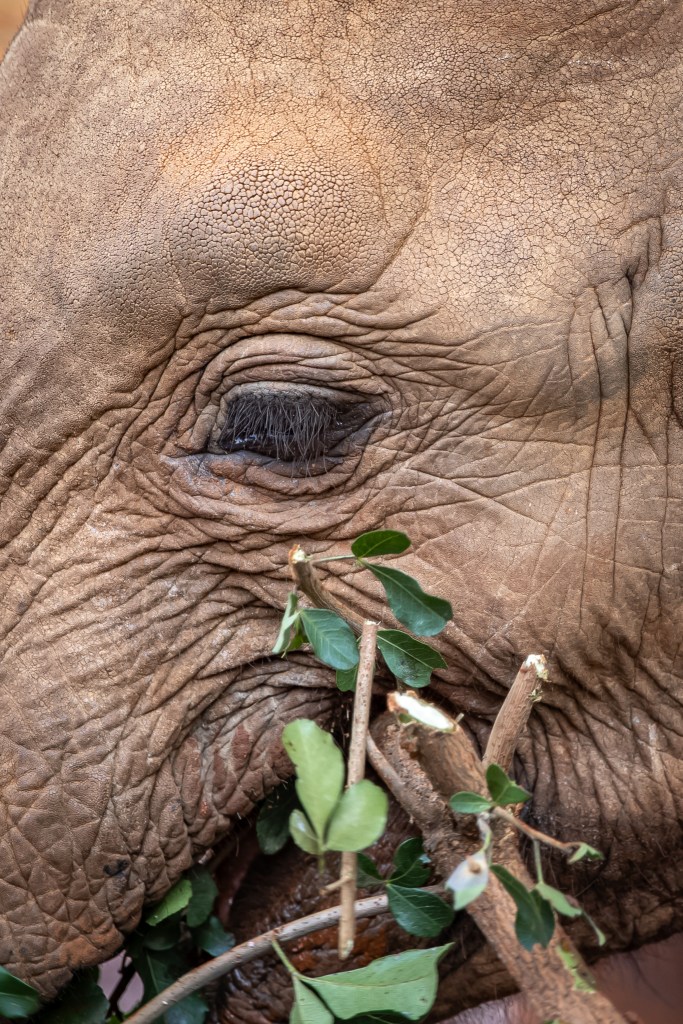
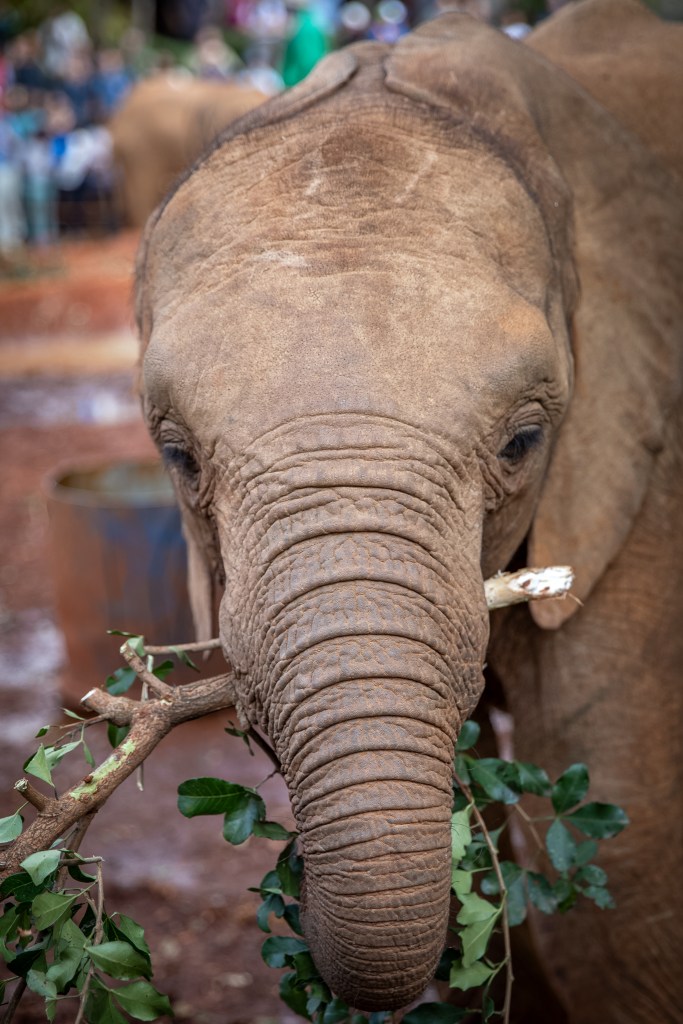
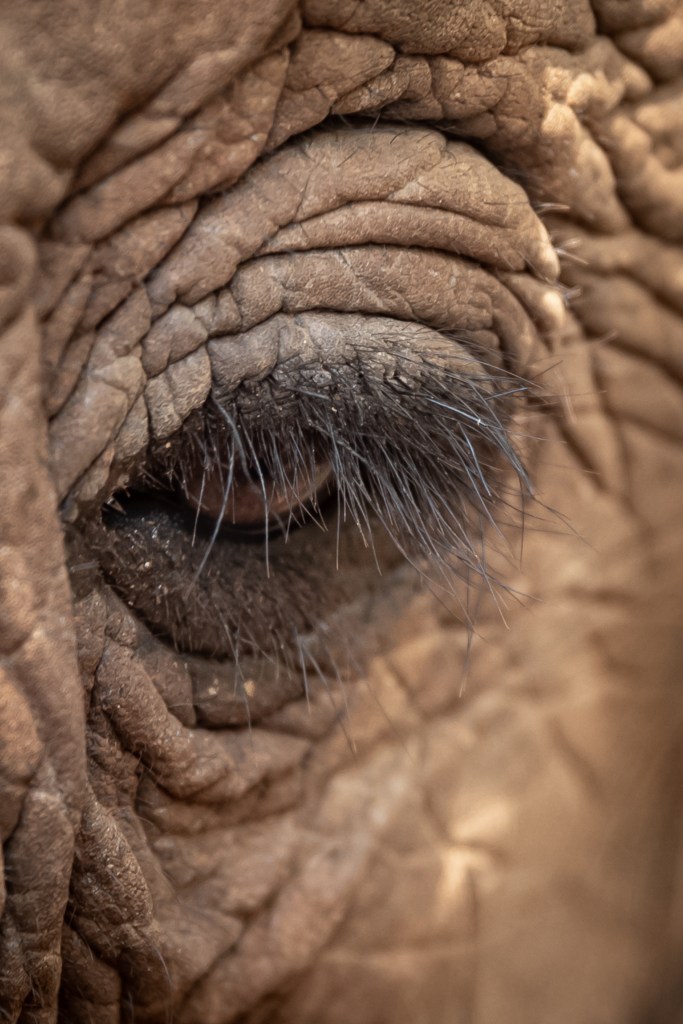
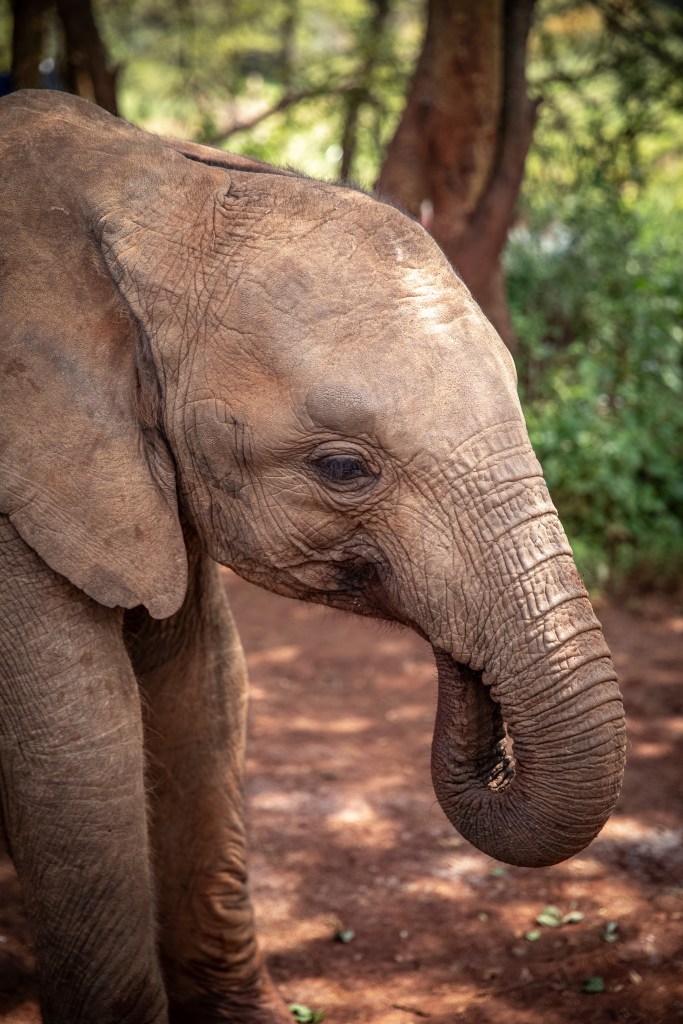
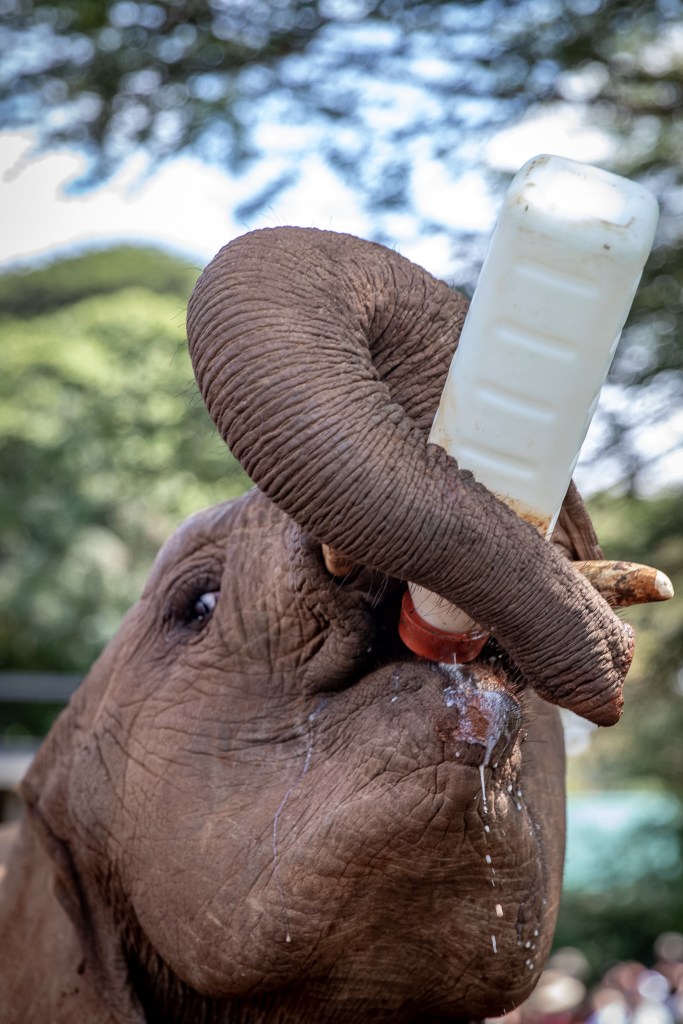
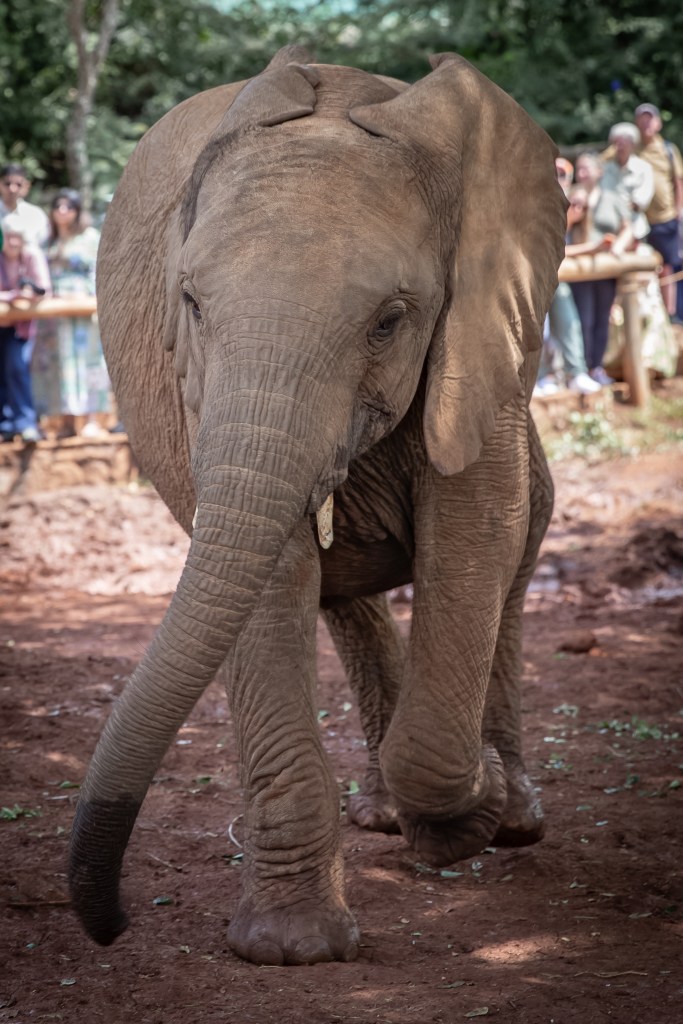
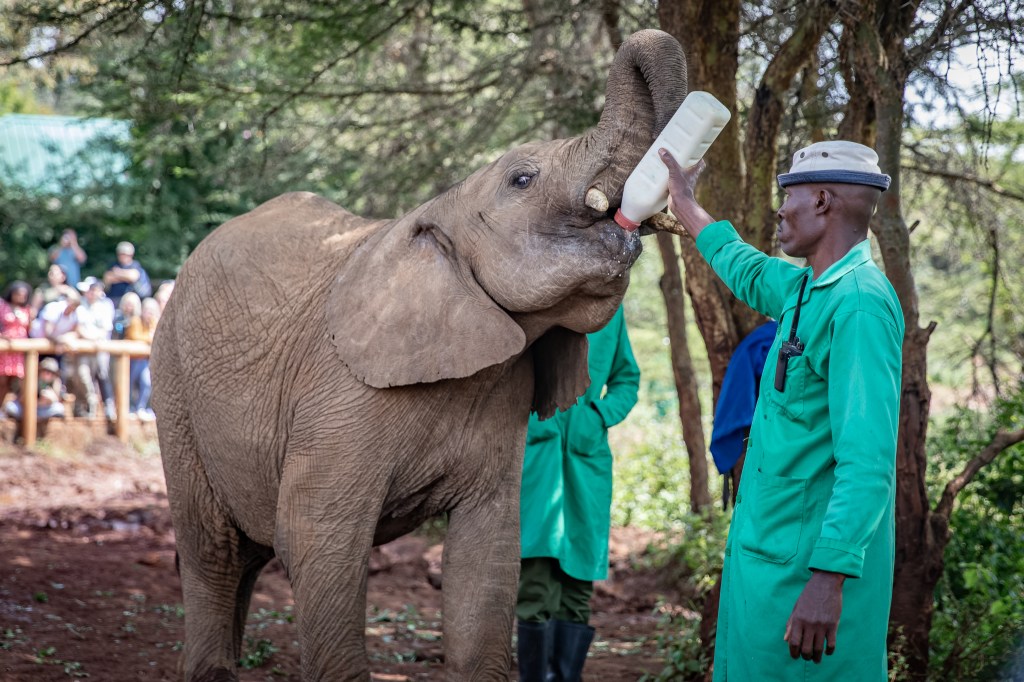
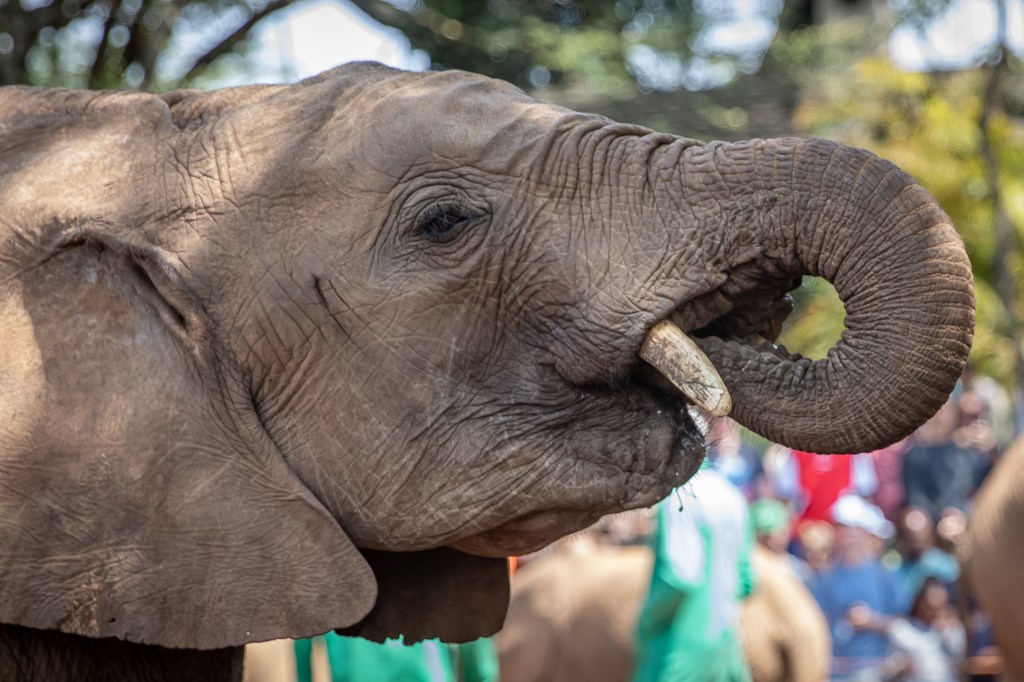
Okay…our first full day in Africa was spent in Nairobi and it was a FULL day. I think it was somewhat planned that way so we could stay up all day and crash hard that night. I think we started with breakfast at 7 a.m. and our welcome dinner started at 7 p.m. Our first stop of the day in Nairobi was the David Sheldrick Wildlife Trust – otherwise known as the Nairobi nursery. They are open to the public five days a week but for only one hour a day. People are allowed to buy tickets to hear about the program from the caretakers and watch the baby elephants be fed their bottles. They have two black rhinos there as well….one which is blind and 15 years old who lives there permanently, and one year old rhino who had been attacked by lions they think, and had several awful wounds that they have done several surgeries to correct. She is now on the mend and starting to grow and flourish. They have 22 baby elephants righ now who were rescued from certain death all over the Kenyan countryside. They all have varying back stories and if you go on their website, http://www.sheldrickwildlifetrust.org , you can read about their stories. Rich gifted me with adopting one of the baby elephants, Mzinga, who is a female that is 2.5 years old. She was found in Tsavo East National Park all alone. She is now thriving at the Nairobi nursery. The goal for the elephants is to be raised and released back into the wild to be adopted by family groups of wild elephants. This program has been around for 45 years and they have raised 12.067 orphans and have 29 anti-poaching teams. I am enamored with African elephants so this was so very special for me. As an adoptive mom, I get emailed the caretakers’ notes on Mzinga each month and pictures of her and how she is doing. She is full of spit and vinegar…just like me! The baby elephants came right up to the people around the feeding pen and I got to touch them…and even got a smudge of mud on my shoe from the trunk of a curious baby elephant trying to untie my orange shoelaces. My heart almost burst. So here are some photos from that hour at the Nairobi Nursery:




 Messina Musings
I love hearing about all this, the plastic bags and everything. I also love elephants. Your pictures are great! Thank you for sharing this amazing trip!
LikeLike