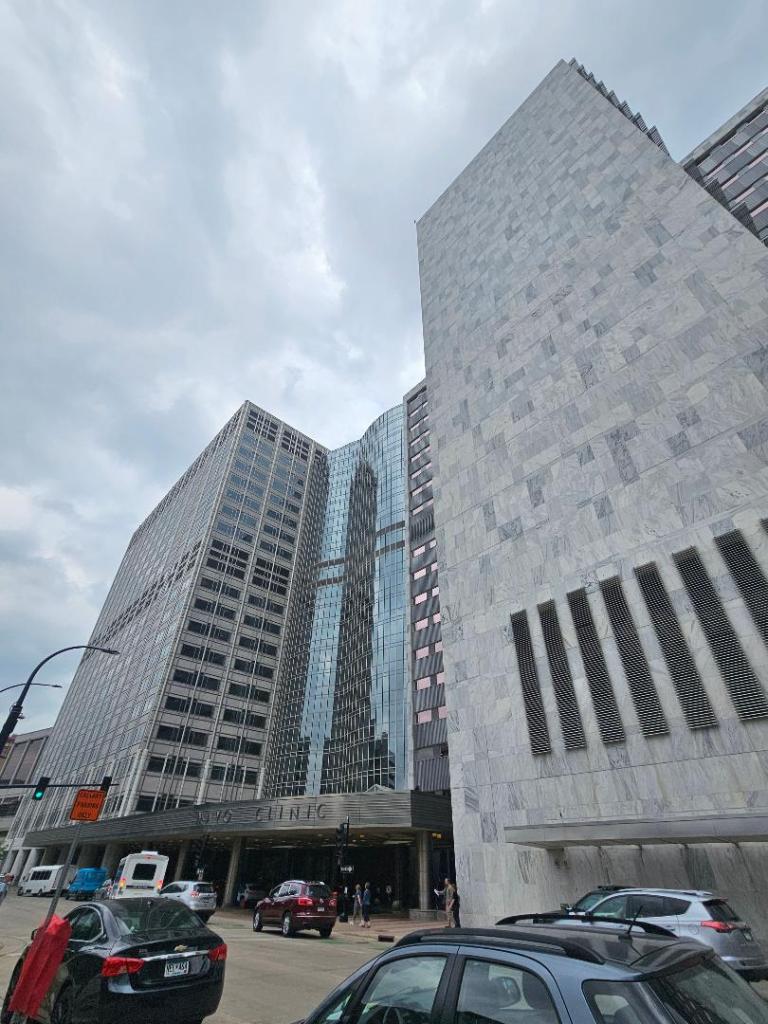
I have been pretty busy, and I realized today that I never updated everyone on what is going on with my health. I had scans in early May and sent them off to the Mayo Clinic in Rochester, MN. For the last 5 years, I have been overseen by the Sarcoma Specialty Center there. I am seen by the head of sarcoma specialty clinic and he is fabulous. Up until this point I had been there in person twice and the rest of the time was seen via telehealth over zoom. Unfortunately, starting in January of 2025, the medical system in the U.S. shifted back to pre-pandemic rules. No one on the sarcoma team has a license to treat in Montana, so I would have to come there to be seen in person. So I flew from Montana to Minneapolis and drove to Rochester to be seen for 30 minutes. Several good things came out of this appointment. First, I am still stable. Second, I got to see my favorite doctor on the planet in person. Third, he felt SO BAD that I had to fly to see him when I have been stable for so long that he decided I didn’t need to seek out an appointment with him every 6 months. I will continue the treatment regimen I have been on for the last several years, and get CT scans done every 6 months. I will not be talking to the Mayo Clinic until there is an issue. A new growth, I start to not tolerate the treatment, or growth of my existing tumors by >20%. So I am putting my faith in the hands of my local doctors for now. I will also be switching this next appointment (July 31st) to a Lupron shot that lasts for 3 months rather than 28 days. This will coincide with my IV treatment of Zometa, which is every 3 months. Yes, ladies and gents, this means I only go into the oncology department every 3 months….4 times a year. This is HUGE for me. The only benefit of going to Rochester was the ability to see my favorite doc, but also an adult lifelong friend from my time living in NE Minnesota in the mid ’90s.
Along the same lines, Logan Health in Kalispell recently had their first cancer survivor’s day. There were cupcakes, food trucks, loads of vendors. Rich and I stopped by for an hour or so and he was amazed at the number of people I knew who were there…staff and patients. I am in a book club for cancer survivors and a lot of them were there. Also a lot of folks from our local Soul Sisters Cancer group, which I also participate in.
Rich has been out of town for 2.5 weeks. He had a business training for our travel advisory business and then spent some time with his parents and sister in Florida. He then flew to the Midwest and spent time in Kansas City with Lily and Michelle and the Oslica family and then went on a quick trip to Omaha to connect with several good friends from our time there. When he was in Kansas City, he was able to do some work at Lily’s duplex and was able to take Michelle to the UFC fights being held in Kansas City. Sounds like they had a good time.
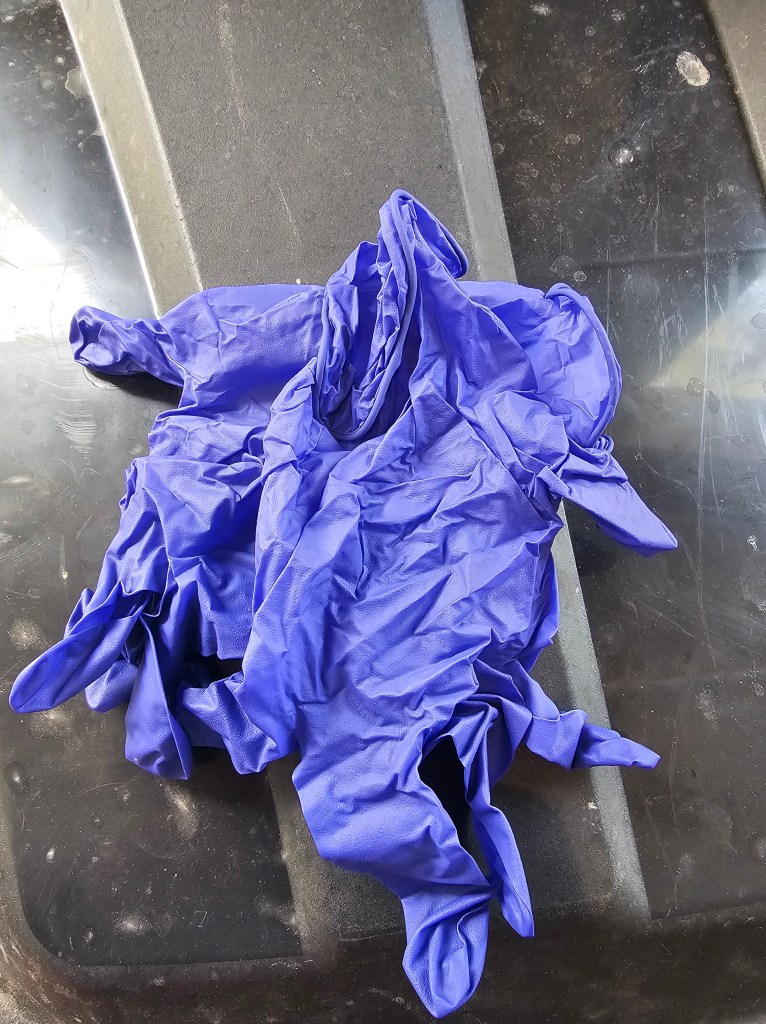
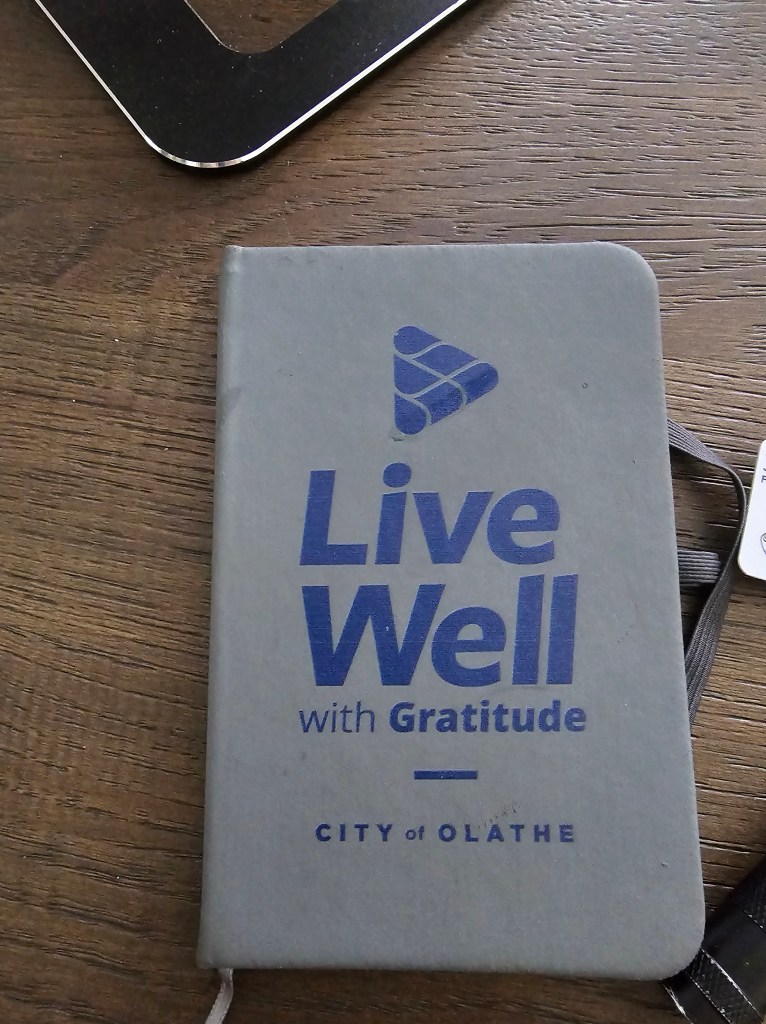
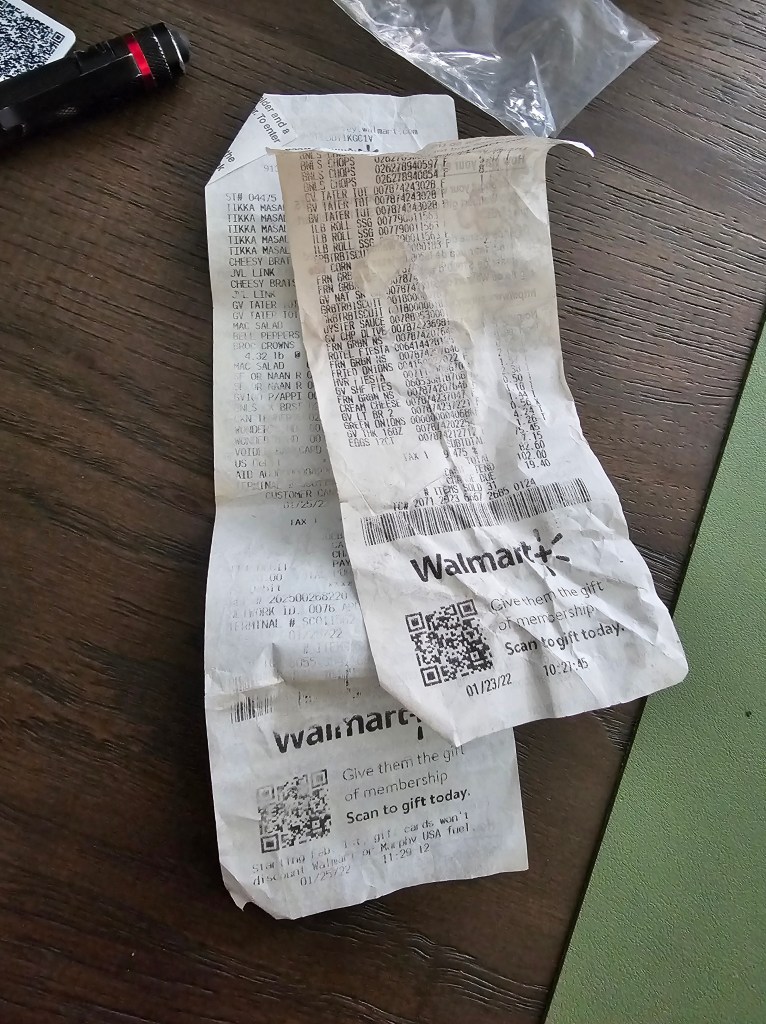
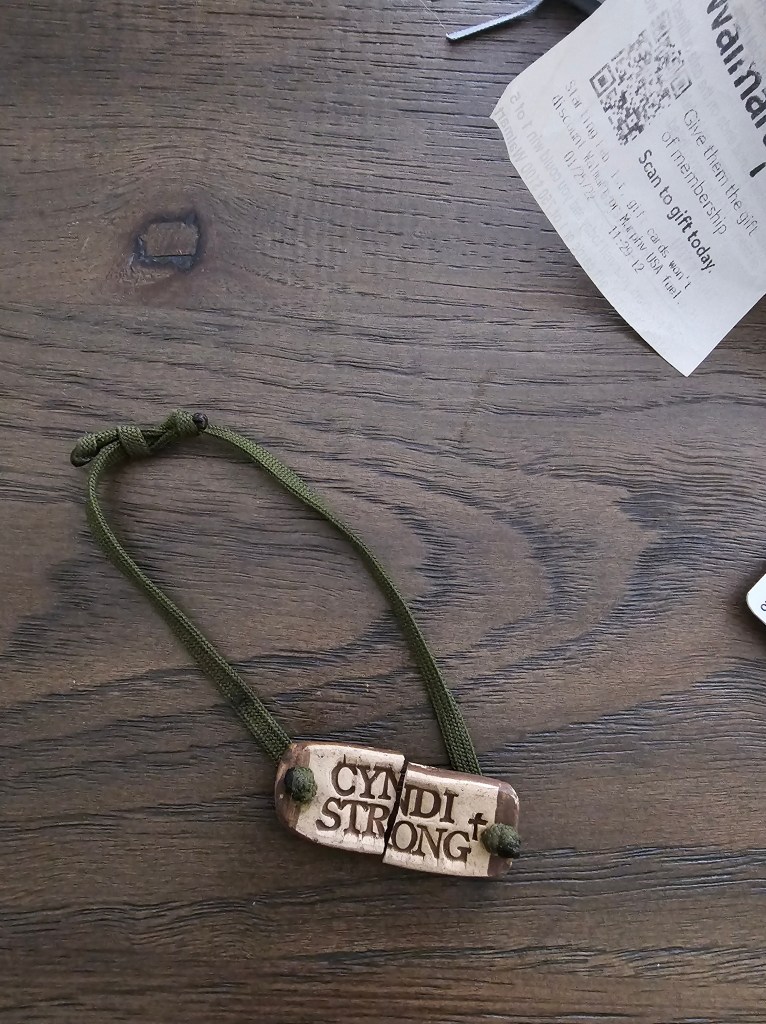
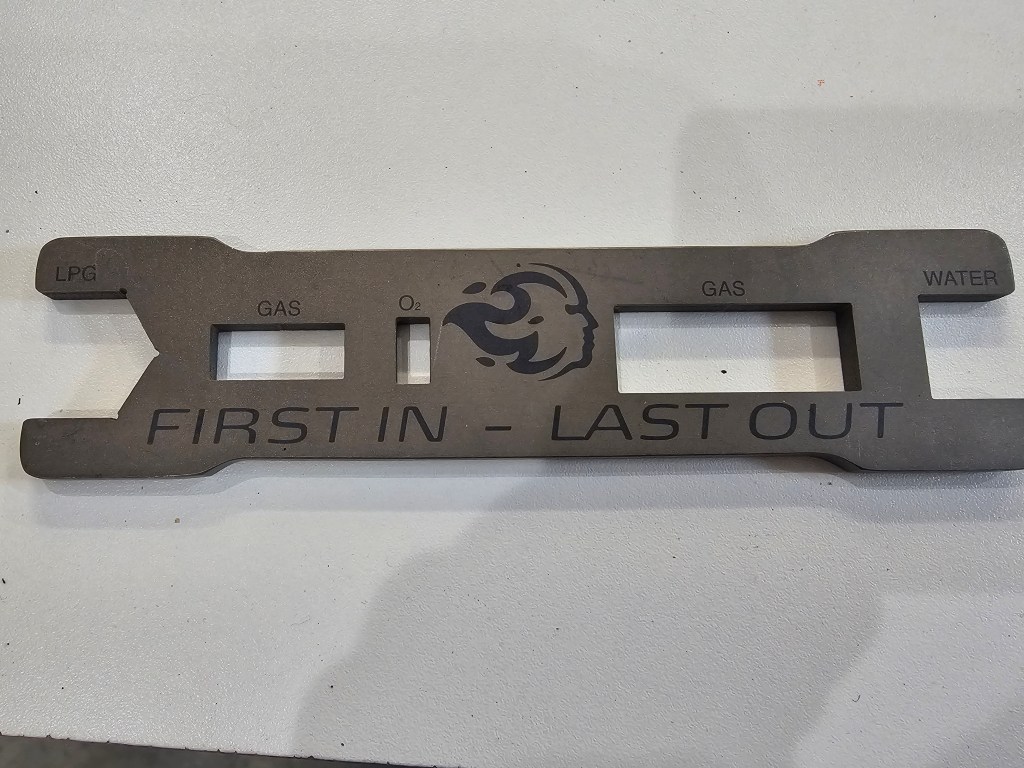
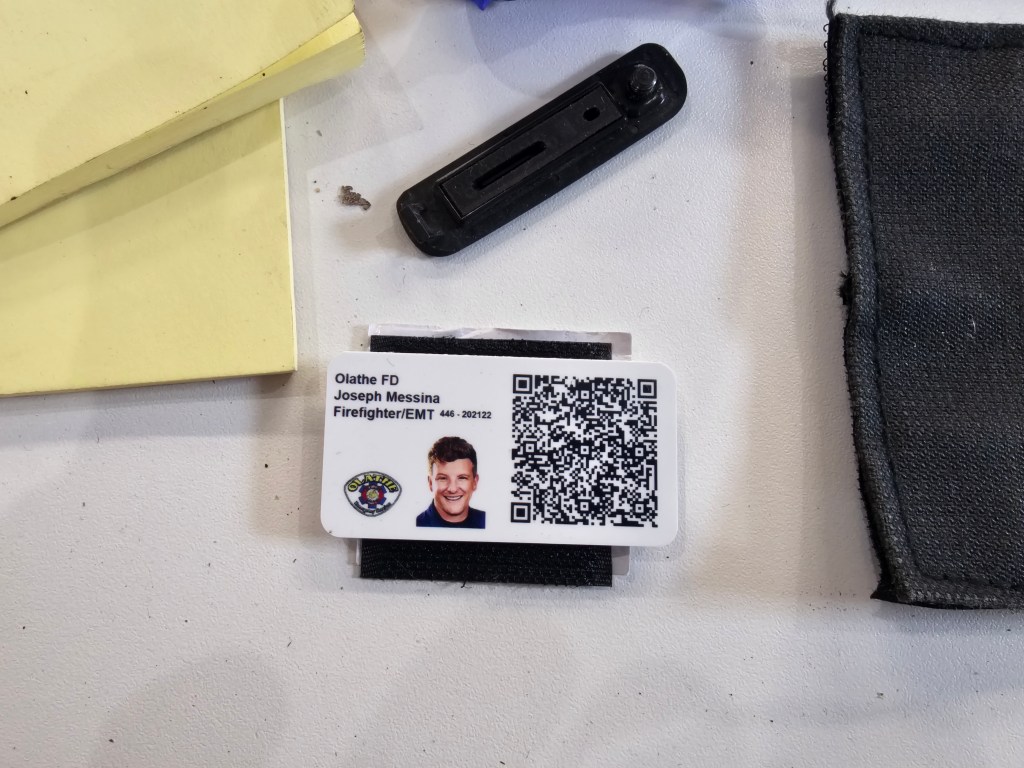
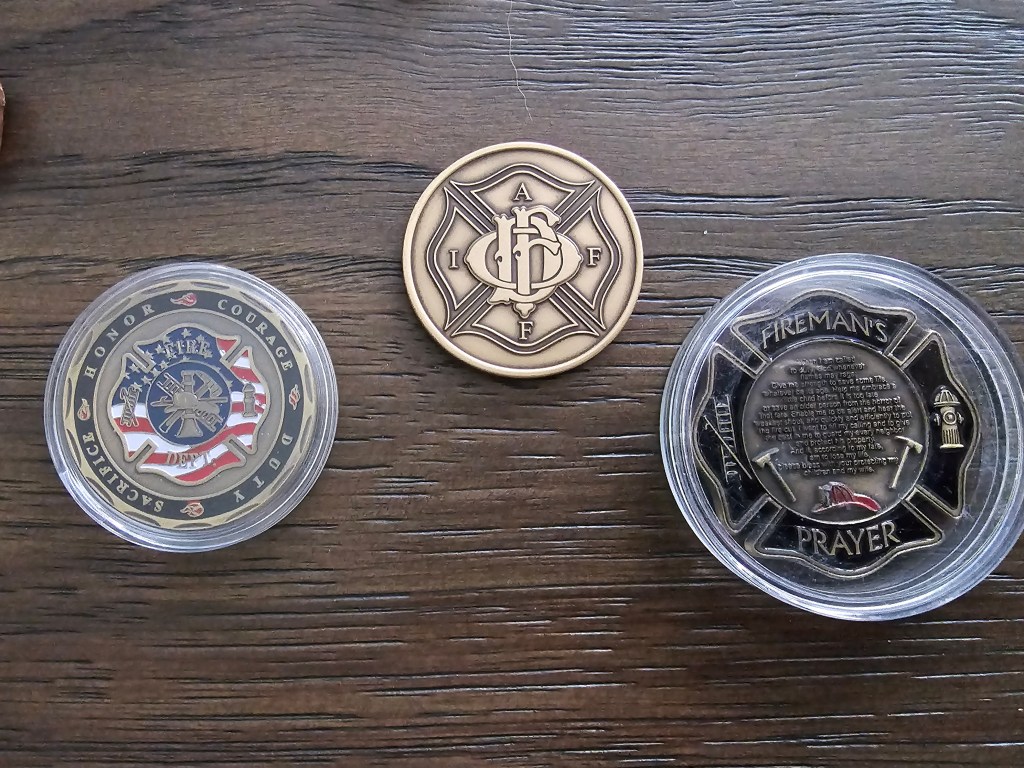
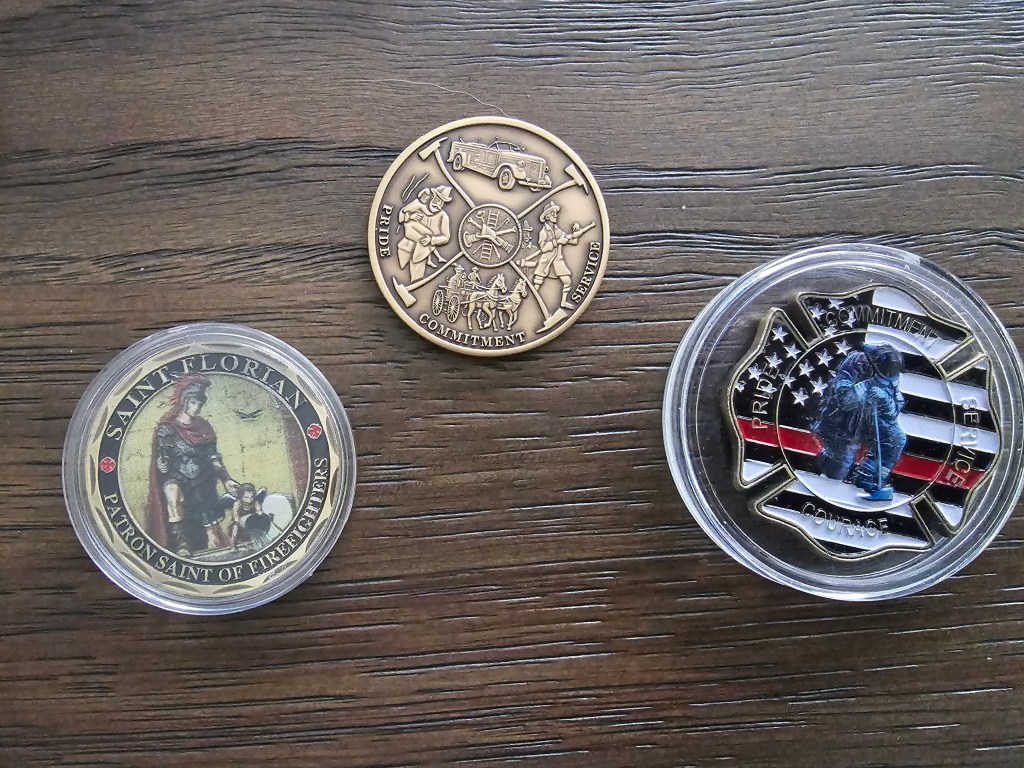
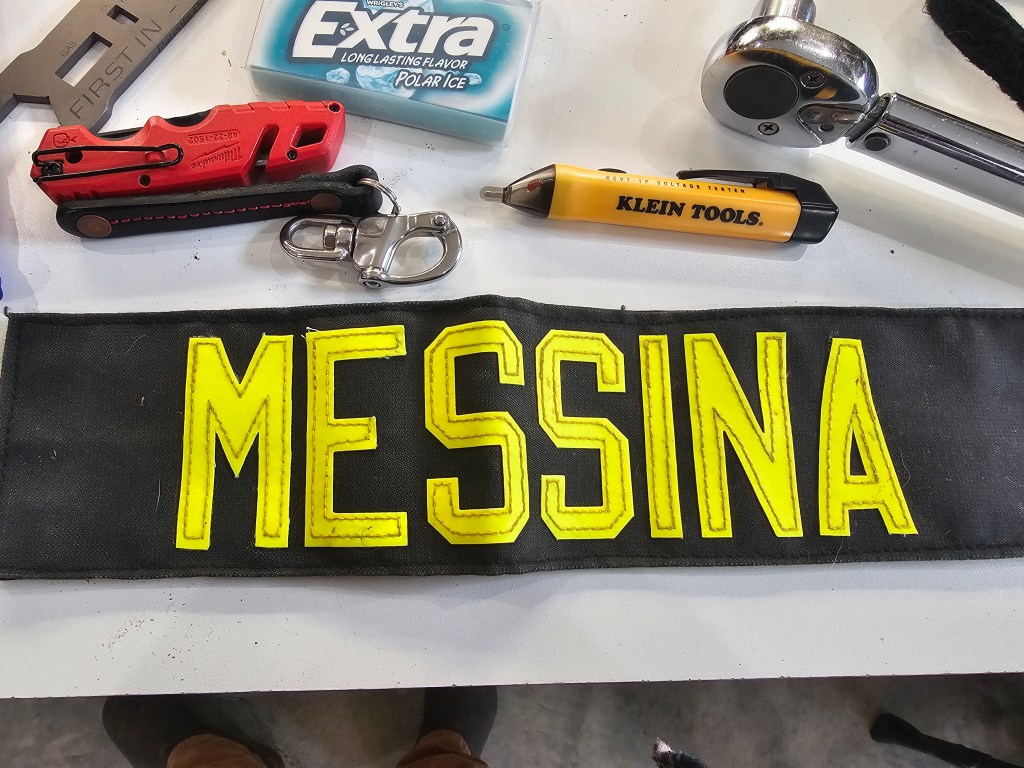
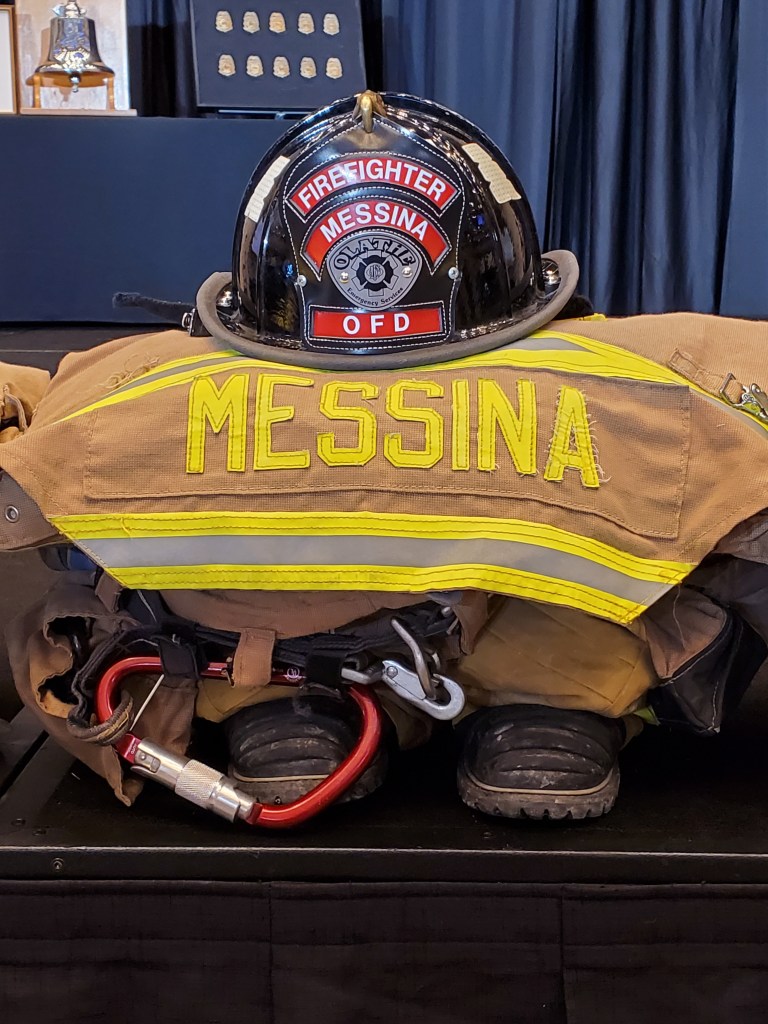
While Rich was in Kansas City, he talked to Michelle about Joe’s firefighting equipment. The Olathe Fire Department gave her his gear….to include his bunker gear, helmet, boots, etc. There was also a bag that he had his stuff he carried at the fire department, with all sorts of random things in there….gum, tools, receipts, etc. Rich duct taped a Rubbermaid tote and brought it home. Michelle has his helmet…the flag presented by the fire department, and his shadowbox presented to her from the department at his celebration of life. She was willing to part with these other things, which was such a huge gift for us. So many of his gear we can use ourselves. Rich emptied Joe’s bunker gear pockets and put most of the contents right into his pockets. We currently have his bunker gear in the special washers at our fire hall as he had been in a fire right before he died and his gear also smelled of diesel. I will be wearing his structure gloves and Rich his utility gloves. He had two black nomex firefighter hoods. I will take one, Rich the other. Our heads will be covered by his gear when we are in cold or fiery situations. I took his small flashlight to carry in my EMT jacket. He had 3 challenge coins in his bag….two of them being religious that I gave to him…a St. Florian coin (the patron saint of firefighters) and the firefighter’s prayer coin I put in his stocking the first Christmas he was working as a firefighter. The other was his OFD coin. As we continued to look through his bag, we found a “Cyndi Strong” bracelet from when I was first diagnosed with cancer a little over 5 years ago. He had told me his had broken, so I gave him mine and he reinforced that one and would where it. The broken one was in his bag. Joe loved to cook for his crew. Because of where he was stationed, he often cooked for a double crew – about 9 people. It started out as punishment for being the new guy, but then they realized he enjoyed cooking and was pretty good at it, he volunteered to do it regularly. I can’t tell you how many texts I got from him asking me to take a photo of one of my recipes for him to try out on his guys. He felt like he needed to expand their palates and would make things like Okinawan chicken curry and rice. There were two receipts from Walmart in his bag from 6 weeks prior to his death where he had purchased food for meals for his guys on shift with him. Of all the things, these two pieces of paper made the waterworks flow hard for me. We found three of his accountability tags, and will each carry one with us, as it has his photo on it. I also found his small notebook from the City of Olathe, which had a message that hit home. It was such a gift to go through these things….the objects of his trade, that we are now trying to do to honor him. To have his things with us on our calls – absolutely priceless. We can’t thank the OFD and Michelle enough for letting us have these items.
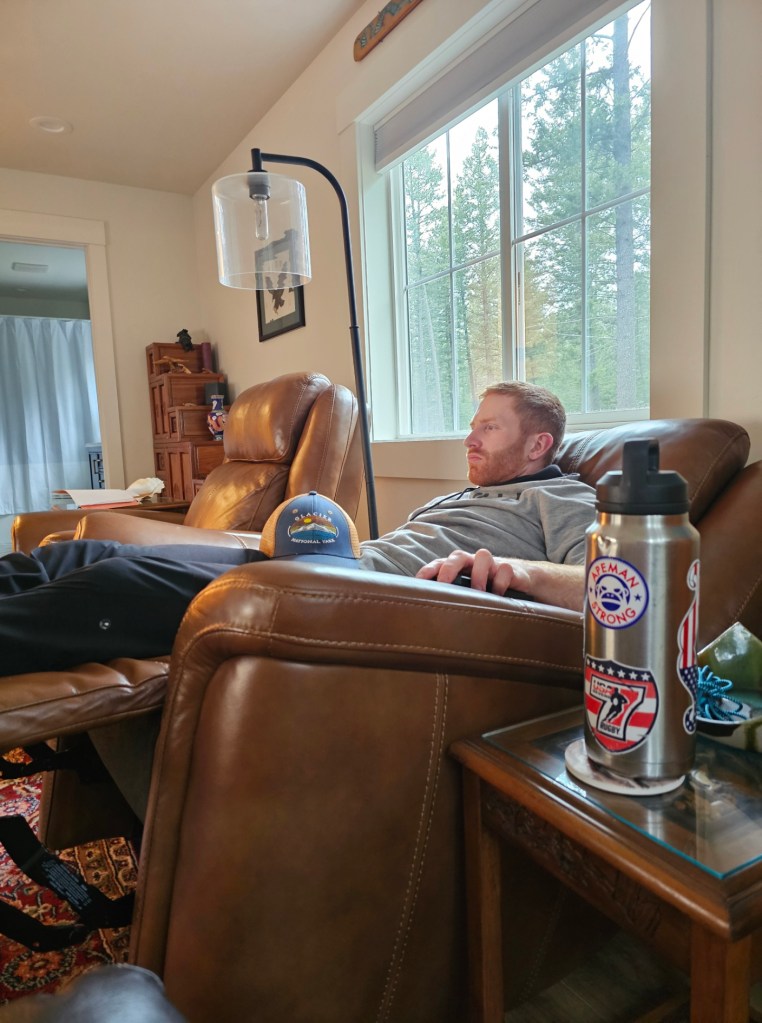
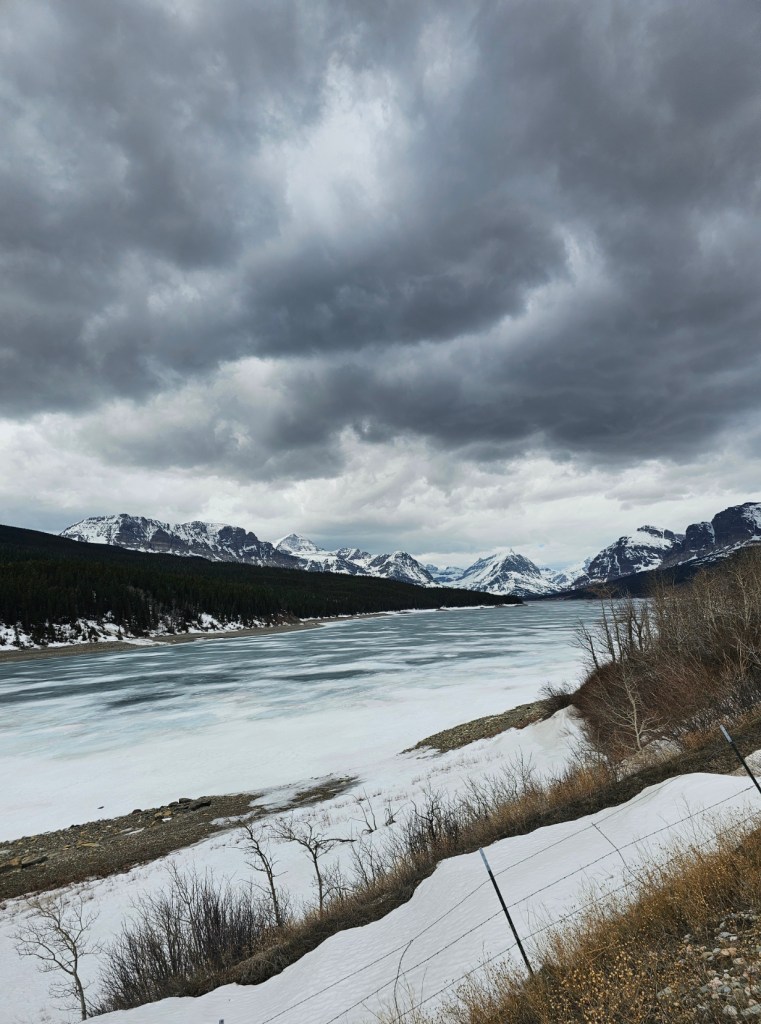
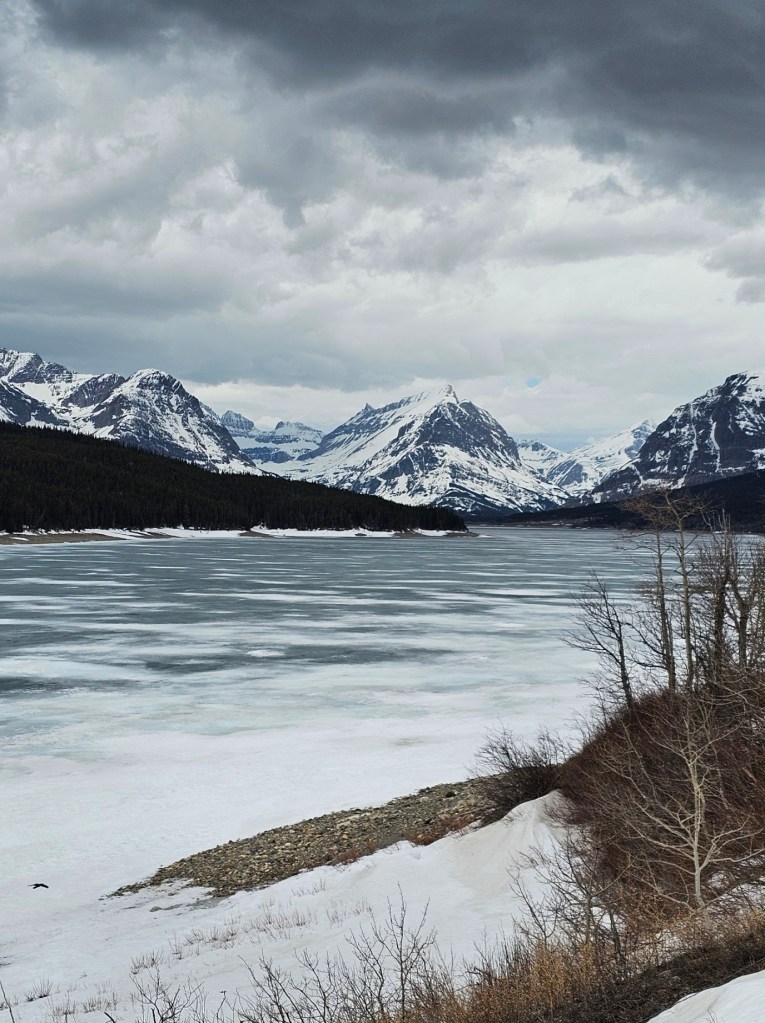
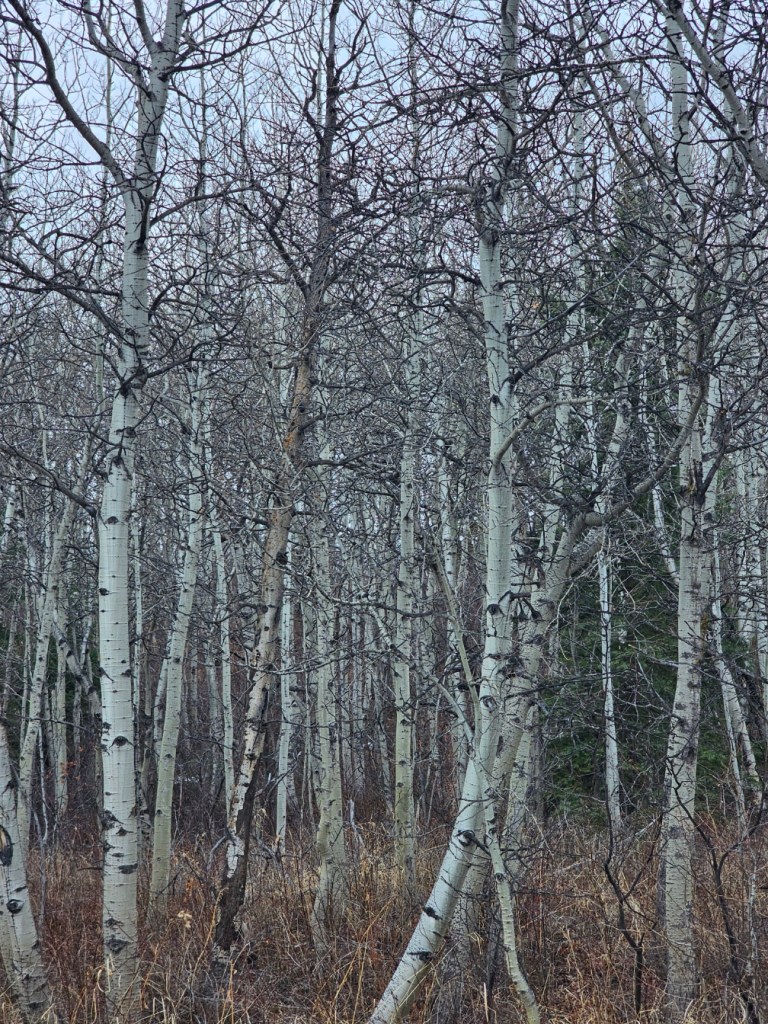
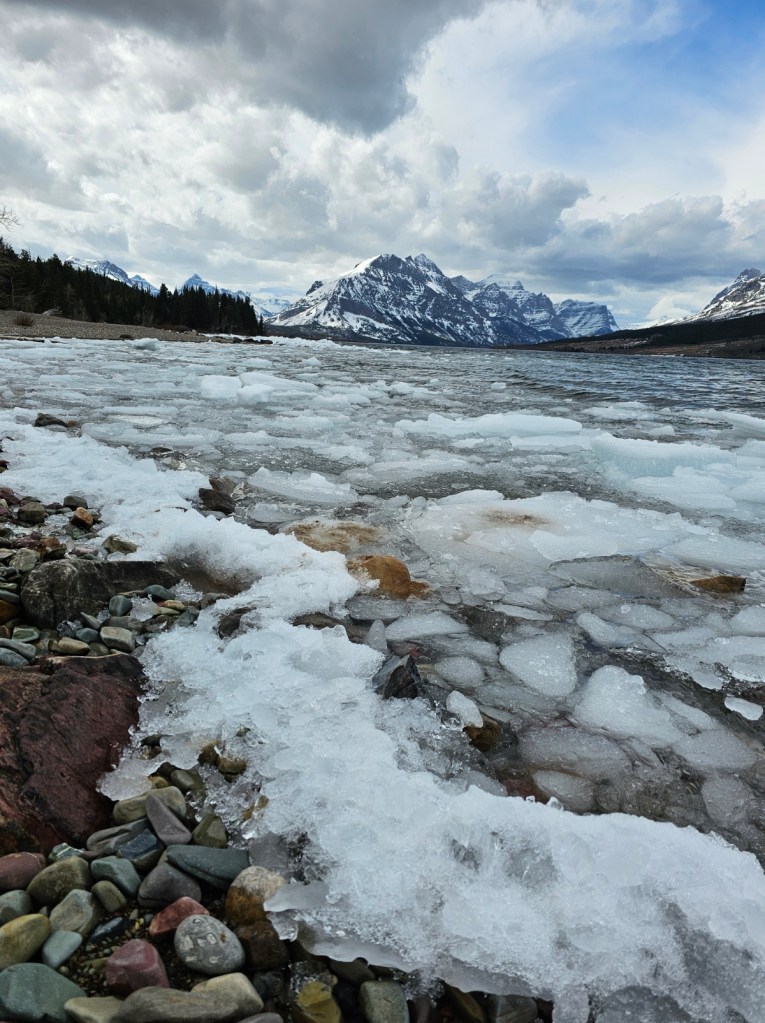
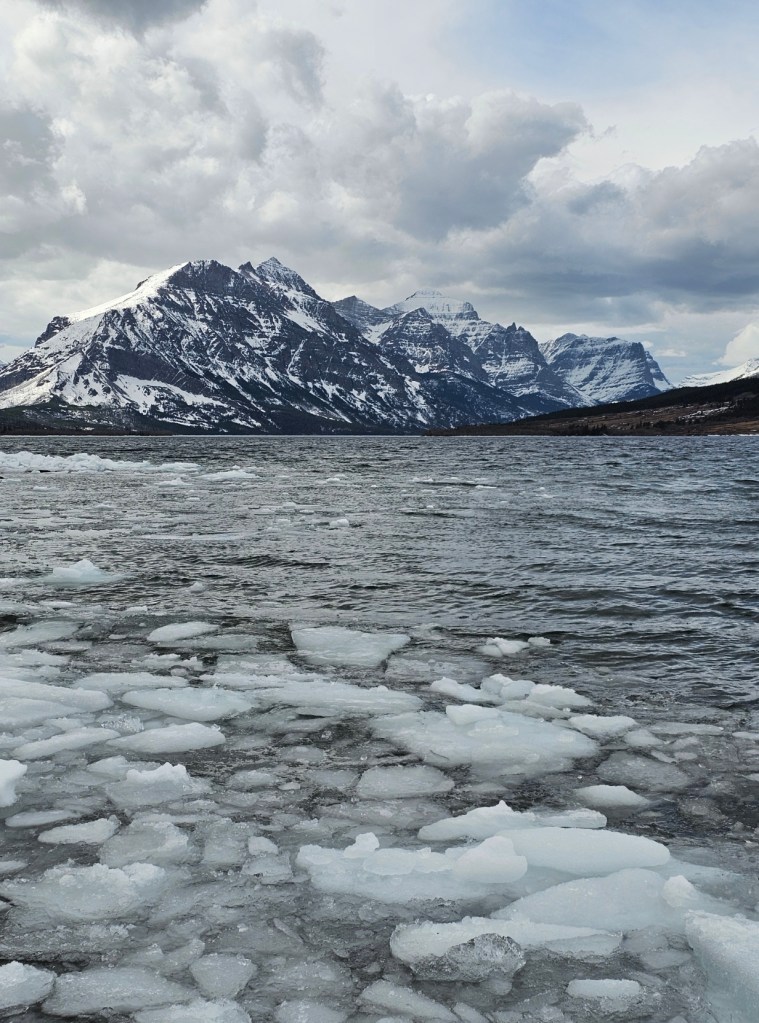
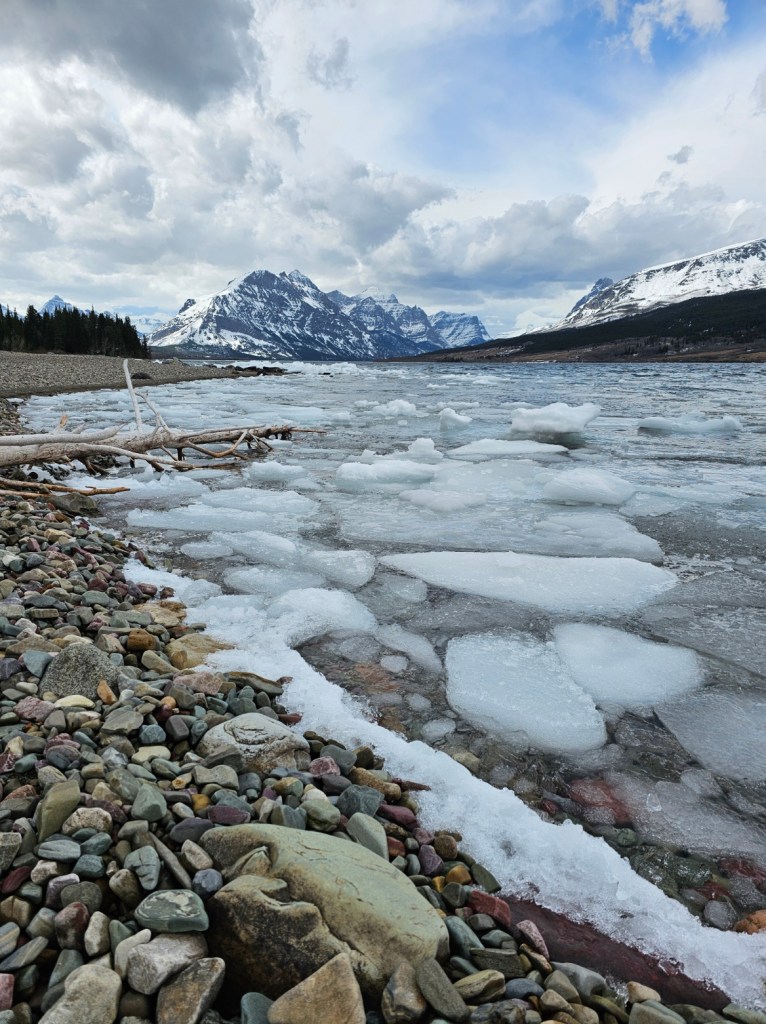
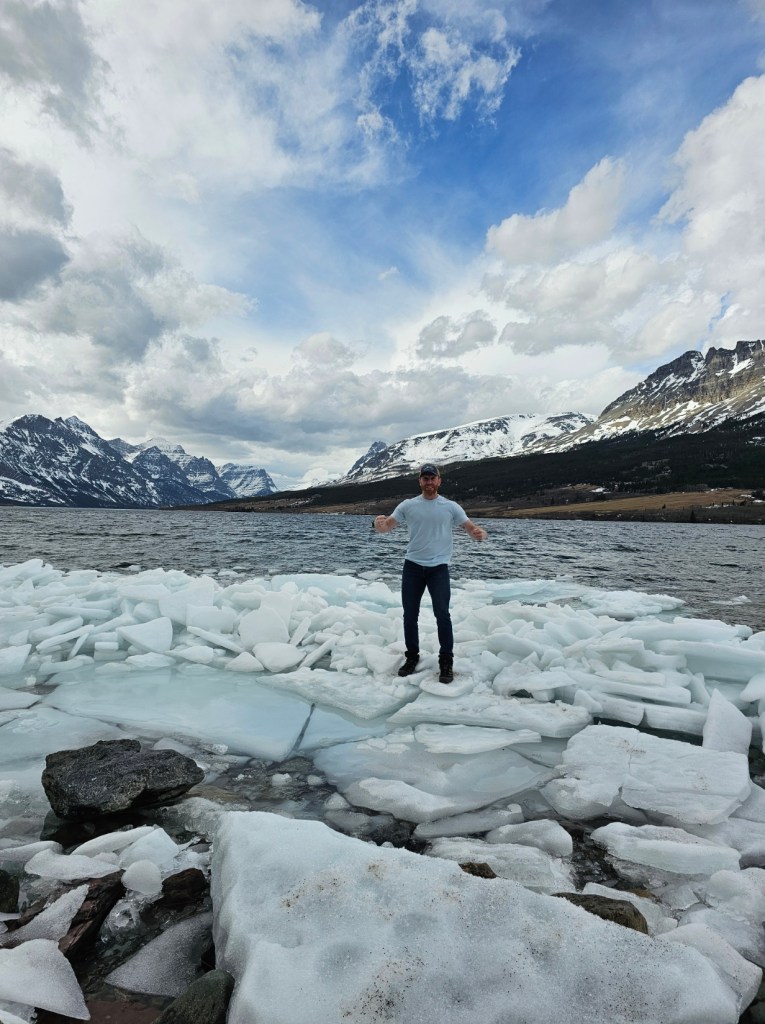
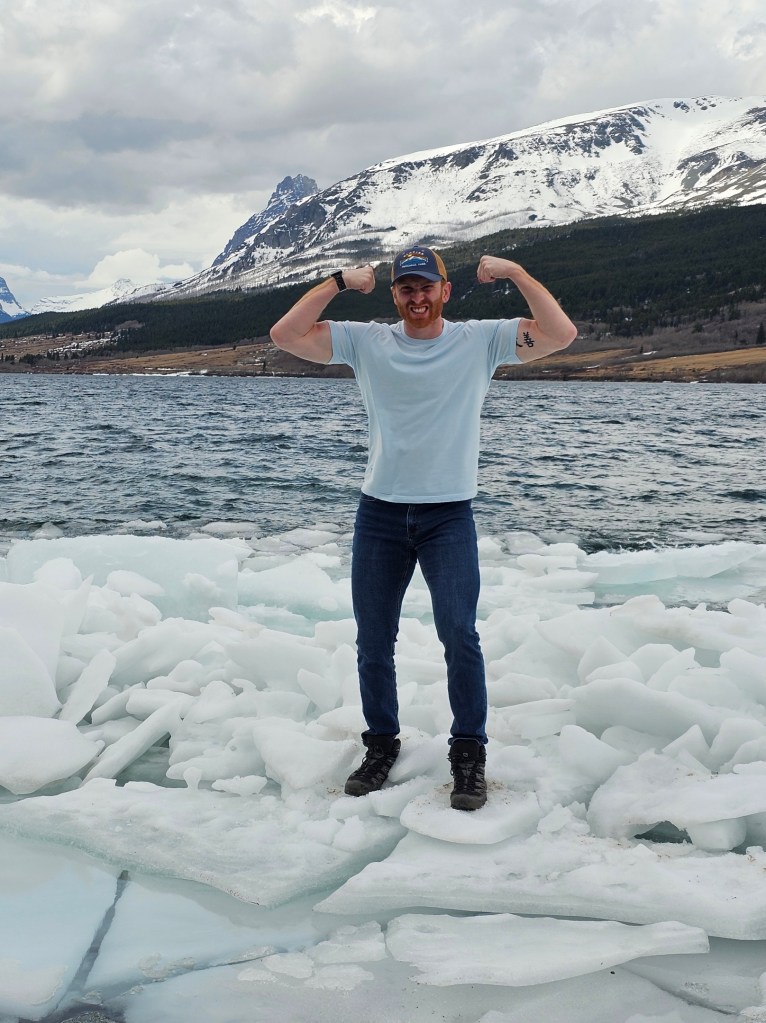
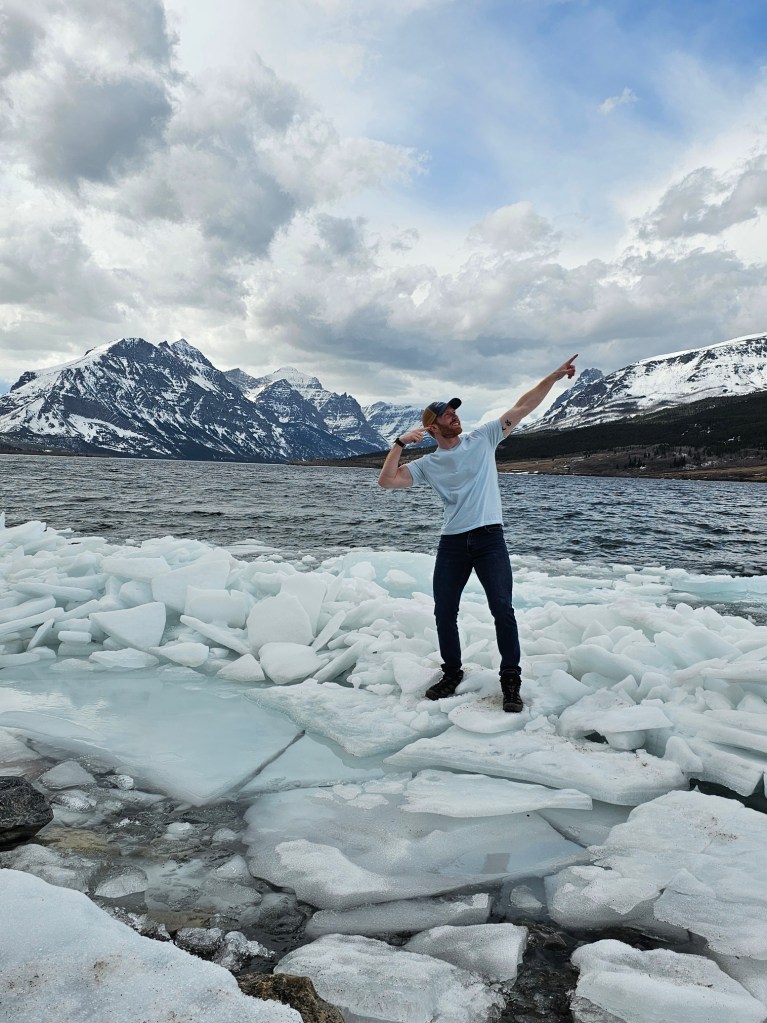
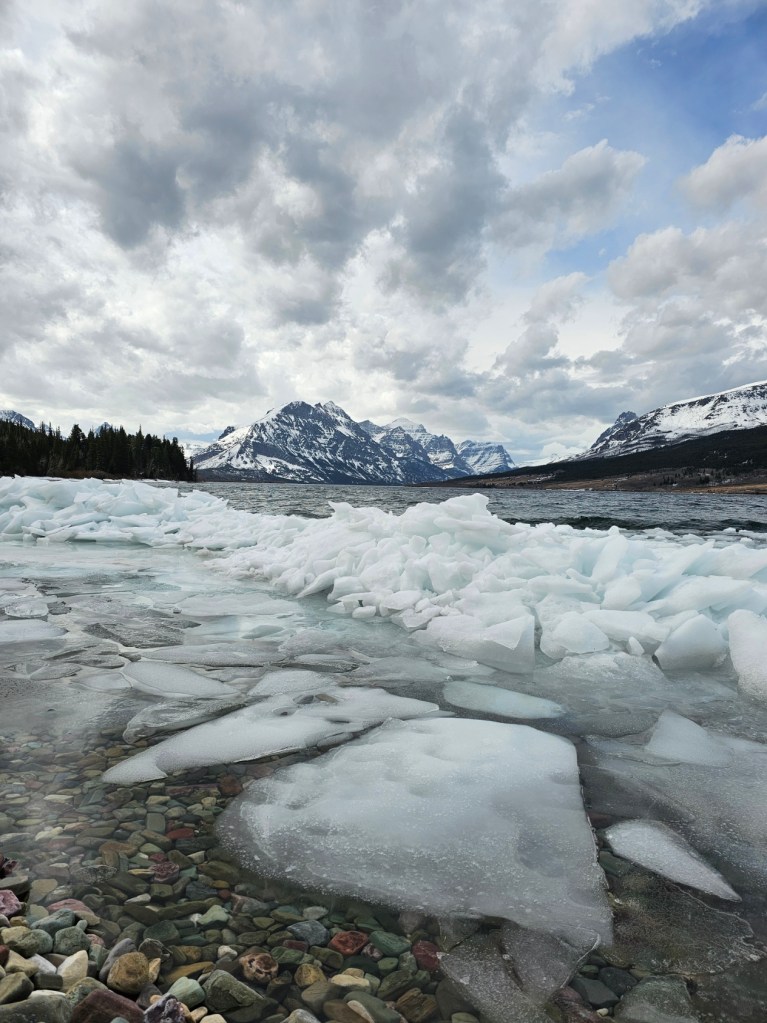
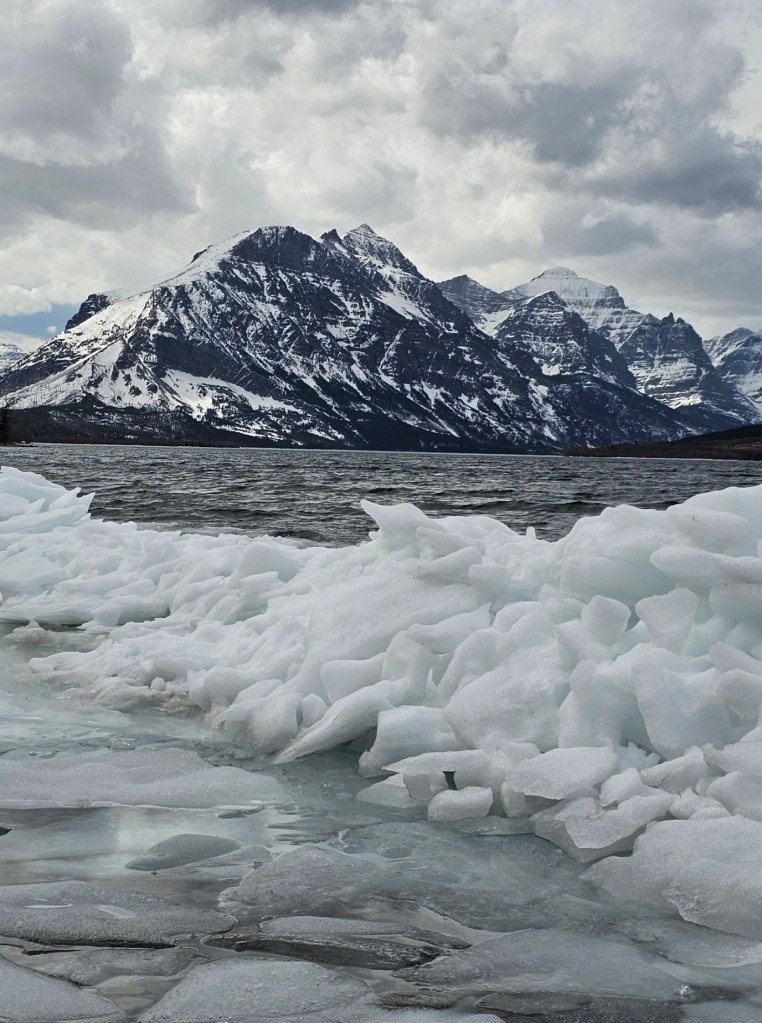
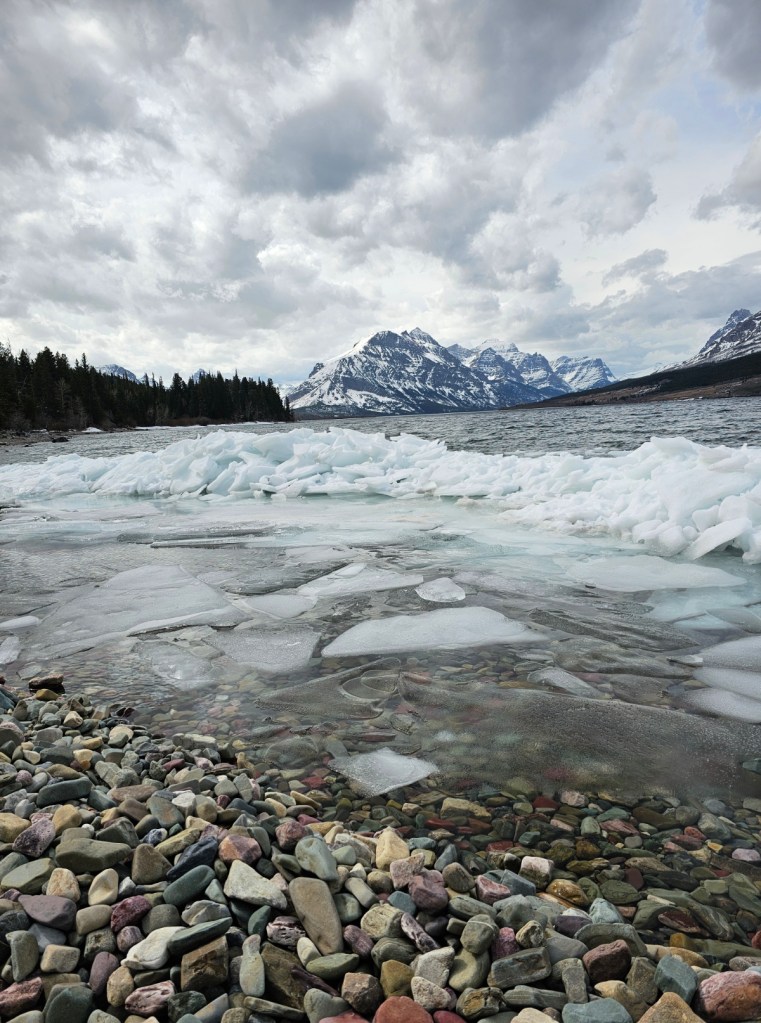
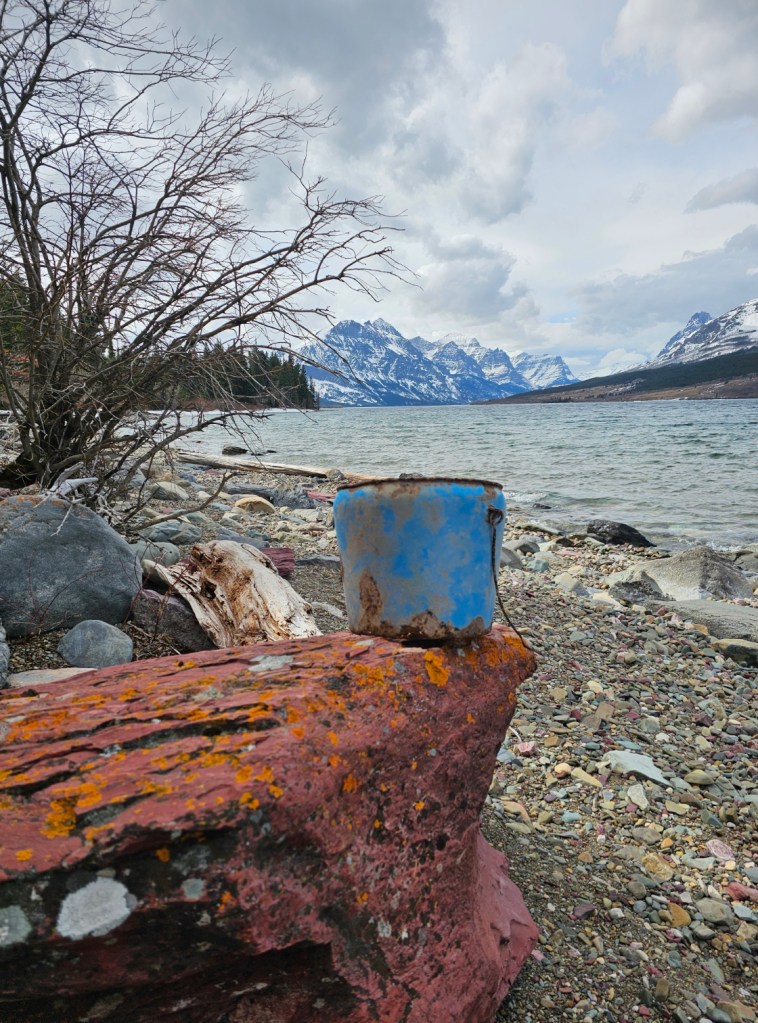
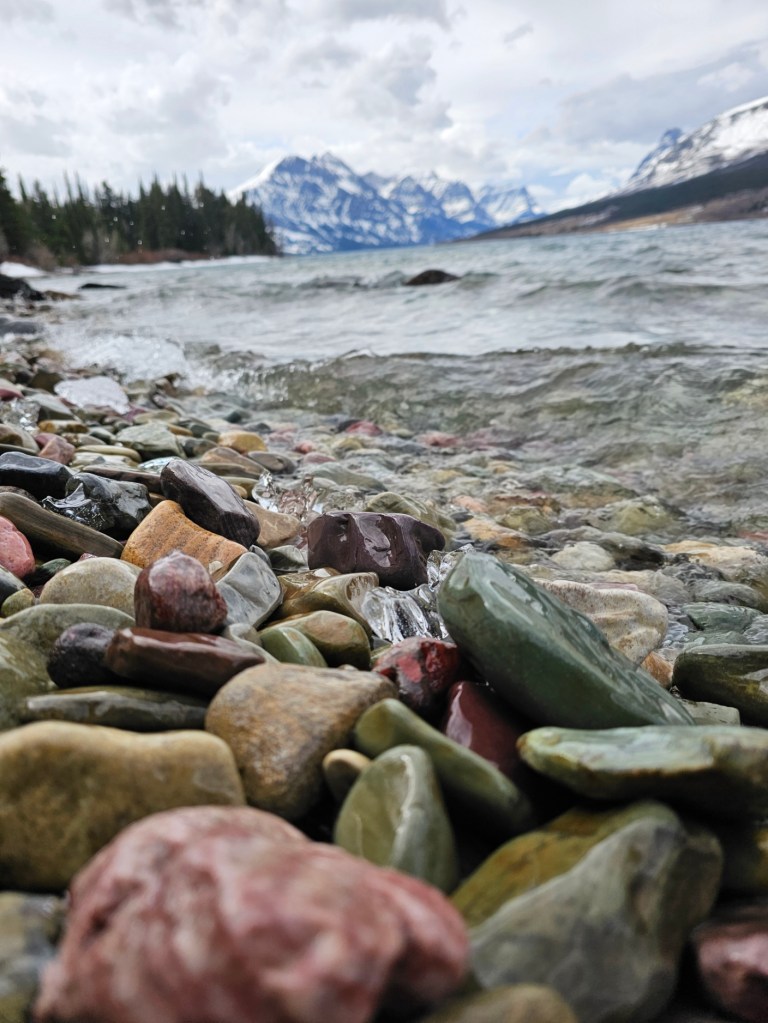
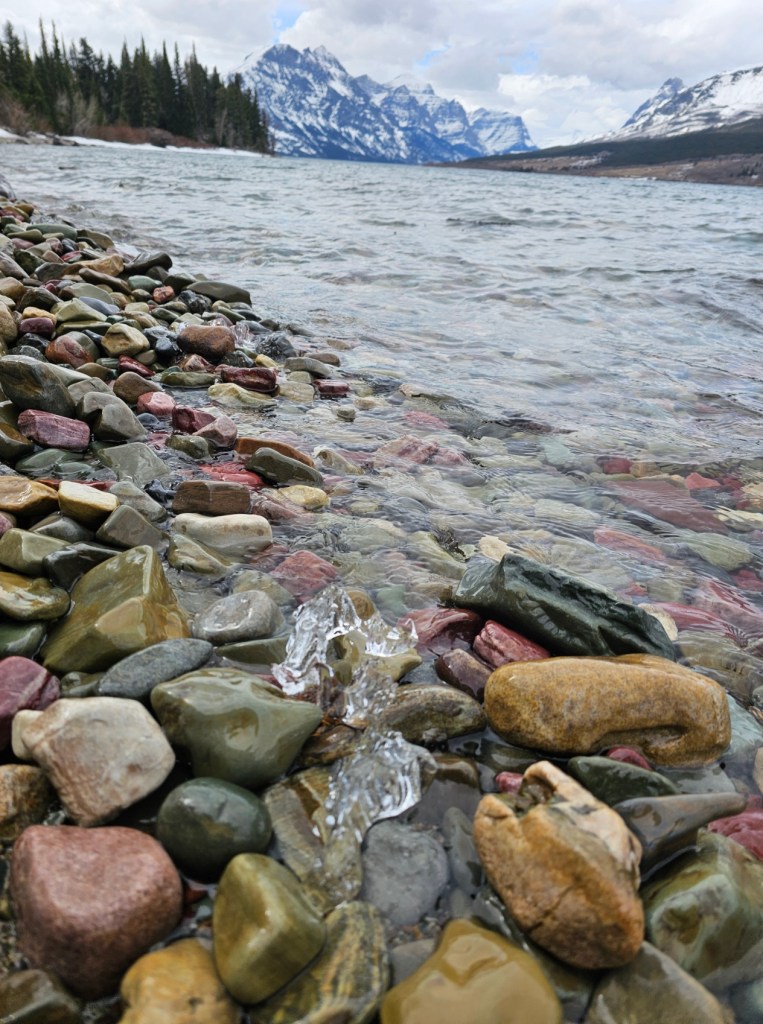
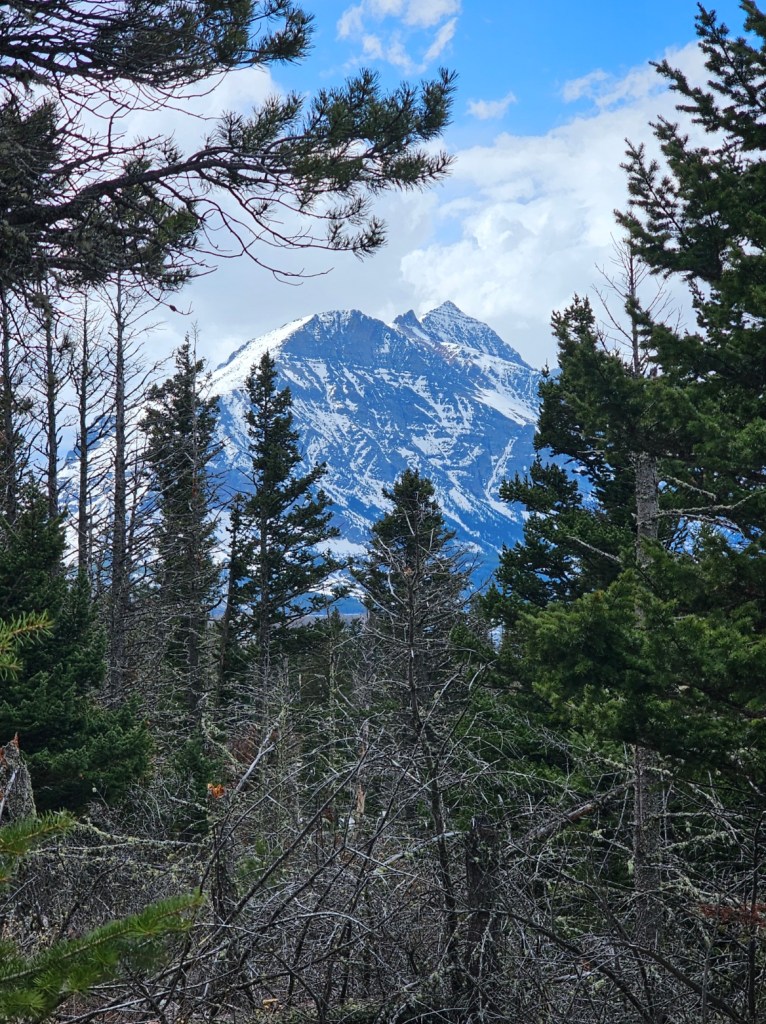
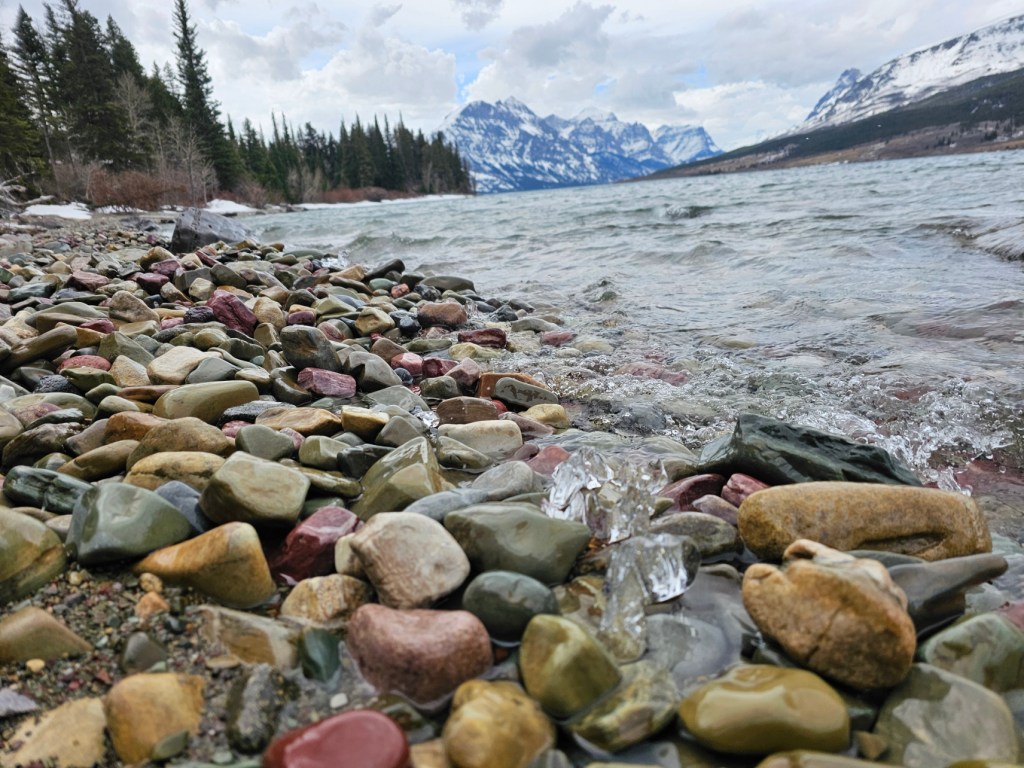
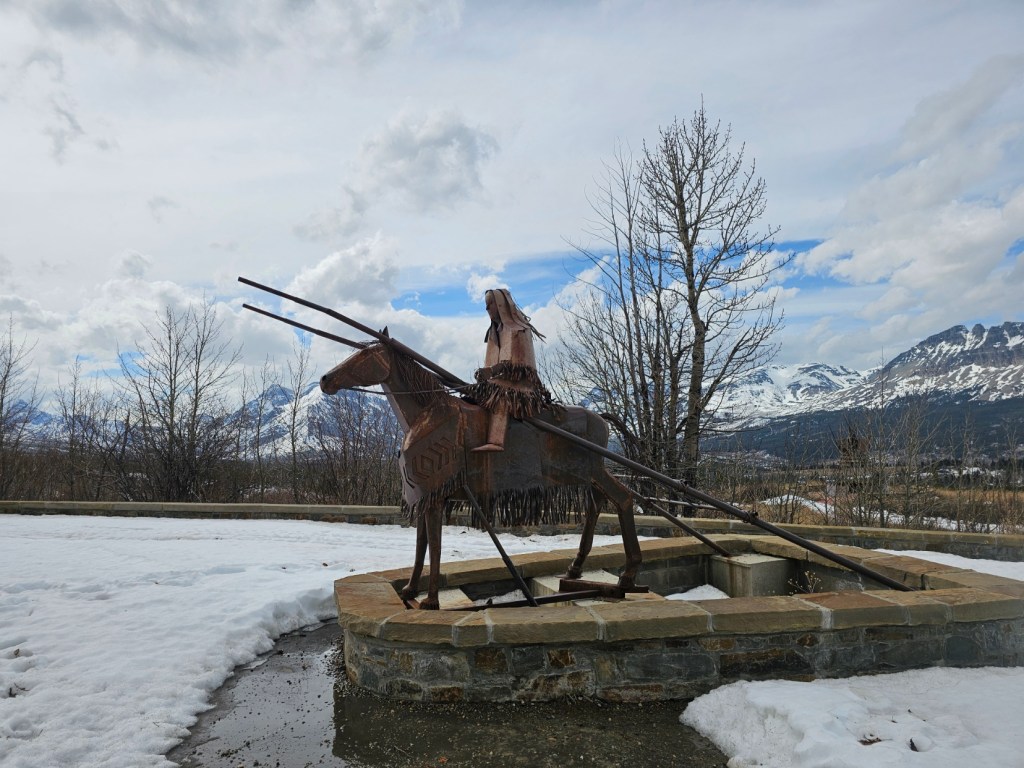
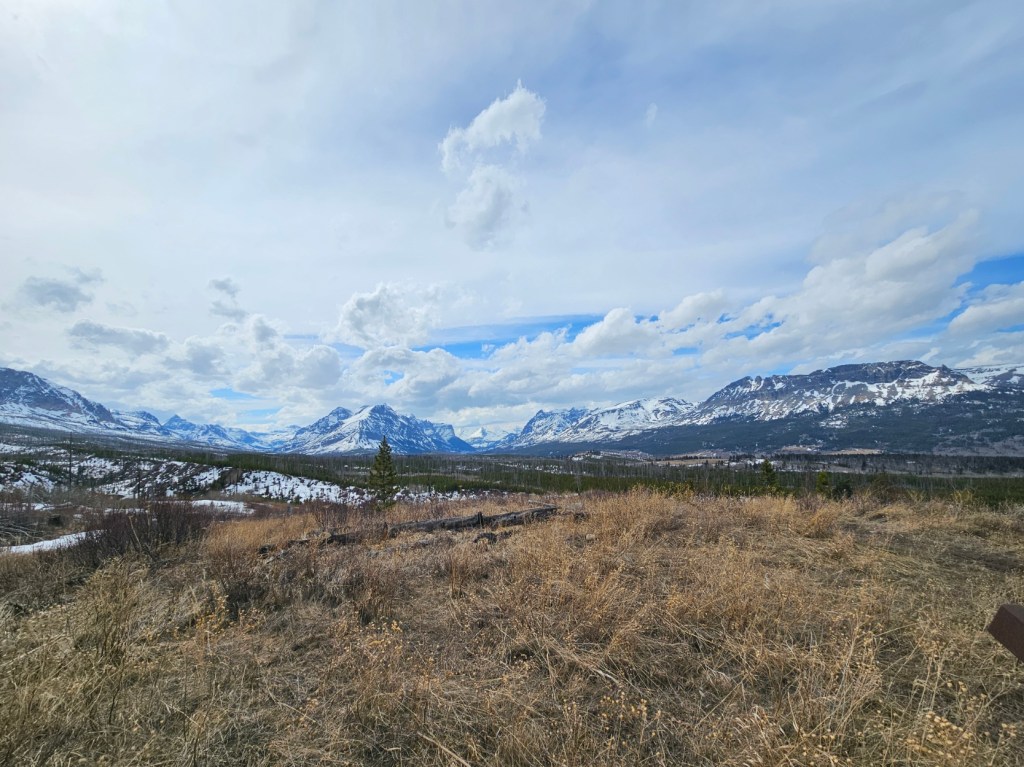
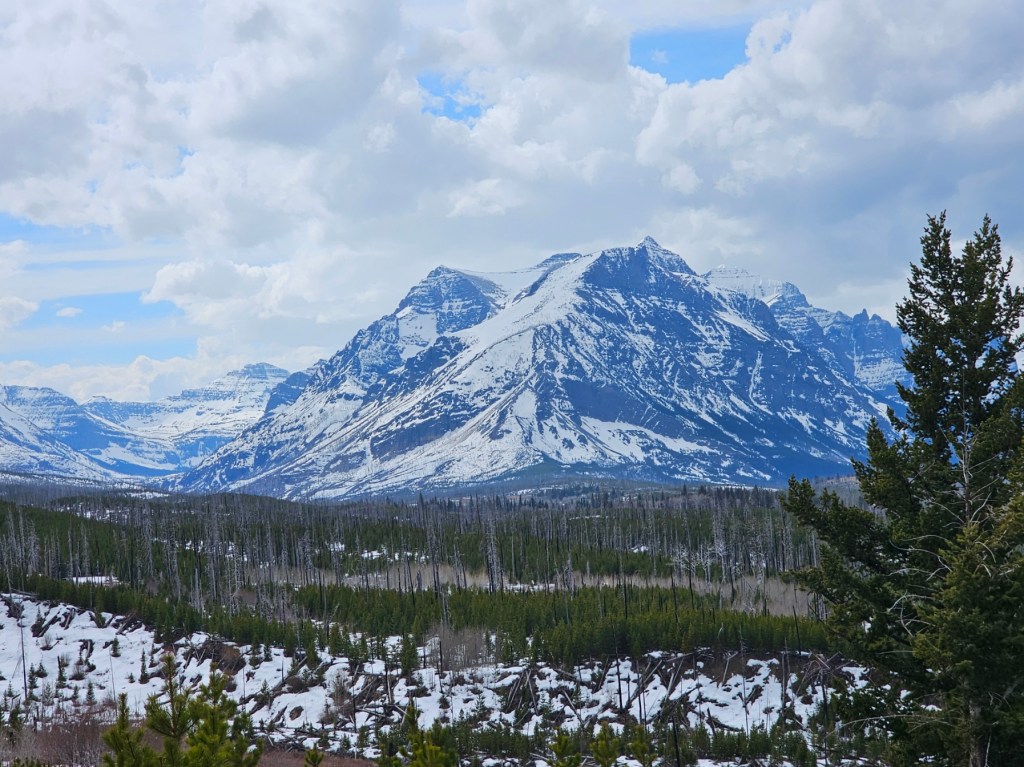
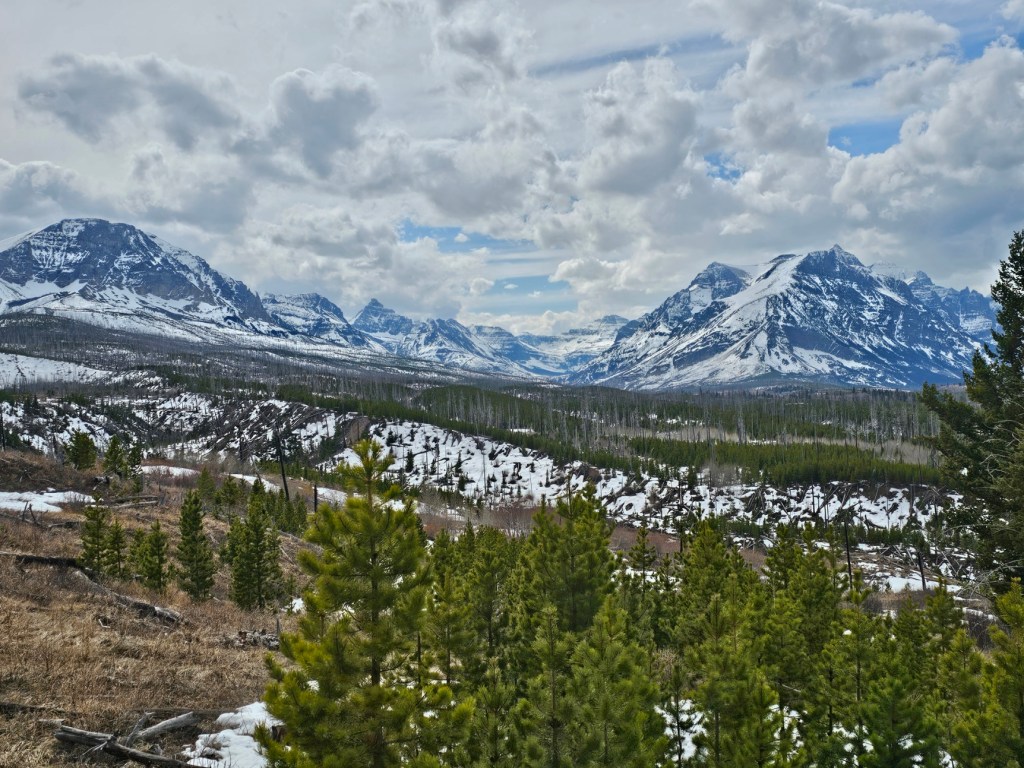
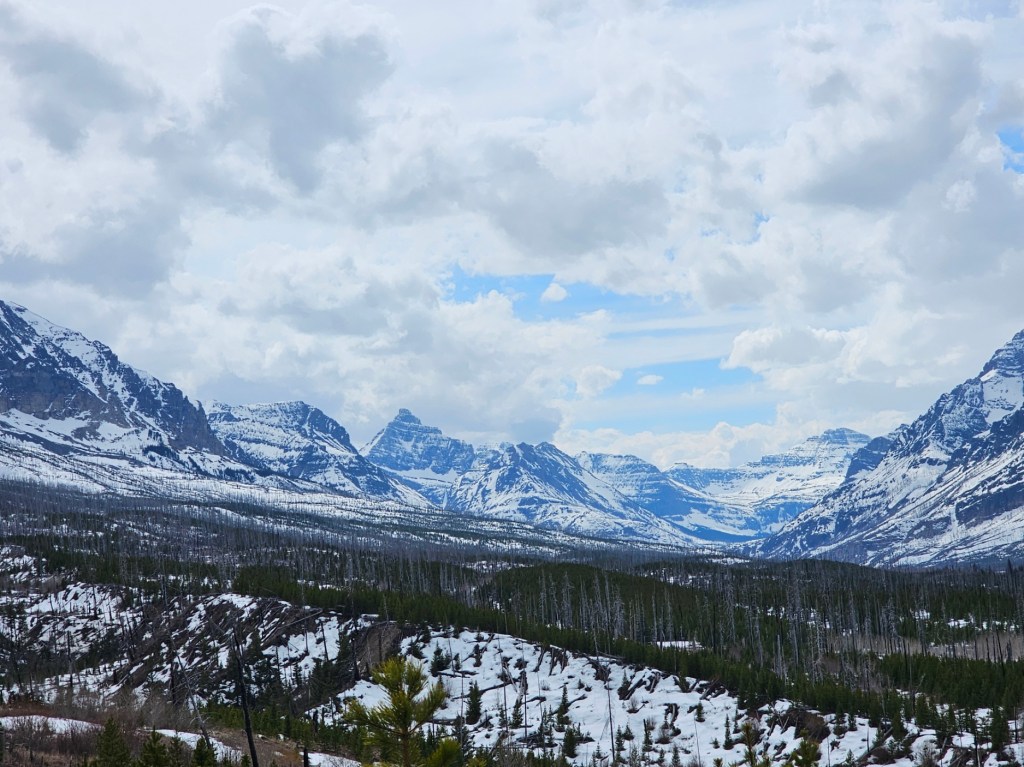
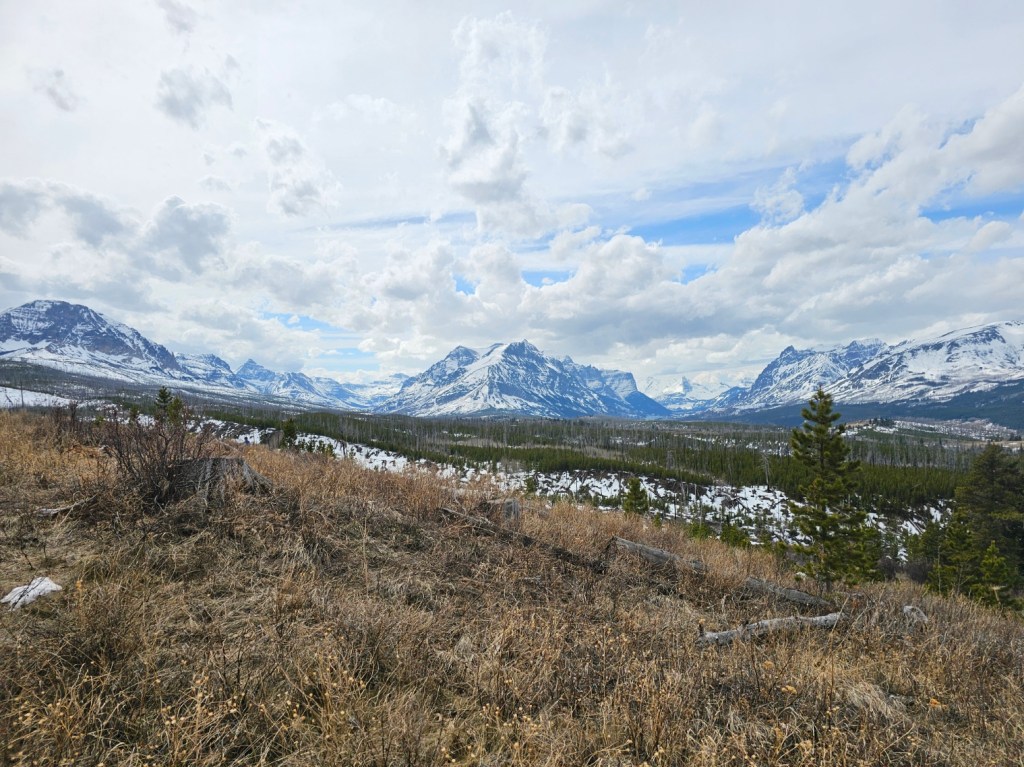
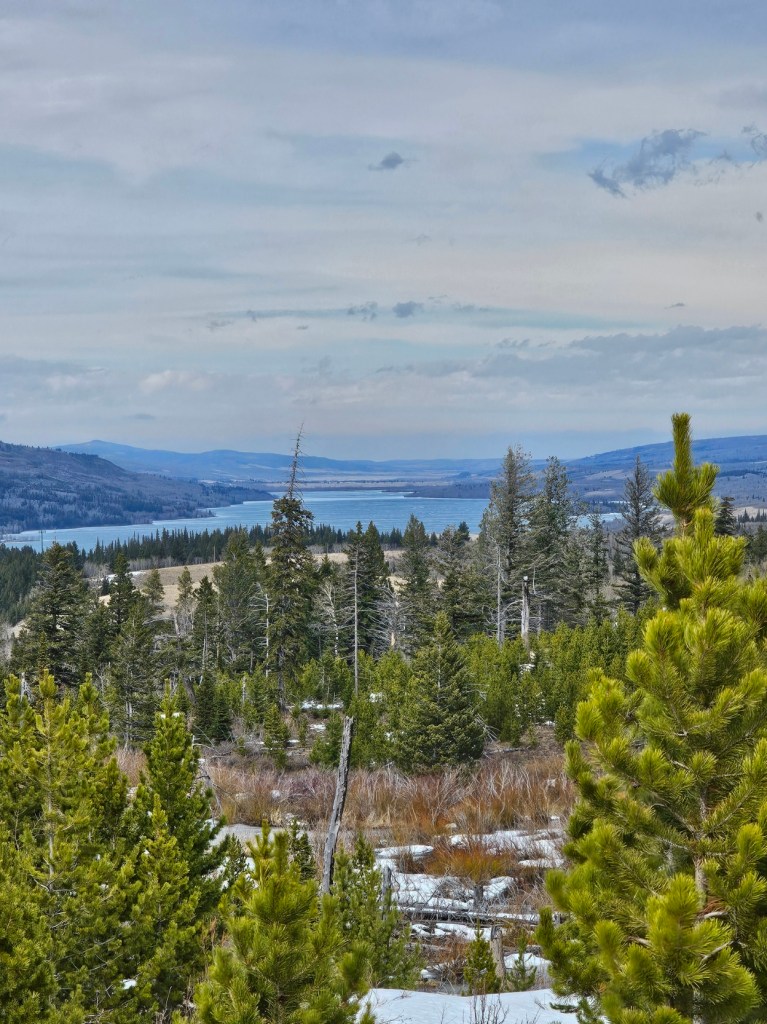
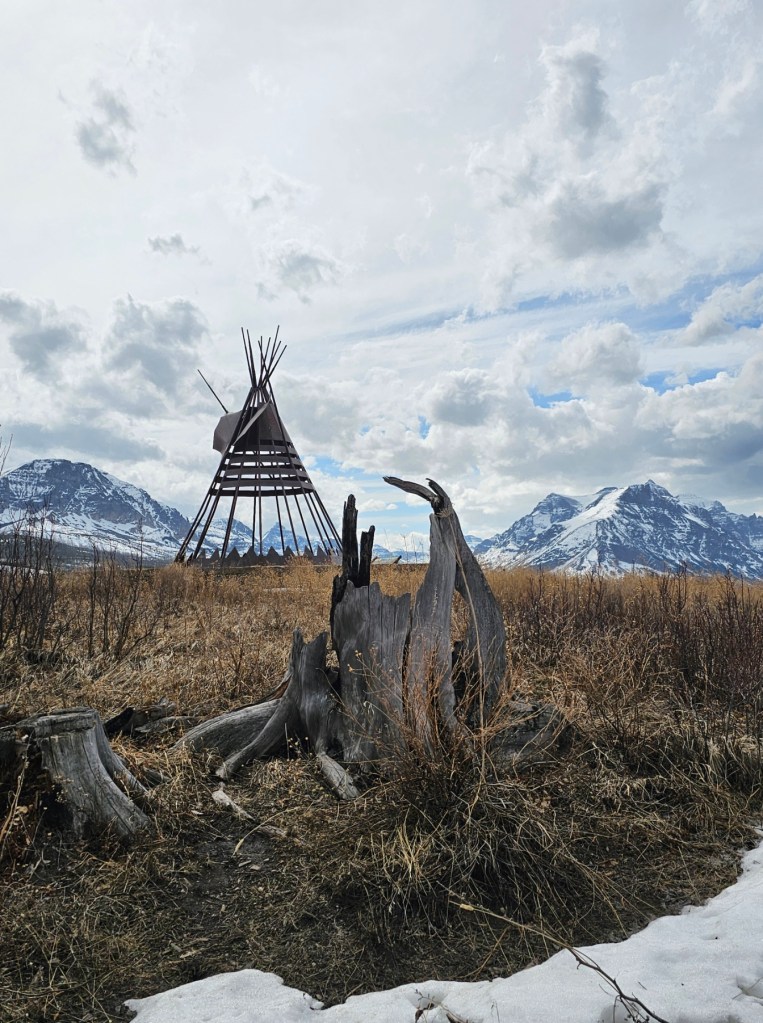
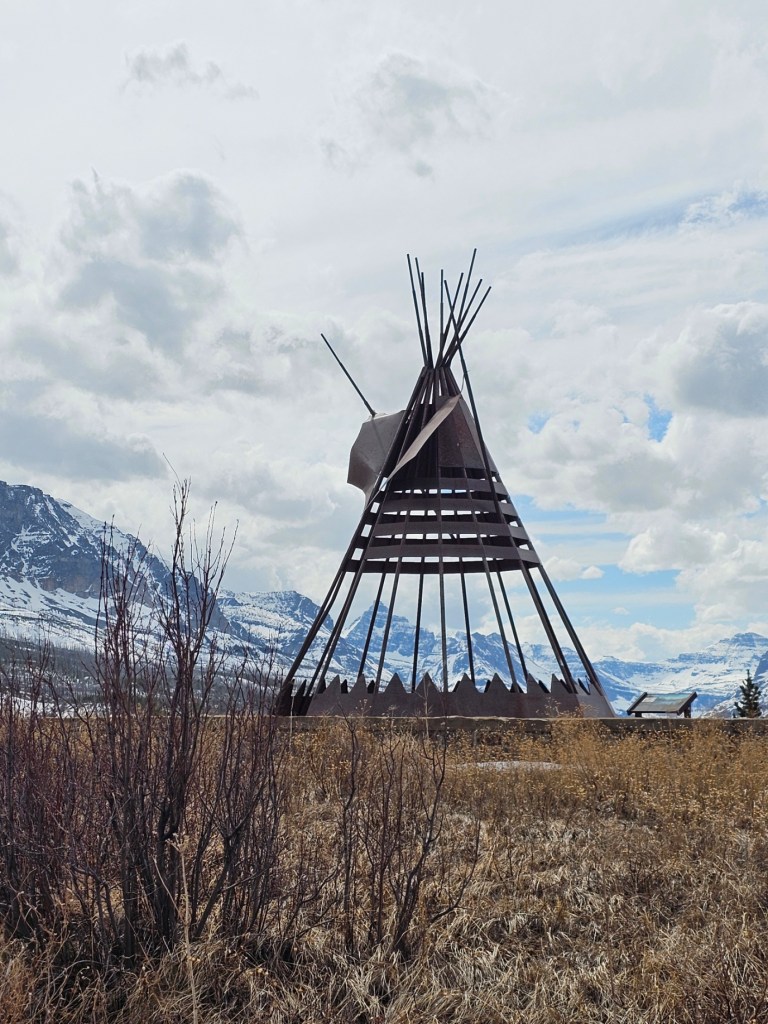
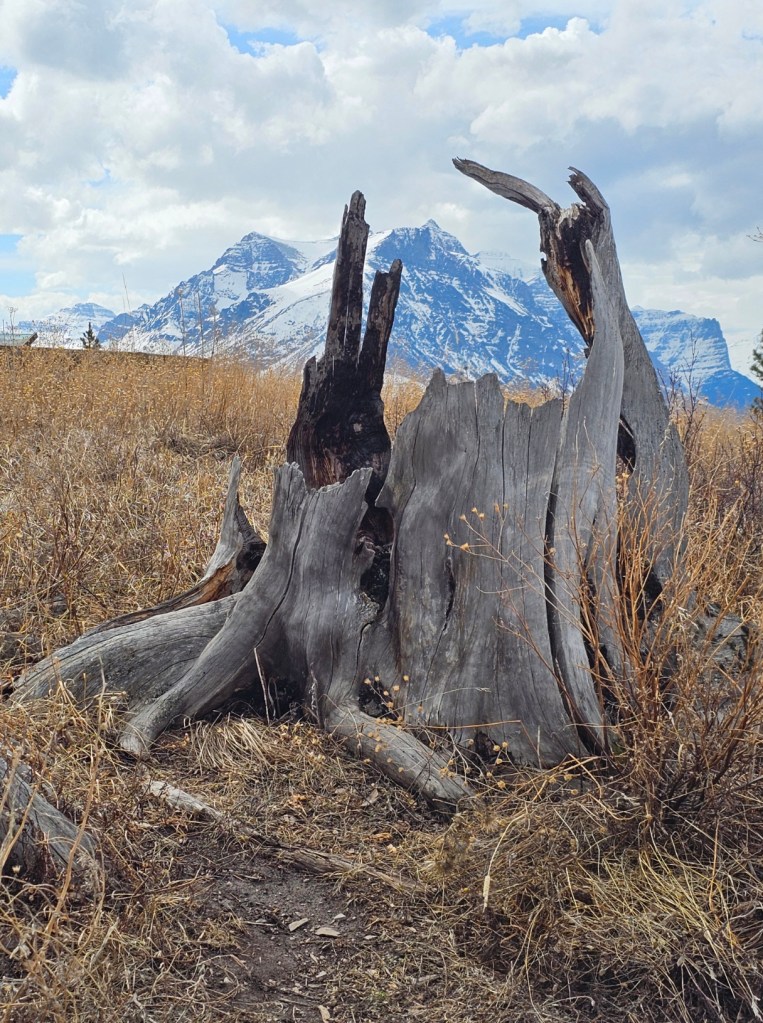
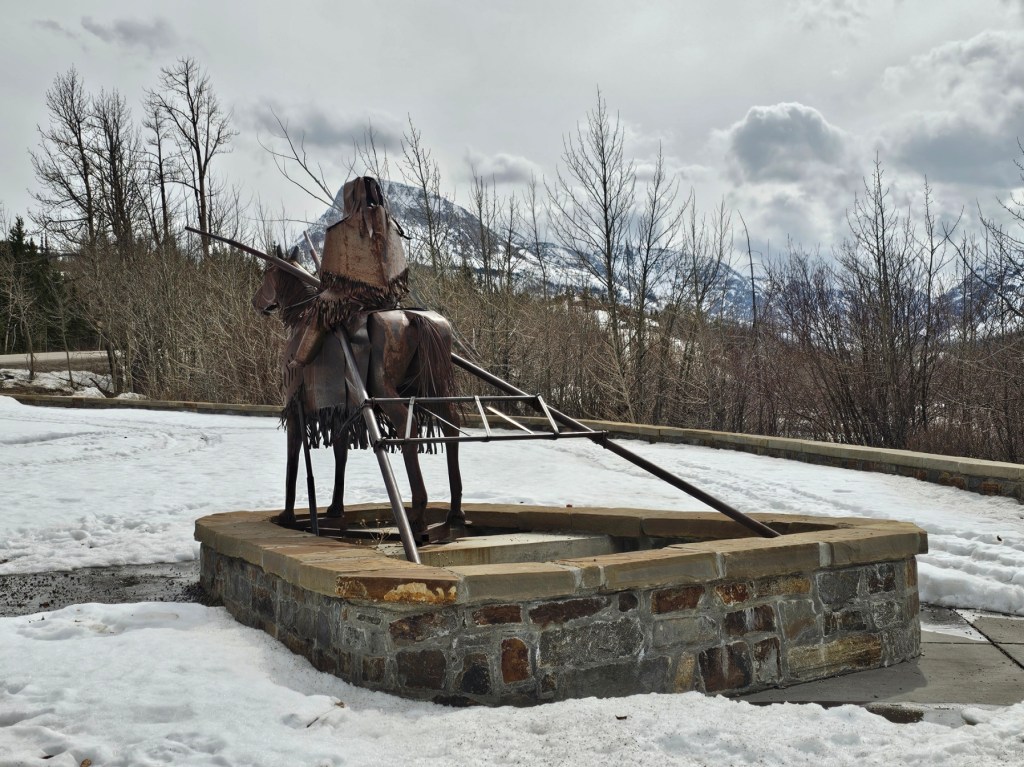
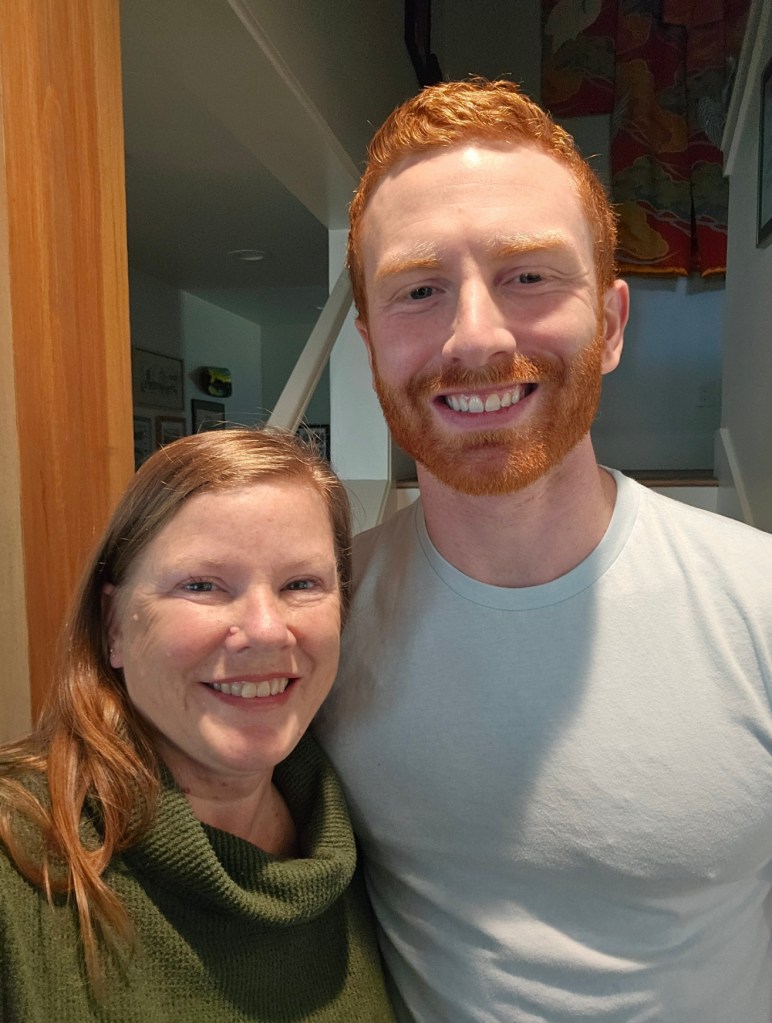
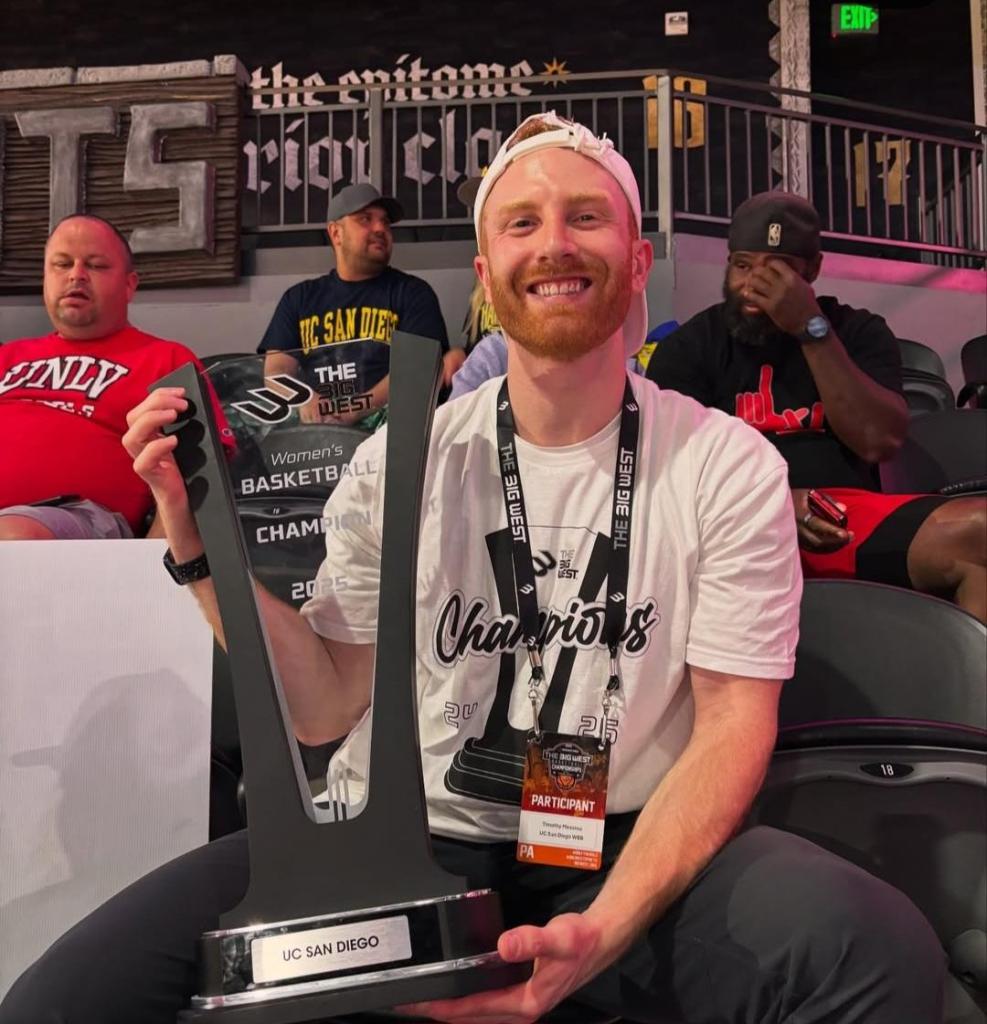
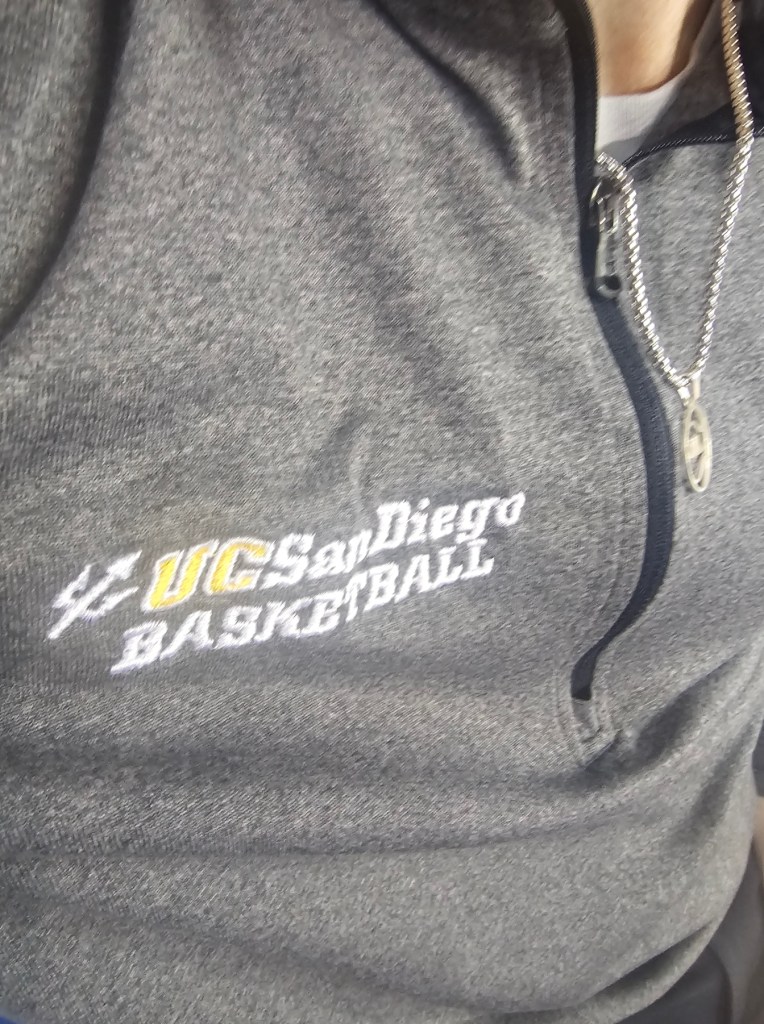
With Tim’s basketball season over, he was free to come and spend a week with us in Montana. Our week together consisted of 5 games of Settlers of Catan, a pretty difficult 1000-piece puzzle, a day of skiing in Whitefish, a trip to hike on the east side of Glacier National Park, homemade meals every day, and LOTS of NCAA basketball! It is so much fun to watch NCAA basketball with Tim because he is in the business….he knows some of the coaches and some of the players. If he doesn’t know them personally, he knows about them and can impart tidbits of information that I wouldn’t have known. It makes watching the men’s and women’s tournament so much more fun than watching on my own. Tim gave me his Big West Championship shirt, which I will treasure. He assured me he got other swag and will get a ring, so he could let me have his shirt I saw him wear on TV when they won. We also used his young, strong body to help spread 13,000 lbs of river rock in the flower beds around our house. We got about 3/4 of it done with those 13,000 lbs. We did this once before in our house in Bellevue, Nebraska and it costs hundreds of dollars for less rock than we already used here. In Montana, home of the river rock, it cost $87! Can you believe that? Crazy, right? Rich and I will finish out the last couple of areas on our own when the weather warms up again. The weather was great while Tim was visiting. The day they went skiing, it hit nearly 70 in the valley. However, winter is going to return this week for a bit. Our snow is gone but the ground is pretty soft and wet still. Anyhow, as Tim wings his way back to San Diego, I wanted to share some photos of while he was here. It is always so awesome to have your adult kids visit, and so sad to see them leave again.
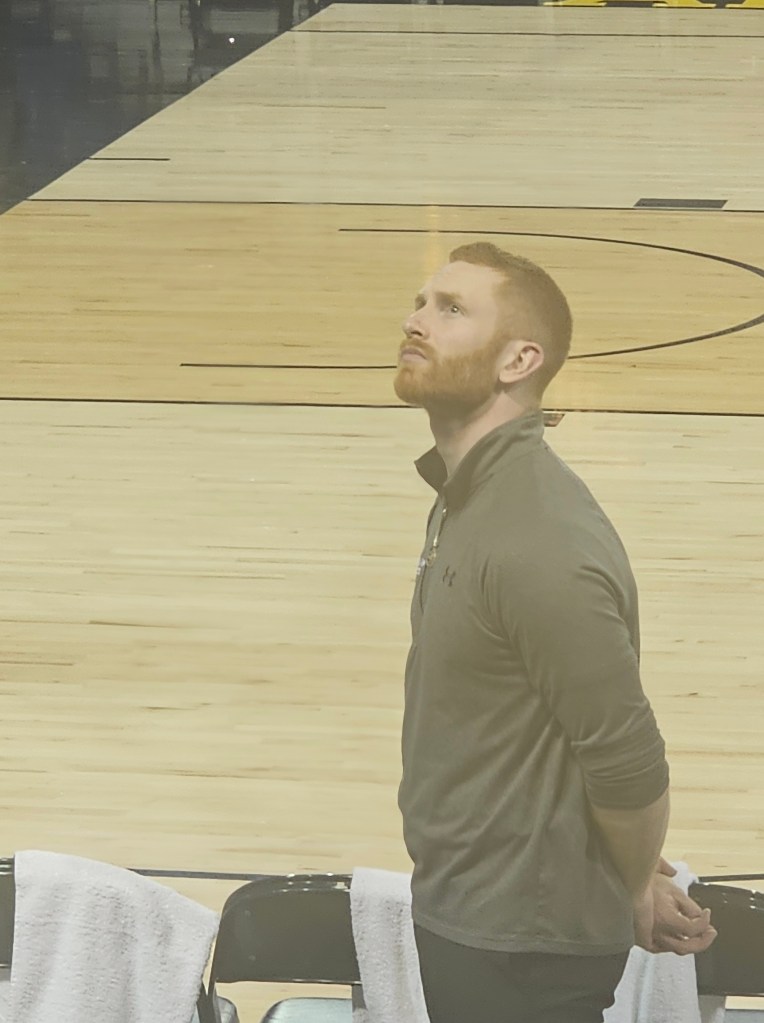
This mom is going to brag a bit, so buckle up. Two years ago my Tim left his job at Stanford University to take on a new role at the University of California San Diego as the women’s basketball sports performance coach. He didn’t fill all the boxes for qualifications, but a call from Tara Vanderveer (Stanford) to her little sister at UCSD (Heidi Vanderveer) got Tim’s foot in the door for an interview. Tim was hired and made the move 7 hours south to San Diego. UCSD was making their move from Division II to Division I in the sports arena. This allowed them to get a strength and conditioning coach (sports performance) head coach for their women’s team for the first time. Only a couple of weeks after Tim was hired, the entire basketball program went to Italy to play some international teams and to bond as teammates and coaching staff. They were there about 10 days and had a great time despite the heat of the summer. Tim realized upon returning to San Diego and familiarizing himself with the sports science equipment, he was going to have a steep learning curve. There are two main types of sports science equipment and where he had been working with one type for quite awhile, he was now faced with learning the ins and outs of the other type. The head of basketball sports performance (also the men’s basketball sports performance coach) started mentoring Tim and teaching him the new system. However, just a few weeks in and that coach was hired by the Celtics organization (great choice). That position was not filled so late in the preseason, so Tim was left to contact friends and mentors around the country on his off time to figure out how to work the equipment. He also dealt with several female basketball athletes who had injuries and worked their rehab programs. That first year was a steep learning curve for Tim and he spent a lot of his free time learning about how to better himself professionally. If you have ever met Tim, this shouldn’t be much of a surprise.
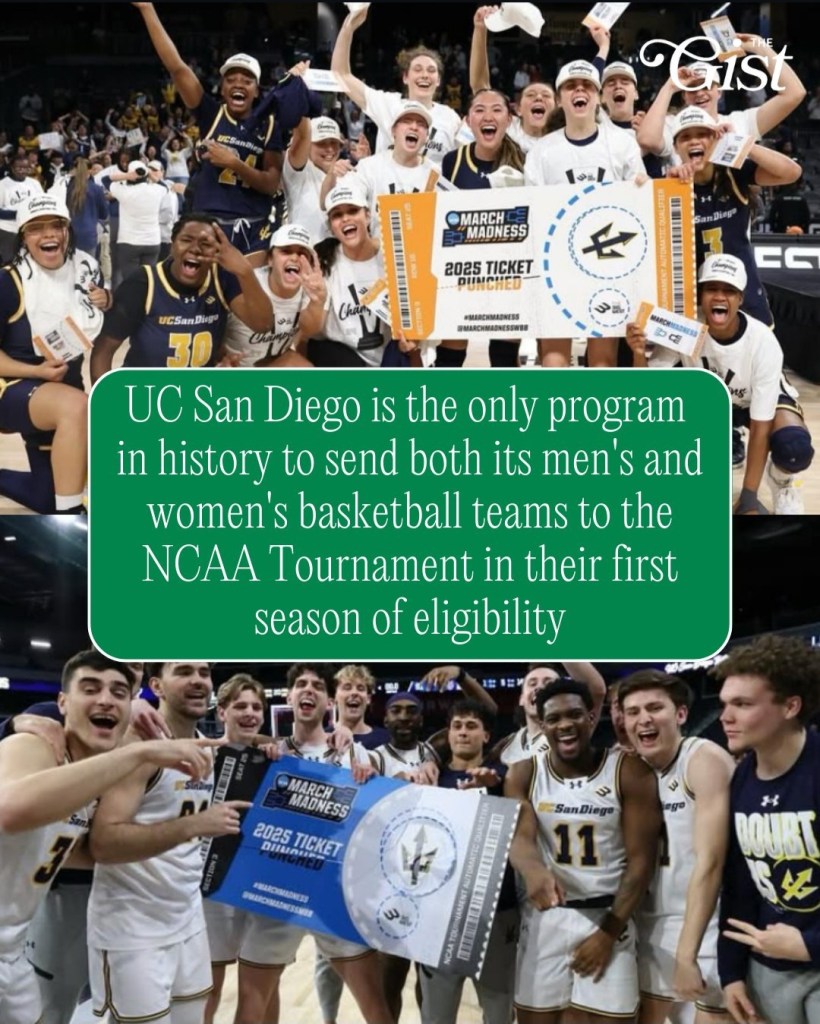
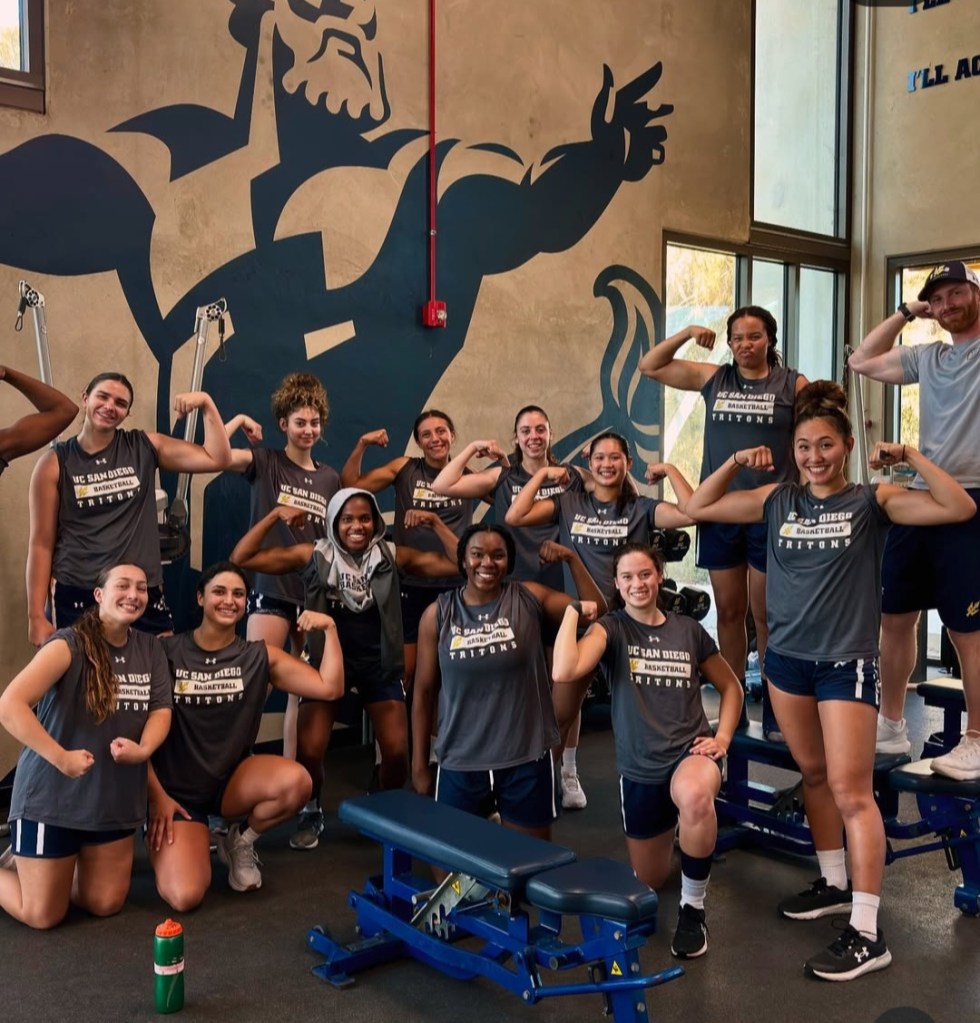
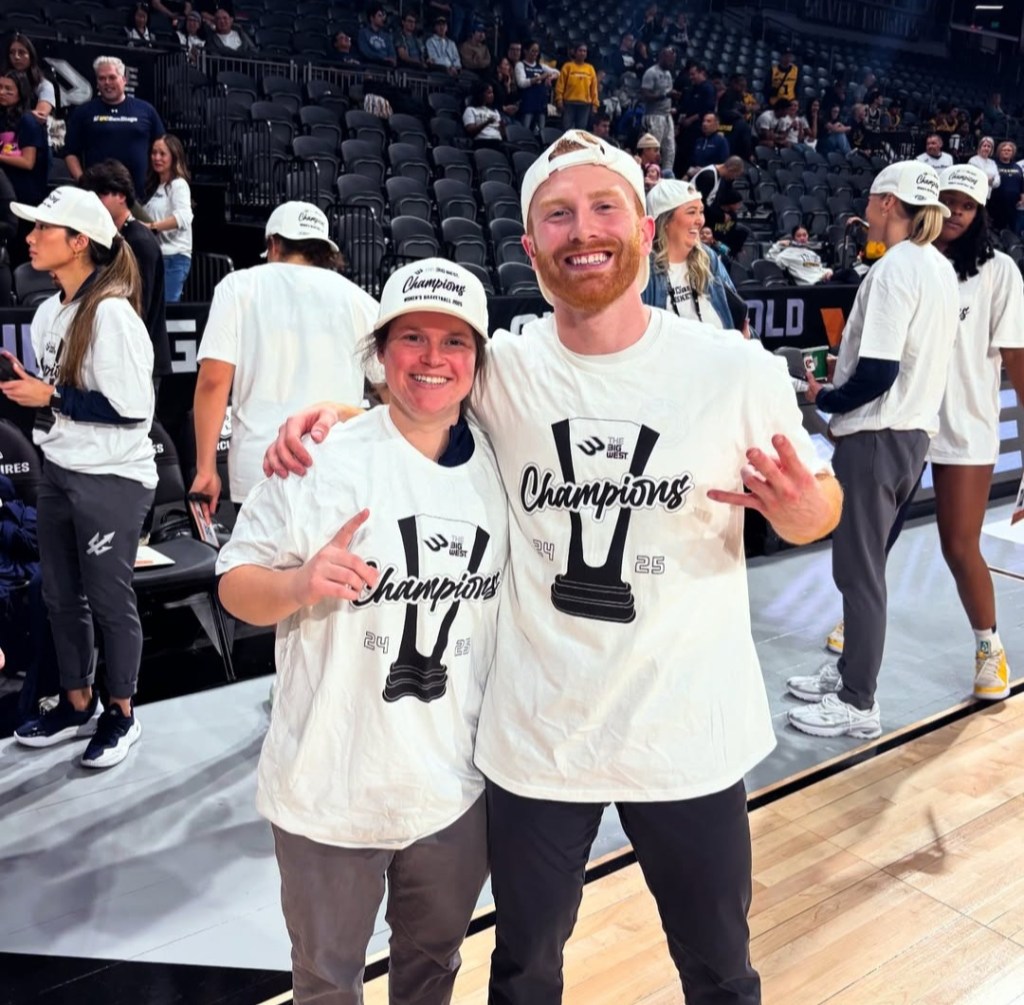
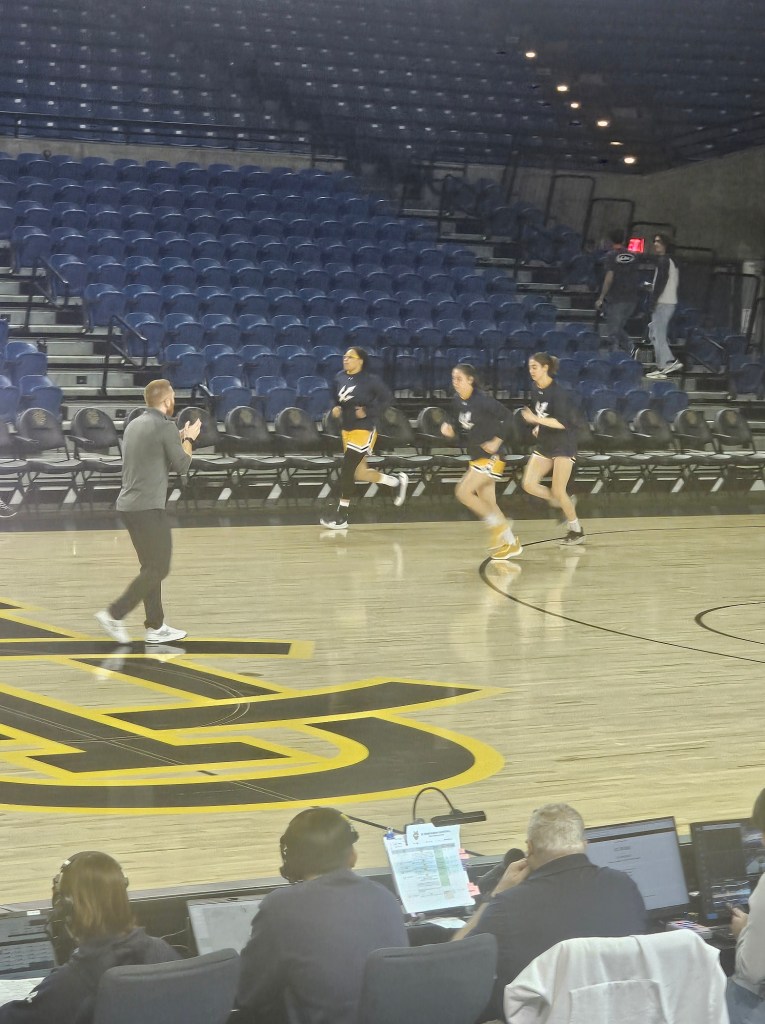
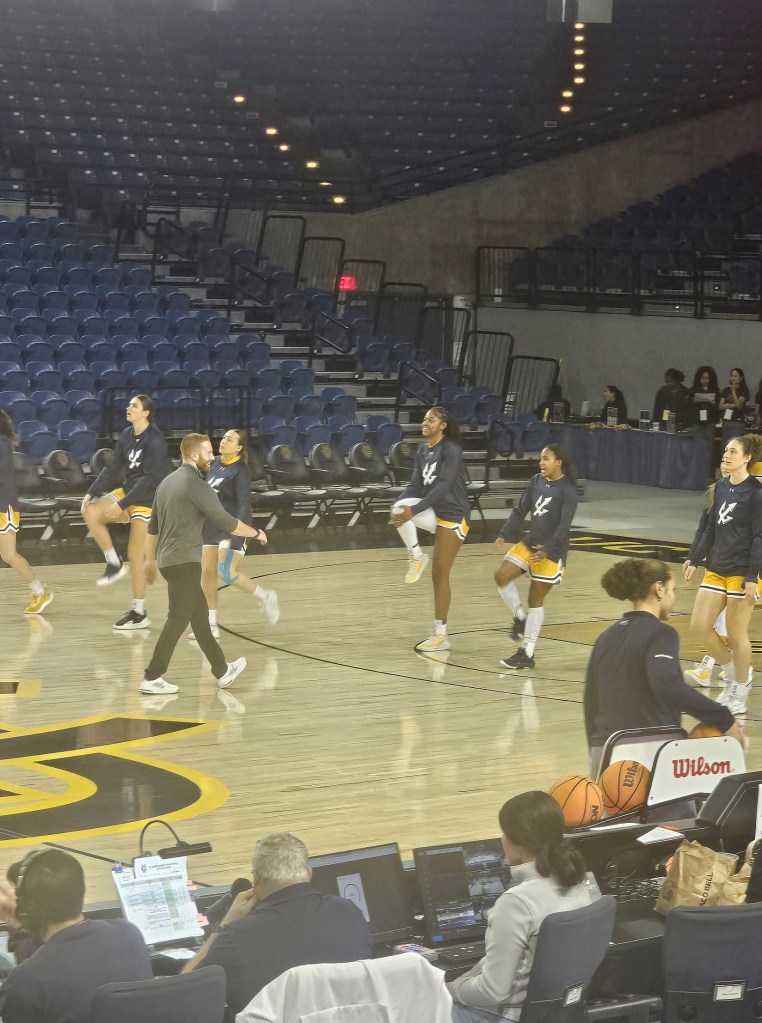
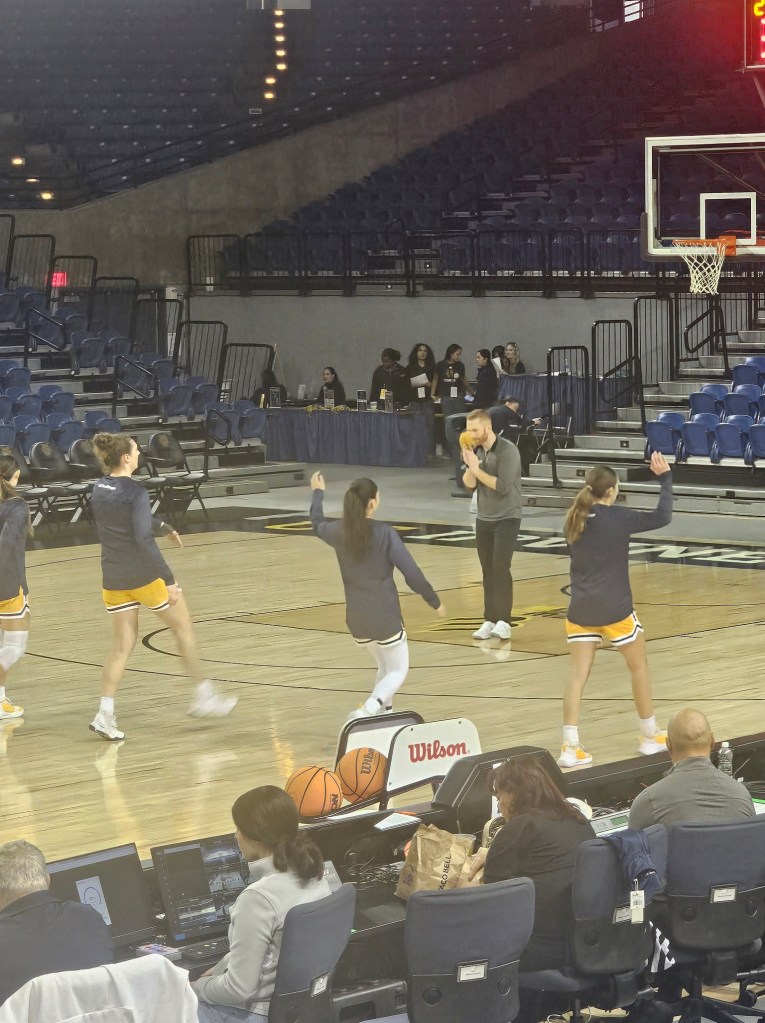
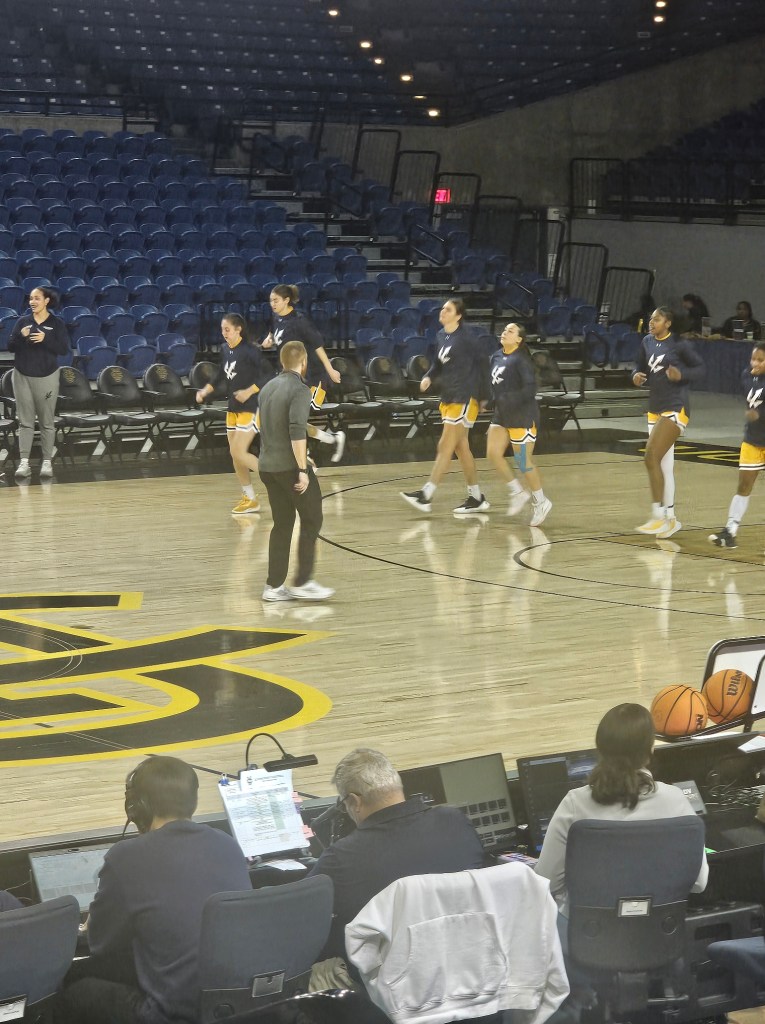
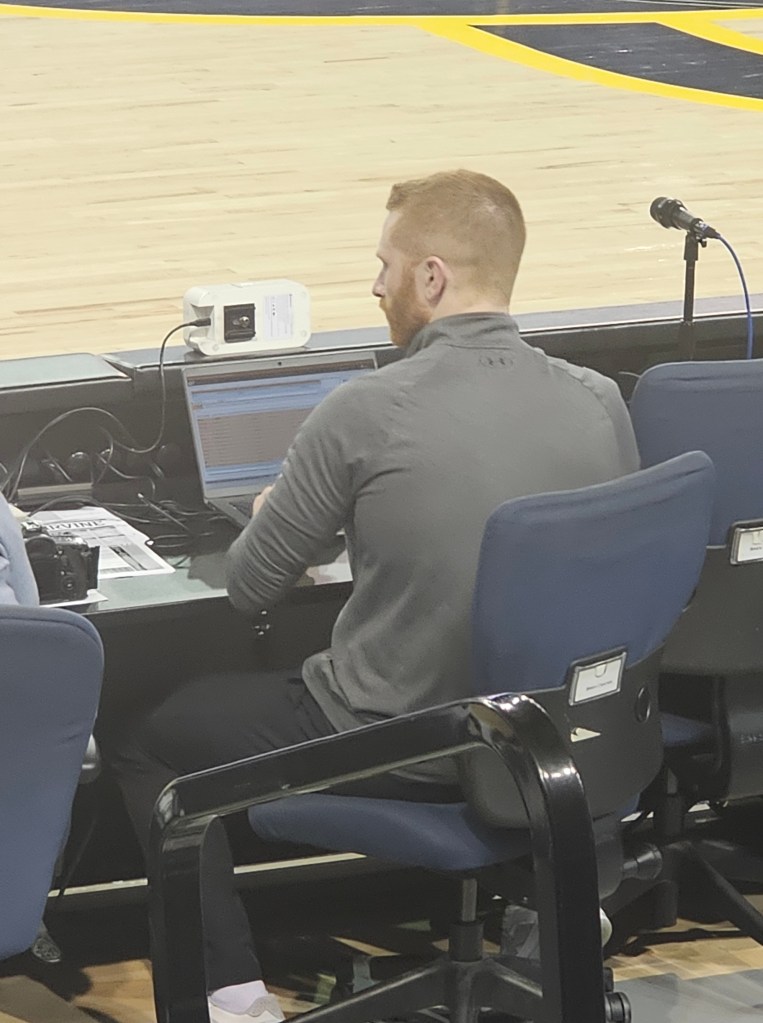
When a college decides to change divisions, they have a four-year waiting period before they are able to compete in post season play. Even if they won their conference, they would not get to play in the Big West Conference tournament due to these rules. Tim stayed on for a second year and it was the first year their sports team would be able to compete like everyone else in their conference. The season didn’t start out well…they were 1-8 in the beginning. However, they slowly started gelling as a team and chipping away at their losing record until they were ranked #4 in the conference and won a spot in post season play in the Big West. Last weekend they clawed their way to the championship game of the Big West Conference in Henderson, NV. They were ranked #4 and ended up winning it all! Better still, the men’s team also won the Big West Conference title as well! How about them apples? They made history as both men’s and women’s teams going to the NCAA Tournament in their first year of eligibility. Unfortunately, their run was cut short on the men’s and women’s side quite quickly. Still, so super proud of all they accomplished this year. Here are some photos I stole from Tim’s instagram page. He and their athletic trainer worked so hard for the girls this year. Tim’s a lot more comfortable in his job and now even has other sports performance coaches from around the country contacting him to chat about rehabing their injured athletes and getting them back on the courts. So proud of Tim and what he does, and for the team he works with. Go Tritons!
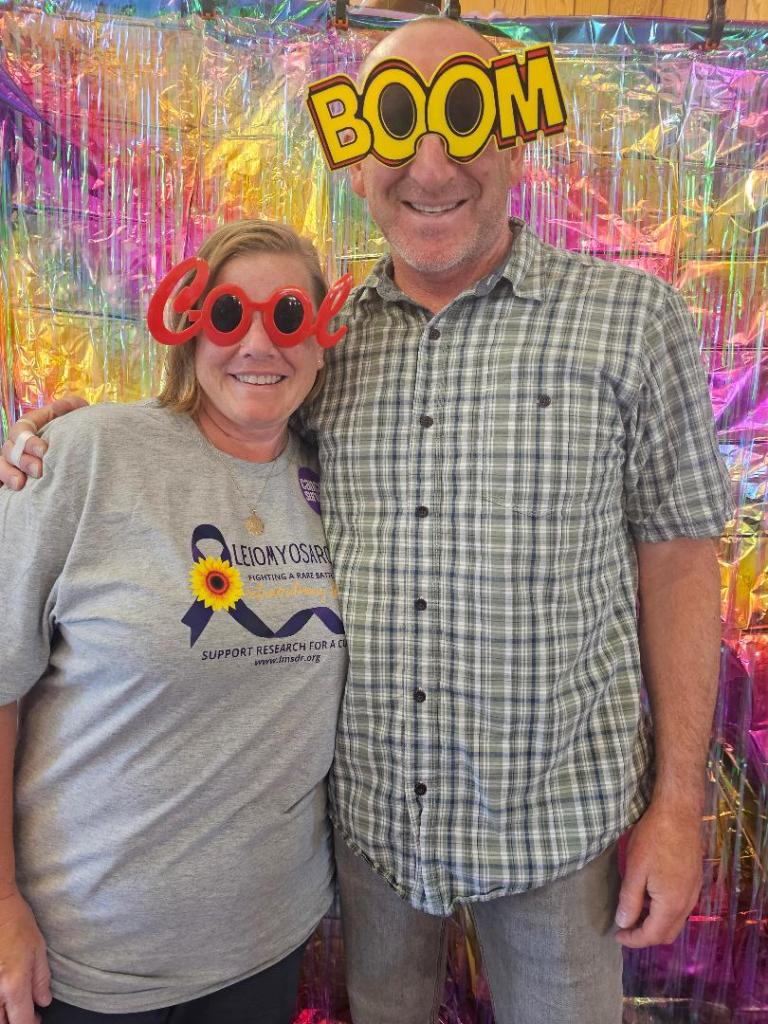
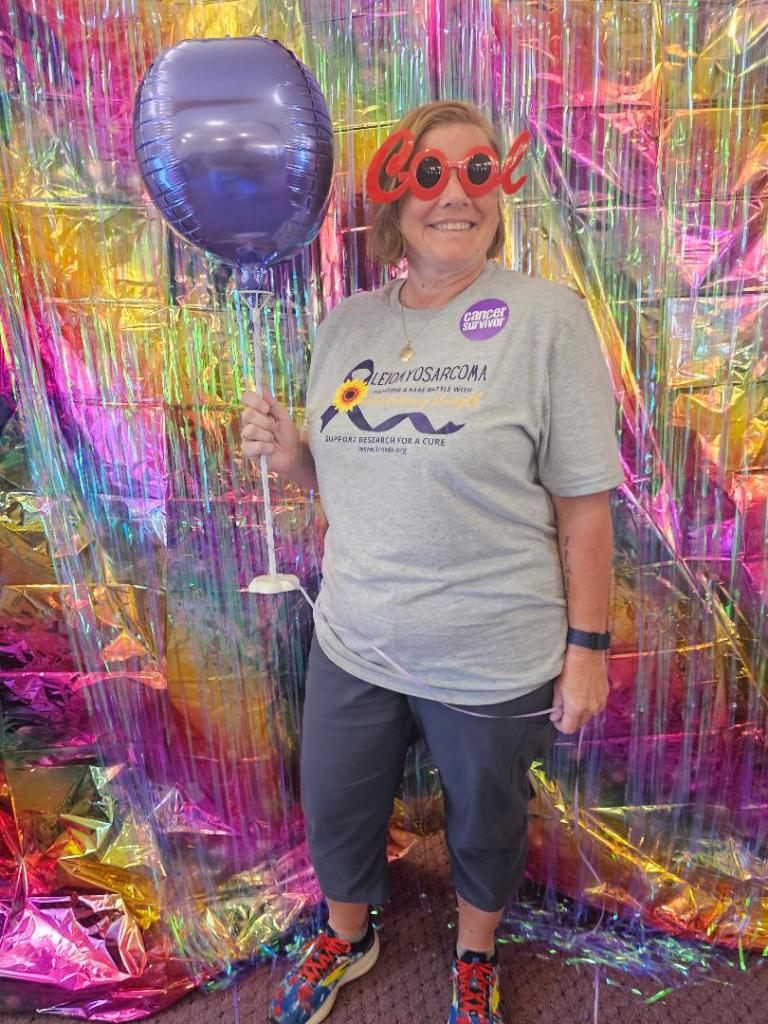
Leiomyosarcoma (LMS) is a rare form of cancer that affects about 10 in a million people. There is not a lot of research out there for this cancer and because of that, there is a very strong forum on Facebook for people from all over the world who have LMS to compare treatment notes. LMS is not like breast cancer or prostate cancer where there is a regimented treatment to start with. Everyone is different and everyone’s cancer reacts differently to chemo, radiation, and surgery. It is like playing whack-a-mole. I was diagnosed over 5 years ago. At that time, the survivability ratio for 5 years was 17-23%. Not great. But like I said, everyone is different. There are no blood tests for testing this cancer, like there are for other types of cancer. You just pray the treatment works and get CT scans frequently.
A little over 5 years ago, the LMS FB I belong to, asked a seasoned thriver (someone who has lived greater than 7 years with the disease) to moderate a zoom meeting with newly diagnosed patients. There were four of us at the time volunteering to do the meeting: Hollie, Liz, Maria, and me. Hollie and Liz were the younger two, with Maria and me being the older gals. The four of us were from all over: South Dakota, Oklahoma, Nebraska, and England. We have never met in person. We talked every day or so with each other. Within a year or so, we lost Hollie. It broke our hearts as her two young girls had to bury their mom….and say their goodbyes to her in a hospital over Mother’s Day, of all days. That was a hard blow for our group, to lose Hollie.
The years went on and the three of us (Liz, Maria, and me) went about our lives, fighting our LMS cancer in very different ways. We talked every couple of weeks, but when all three of us could chat online live, we would type up a storm, catching up with not only our treatments and prognosis, but our lives. Liz has been struggling this last year. She was really hoping to make it to her 40th birthday in April. Her parents posted on our LMS FB group yesterday that Liz had died early on St. Patrick’s Day. Her last name was Green, so I think that Liz would have gotten a kick out of that. She was so very funny and so full of life. She travelled from her home in Oklahoma to MD Anderson in Houston for appointments and treatments. Most of us have to do that….travel to where the specialists are. For me, that is the Mayo Clinic in Rochester, MN. Liz really put on the miles this past year especially. I thought for a moment we would finally be able to meet but she left Houston the day I arrived to see my folks last week. My last text to her was to ask when she was leaving Houston to head home. I missed her by about 8 hours. I knew she was not doing well, but I thought she would make that milestone birthday.
So it is down to Maria and me. We are both stable and living life to the fullest for those who can’t. If you get a chance and you are the praying type, say a prayer for Liz….who fought so valiantly. She and Hollie are probably chatting up a storm in heaven right now. If you aren’t the praying type, raise a glass to a wonderful woman who was a true LMS warrior. Slainte, Liz! I will miss you and your wit so very much.
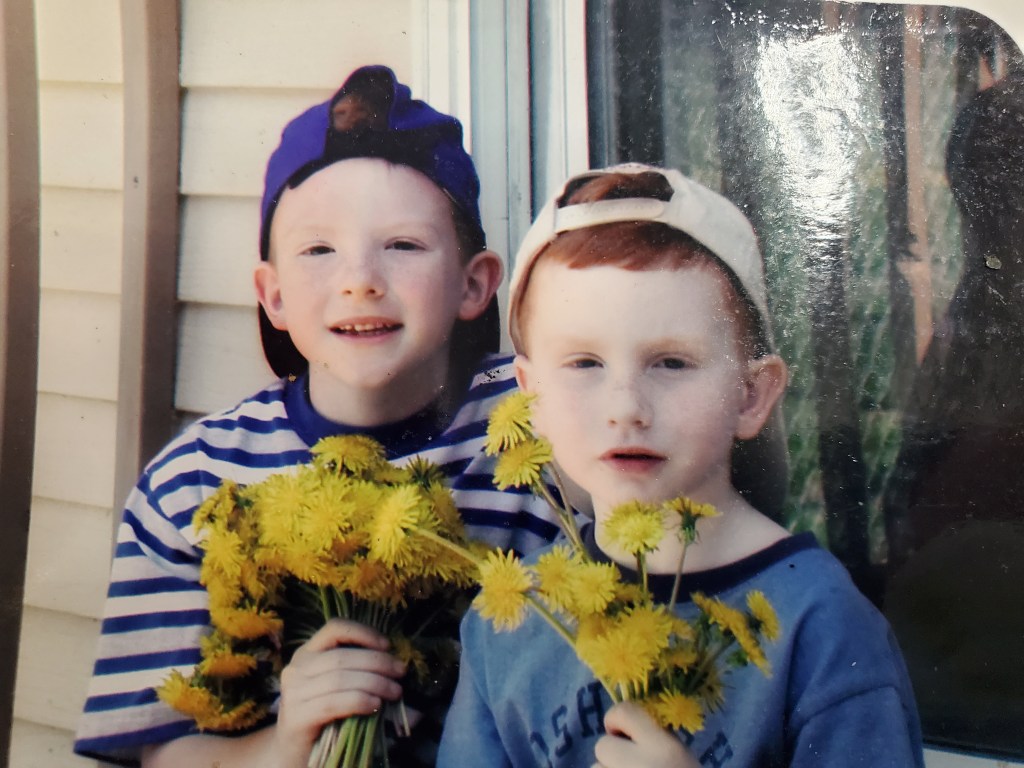
Today, on the feast day of St. Joseph, my Joe was honored by his celebration of life 3 years ago. We had the service as quickly as we could with COVID still kind of lingering and Joe having died out of state, away from home. That complicates things more than you would realize. Luckily, the fact that he was a veteran and a first responder, that allowed him to be put to the top of the list for many services needed to get him home to Michelle. So many at that time had to have services without the person being honored even present, and we didn’t want an empty casket or an empty urn. We wanted Joe to actually be present…so we had to wait a bit. When I think back on that place and time, I think of the hundreds and hundreds of people who came from all walks of Joe’s life to honor him. I was so overwhelmed at the sheer numbers of people. In his short life, he had touched so many. If people were there to support the family and maybe didn’t know Joe as well, they did after hearing Zac (his best friend), Rich (his dad), and Michelle (his wife) speak about him. He was able to touch so many people through their words. He was such a good man….a total goofball, but a good man. He is still loved and missed dearly today.
It has been 3 years since my Joe died. In one minute, it feels like forever and another like it certainly can’t even be my reality. I am going to quote a friend of mine here who lost her husband a few years ago and say, “The world is less beautiful, yet more beautiful.” I loved that line and although I am seeing the world through the shadow of grief, I can still see it and enjoy the rainbows, the mountains, the wildlife. It isn’t as vibrant and technicolor like it was before, but I can still appreciate it.
The past two years on this day, we have gathered with Joe’s closest friends: his wife, Michelle, his best friend, Zac, and his friends from the Olathe Fire Department, his Missouri Army National Guard brothers, his high school and college friends, and his fraternity brothers from Delta Chi. One year we had an open house at our place in Omaha, and last year we met at a restaurant in Kansas City. It was kind of a lot of added stress organizing these events when we are grieving parents. This year, God offered us a different option. The wonderful person who normally cooks dinner for our monthly fire department association meetings had surgery a week or so ago. She asked me ahead of time if I would take care of dinner for the March meeting. I never even looked at the date, just agreed to take it off her plate. When I saw it would be March 6th, I realized that it was the PERFECT way to honor our Joe. When Joe graduated from OFD’s fire academy and got his regular assignment to station 1, he was a probationary fire fighter. That means a lot of things but at the fire station, it meant not sitting at the table until you were invited. It meant doing all the yucky jobs no one else wanted to do. It meant not being able to sit in the main room in the loungers and watch TV during down time….until you are invited to do so. One of those jobs he was tasked with from the start was cooking for his crew. At Station 1, that meant 2 crews…so normally 8-9 people. They thought it would be a punishment. He loved it. I can’t tell you how many times I got a call or text from him asking for a screen shot from my recipe book so he could make that for dinner for his guys that night. He wanted to expand their palates and make Japanese curry or Tuscan chicken. He would come home to visit and even cook for us every now and then, which was always fun. How blessed am I that all three of my kids are great in the kitchen and good cooks! Anyhow, we’ll be cooking for our fire department tonight and honoring Joe in the process.
Speaking of Joe….we have often mentioned we feel closest to him when out on a call with the fire department. We are carrying on his legacy and being his hands in this world doing the thing he loved most. I was dreading waking up this morning with the reality of what today signifies. Joe didn’t give me the opportunity to wallow this morning. We were jolted awake at 0445 to a medical call with the fire department. I was concentrating on getting there safely, taking care of the patient and then charting. I could feel Joe so strongly as I stood outside in the cold, crisp air, in the dark with the stars twinkling above, waiting for the ambulance staff to finish assessing the patient in the ambulance before leaving for the hospital. That is going to make today rather long, but hopefully a nap can get snuck in at some point. I am wearing Joe’s firefighter memorial shirt under my own volunteer fire department sweatshirt. They are working in tandem today.
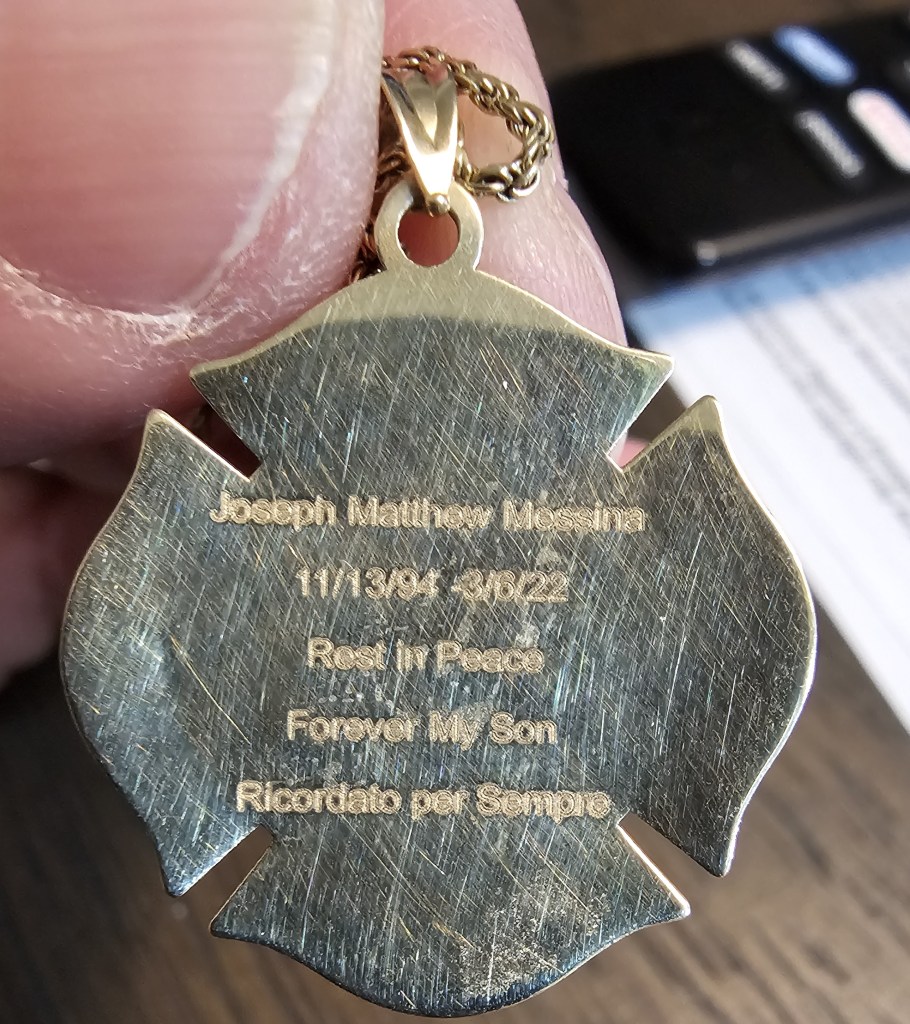
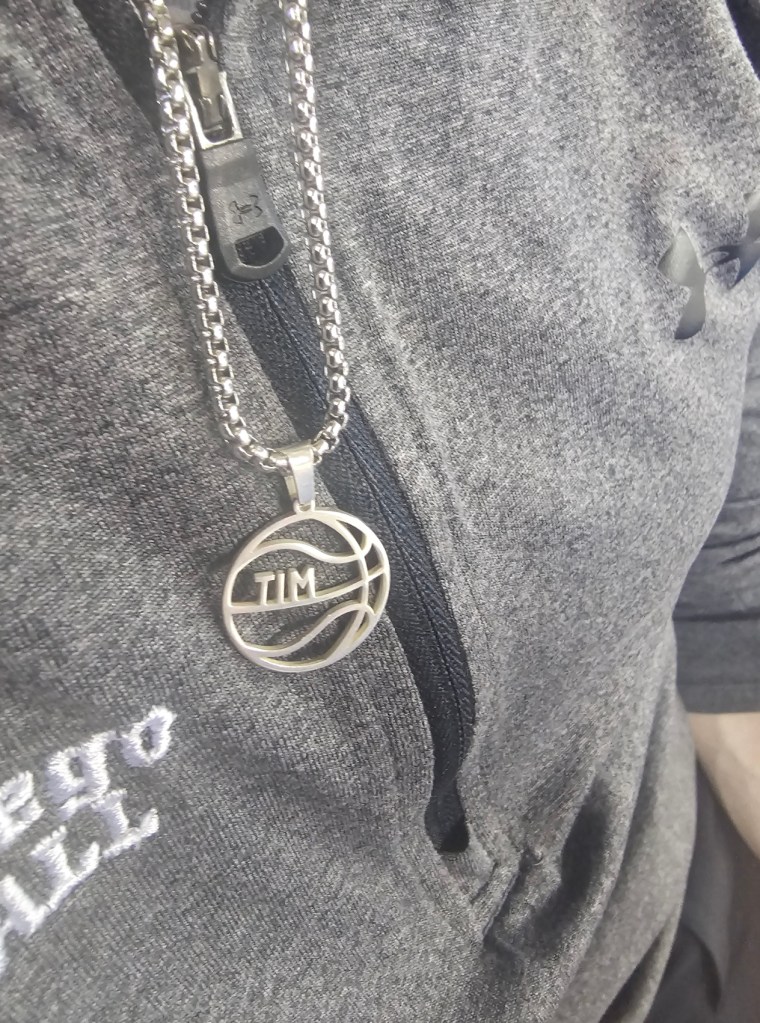
I also wear this necklace everyday and a gold band on my right hand ring finger that has Joe’s thumb print engraved on the outside of it and his name engraved on the inside. Of course, Rich and I both each have a tattoo to remember Joe inked into our skin as well. We may not have a scholarship named for Joe, or a golf tournament, a 10K race or a clinic/school in Africa honoring him like some of our grieving friends do. But we are honoring him every day with what we do. We are living our lives to the fullest as we believe he would want us to do. He always did! We honor Joe with every call or task we are called upon to do with our volunteer fire department within our community. I think Joe would be tickled that we are doing this. What a gift he has given us – that in honoring him, we are able to do such cool things. This would have never been on our radar if we weren’t trying to honor him. We knew it was a sign when we were told this volunteer fire department was number 13….Joe’s birthday.
We will go to the park in town and sit on his memorial bench today. We left today pretty open other than cooking dinner tonight for the fire department. Some of our friends have already reached out to us this morning and I want to thank you for doing so. Our Joe is never truly gone if we continue to tell his stories and speak his name. I live for those moments. Yes, there may be tears, but many of them are in gratitude for having him in my life.
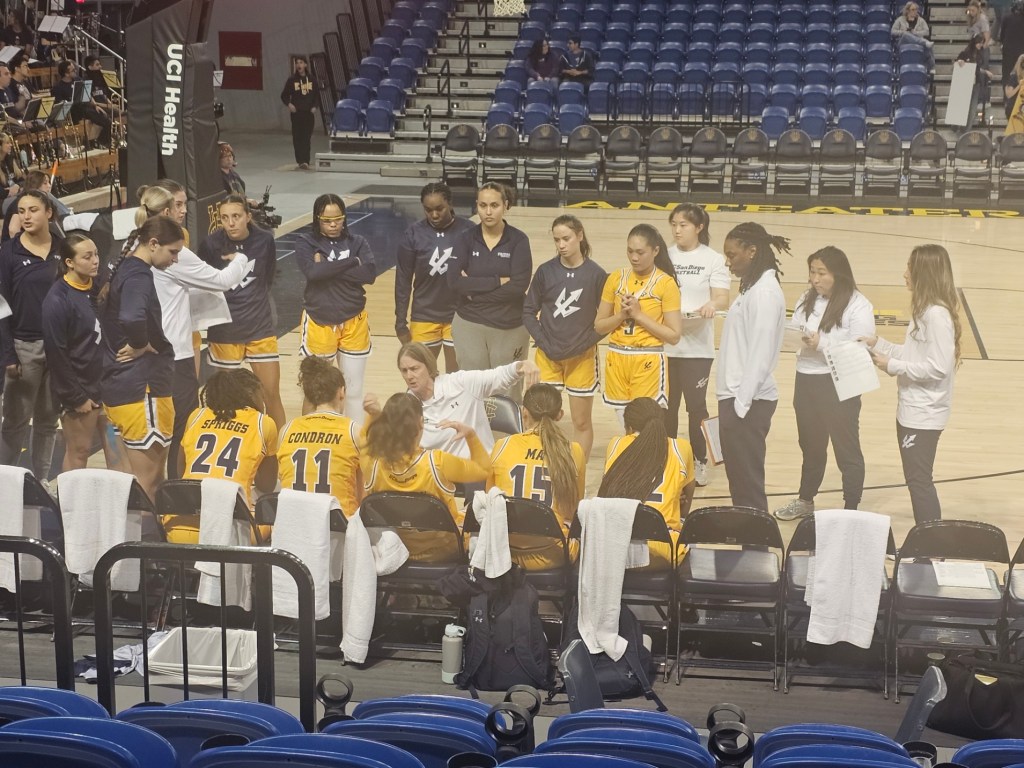
After our cruise along the Baja Peninsula in Mexico, we stayed a couple of days in San Diego, watching a game at UC Irvine vs UCSD (where Tim coaches) and then spending a day at the San Diego Zoo. Here are a few photos of Tim doing what he loves most: sports performance coaching with basketball.
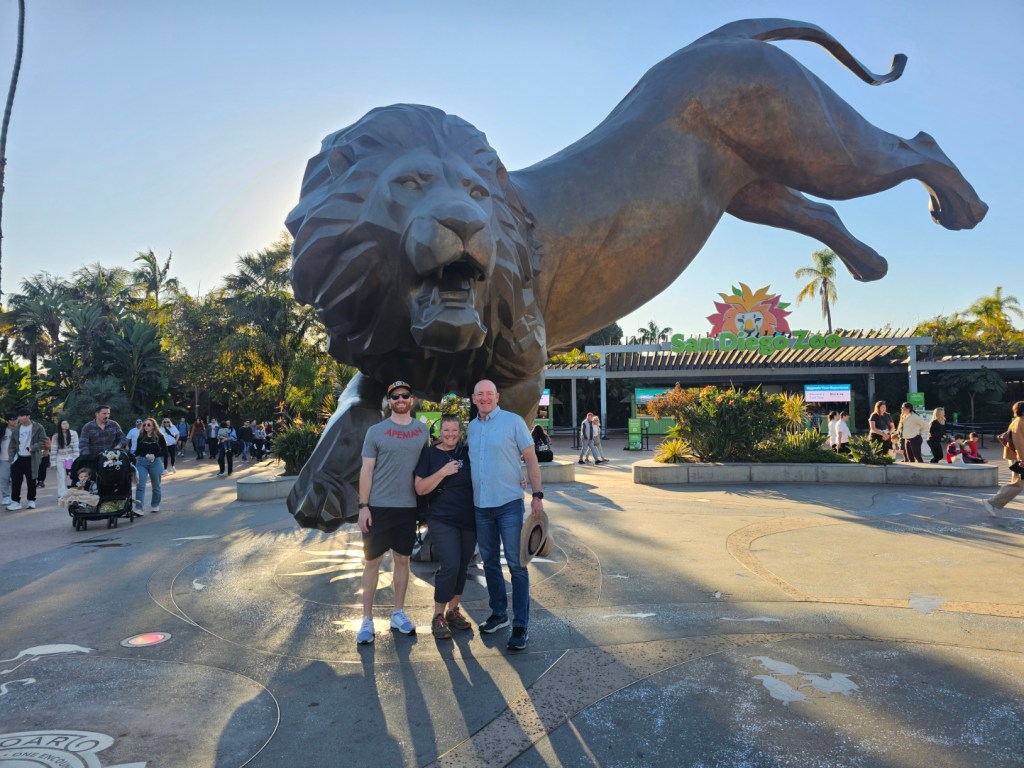
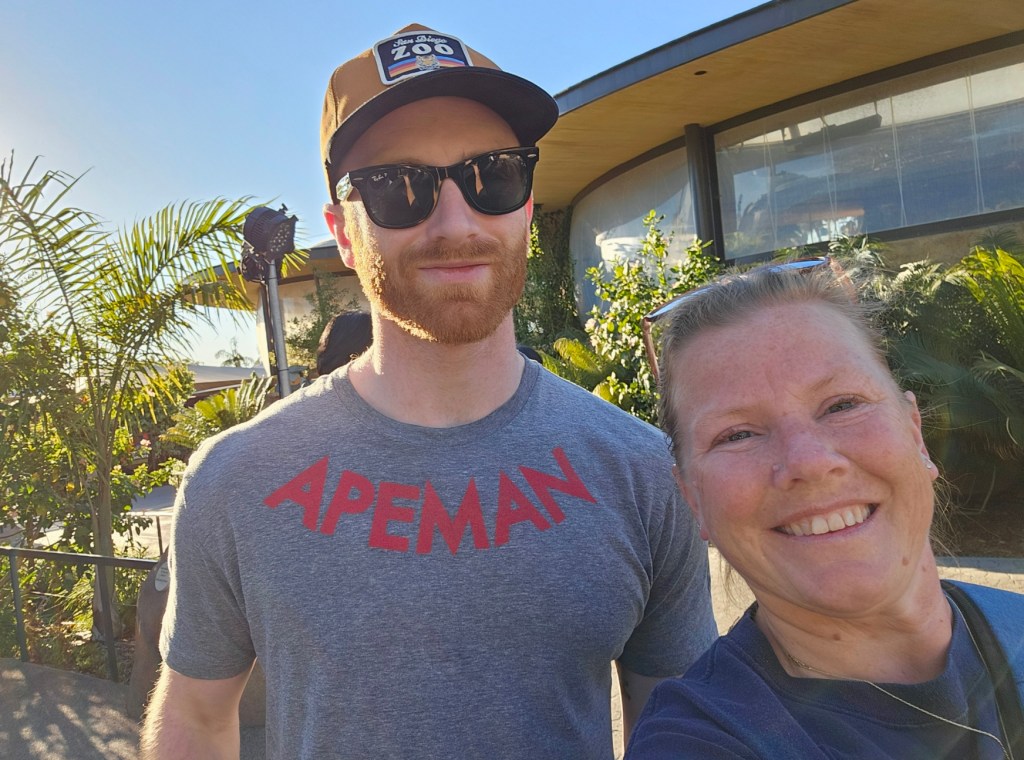
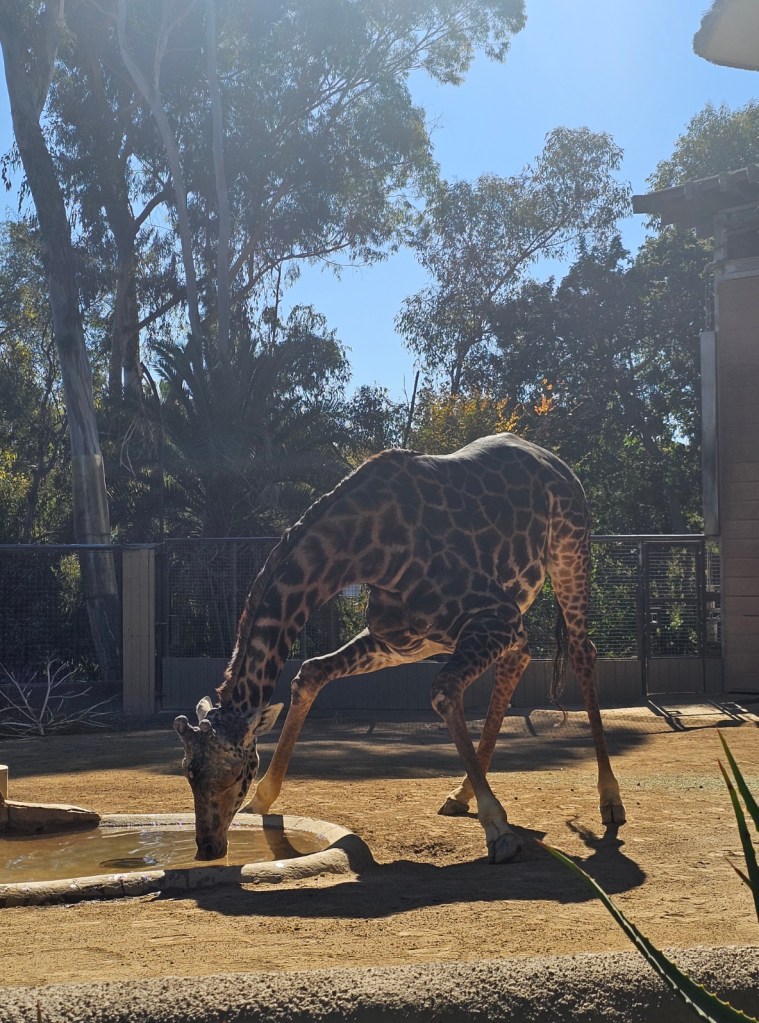
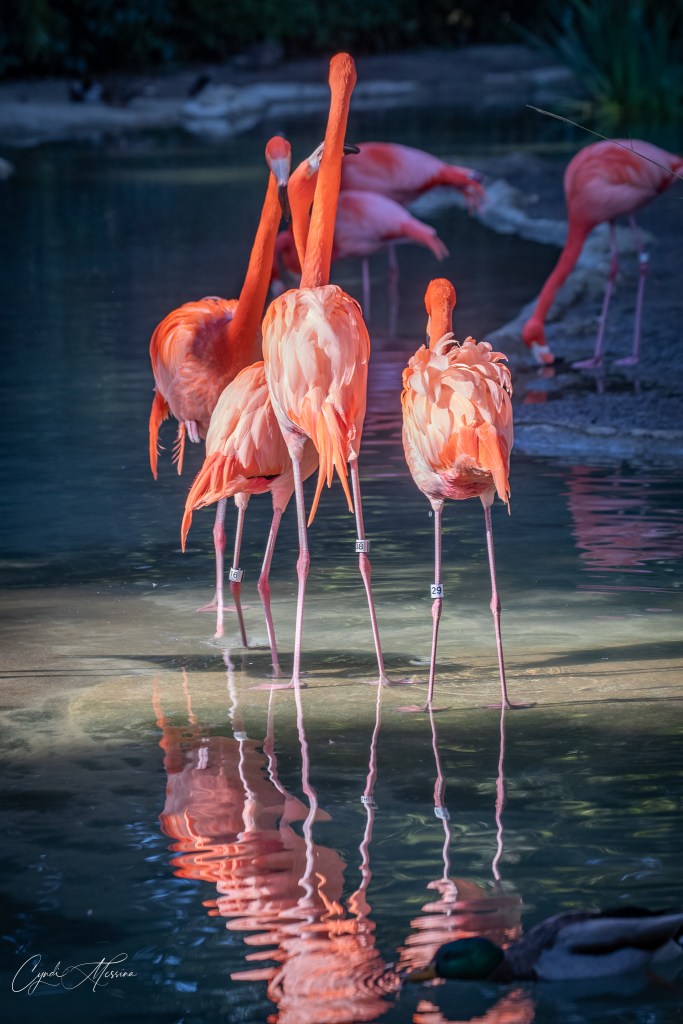
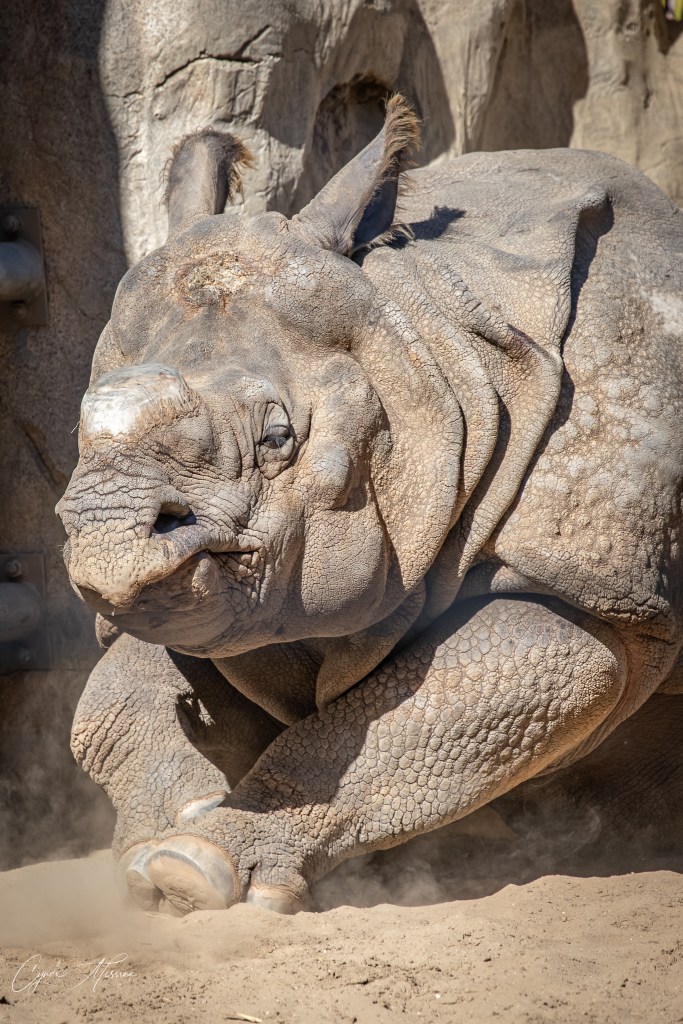
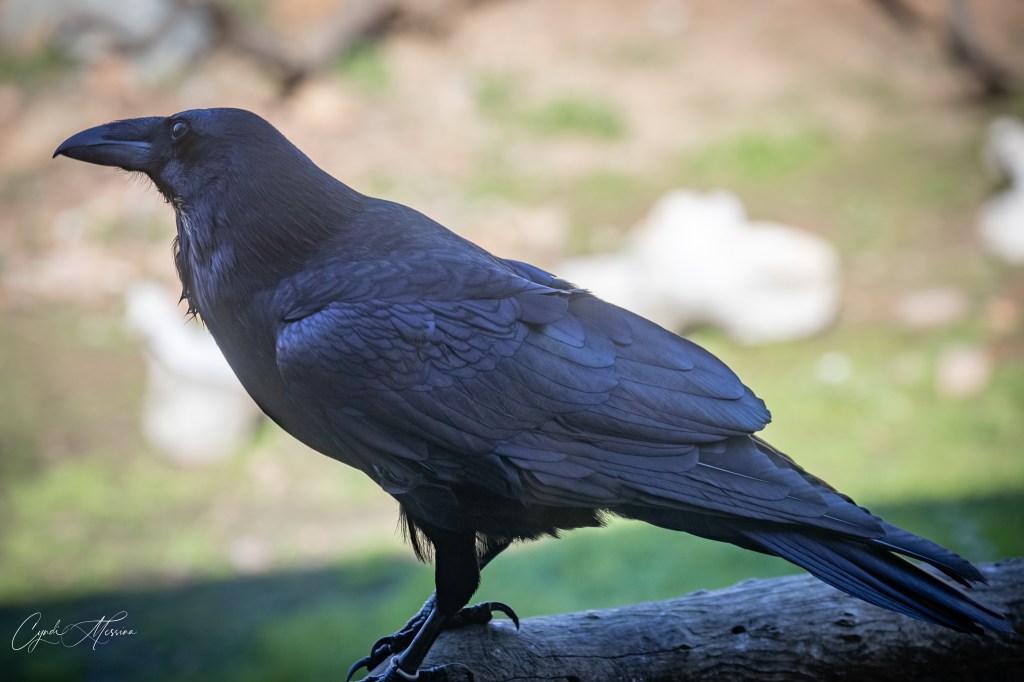
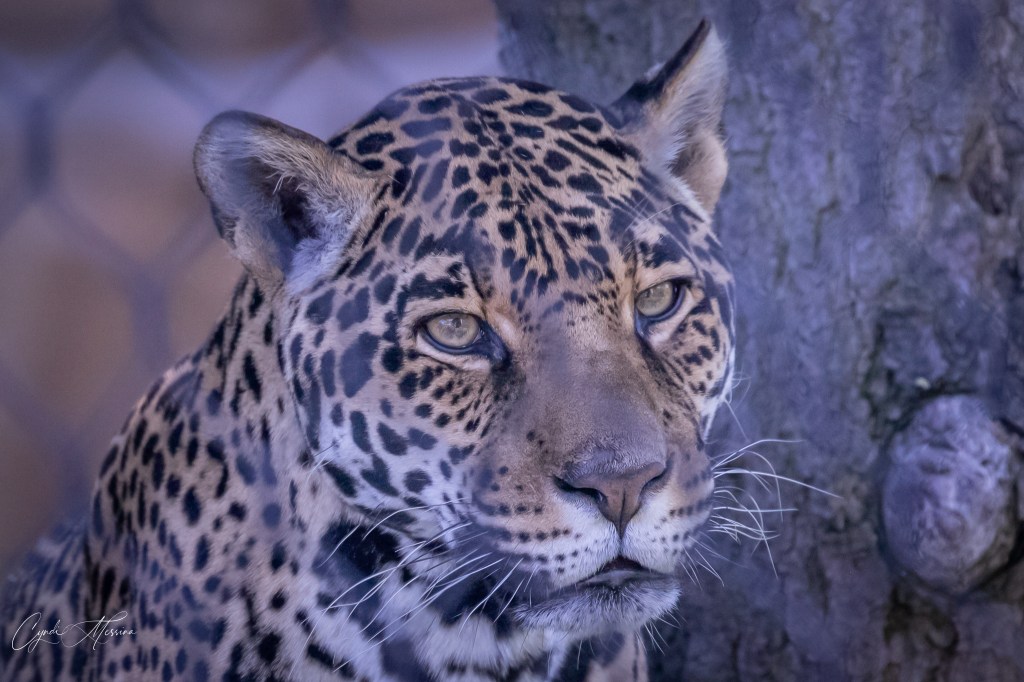
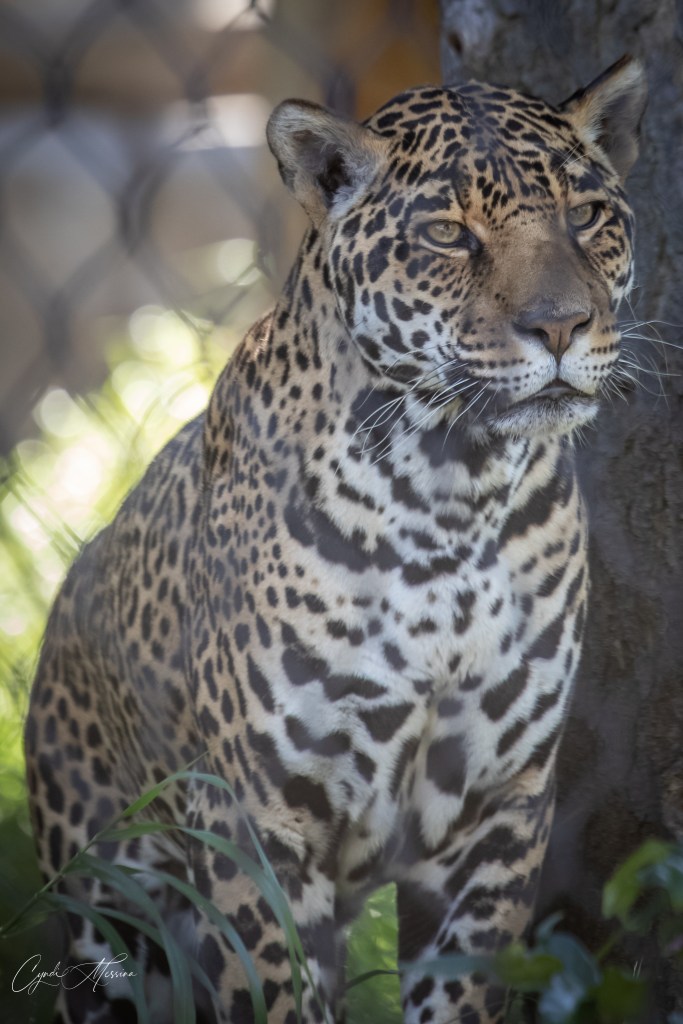
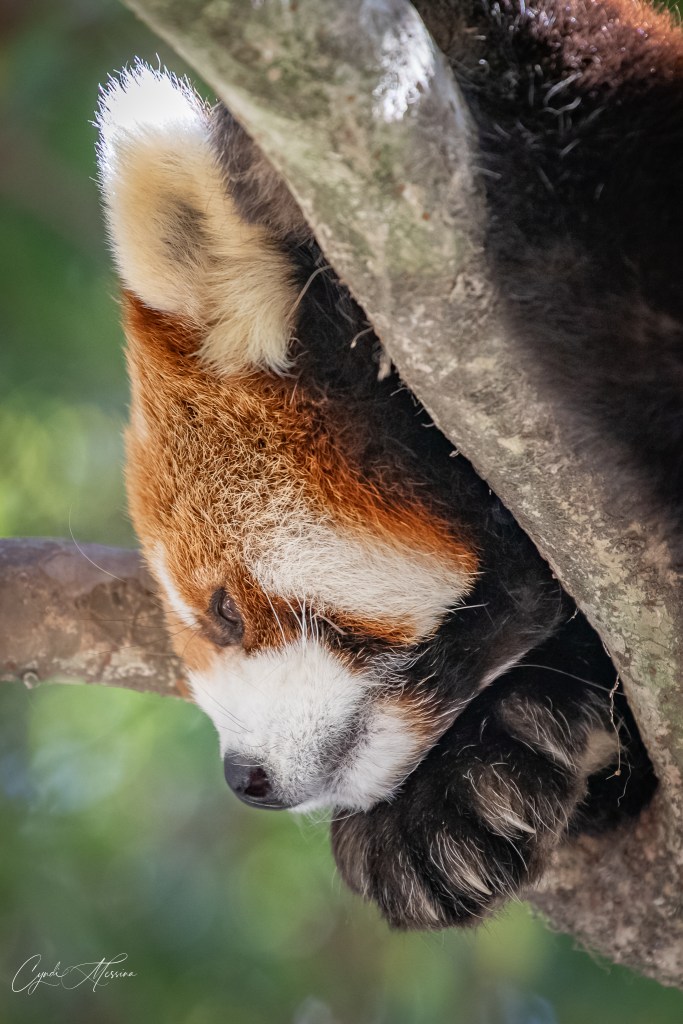
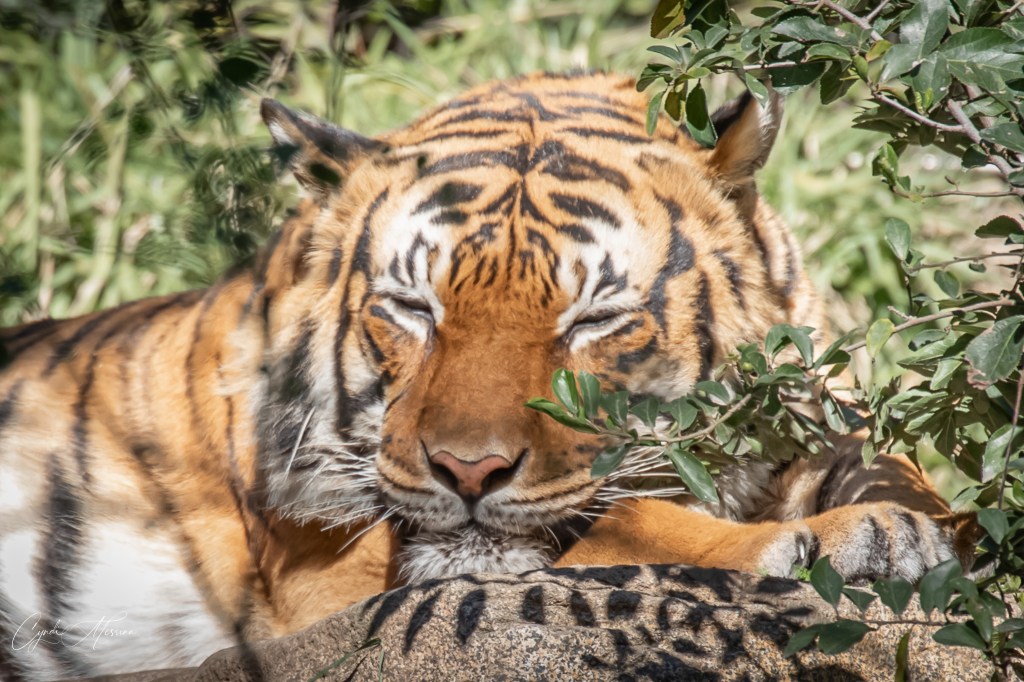
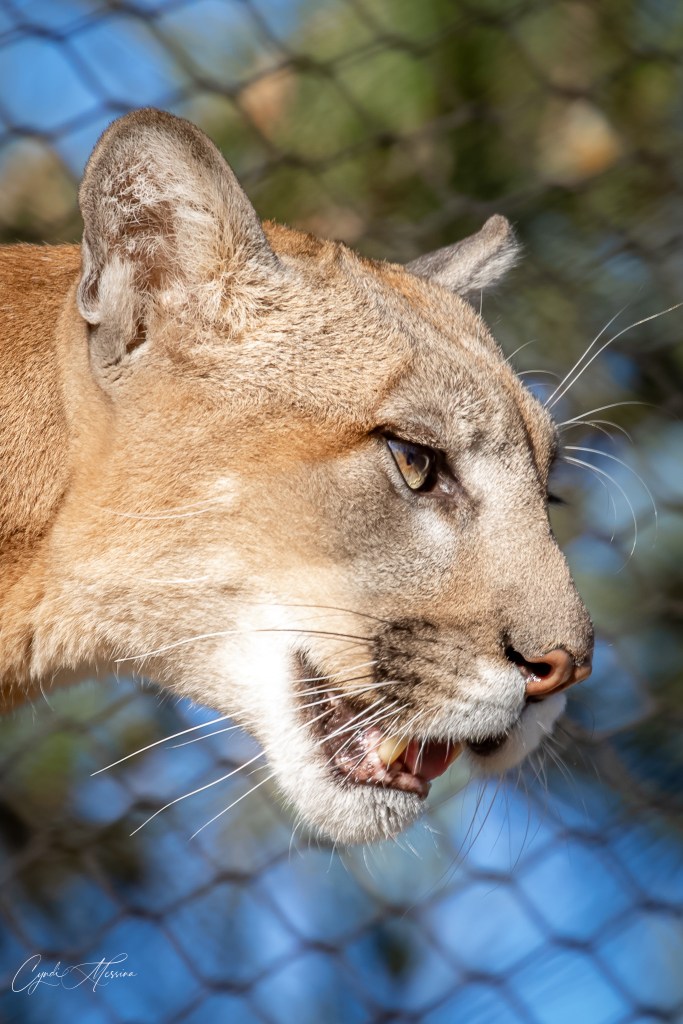
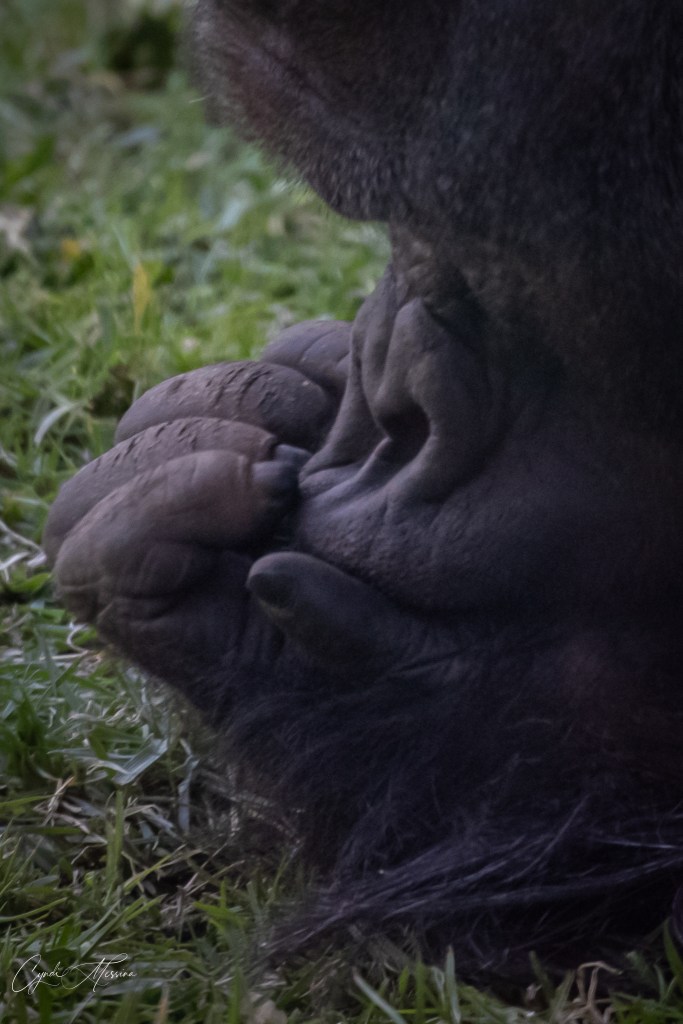
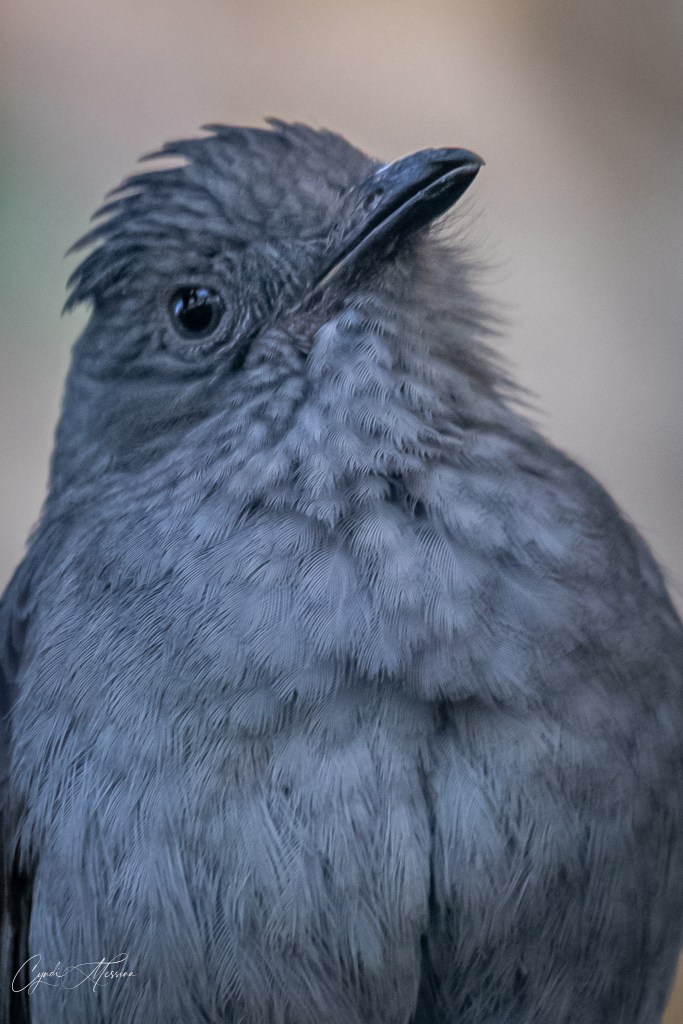
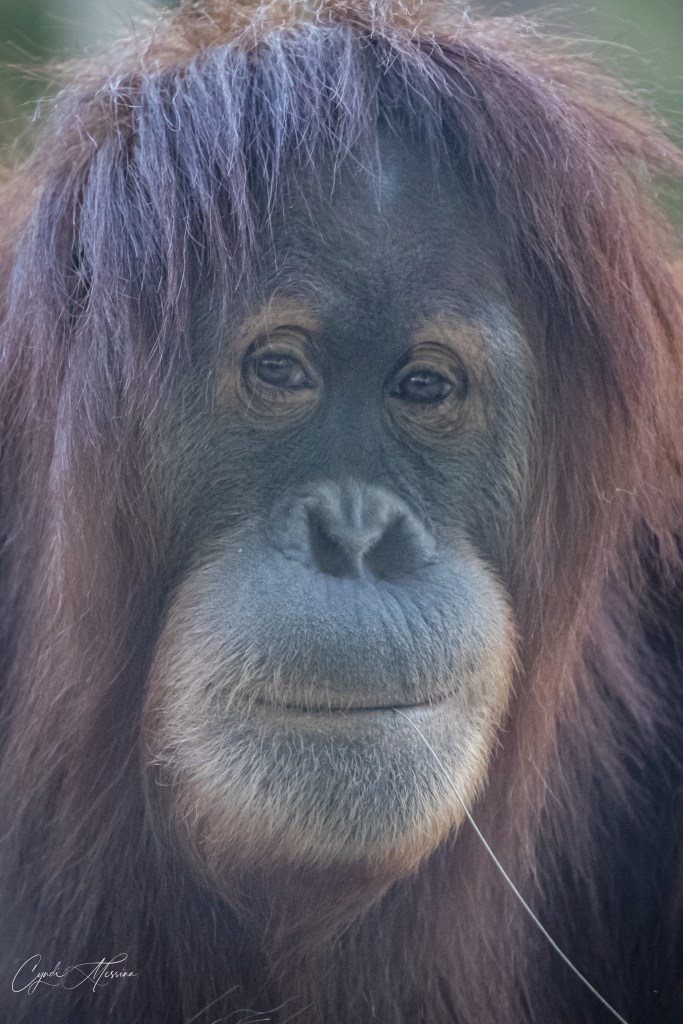
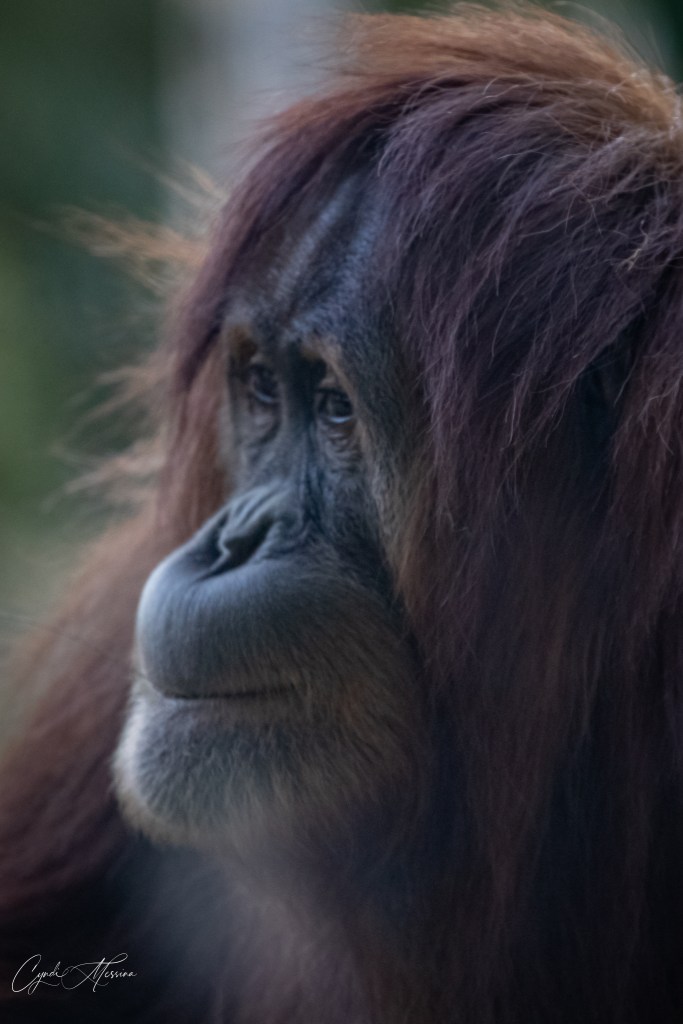
We had a blast spending some time at the San Diego Zoo, which now has two panda bears in residence. The weather is almost always amazing in San Diego. It is a must to spend time outside.
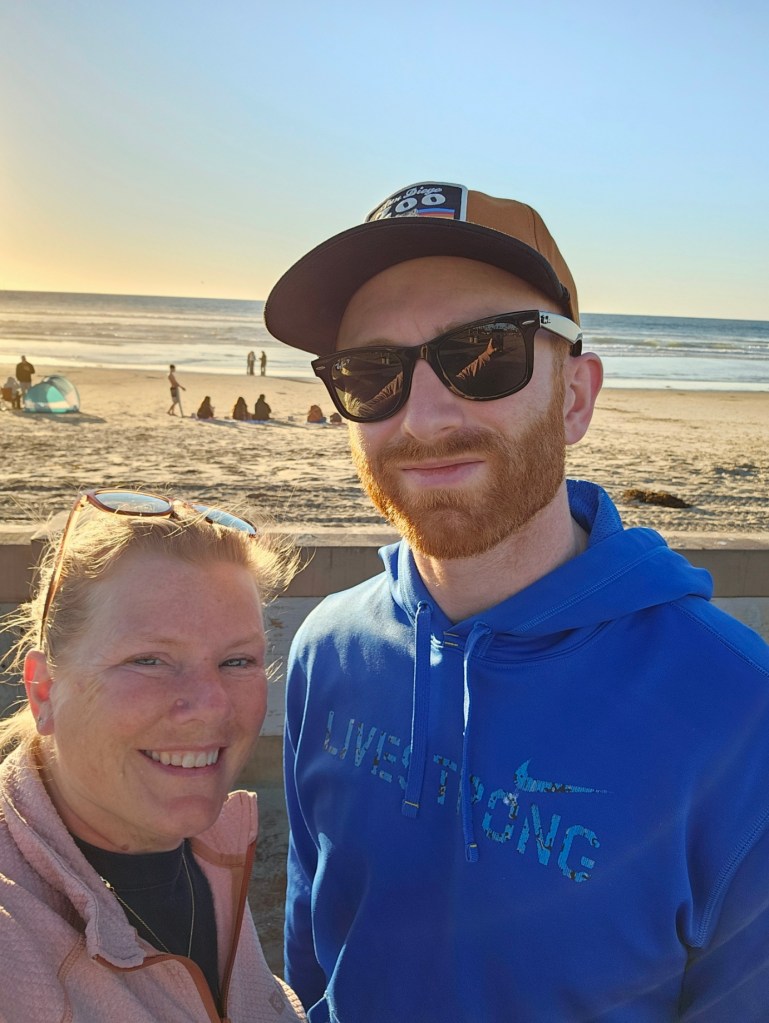
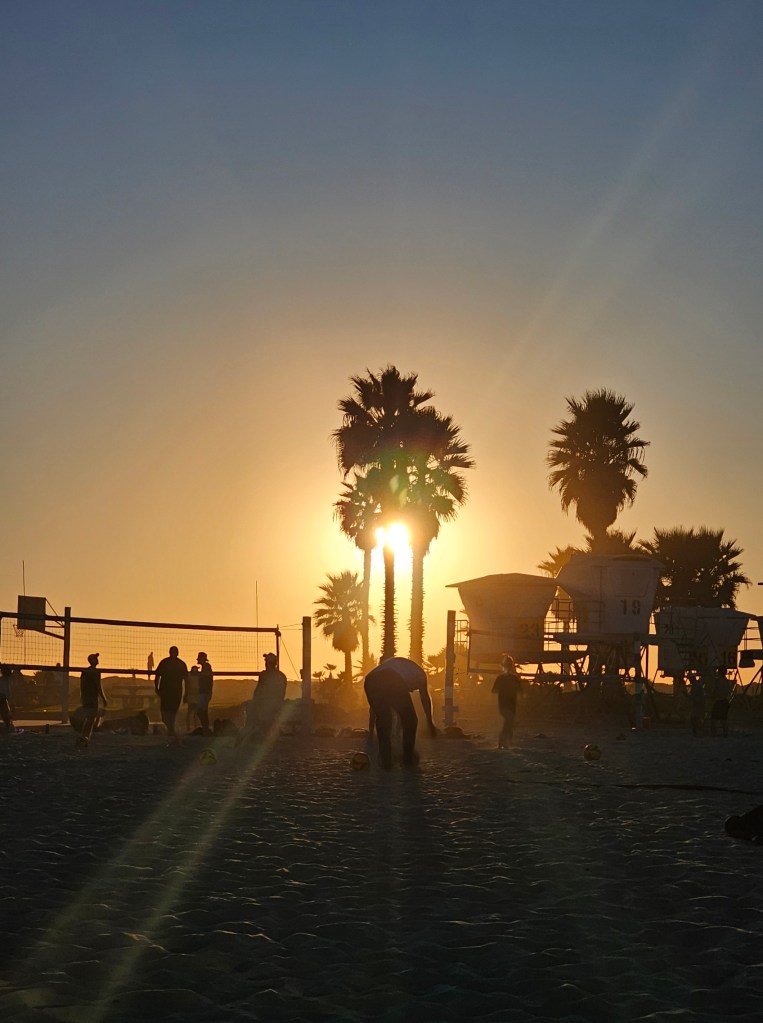
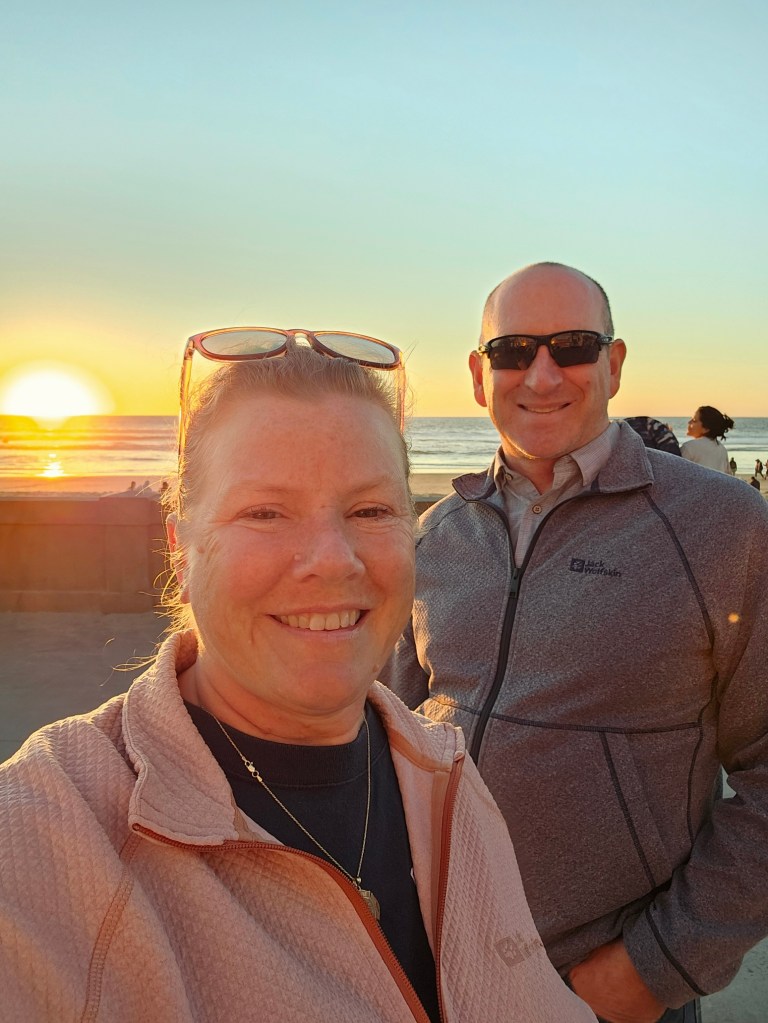
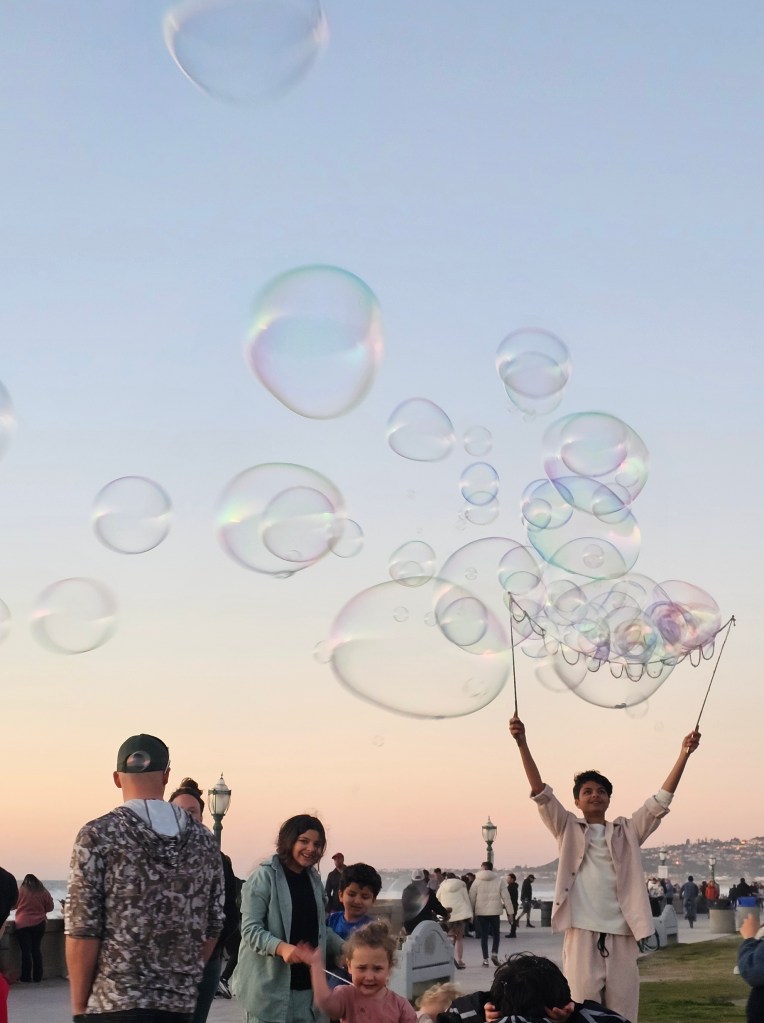
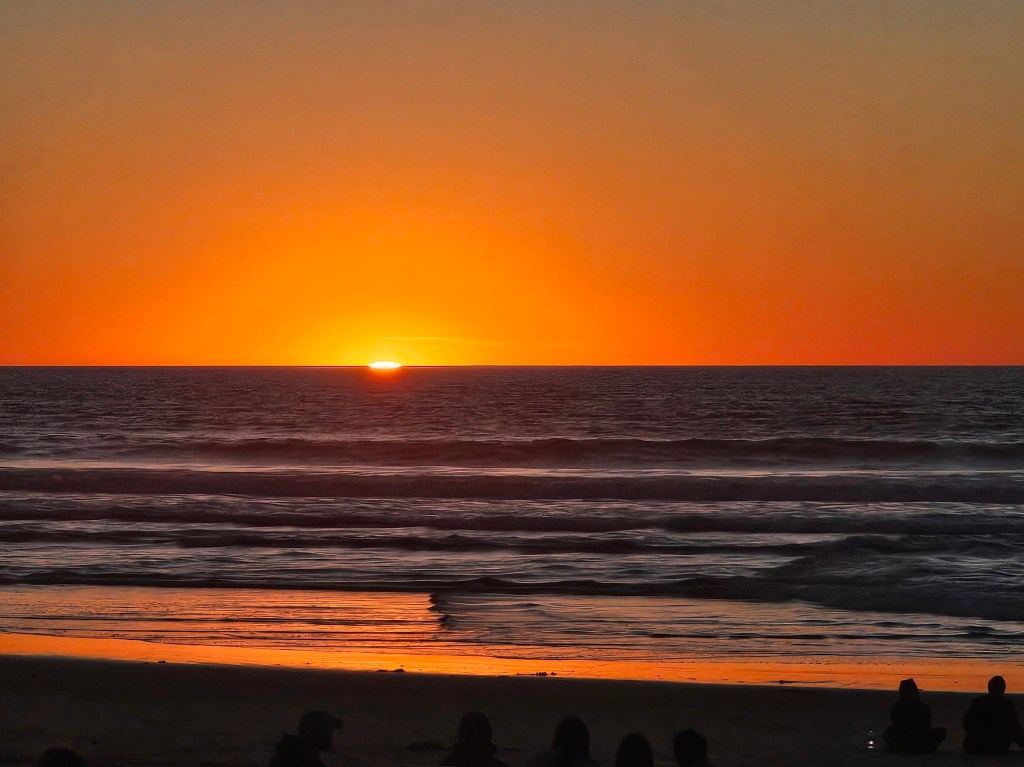
After the zoo we went to the beach to watch the sunset. Here are a few photos with our last few hours spent with Tim before dropping him off at home so he could get some work done. We left early the next morning. He’ll be coming to visit us in Montana in the third week of March, after the season is over.
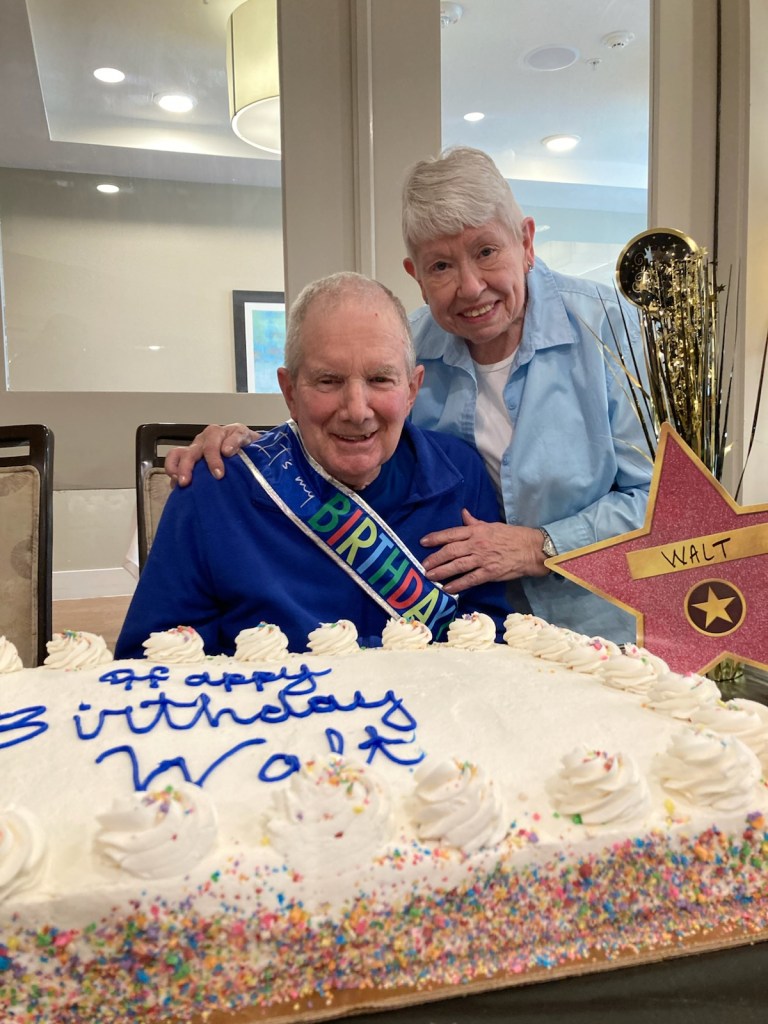
Today, February 25th, 2025, is my dad’s 78th birthday. Growing up, my dad was gone a lot. He worked very hard at his job as an officer in the U.S. Army. I remember from a young girl going to watch my dad jump from C-130’s at Fort Bragg, NC. I remember when he would work late, we would take him a big mac, fries, and a shake from McDonald’s. I would hold his meal on my lap….and it smelled so good, but we couldn’t really afford to have us all eat at McDonald’s, so my mom would feed us at home earlier. My dad was stationed in different locations around the country every couple of years, so that really formed my personality. I can easily see it looking back today. I was so blessed to be exposed to so many different parts of the country and meet so many interesting people, some of whom I am still good friends with today.
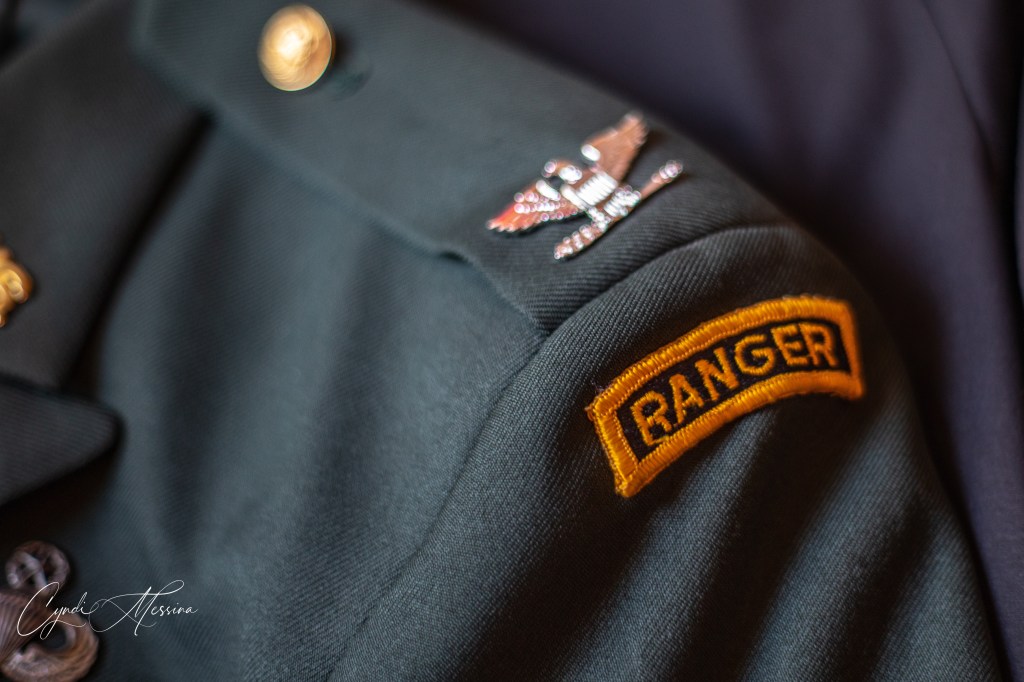
My dad was a combat engineer with the U.S. Army Corps of Engineers. He was an airborne ranger and a master parachutist. He was a part of the jump team at Fort Bragg with the 82nd Airborne Division when I was growing up. He had a degree in finance and a masters in the same. He took several assignments during his later years doing just that….working on the budget for the Army at the Pentagon under big names like Schwarzkopf and Colin Powell. He was very proud of his lineage of a military man, and was very proud of his family members who also served. He commissioned Rich and me into the Air Force. He was very proud of his grandson, my Joe’s, service in the Army and that of his nephew, Emil. After nearly 30 years serving our country, it became such a part of who he was. It was the army bumper sticker on his truck or simply the veteran hat he always wore outside the house.
My dad’s attention to detail was notorious. I remember these stupid table lamps we had growing up with white pleated lampshades. When it was my turn to dust, he expected me to dust in between all those pleats. Many tears were shed over this. He used to laugh when I told him that is why I have no lamps in my home…and definitely no lamp shades. My dad also loved everything about the Civil War. We would go on vacation in the heat of the summer to walk fields with plaques in tall grasses. I did not appreciate those trips as a kid. It was not fun. But he enjoyed walking on that hallowed ground.
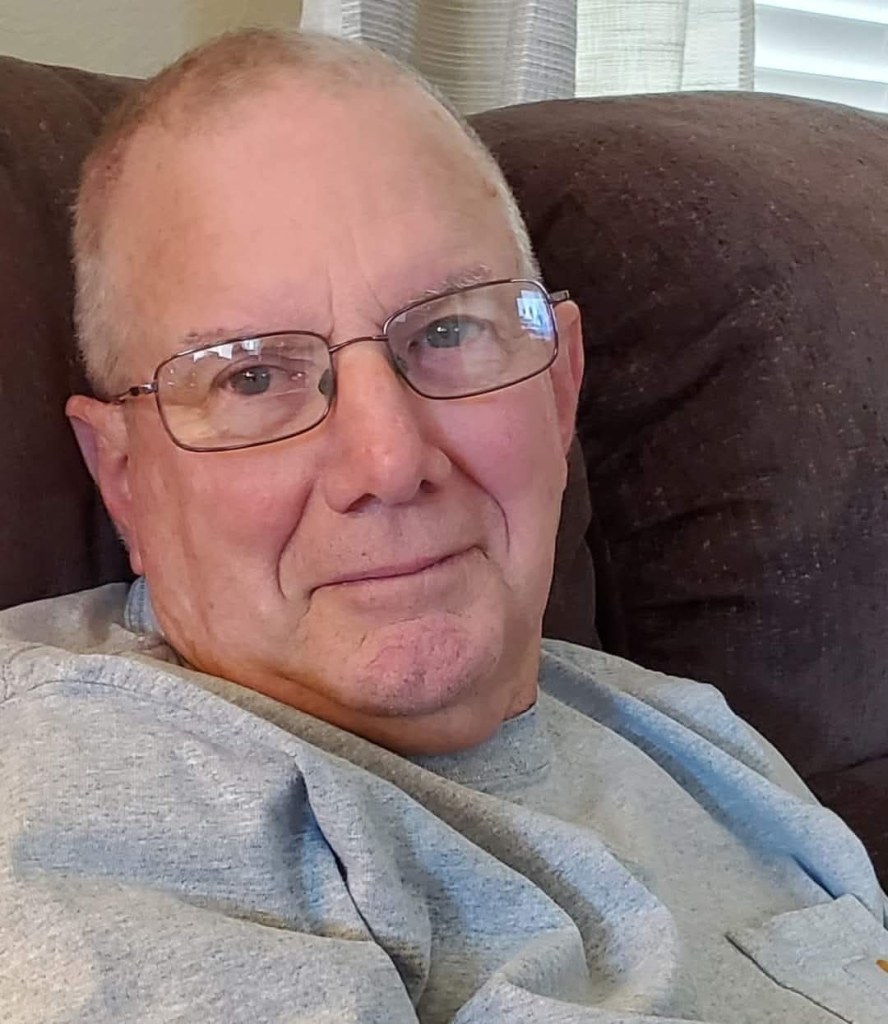
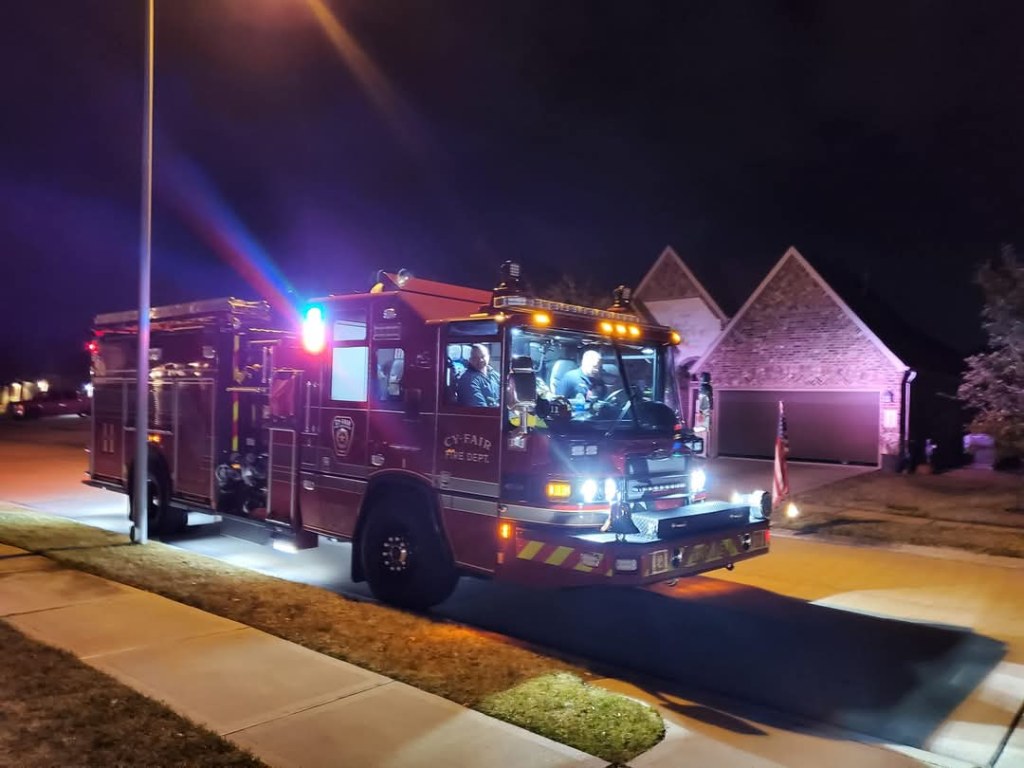
My dad has changed a lot over the years. He enjoyed being a grandpa. He had tea parties with his granddaughters and played cars on the floor with his grandsons. He mellowed out a bit. I really do miss him. He is still here in body, but his mind has been robbed by dementia over the last several years. He has been living in a memory care facility over the last 2 years. He no longer goes out and about because he has forgotten how to get into a car. He has days where he forgets how to use his spoon to eat. He can’t carry on a conversation and he doesn’t know his kids or his wife, although he seems to feel more comfortable with my mom, who comes to feed him twice a day. I talked with him over the phone today and told him I loved him. He said, “Thank you.”, which is the reply I have gotten over the last several months. I am heading to Houston next weekend to spend 5 days with my parents and try and bond with my dad as much as he is able. I never in a million years expected my dad to be where he is at this point in his life. I miss him terribly, and yet he is still here in body and even sometimes in spirit. Happy birthday, Dad. I love you (and you are welcome!). The fire truck is from 3 years ago when my brother was on duty and came for cake and ice cream on his engine with his crew to the house!
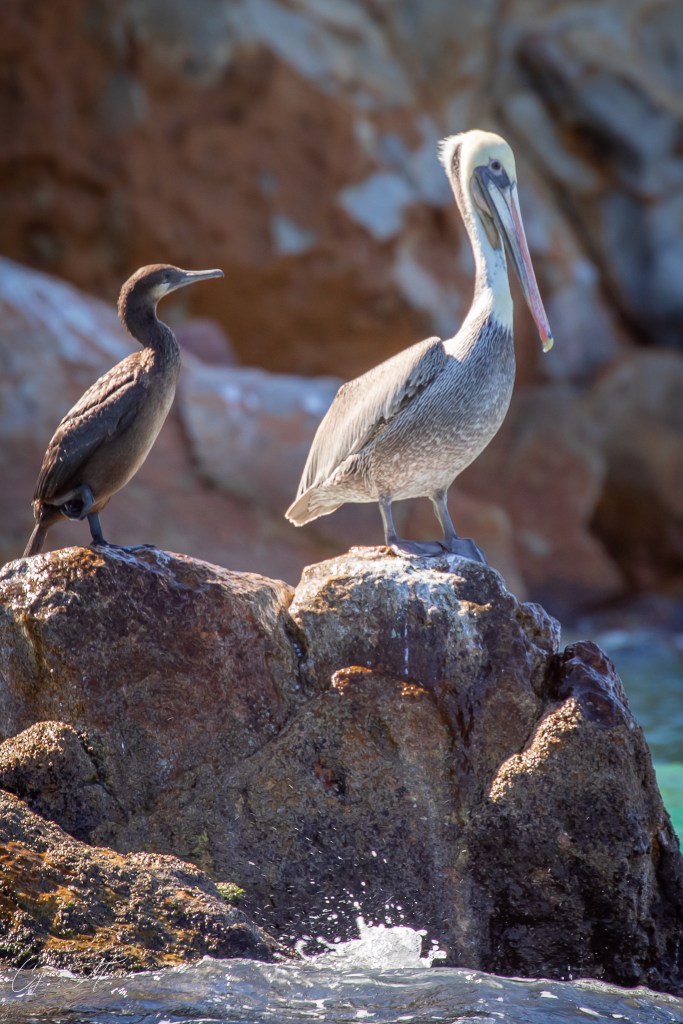
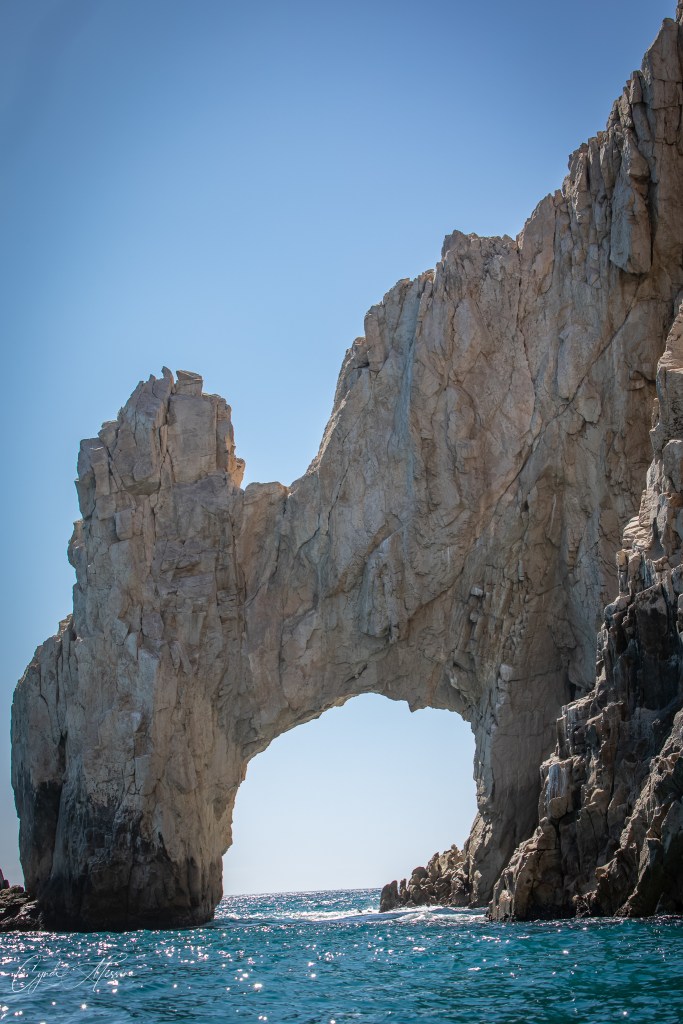
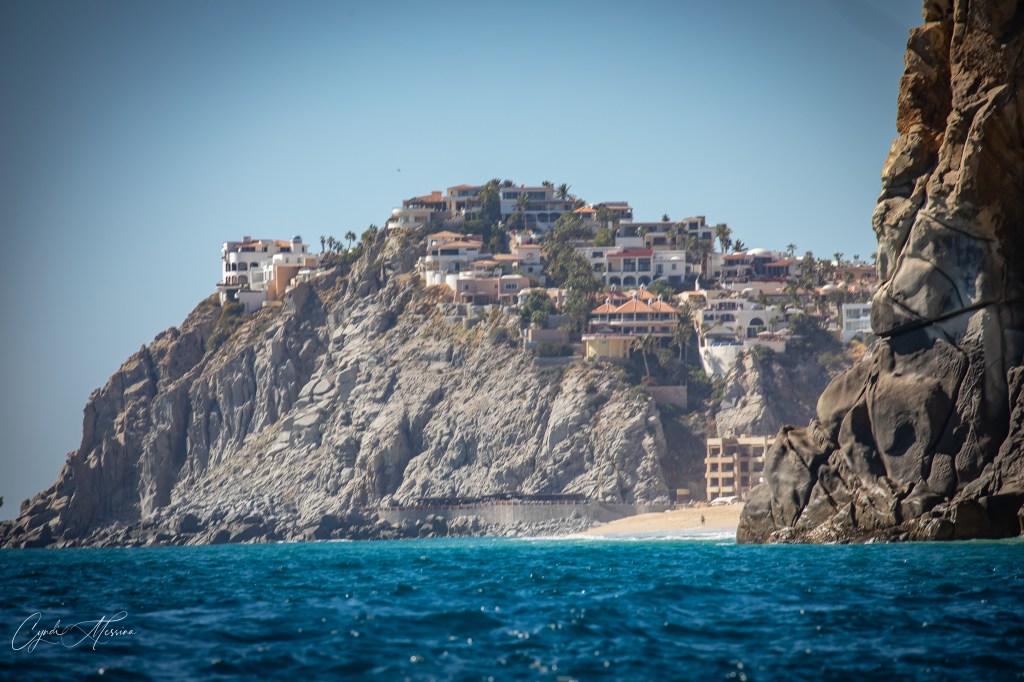
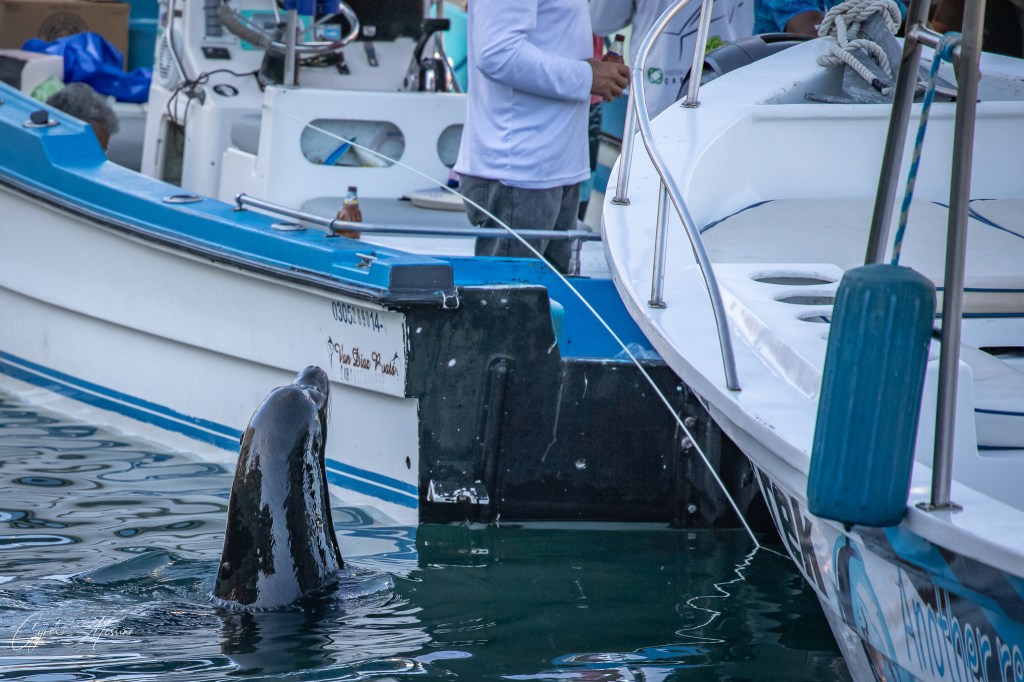
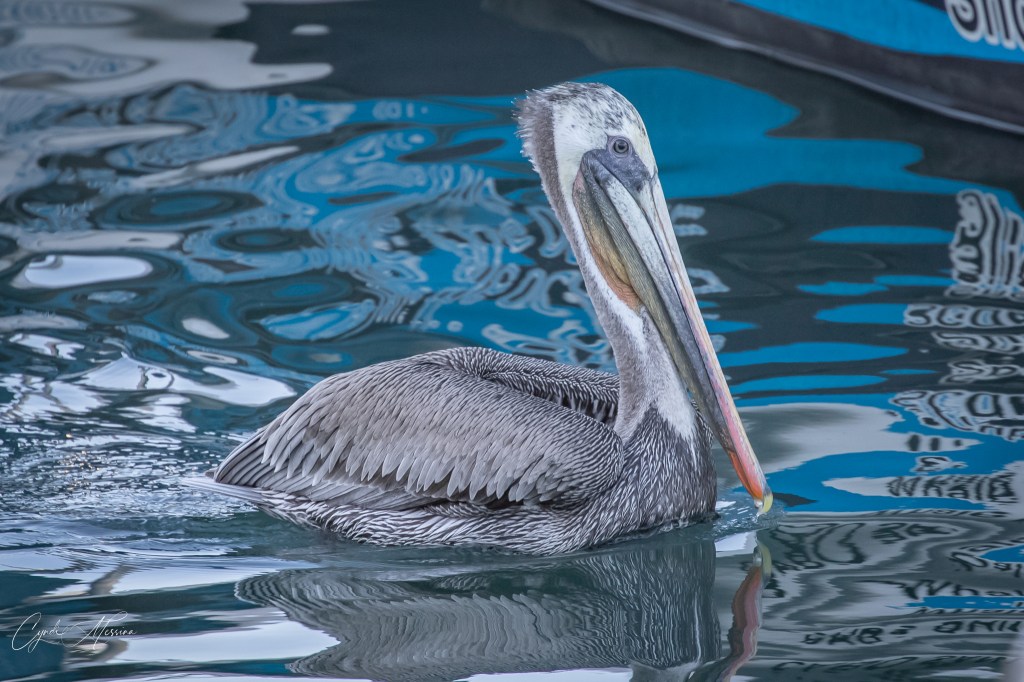
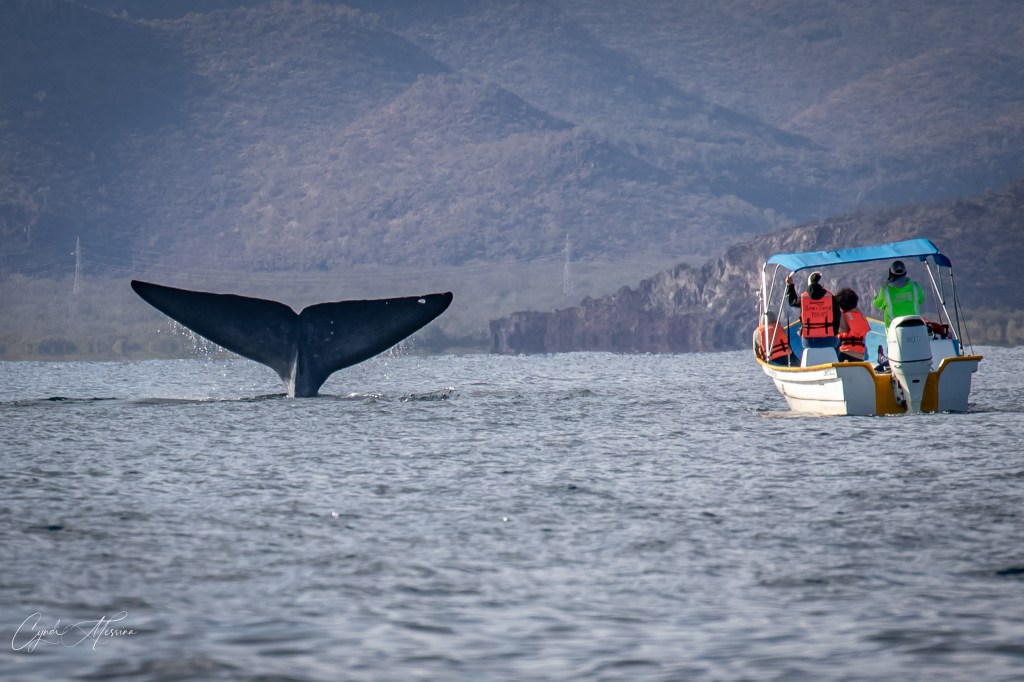
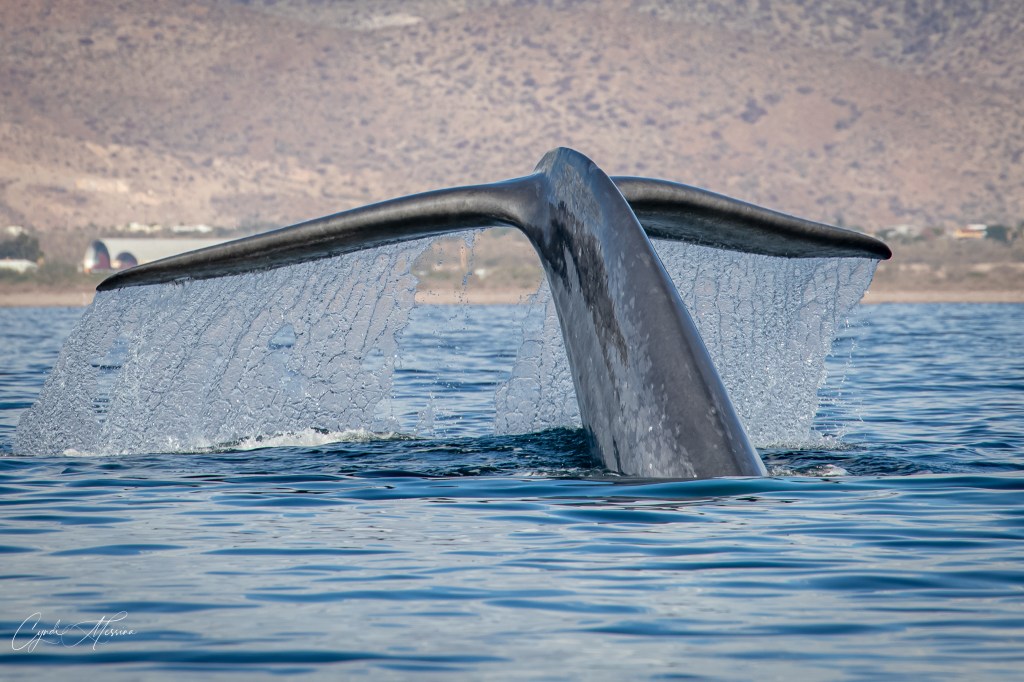
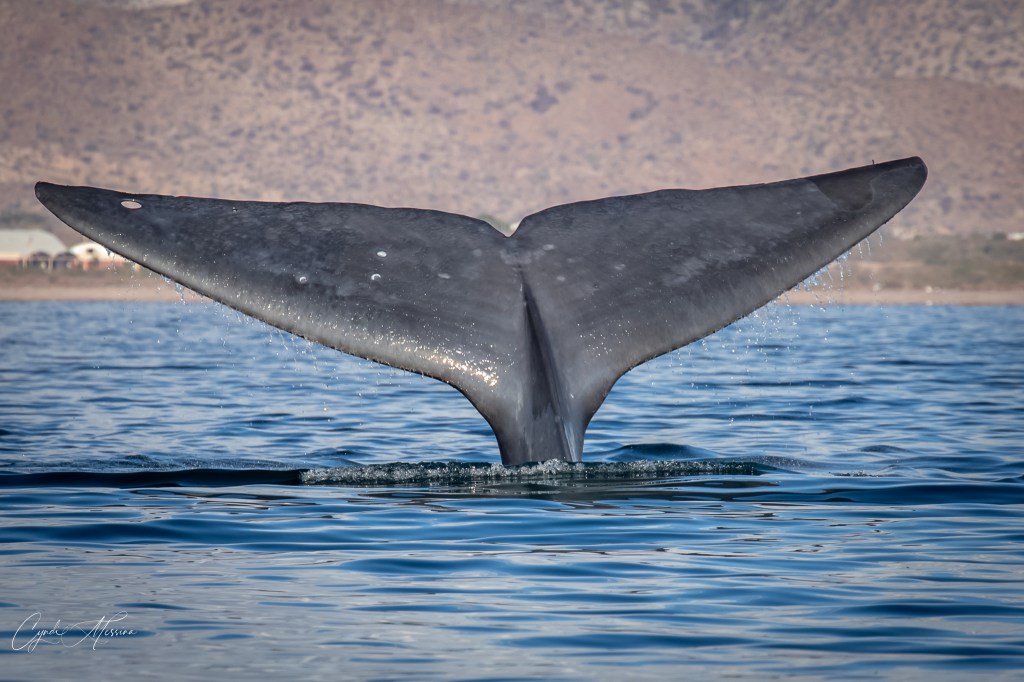
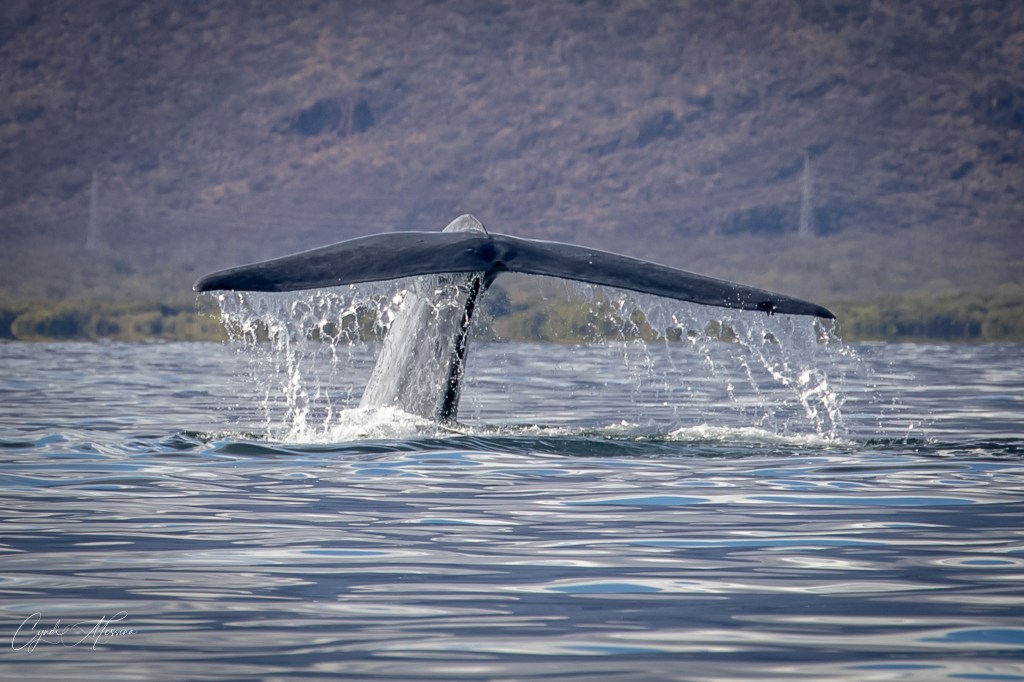
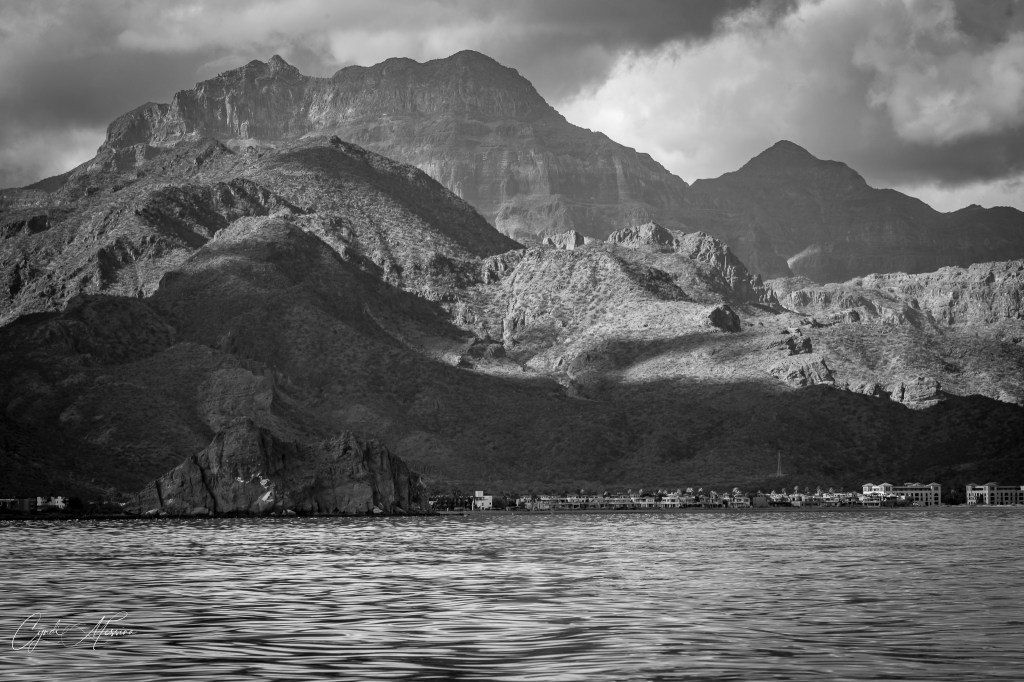
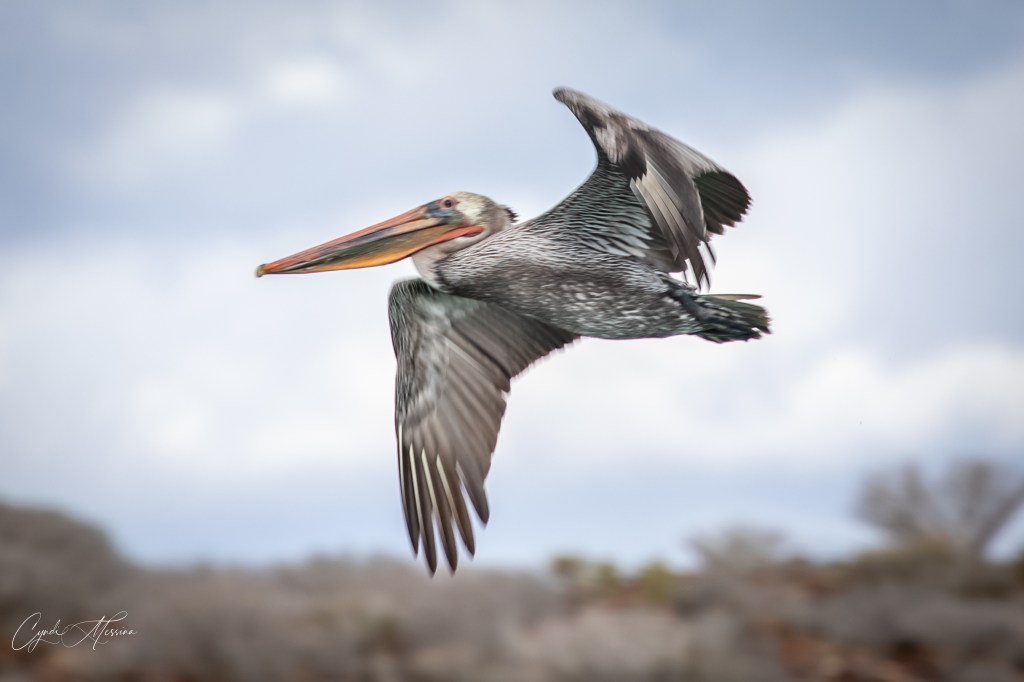
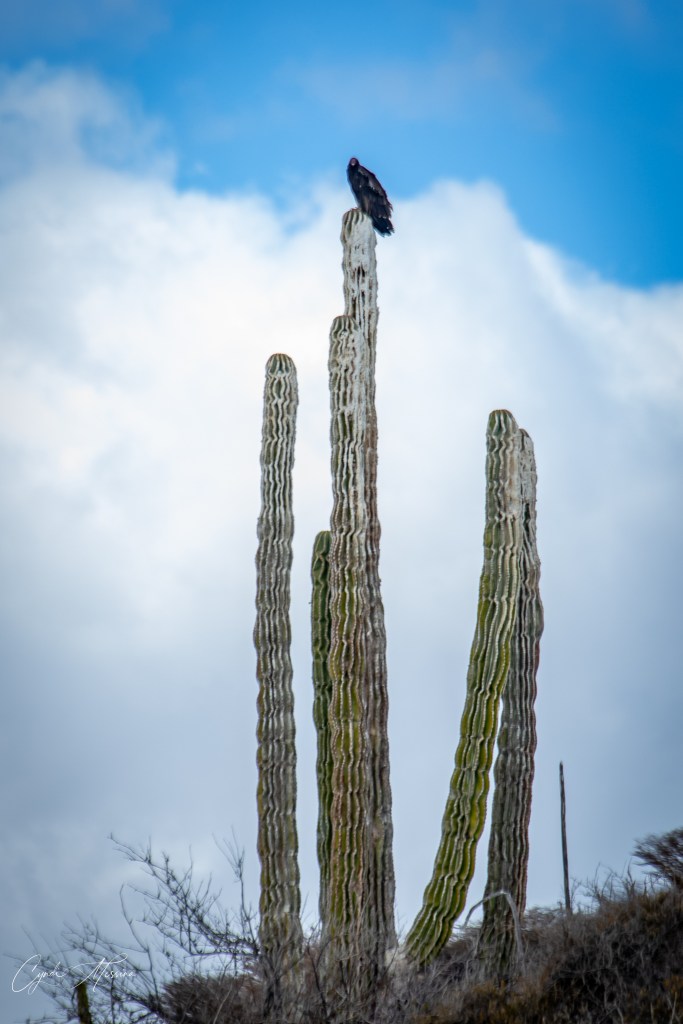
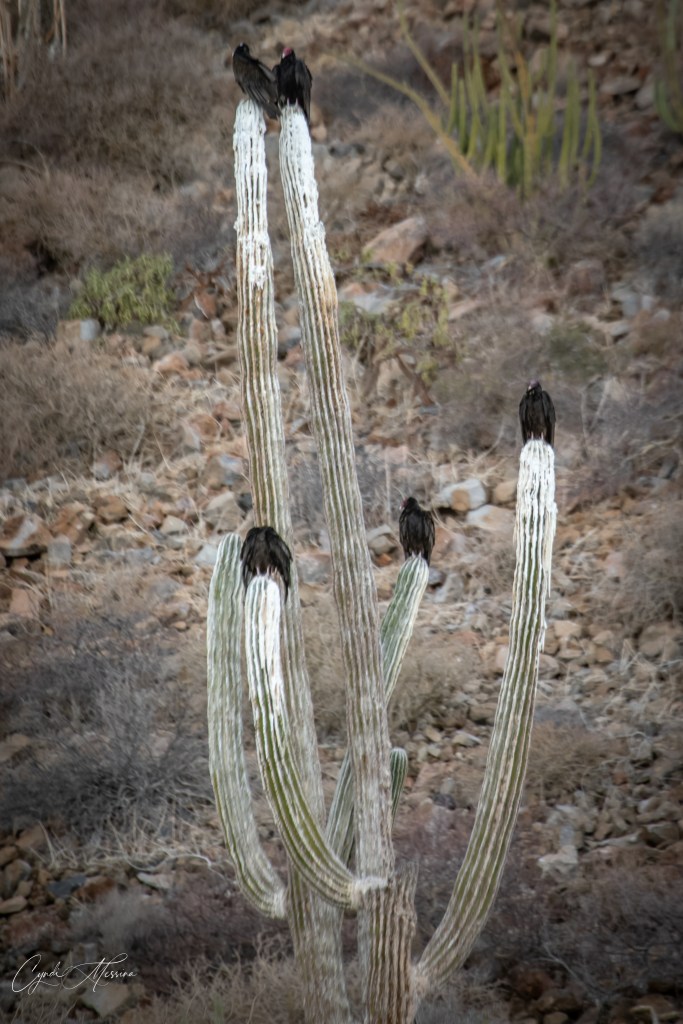
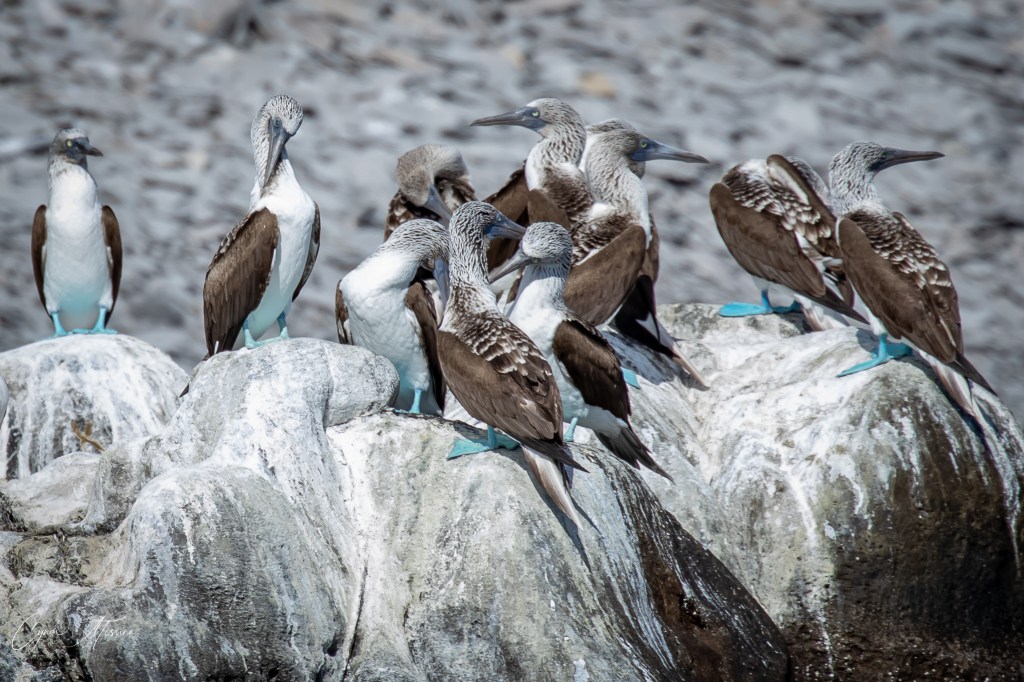
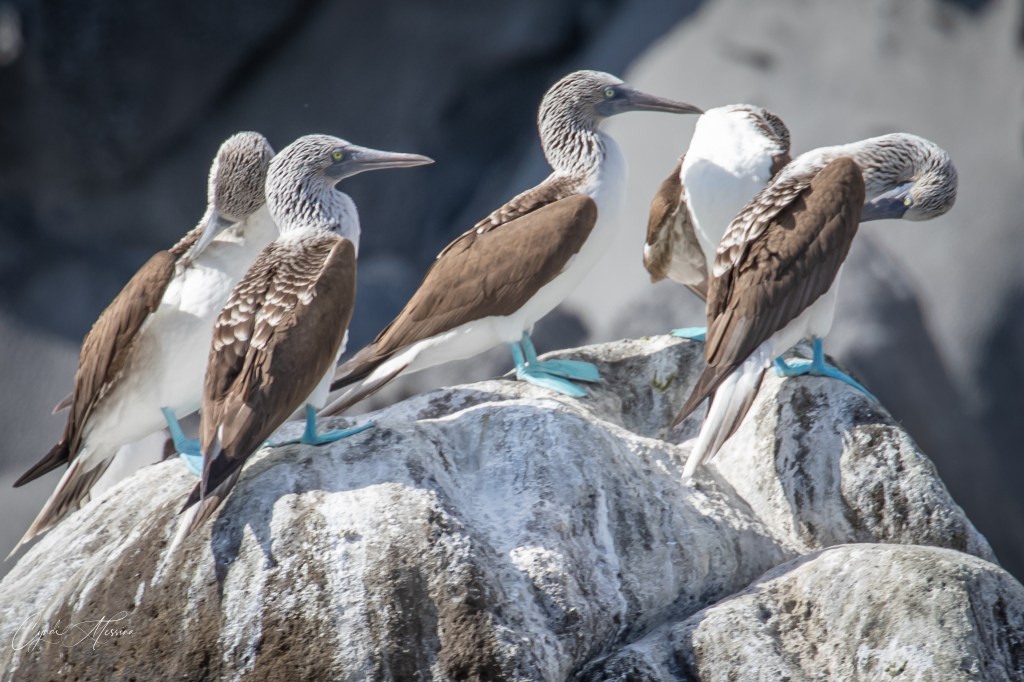
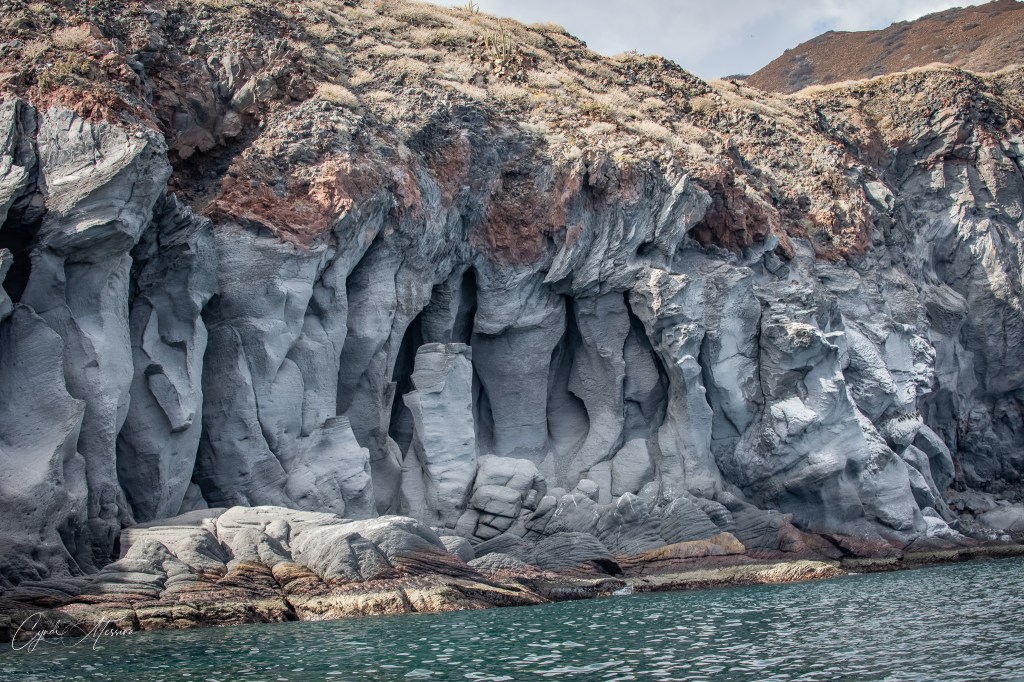
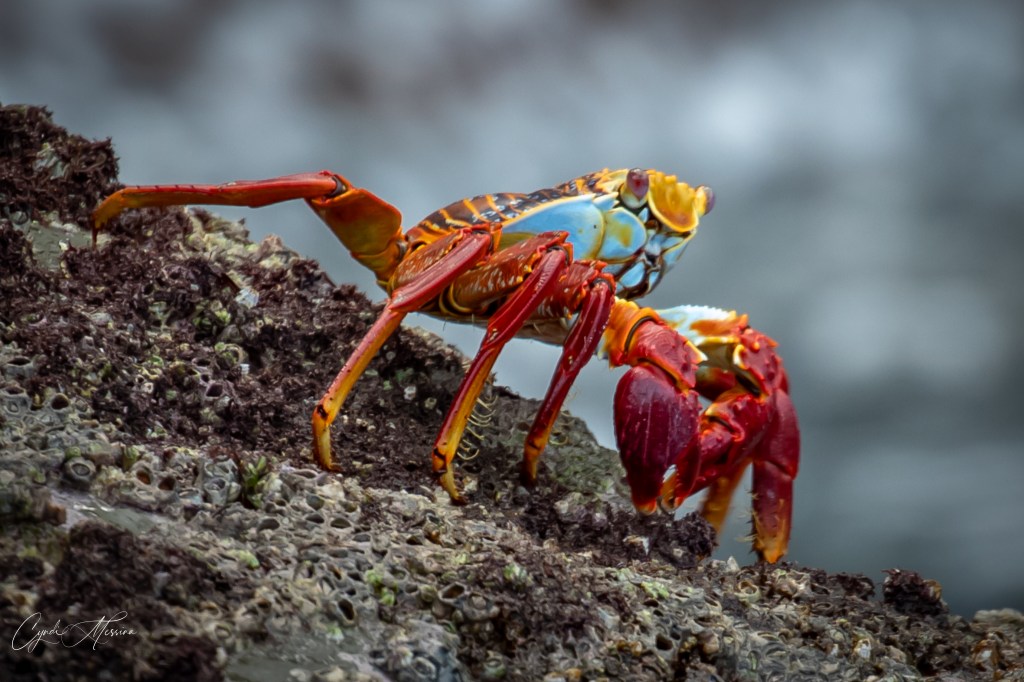
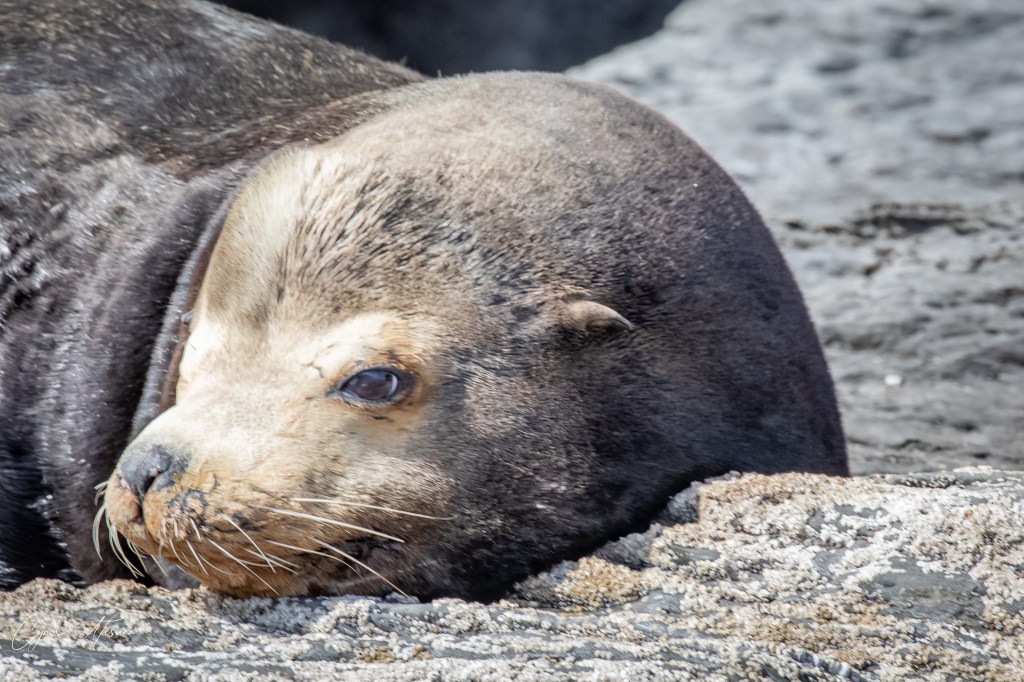
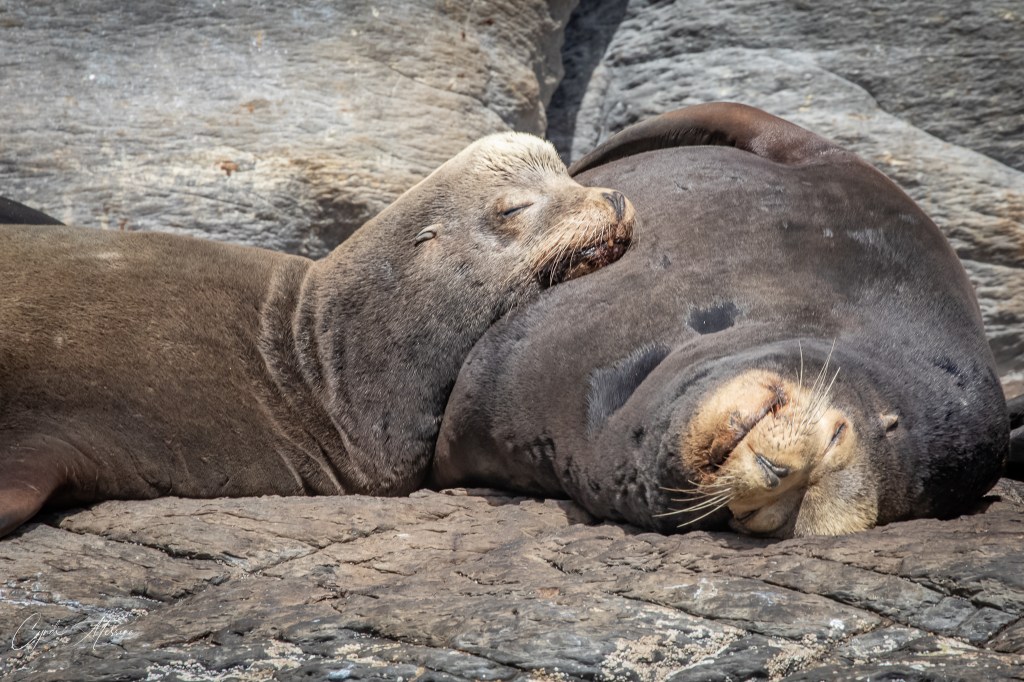
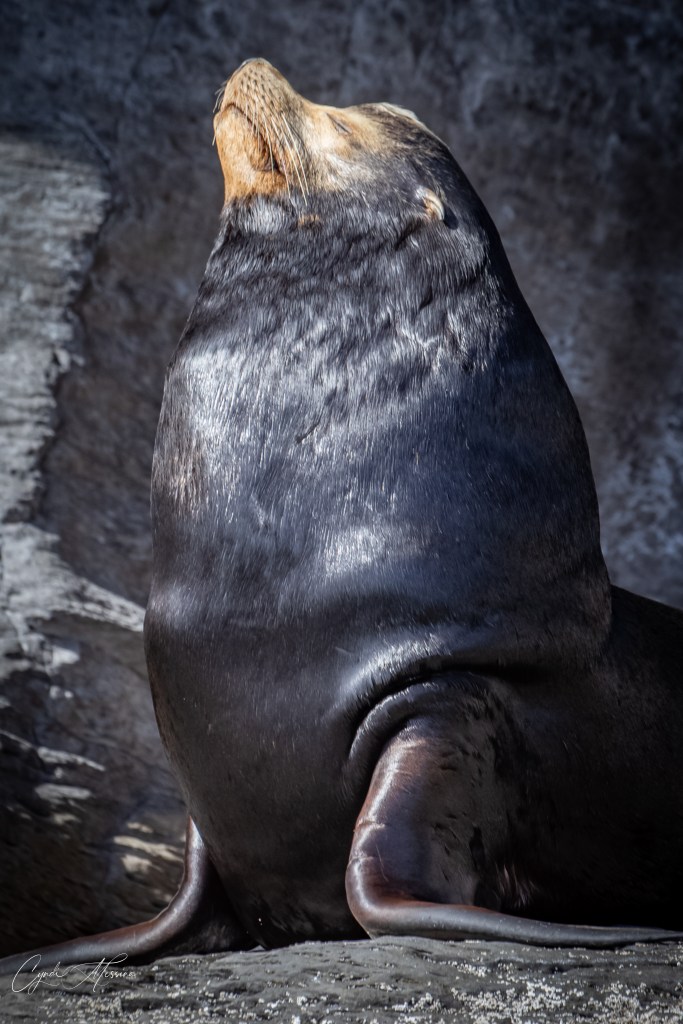
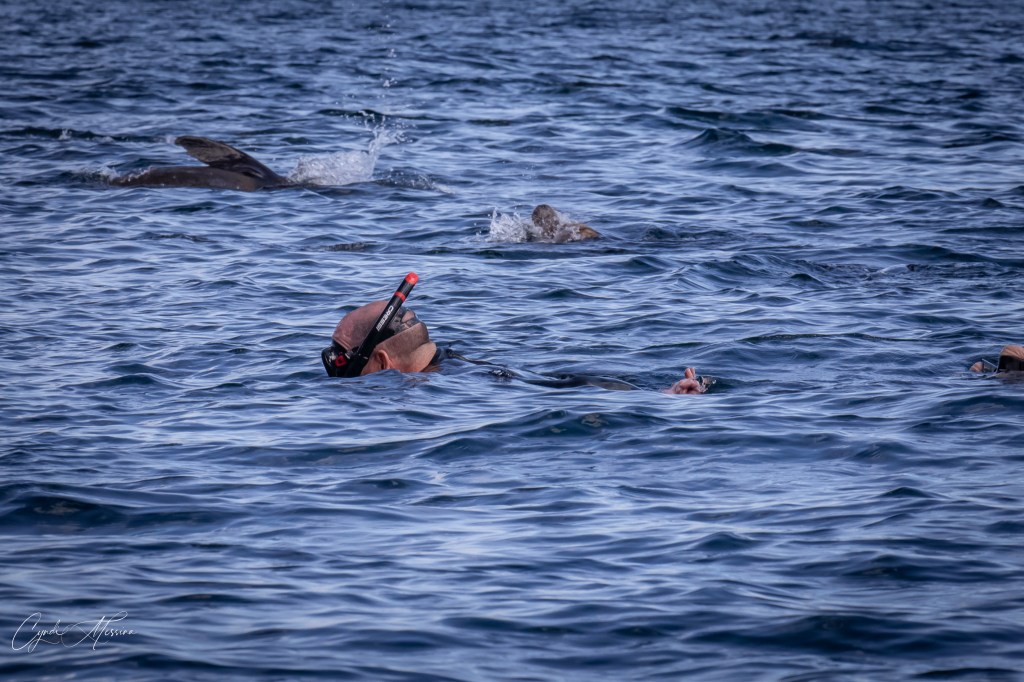
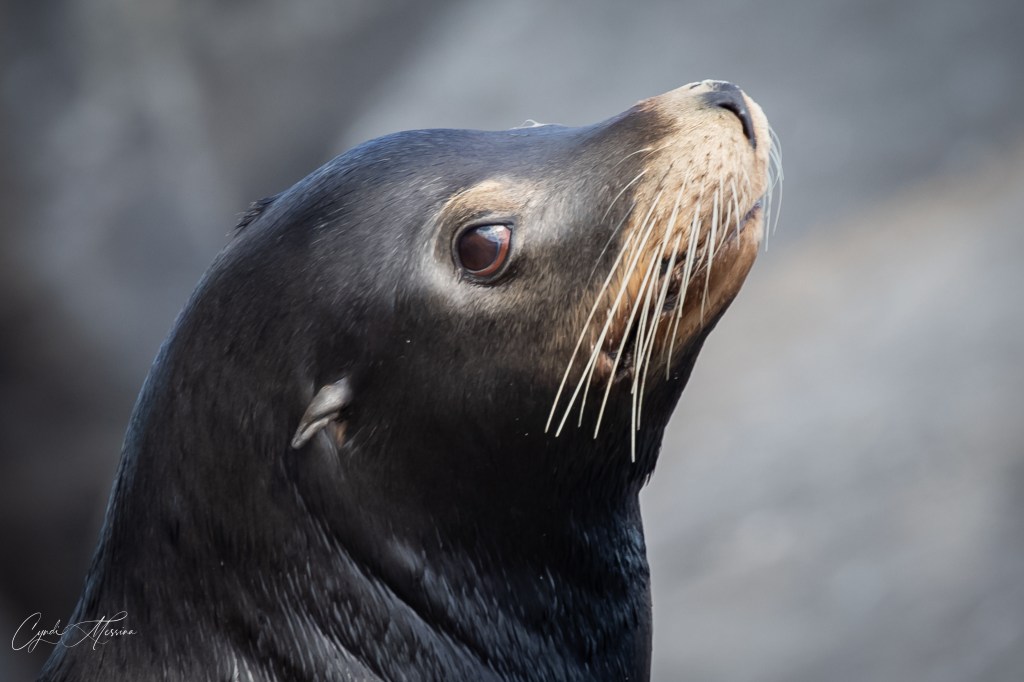
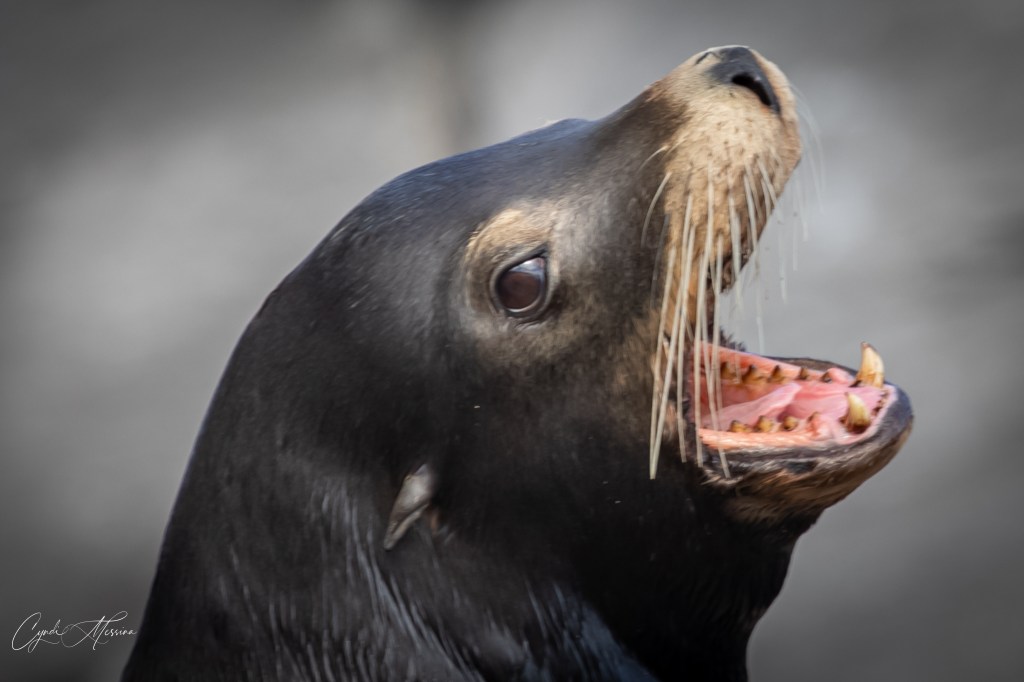
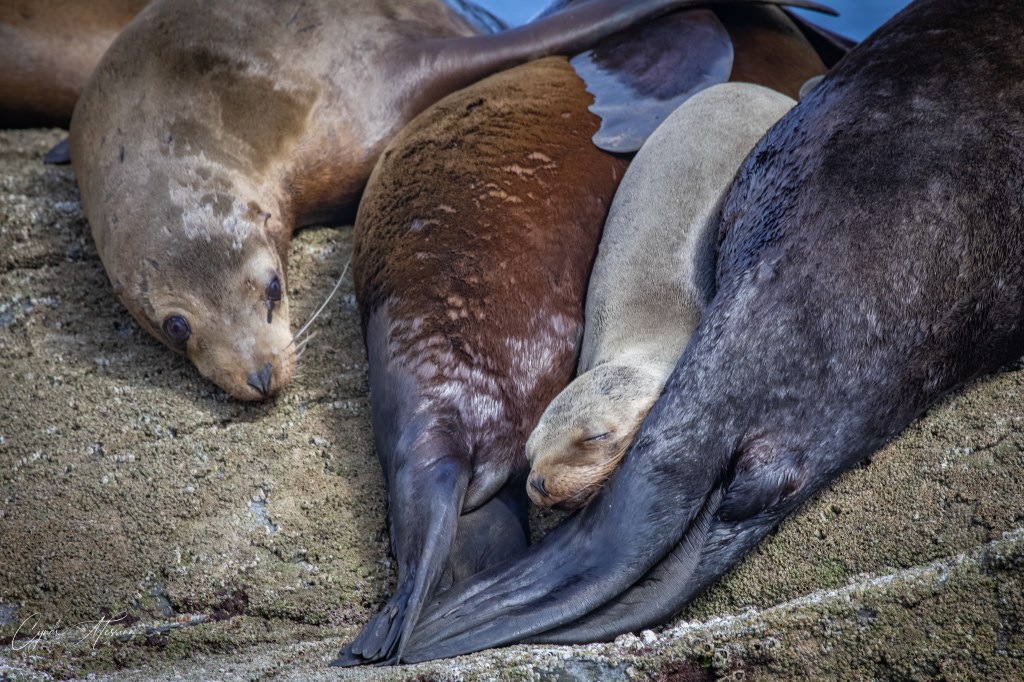
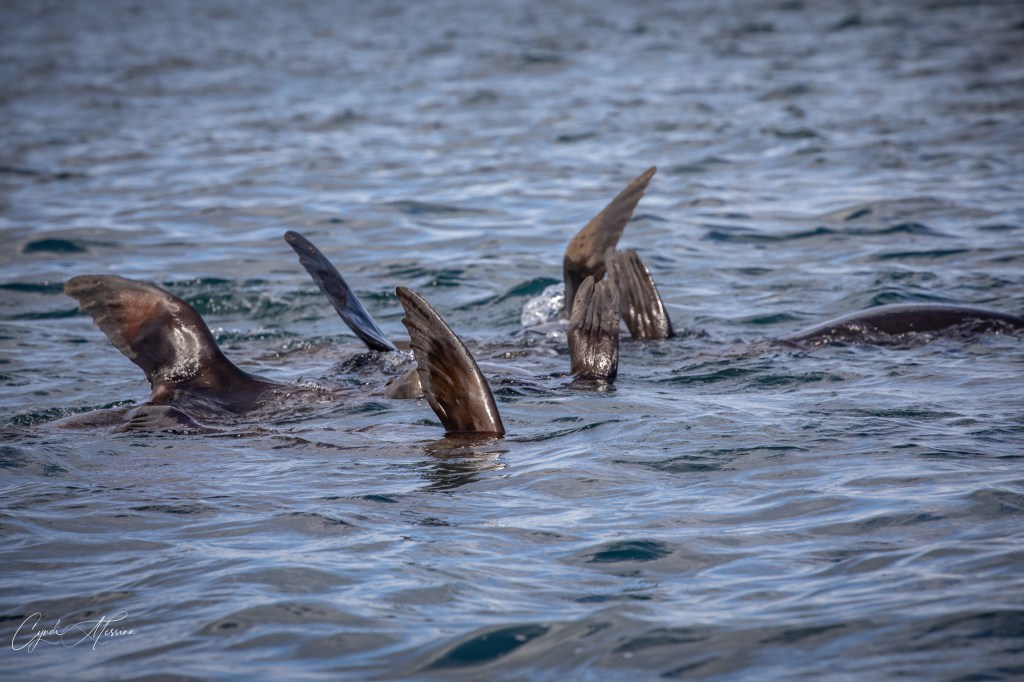
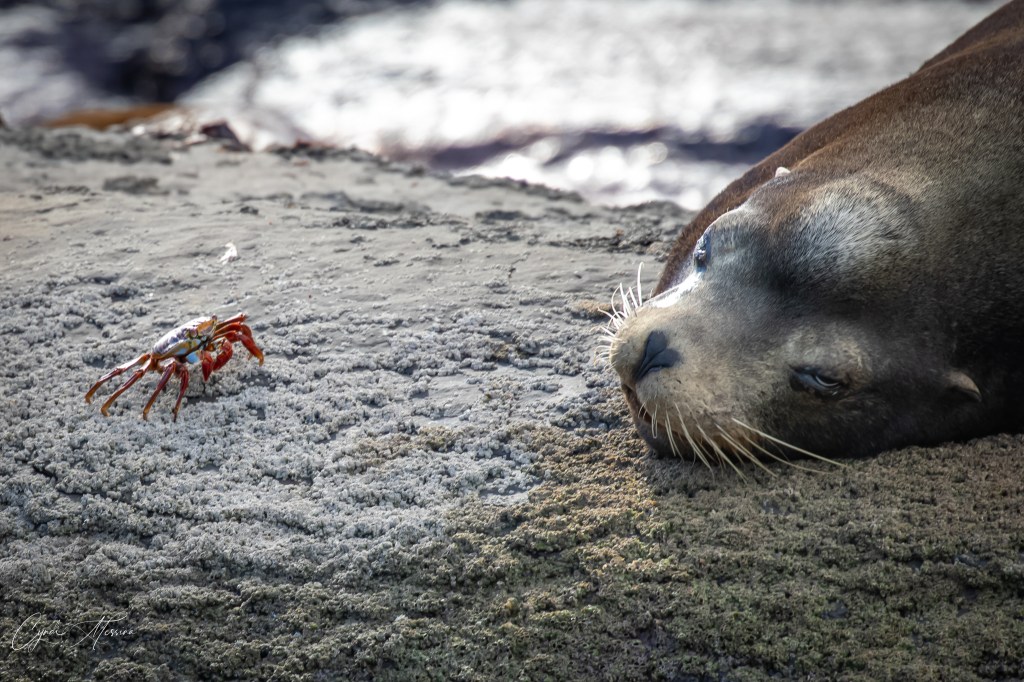
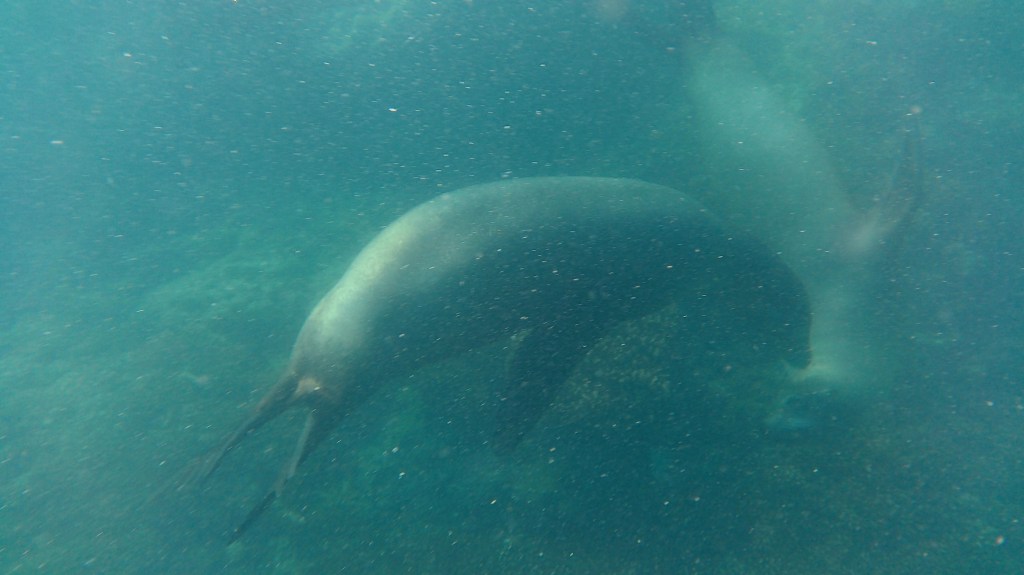
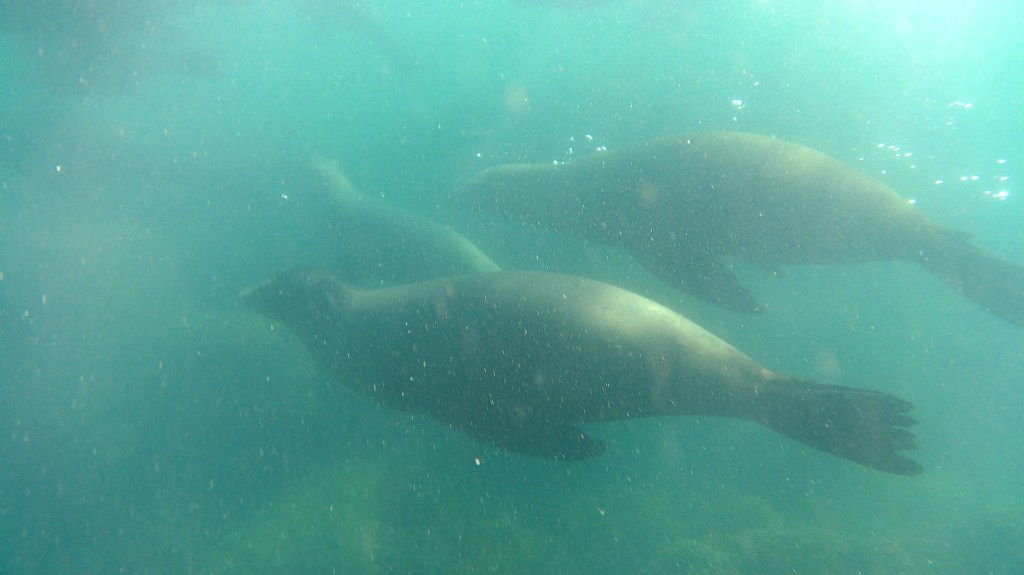
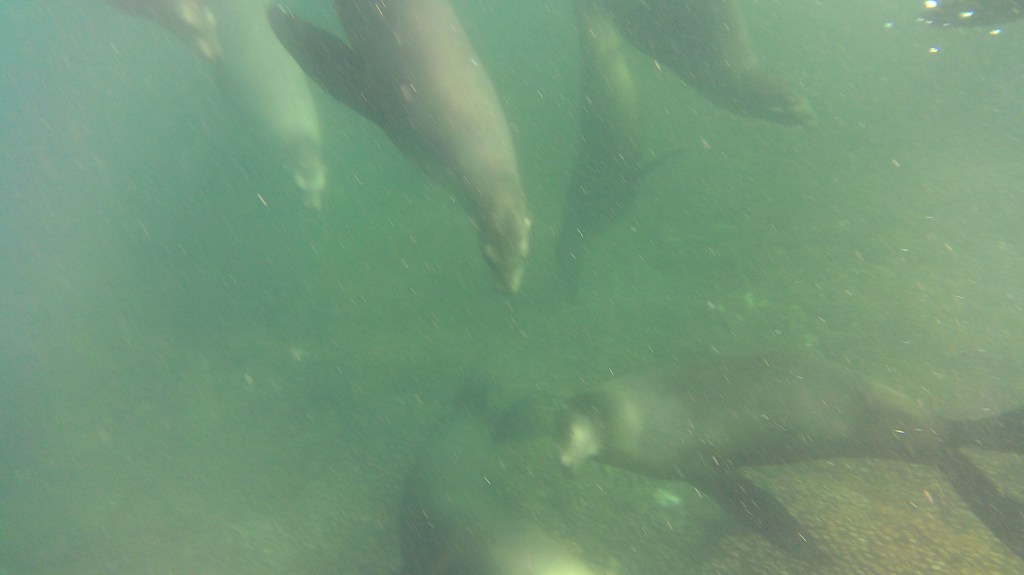
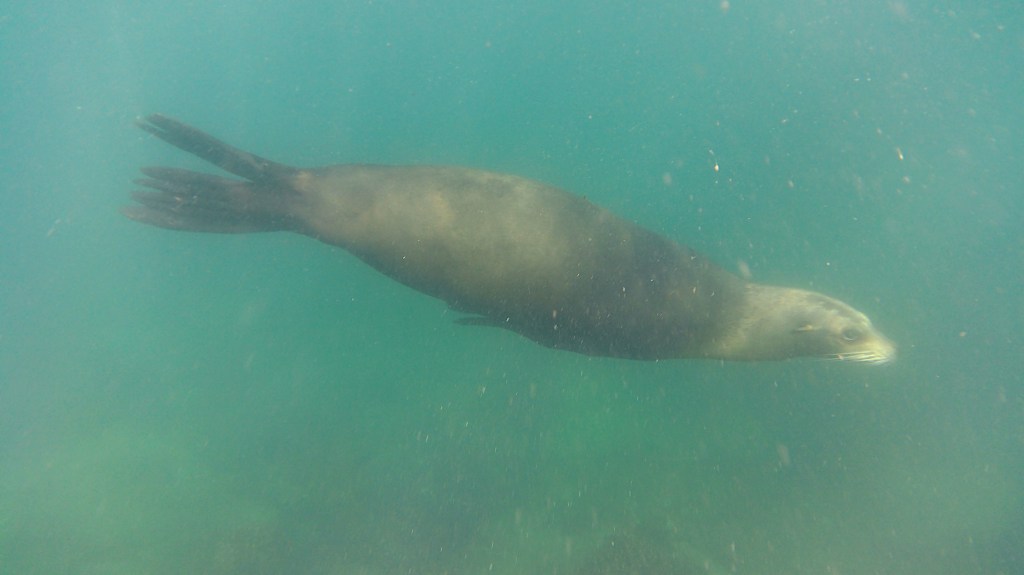
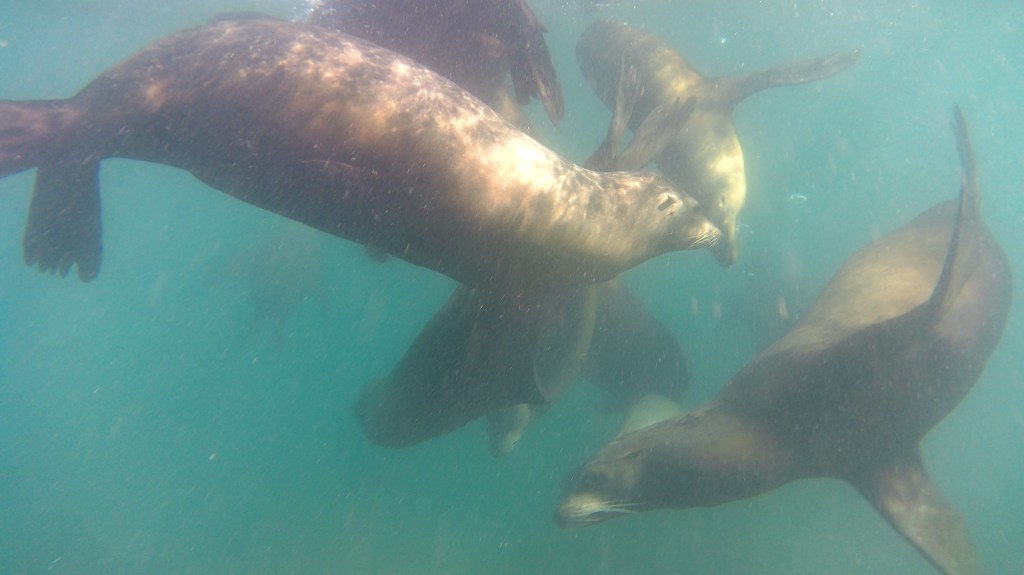
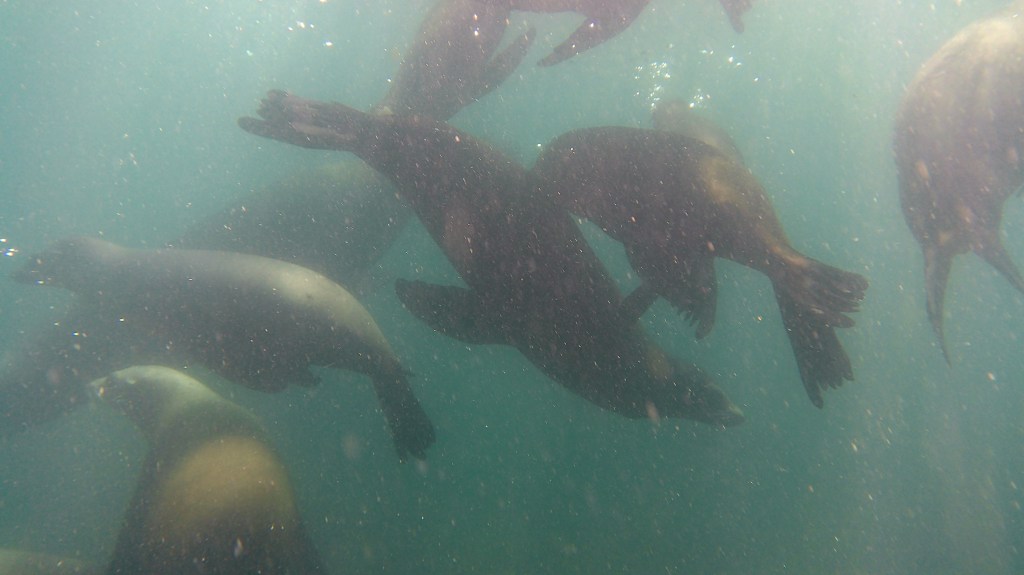
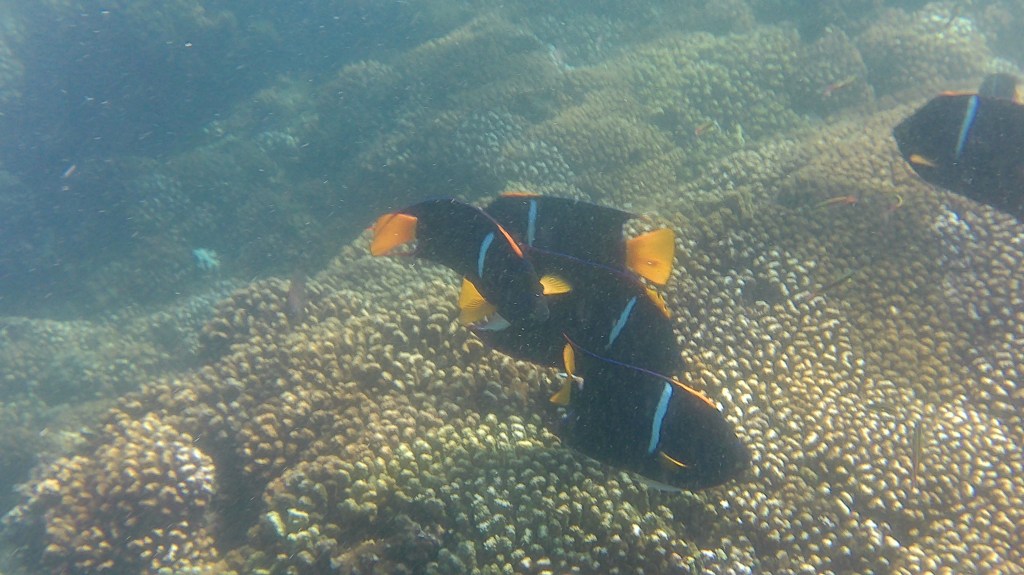
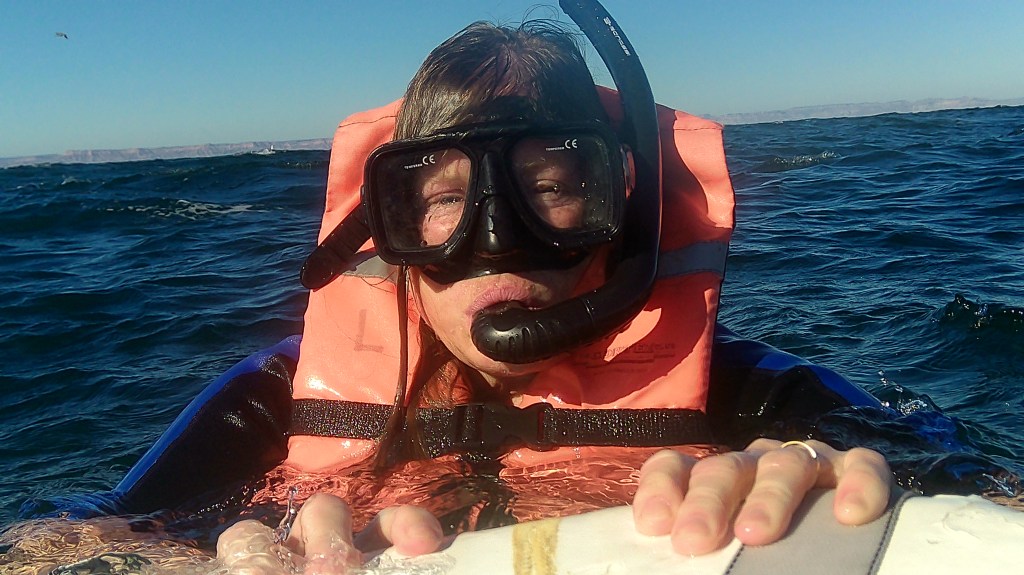
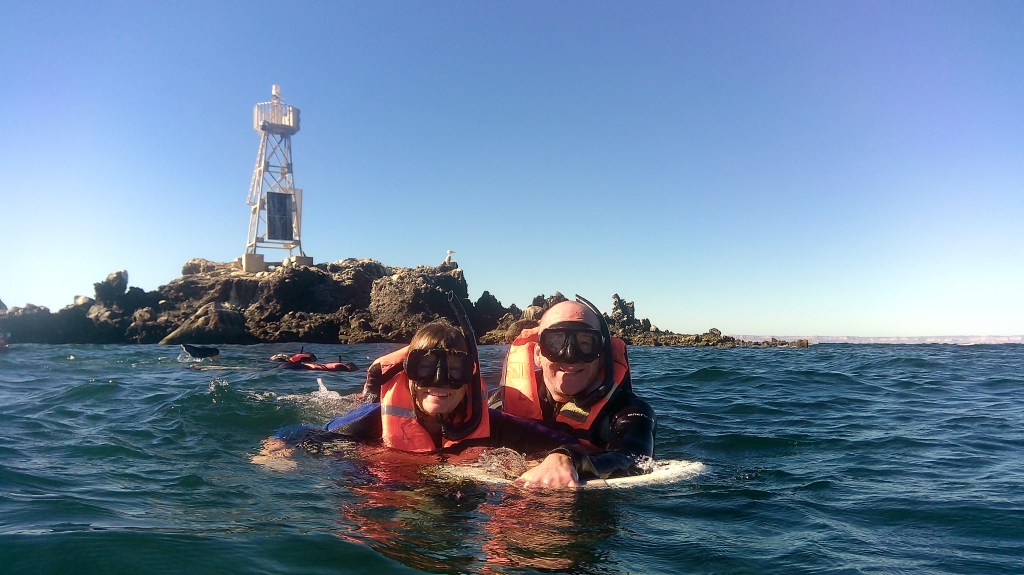
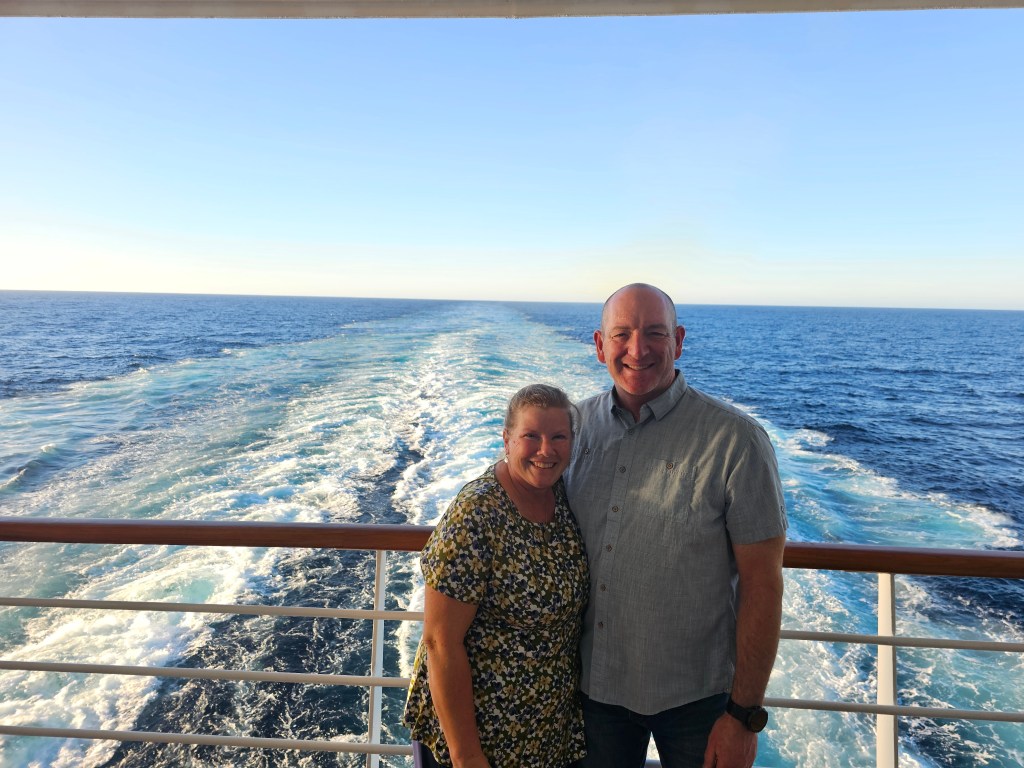
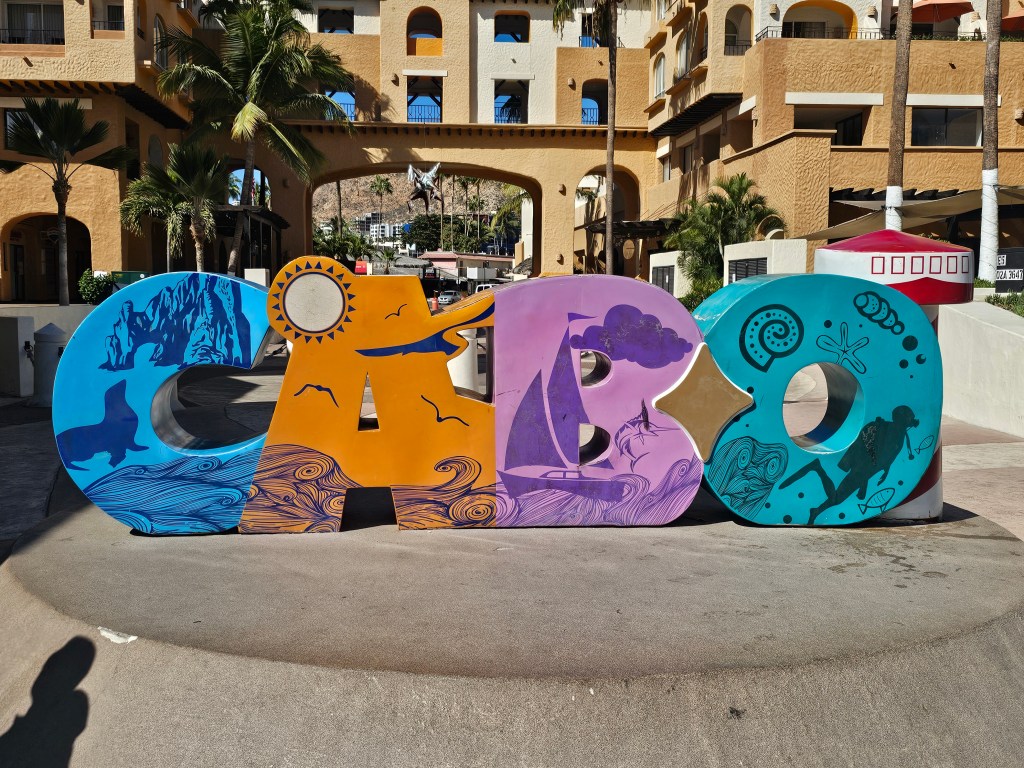
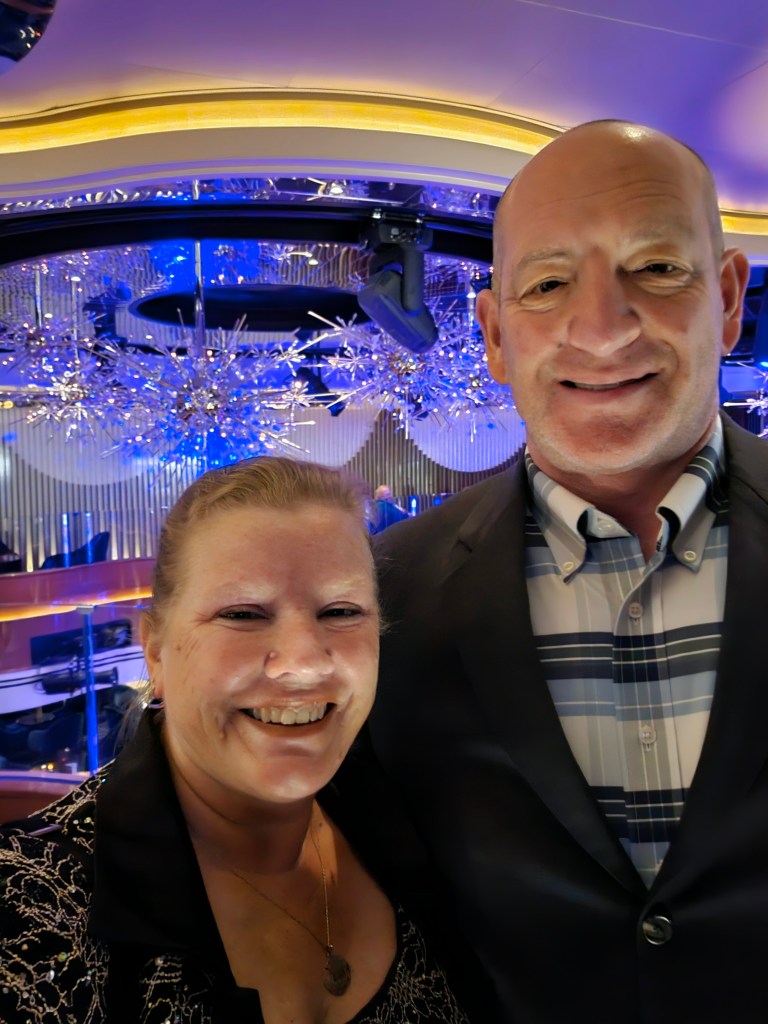
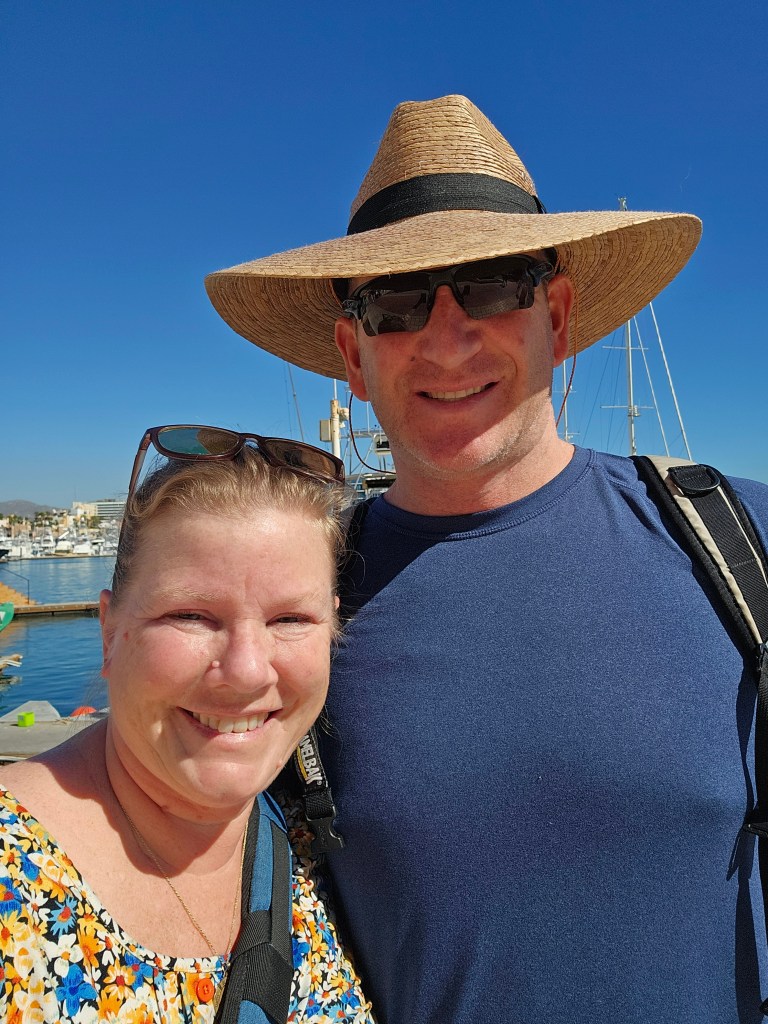
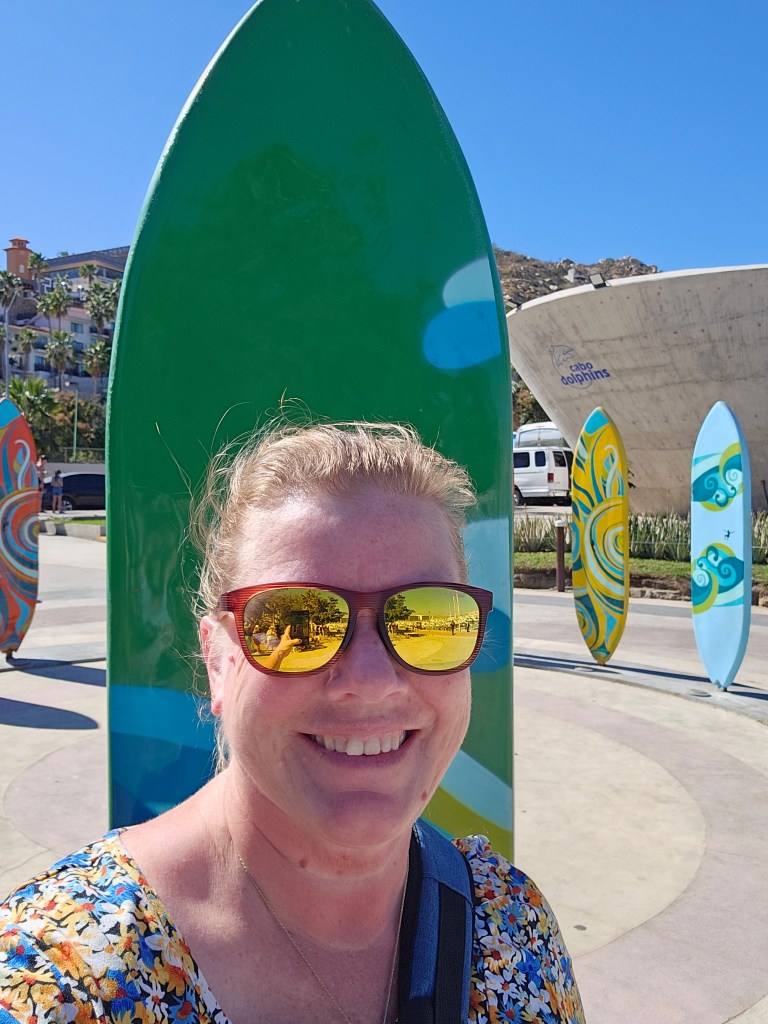
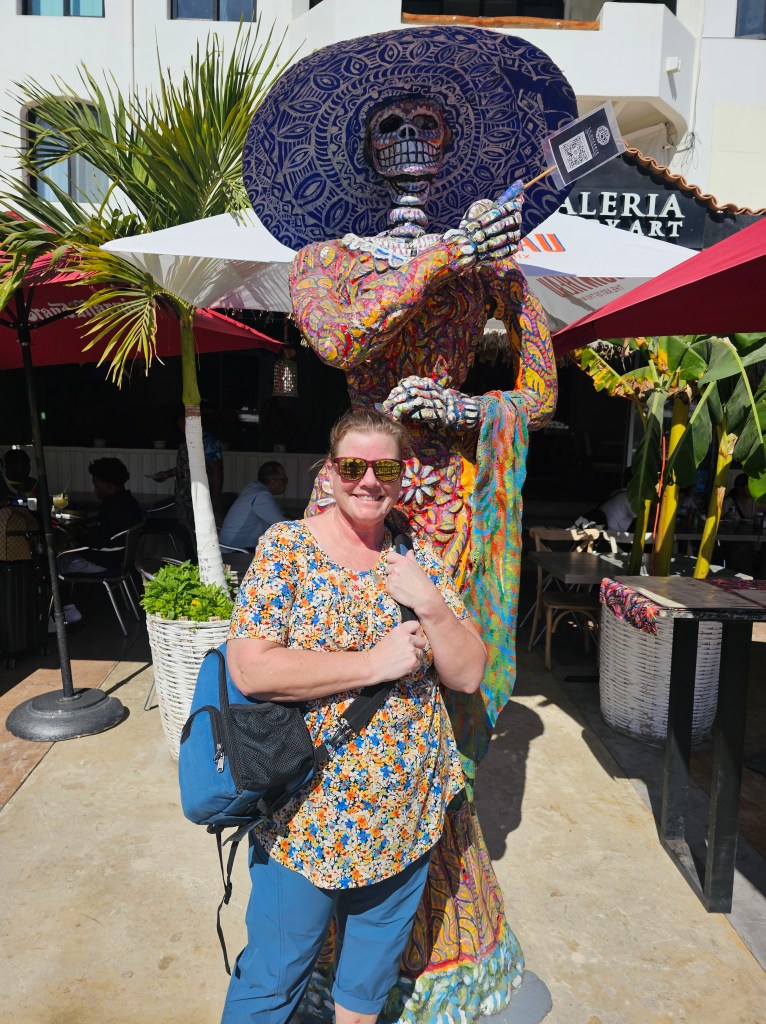
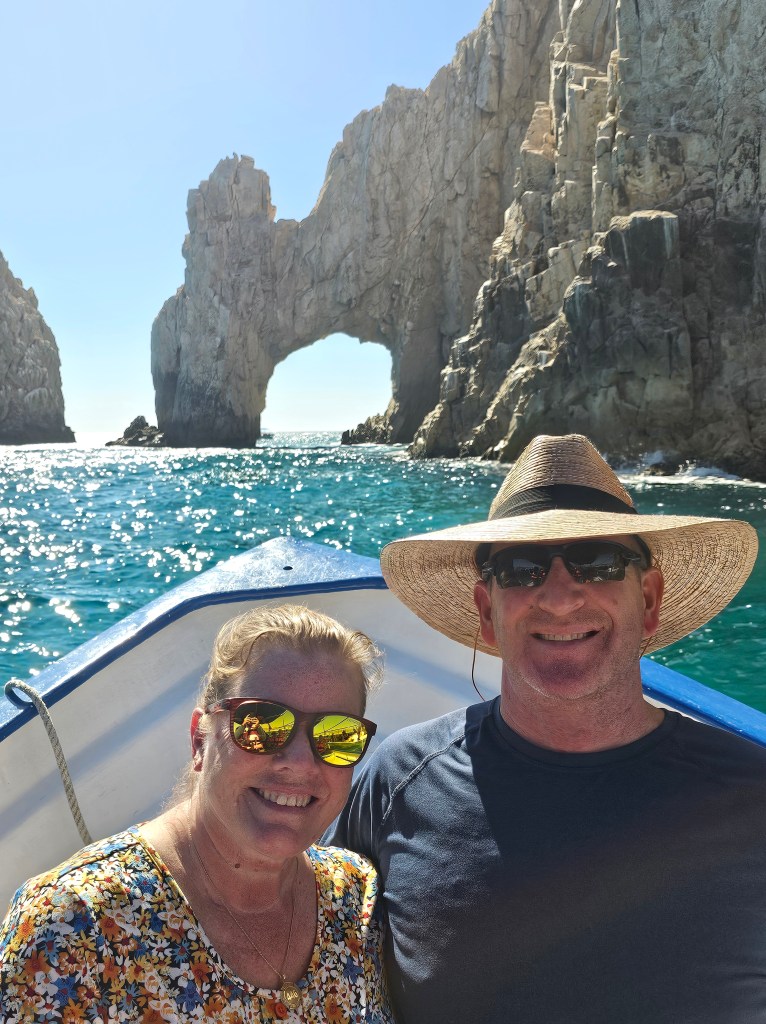
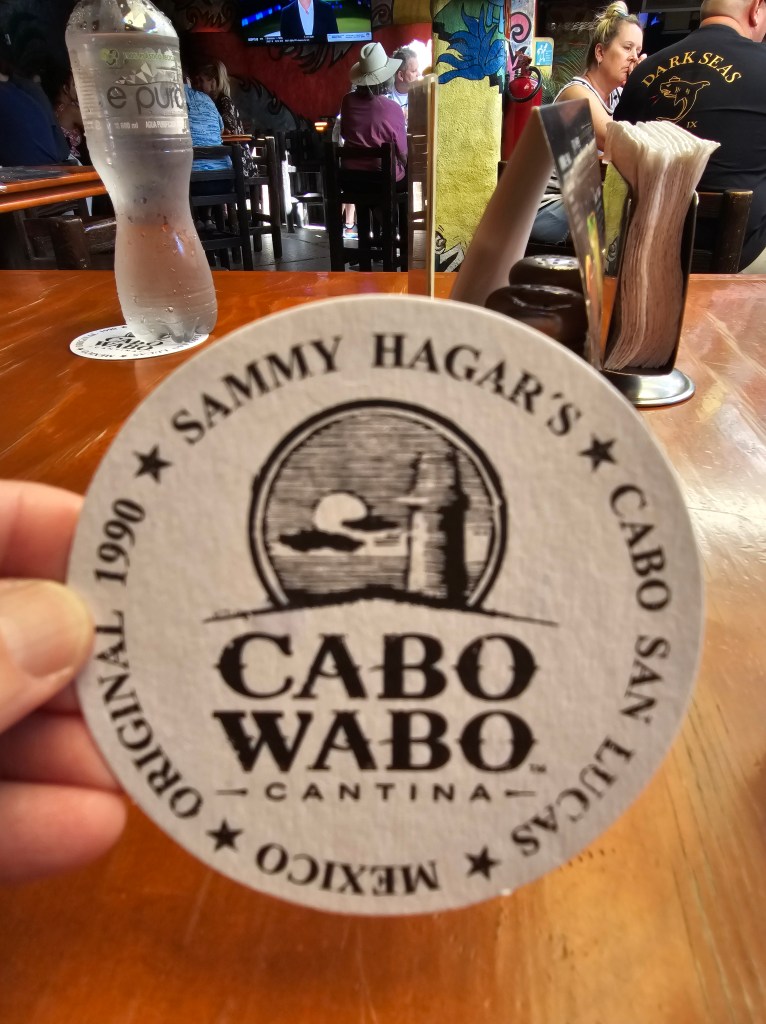
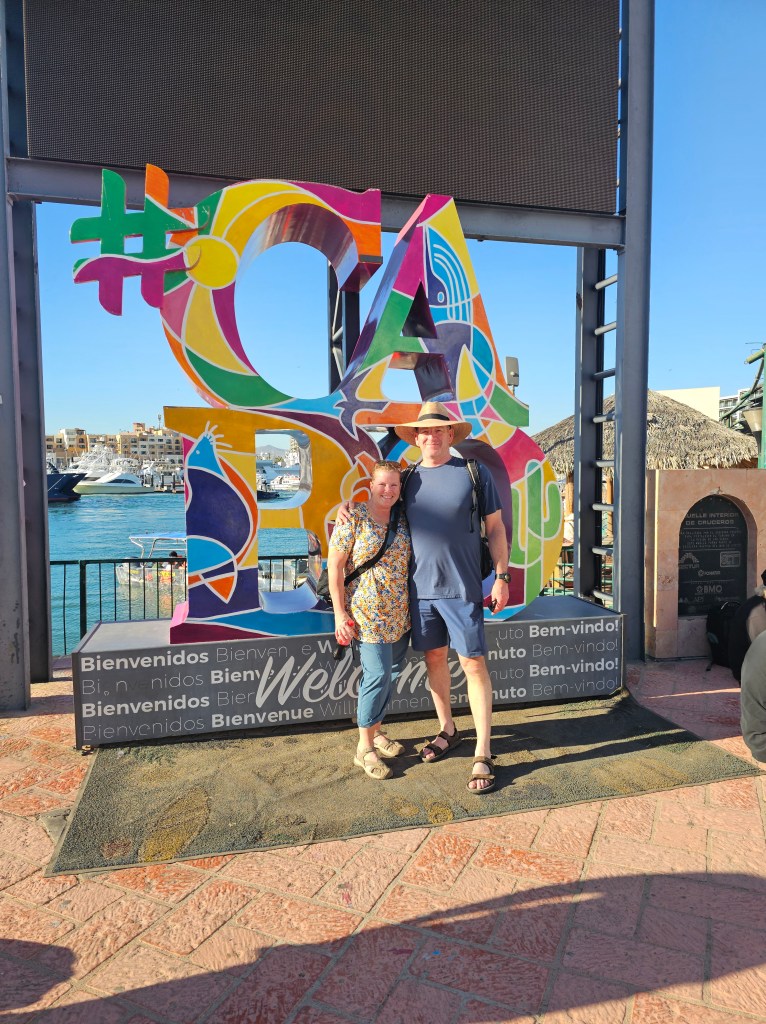
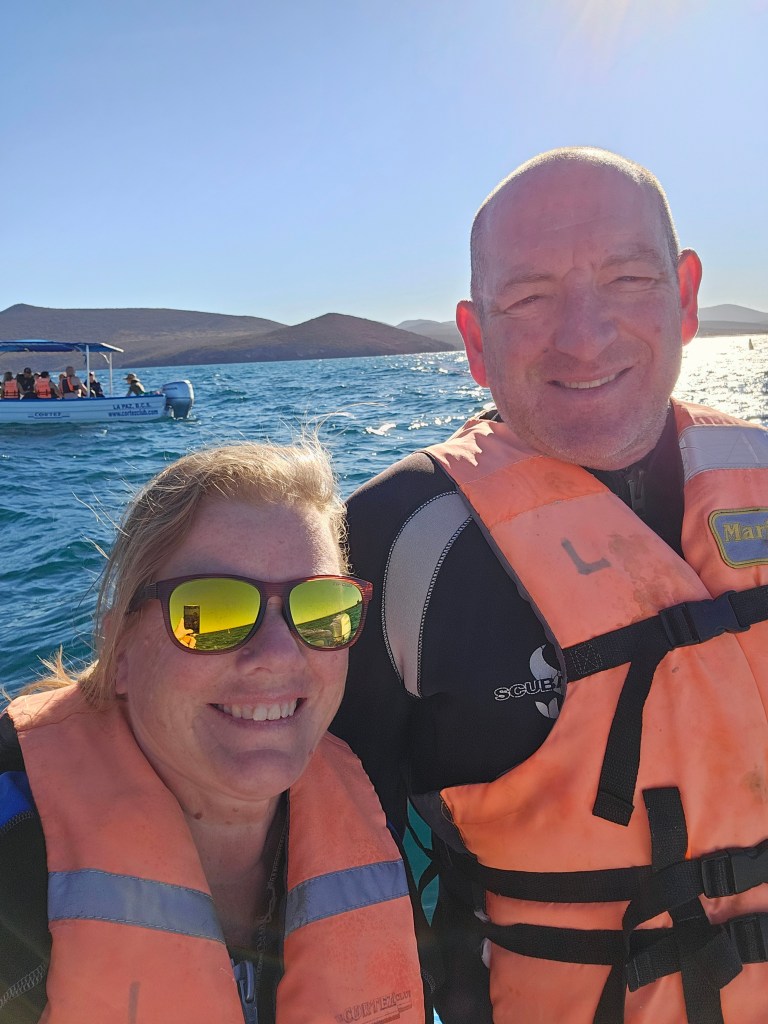
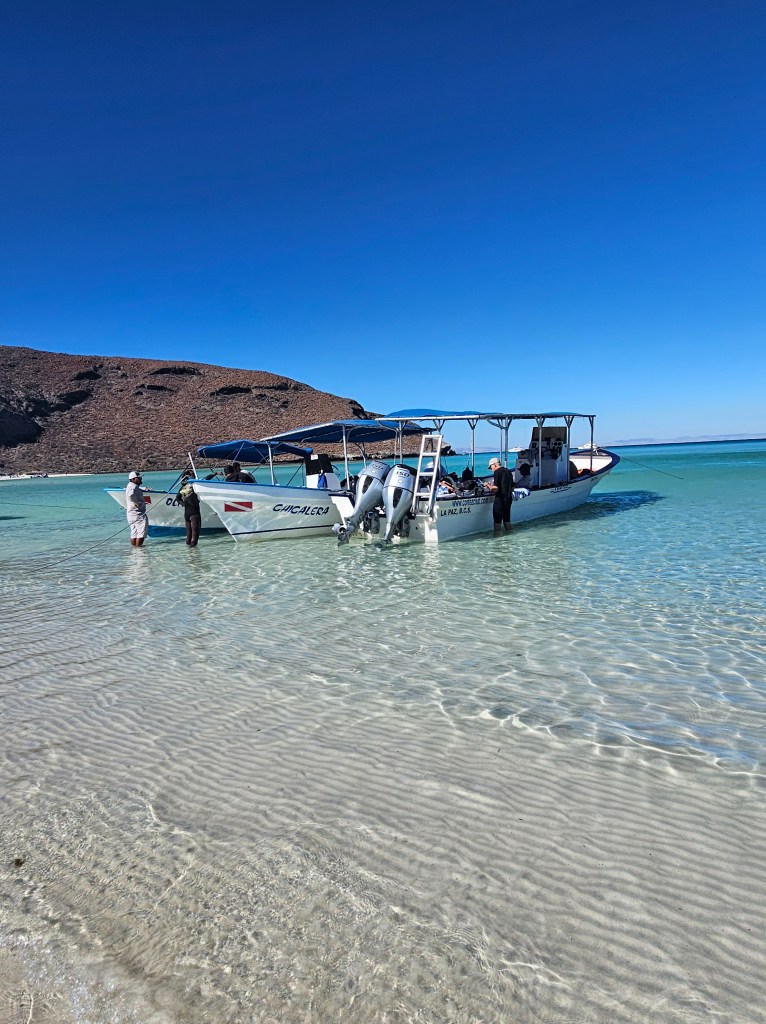
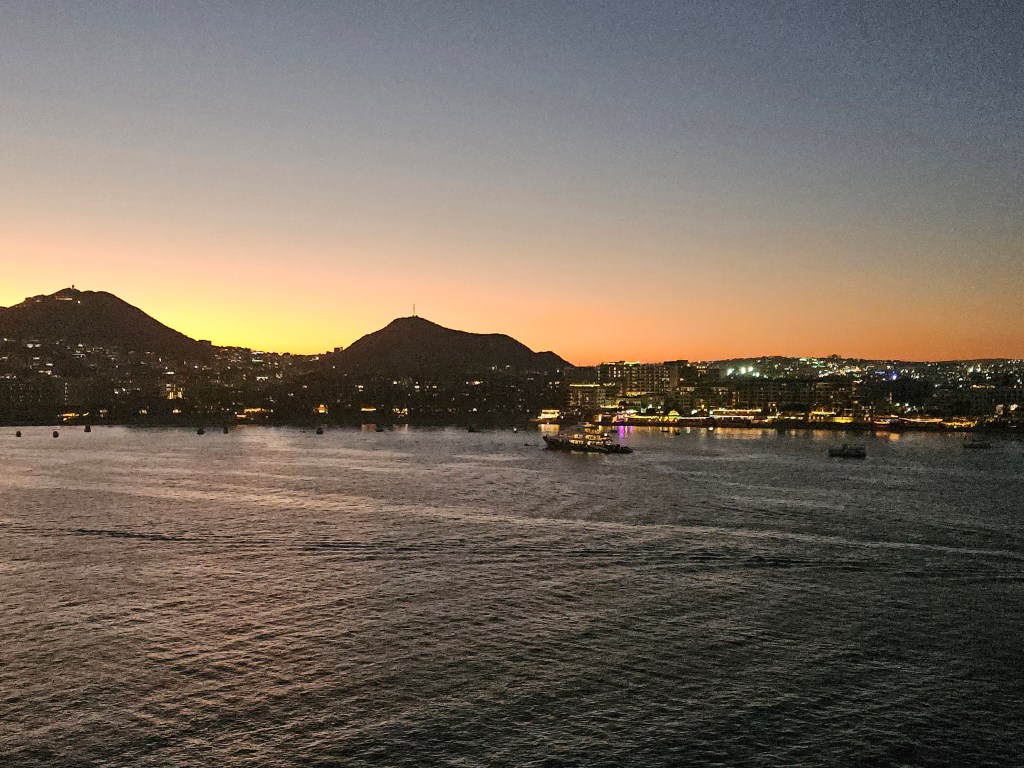
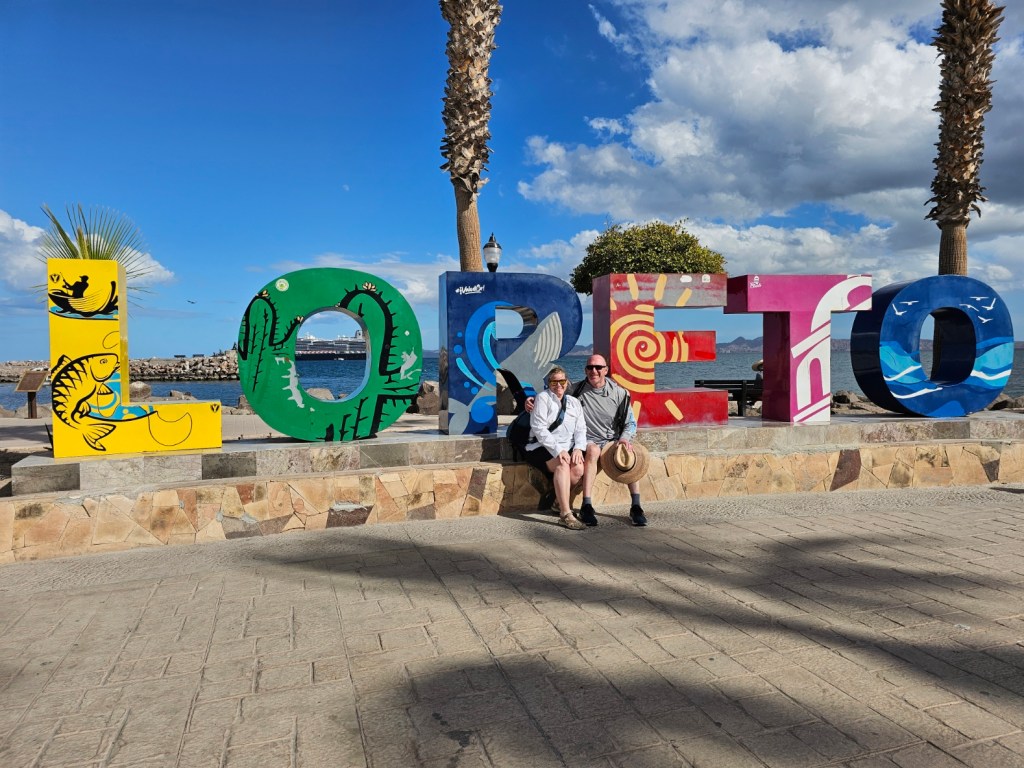
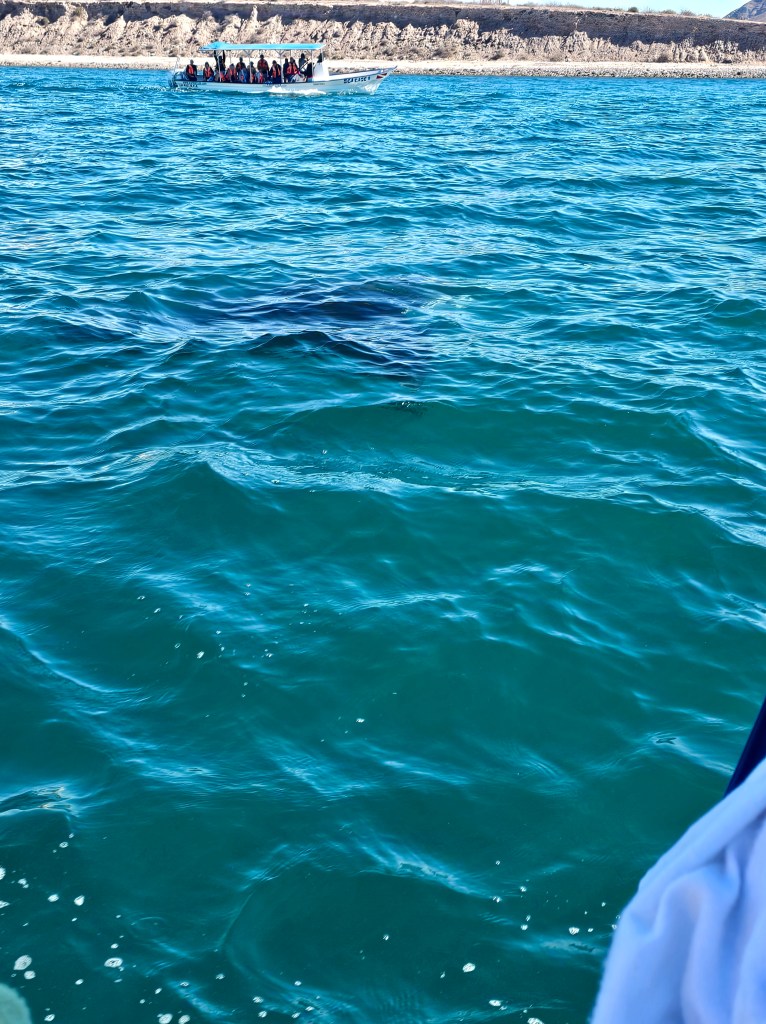
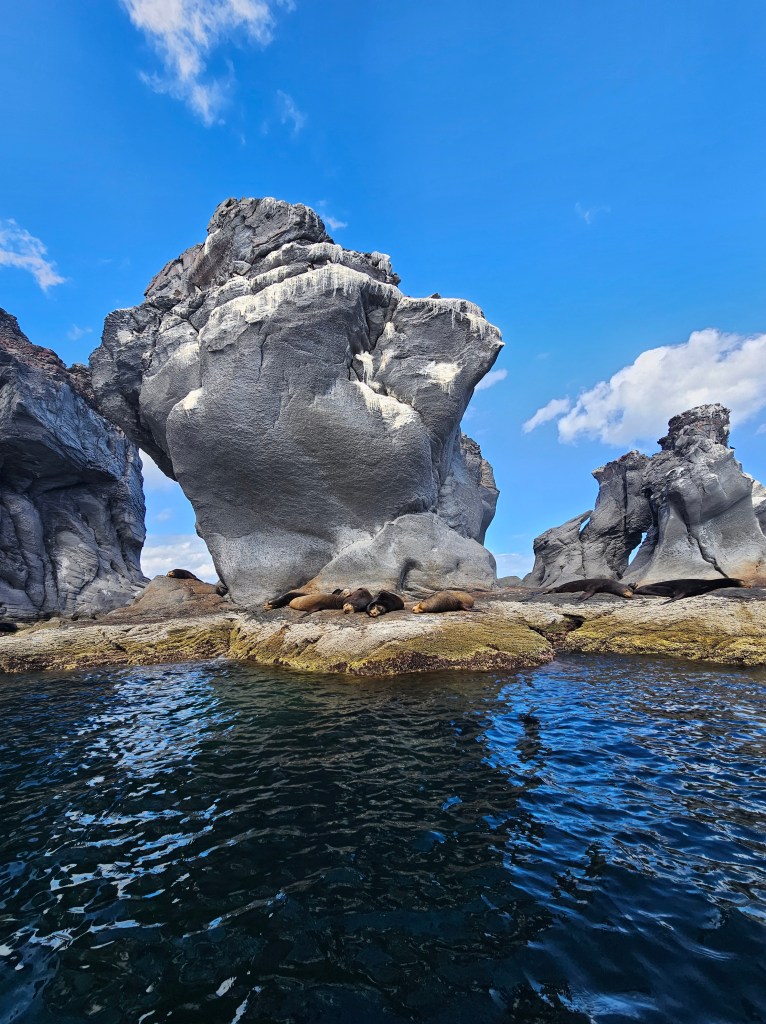
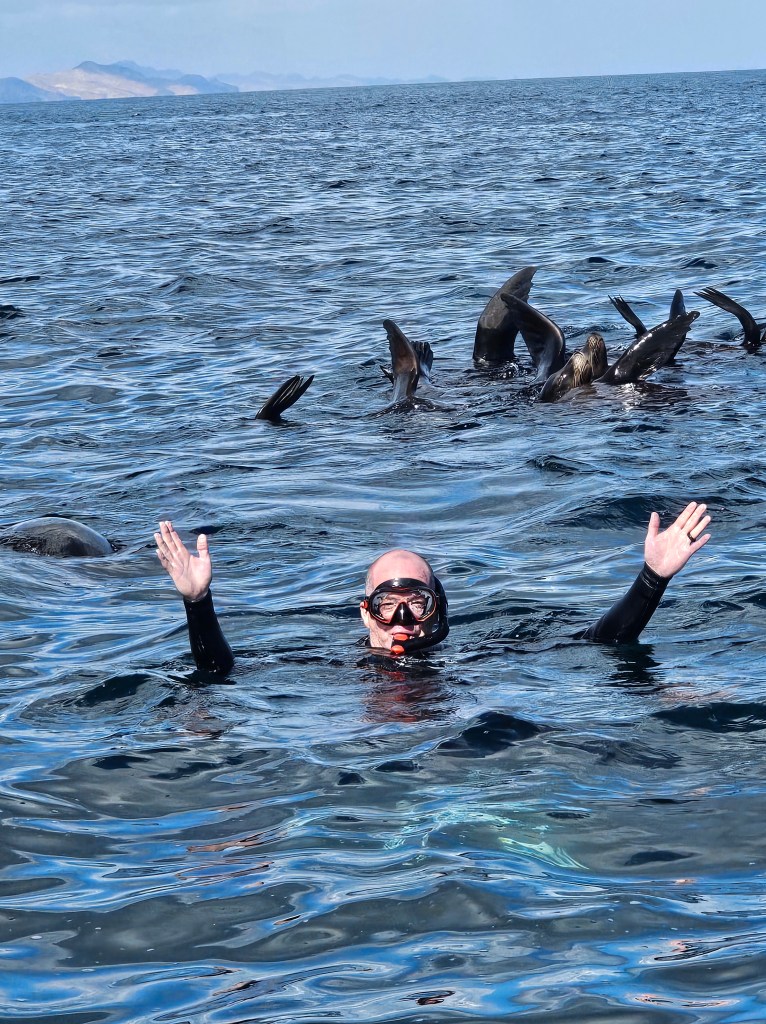
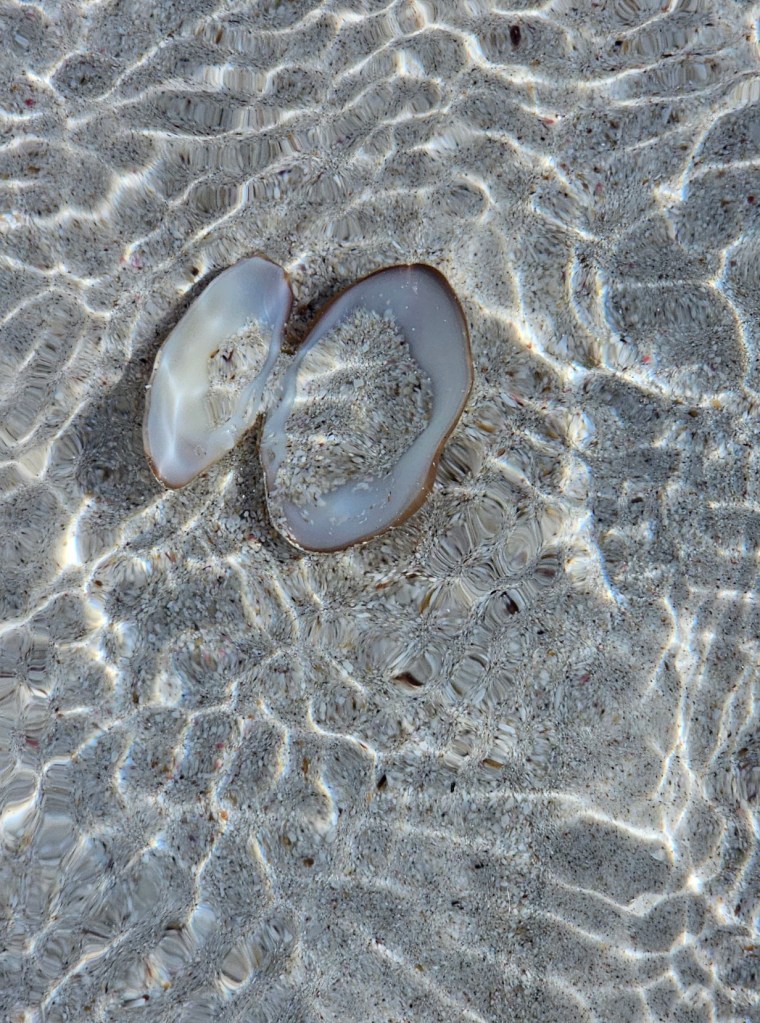
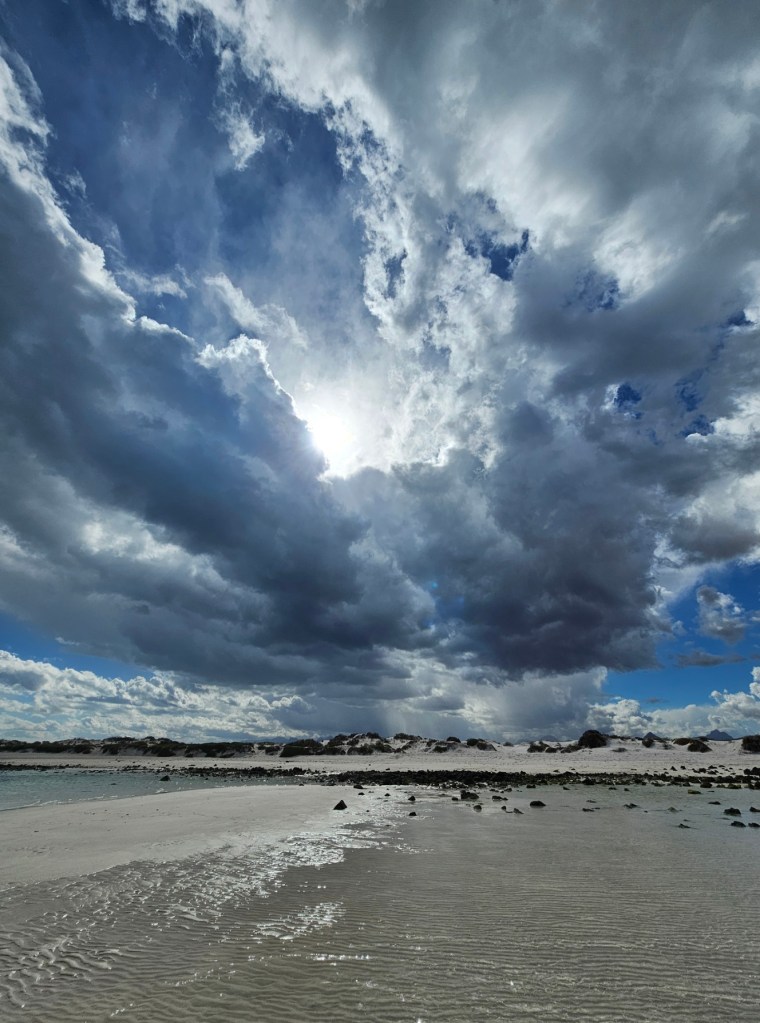
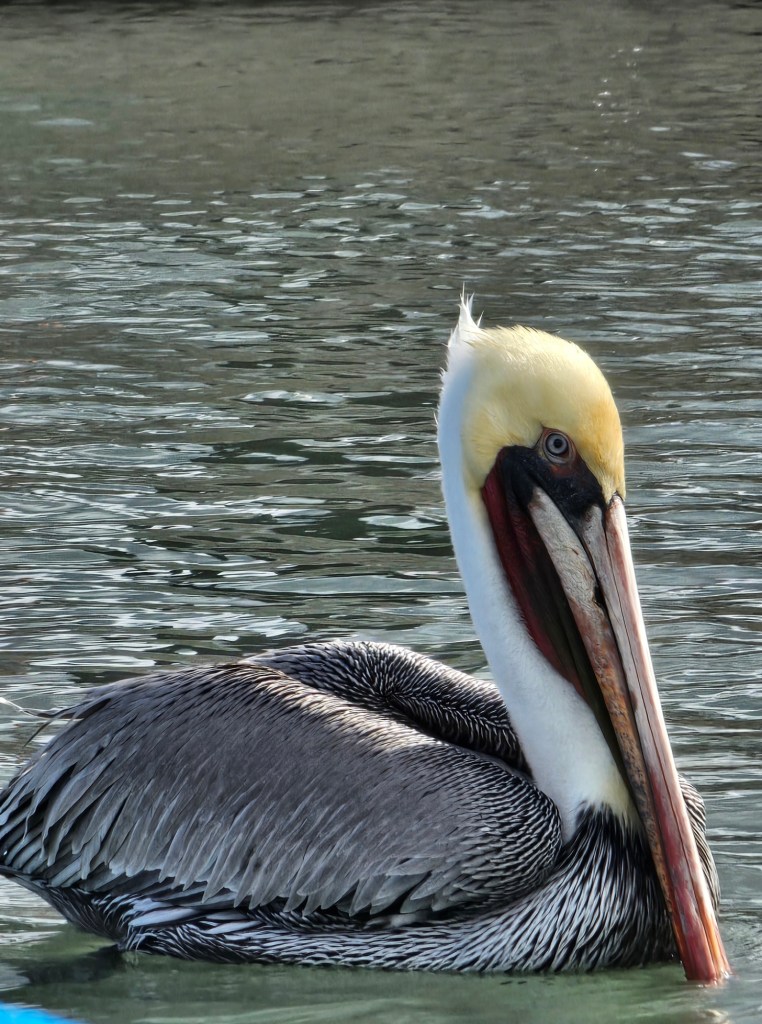
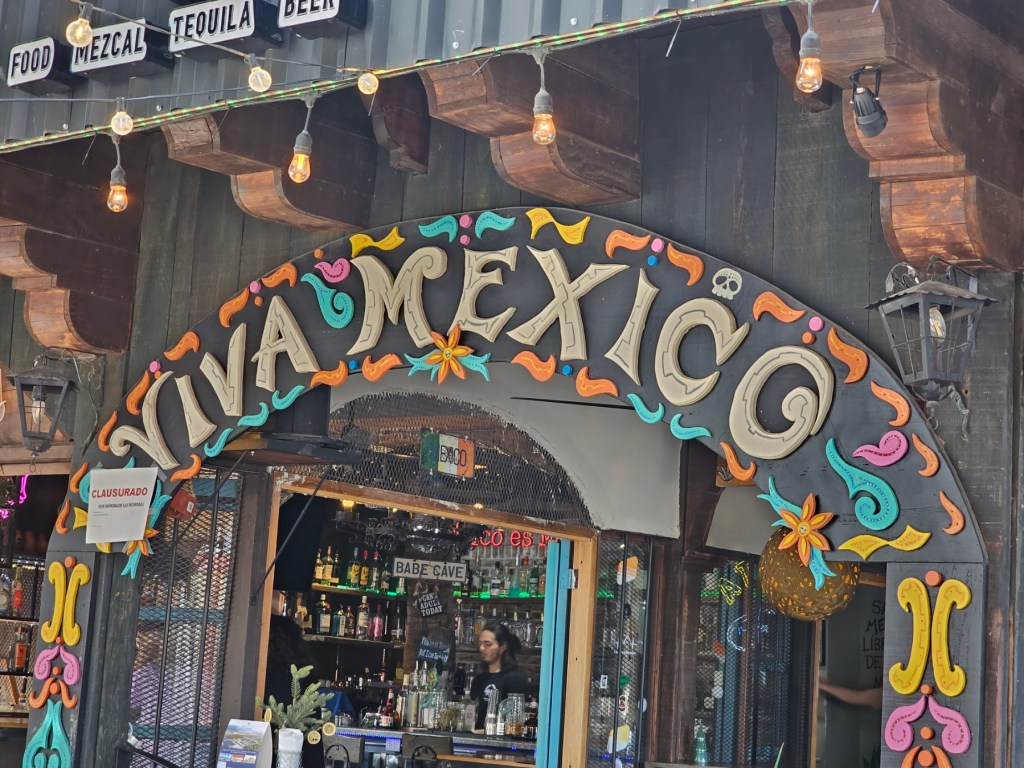
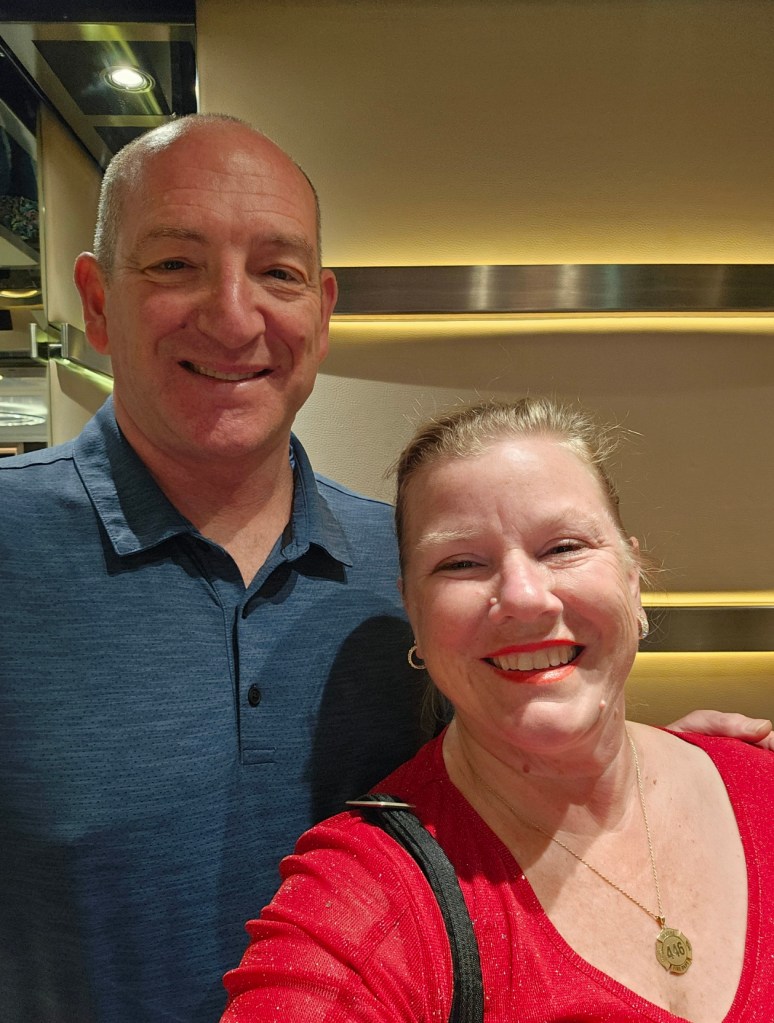
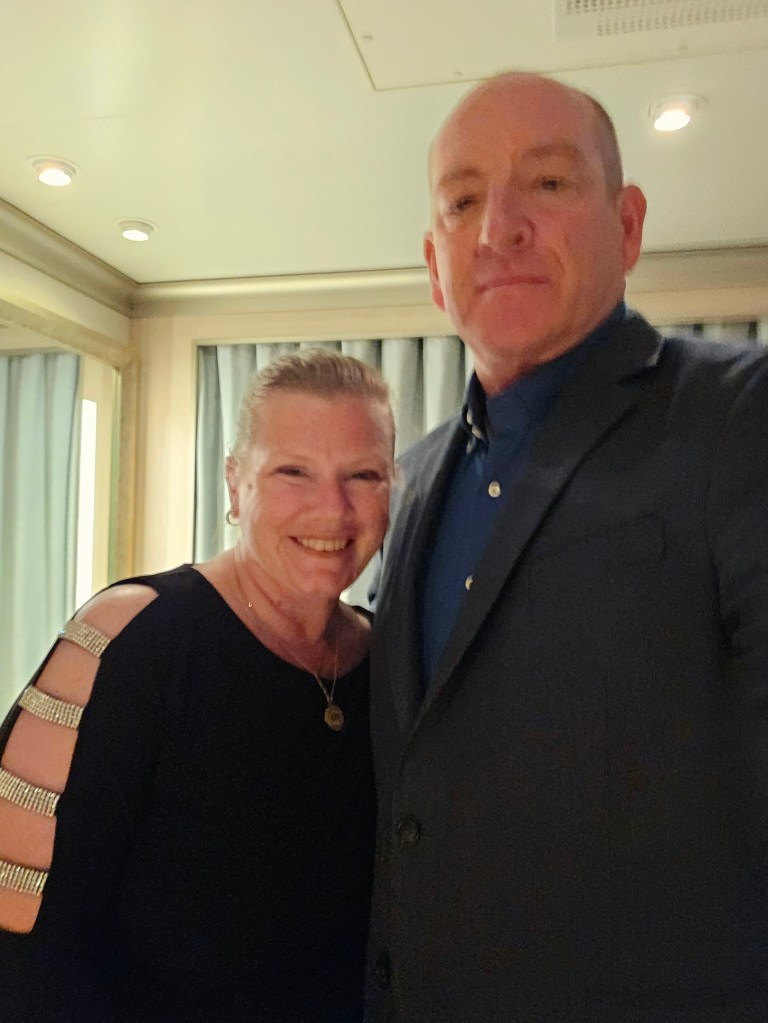
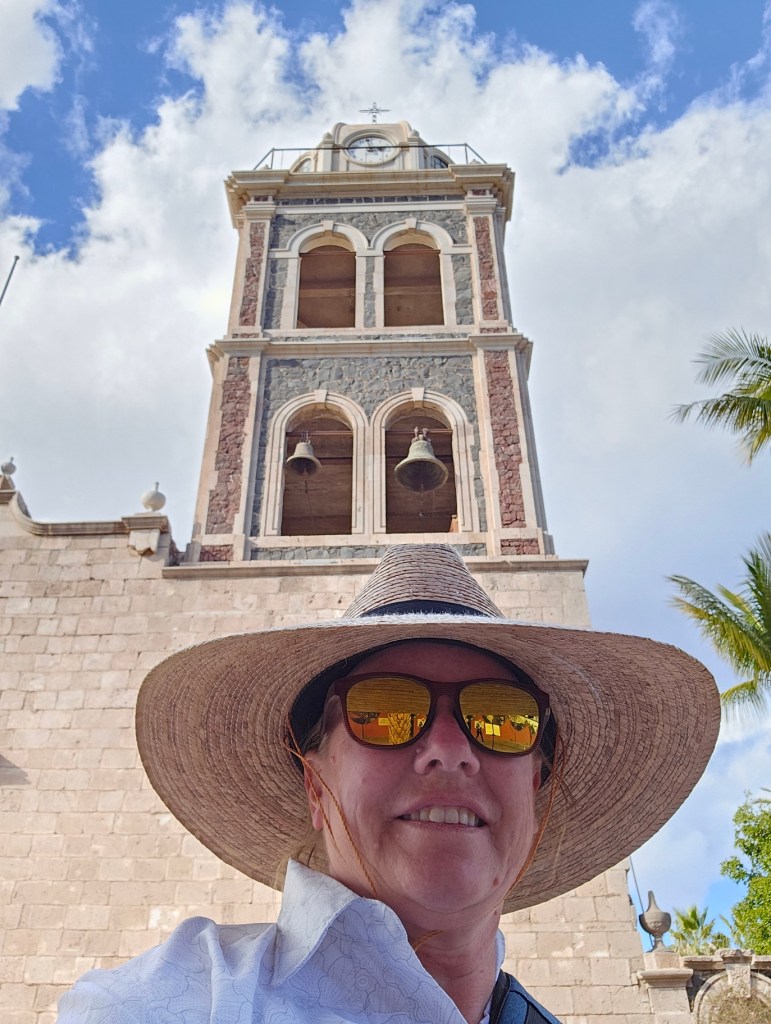
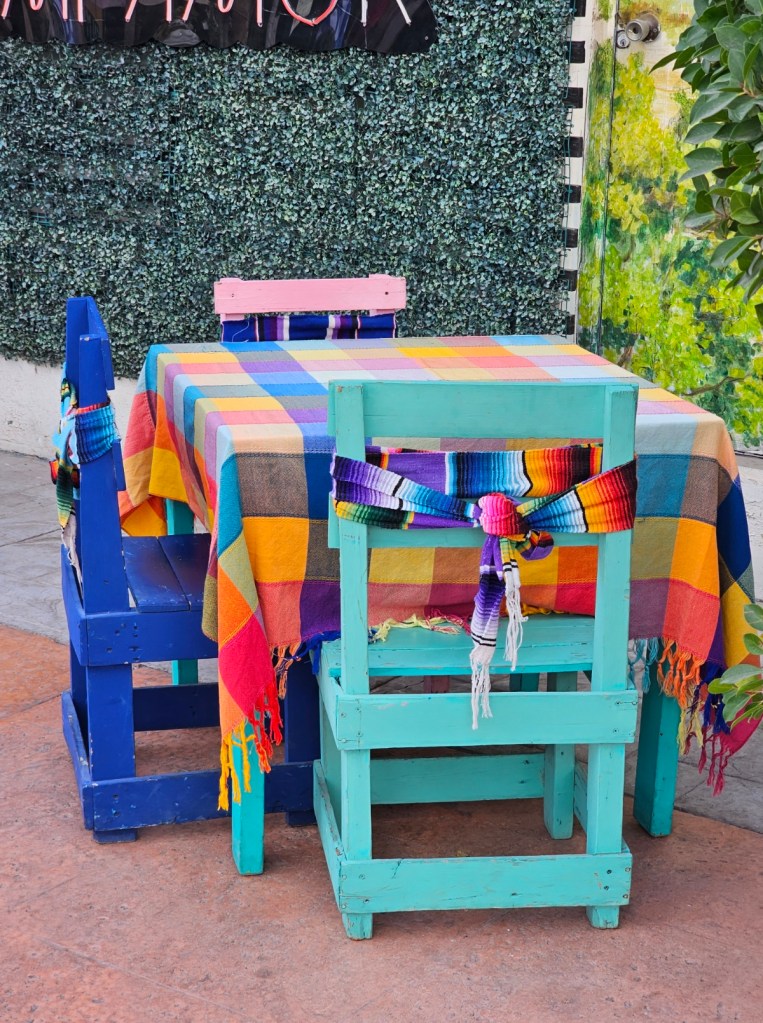
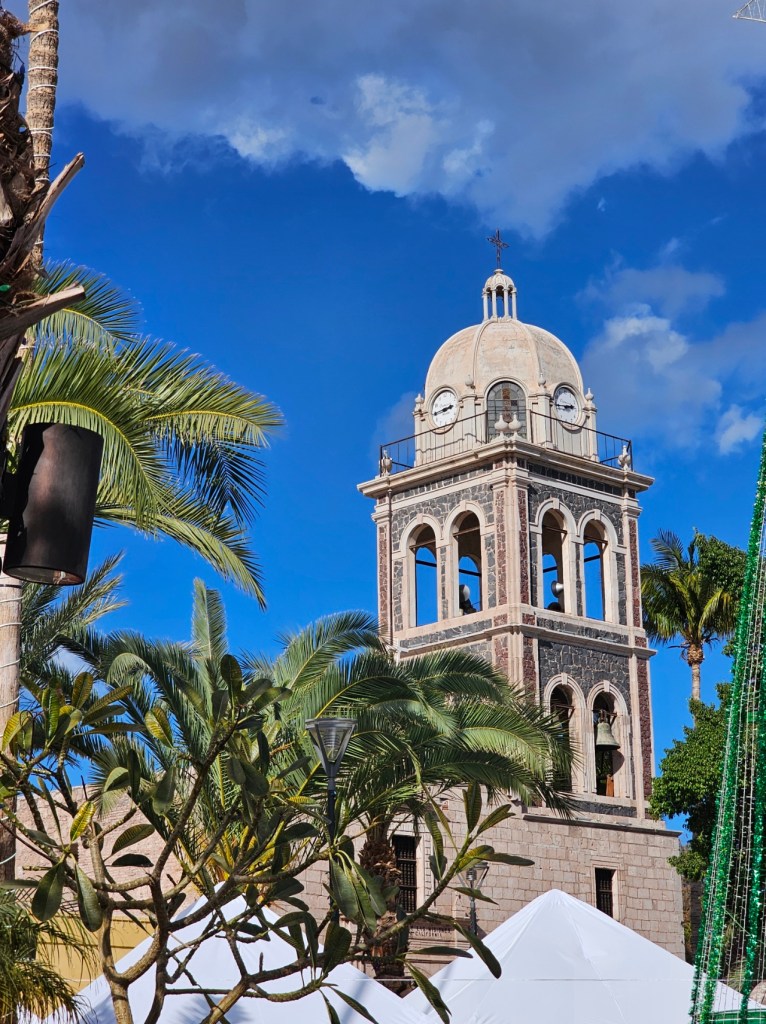
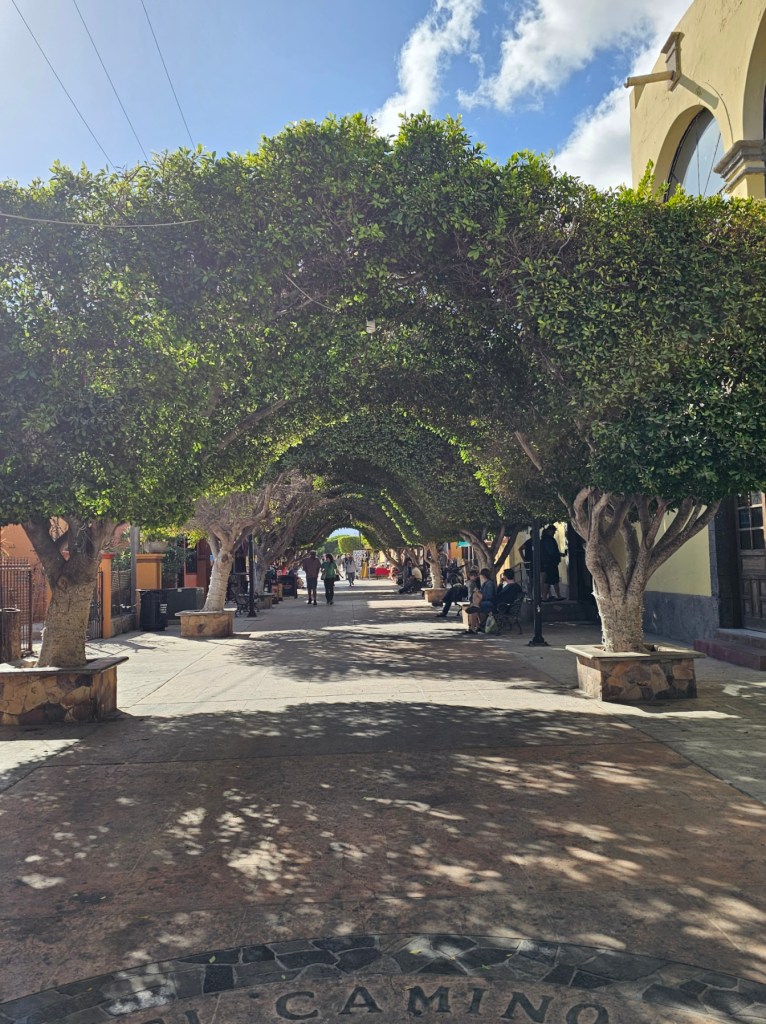
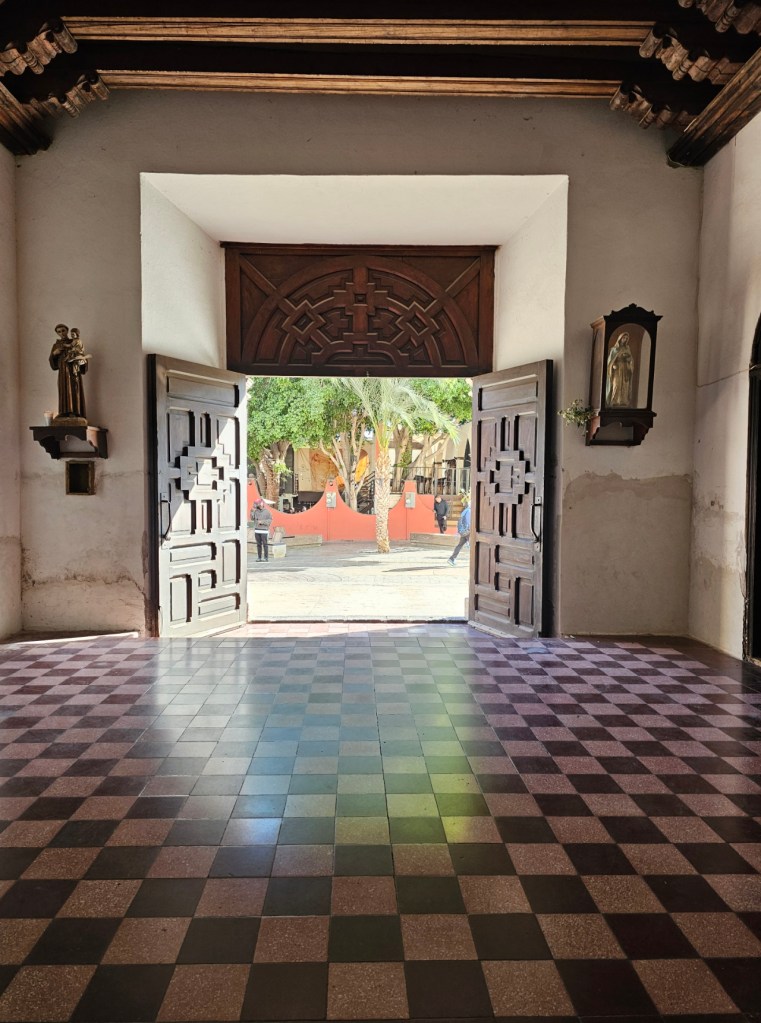
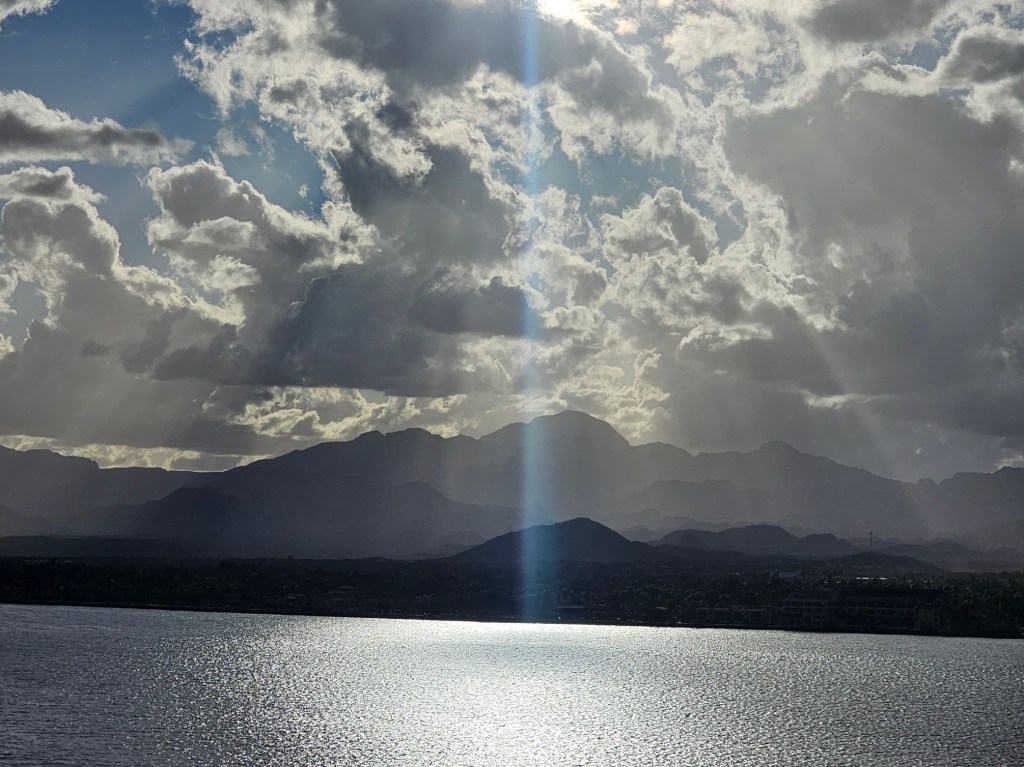
In early January, Rich and I flew to San Diego to do some training. We boarded the Holland America Line ship the Koningsdam. We proceeded to travel around the Baja peninsula of Mexico. We had never been on Holland America Line before….and absolutely loved it! By far our favorite cruise line. We have been on those mega ships….not our cup of tea now that we don’t have younger kids. We also weren’t a good fit for the river boat scene, where there was not much to do on the ships. We loved the versatility of being on a smaller ship, but still have lots to choose from in dining options and entertainment. We had never been to the west coast of Mexico, either, and it was a nice change from the touristy spots on the east coast. Not to say that Cabo isn’t touristy, it is. However, La Paz and Loreto were not – especially in January. How is this a work trip, you ask? Well, since Rich and I are travel advisors, we were on a new cruise line to us, a new area to us, and we actually had travel advisor classes on board. We had over 16 hours of training on the days at sea in the classroom, learning about marketing and sales. We had about 50 people in our class, so got to meet some really great folks. Lots of “where have you traveled?” and “How did you book a client who wanted this…” kind of conversations. During our three days in port, we were mostly doing water things. We took a glass bottom boat in Cabo San Lucas around the last pieces of land of the Baja peninsula called Land’s End, where “El Arco” or the Arch, a 200 foot granite rock formation sticks up out of the water. We went snorkeling with sea lions out in the Sea of Cortez. That was pretty crazy. First of all, it was not warm. Second of all, we were out in the open water swimming with sea lions. It was crazy! We saw a lot of pelicans, blue-footed boobies (you’ll know when you see the photos below which ones they are), and colorful crabs. We also saw some whales, even though we were not on a whale watching tour. Think of dogs hanging around the grill at a barbecue…in our stops, we saw sealions begging at the side of fishing boats. We had a wonderful time. We came back to San Diego a week later and got to catch an away game with Tim’s girl’s basketball team. We also got to spend a day with Tim at the San Diego Zoo. (in my defense, they recently got panda bears and I wanted to see them!) That will be a separate post. Here are some photos from our trip to the Baja peninsula of Mexico!



























 Messina Musings