Hobart, Tasmania (Australia)

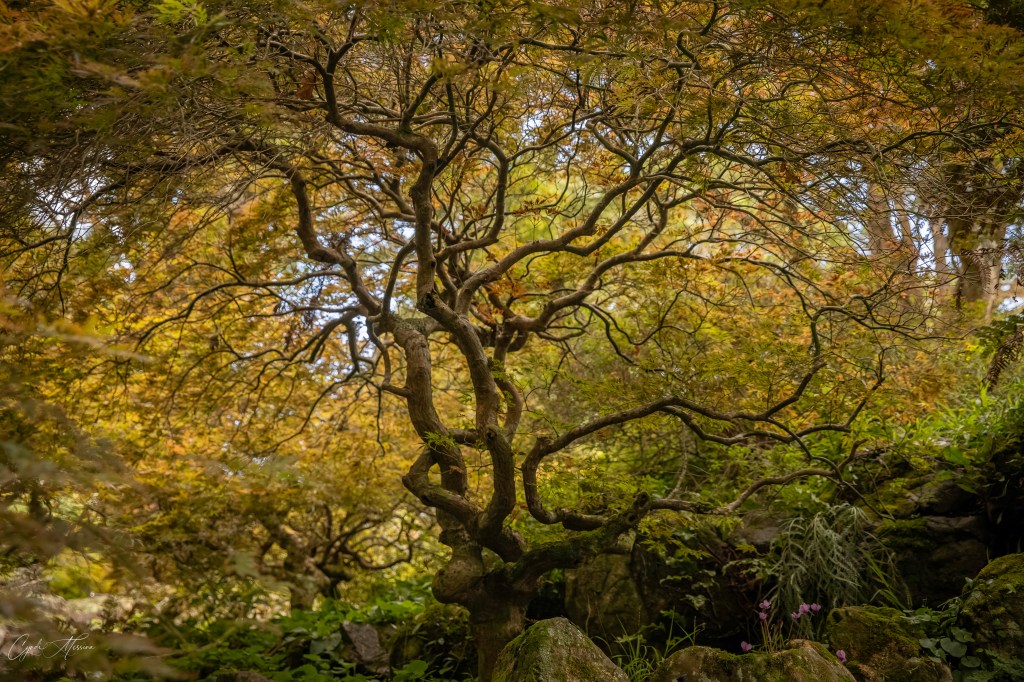
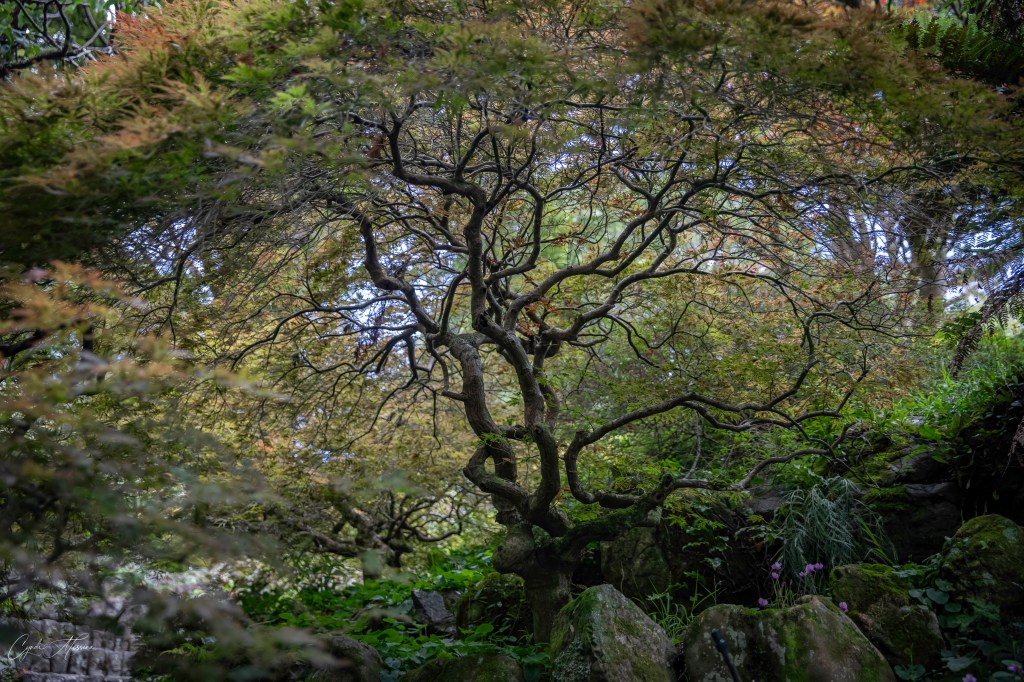
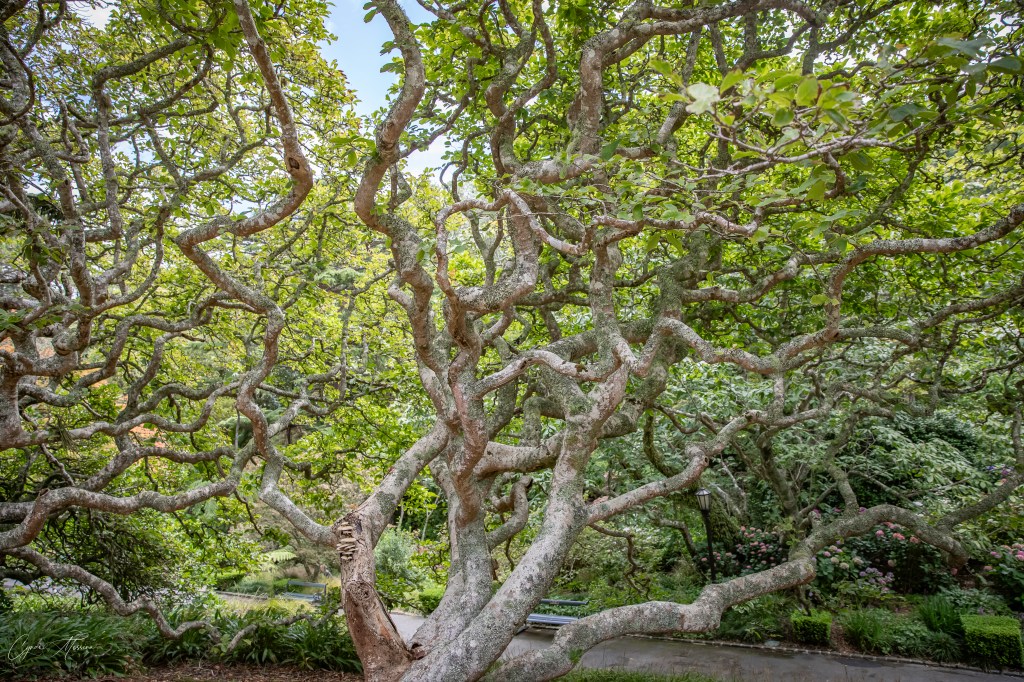
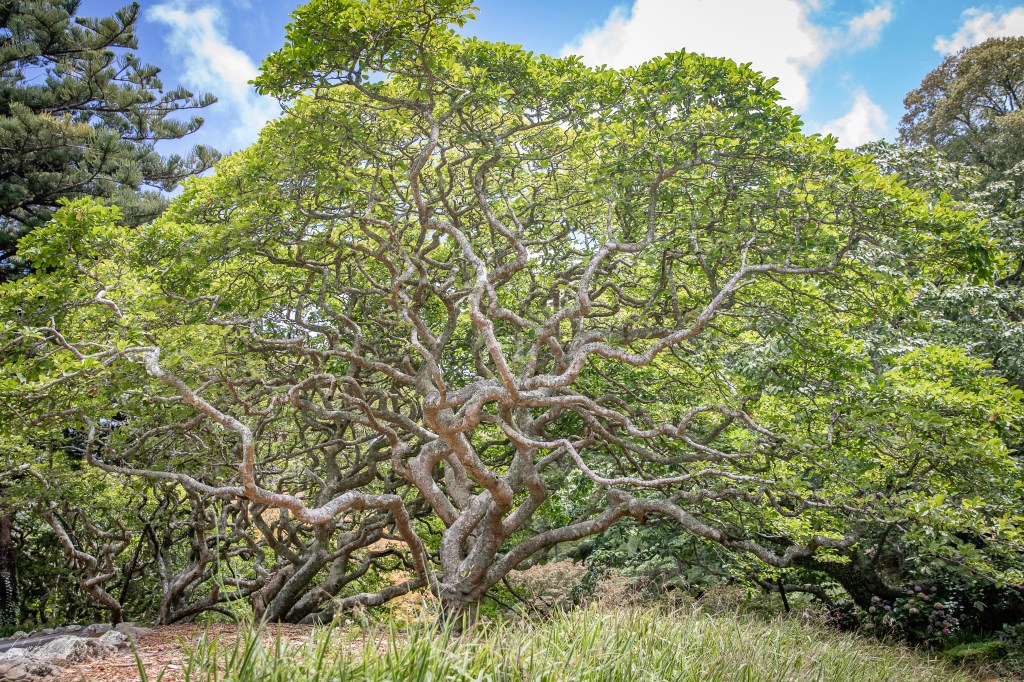
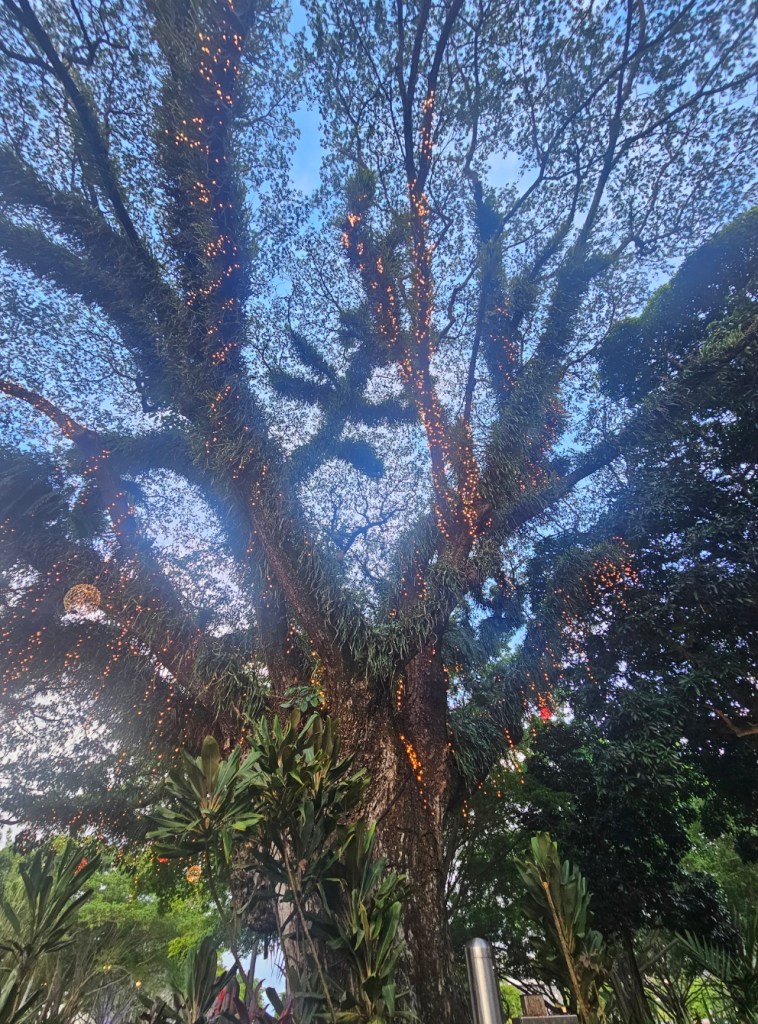
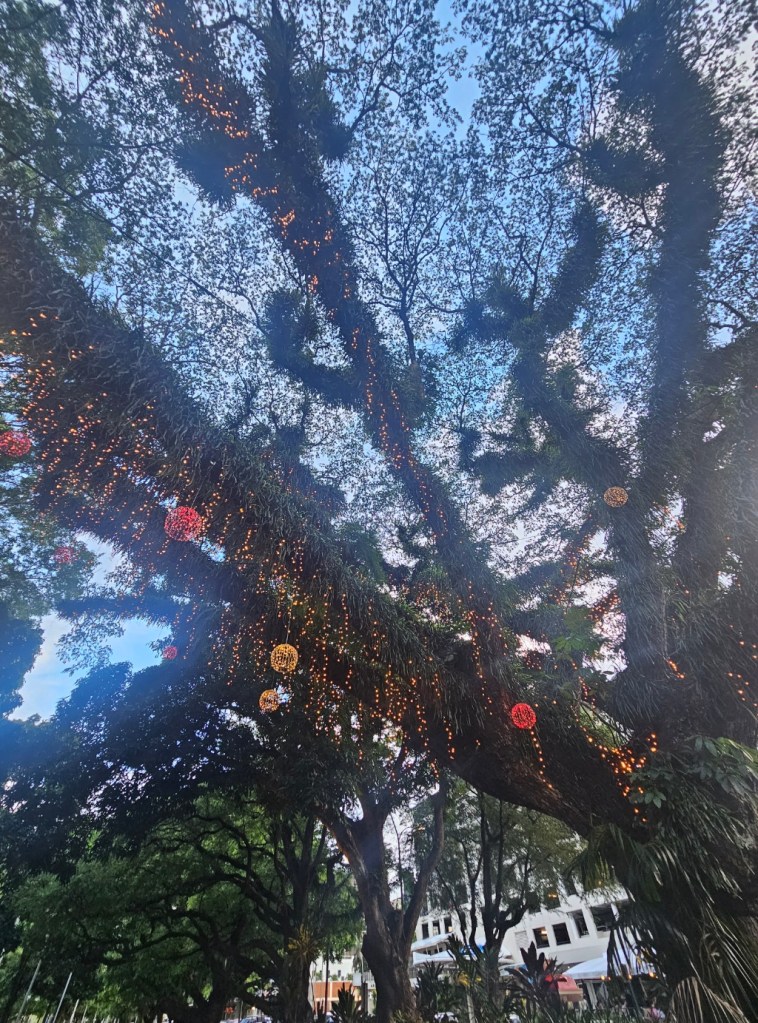
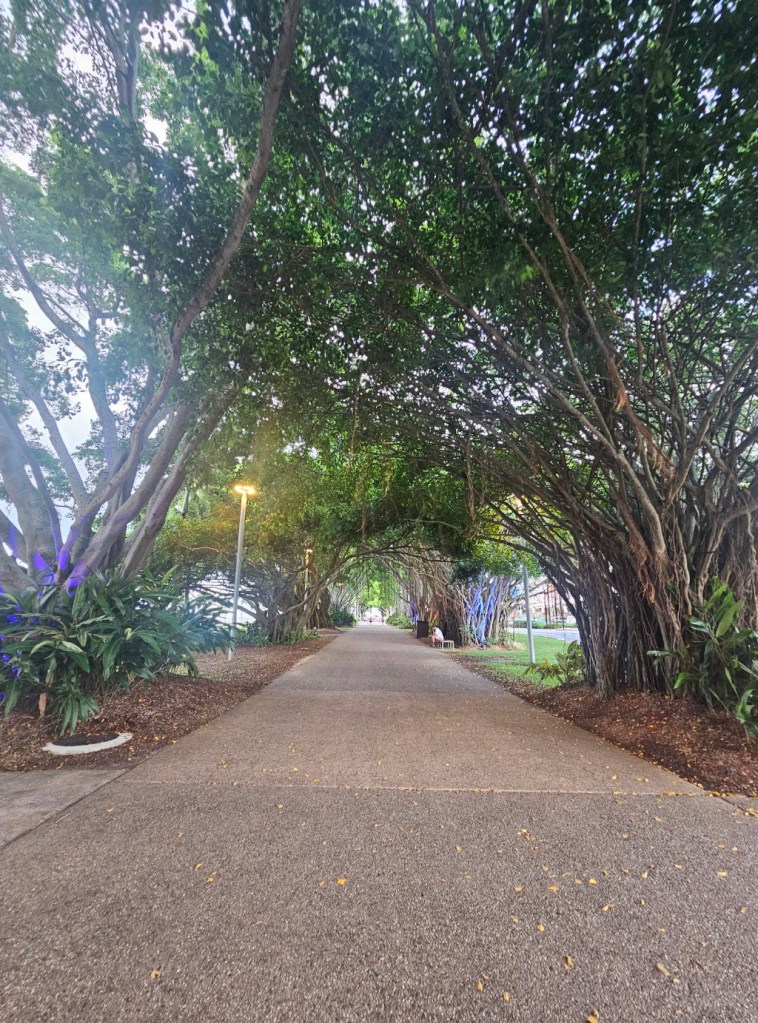
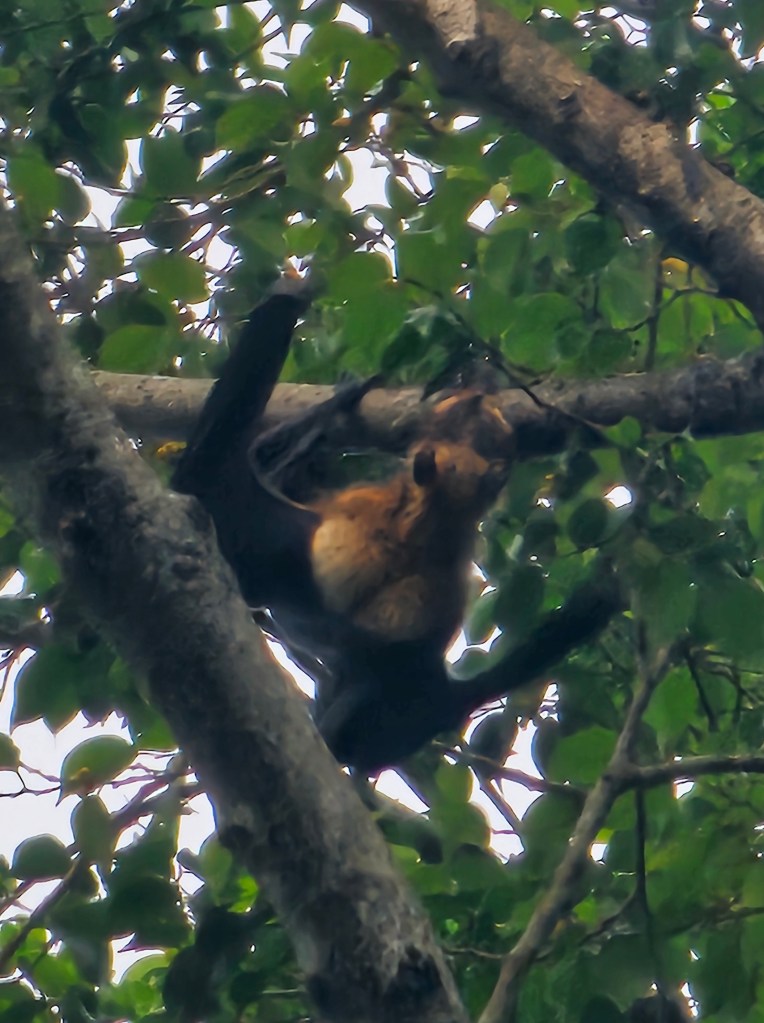
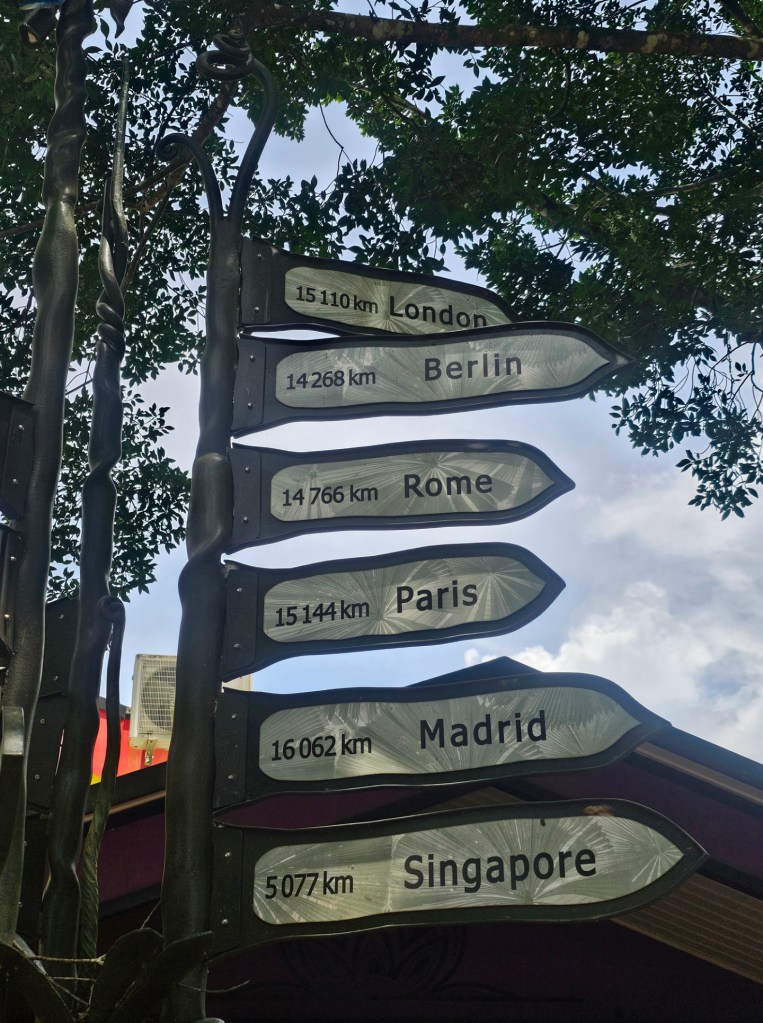
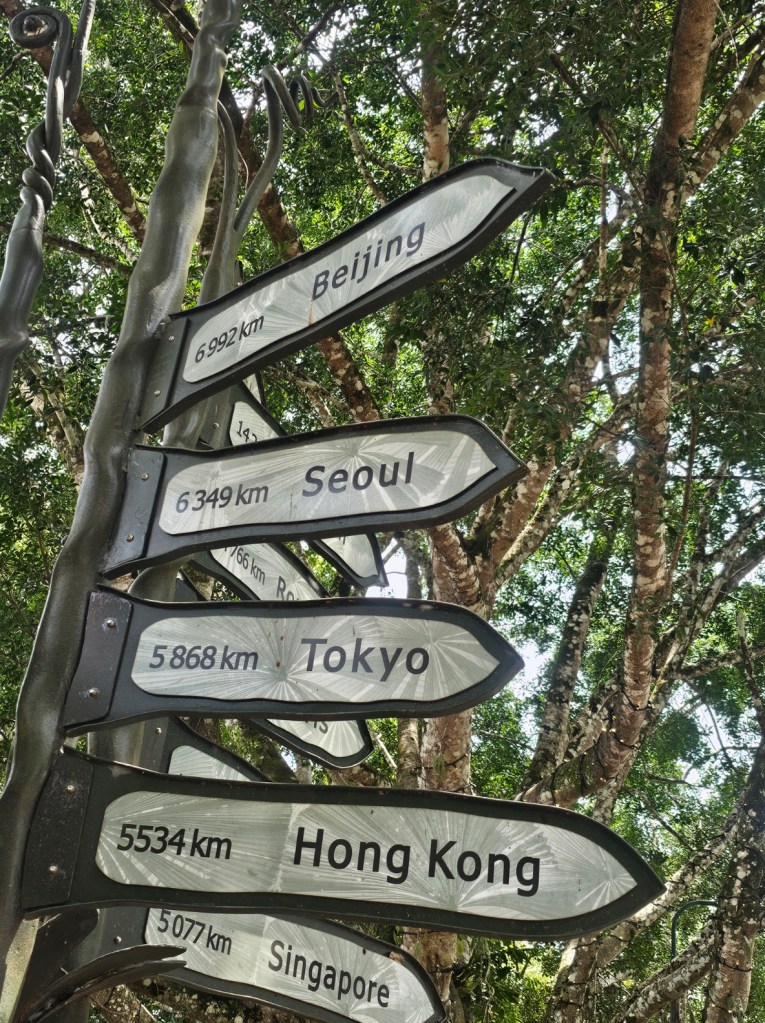
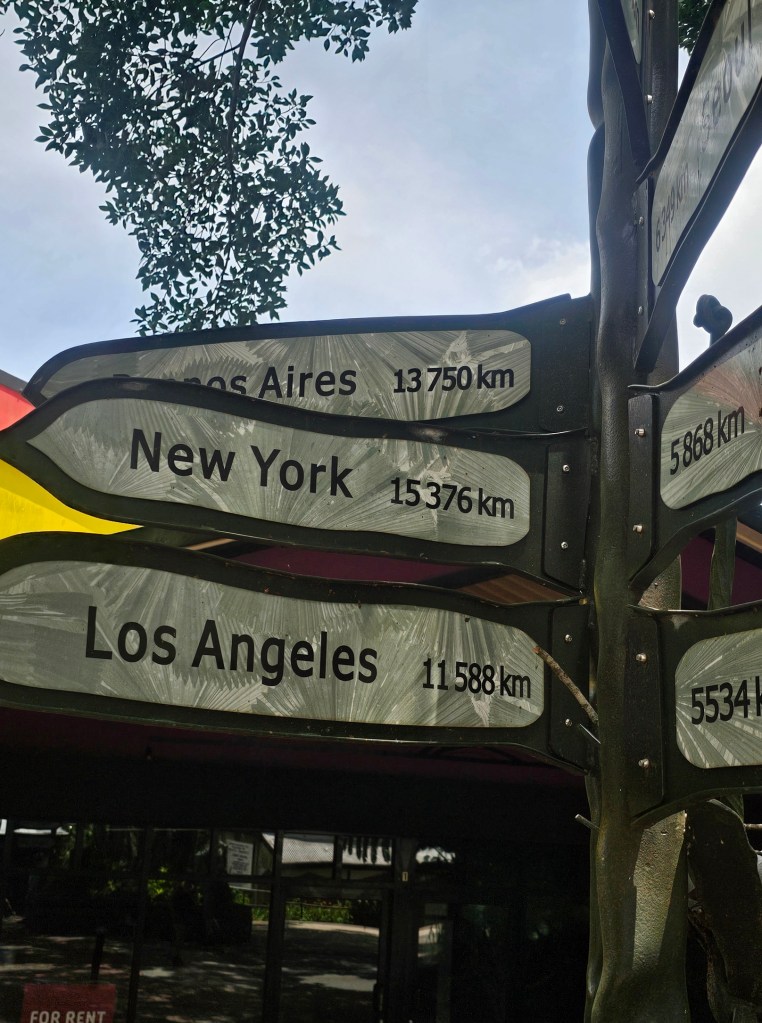
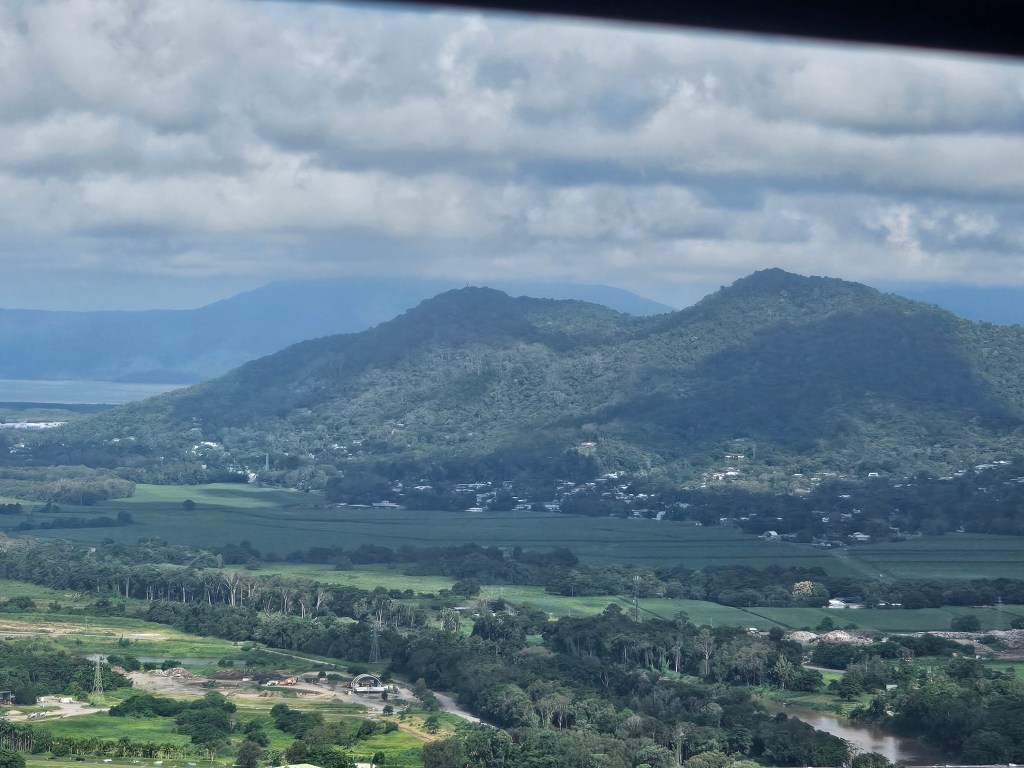
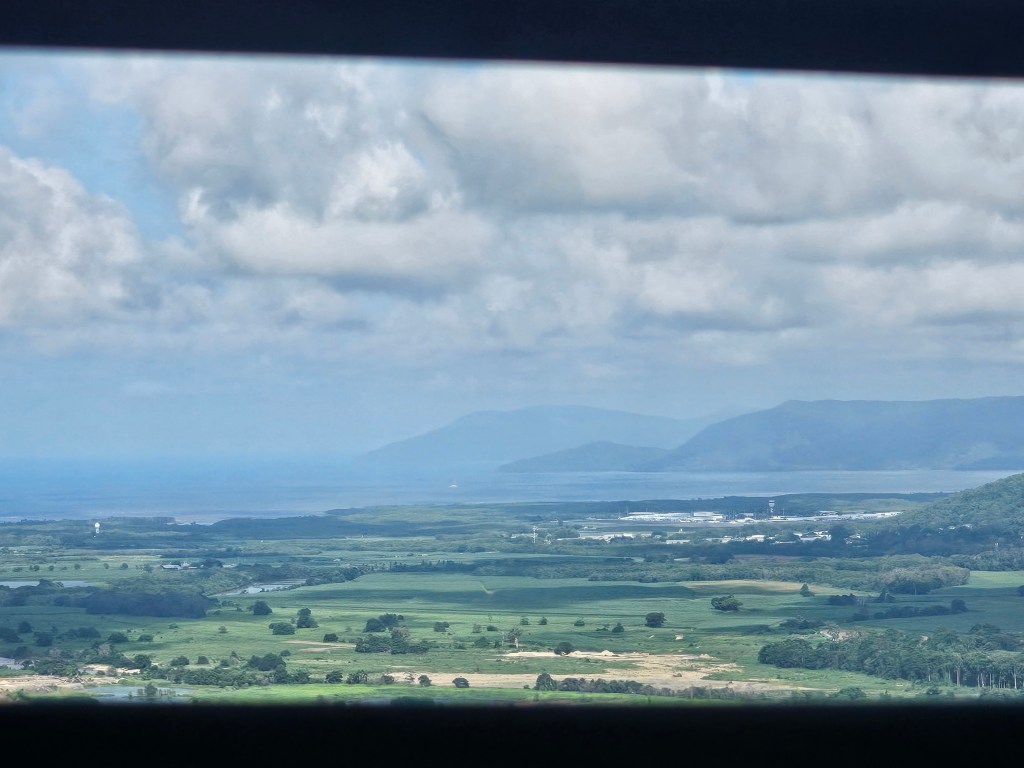
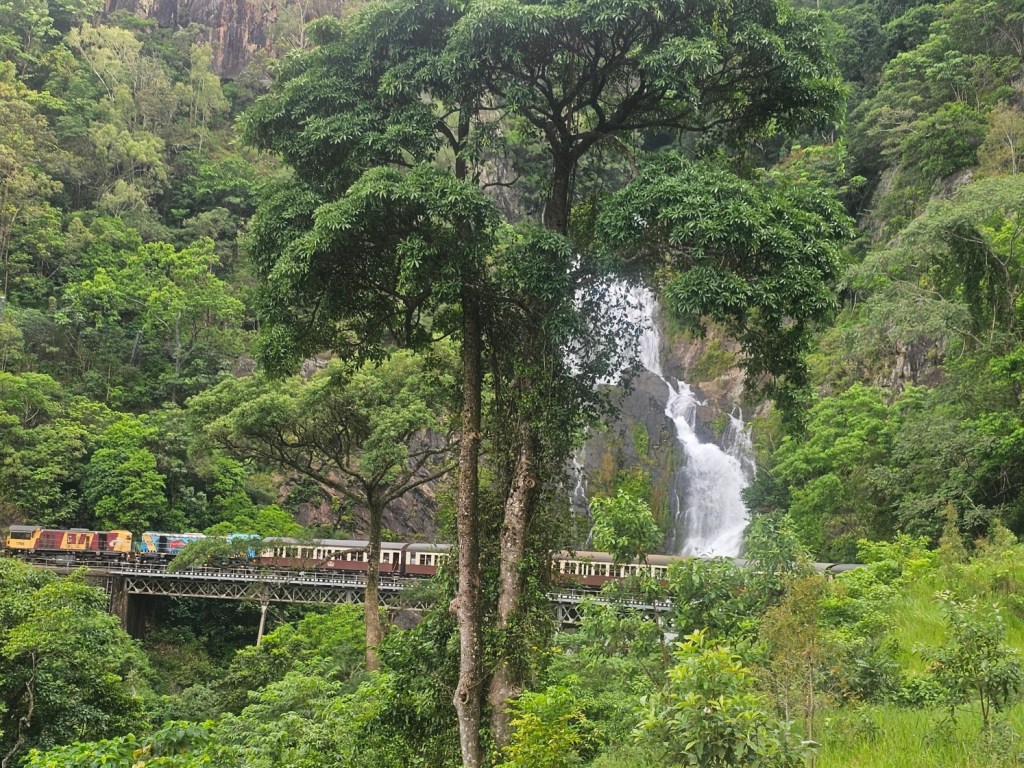
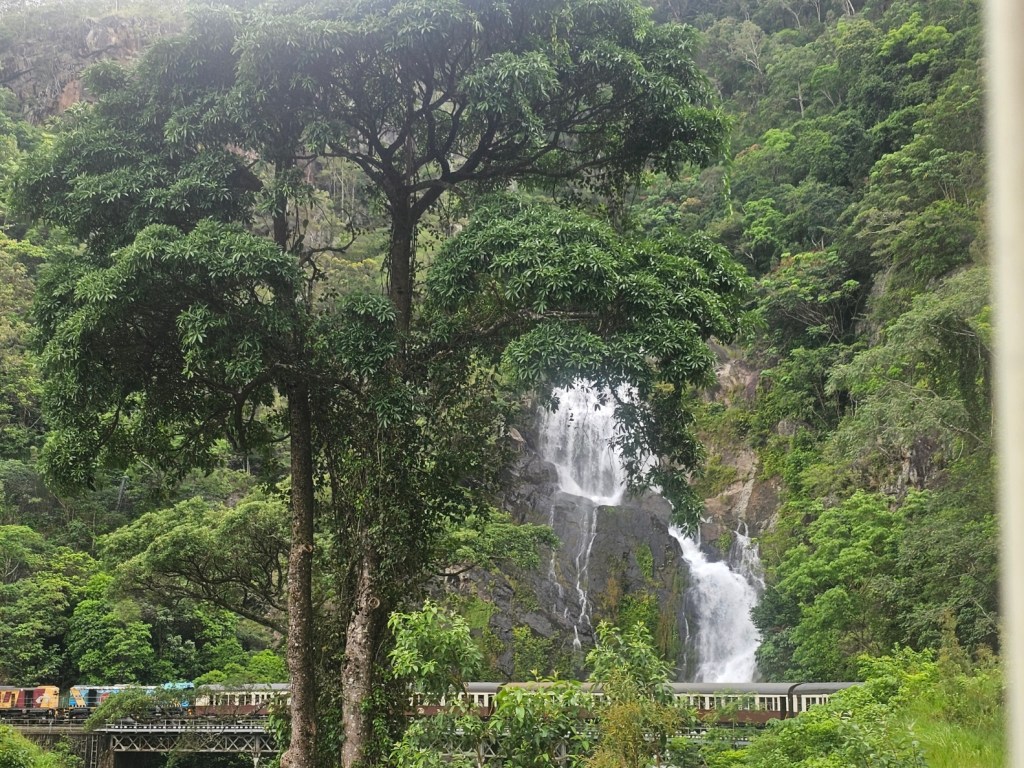
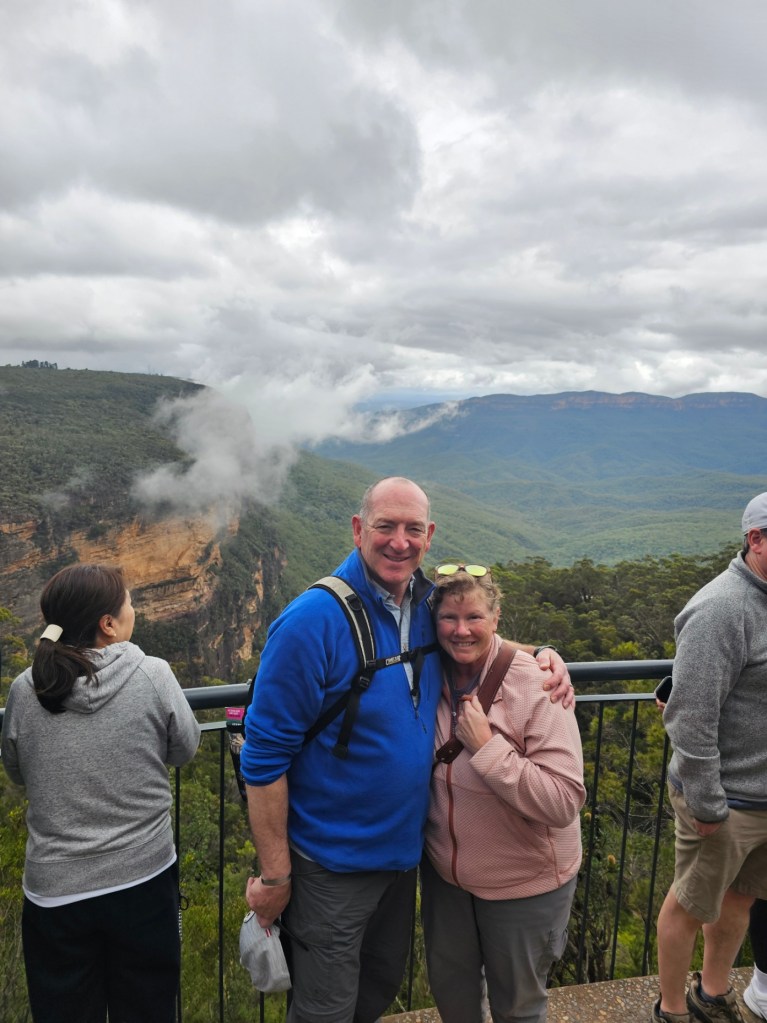
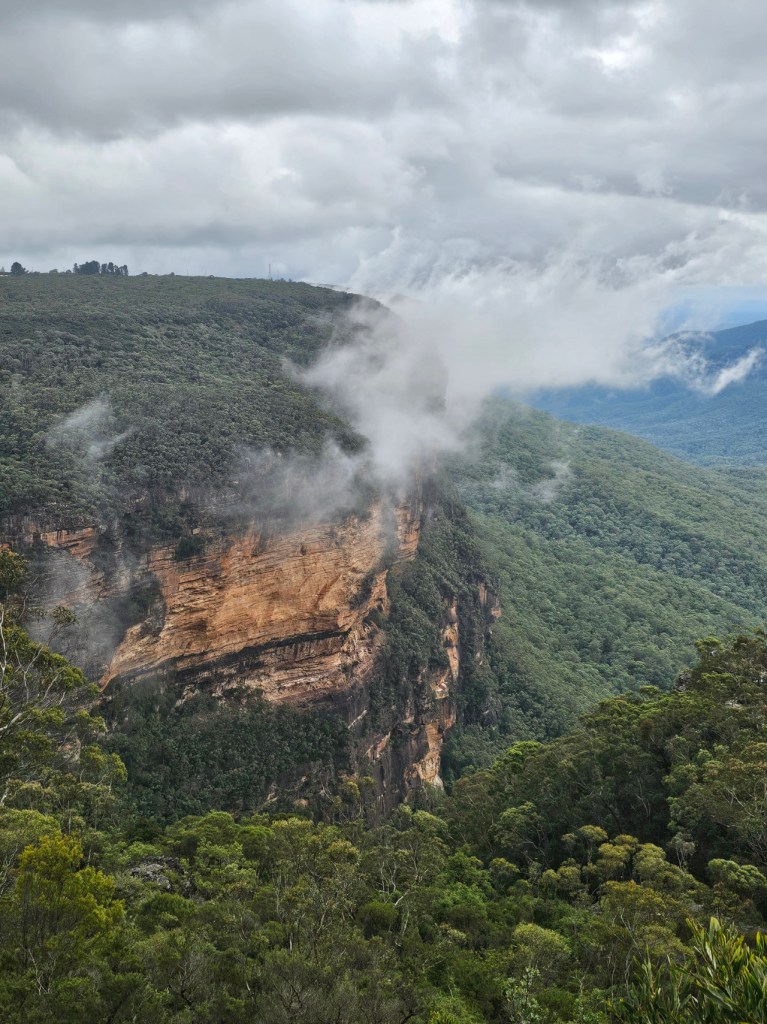
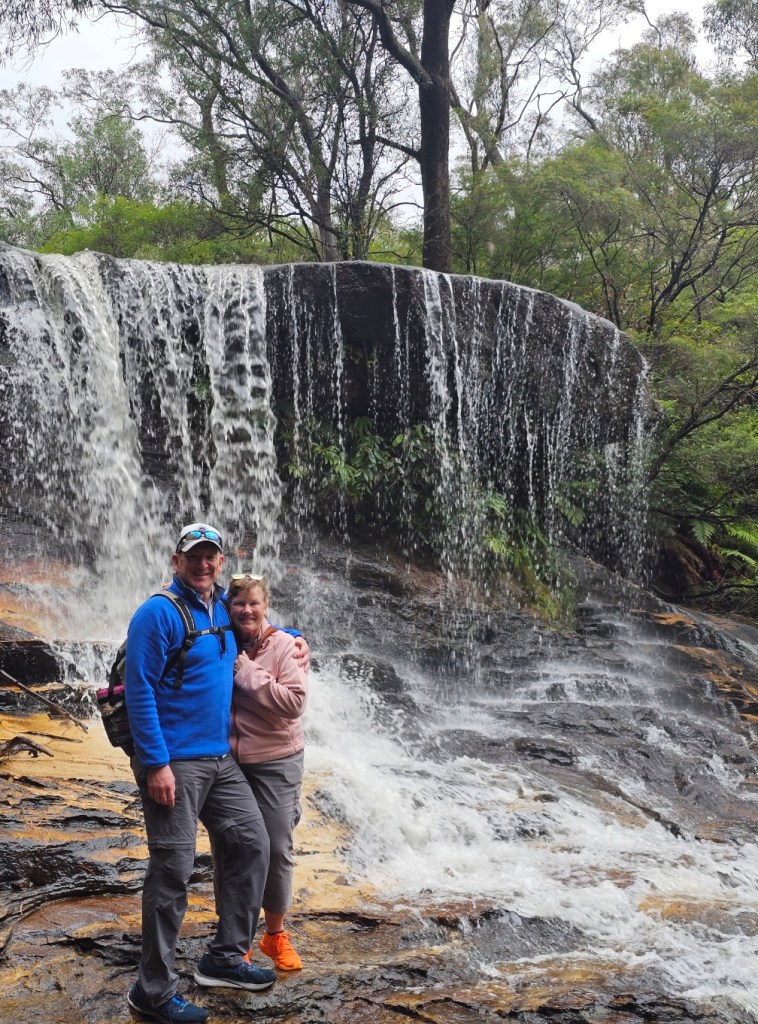
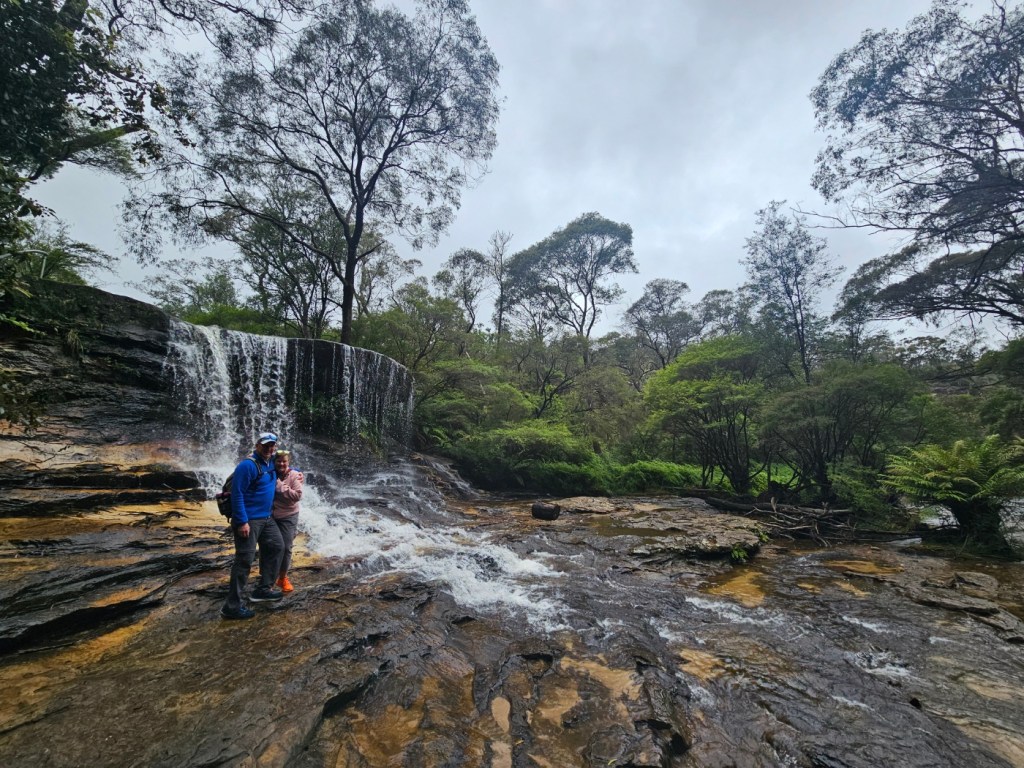
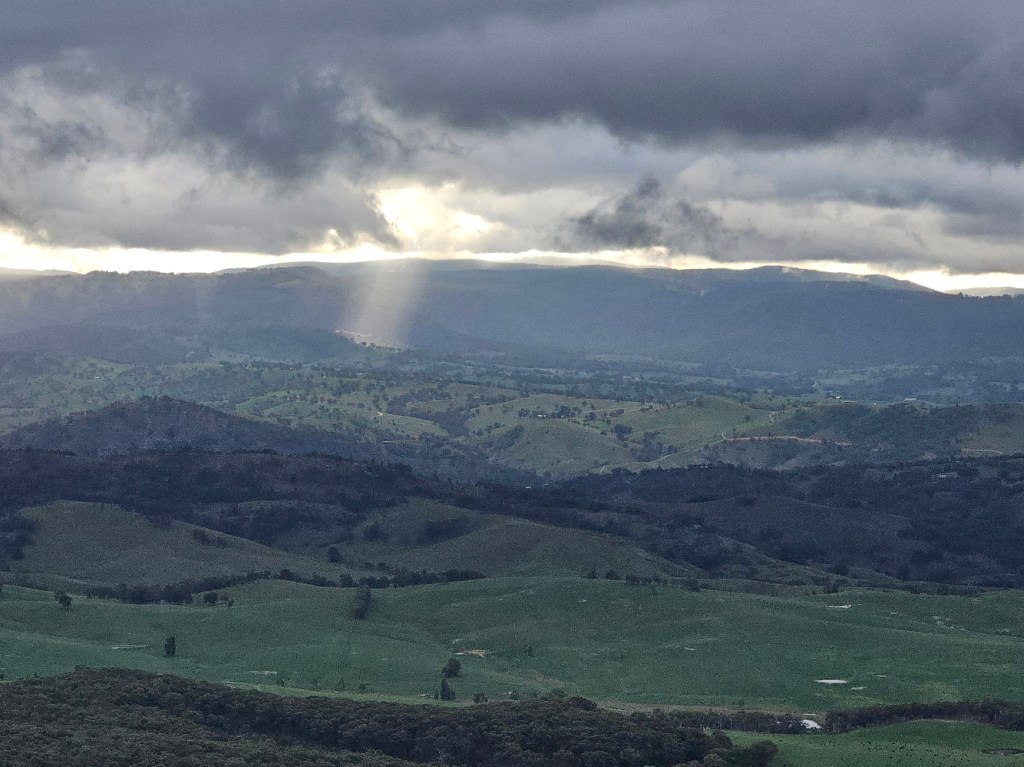
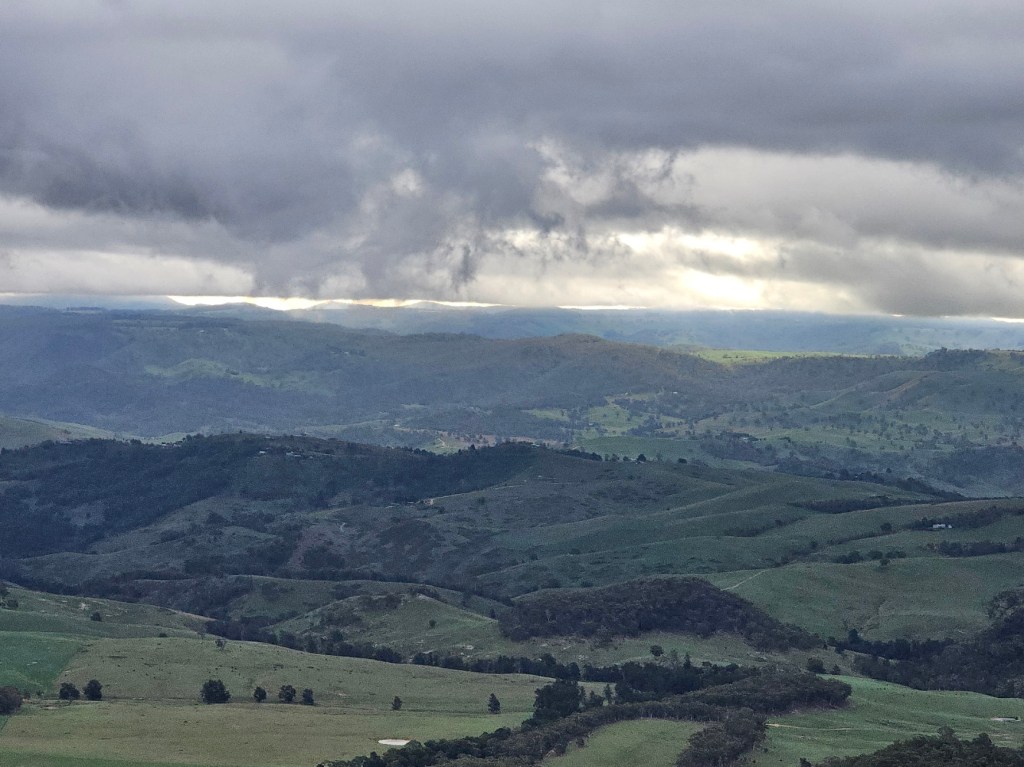
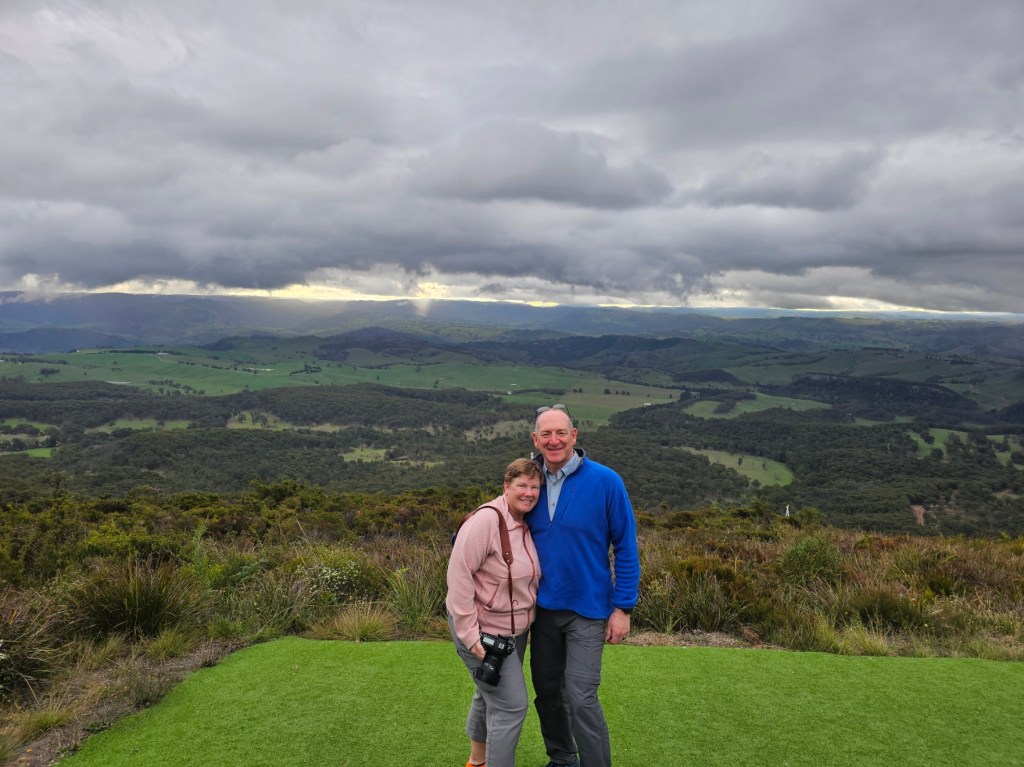
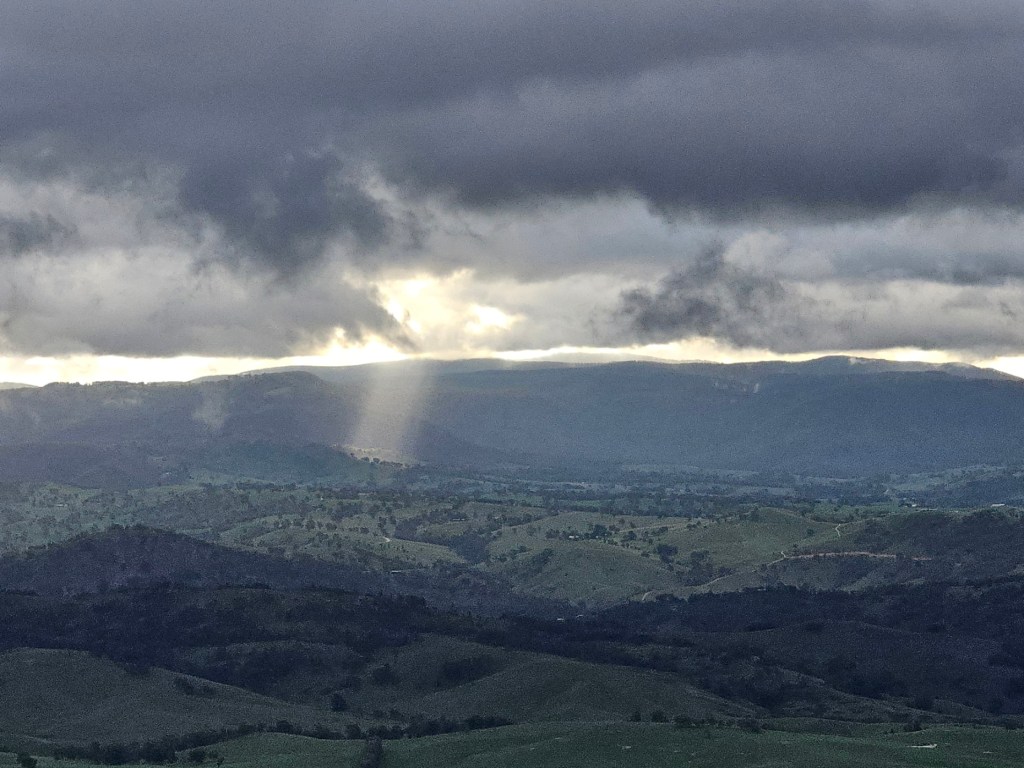
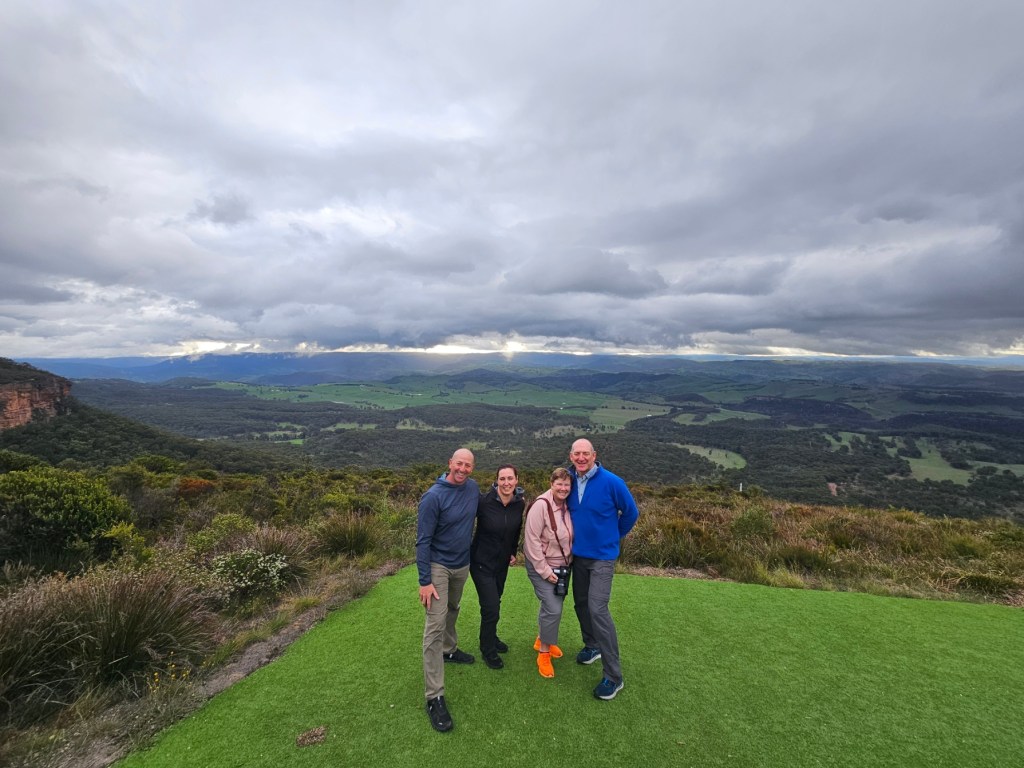
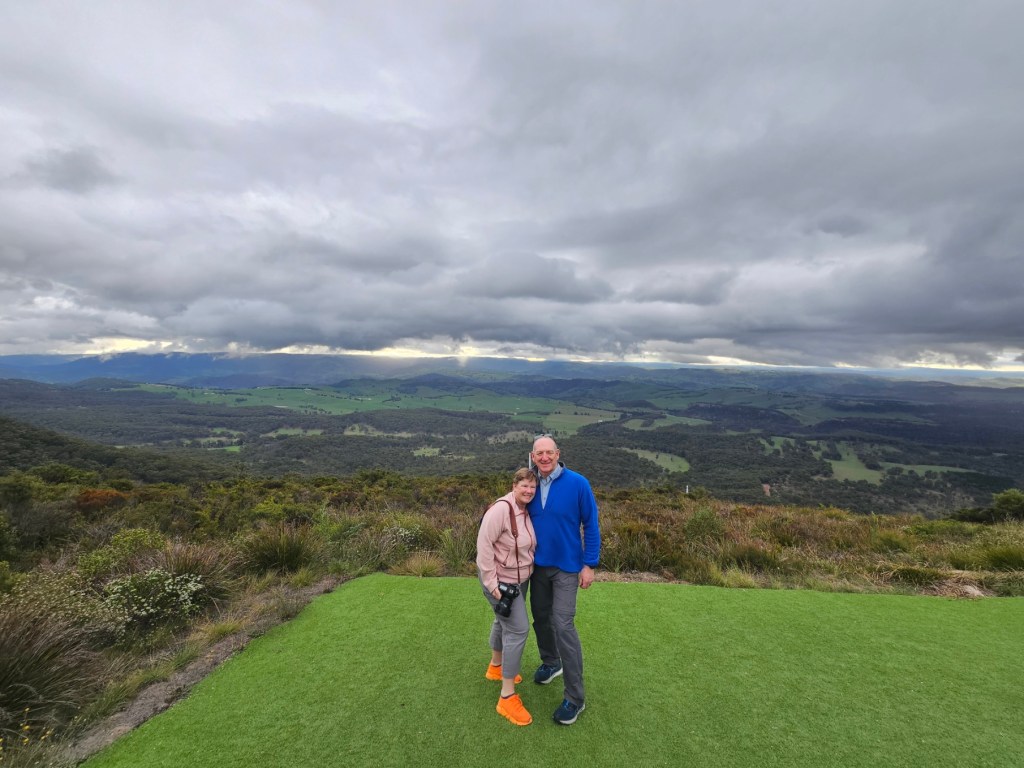
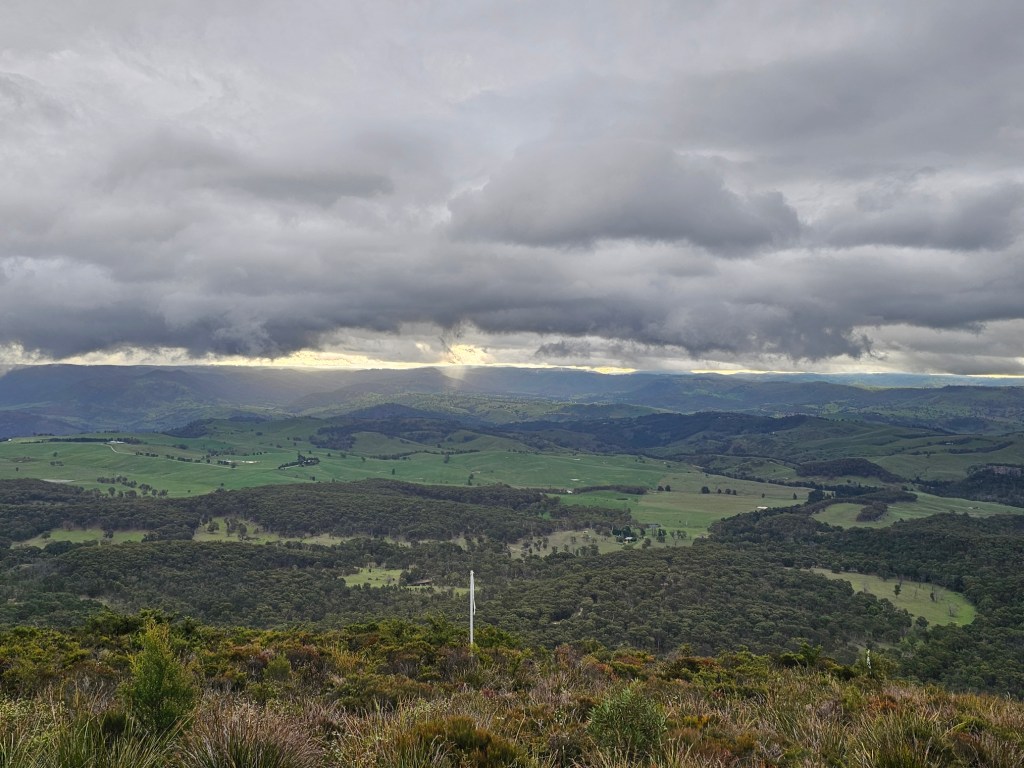
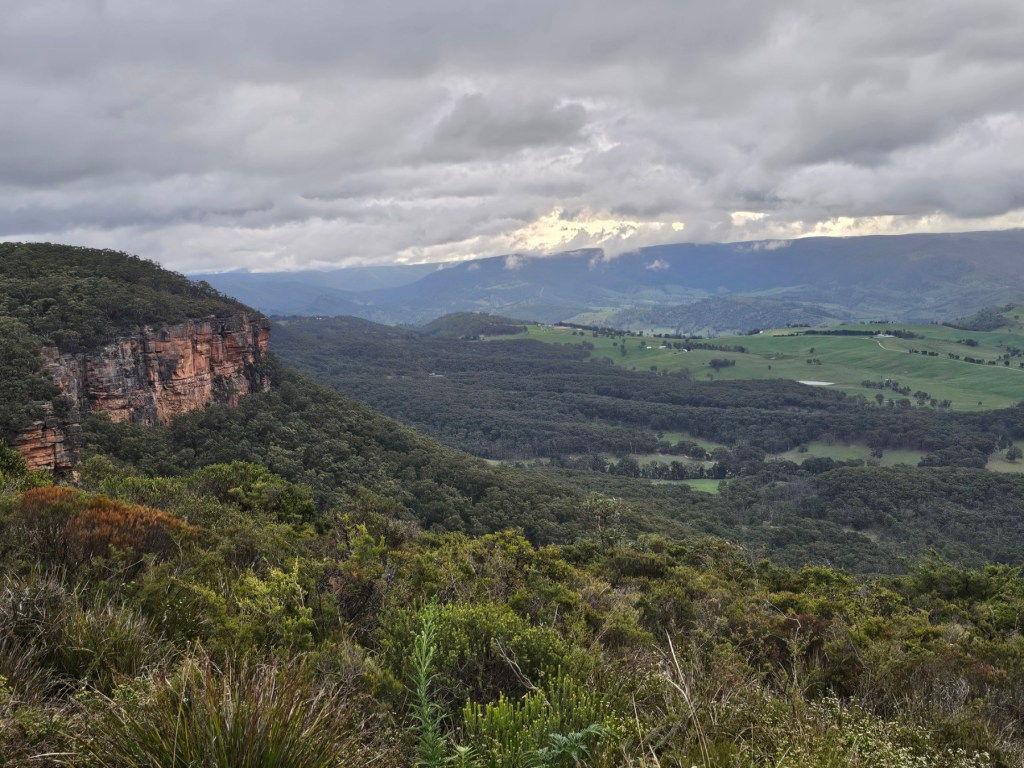
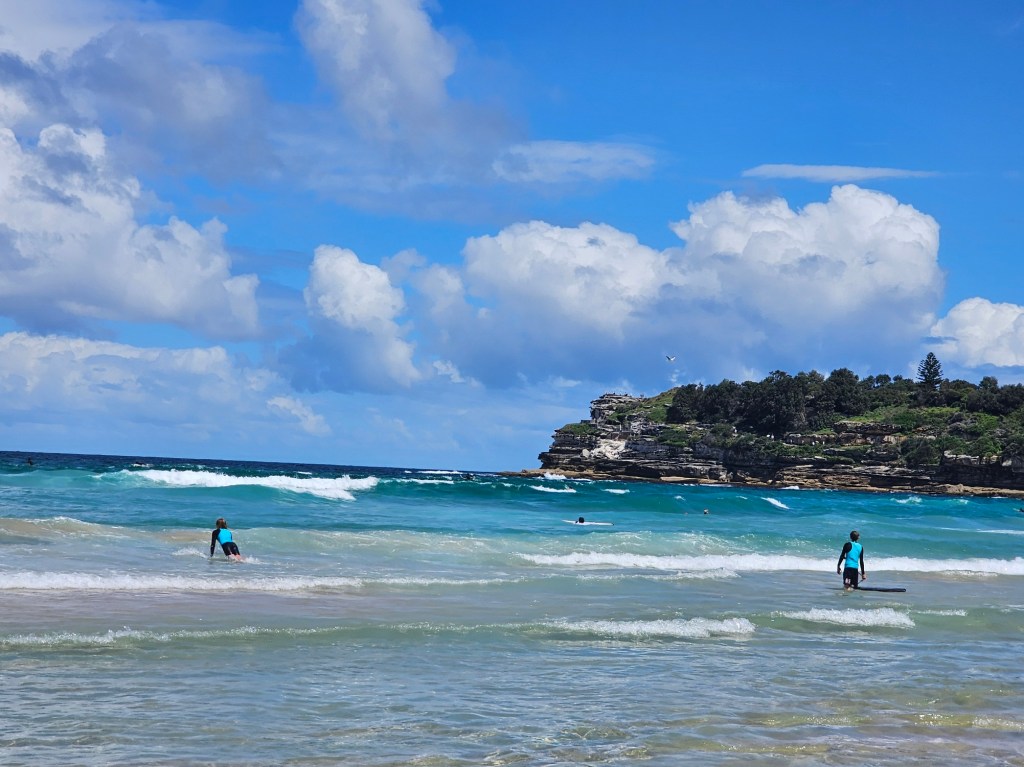
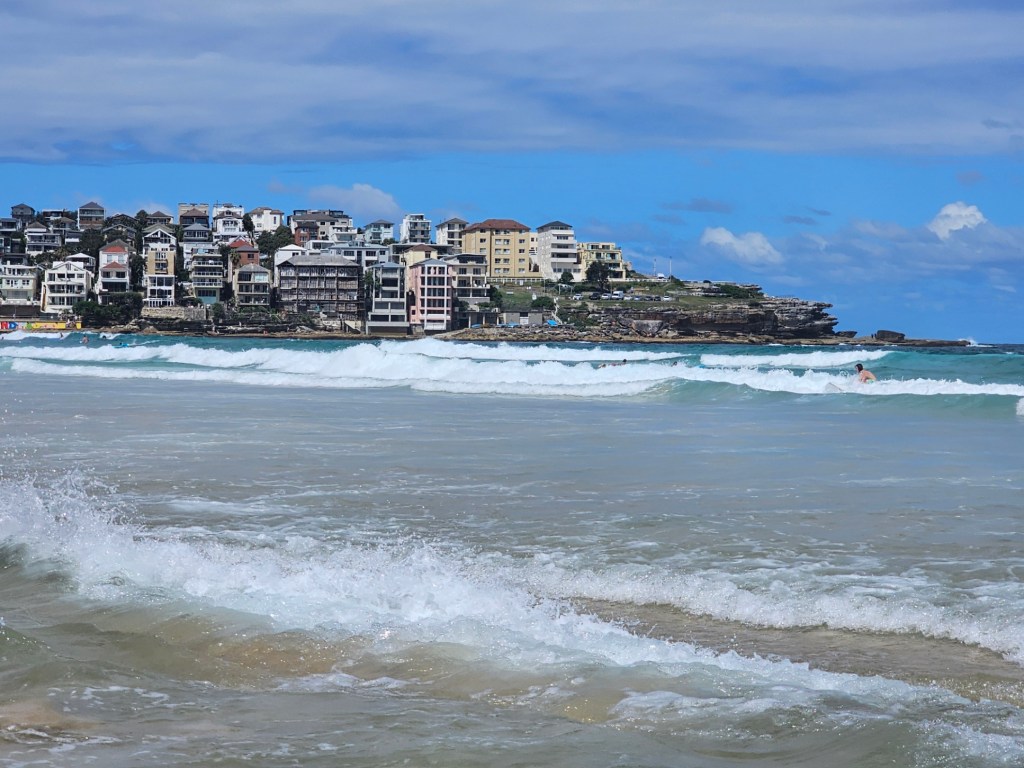
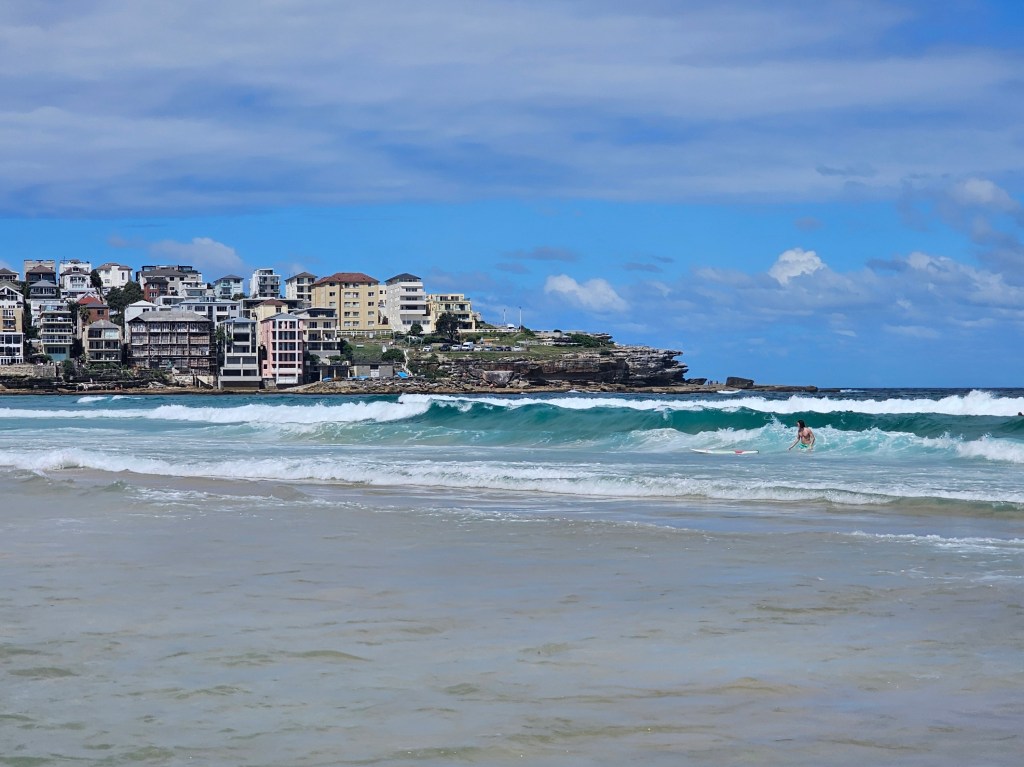
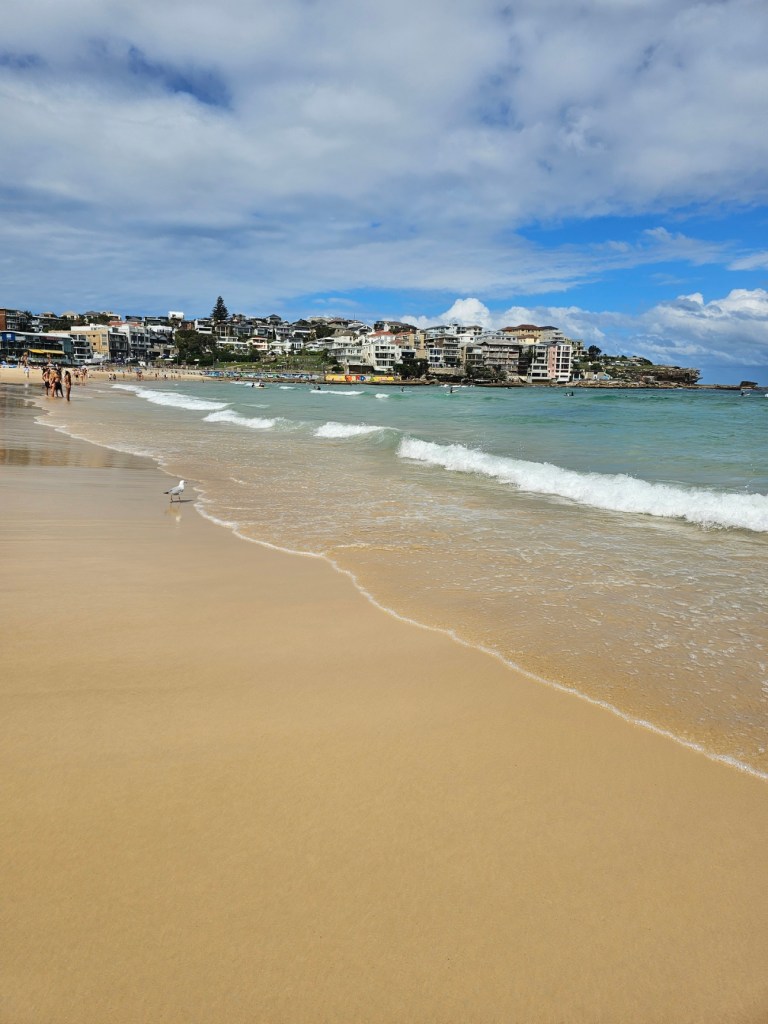
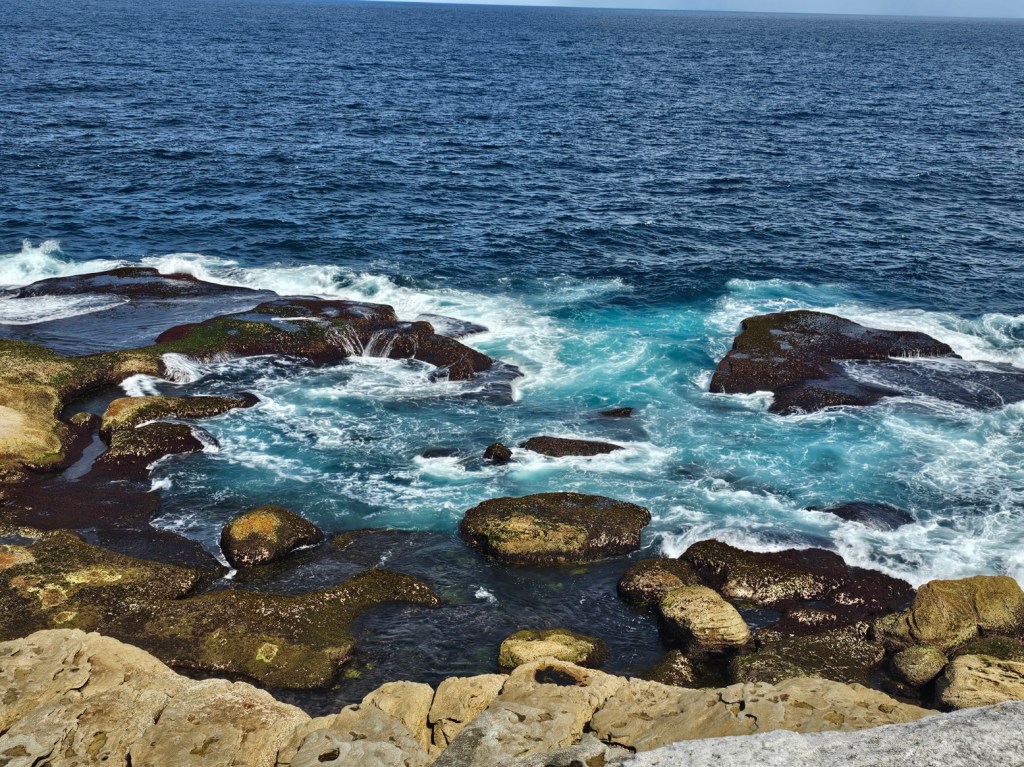
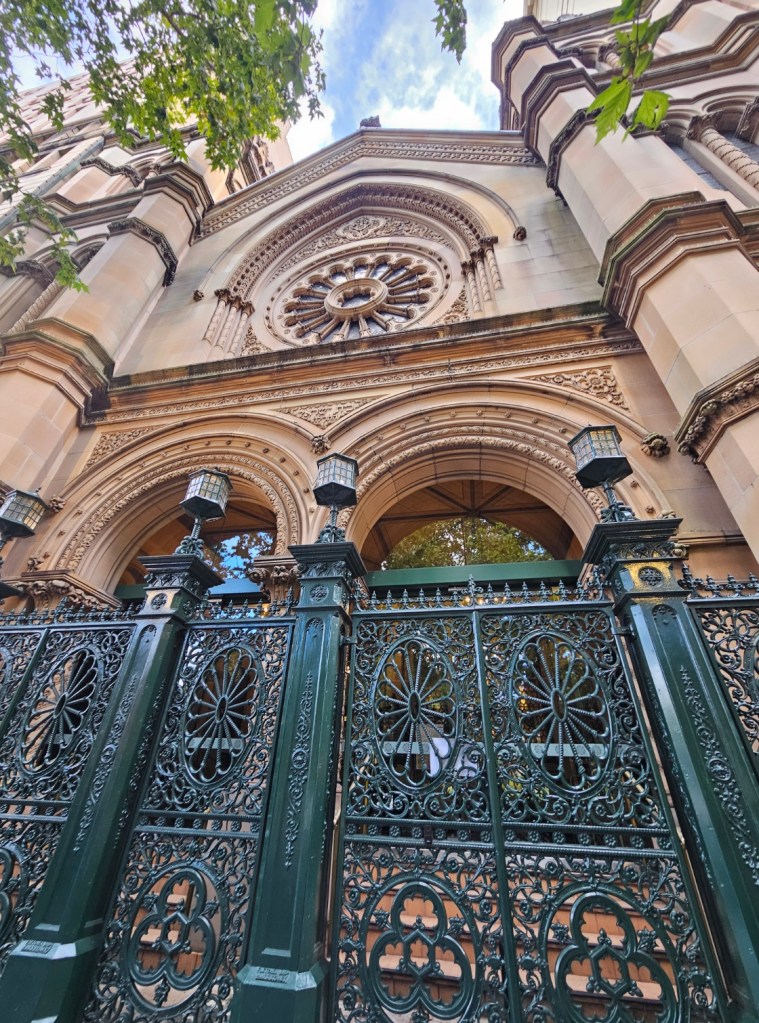
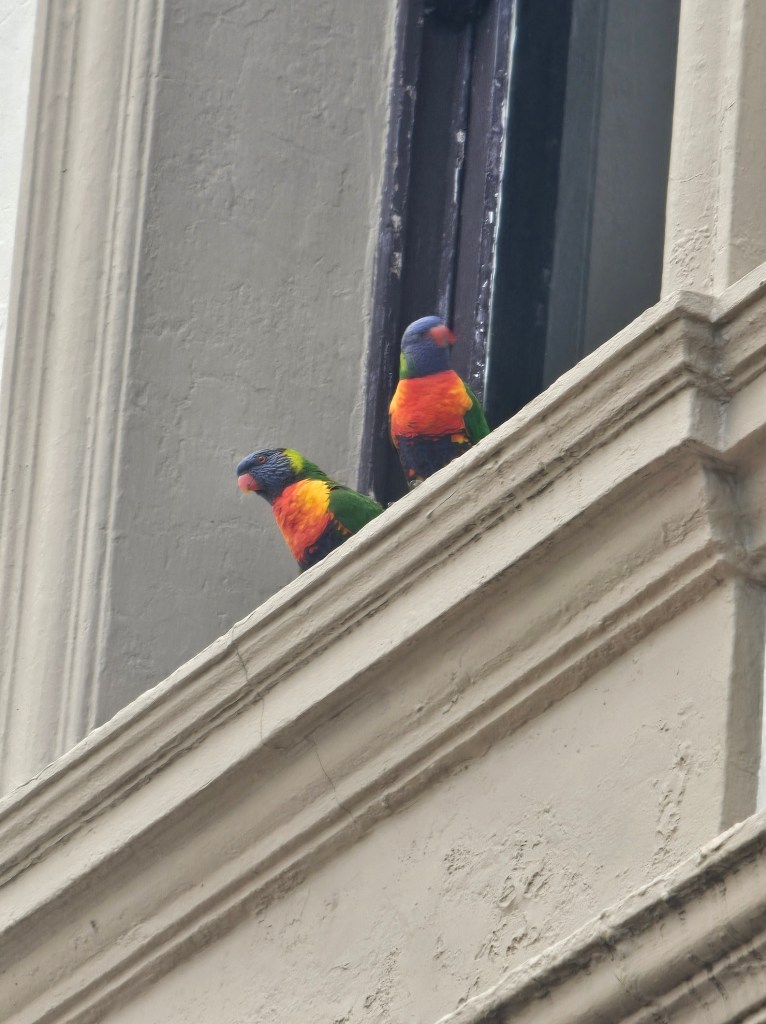
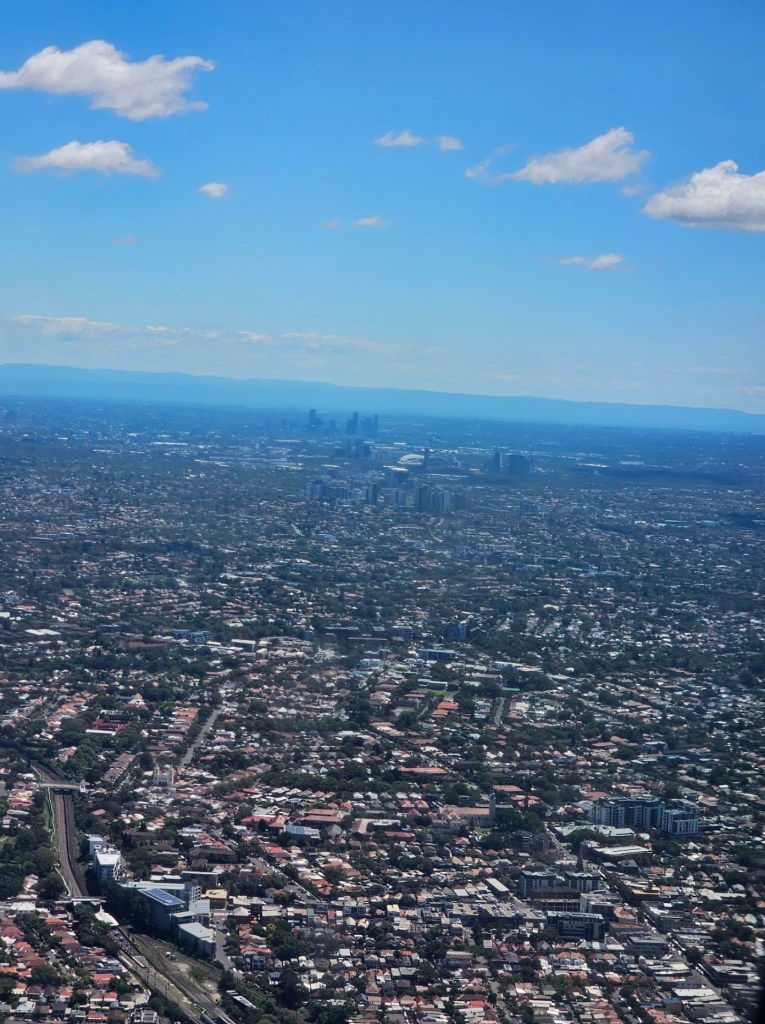
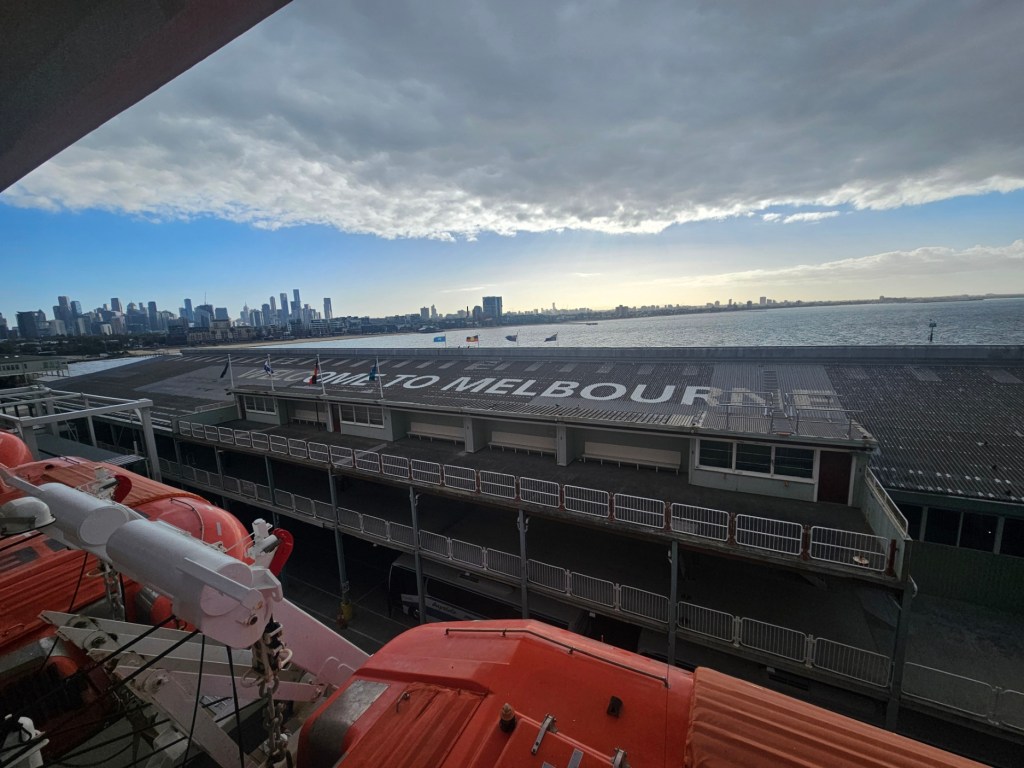
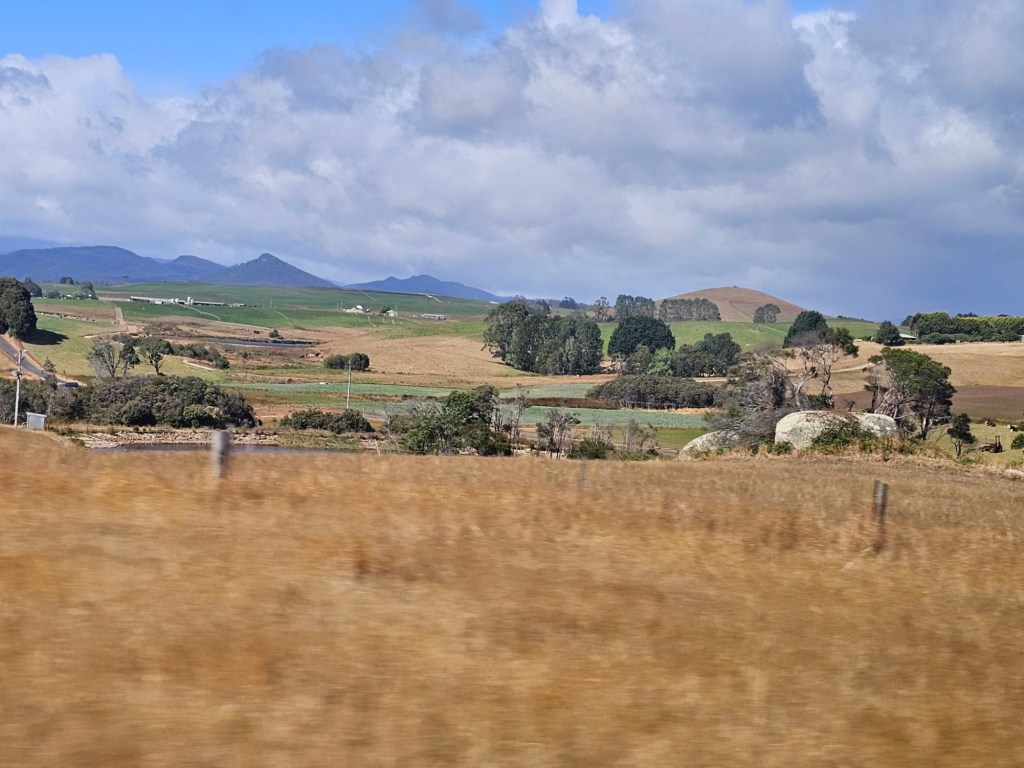
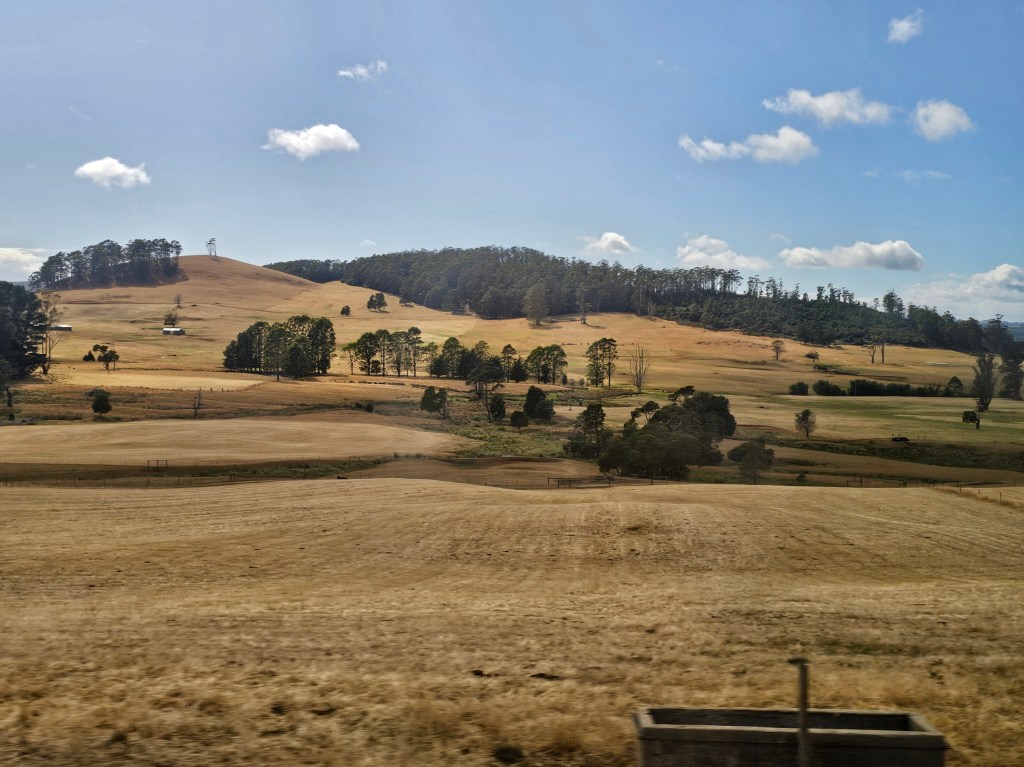
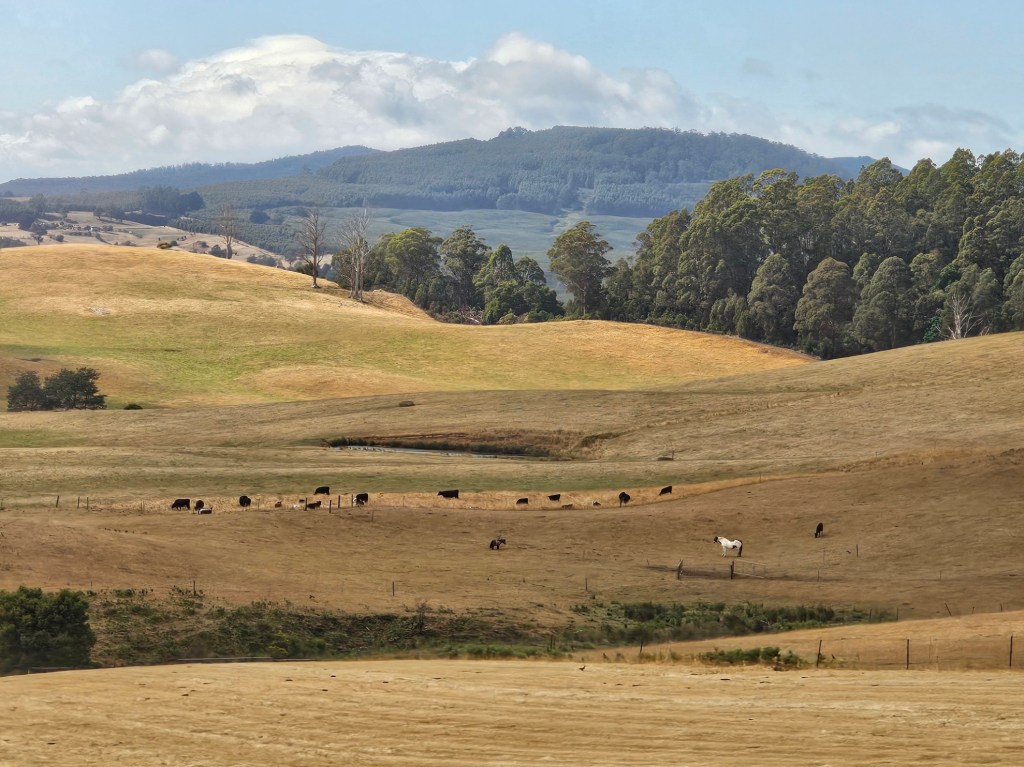
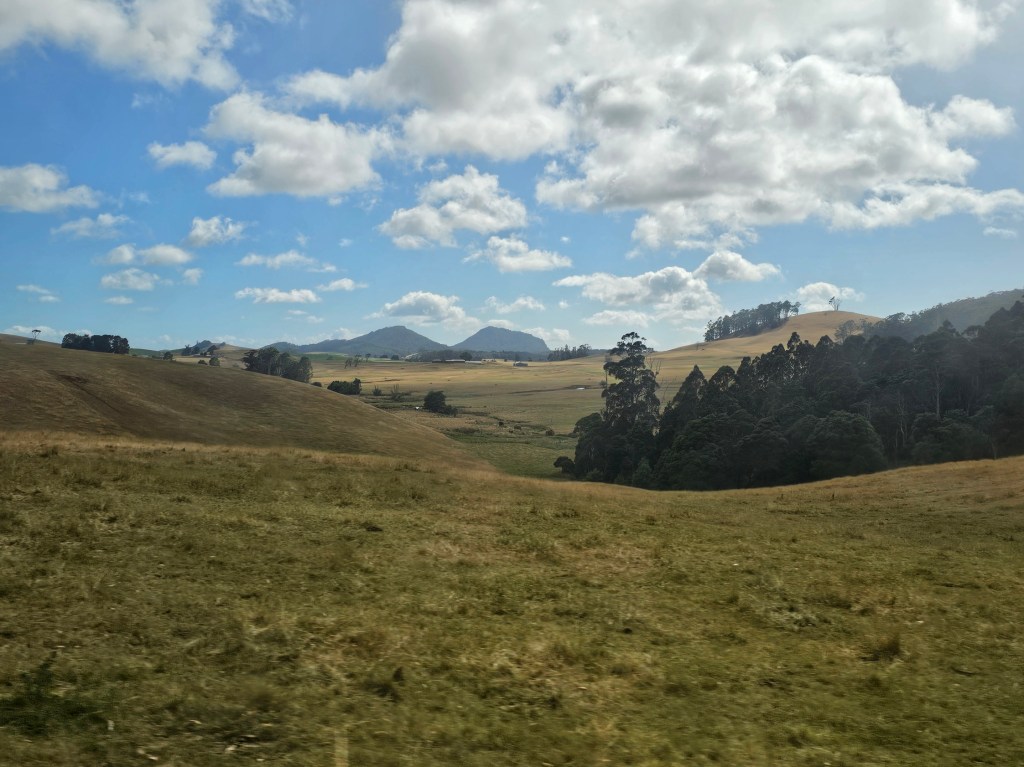
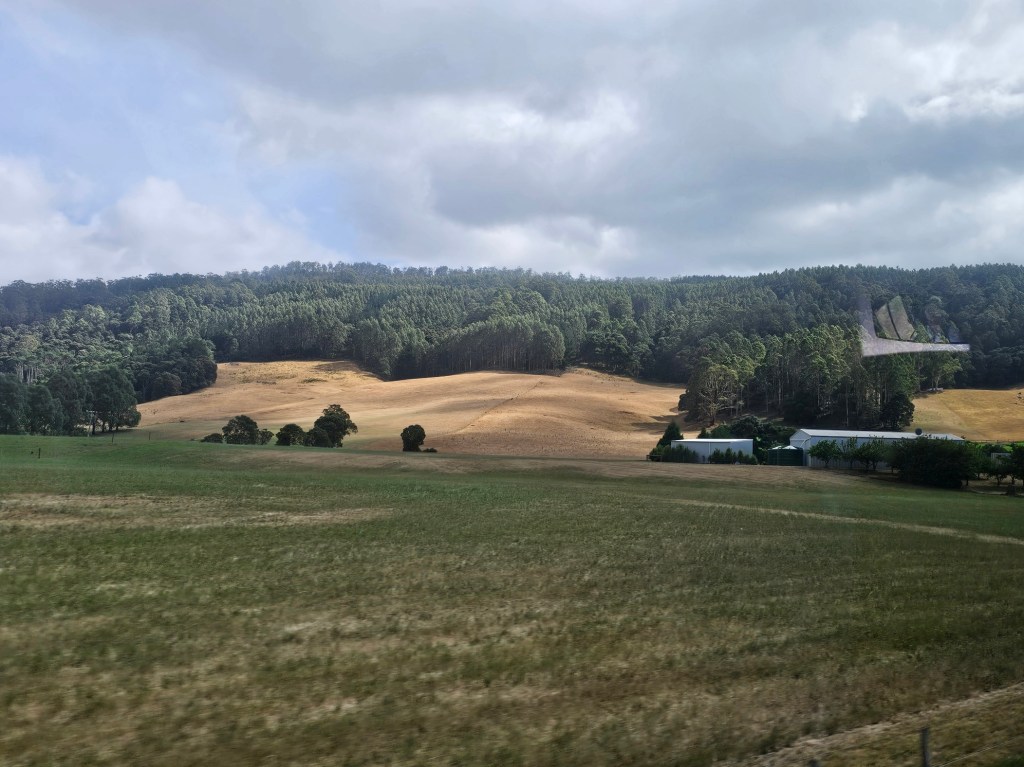
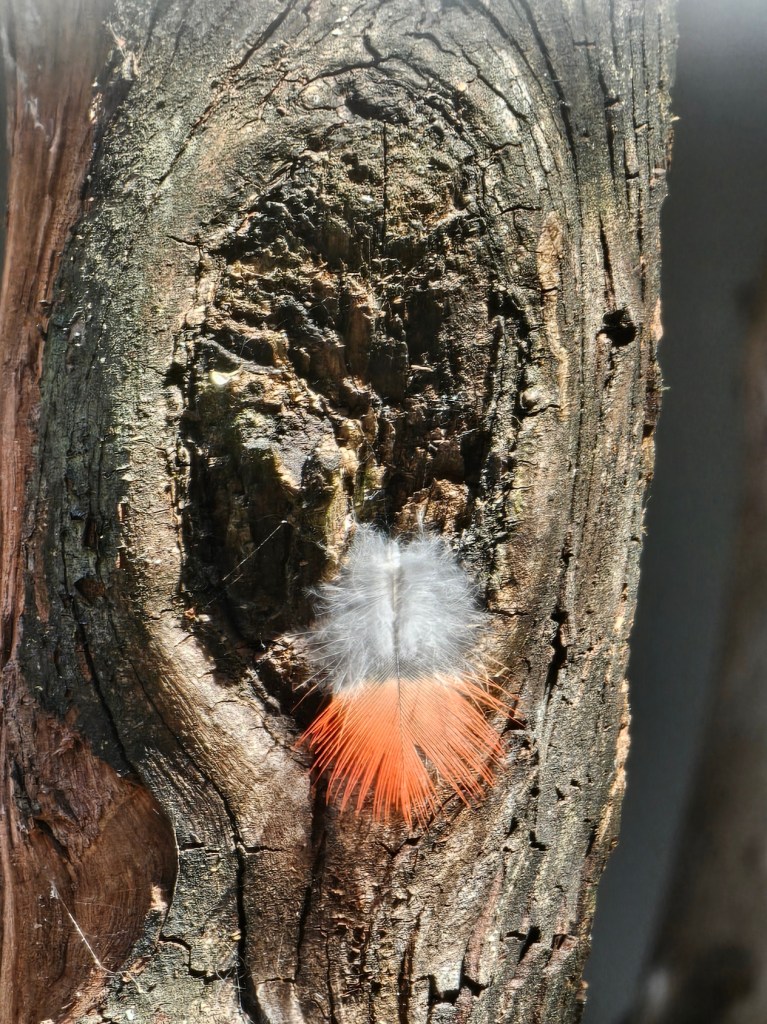
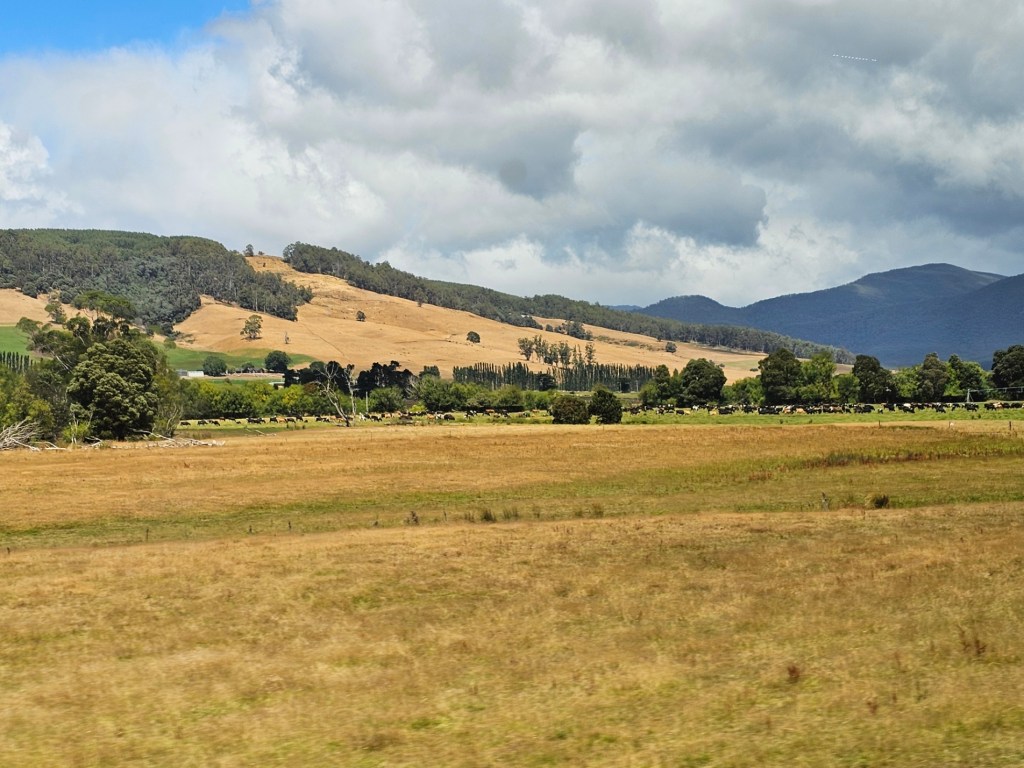
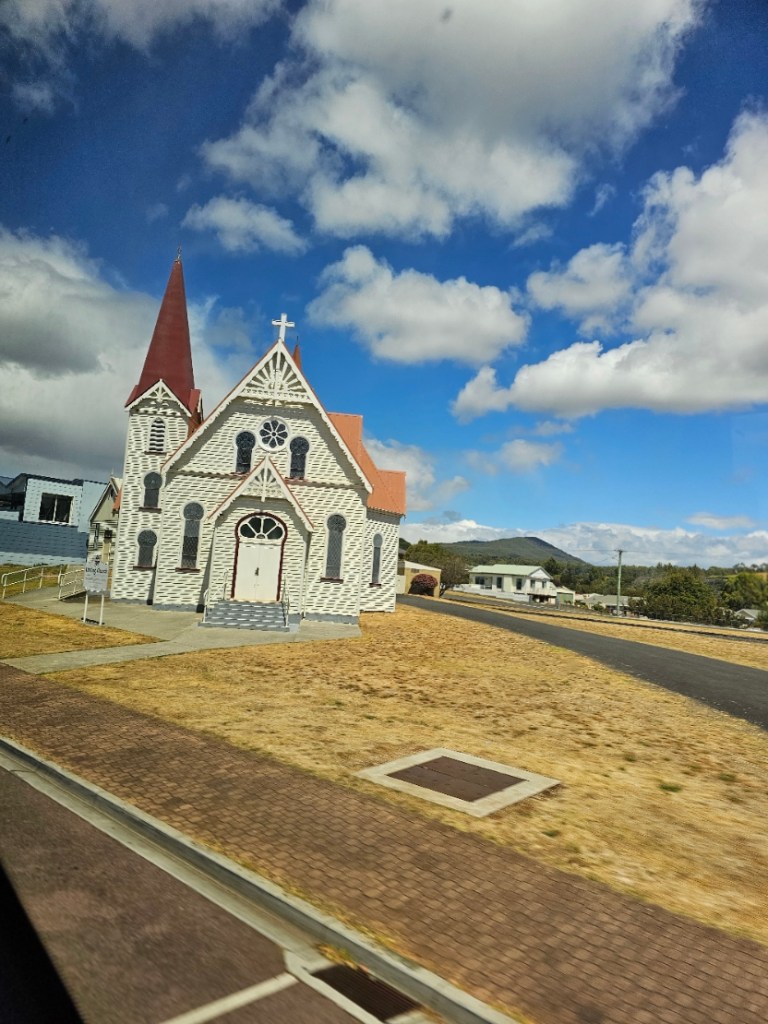
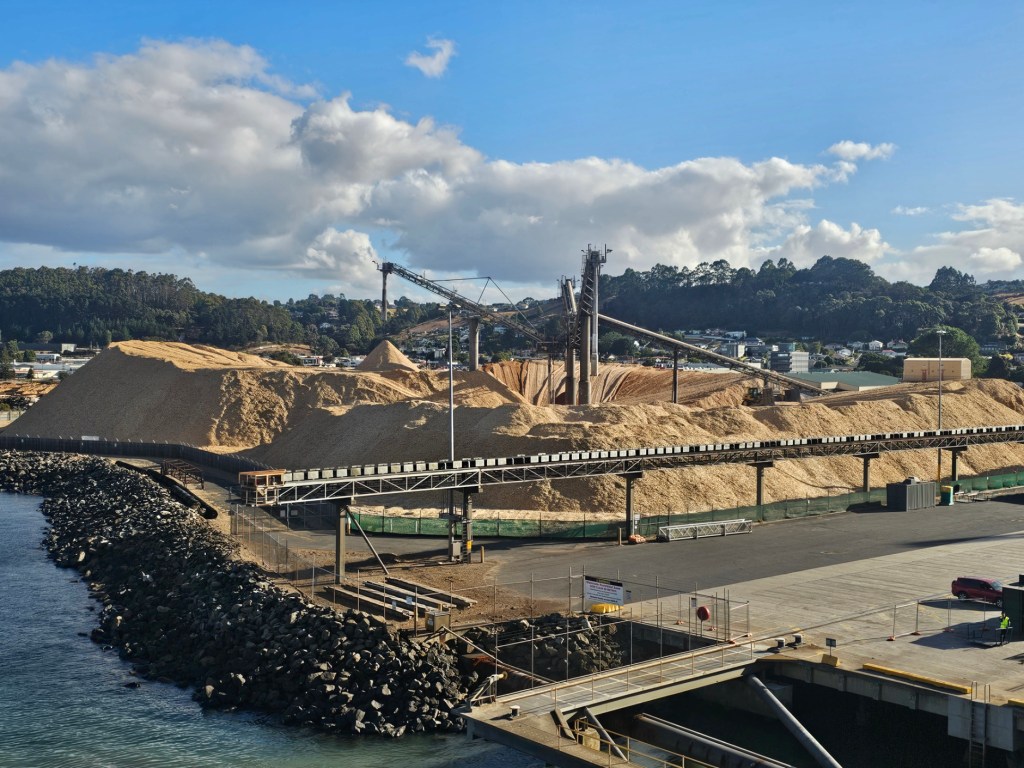
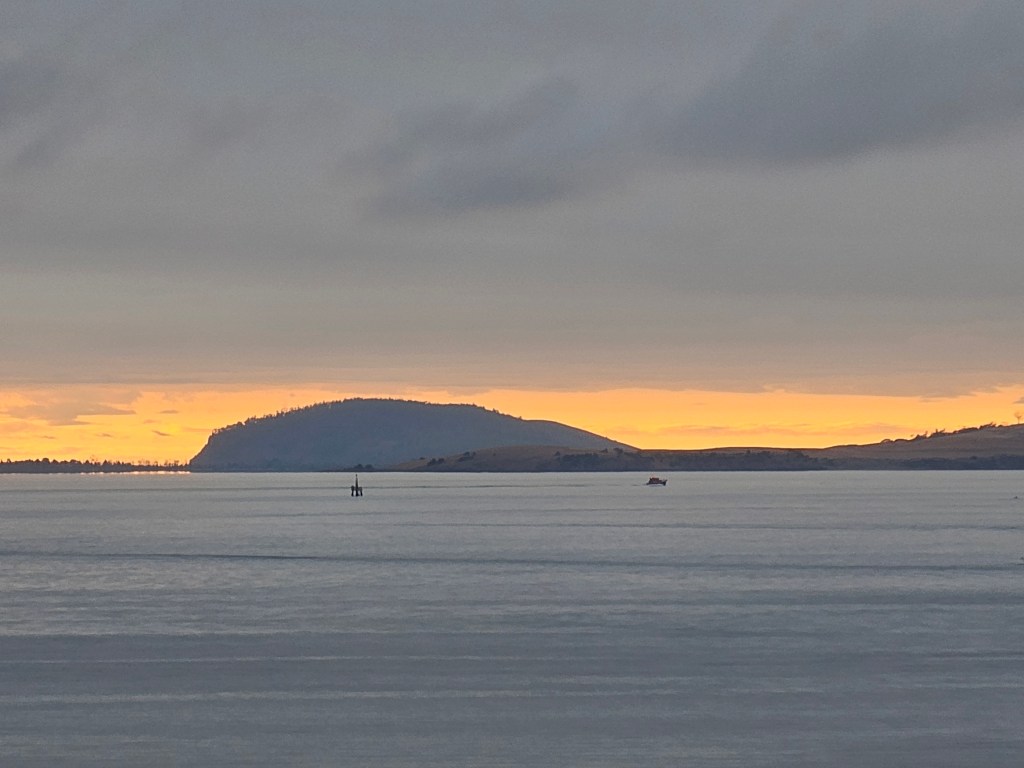
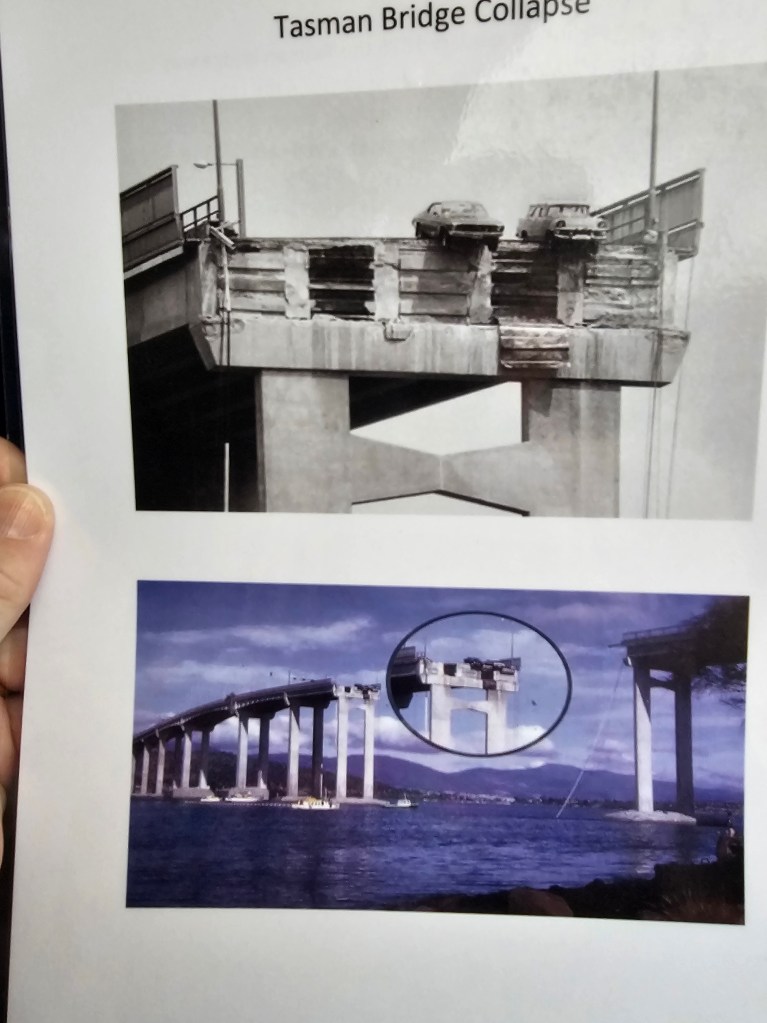
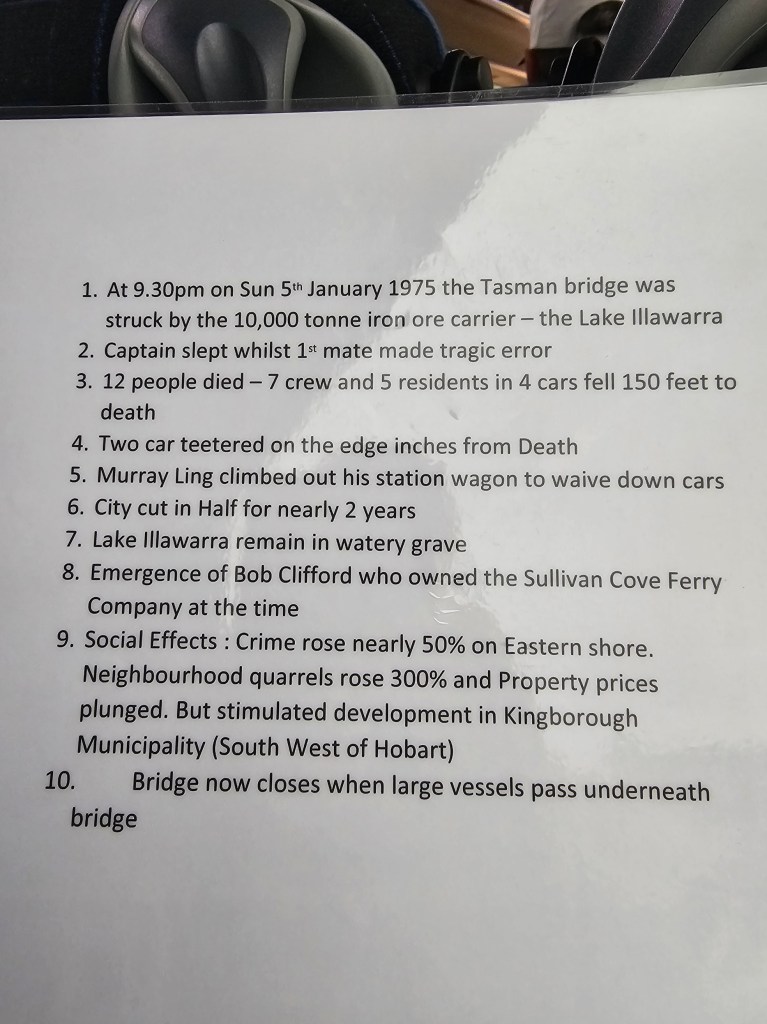
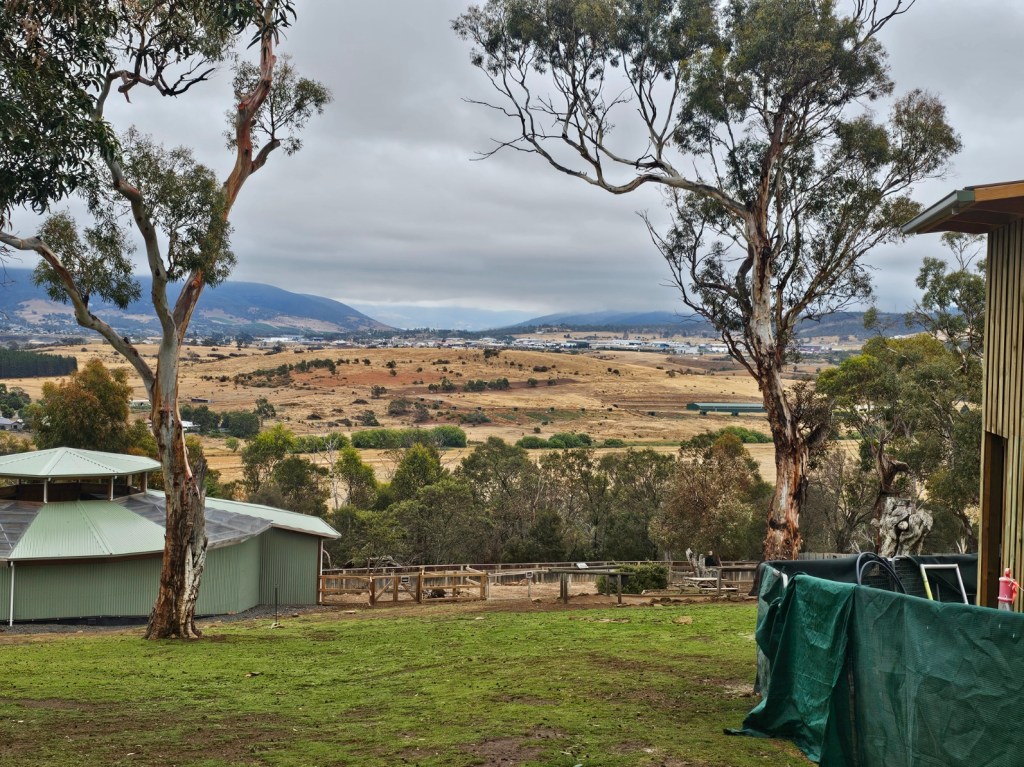
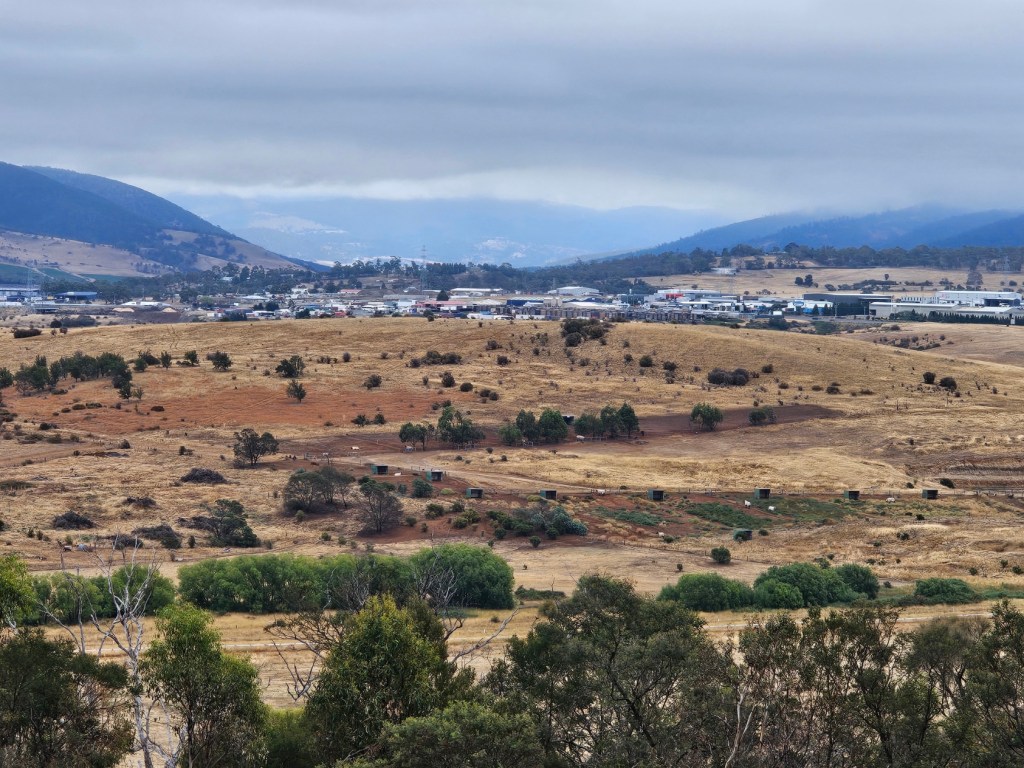
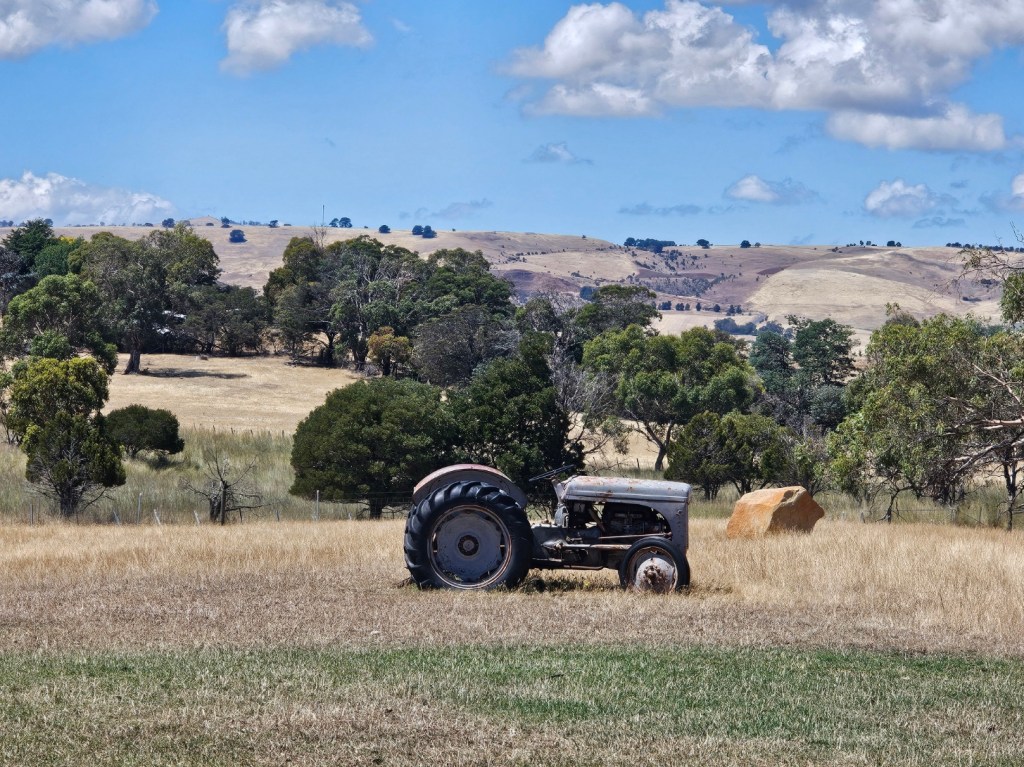
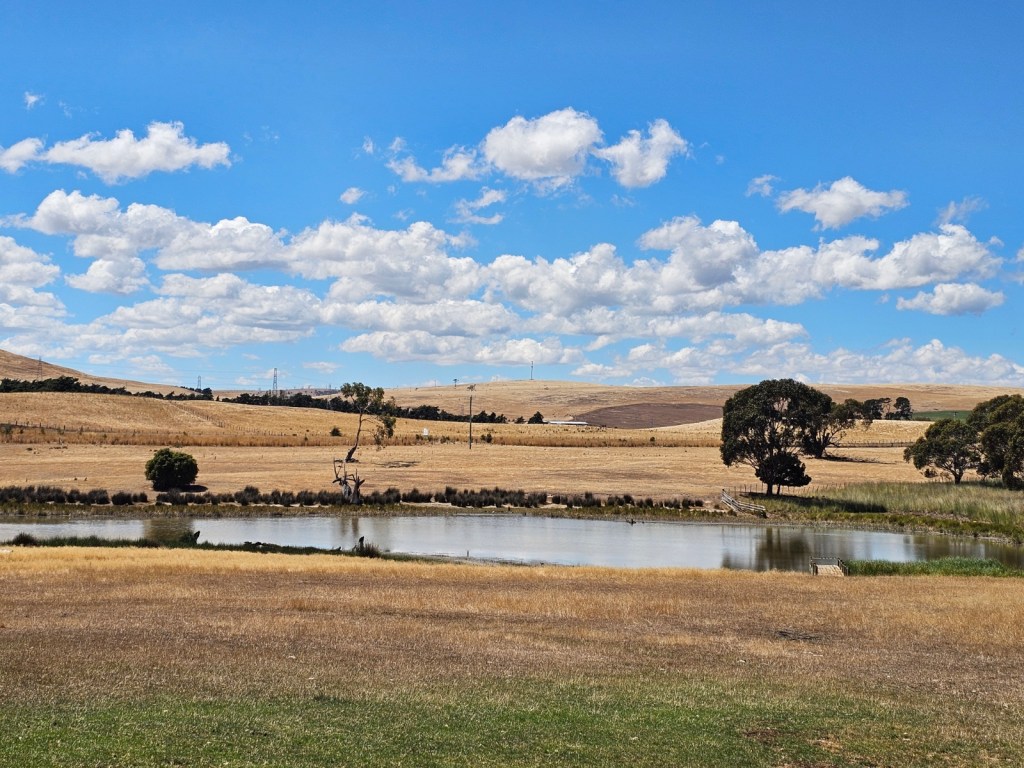
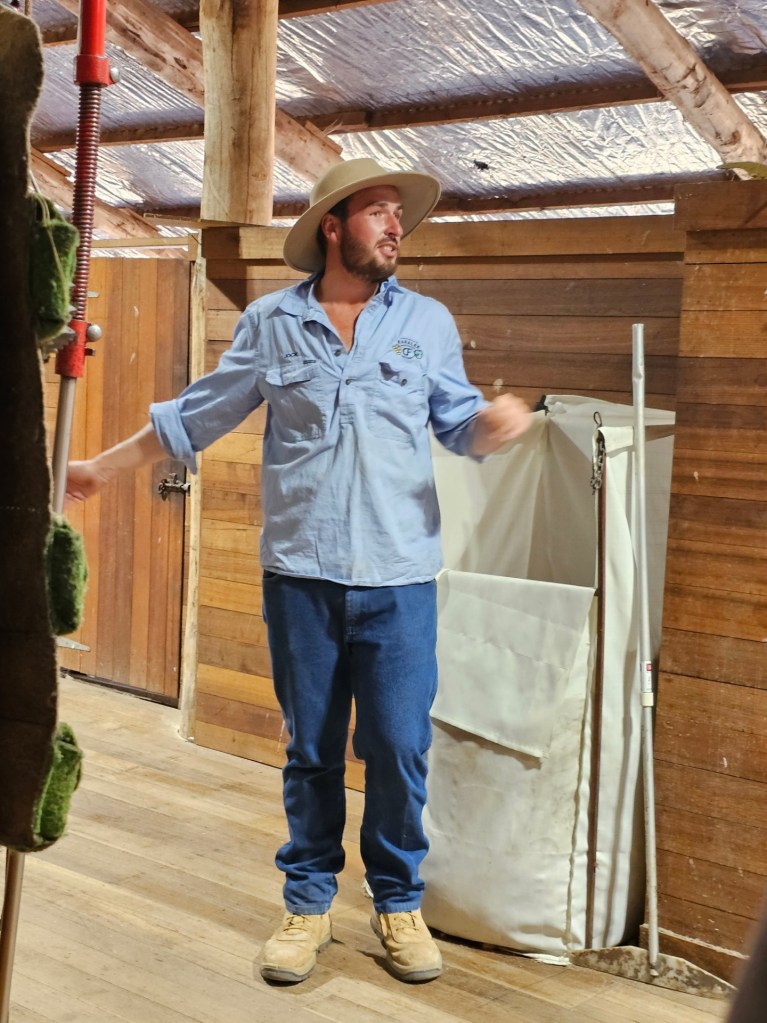
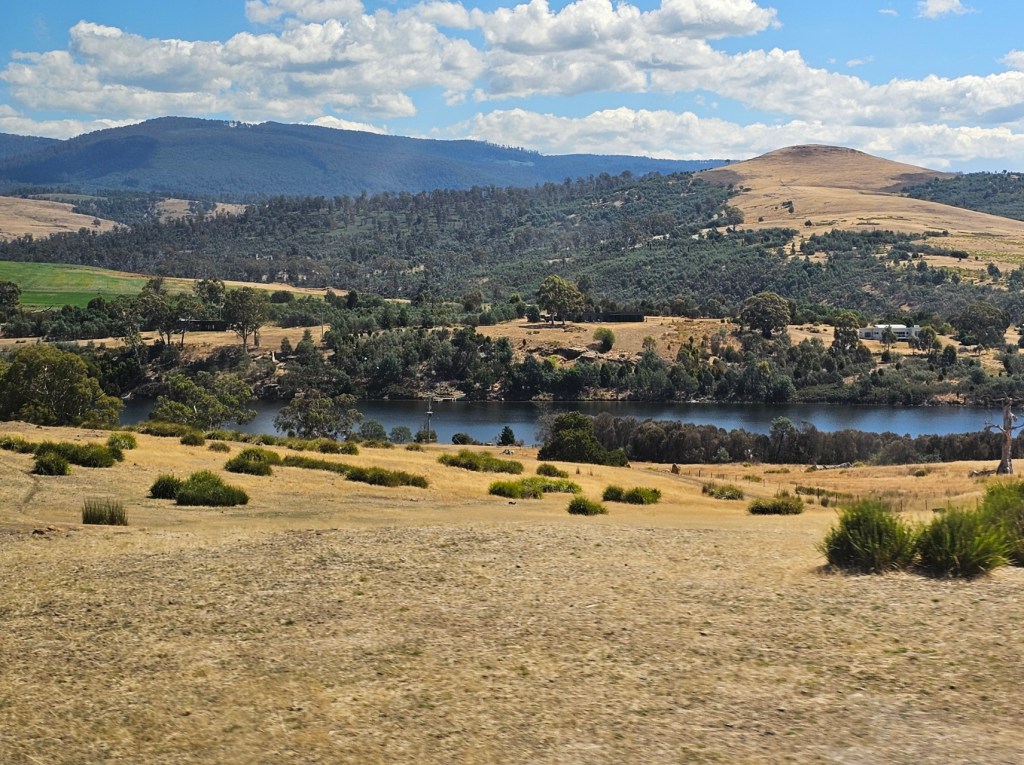
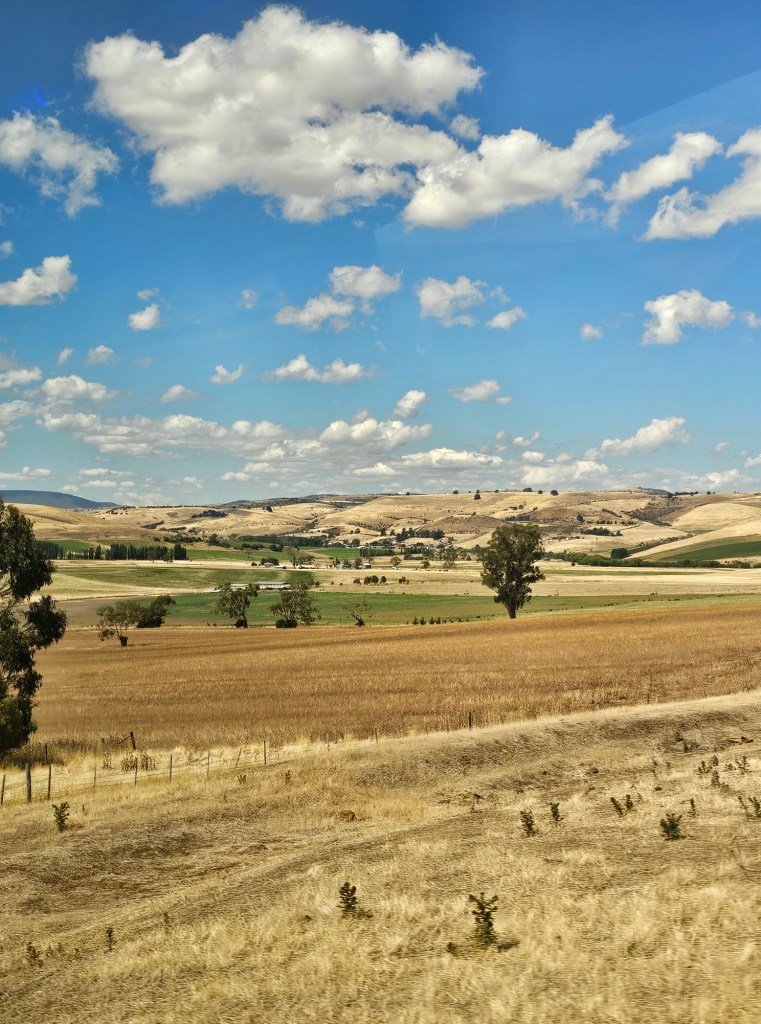
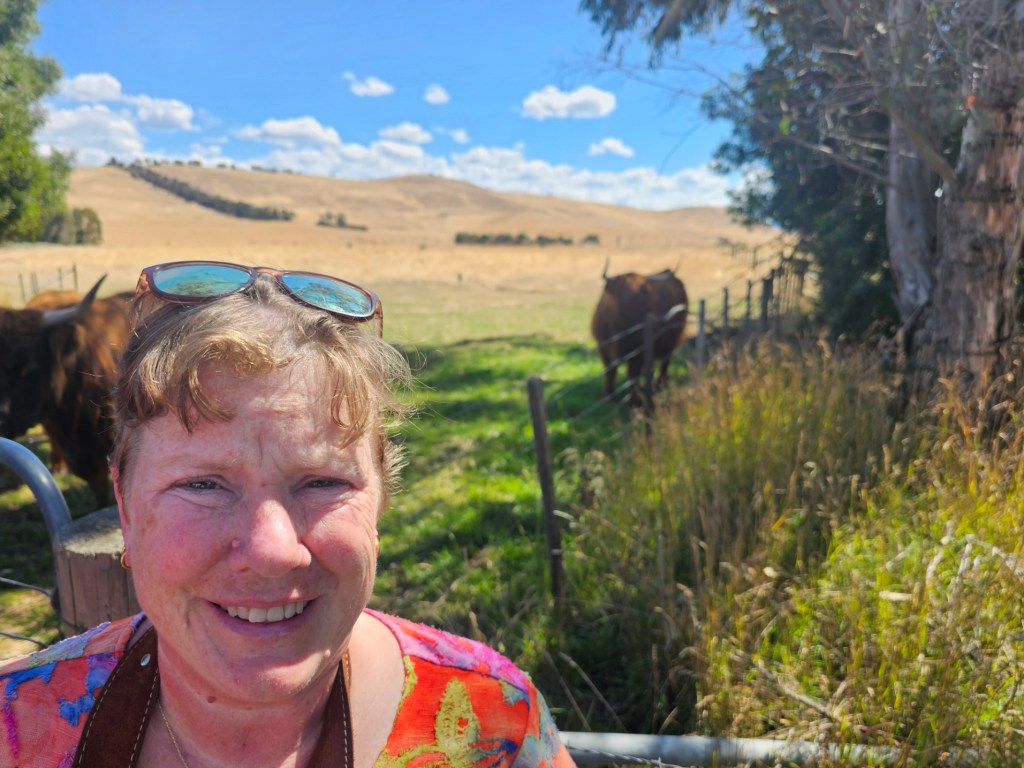
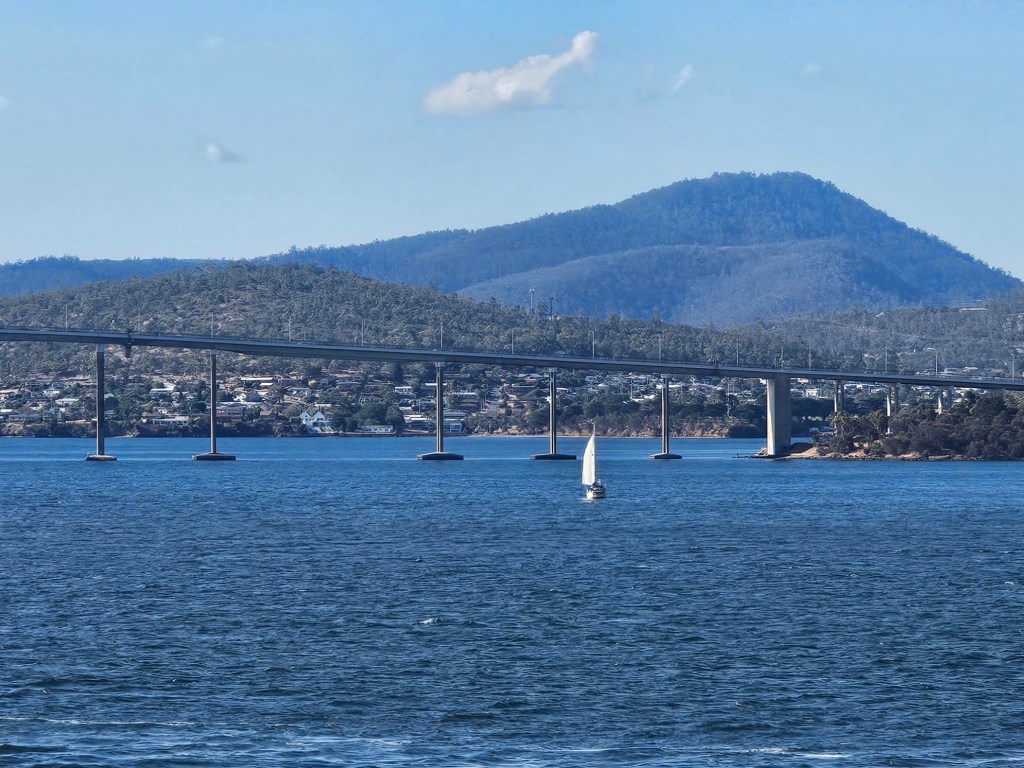
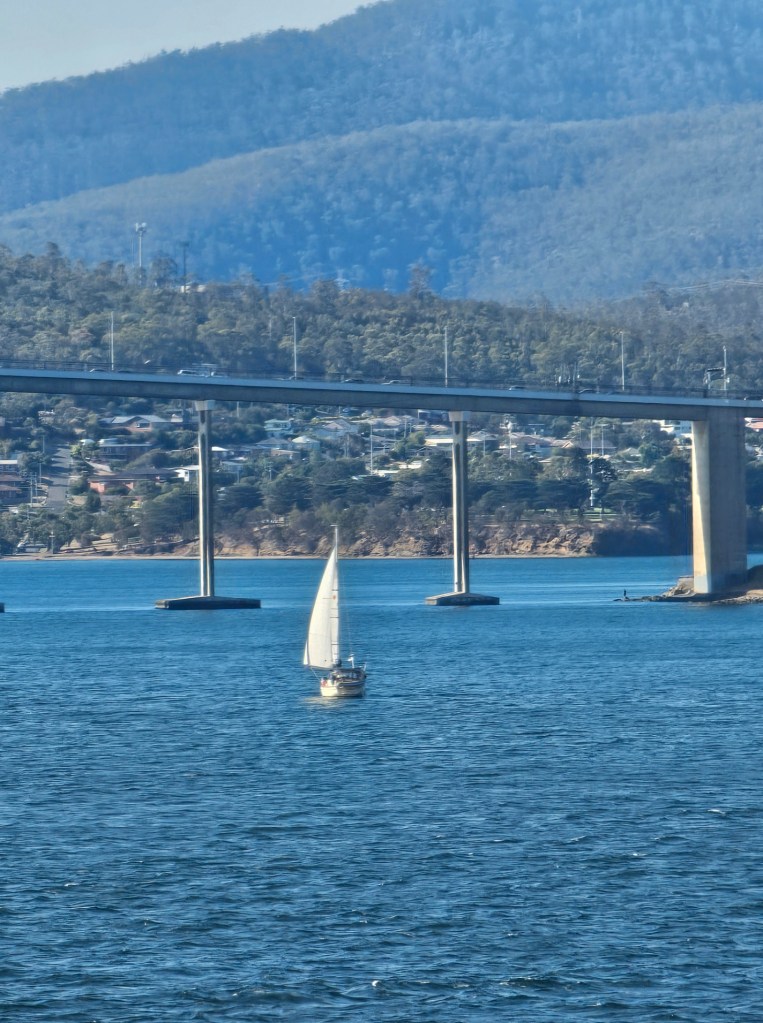
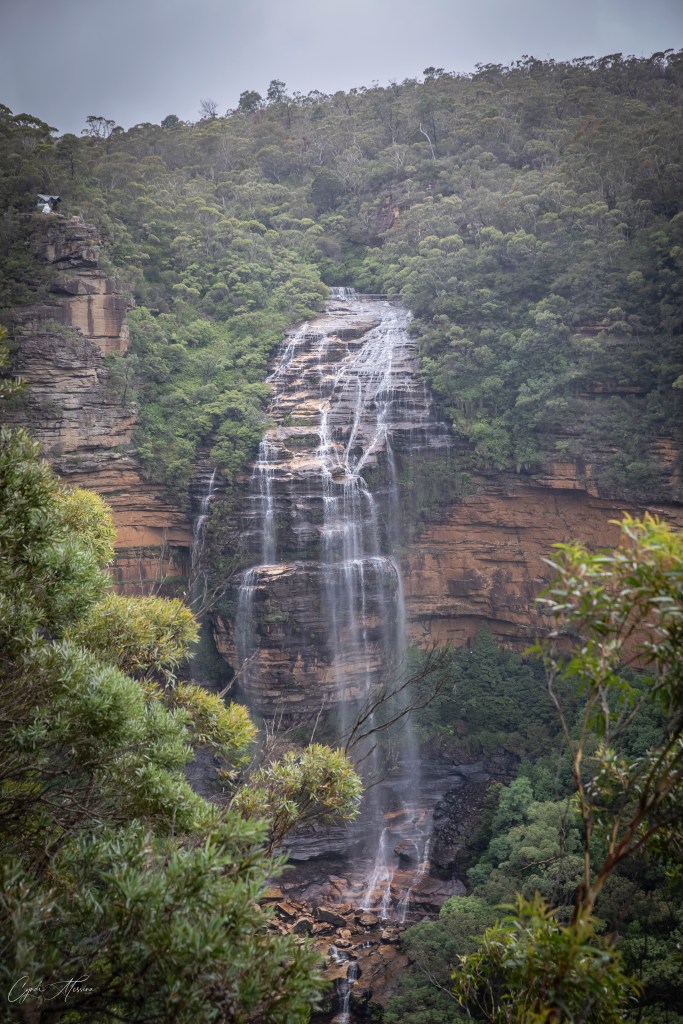
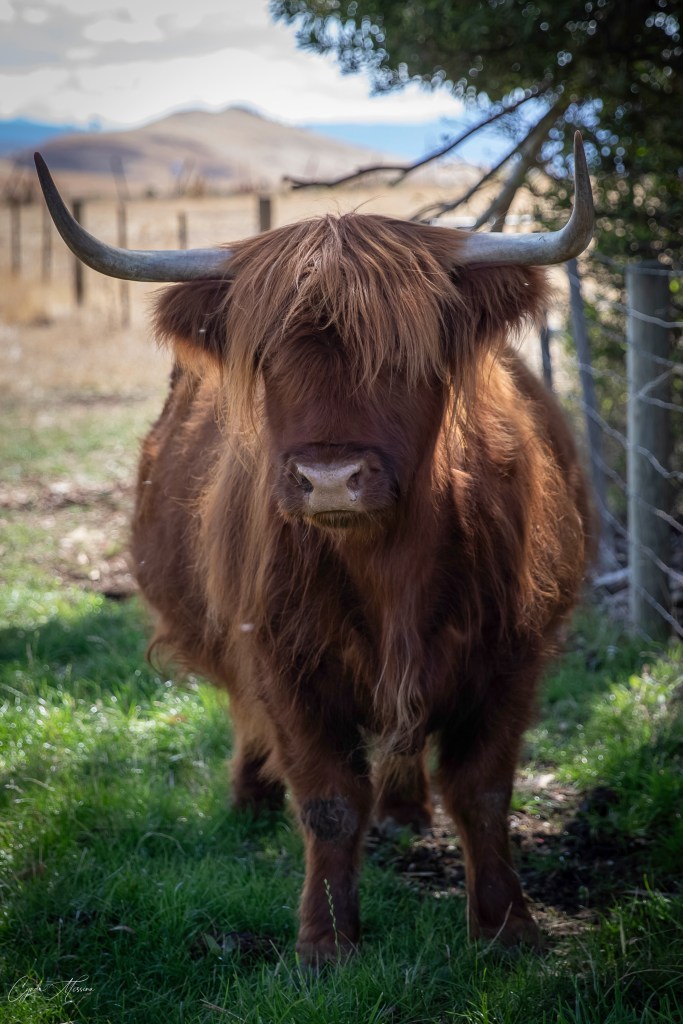
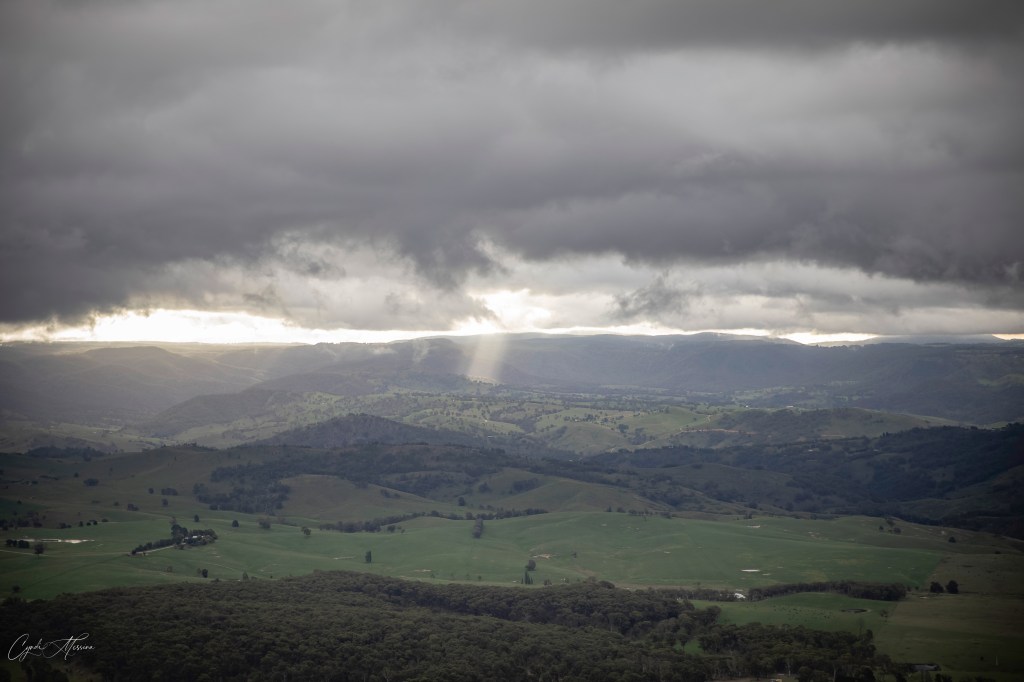
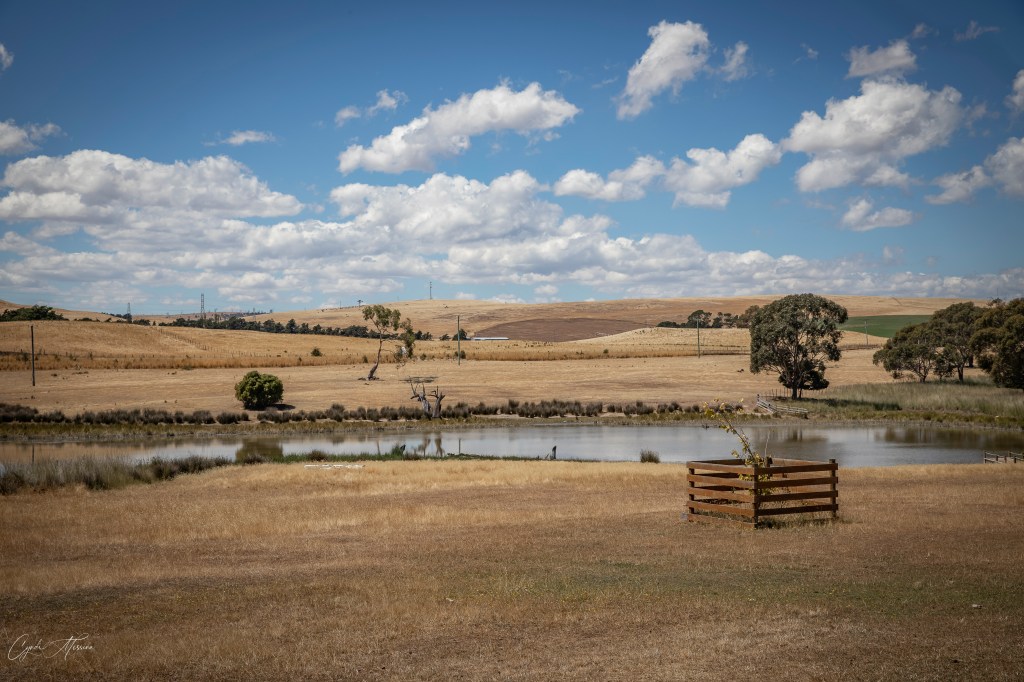
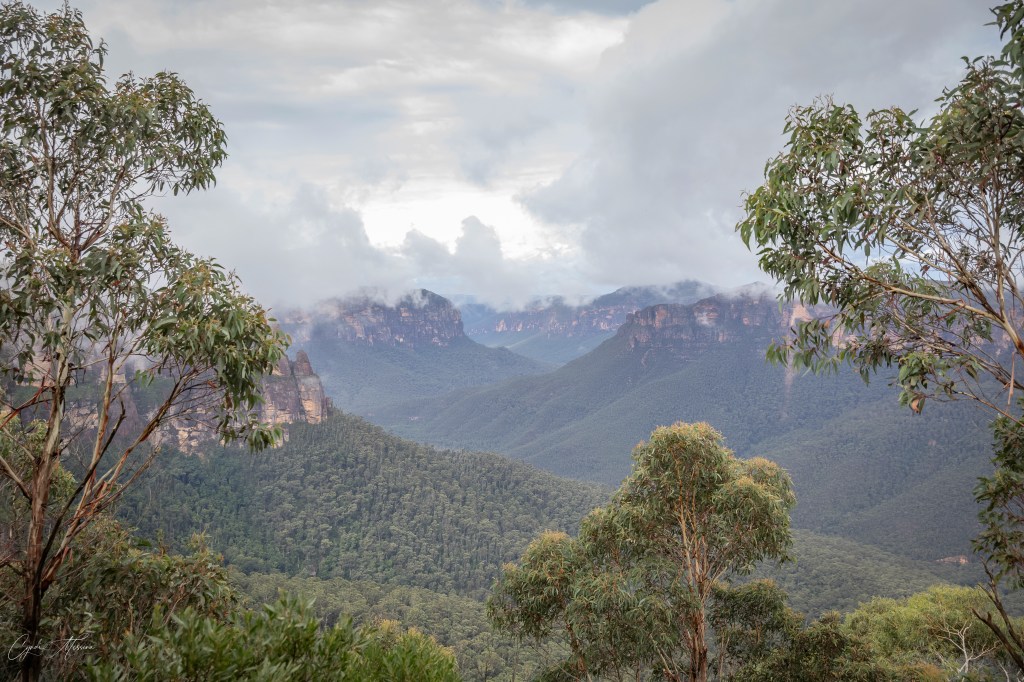
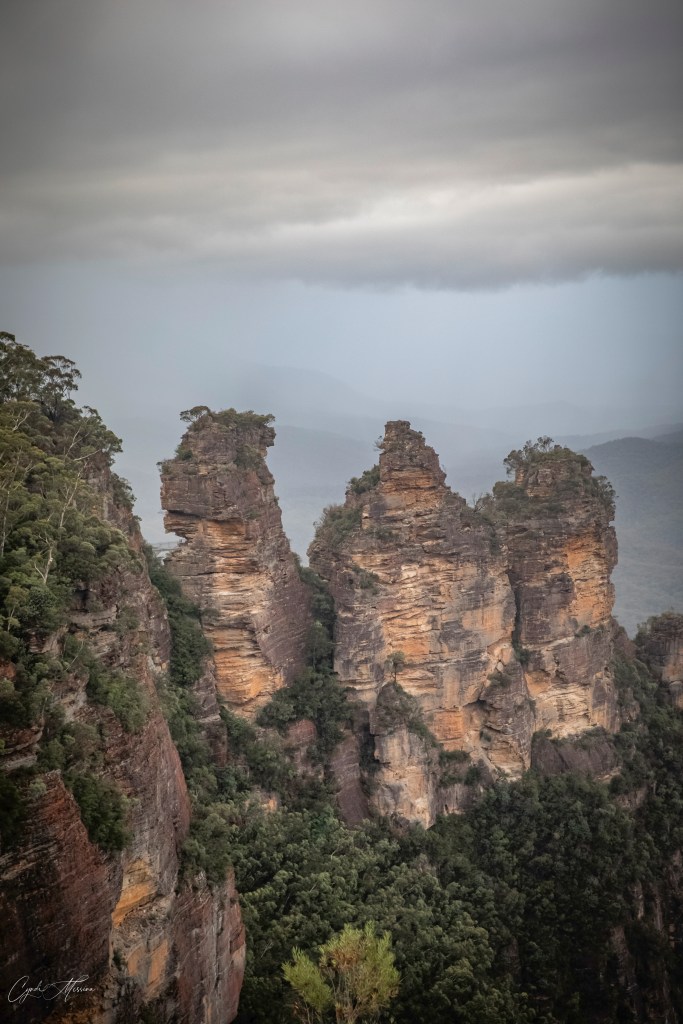
Hobart was our first steps on Australian soil. Tasmania is an island south east of Australia, but is a state of Australia – one of six states. I think we all decided that this was our favorite stop of the entire trip. We really got around and made a lot of stops, so that is saying a lot. We had two stops in Tasmania – one in the south and one in the north. This was the southern stop. We had a long day guided tour on this stop and it did not disappoint! Our guide, Marbles (yes, that is what he goes by), was a wealth of information. First off, a lot of Aussies call Hobart, “Slow bart”. There is no hurry to be anywhere. At the docks near where we disembarked, there were old apple sheds and wool sheds. That used to be the two big exports from this area. From the 1800’s to 1950, Tasmania was known as the “Apple Isle.” It is now known as the holiday isle and is a place where Australians, New Zealanders, Europeans, and Americans like to come to visit. In 1803 on Nov 26th, Tasmania was colonized by the British to establish a penal colony. It wasn’t named Tasmania until 1856. The River Durwin (278 km up the middle of Tasmania) and Mt. Wellington control the weather within Tasmania. Everyone in Tasmania has a water or mountain view or both. On 5 Jan 1875, a big ship hit two pylons on the bridge in Hobart and knocked the bridge down. It was 9 p.m. on a Sunday and it killed 16 people. Citizens lived on the eastern side of the river. All the shops and schools were on the western side. People had to drive 50 km out of the way to get around the river. It was devasting for the area. Bob Bifford ran a ferry service for $0.20 a ride one way per person to help out. He had large garbage cans he would just have them put their 20 cent piece into. Smart man that he was, he got a liquor license and allowed people to drink on the ferry. The ferry ride was 12 minutes long. The record number of beers consumed on a ferry ride was 10 10 oz bottles of beer. Bob was a high school dropout but he was resourceful. He already had a garage full of trashcans full of 20 cent coins. He decided to charge 80 cents per beer. People would give him a dollar and he would hand them back a 20 cent coin to help get rid of them. Tasmanians are known as being loyal and resilient and he was a prime example of this. He now develops electric boats…expensive catamarans. His first all electric catamaran he sold to Argentina for $30 million.

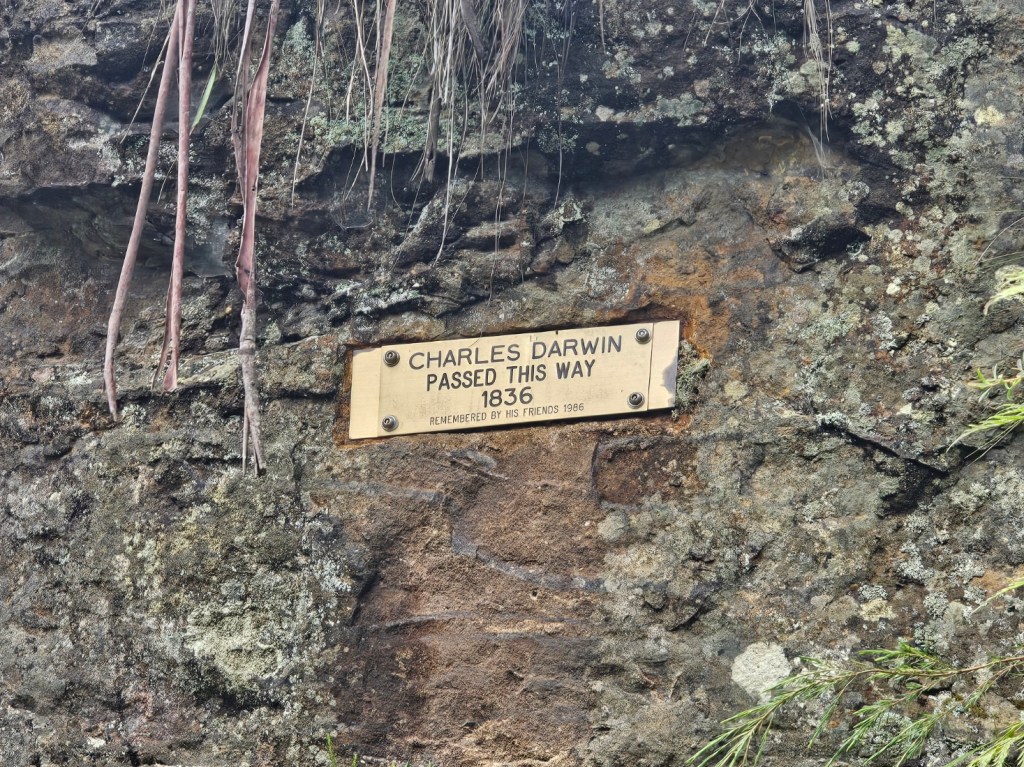
In 1642, Abel Tasmin discovered Tasmania. in 1798, Australia and Tasmania was circumnavigated. The first white settlement was placed in swampland, but quickly moved to Hobart. In 1836, Carles Darwin came to Tasmania and declared it to be “the Noah’s ark of the world.” There are zinc works in the area that are worth billions to the Tasmanian economy. A lot of the dairy products go to China but also to the Cadbury chocolate factory in Hobart.

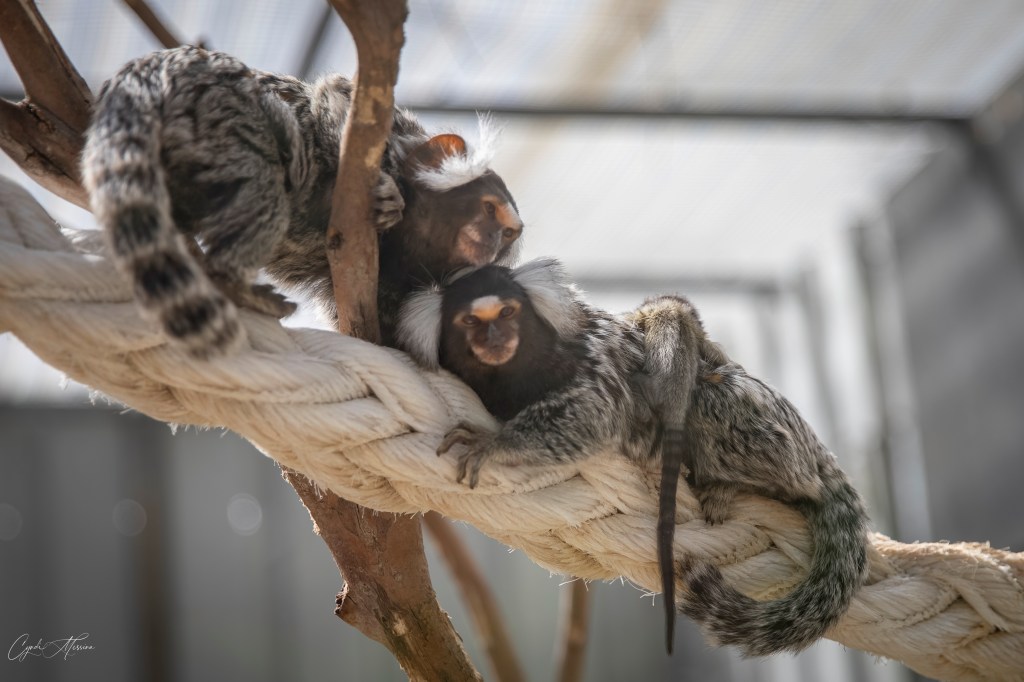
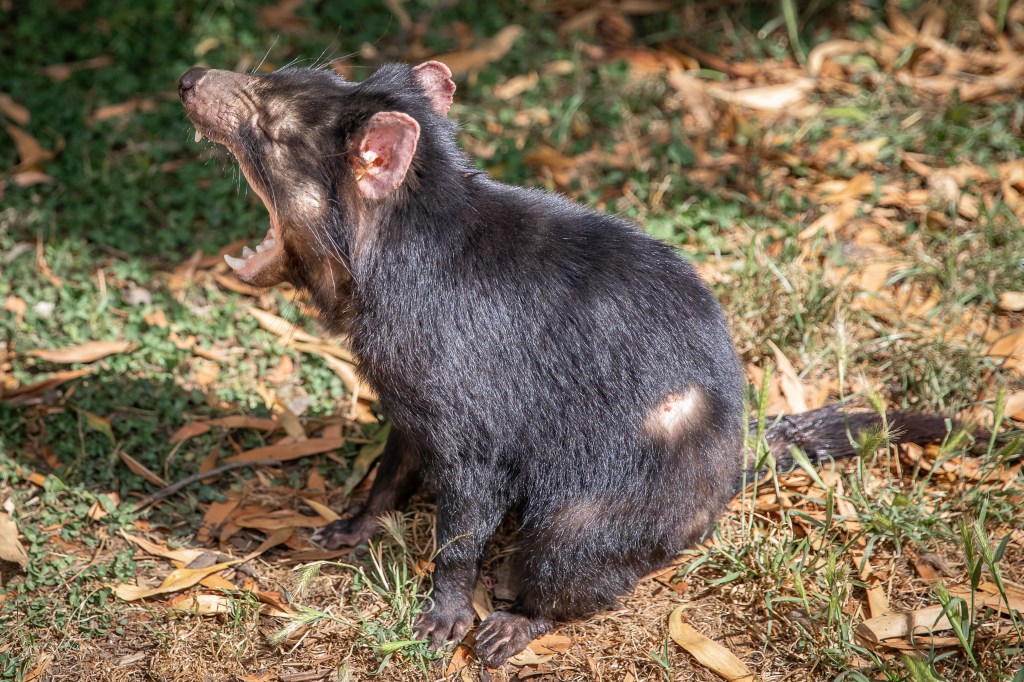
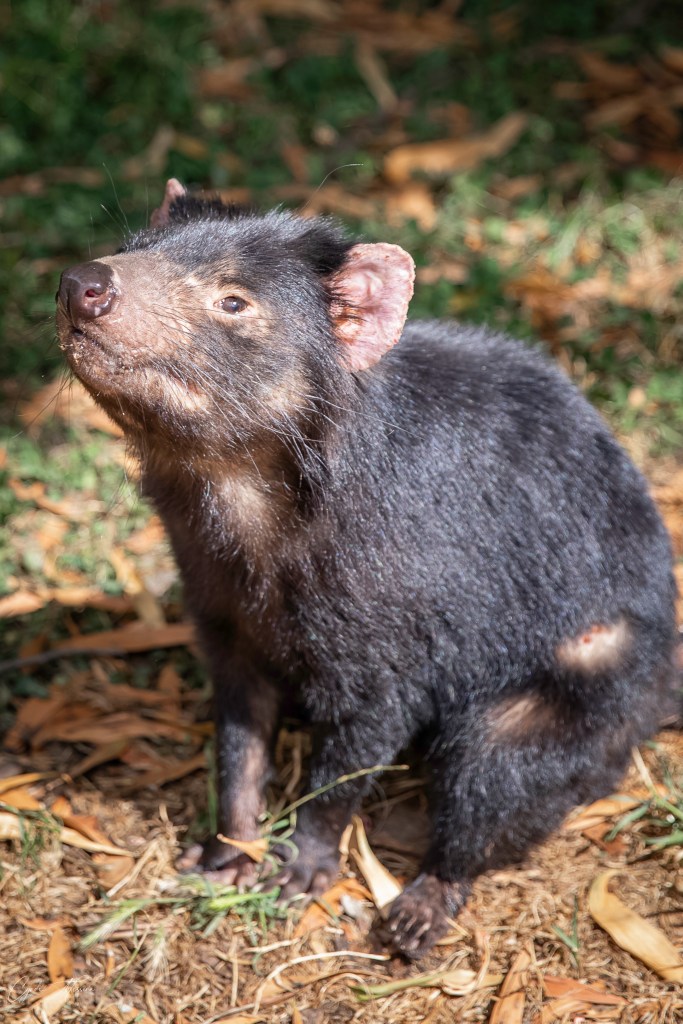
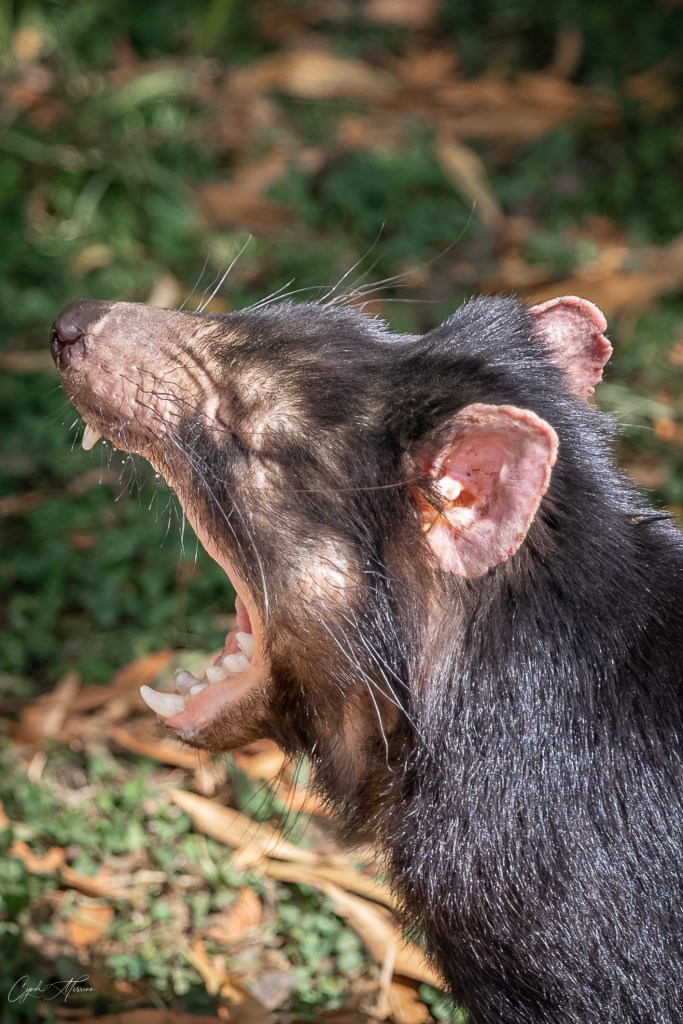
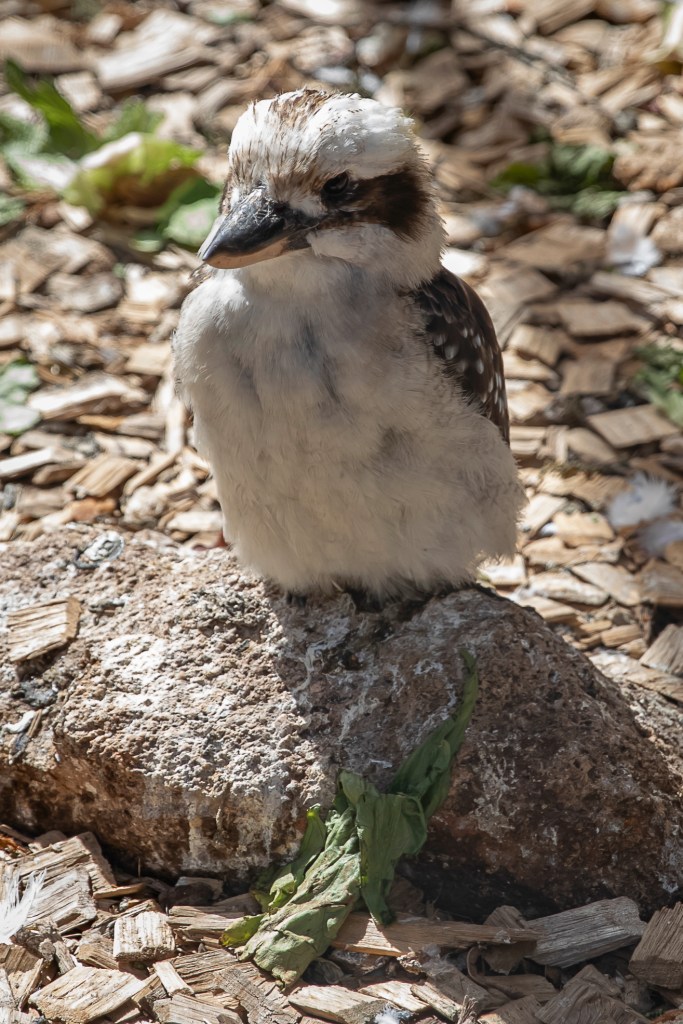
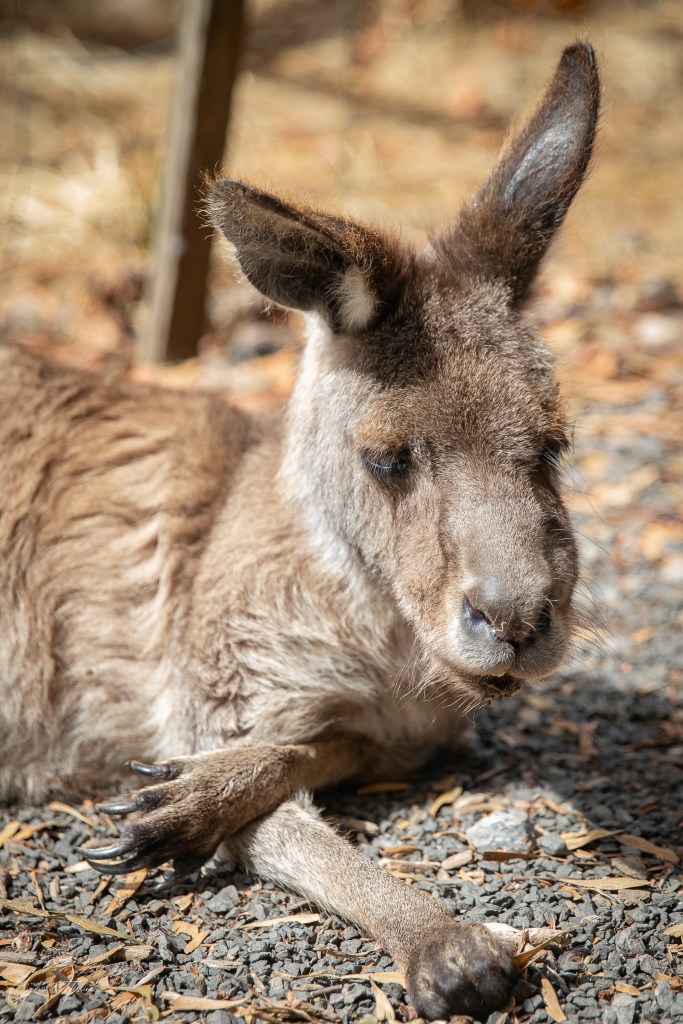
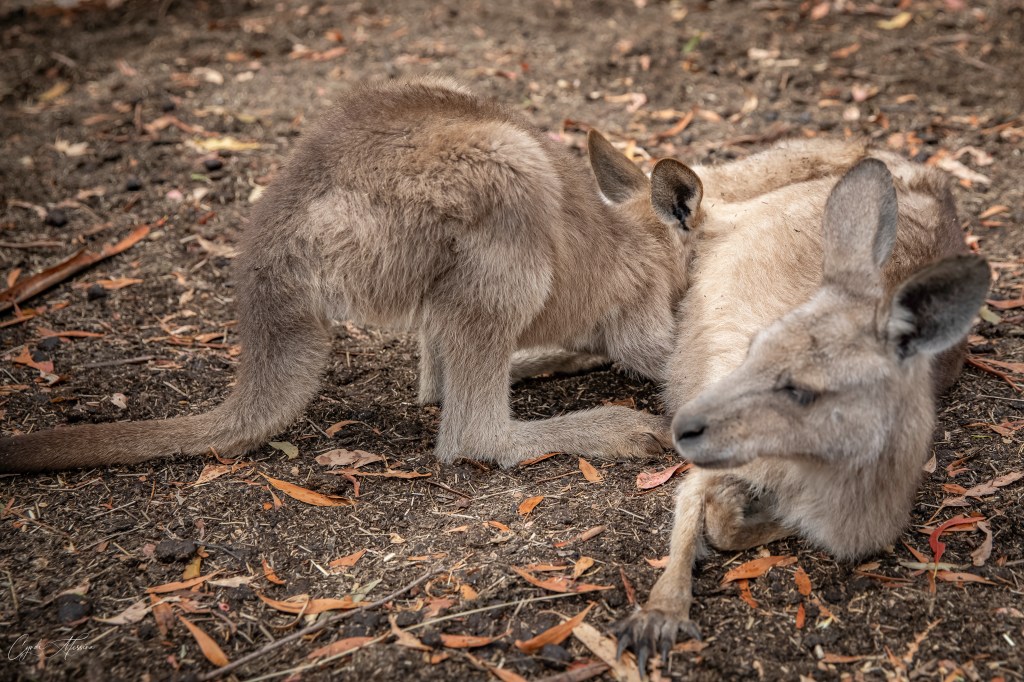
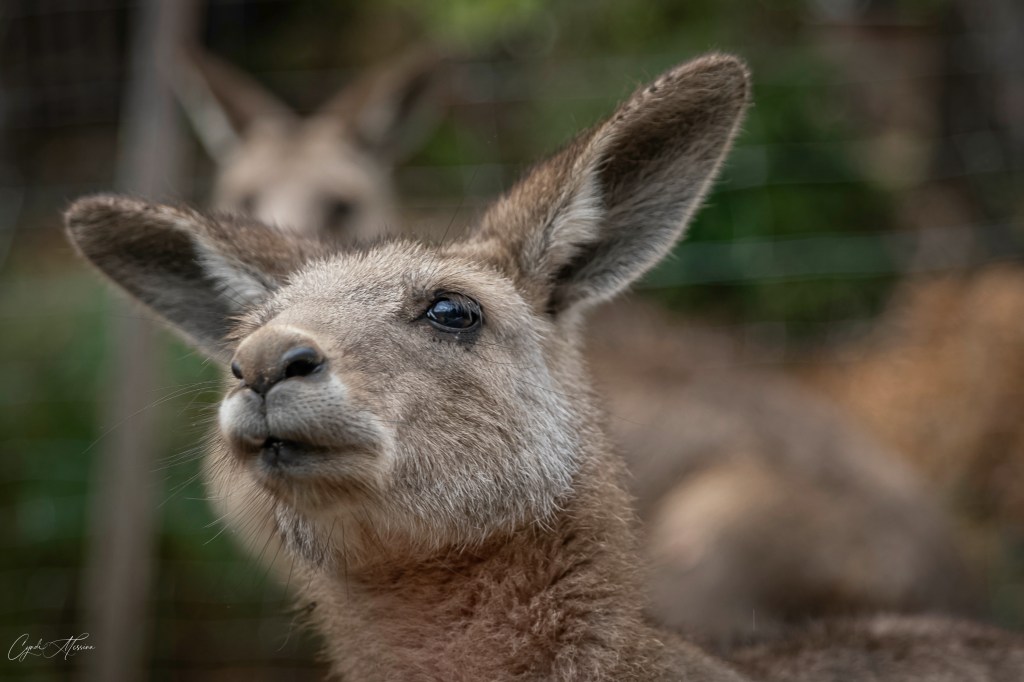
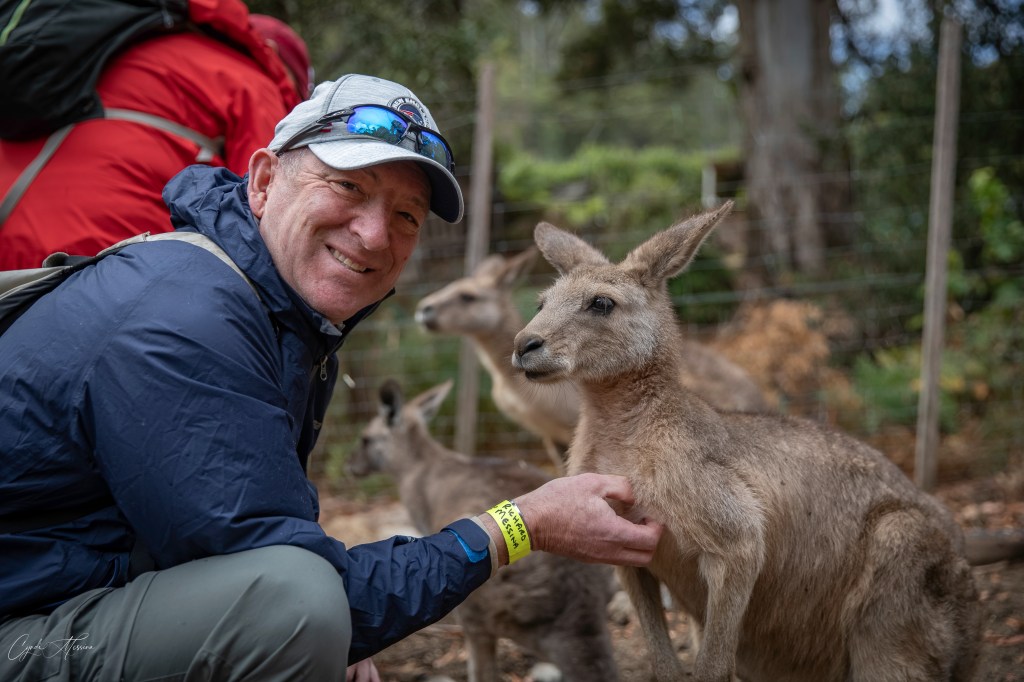
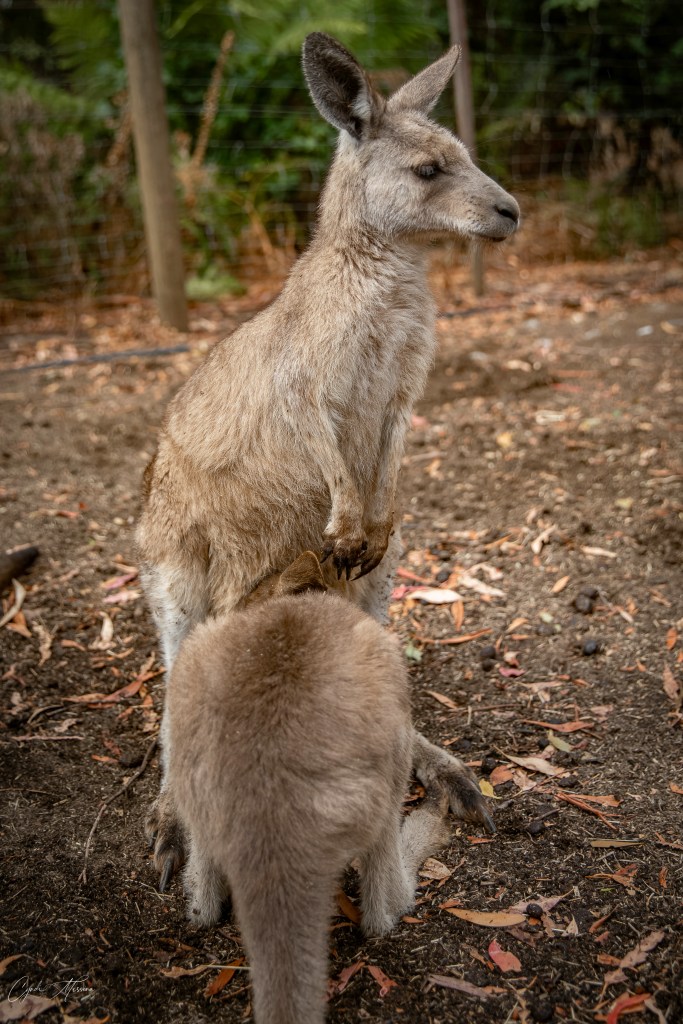
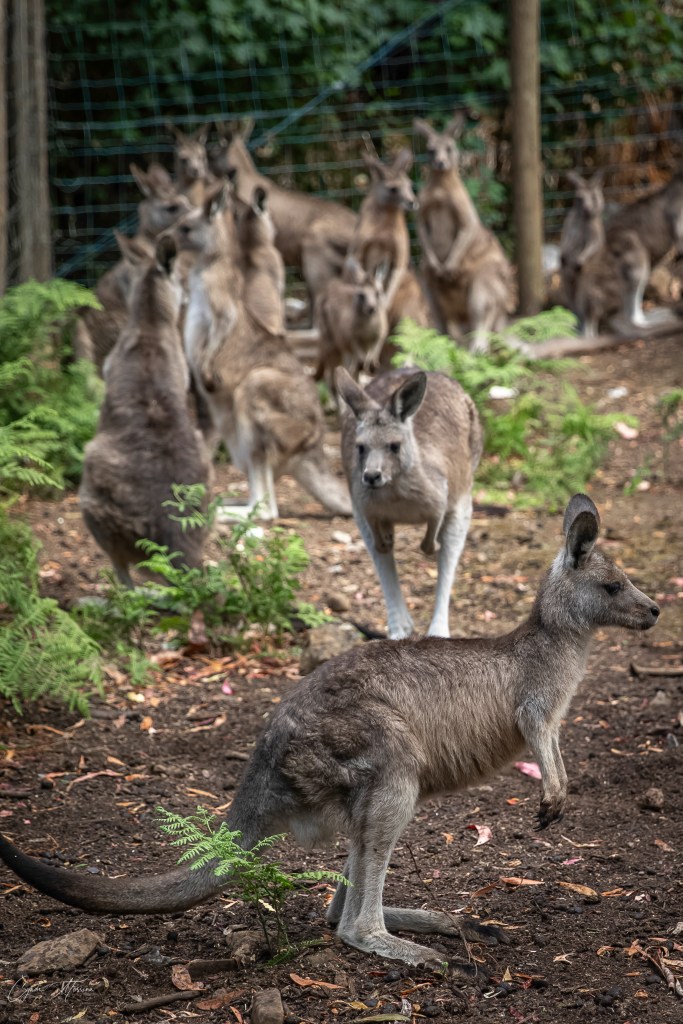
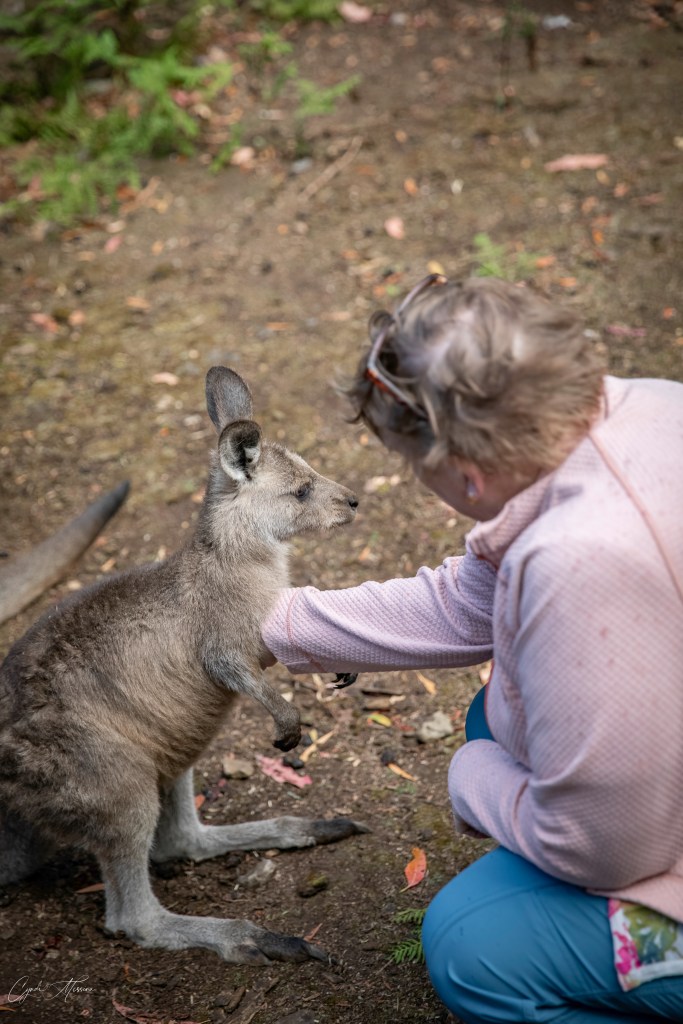
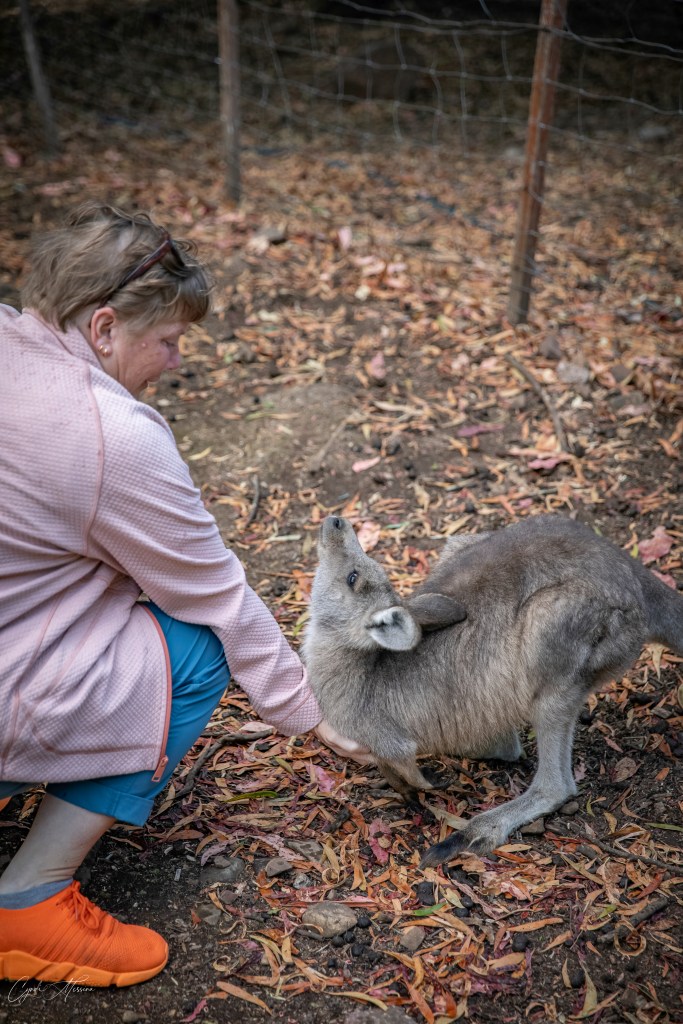
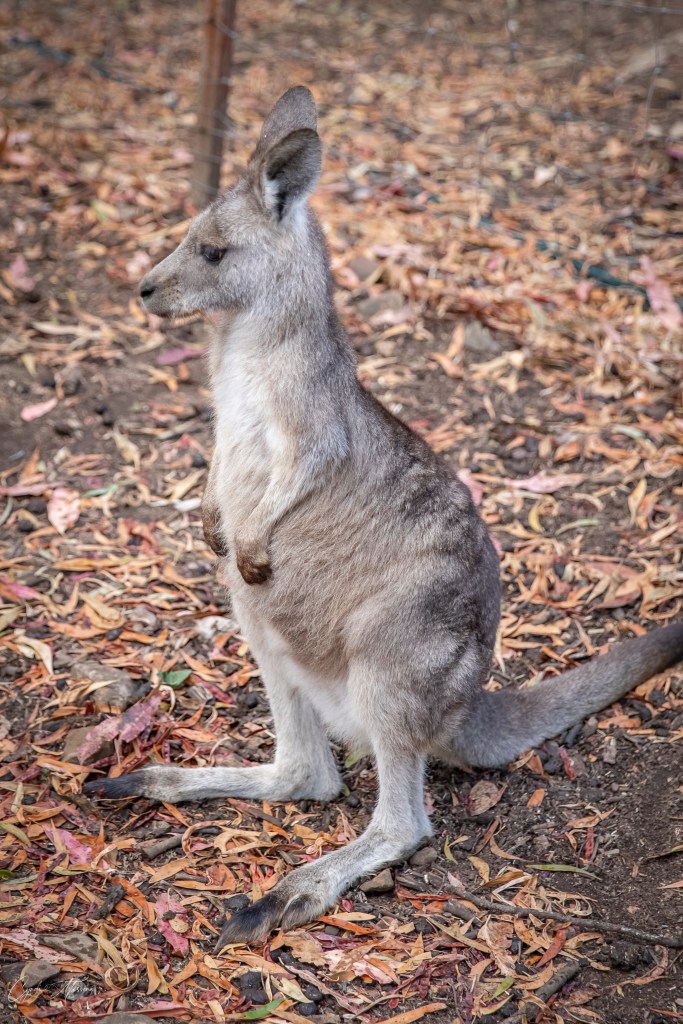
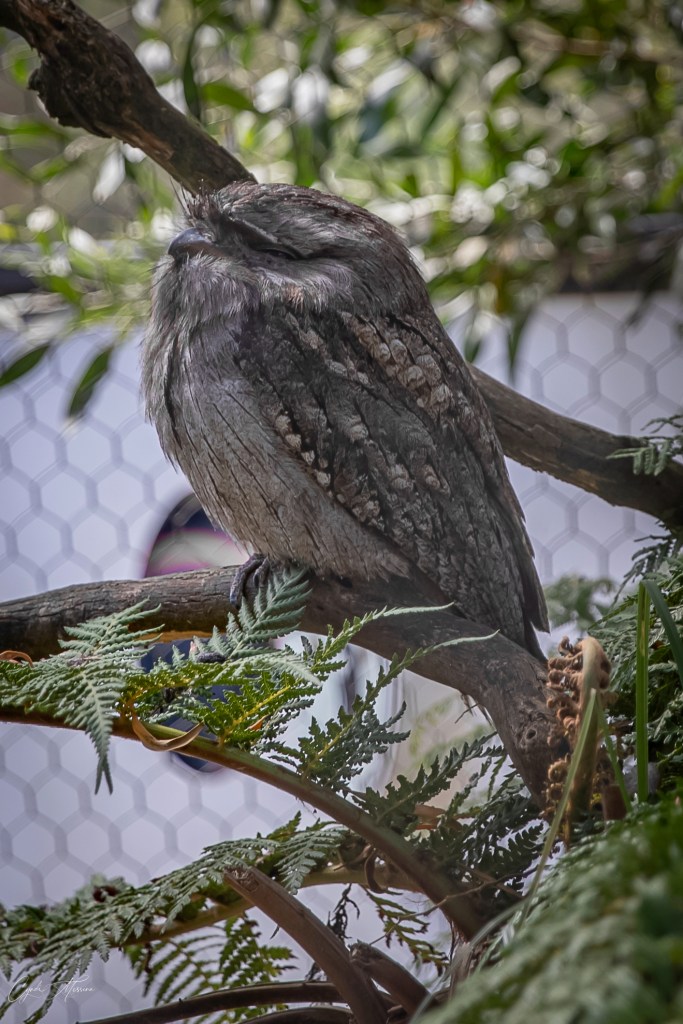
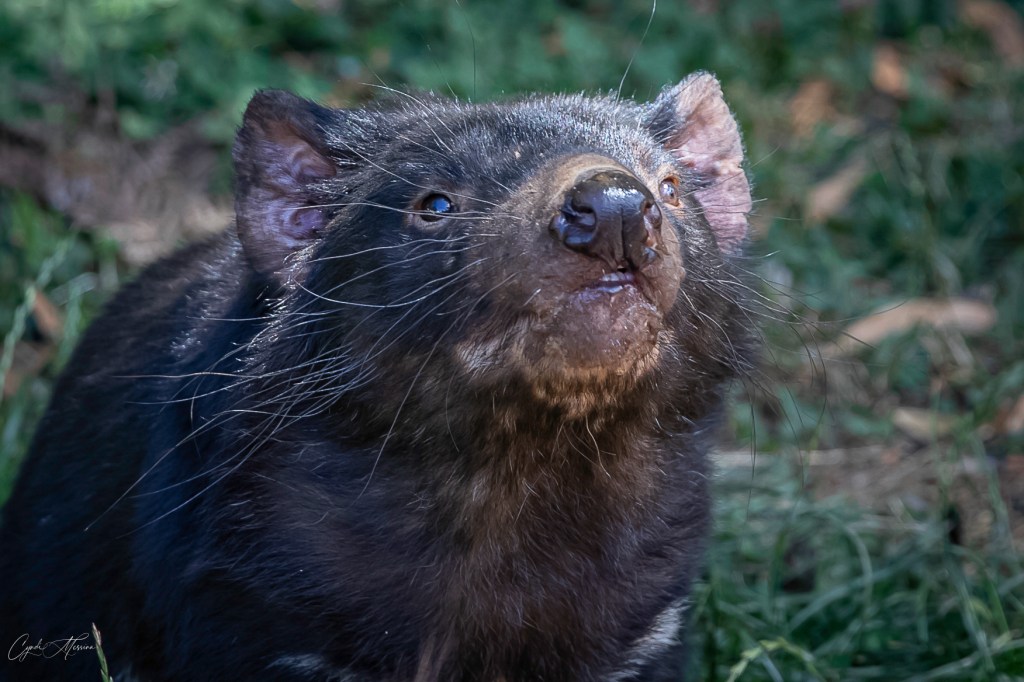
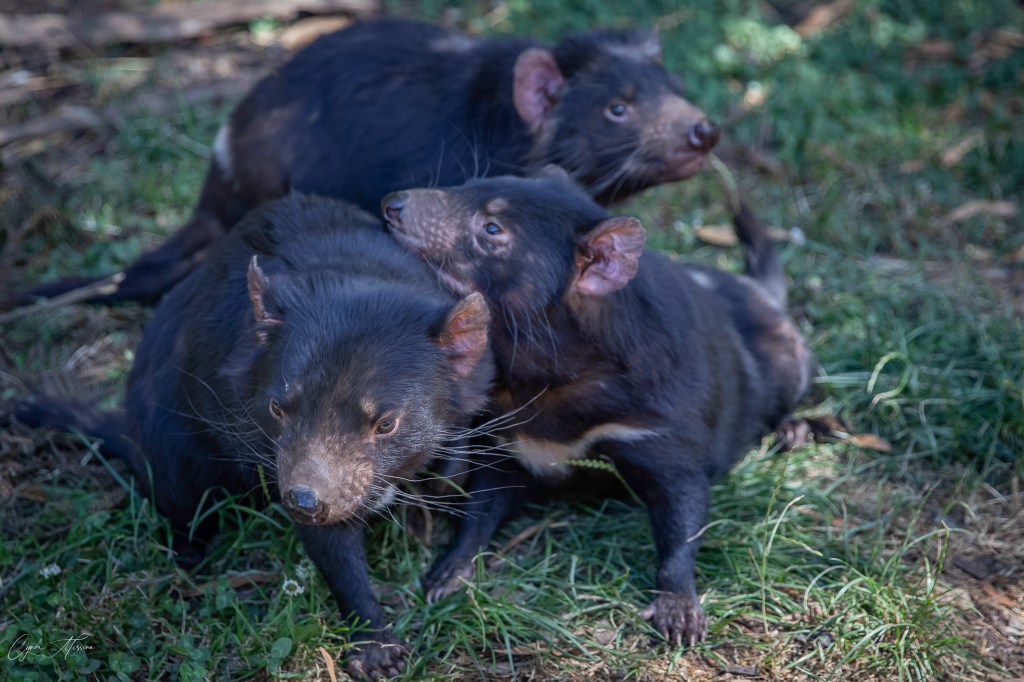
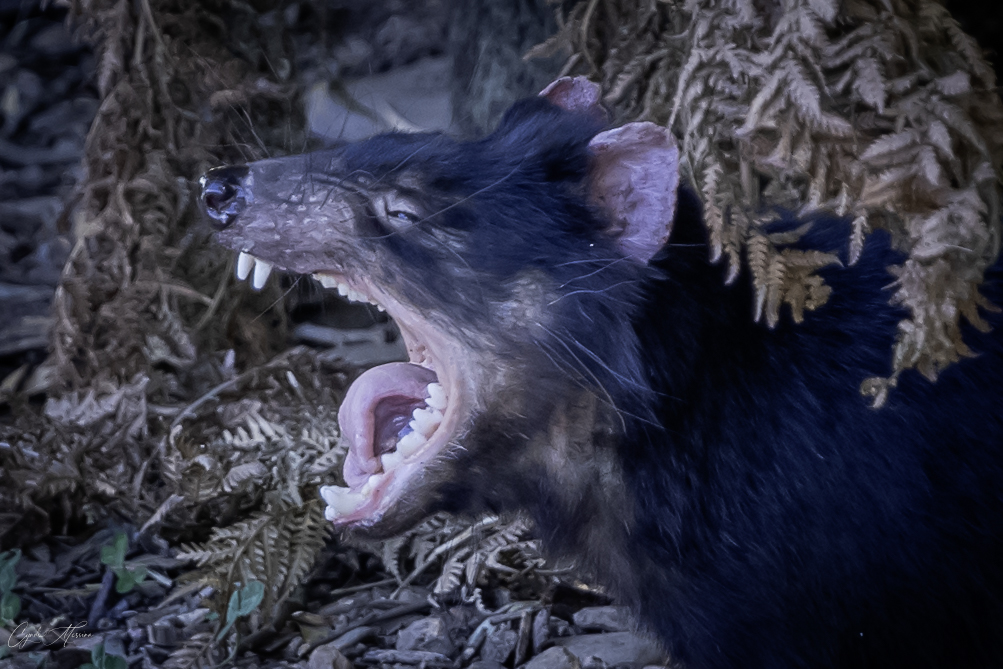
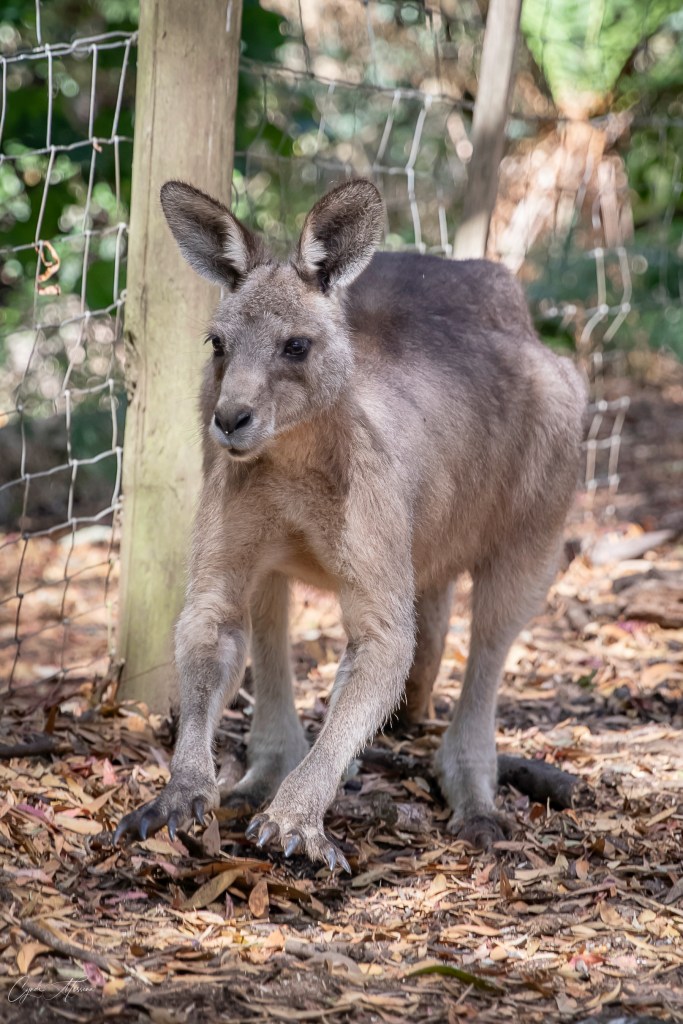
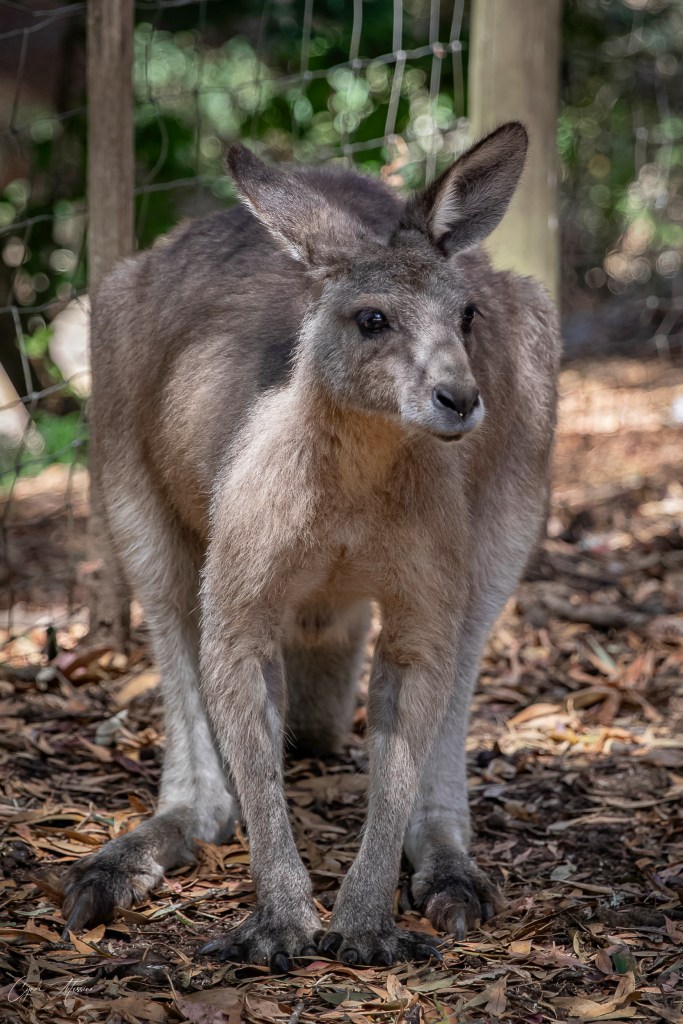
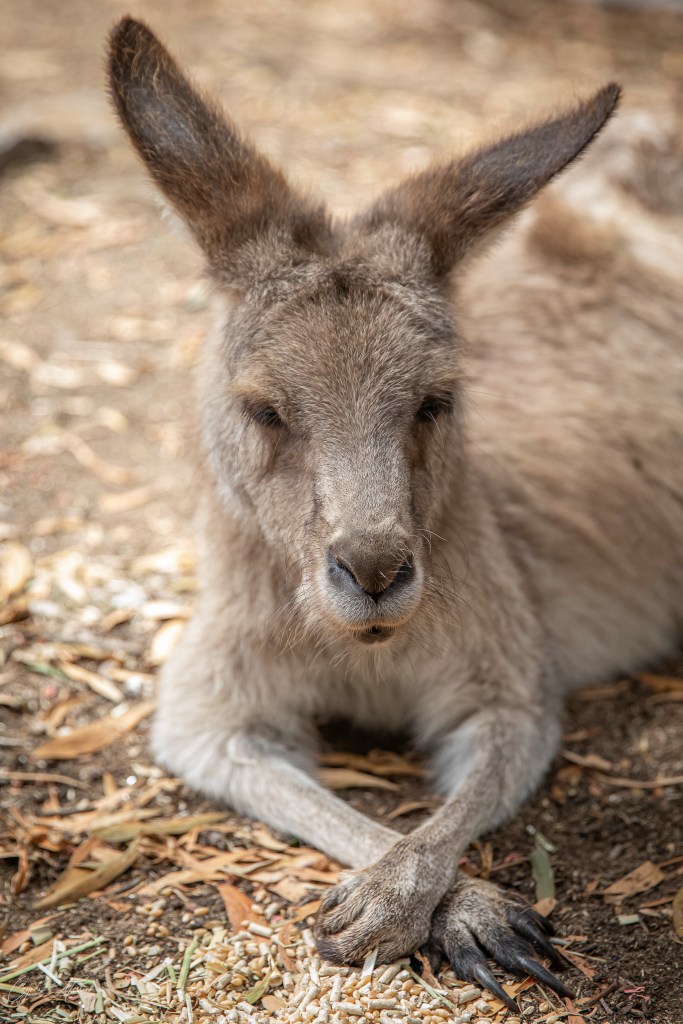
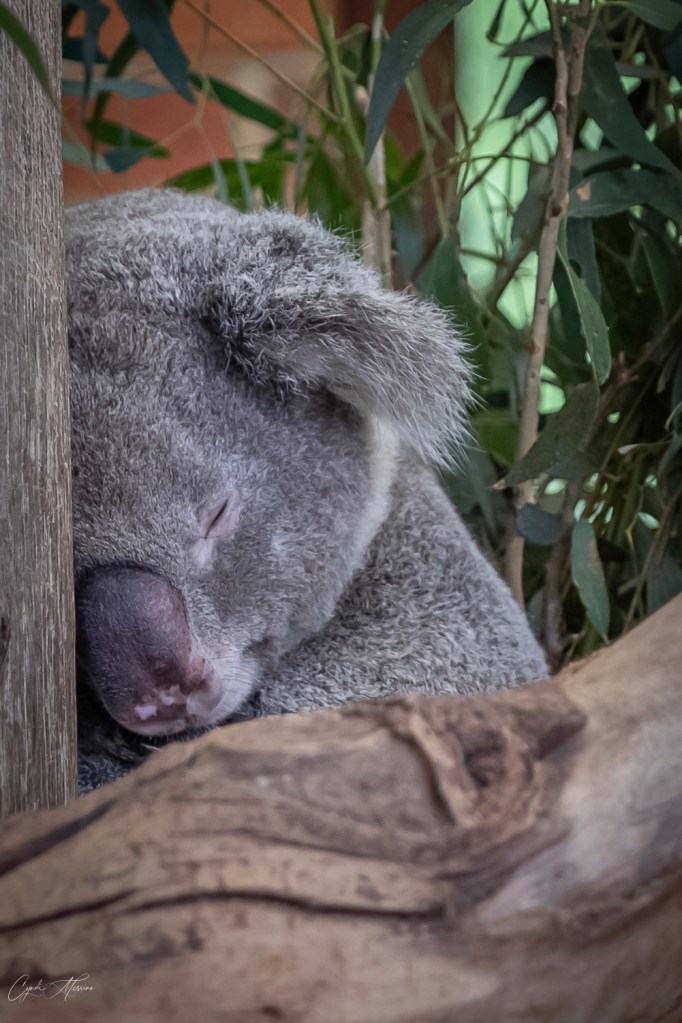
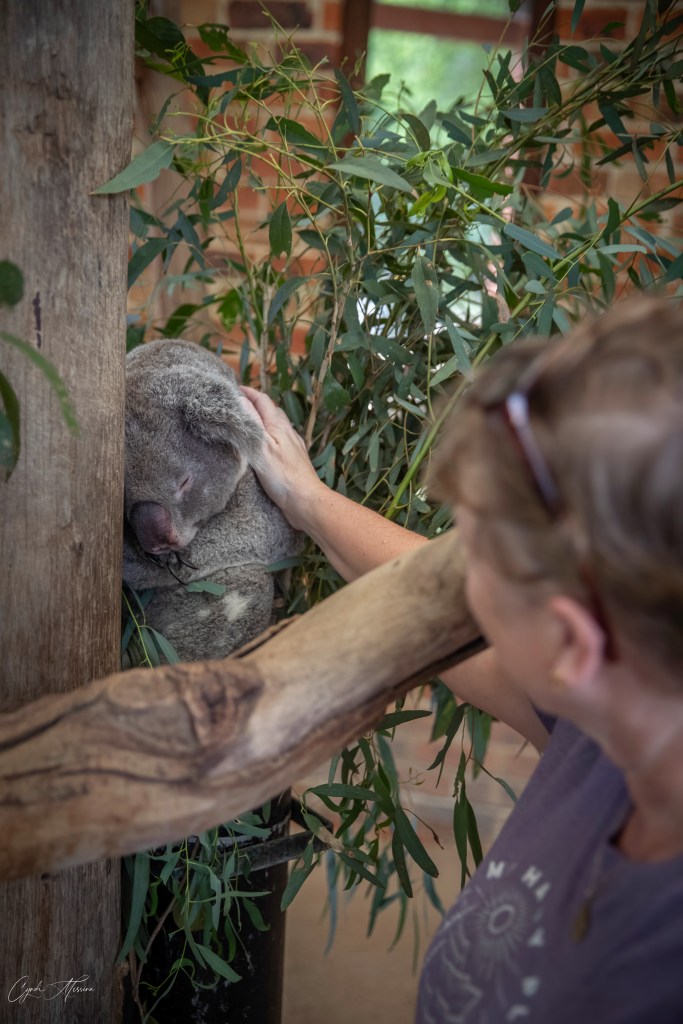
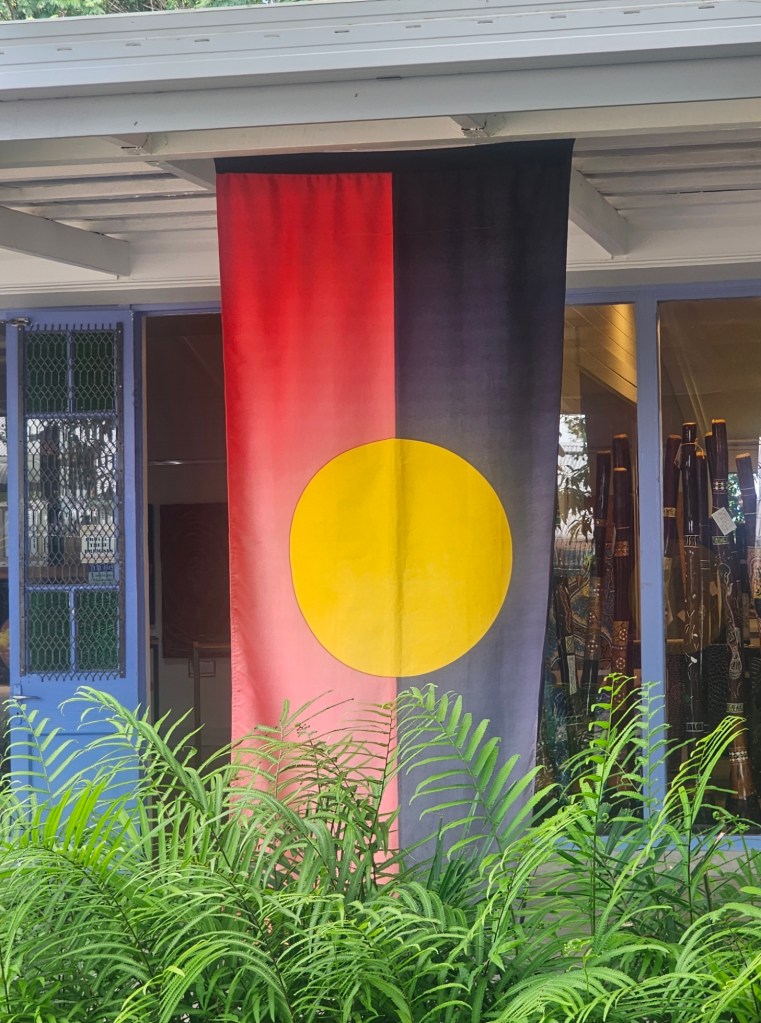
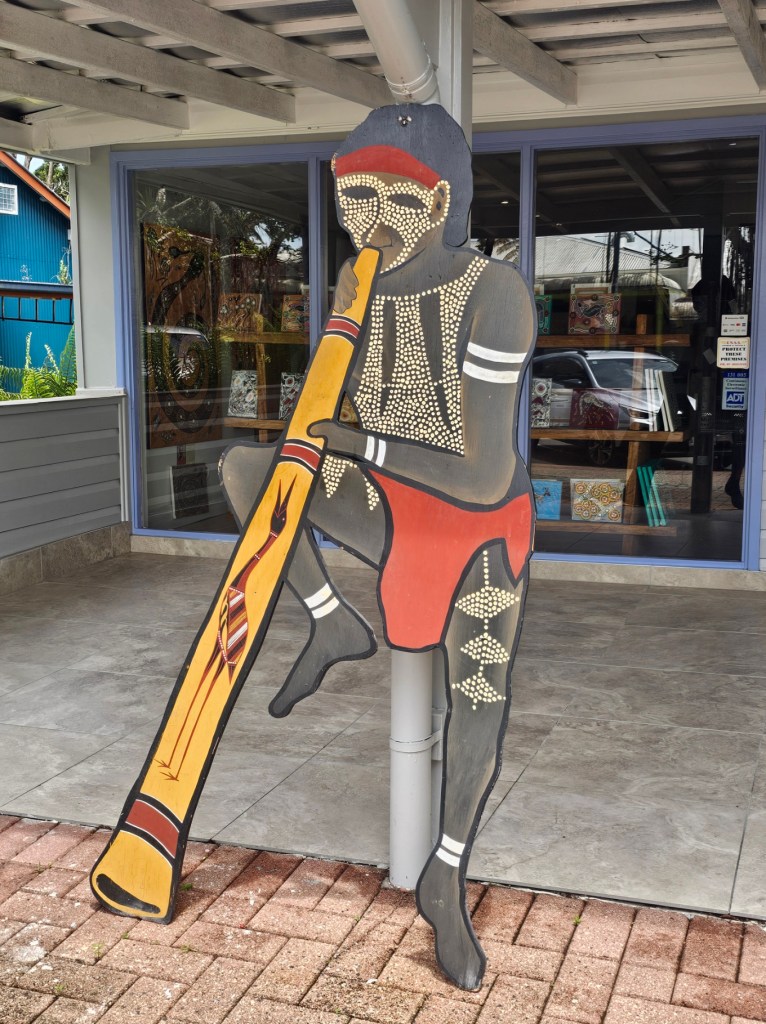
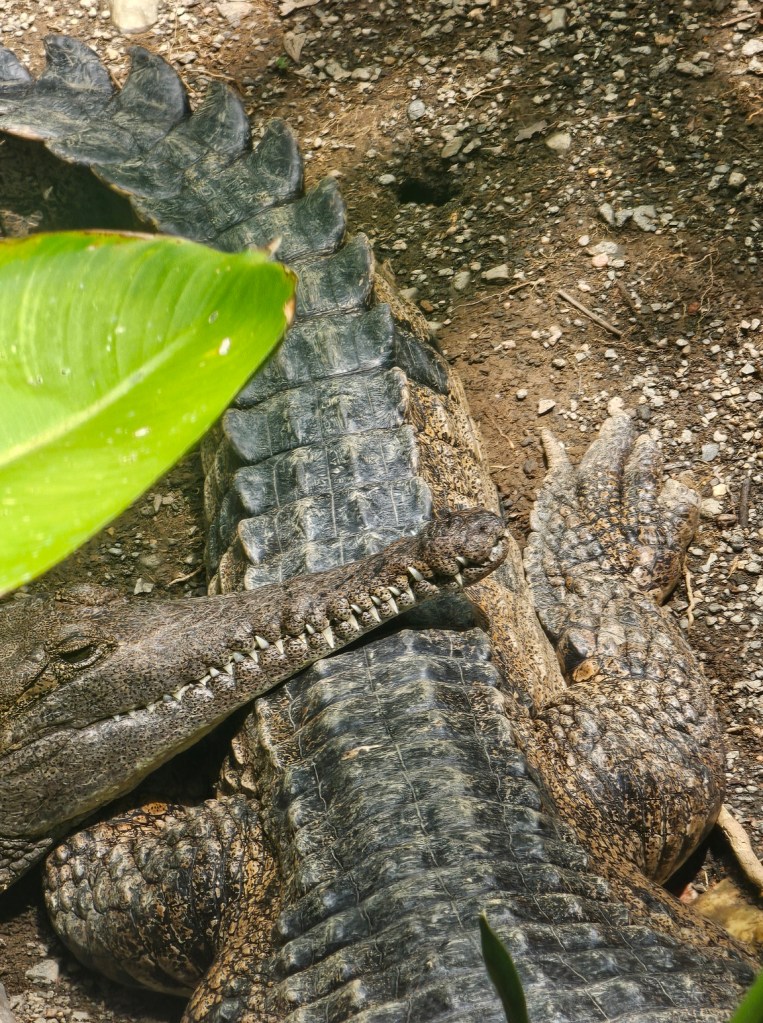
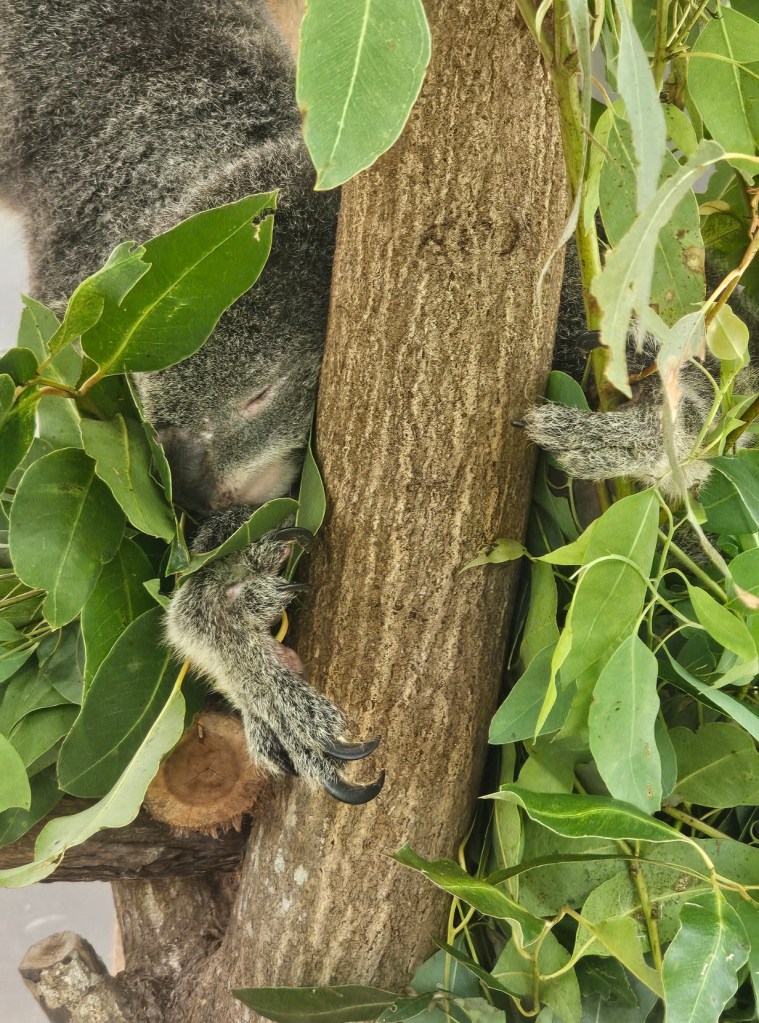
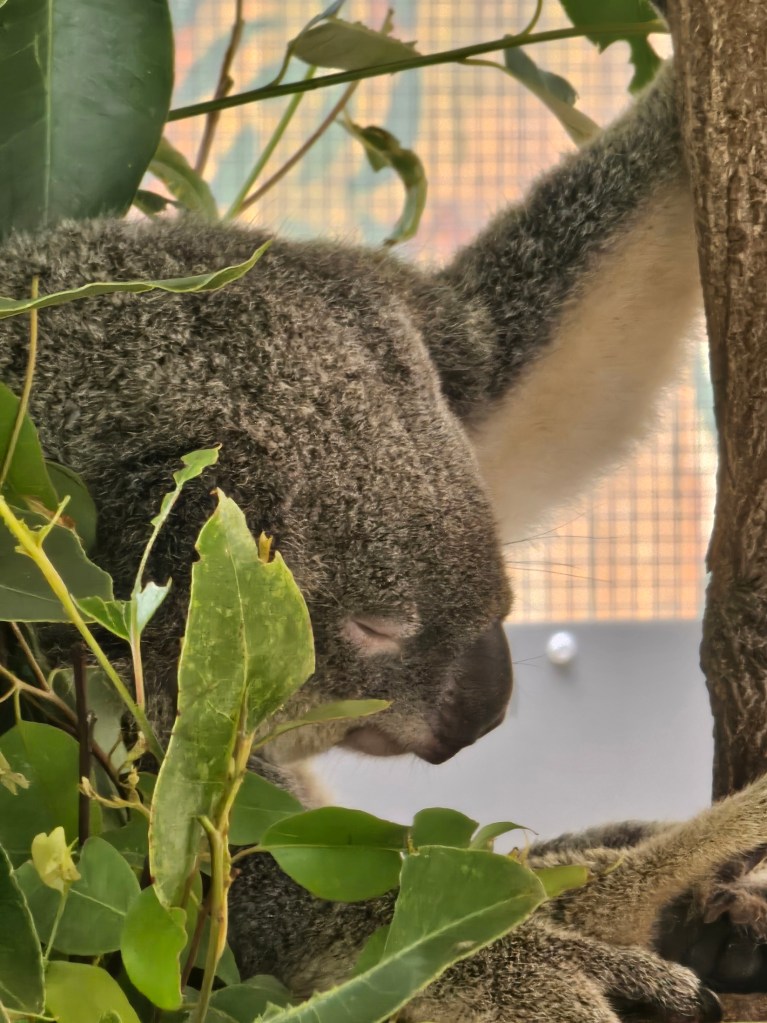
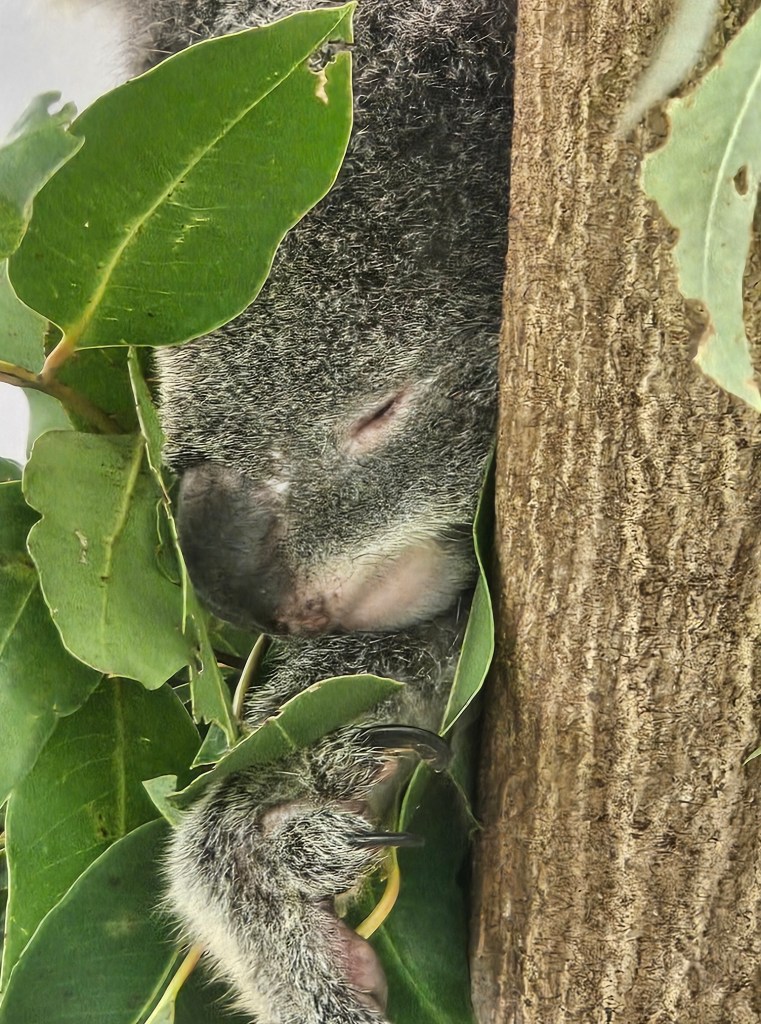
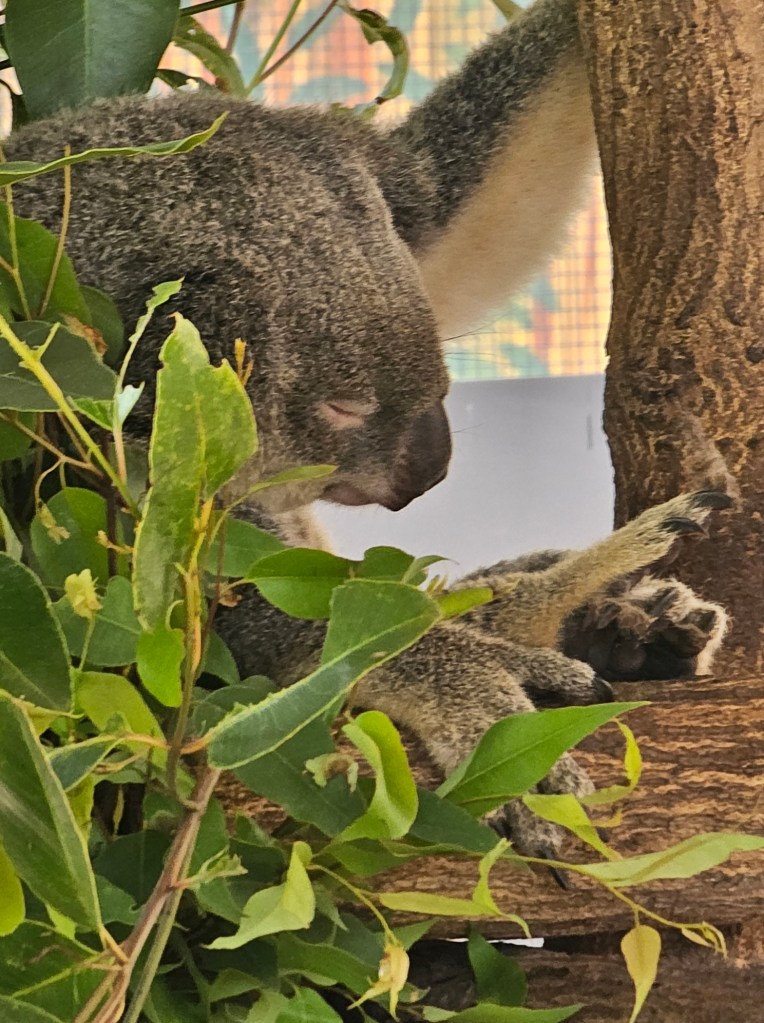
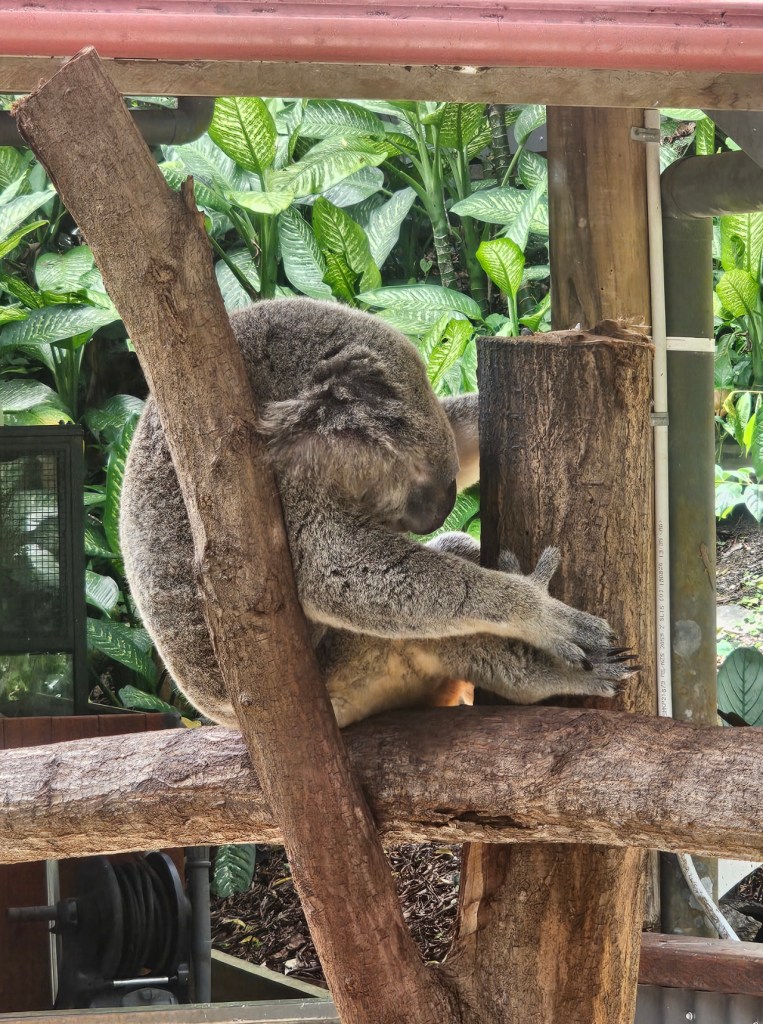
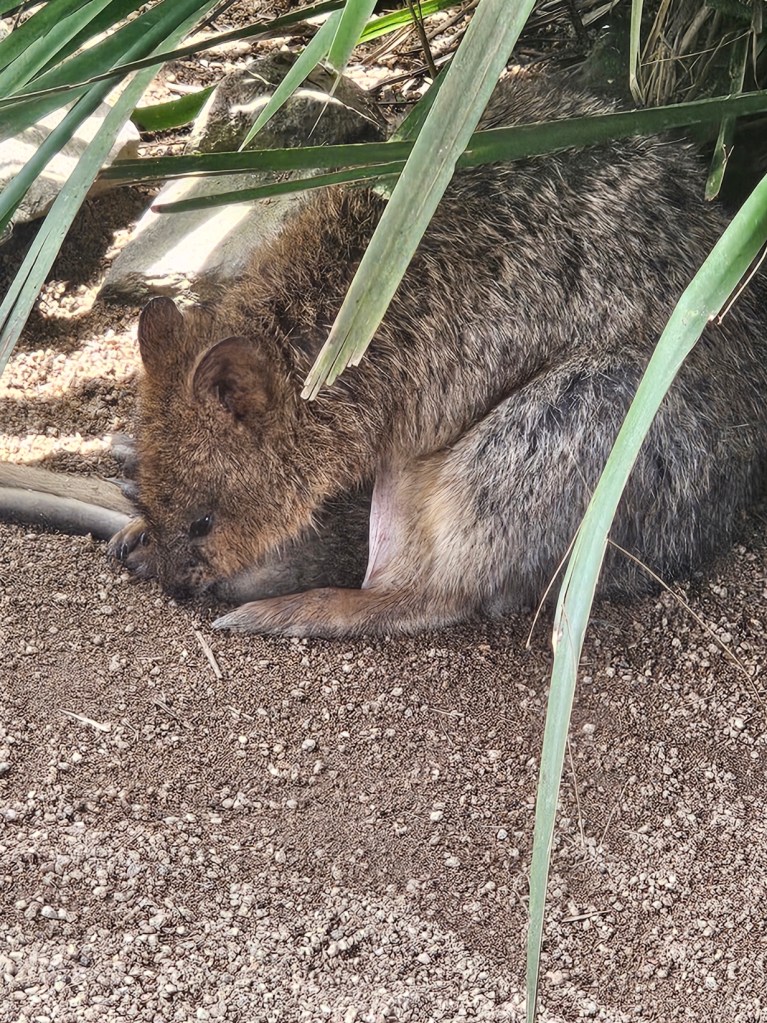
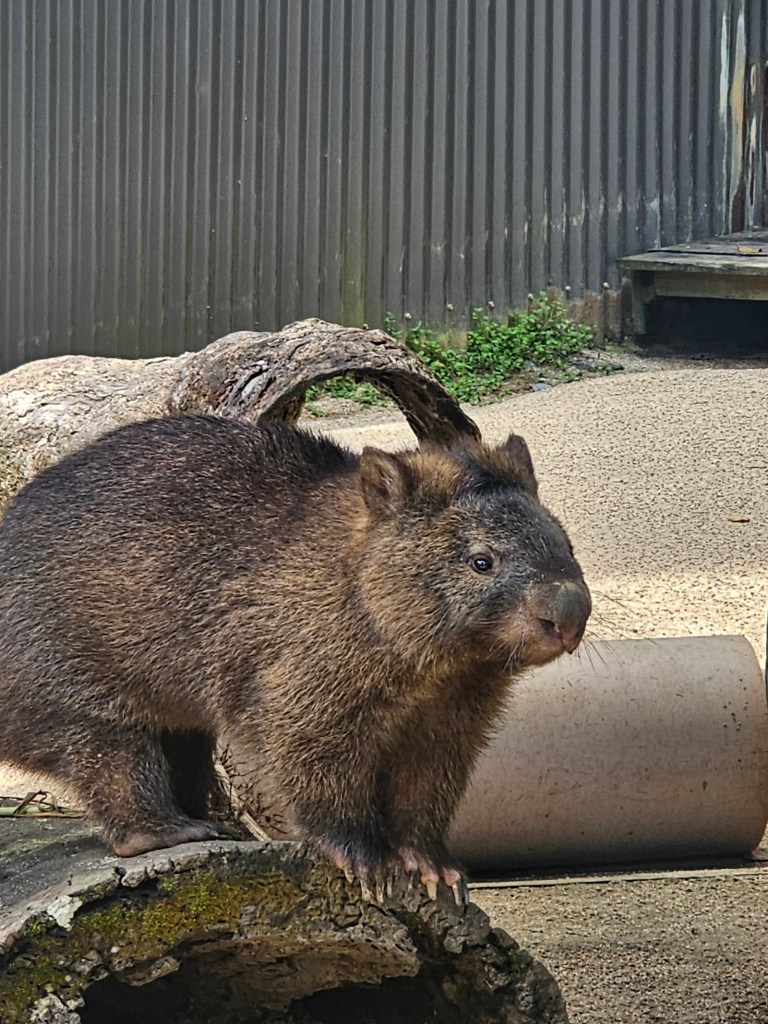
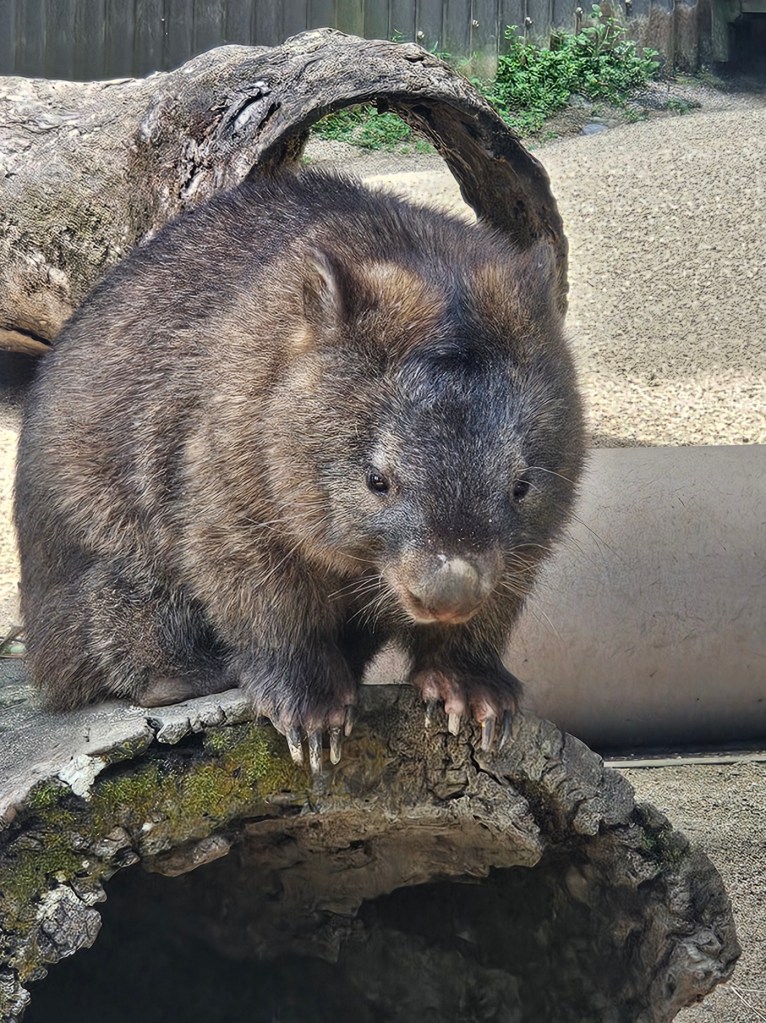
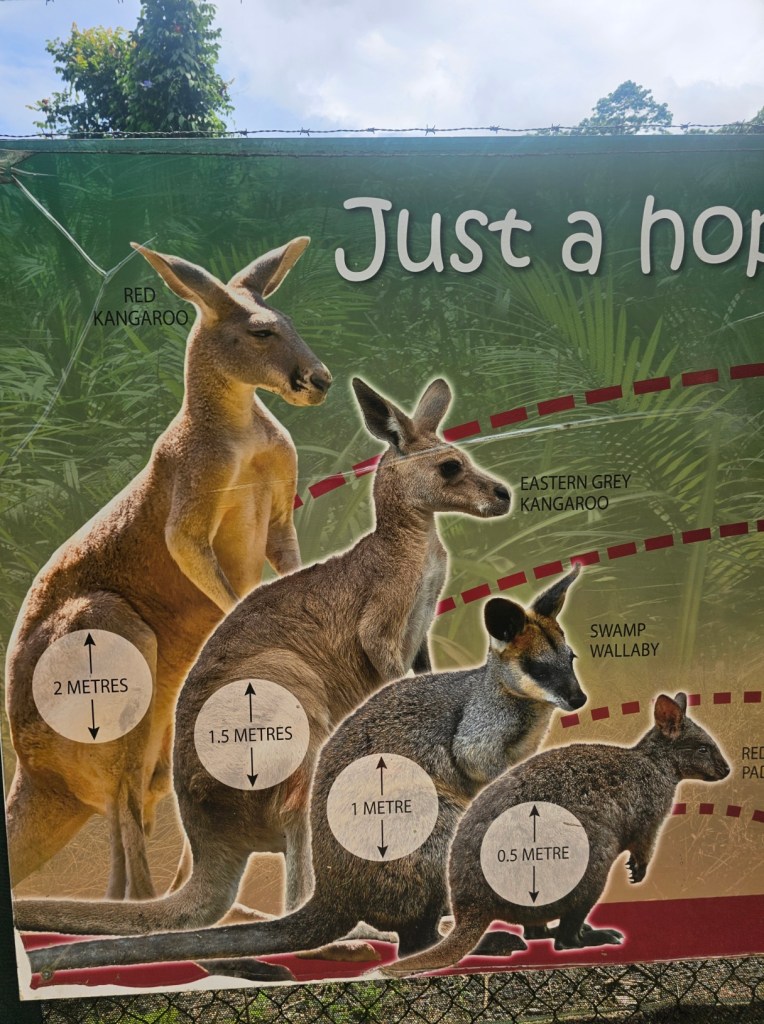
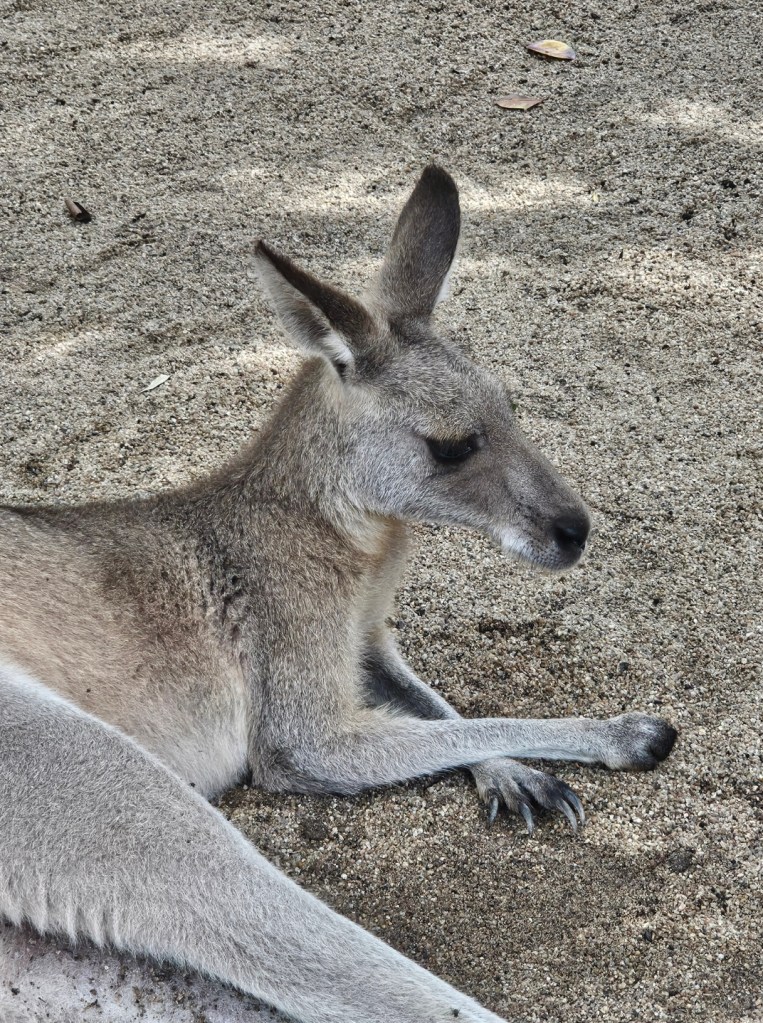
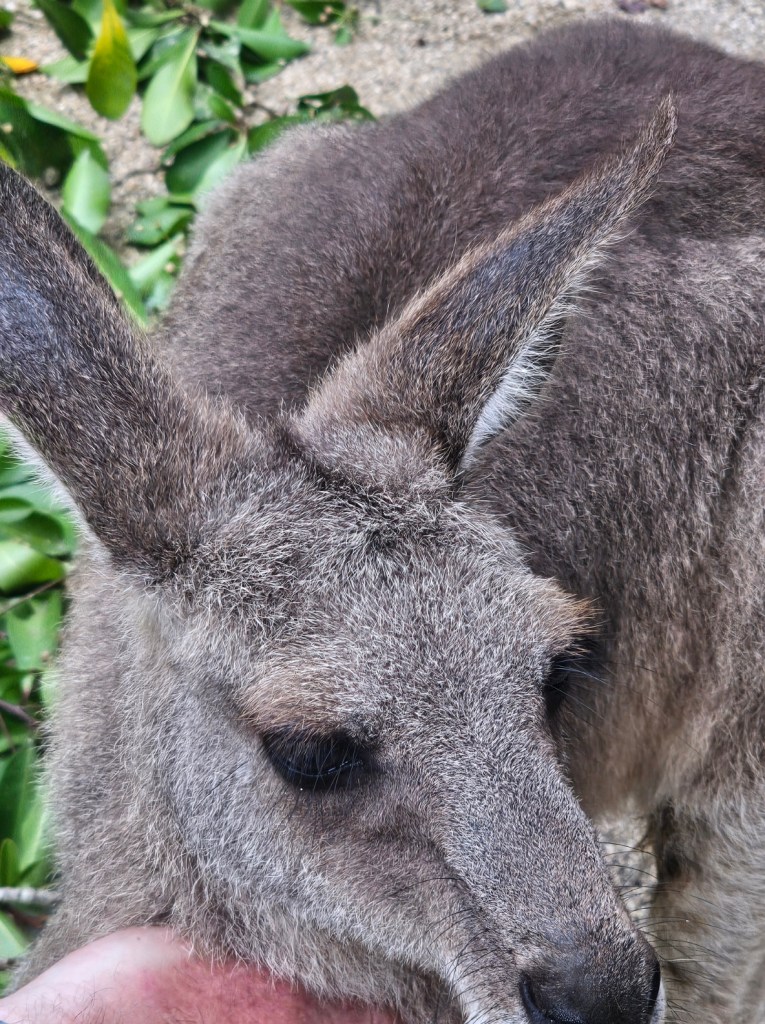
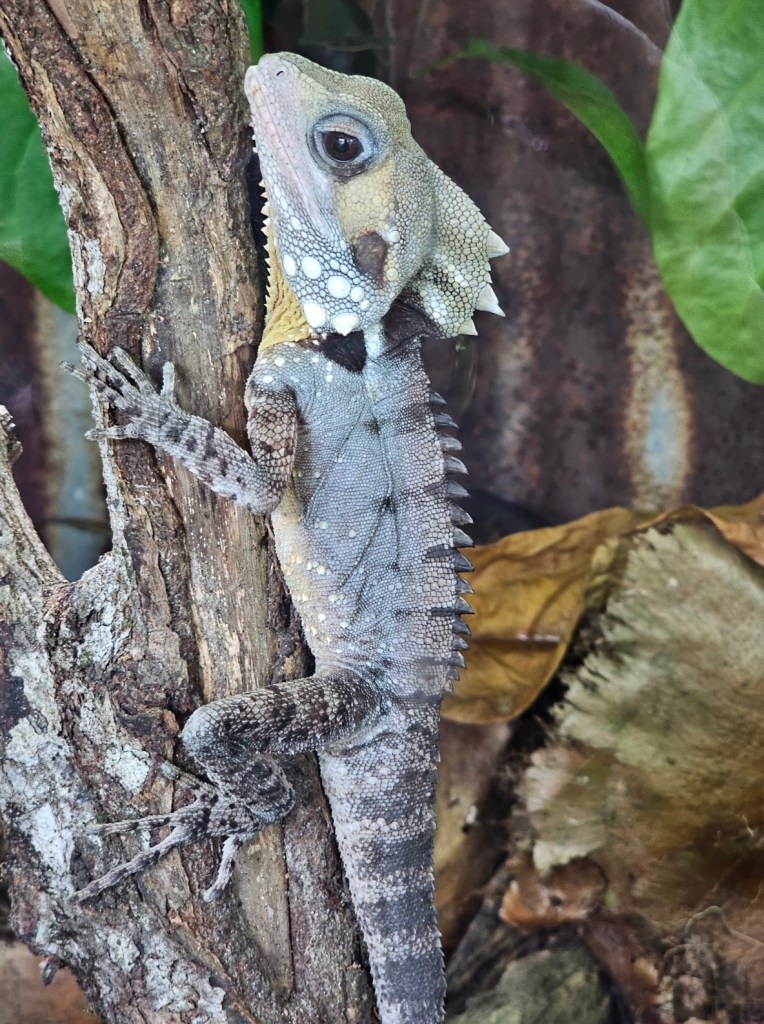
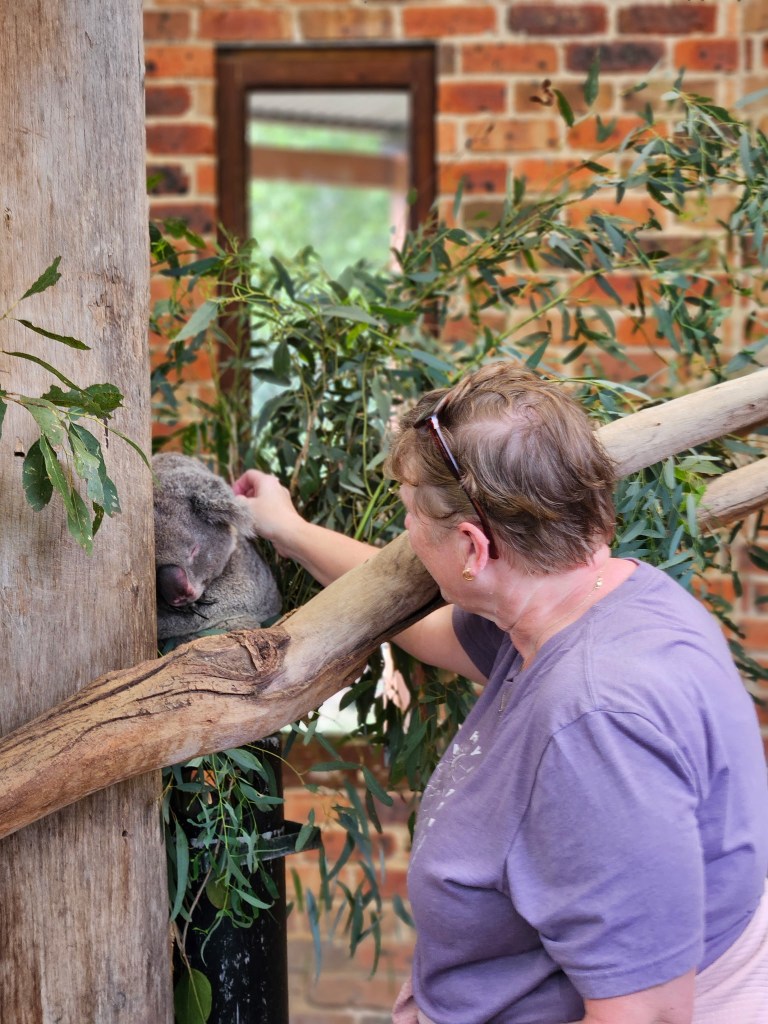
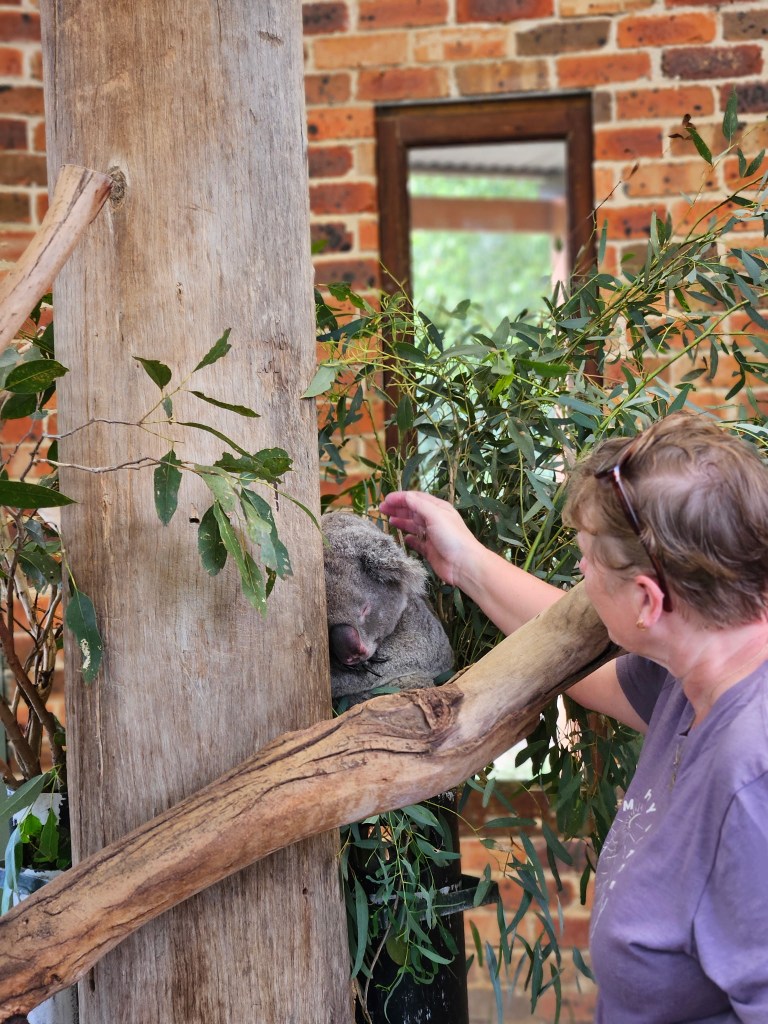
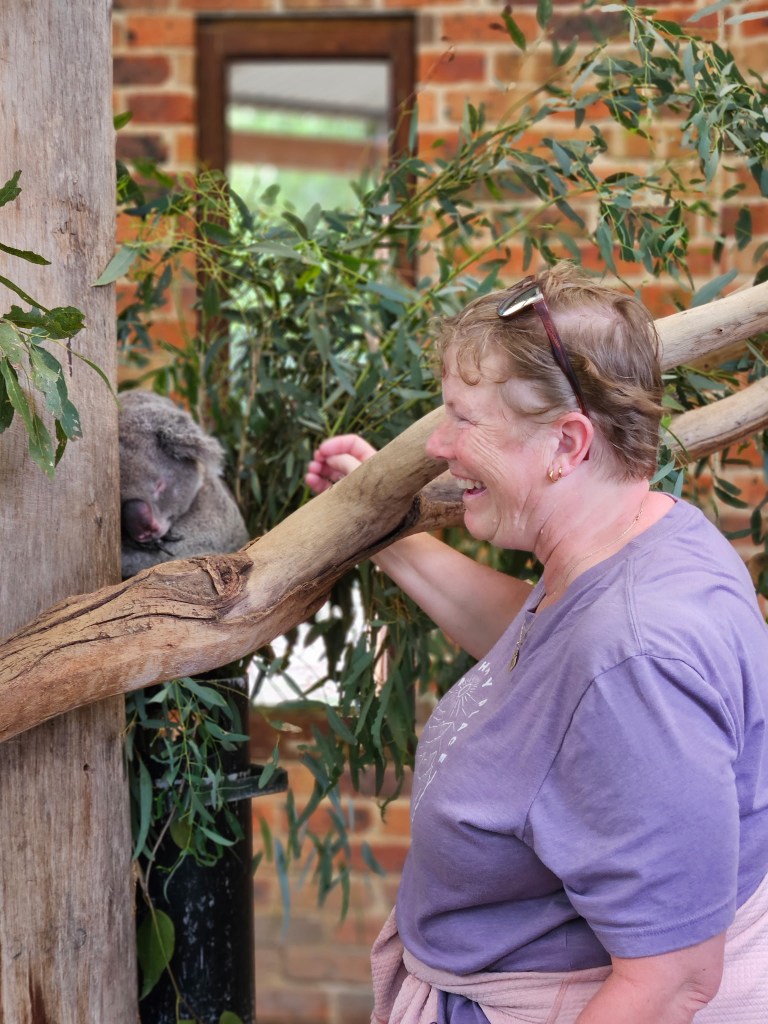
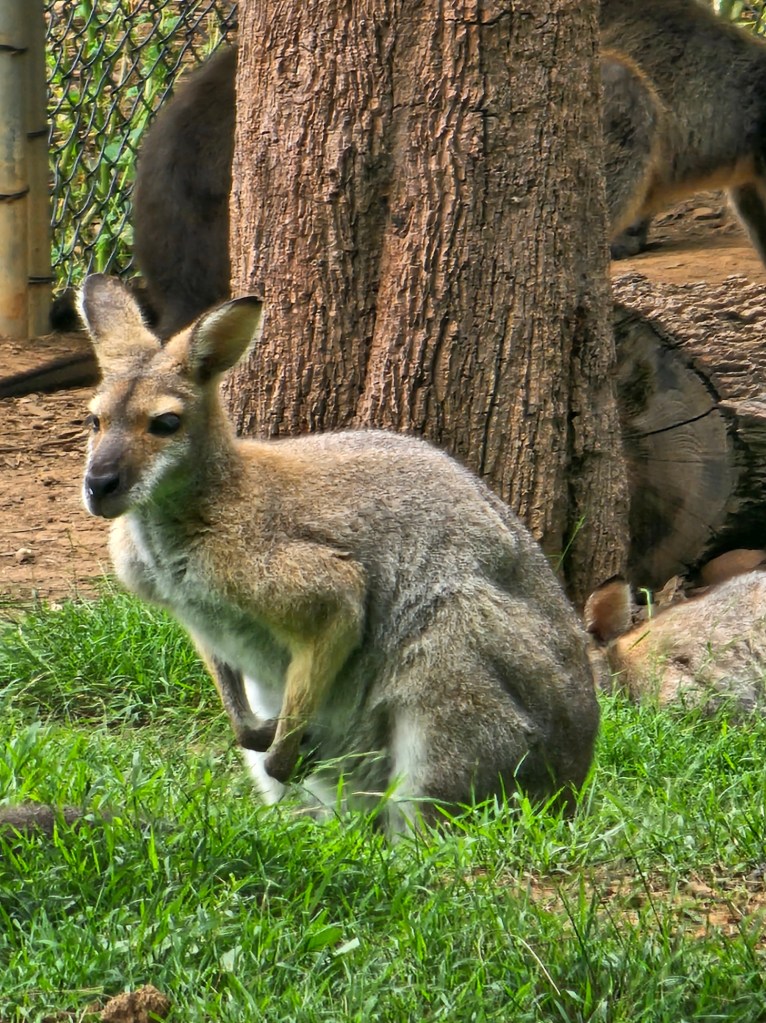
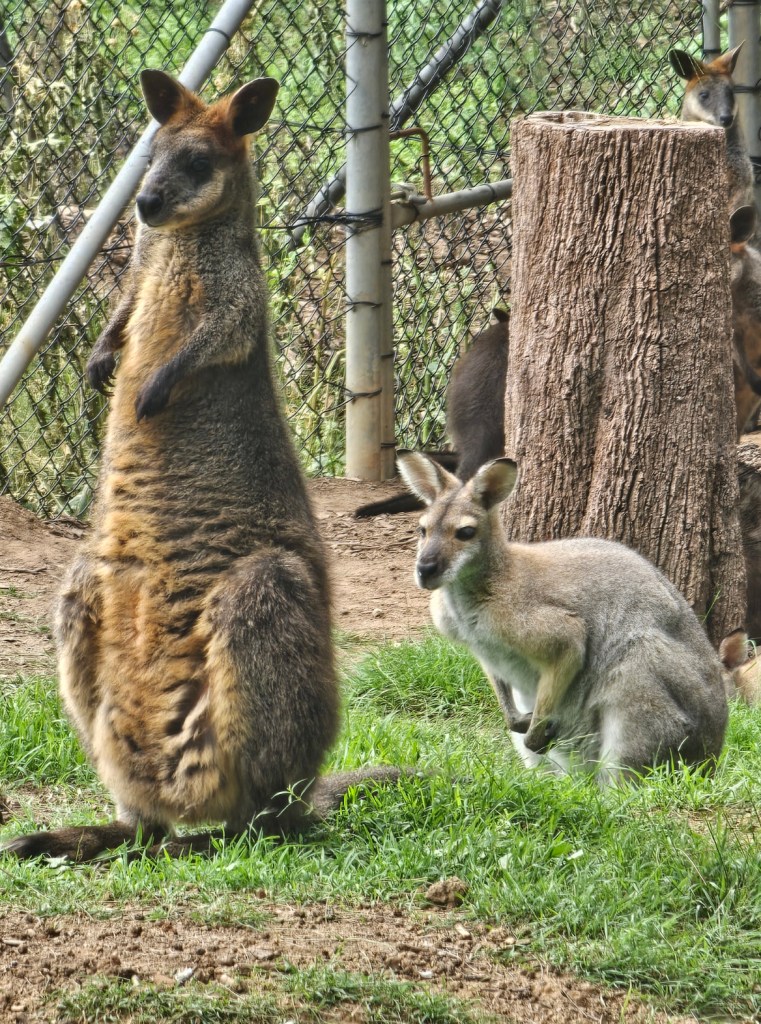
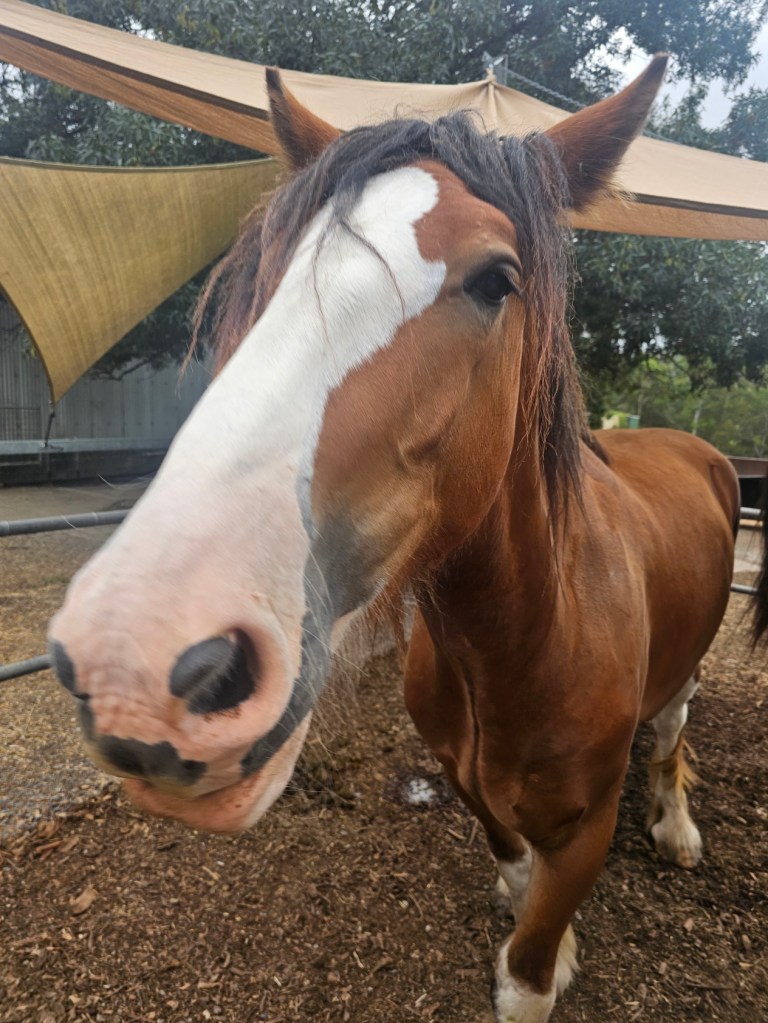
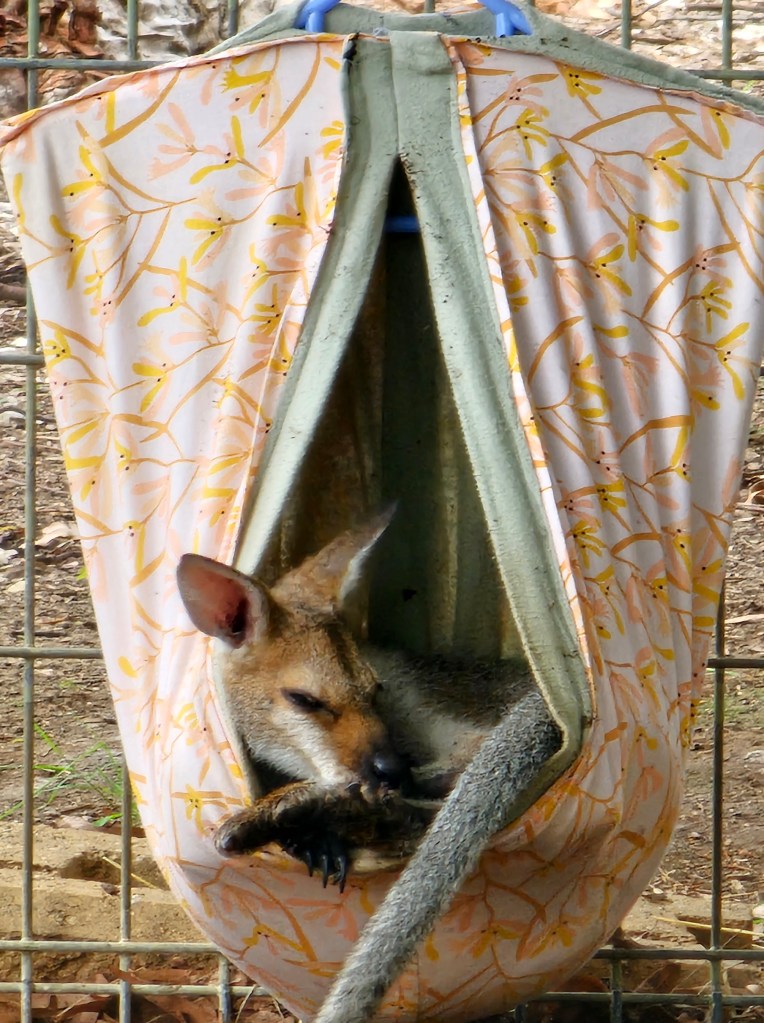
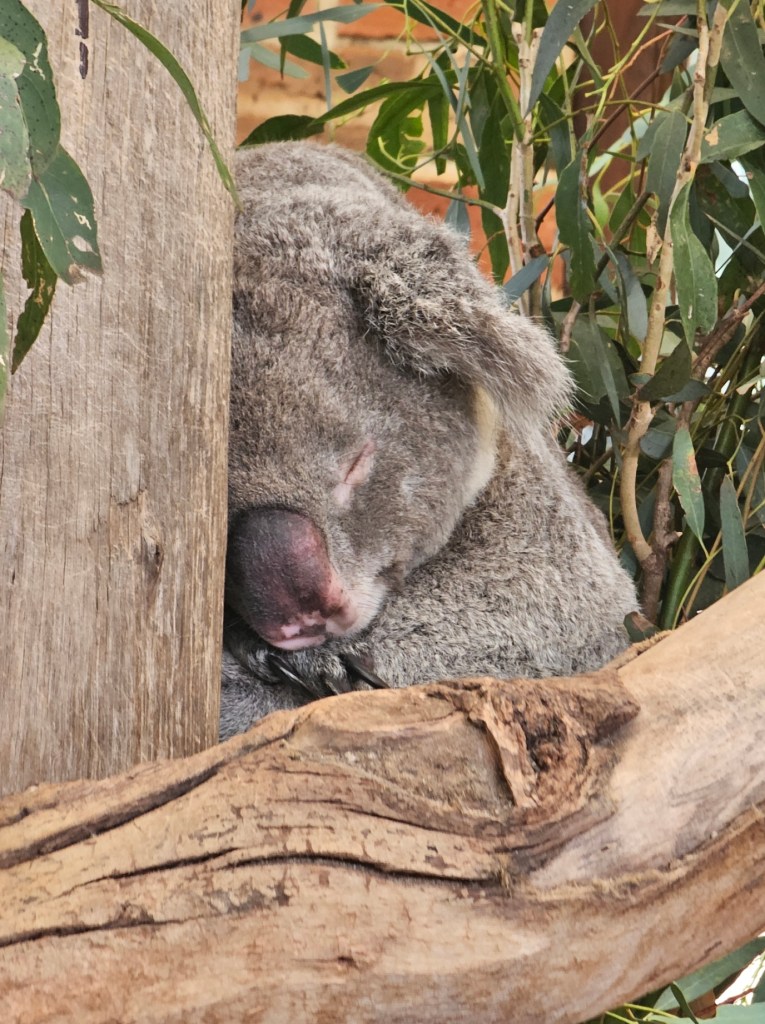
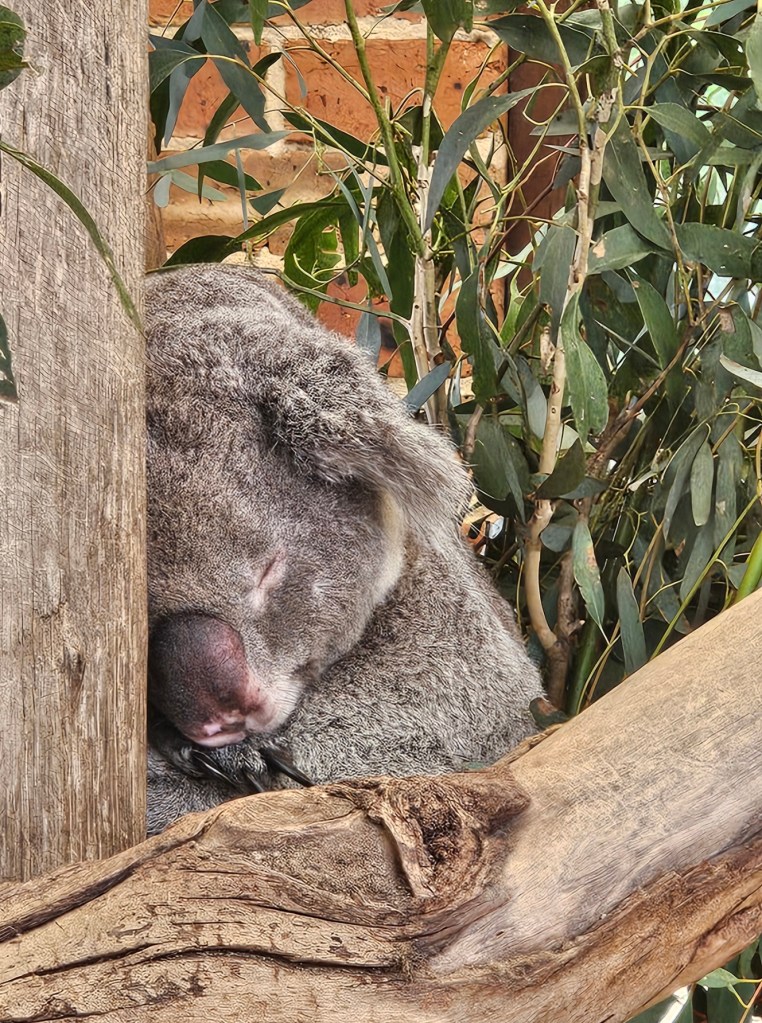
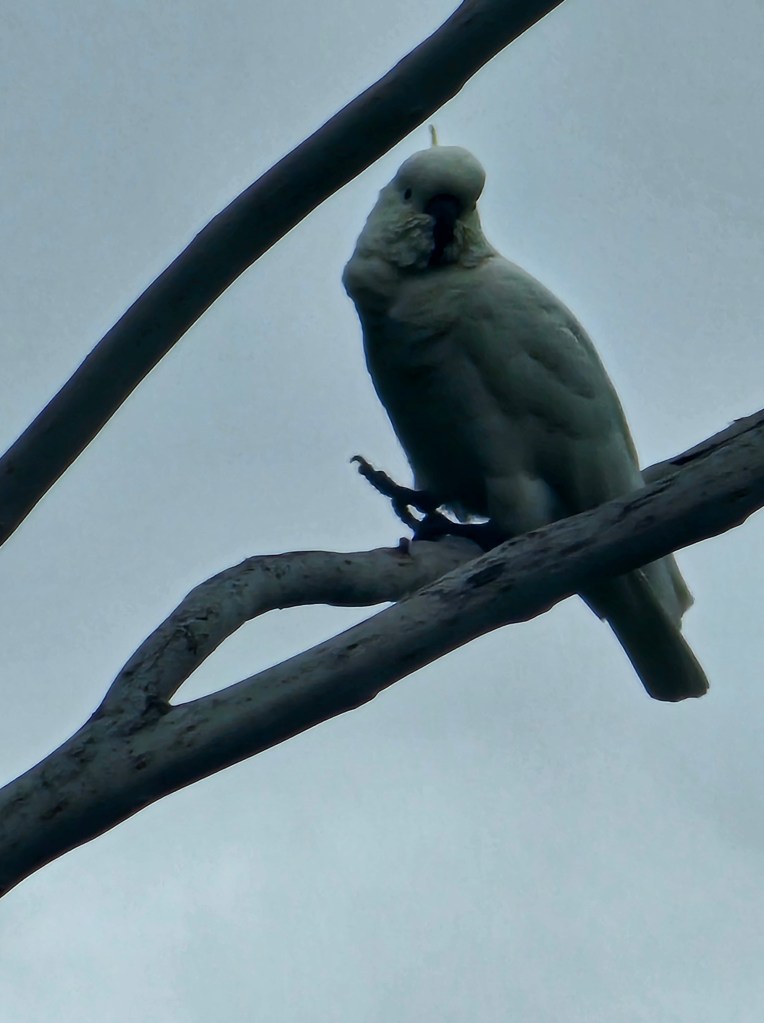
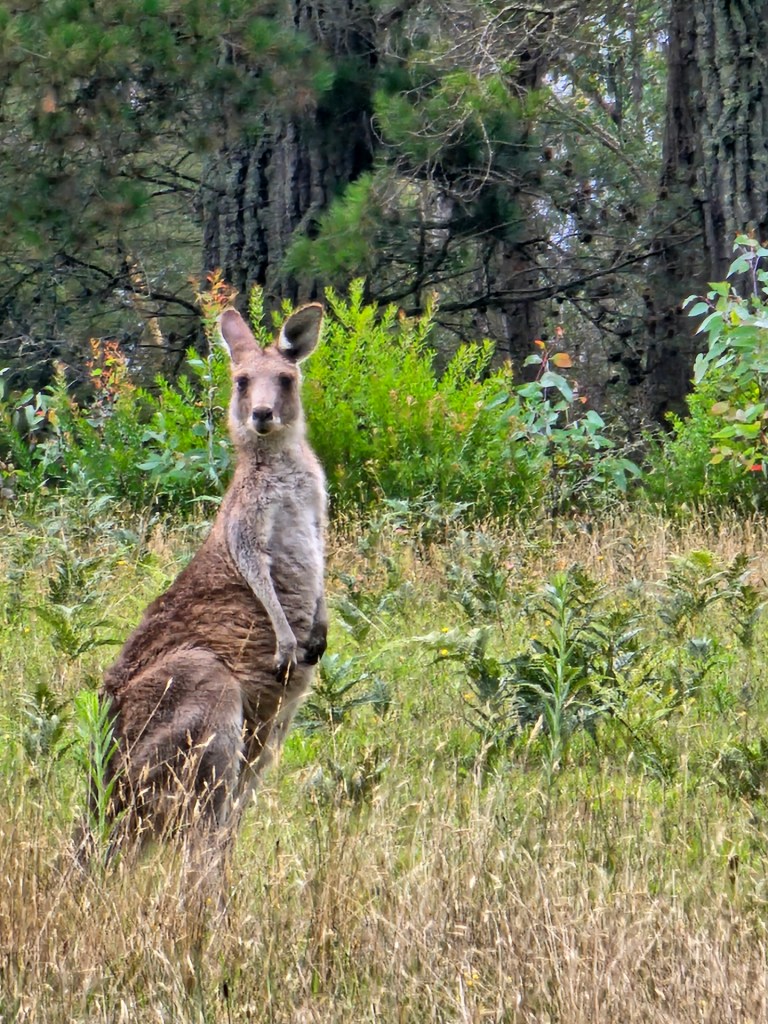
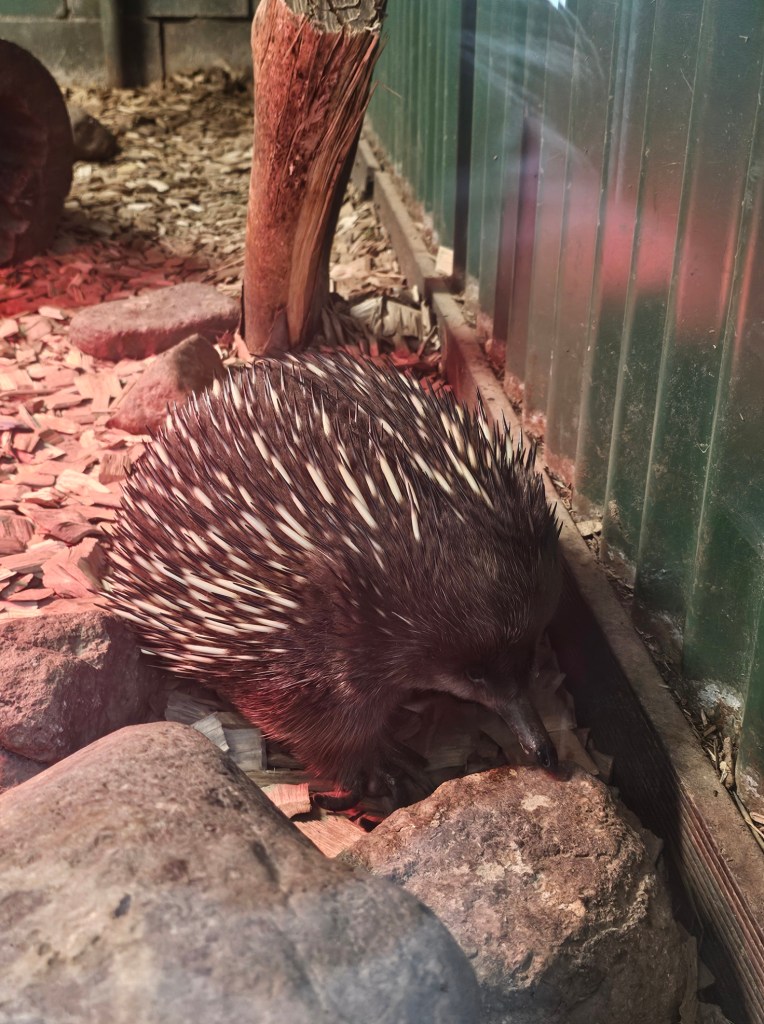
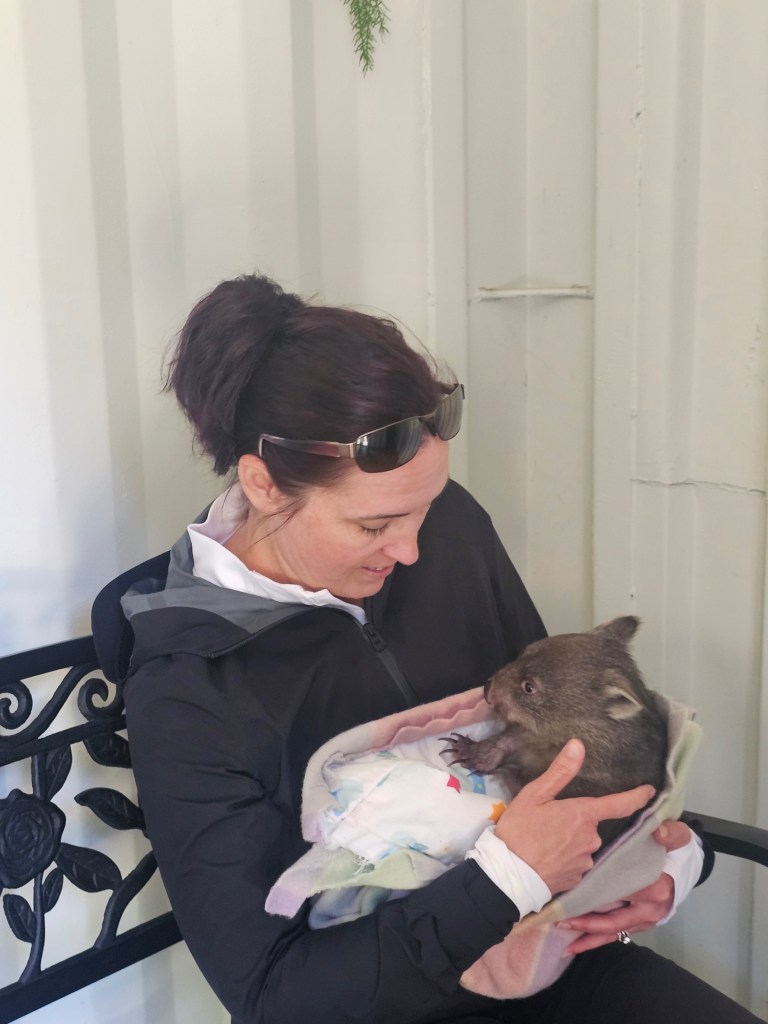
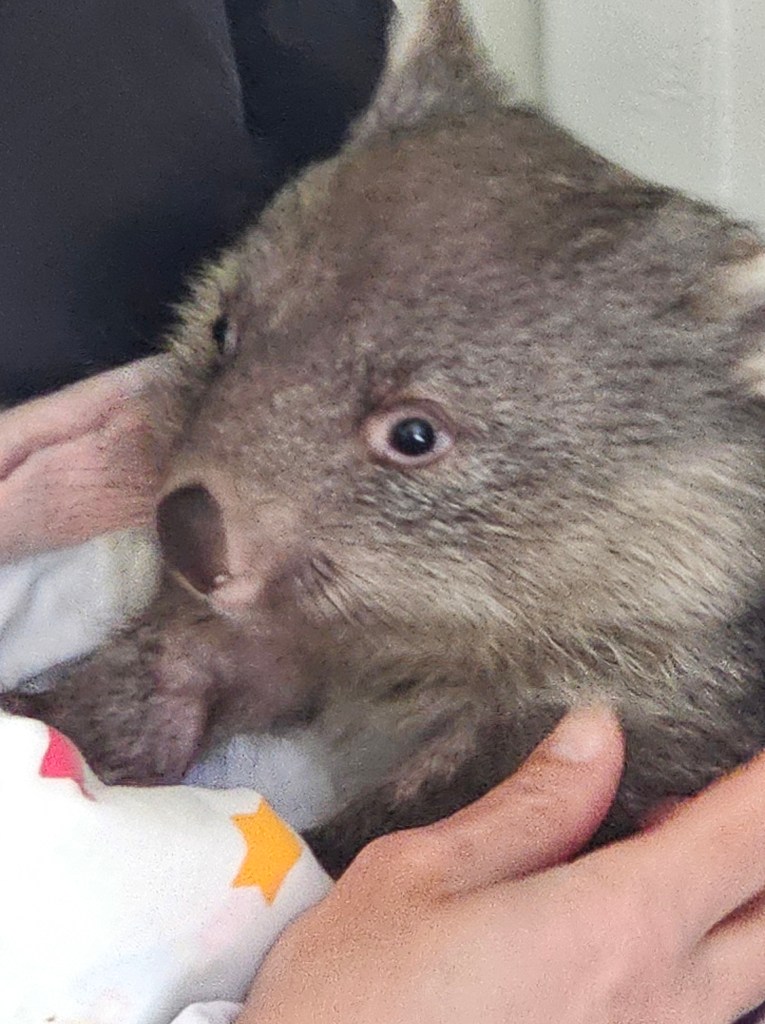
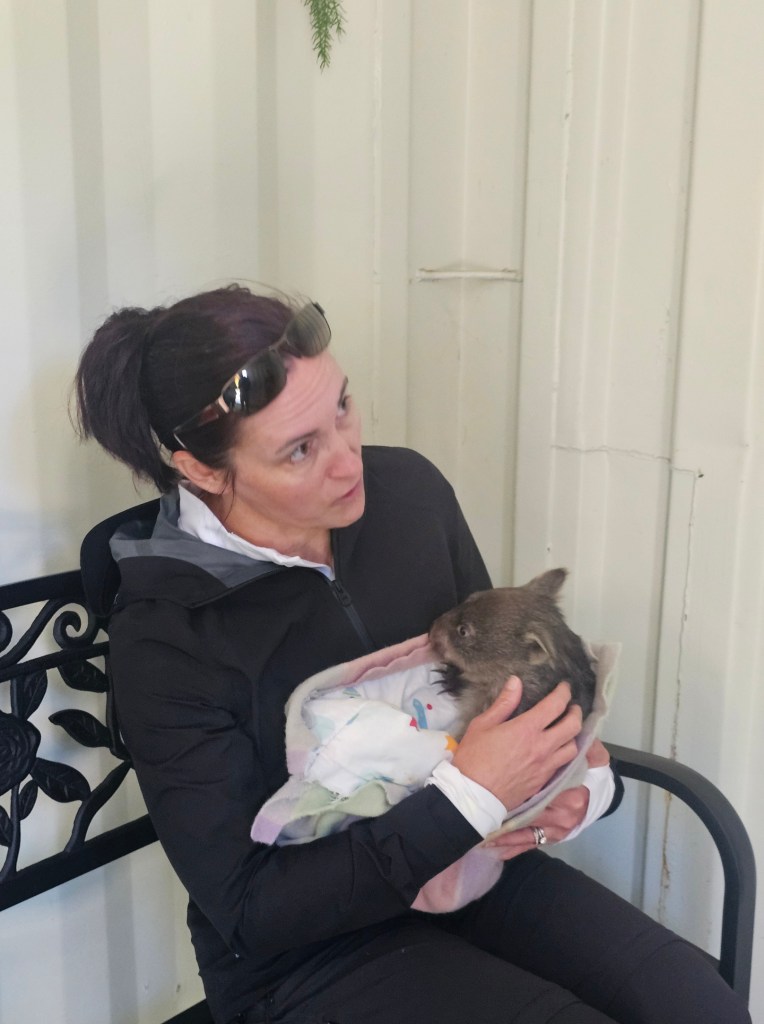
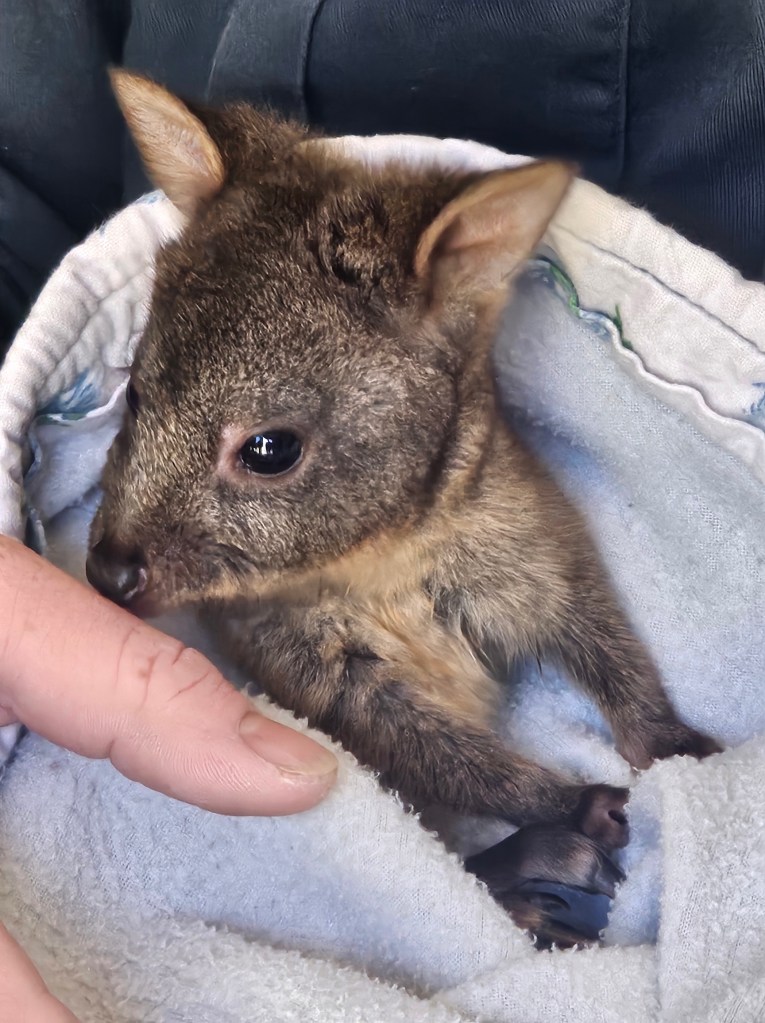
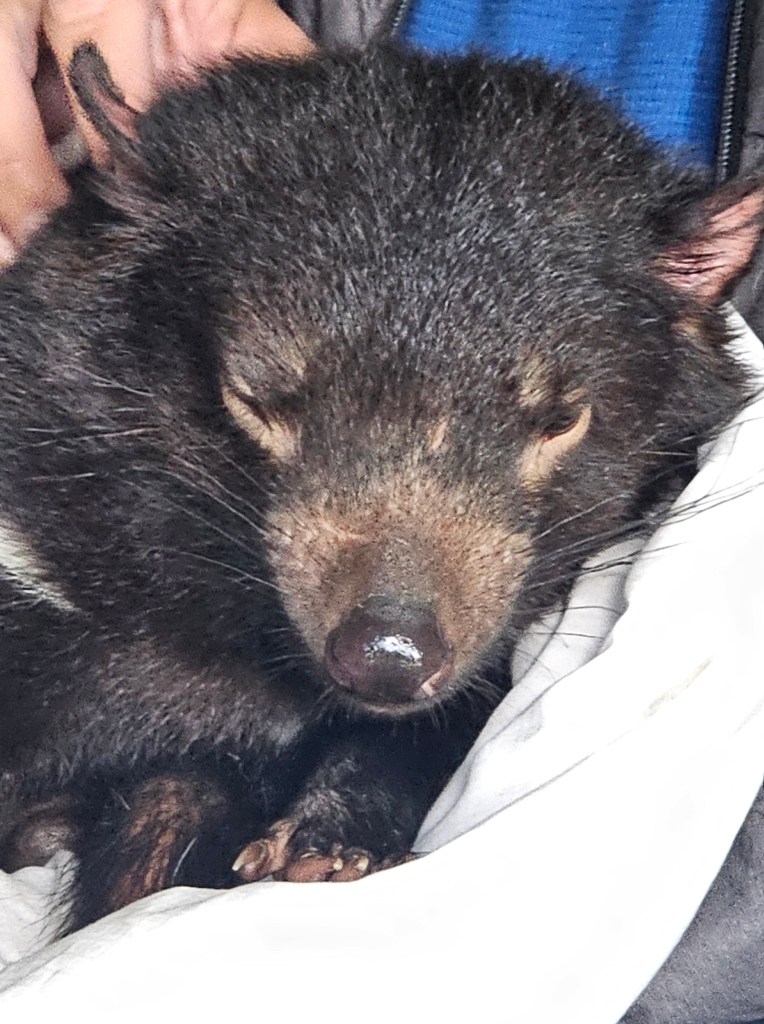
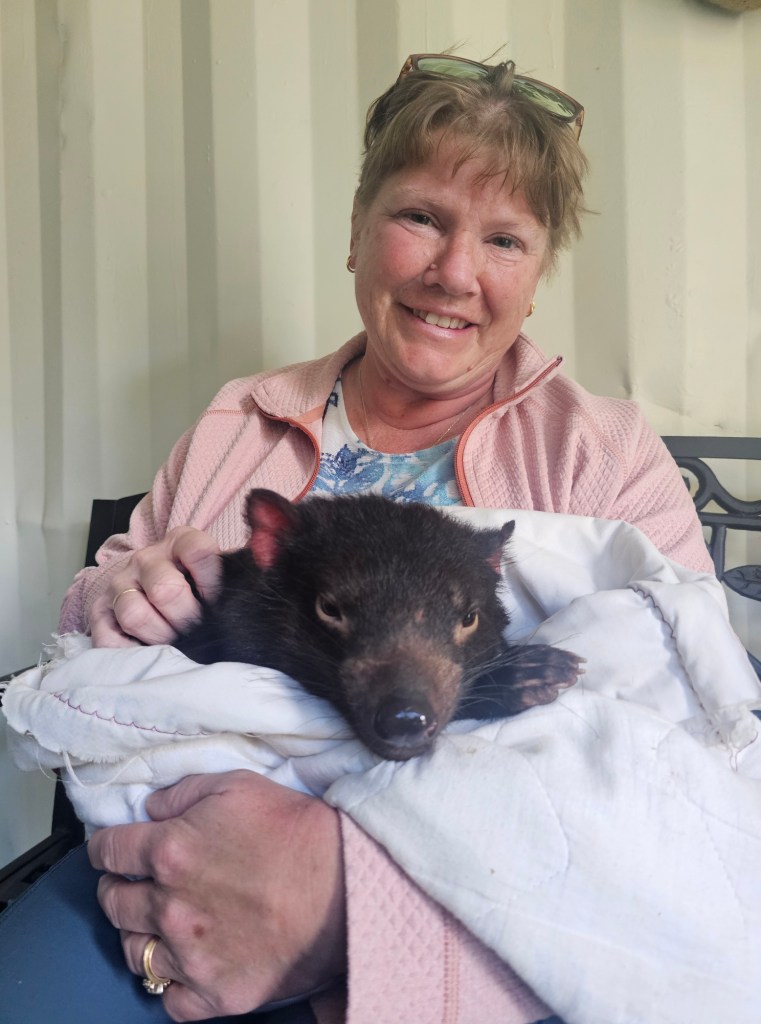
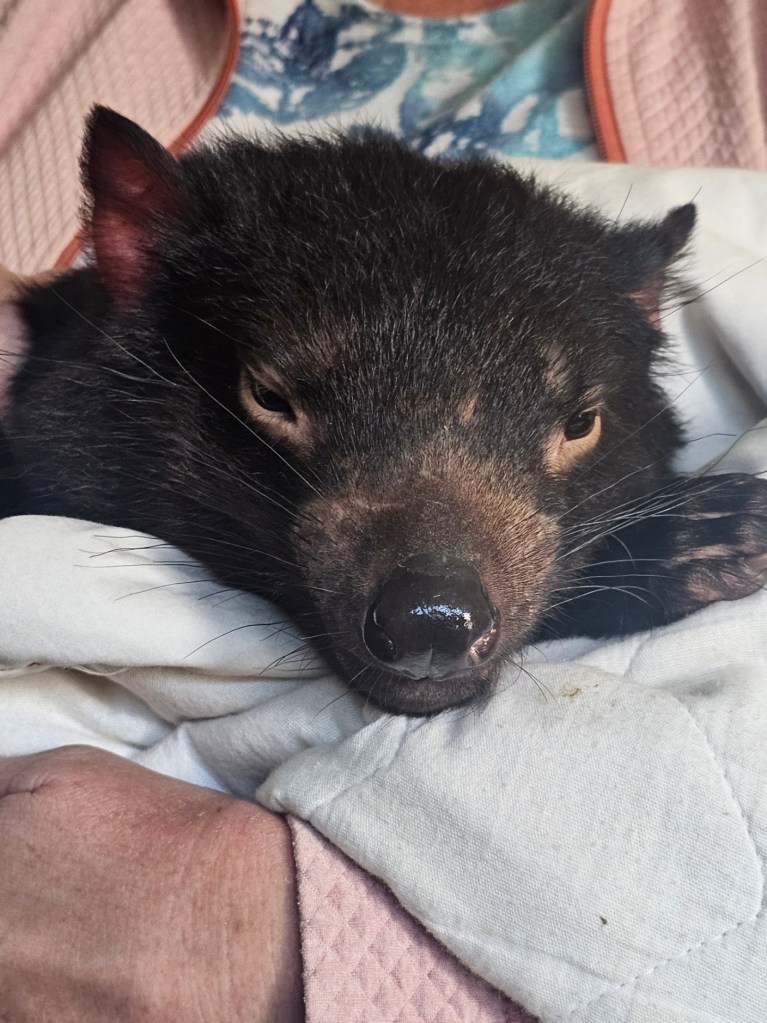
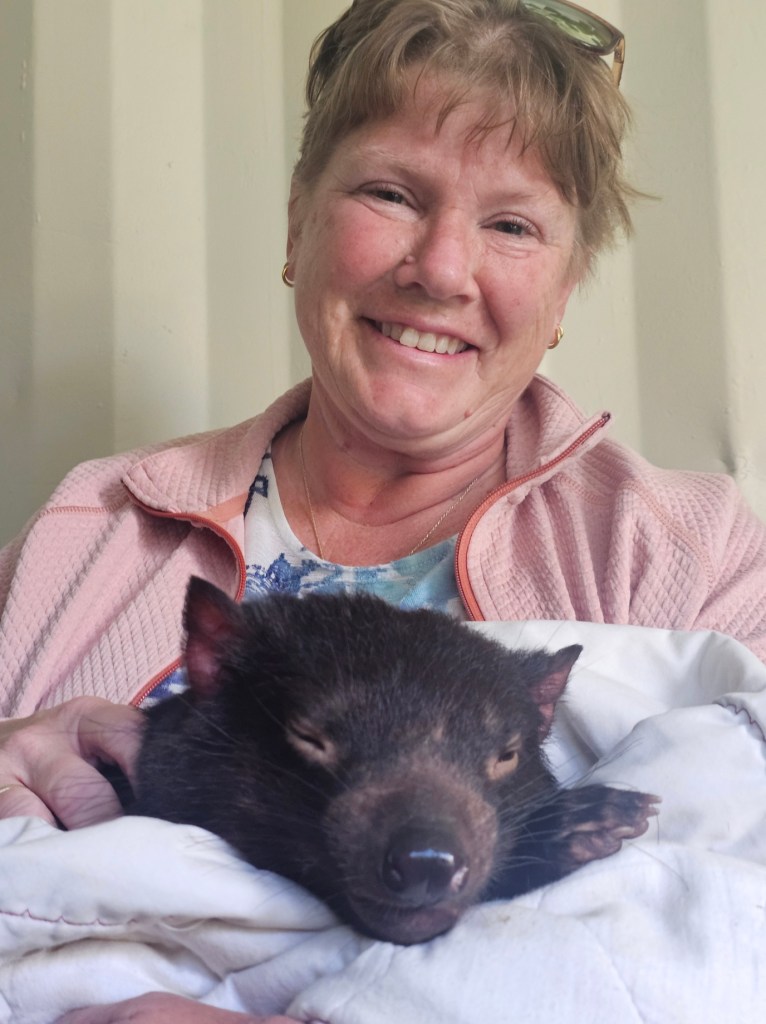
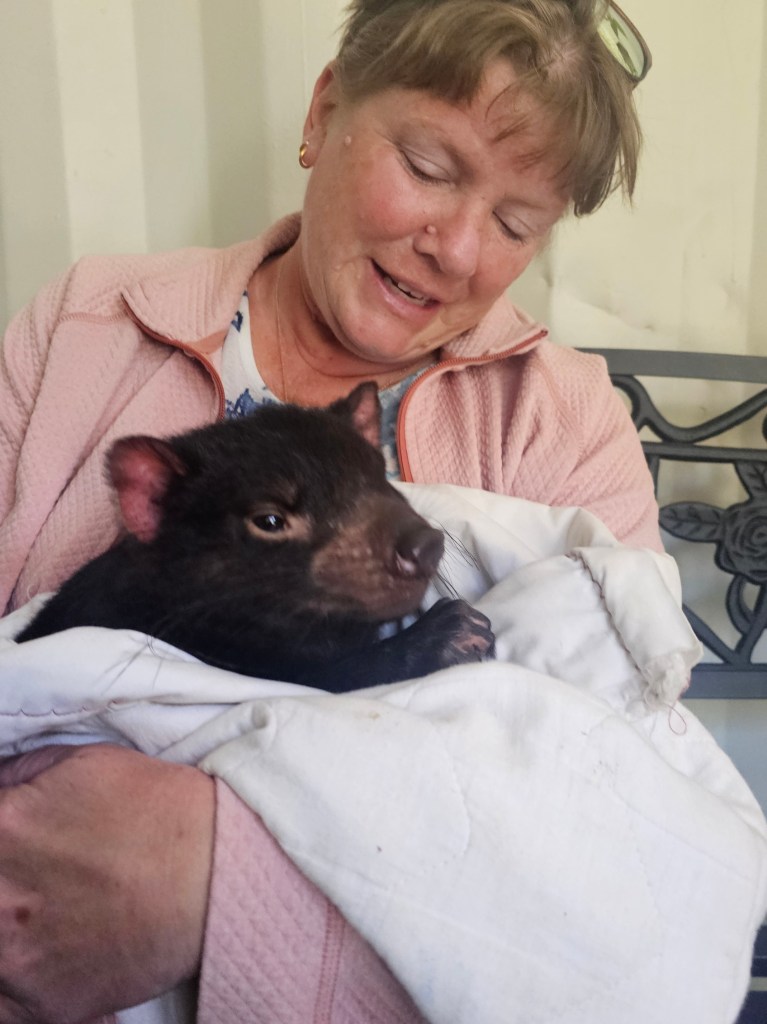
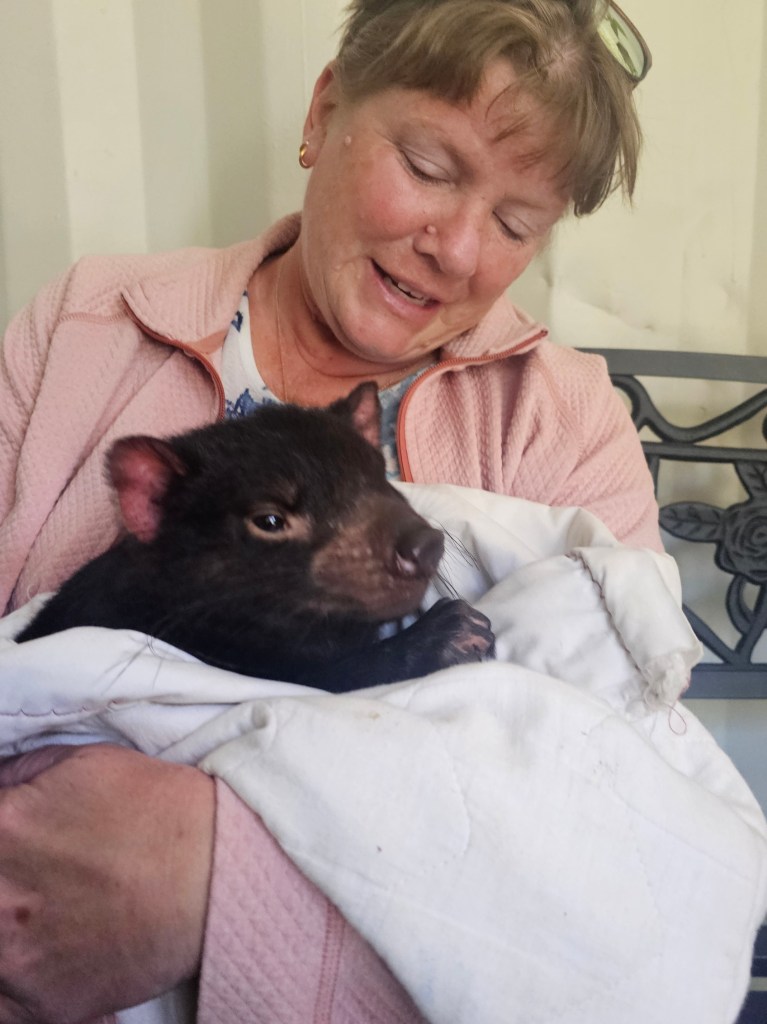
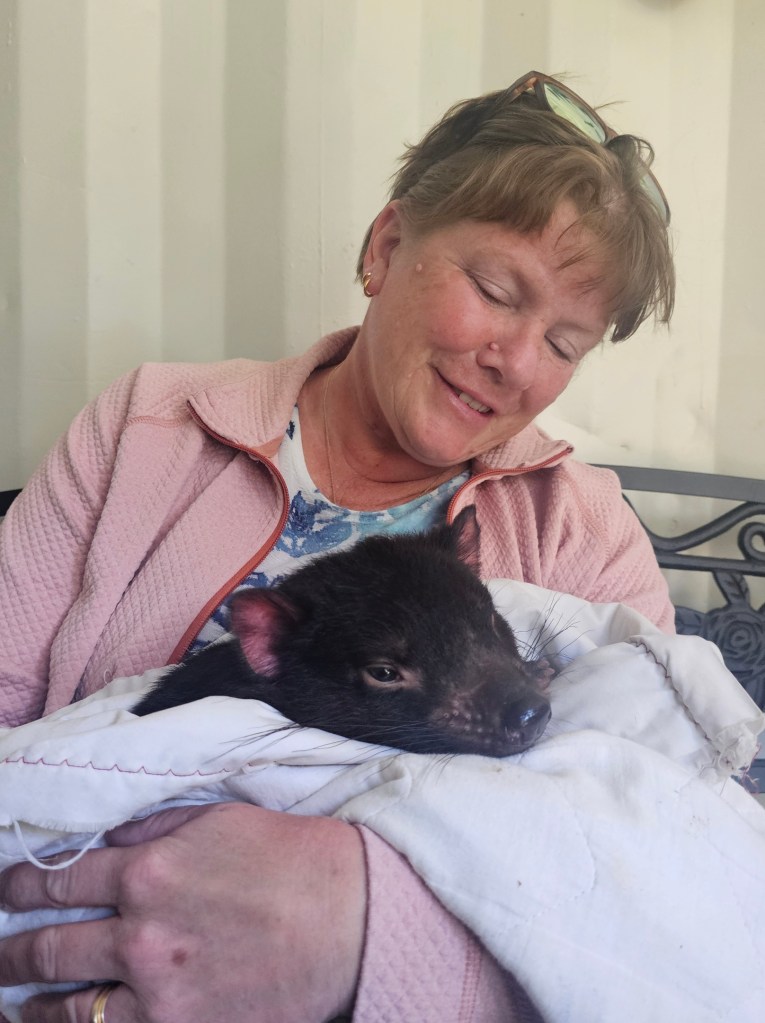
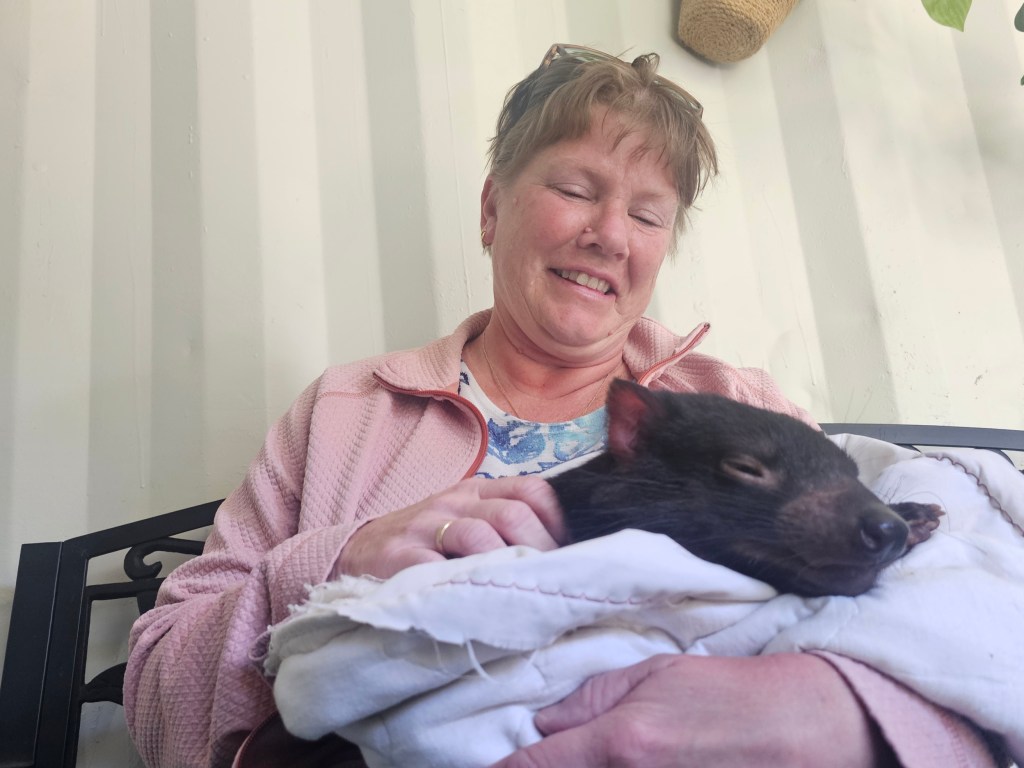
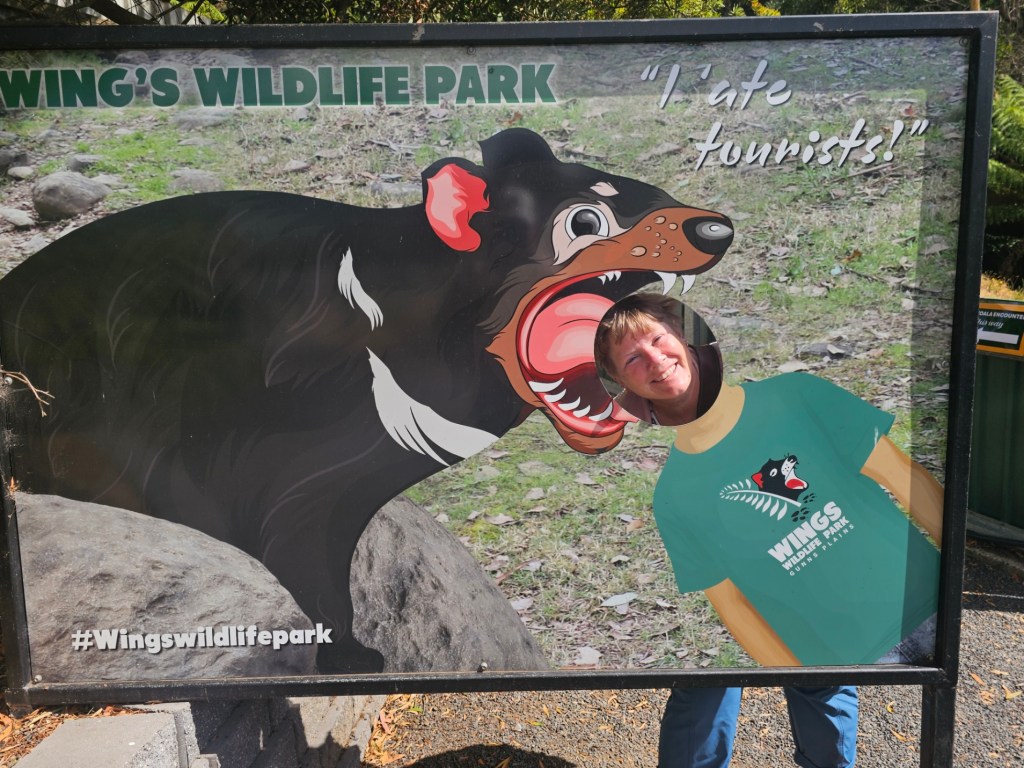
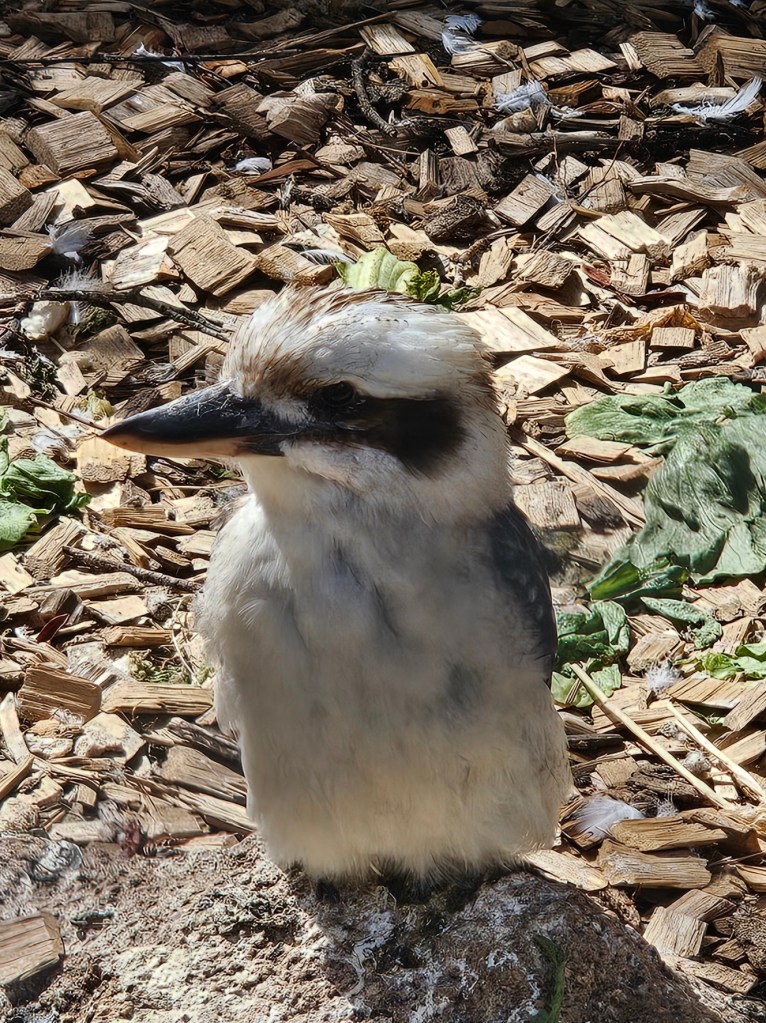
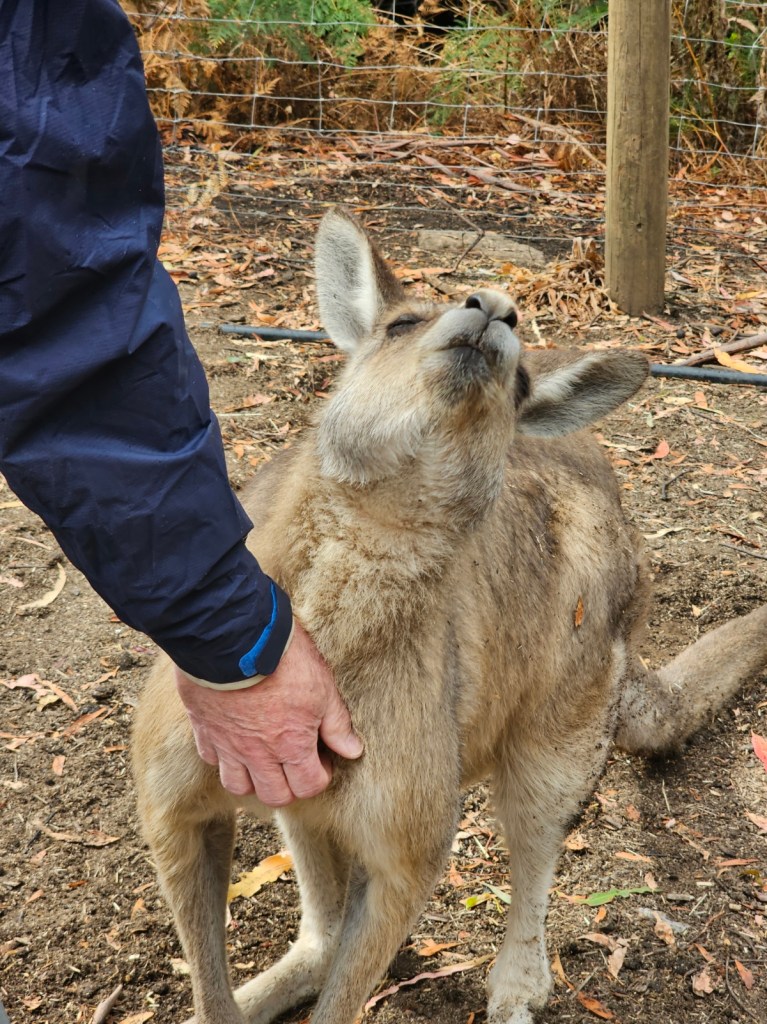
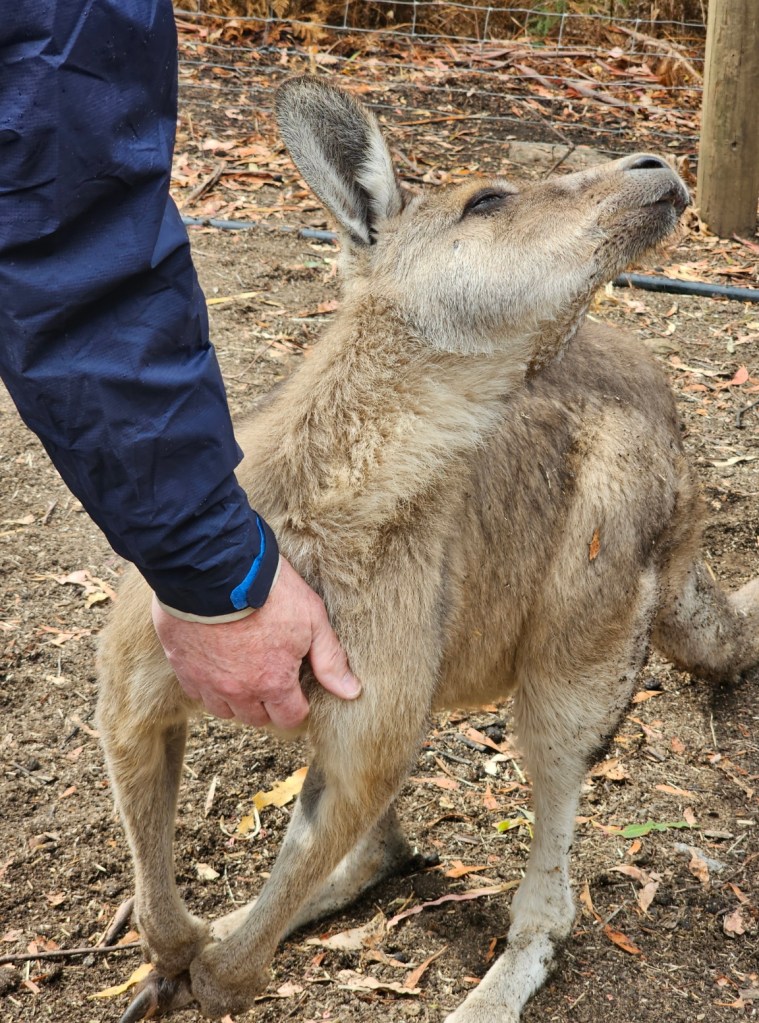
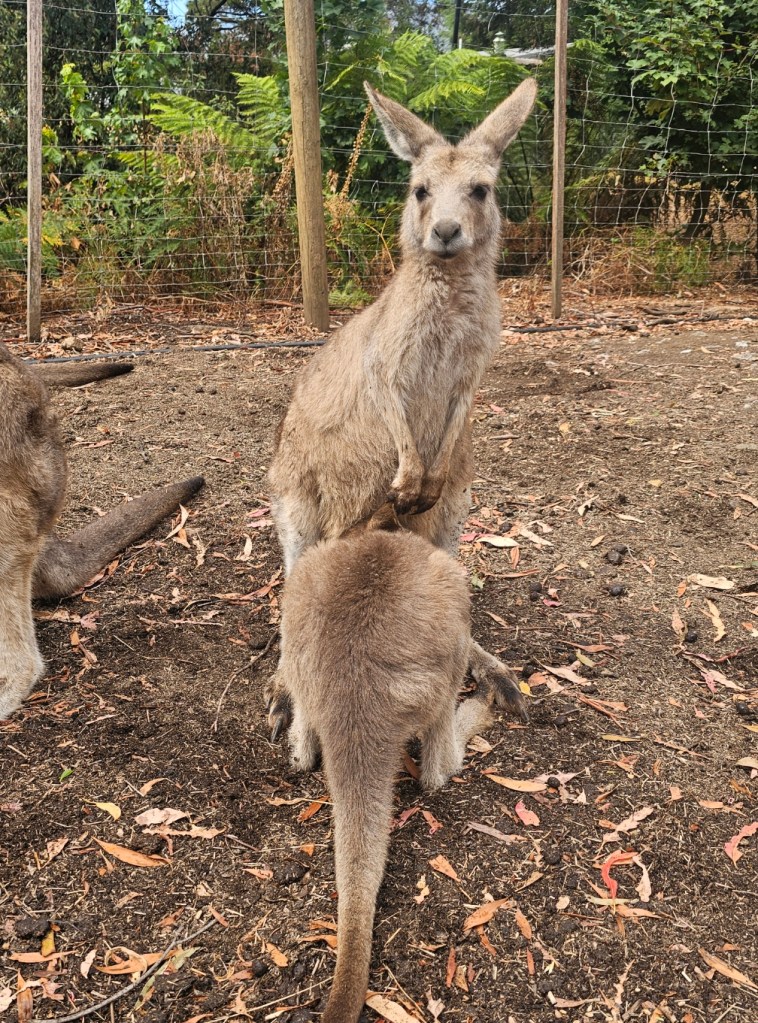
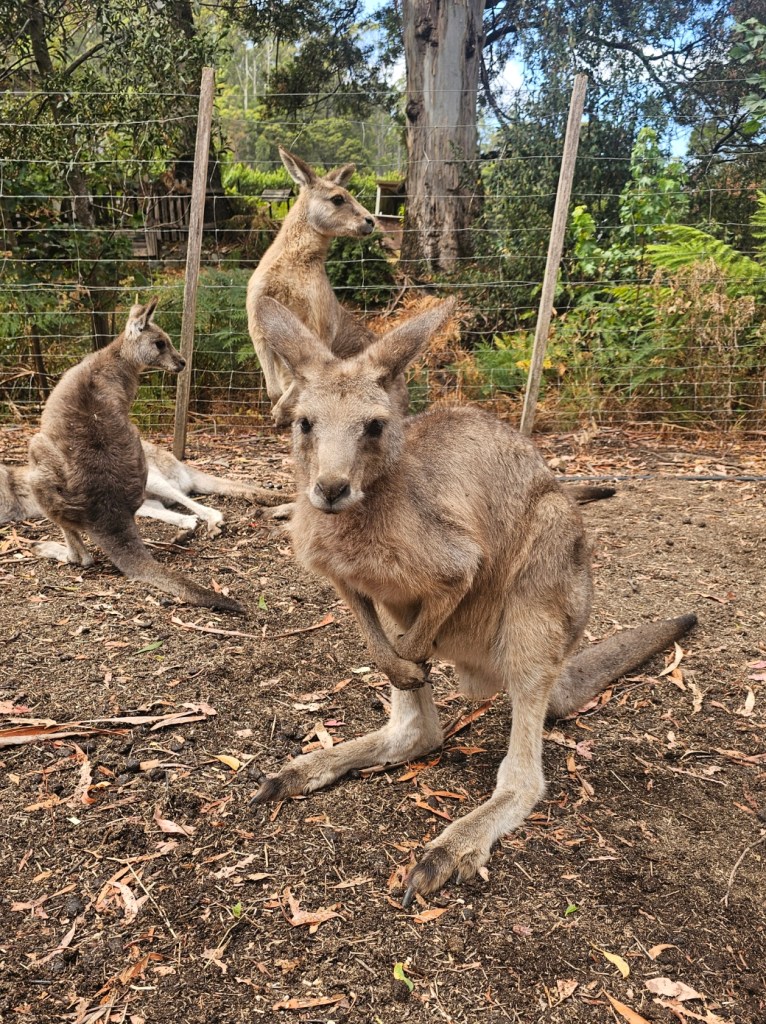
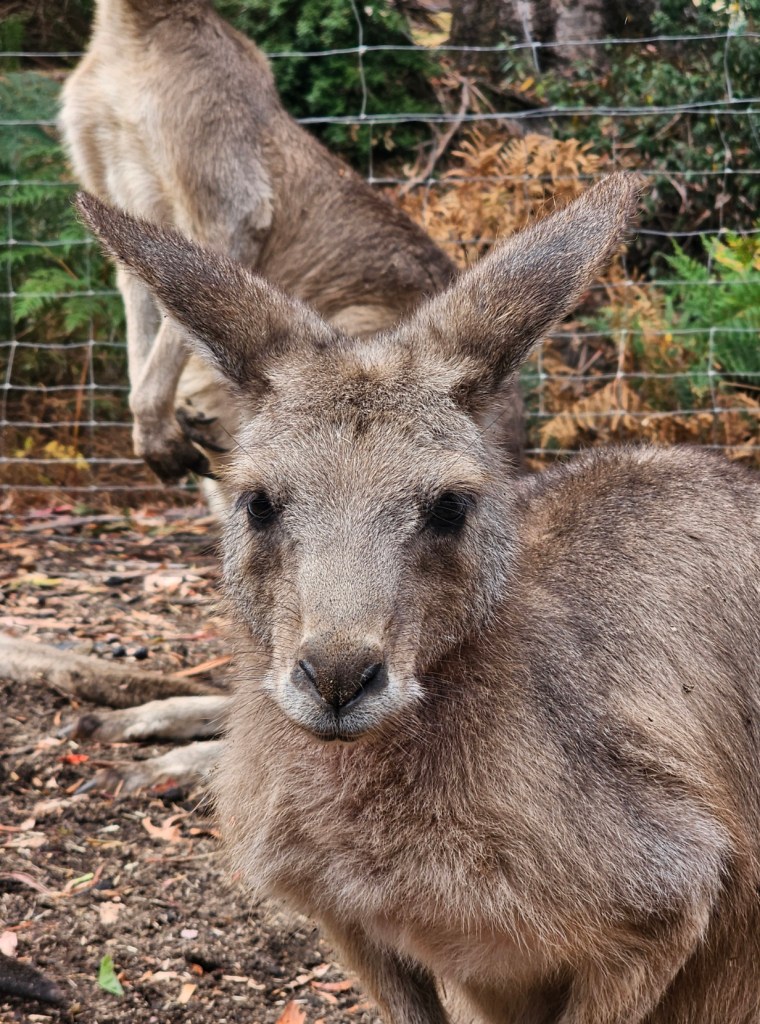
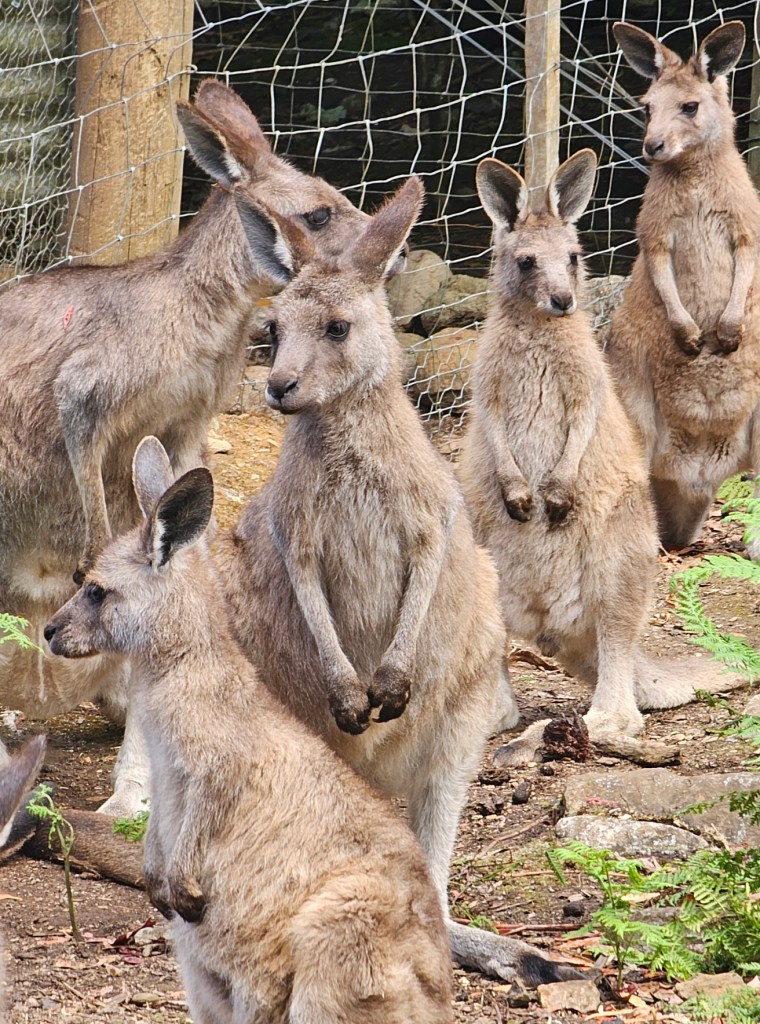
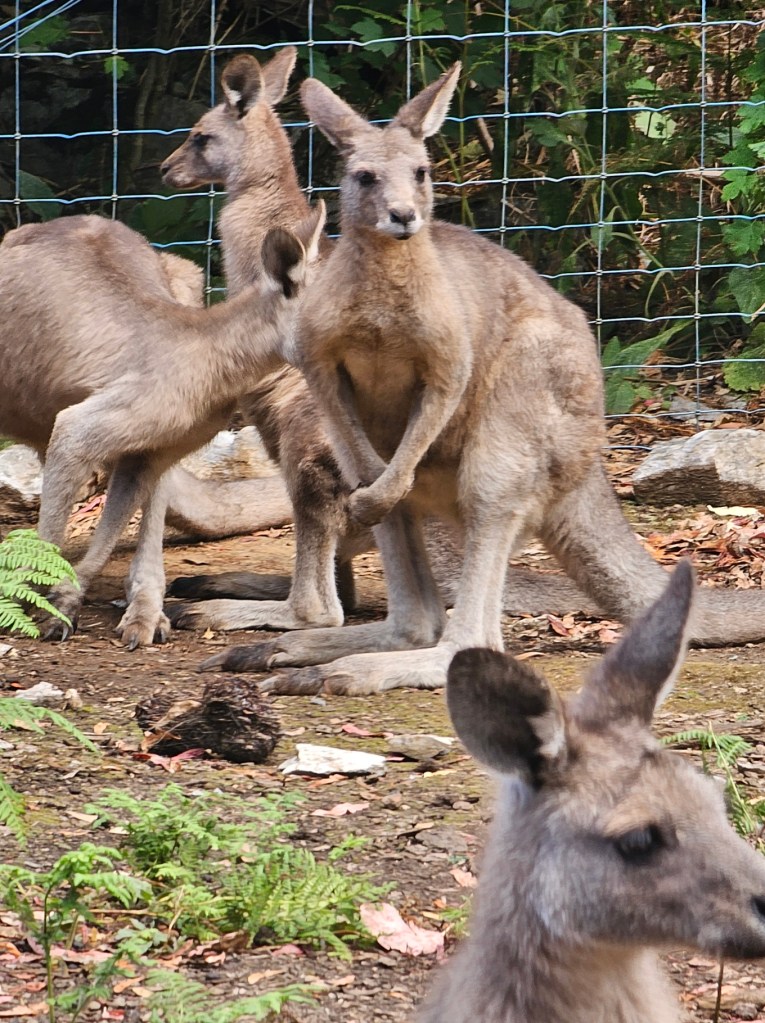
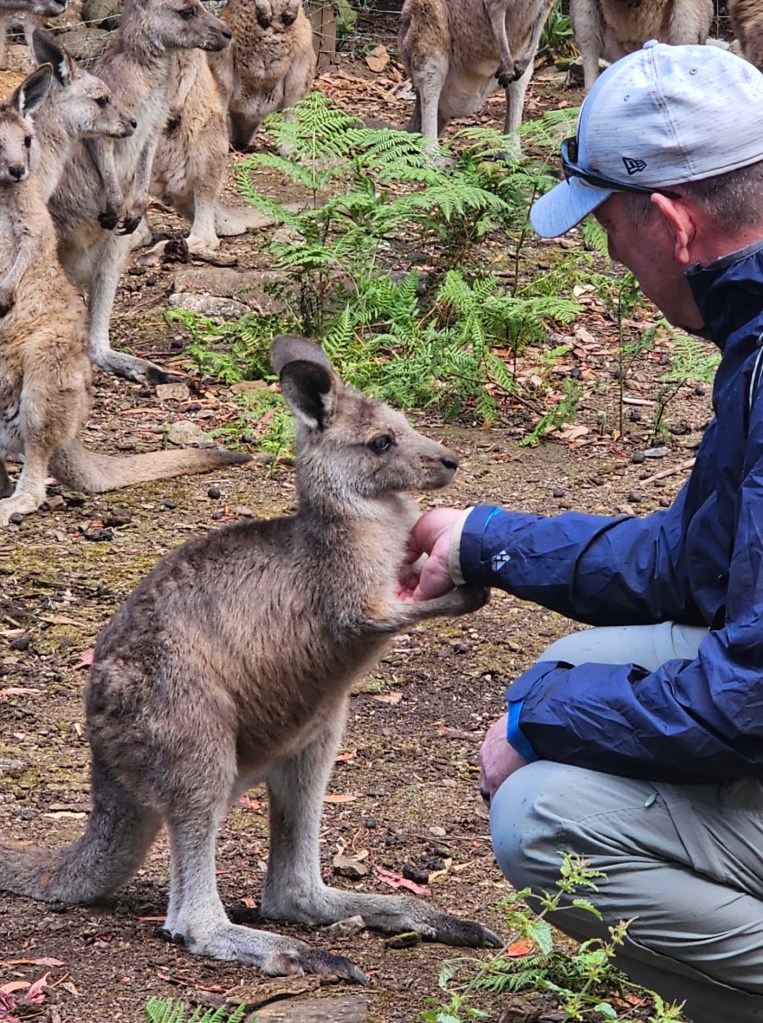
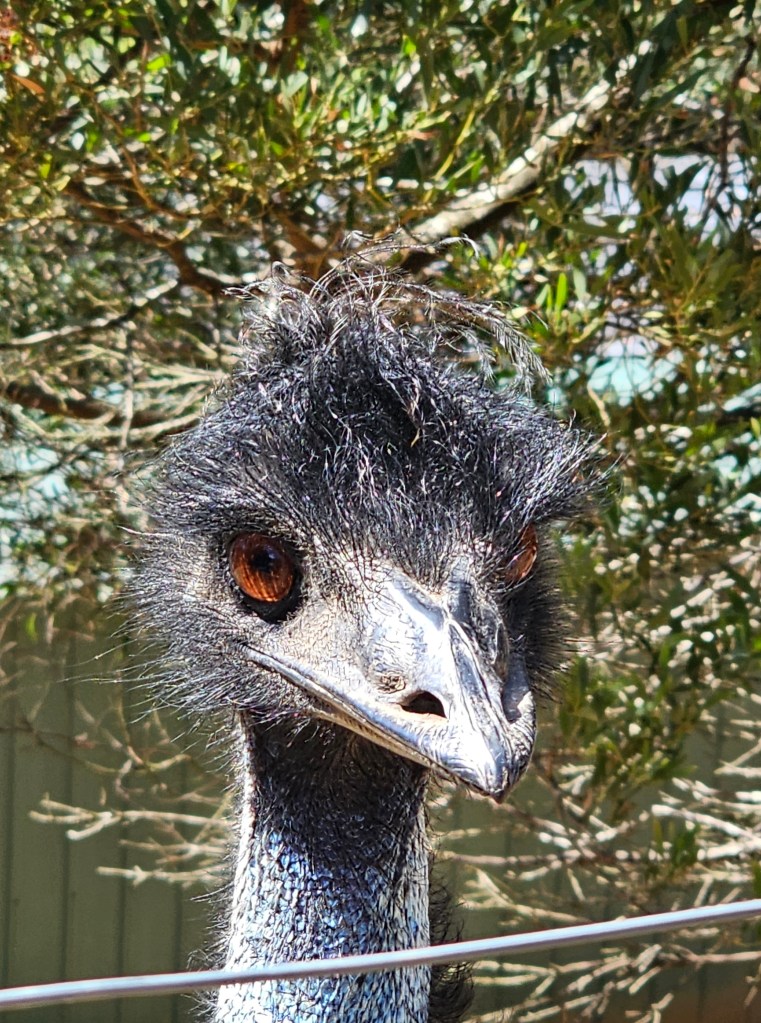
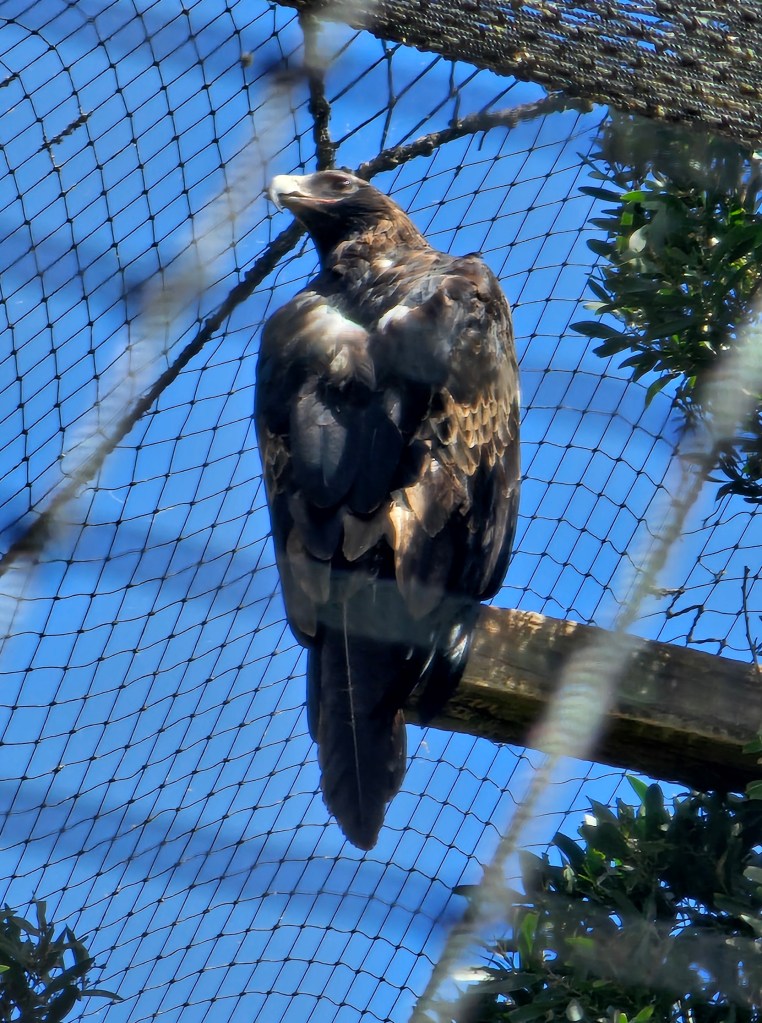
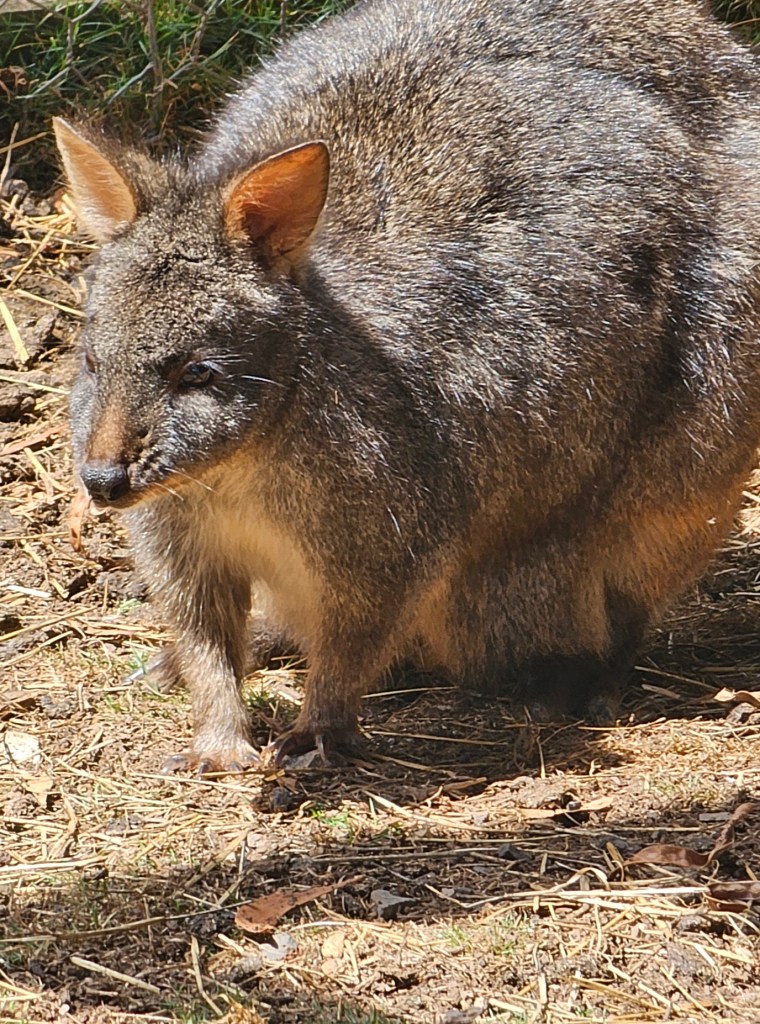
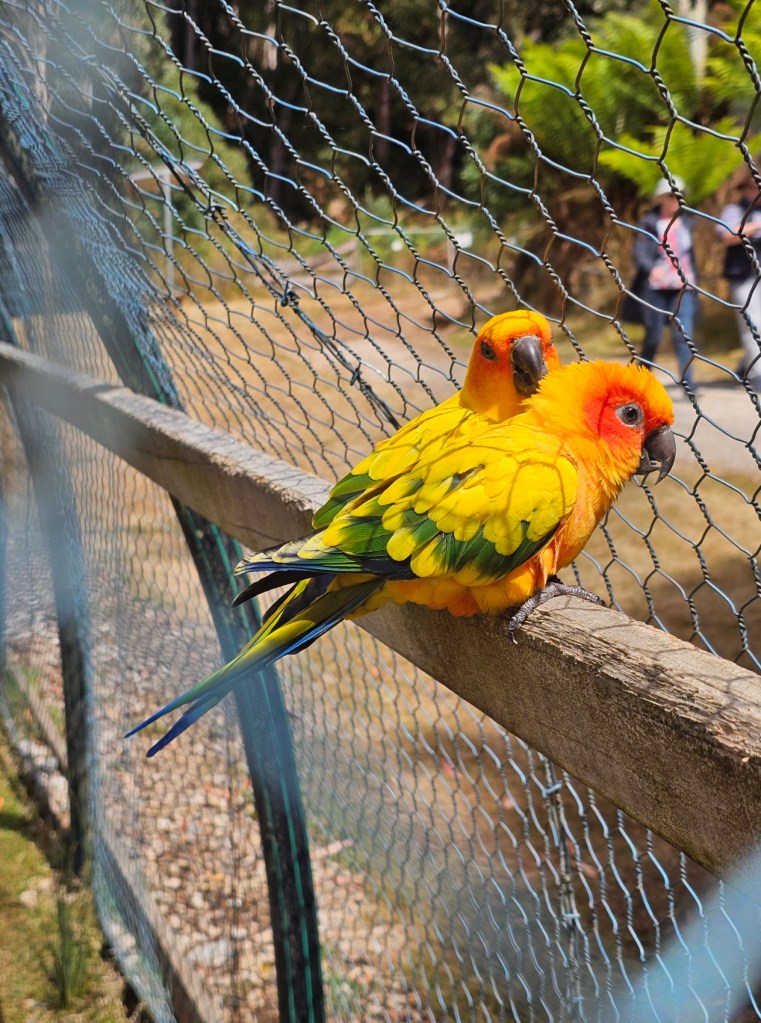
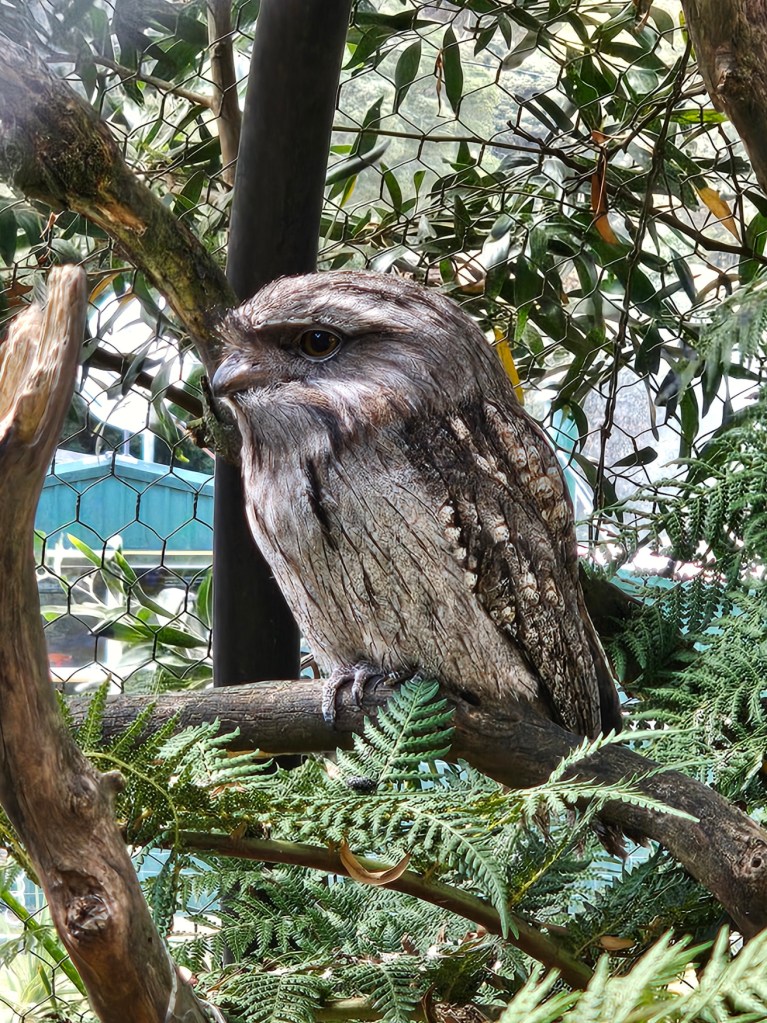
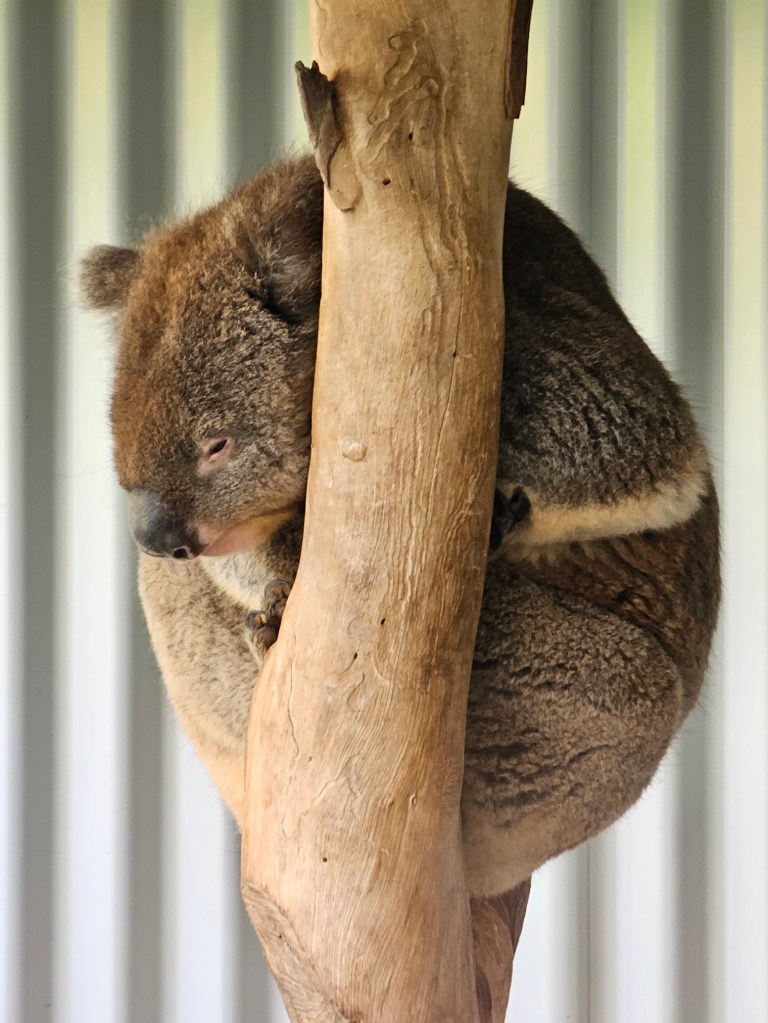
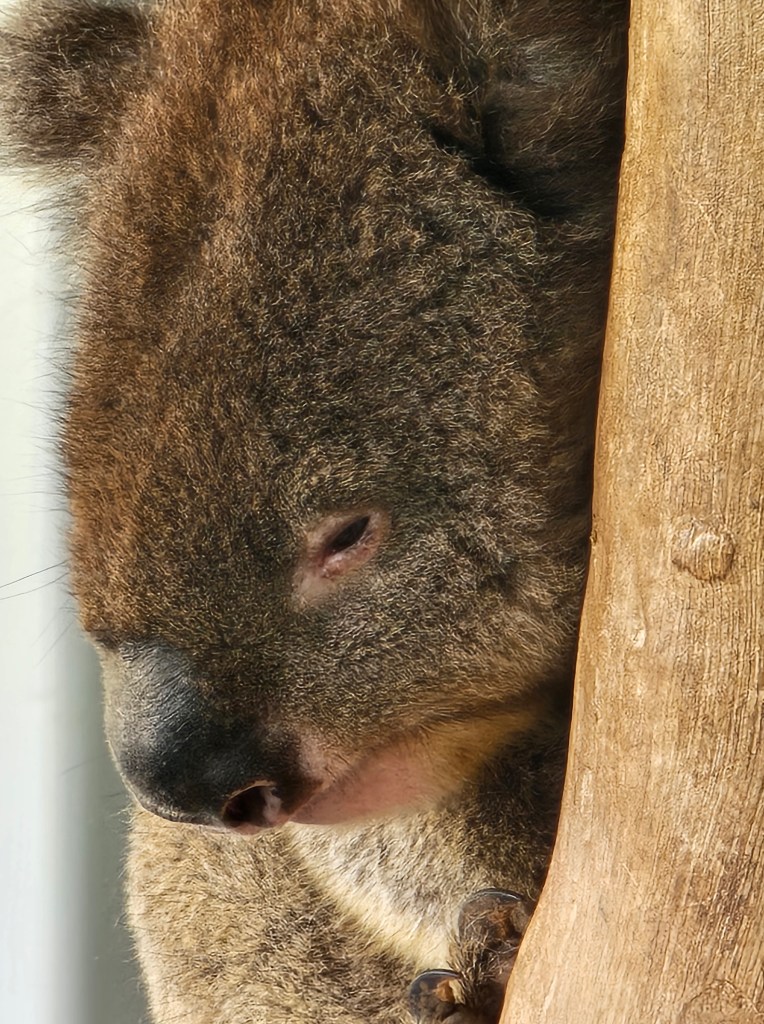
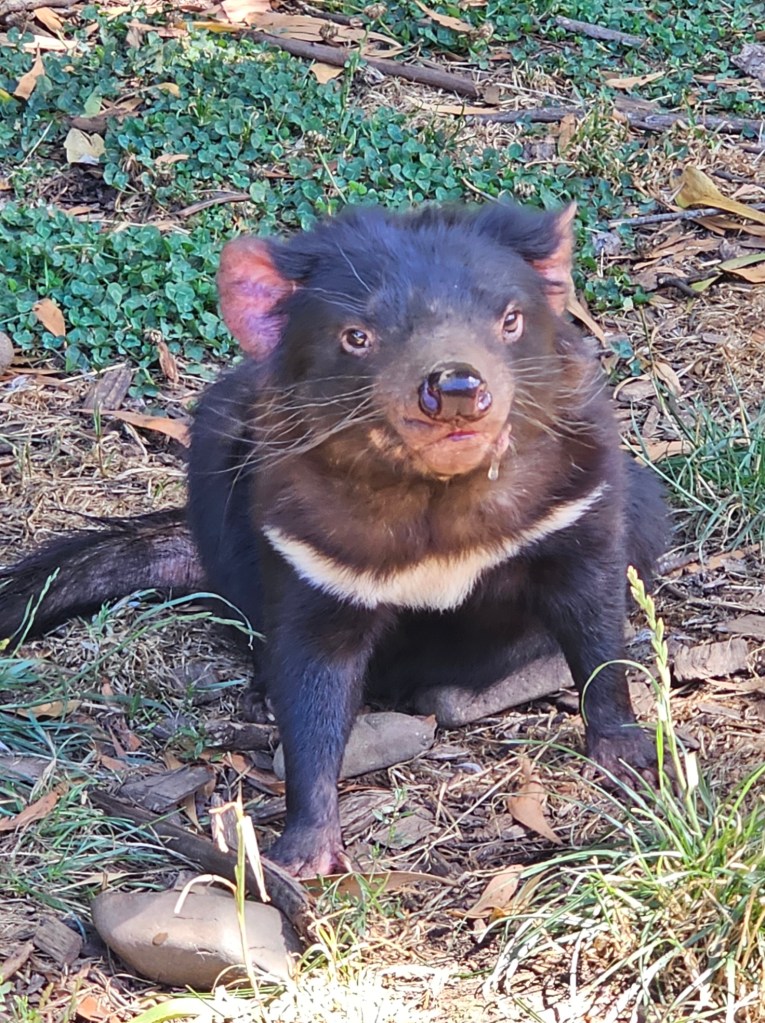
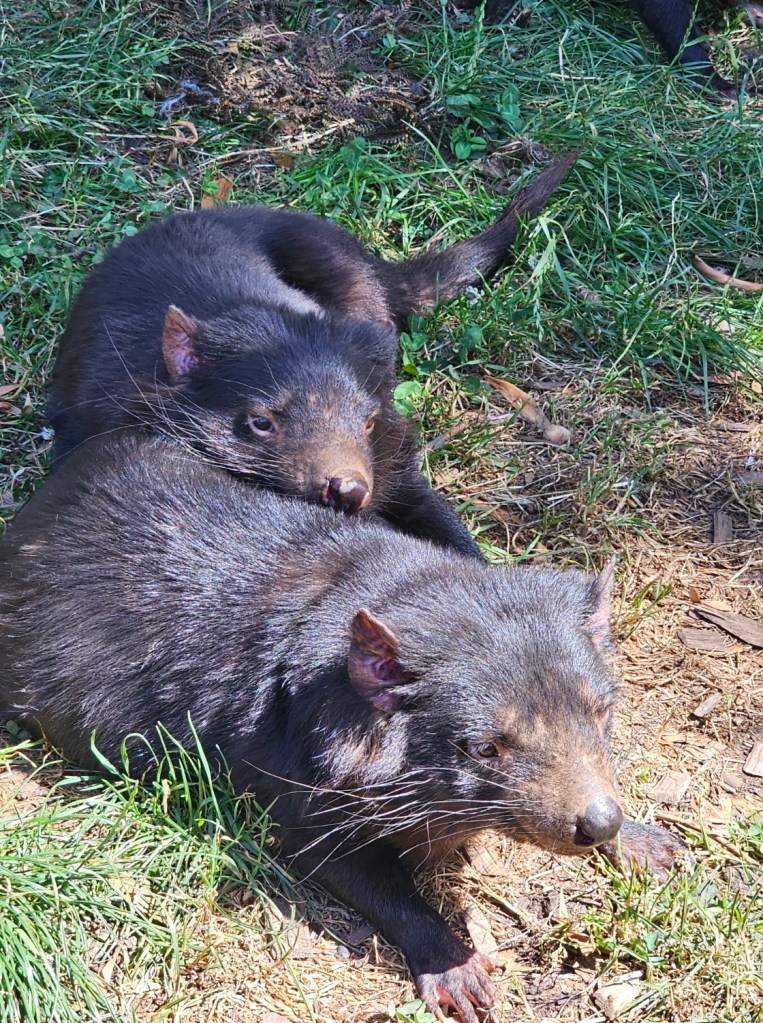
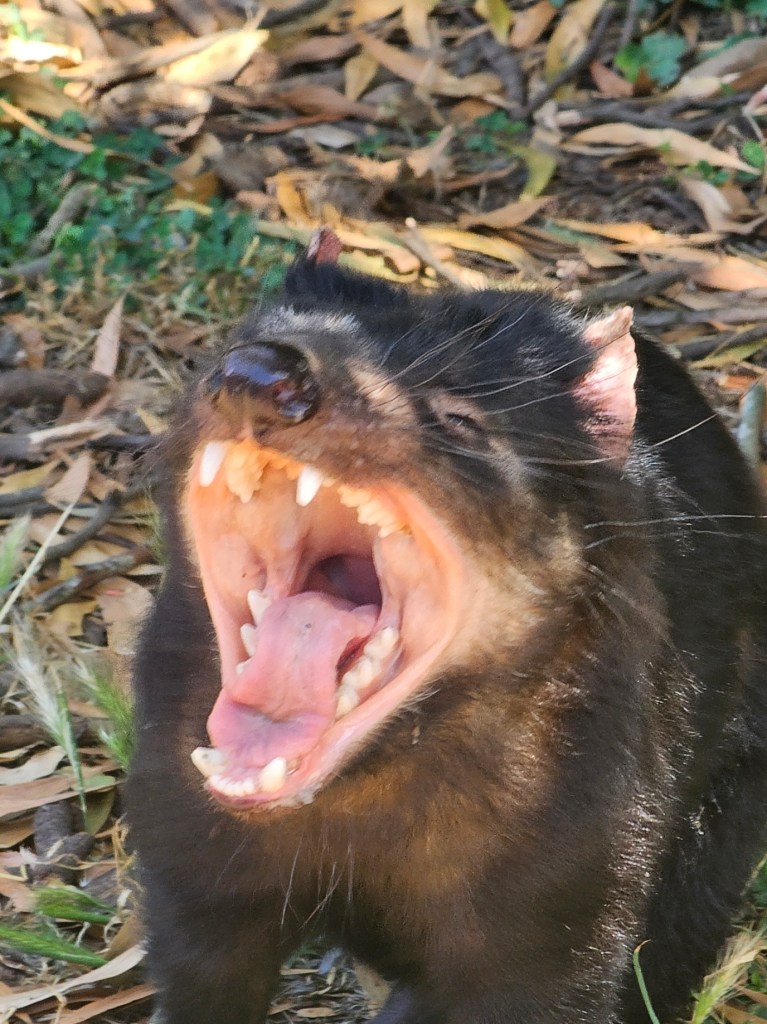
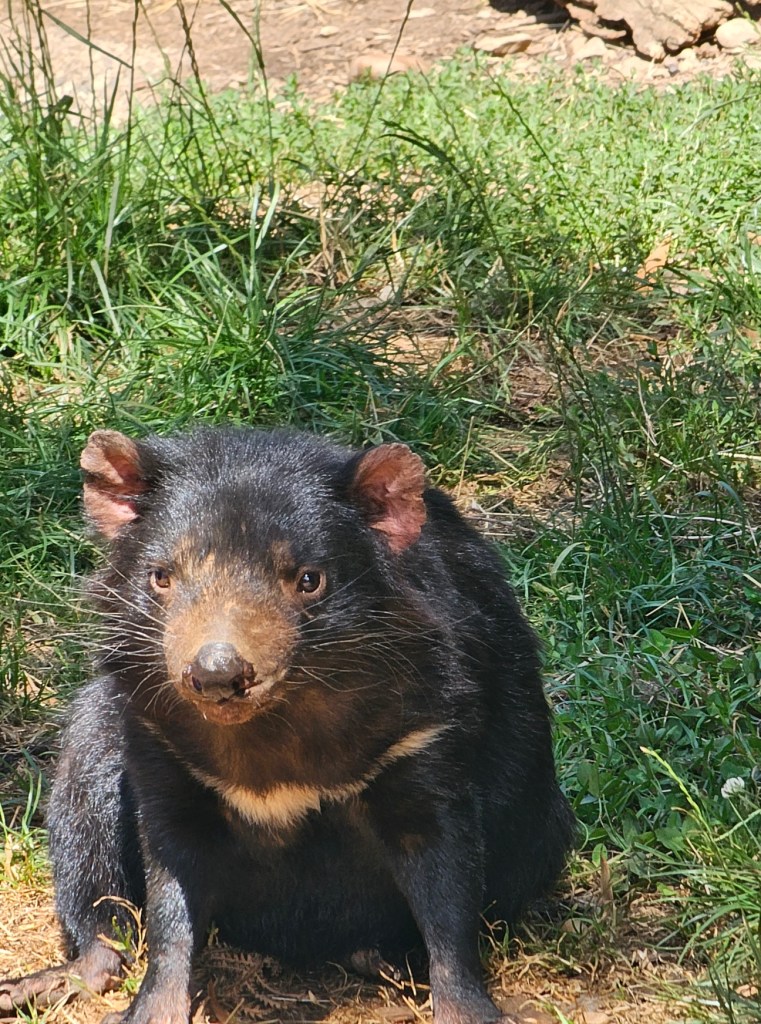
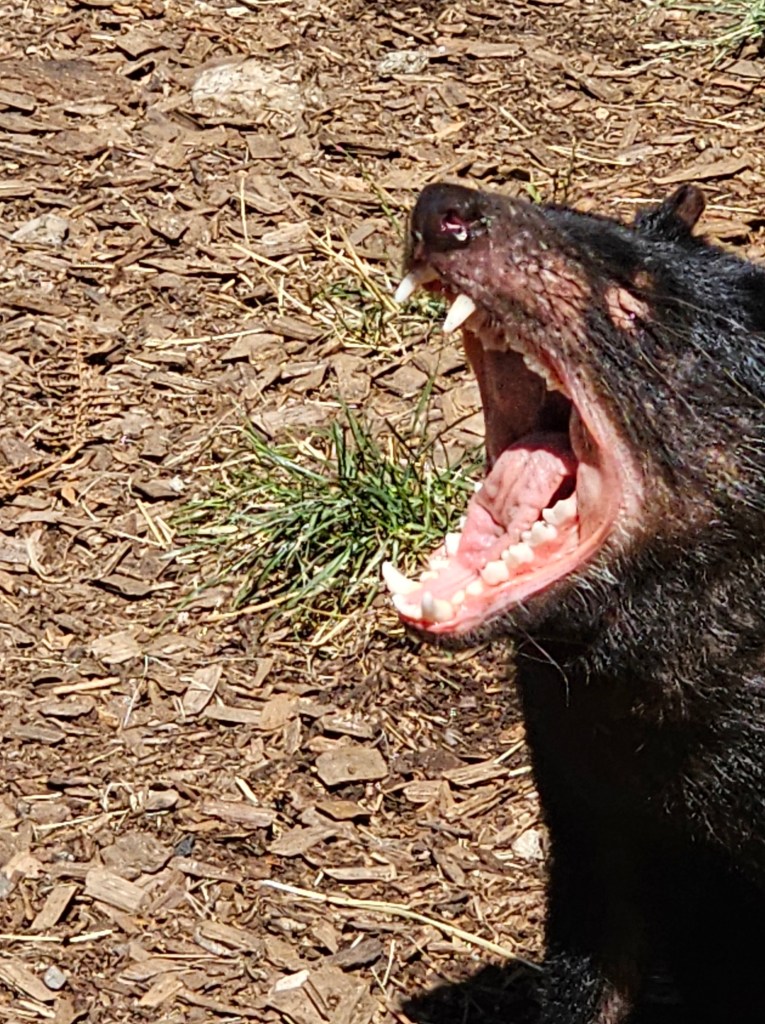
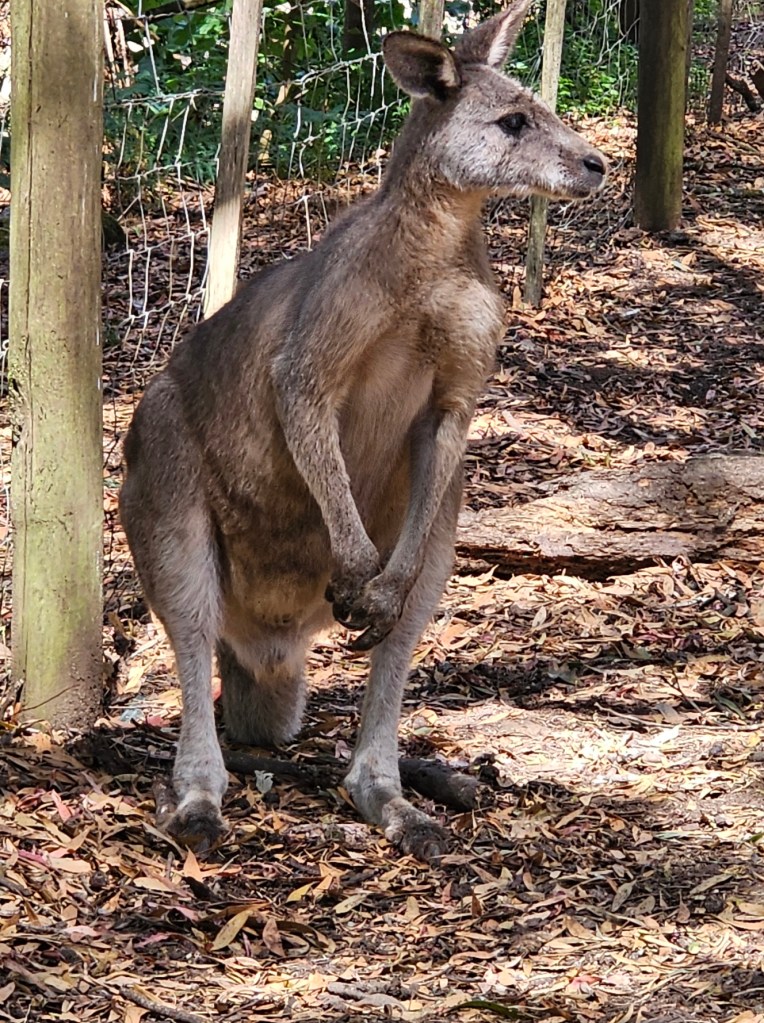
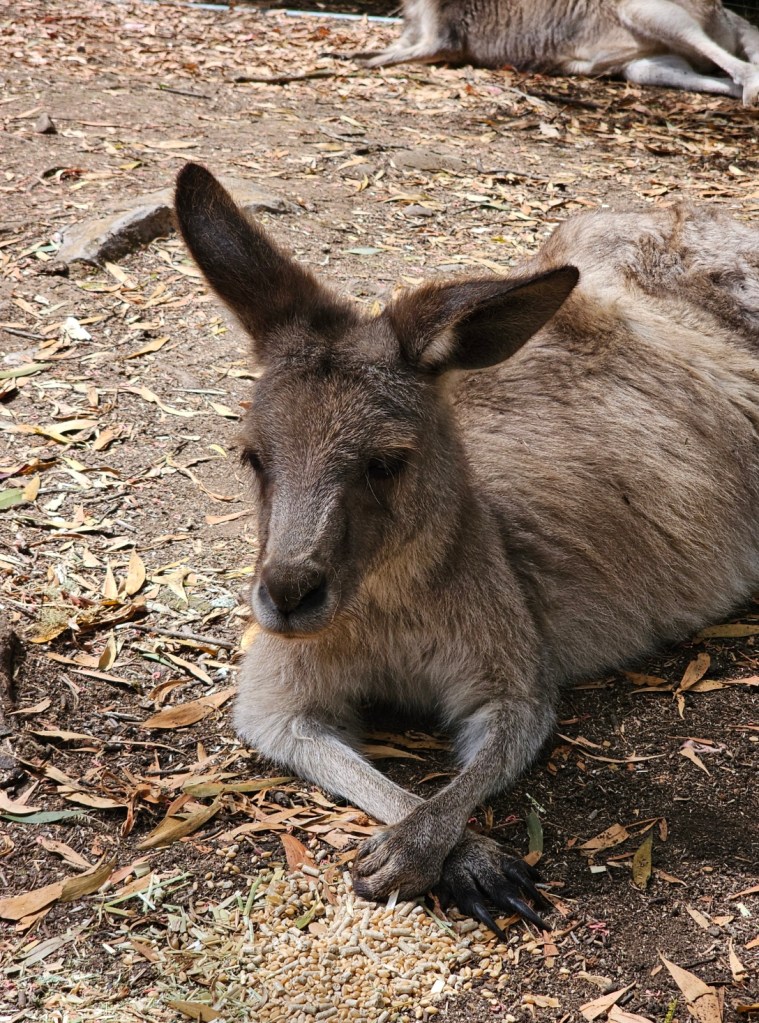
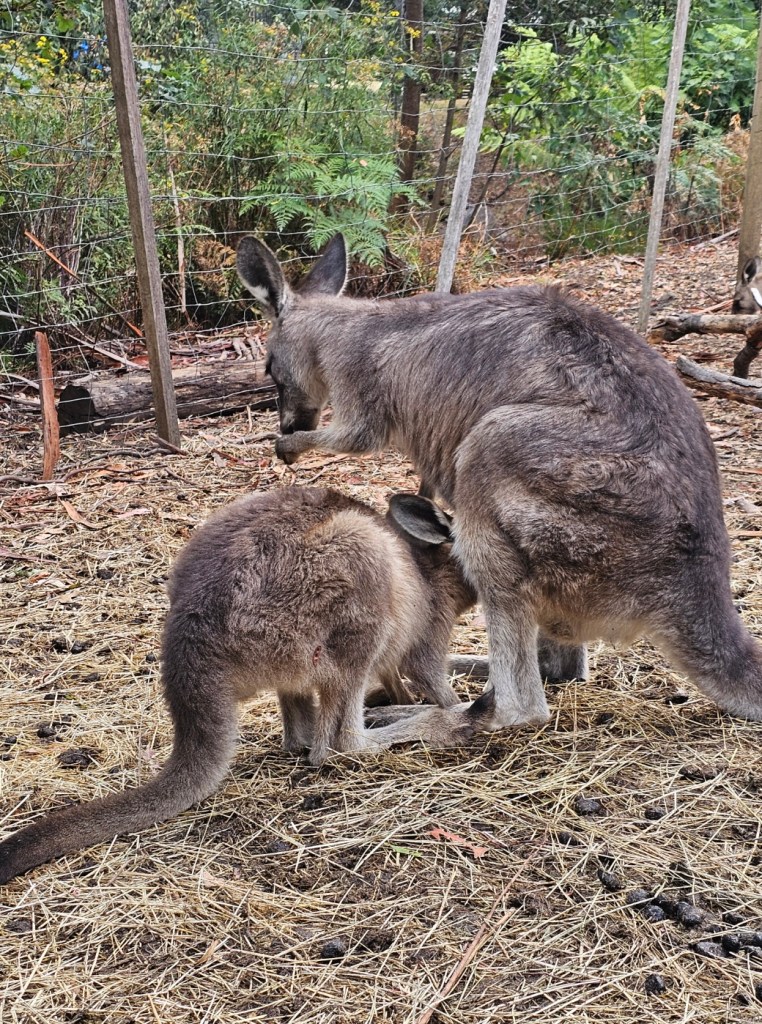
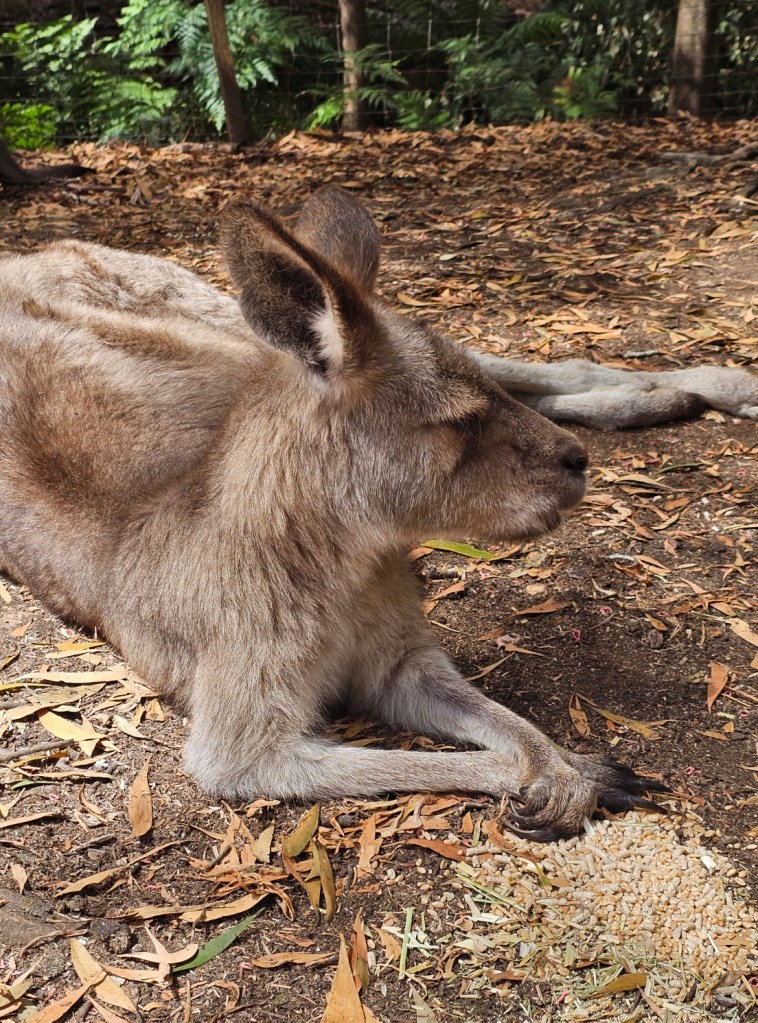
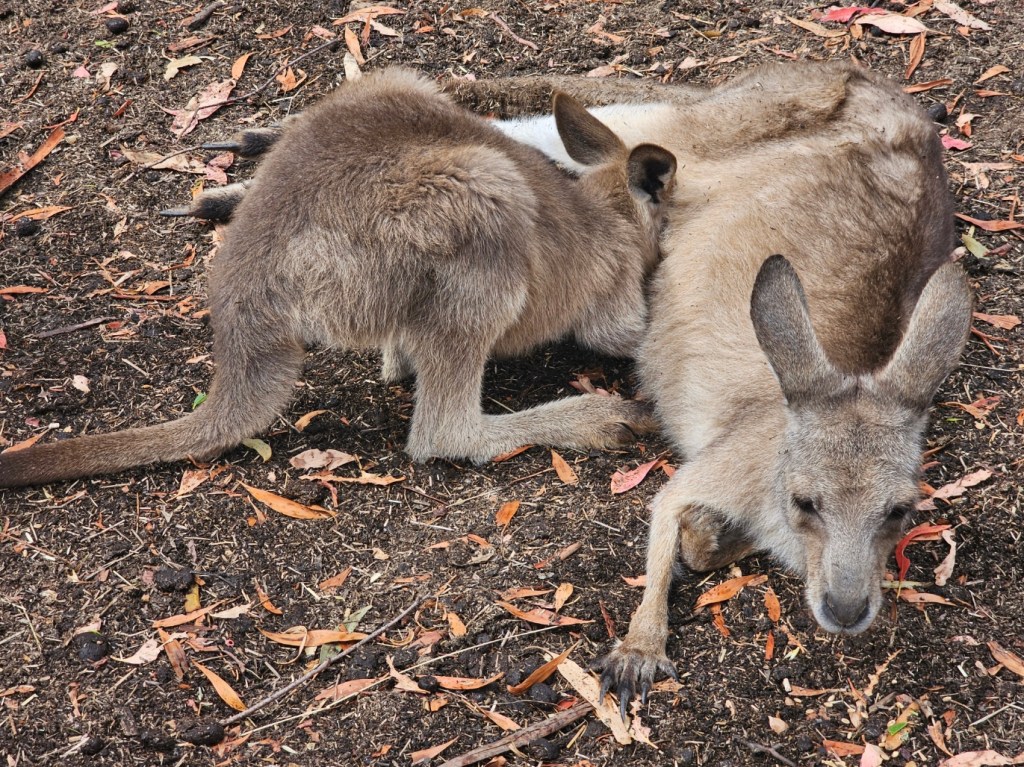
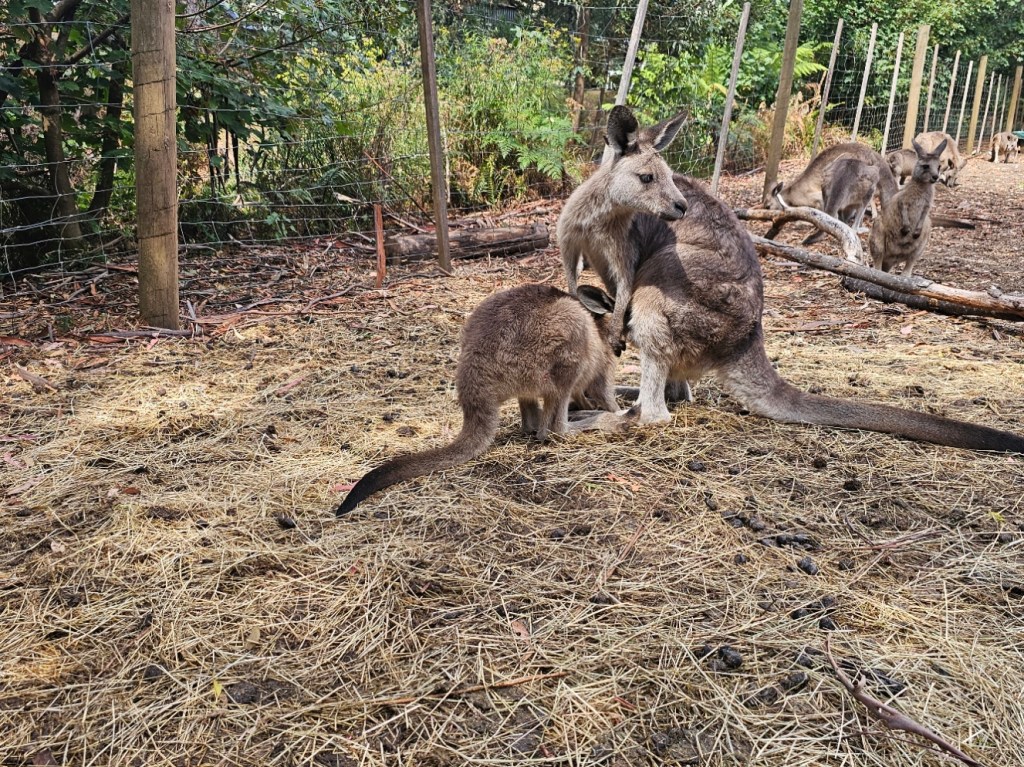
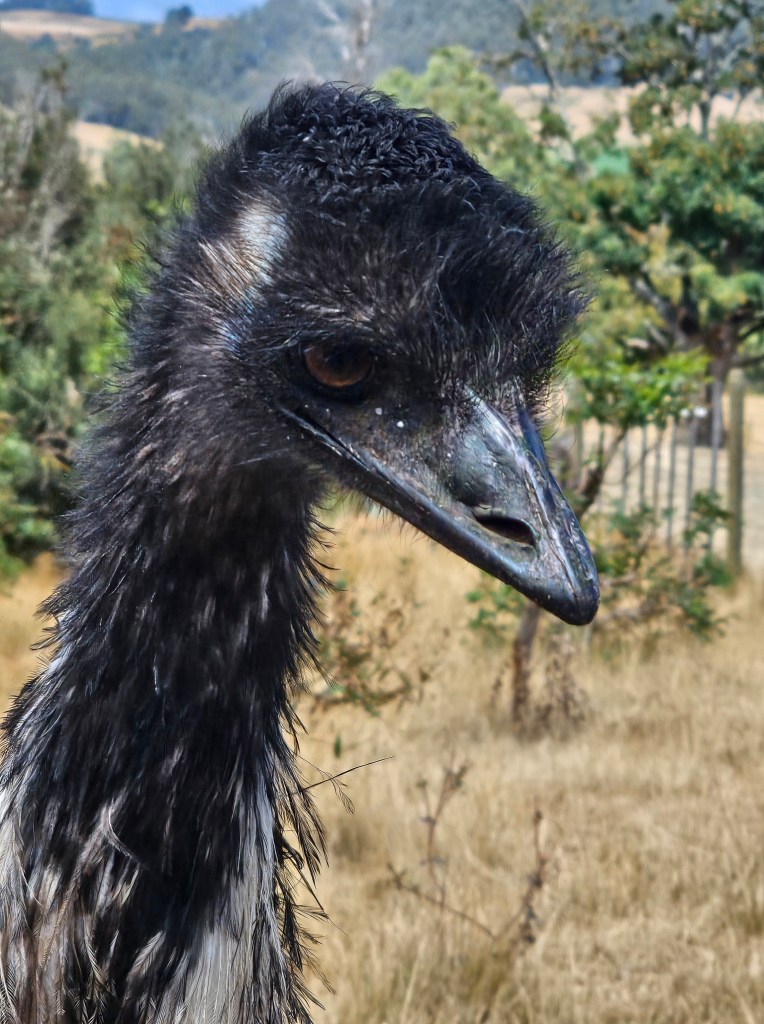
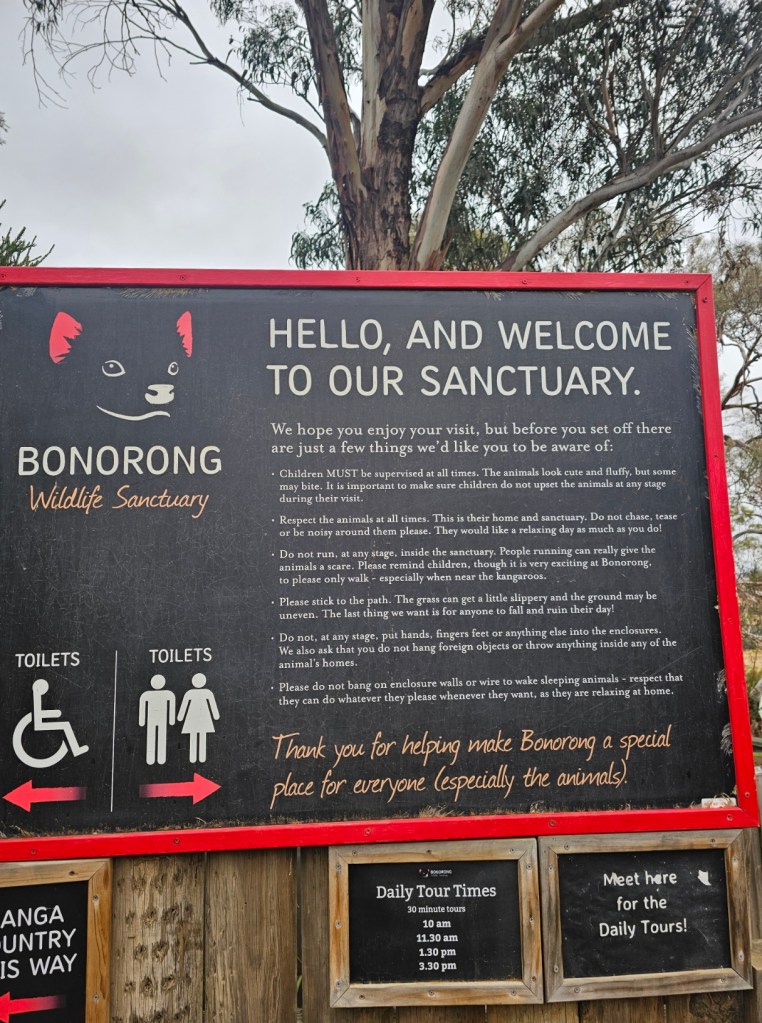
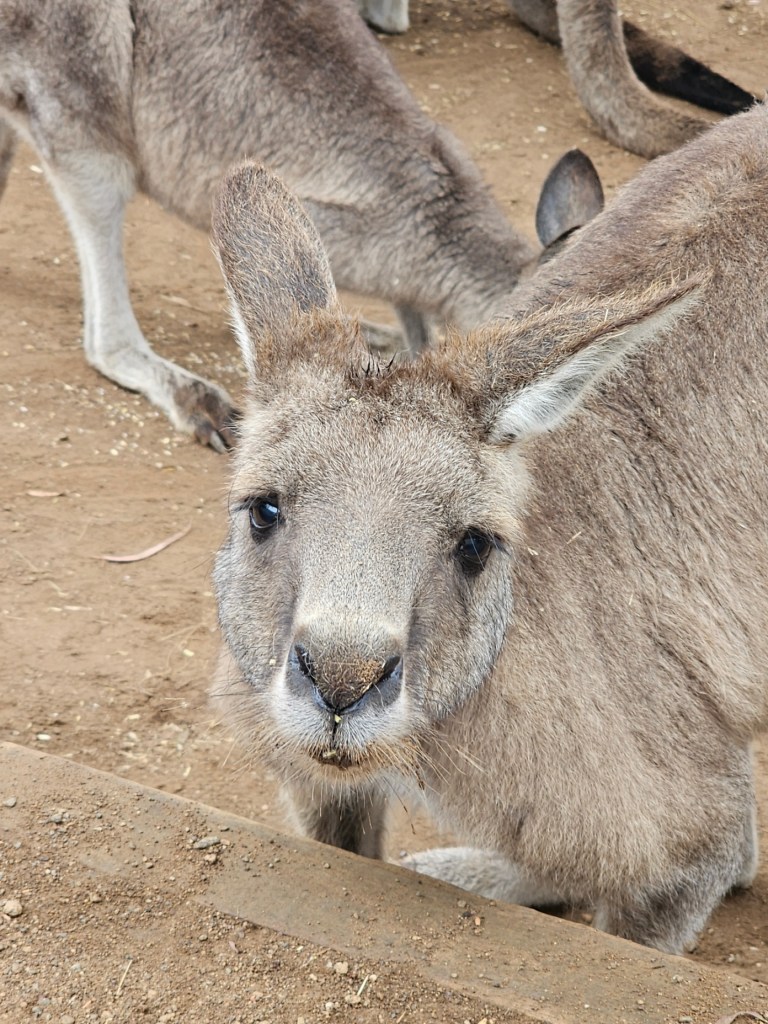
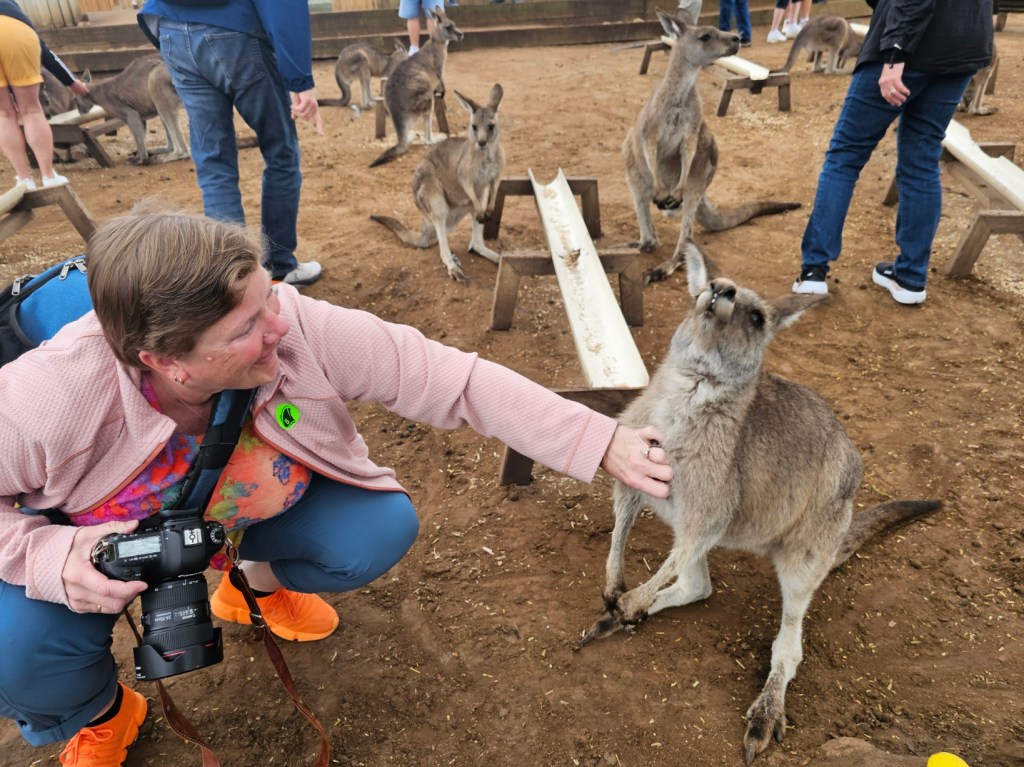
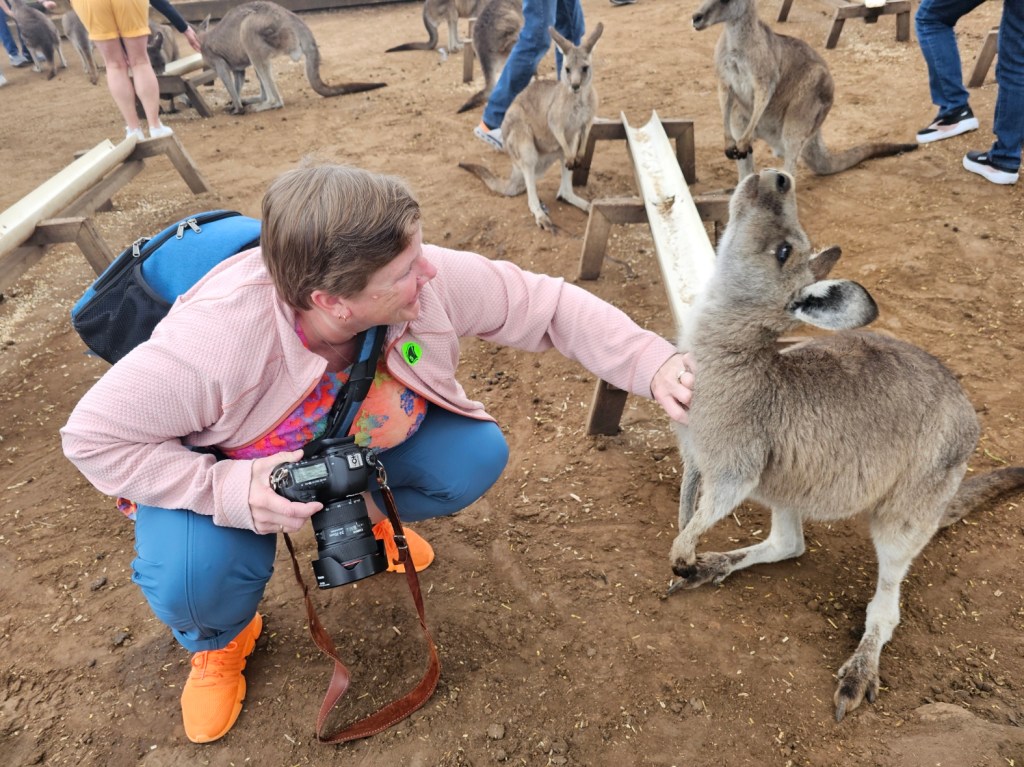
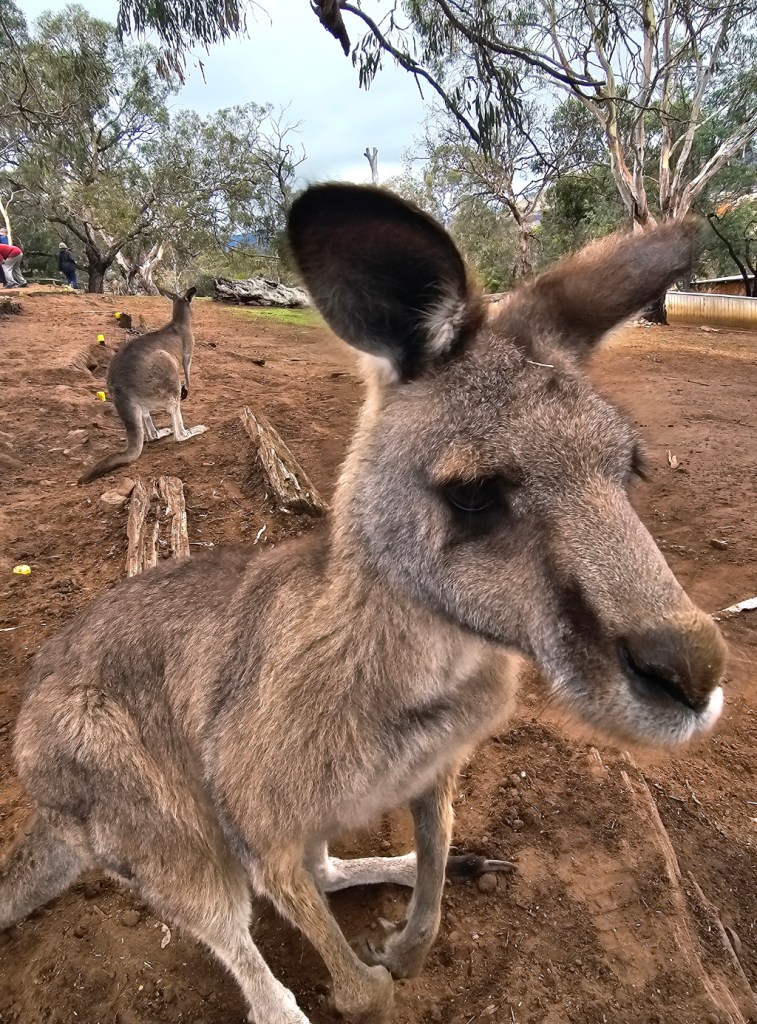
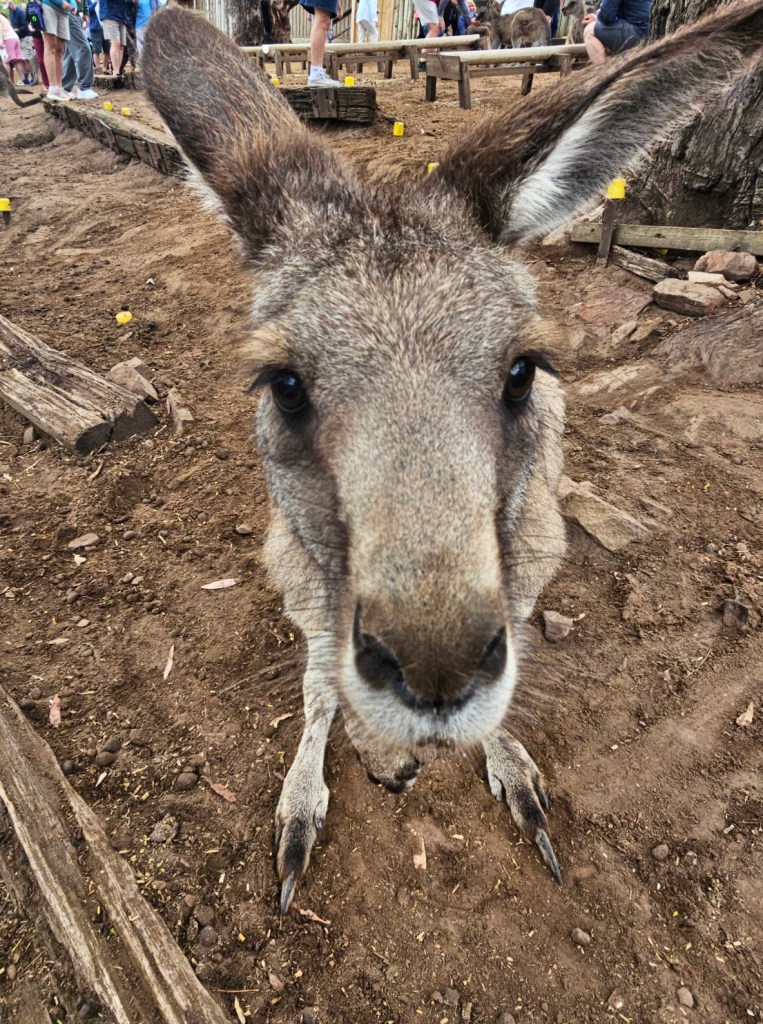
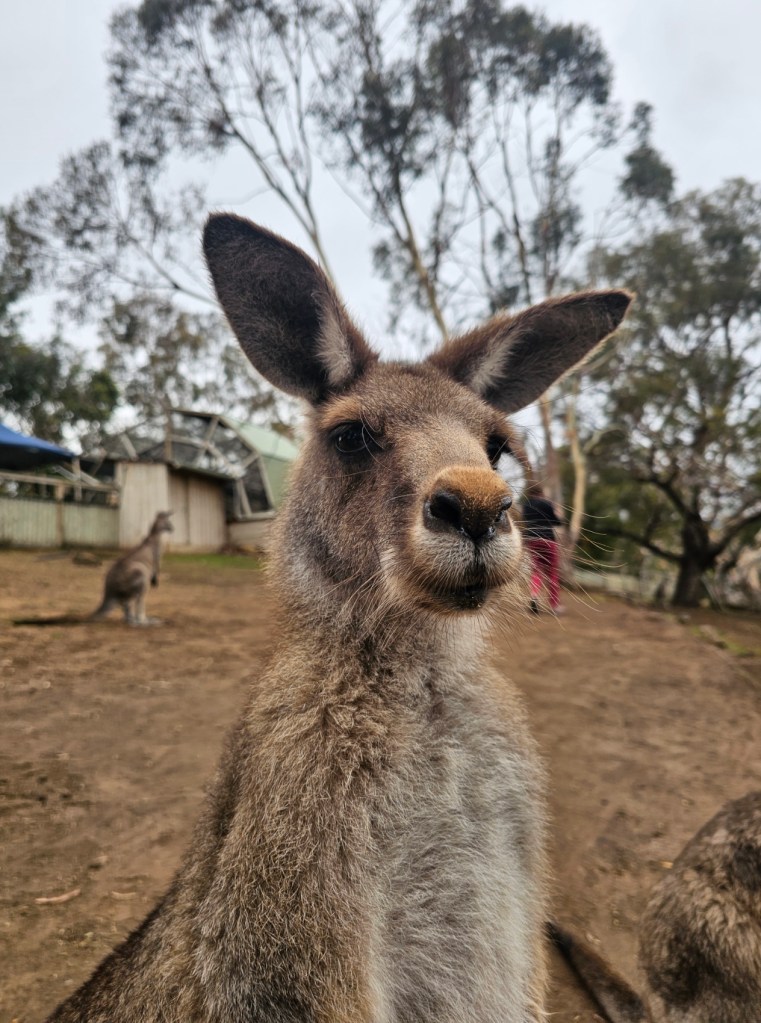
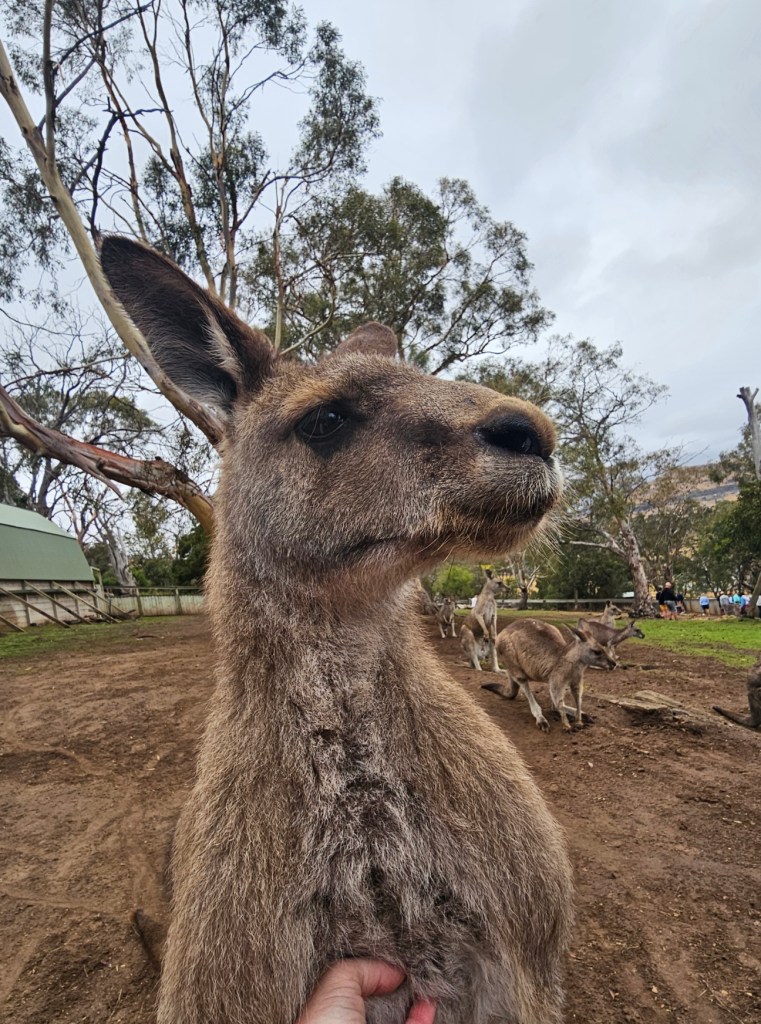
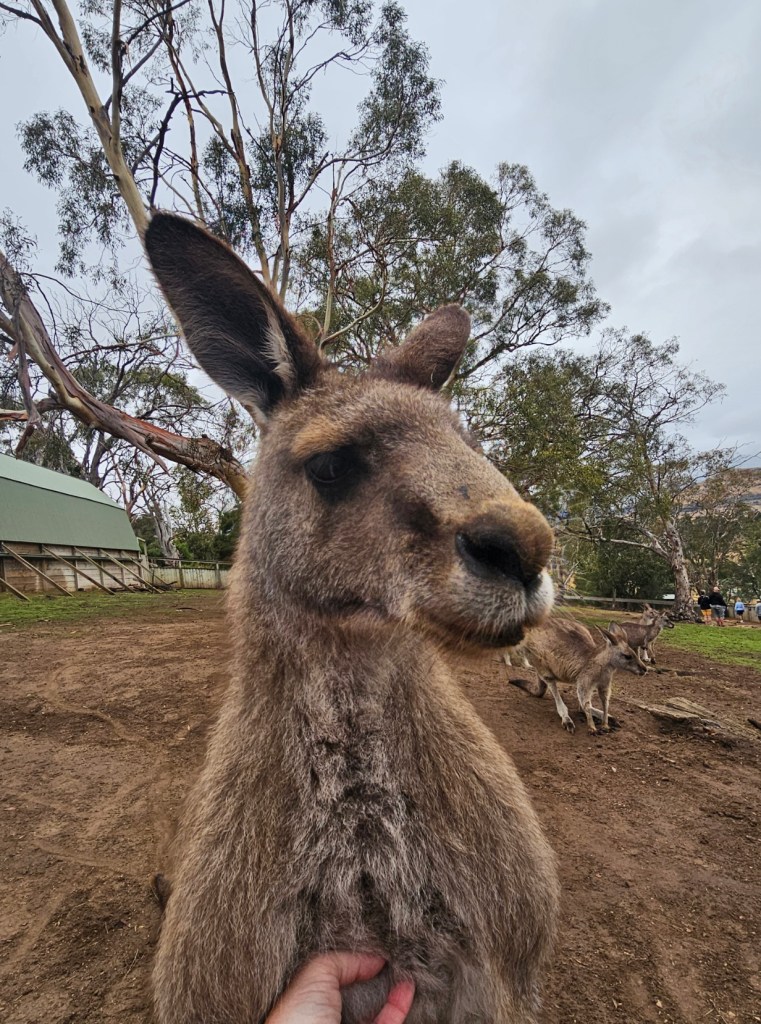
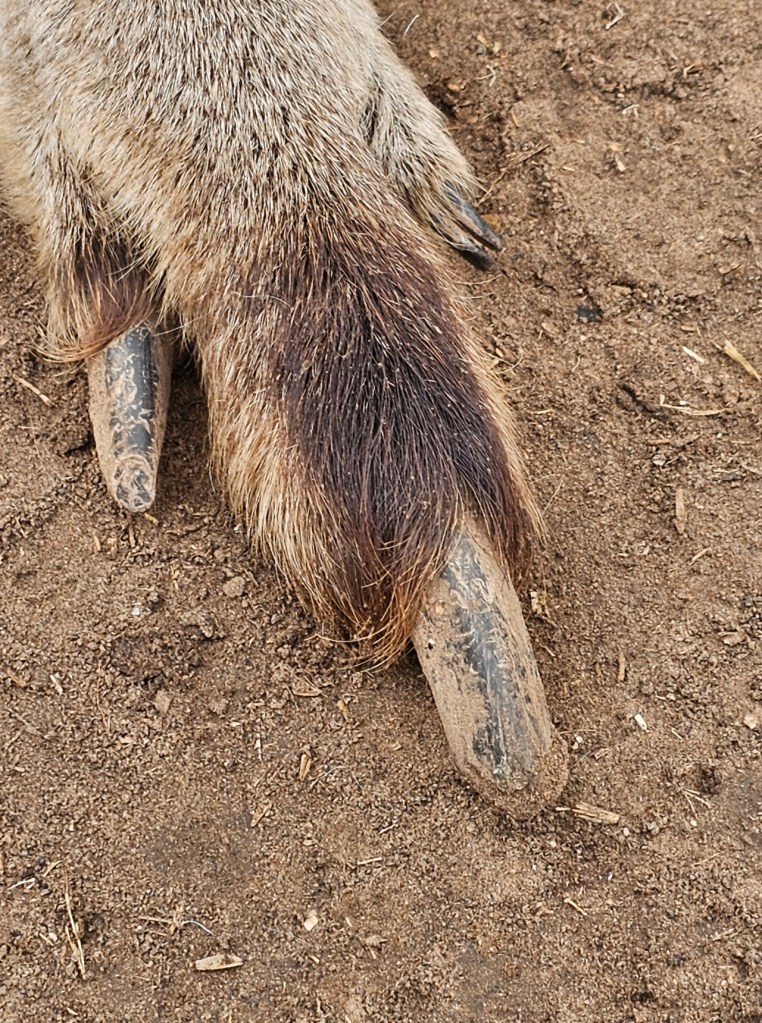
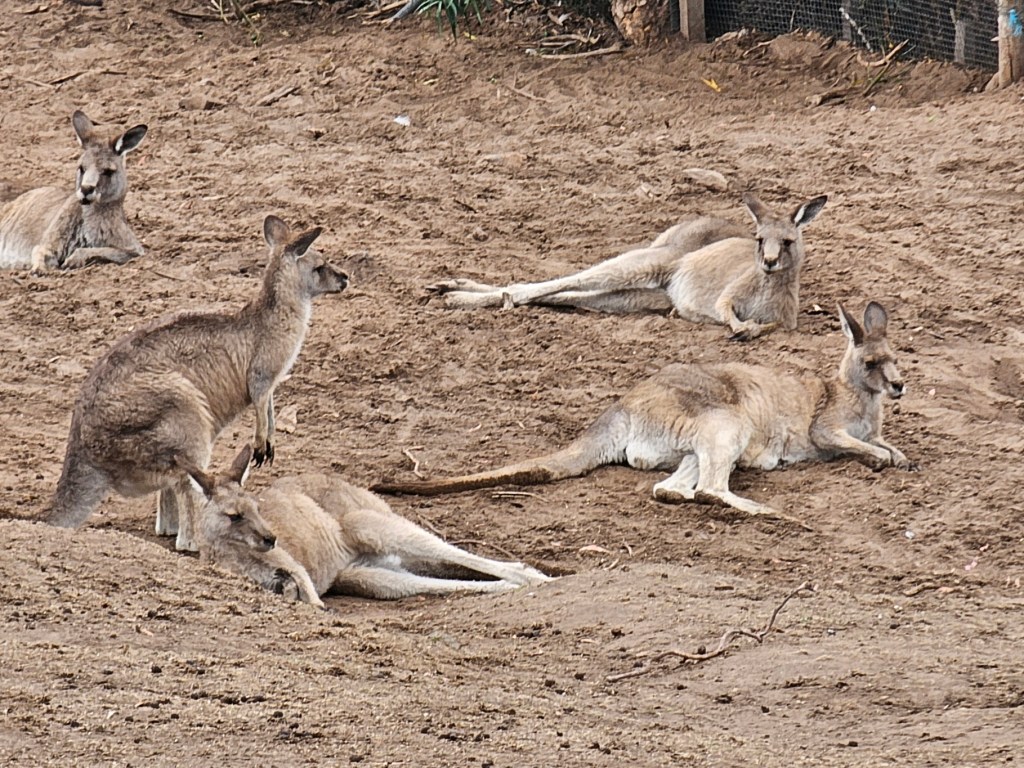
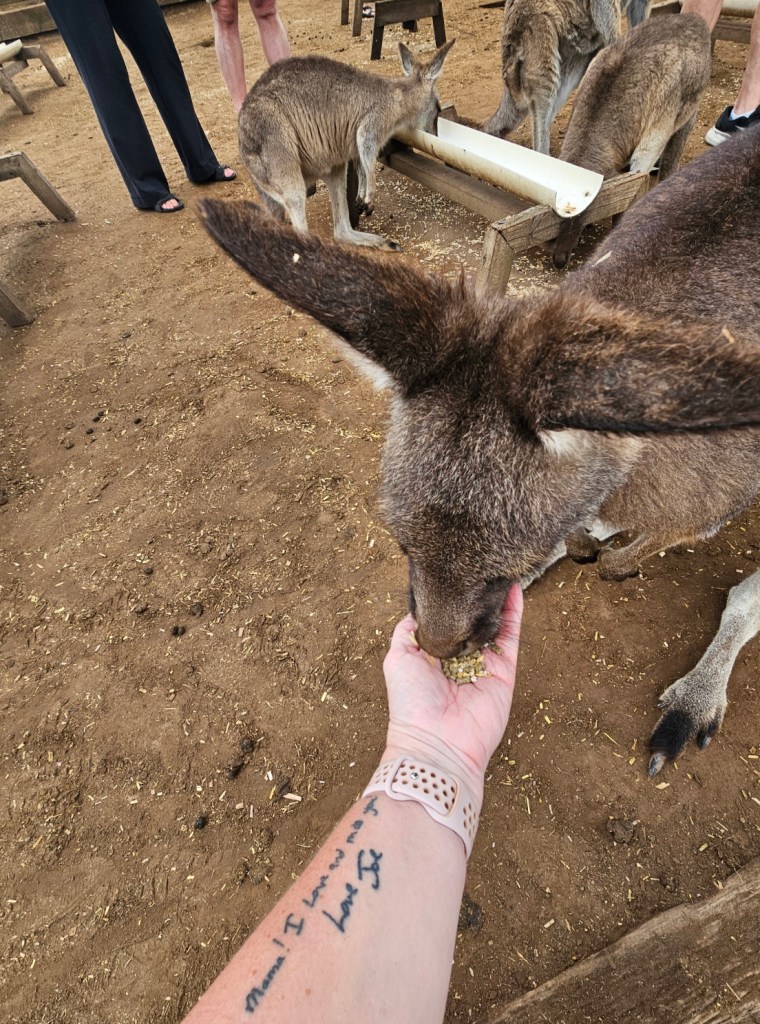
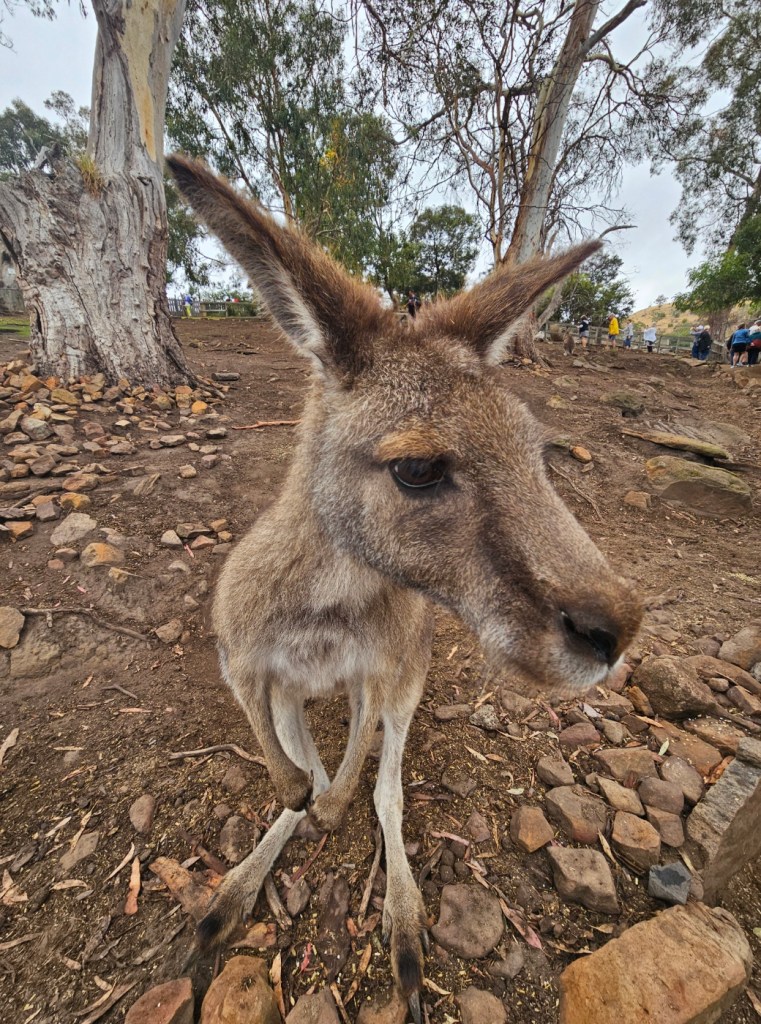
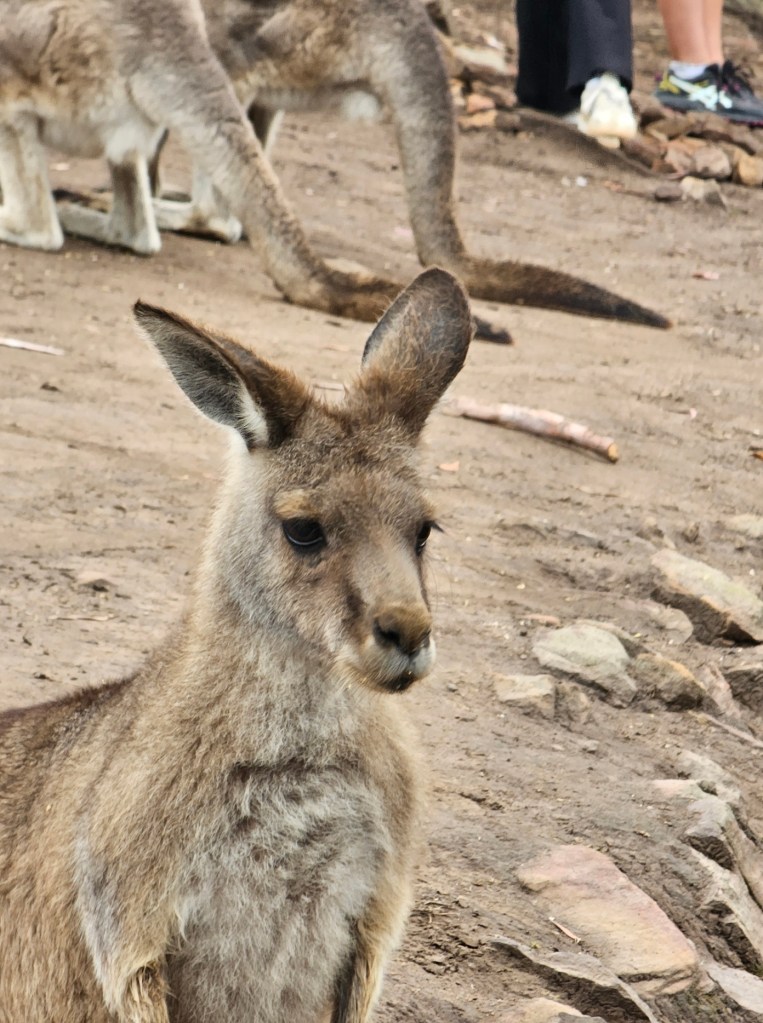
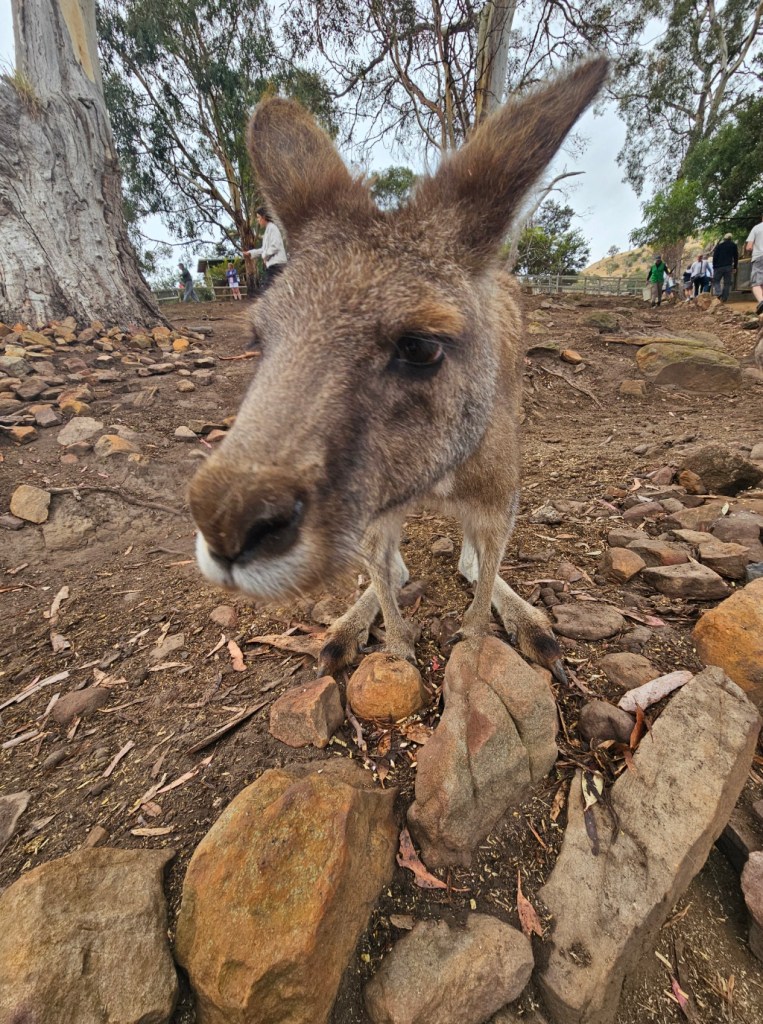
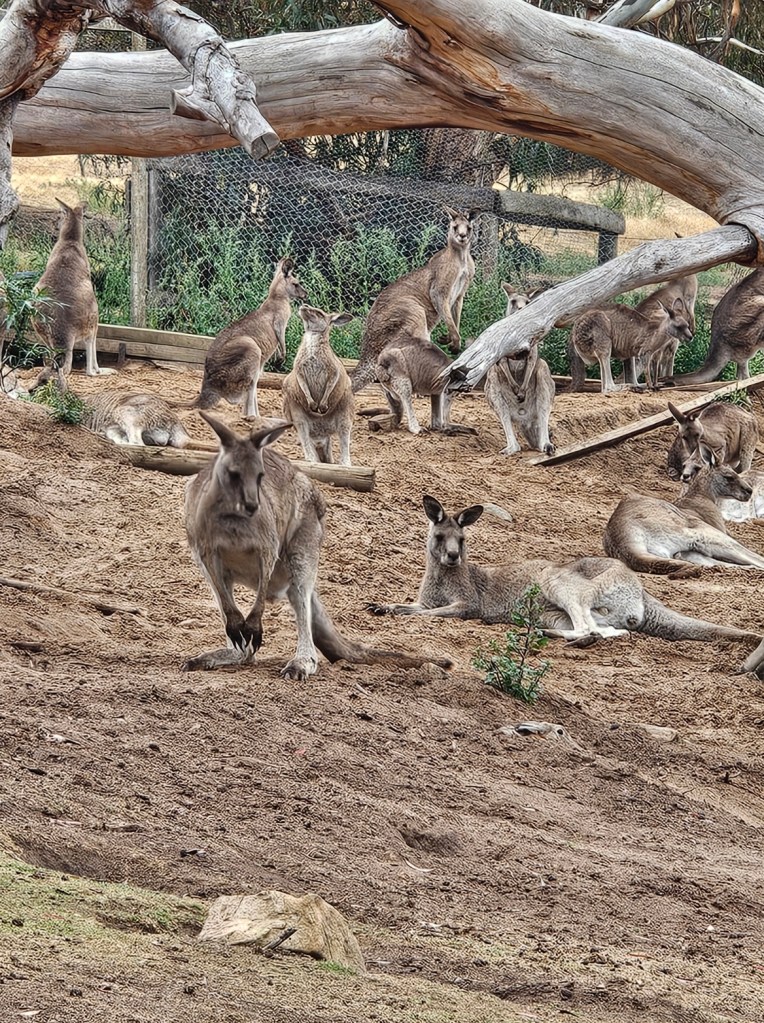
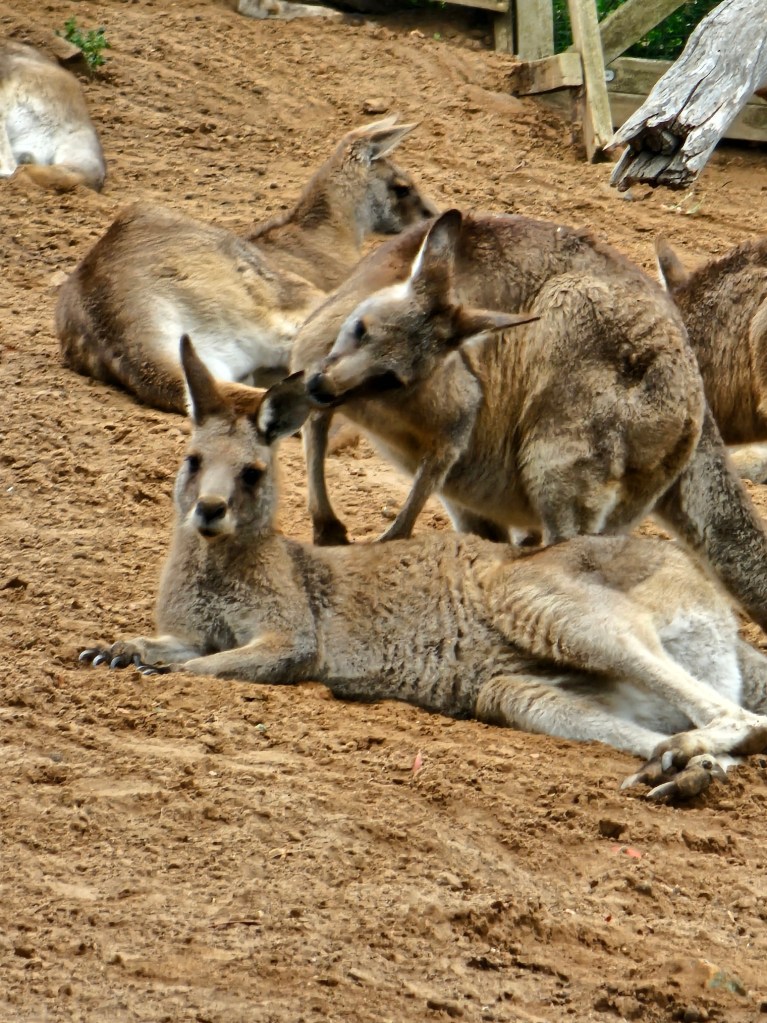
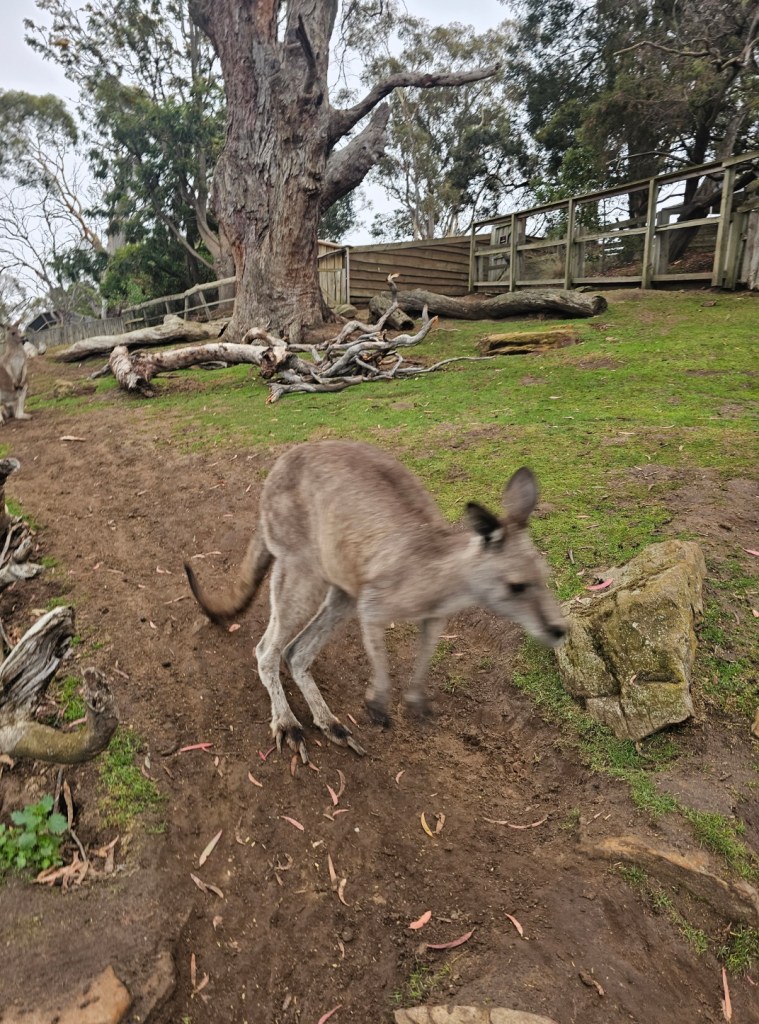
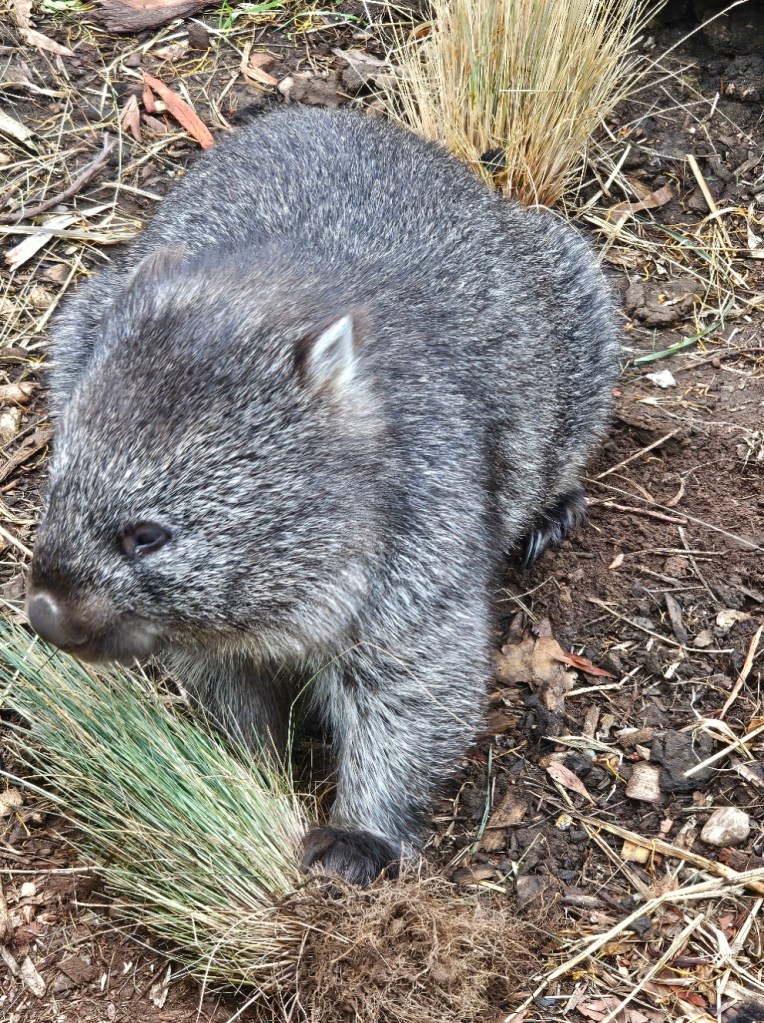
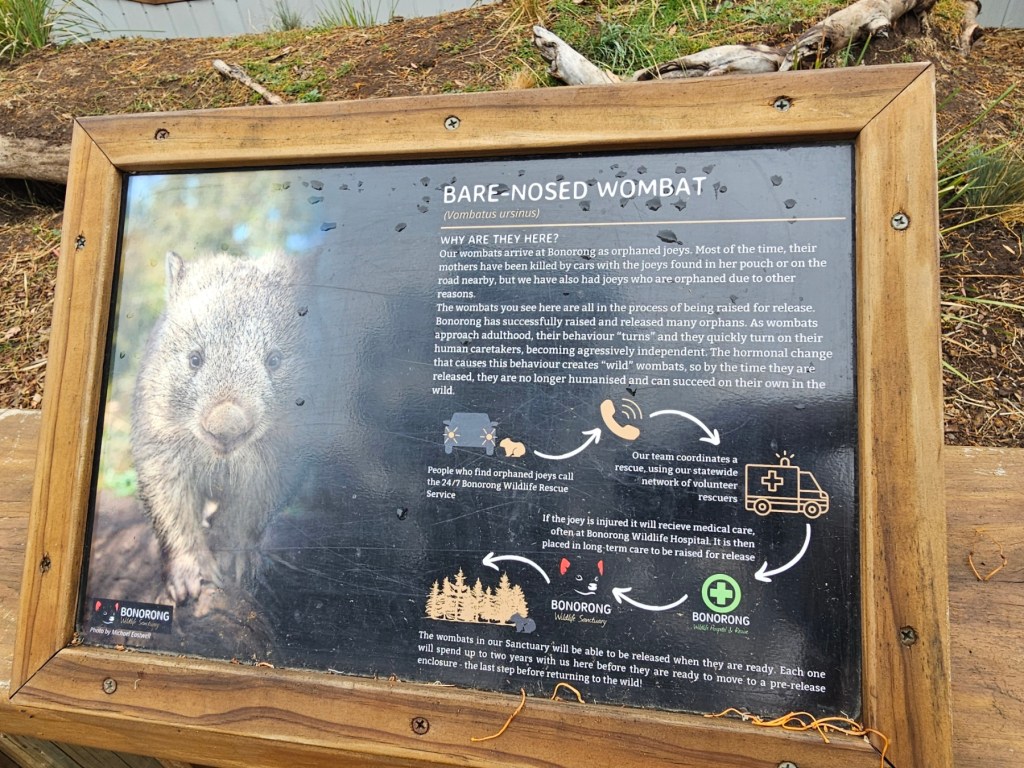
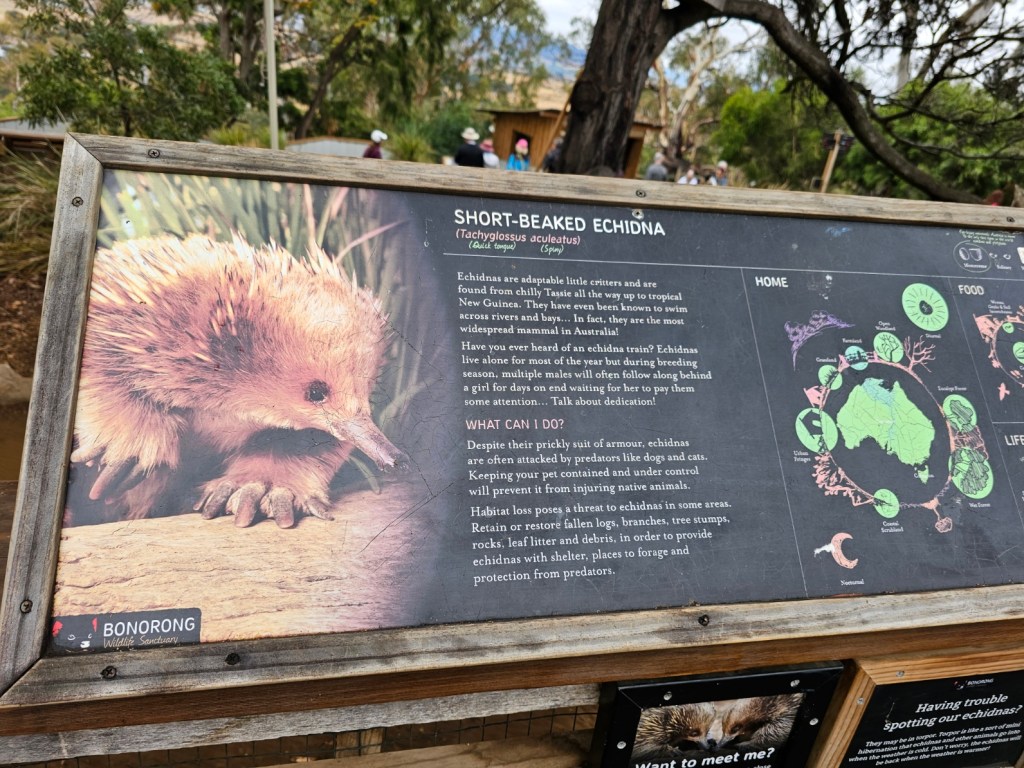
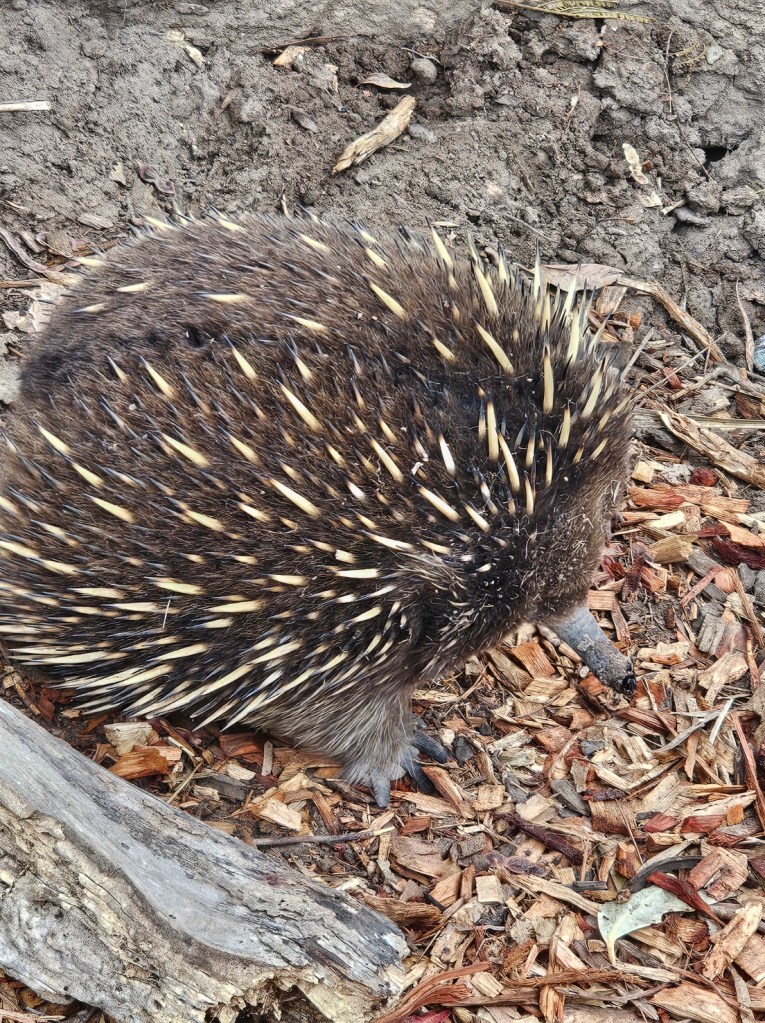
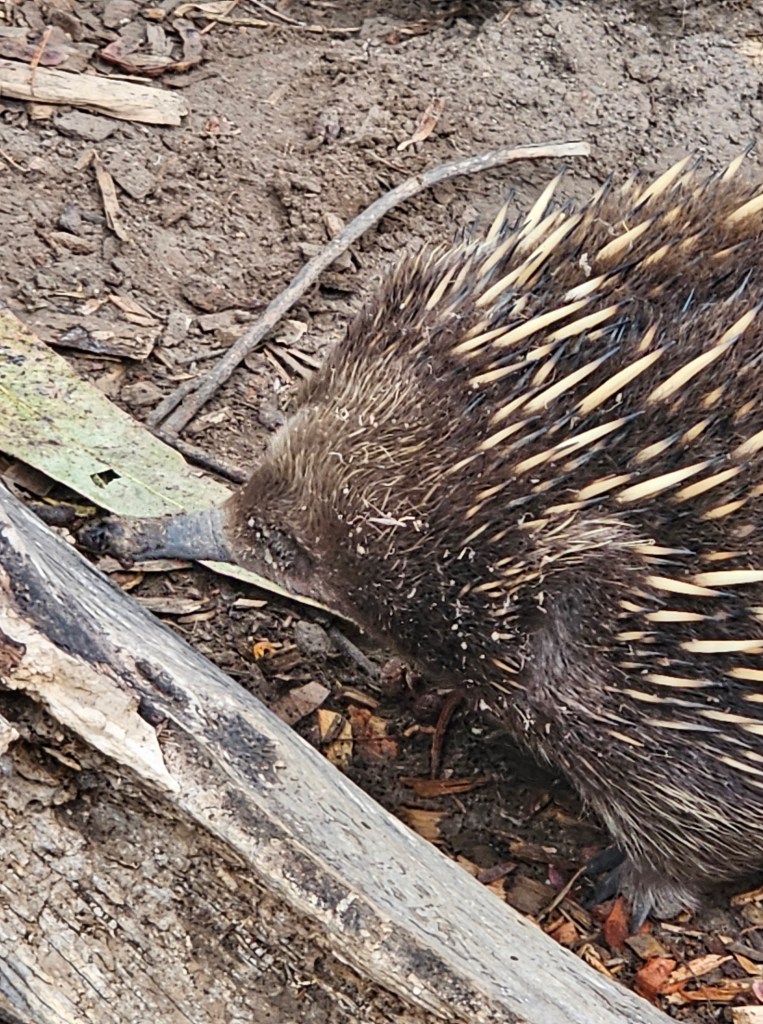
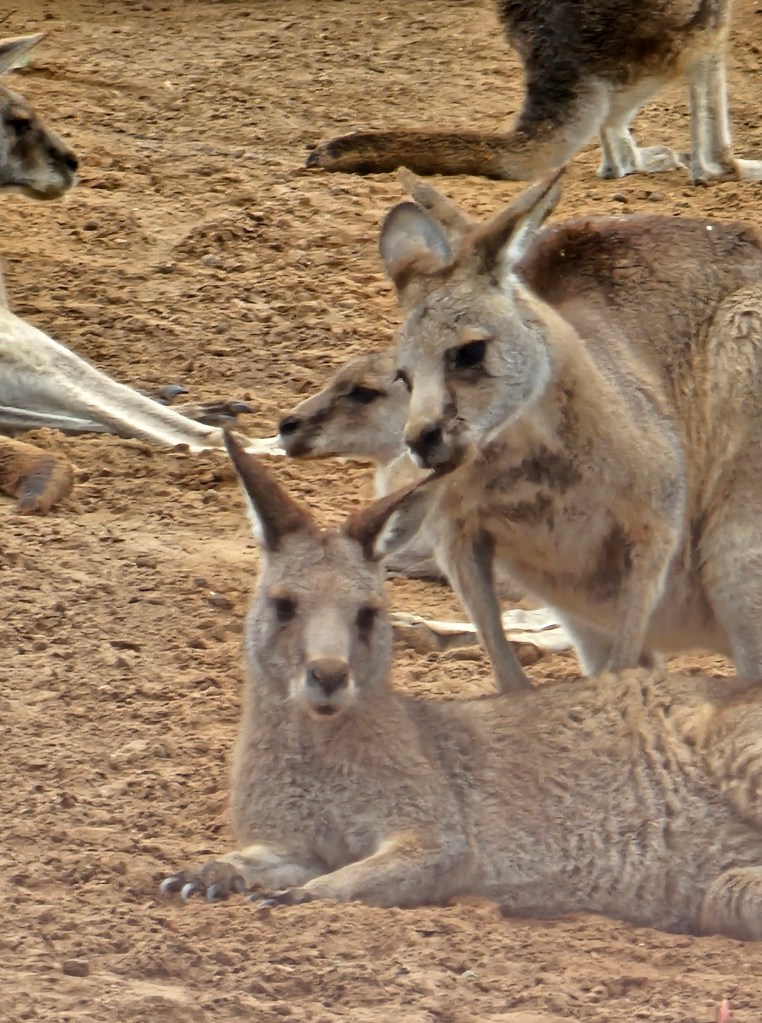
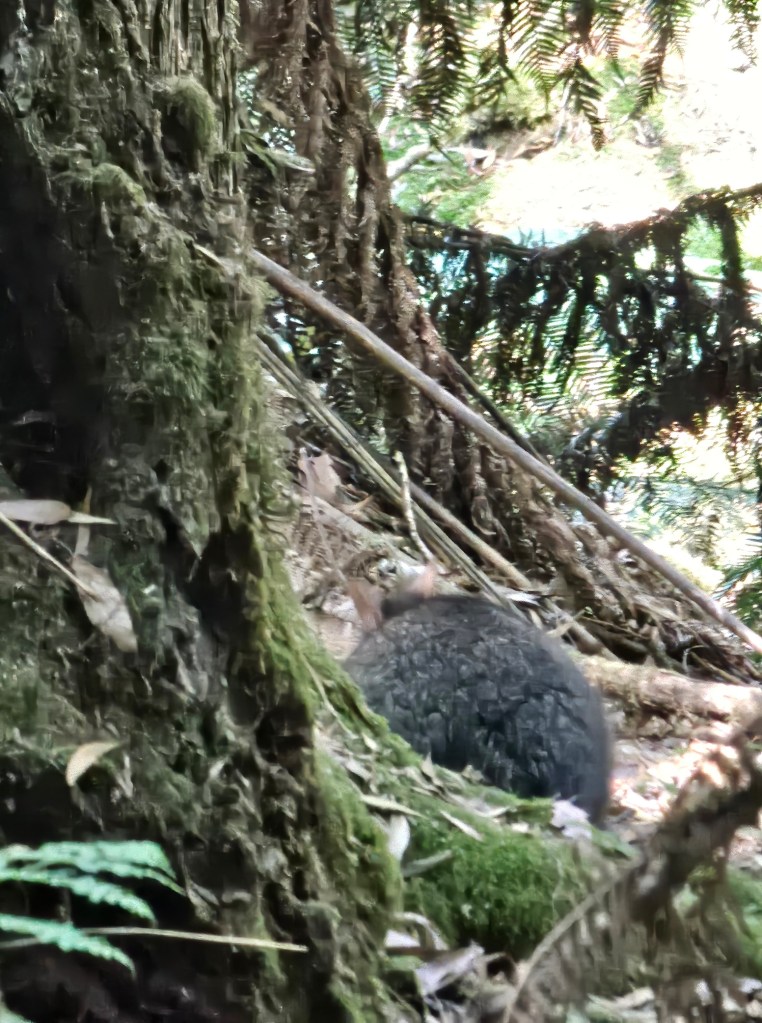
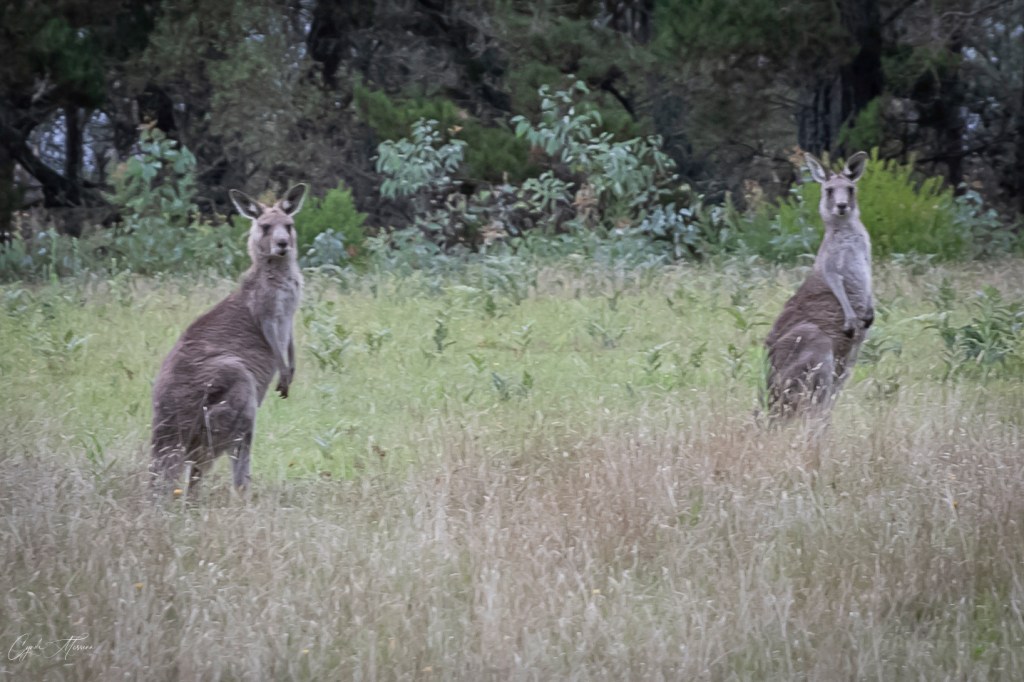
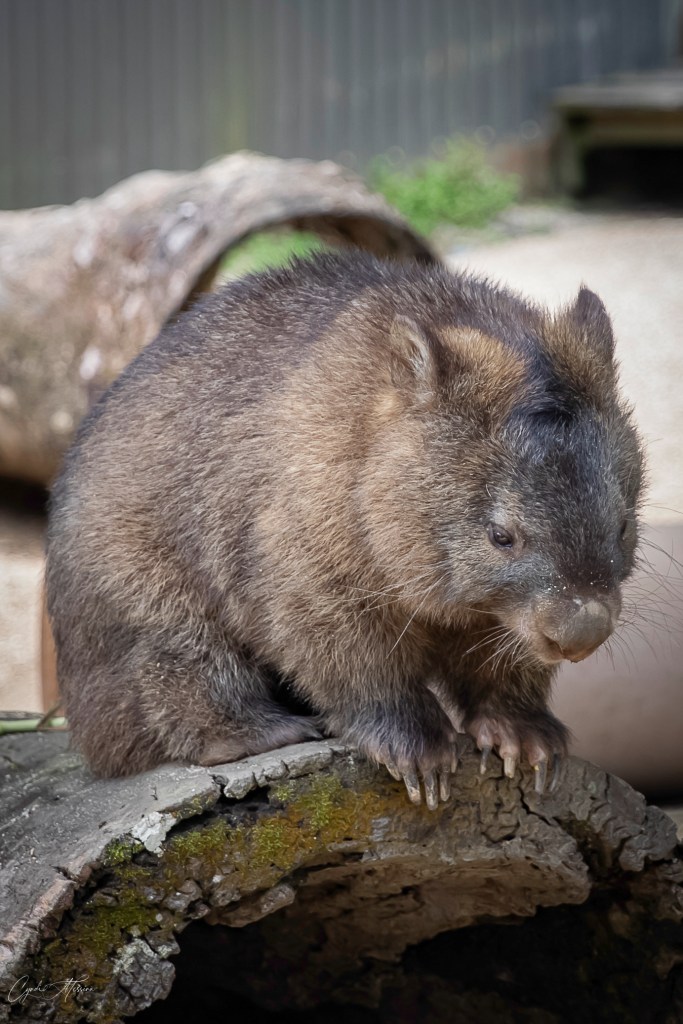
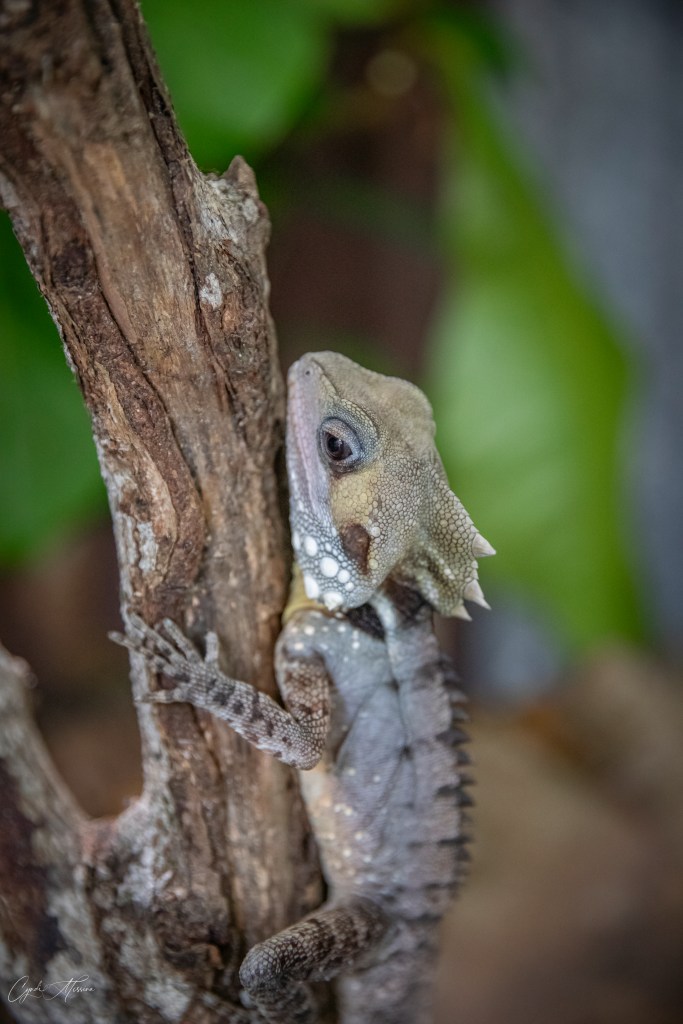
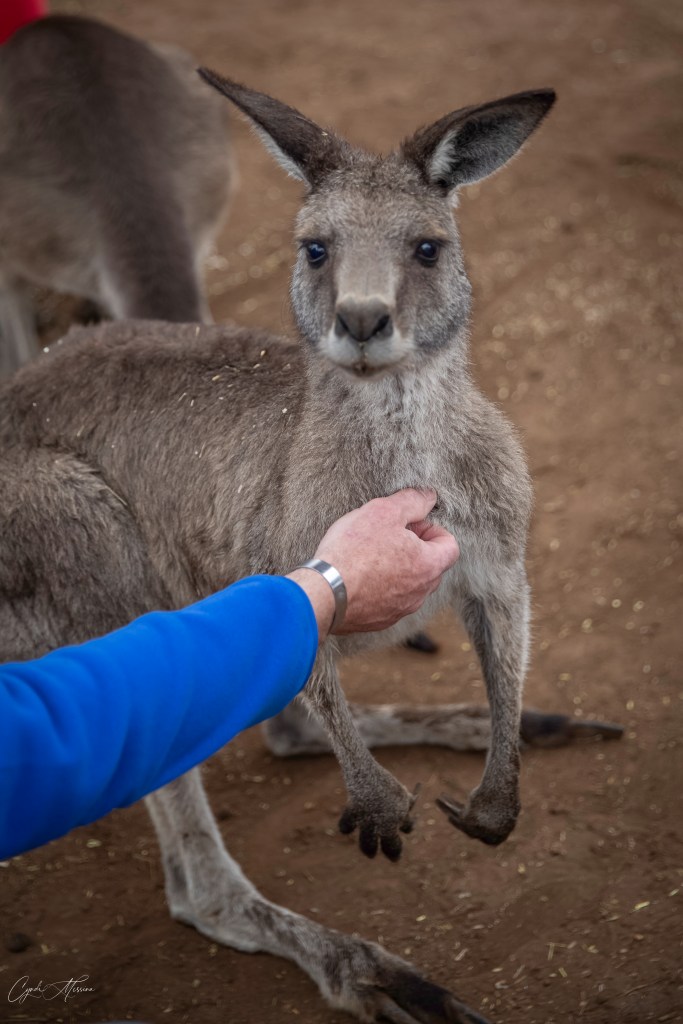
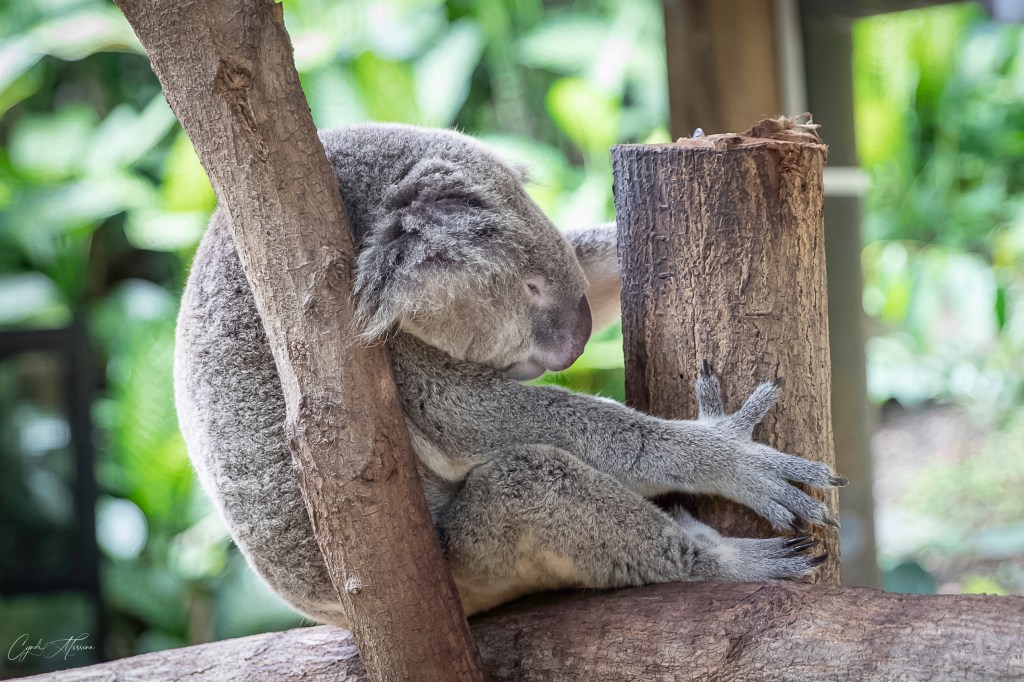
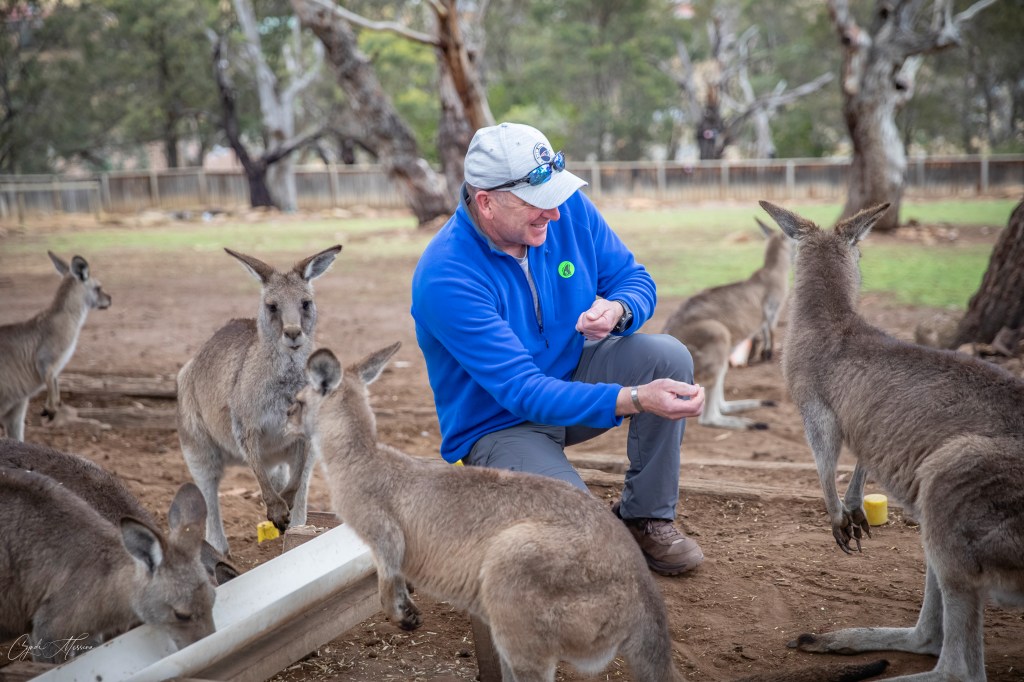
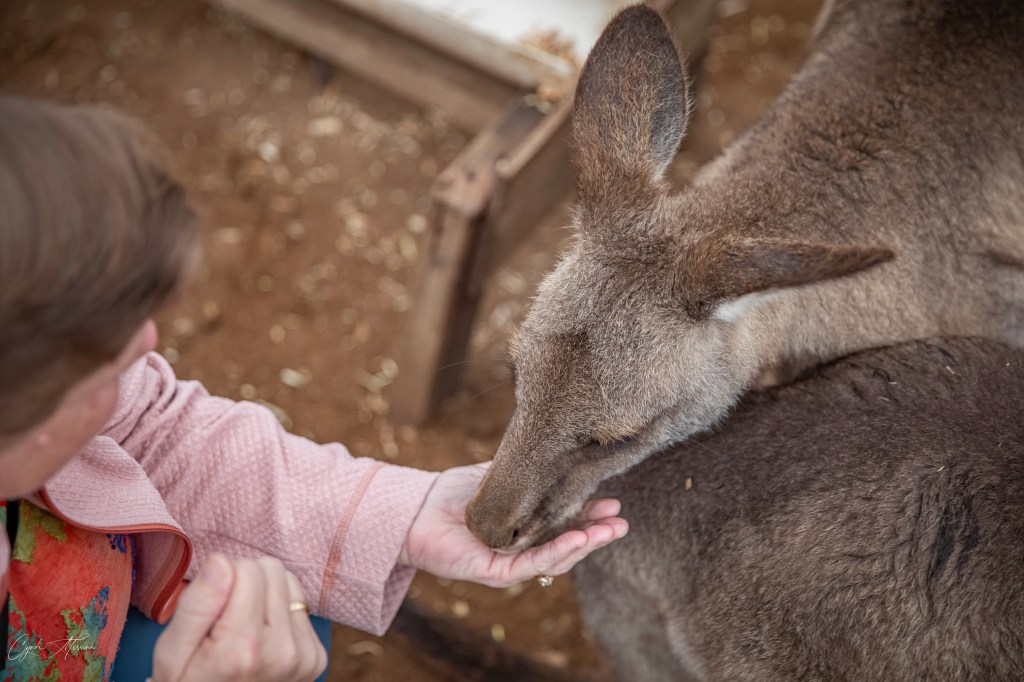
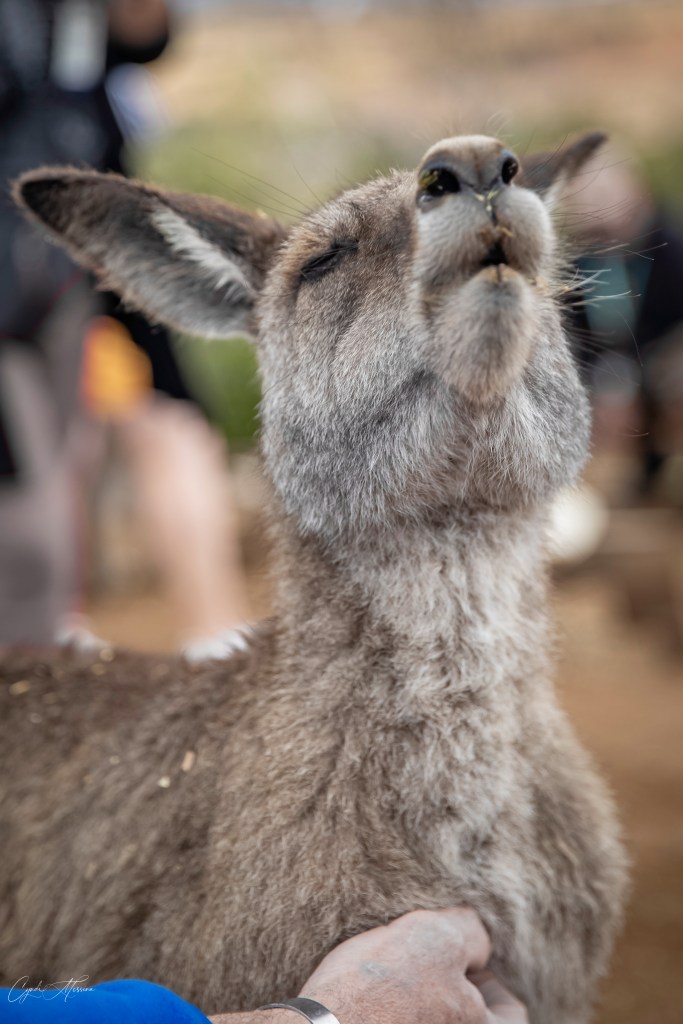
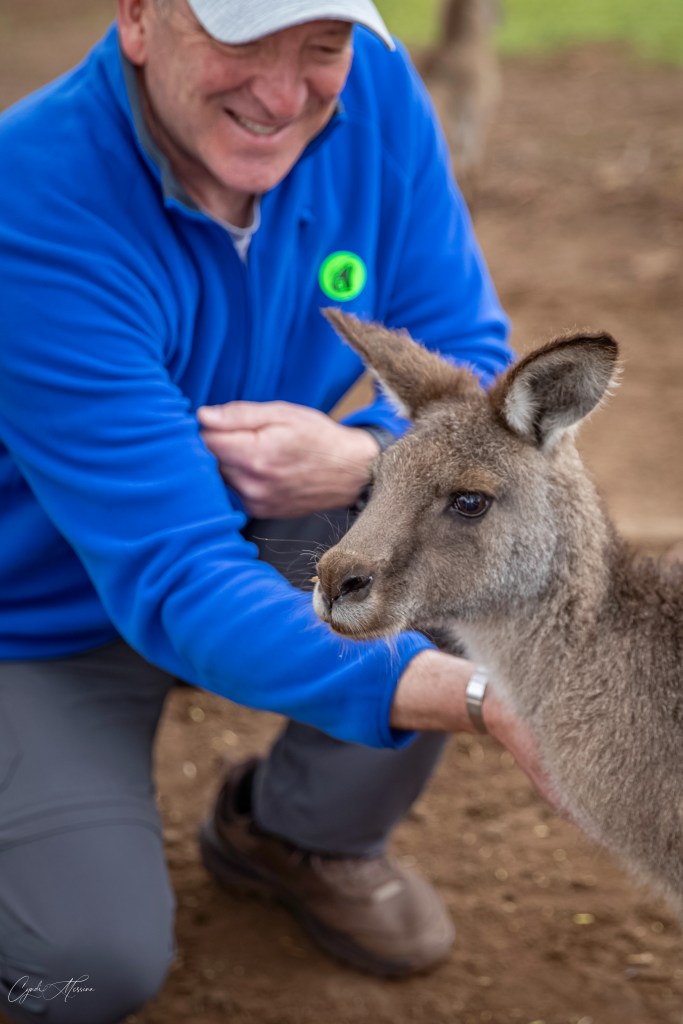
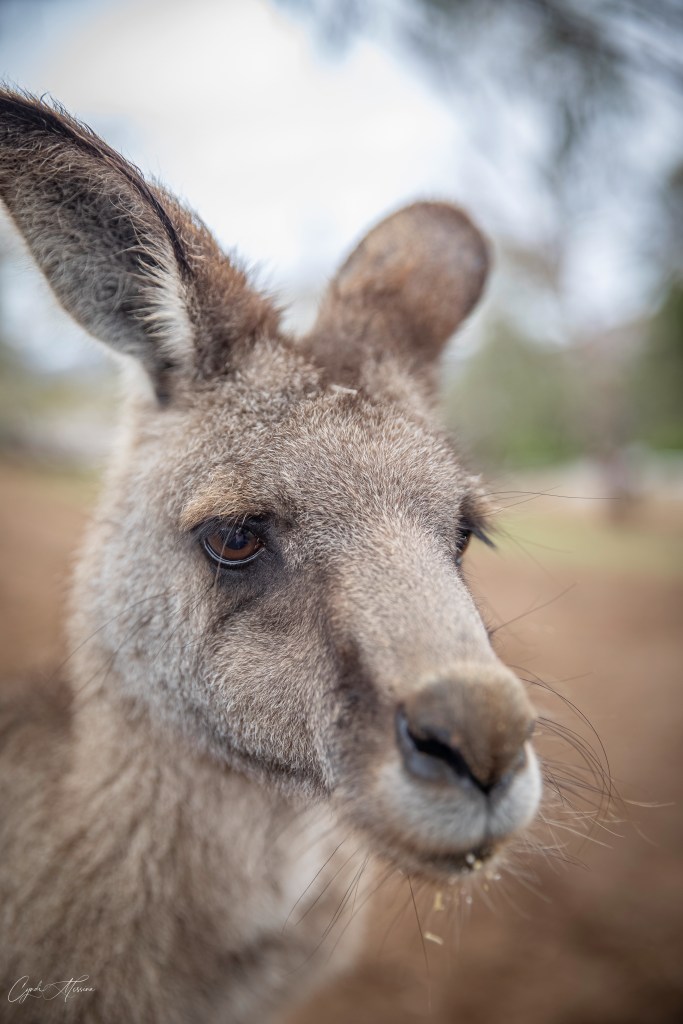
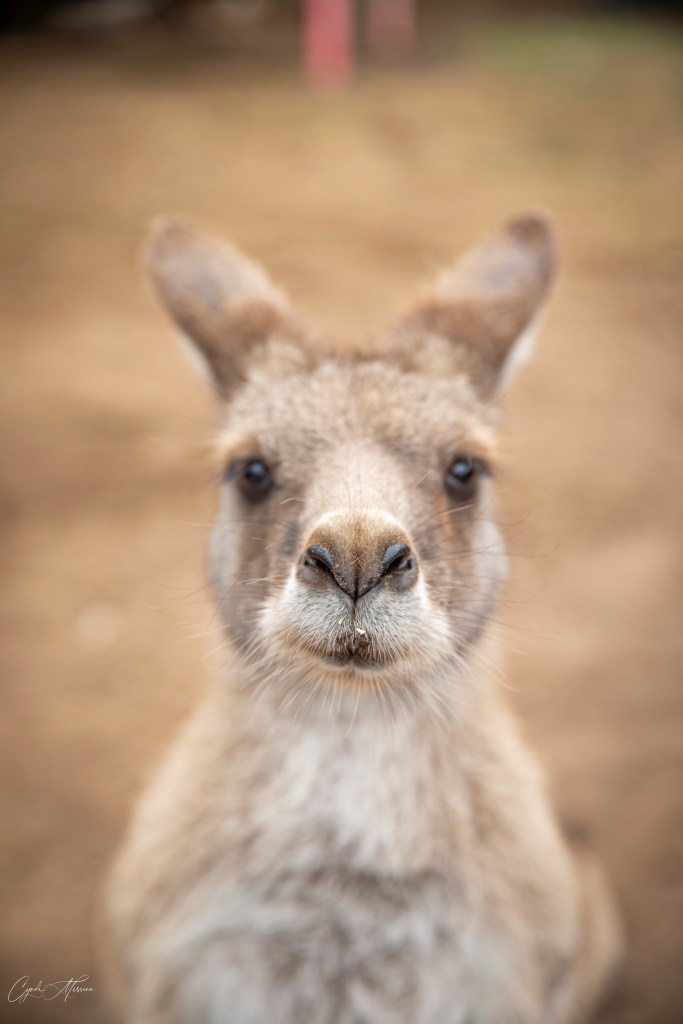
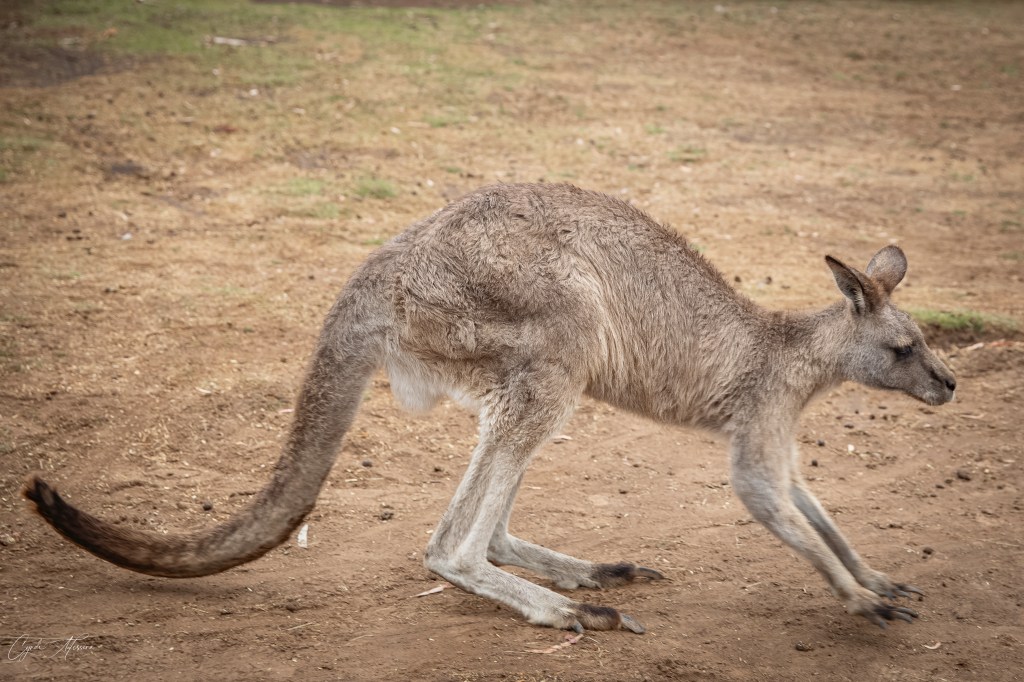
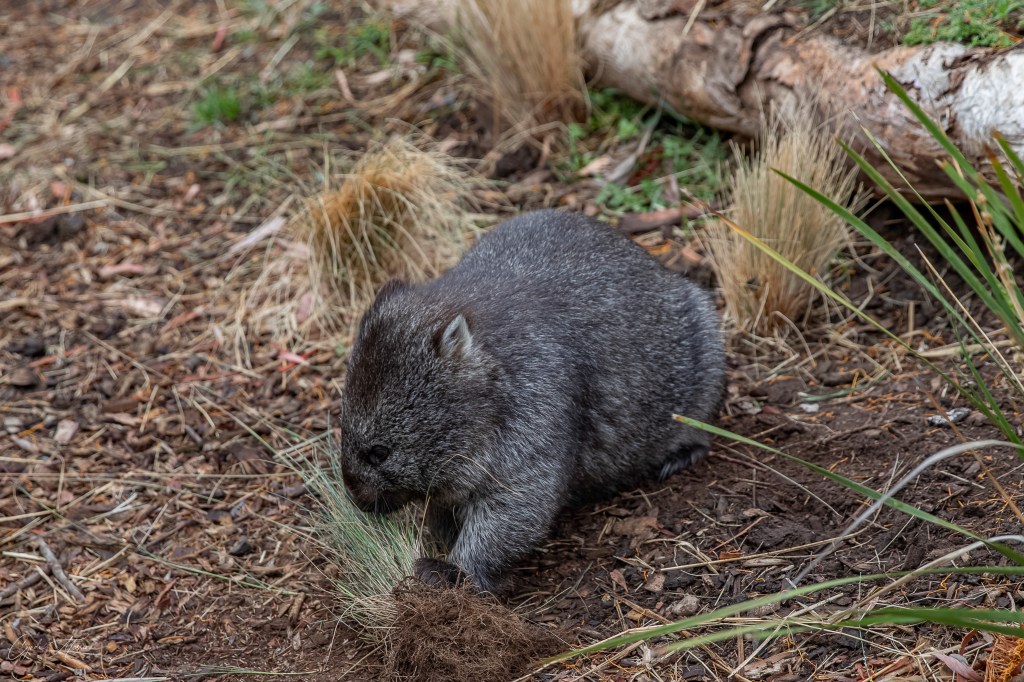
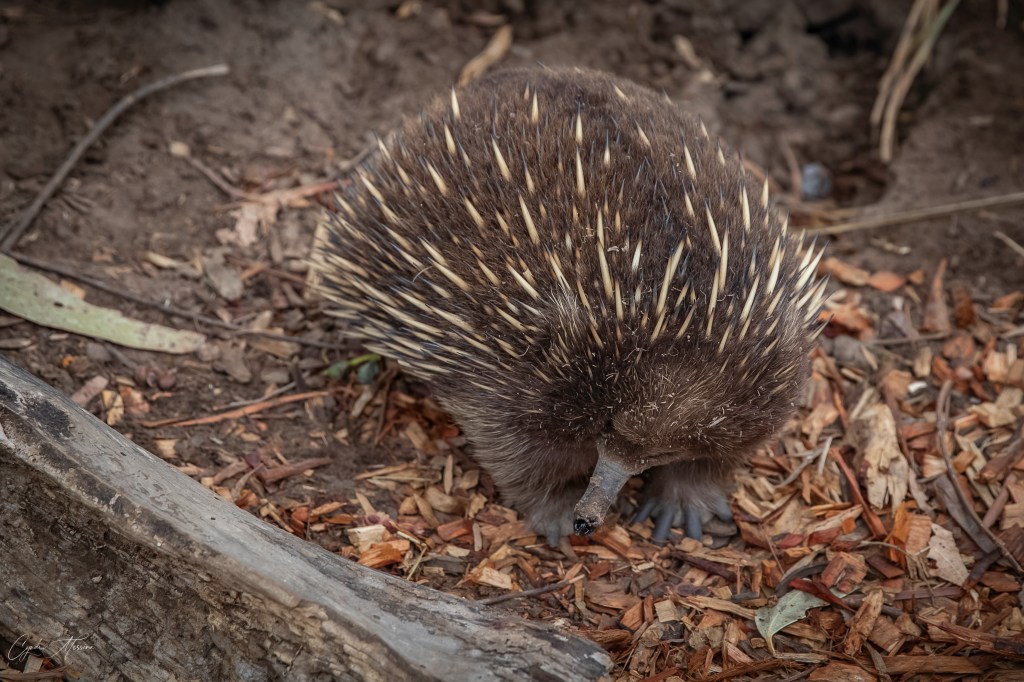
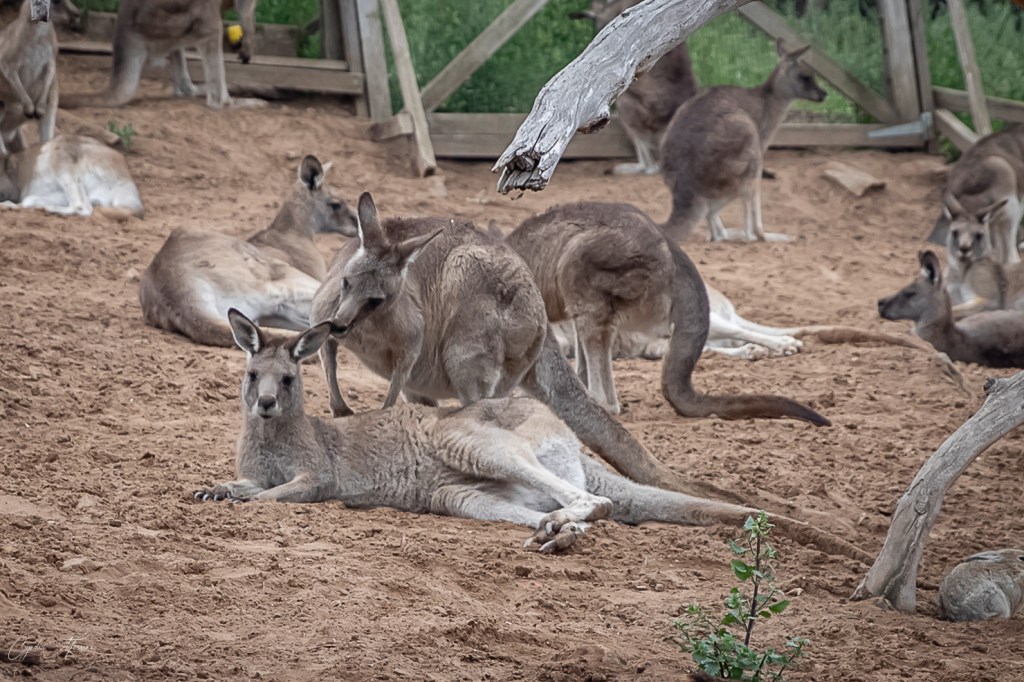
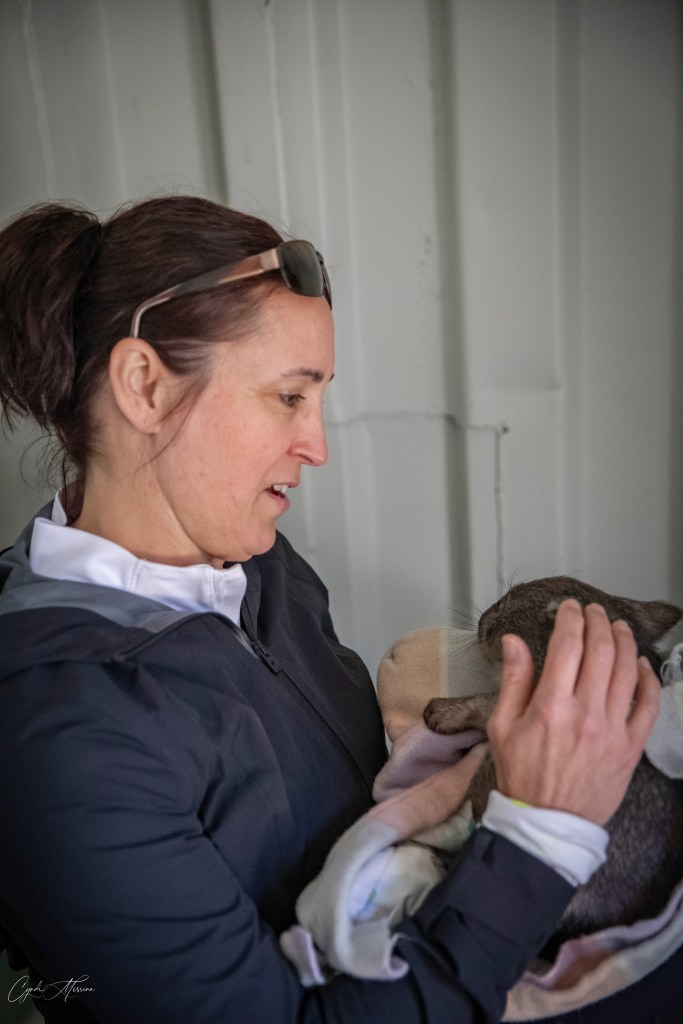
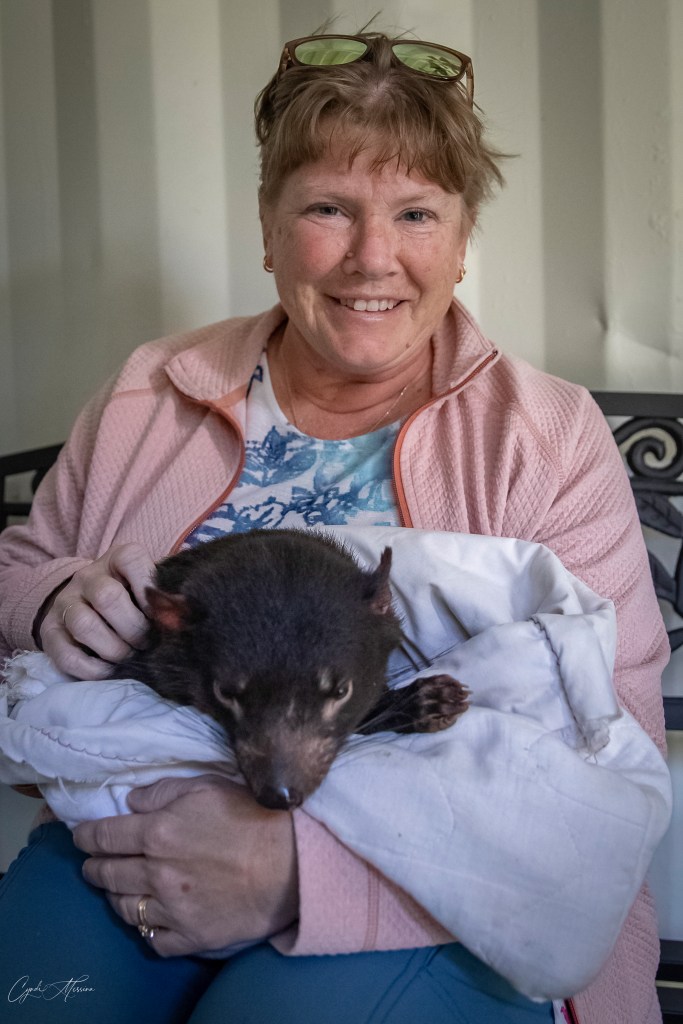
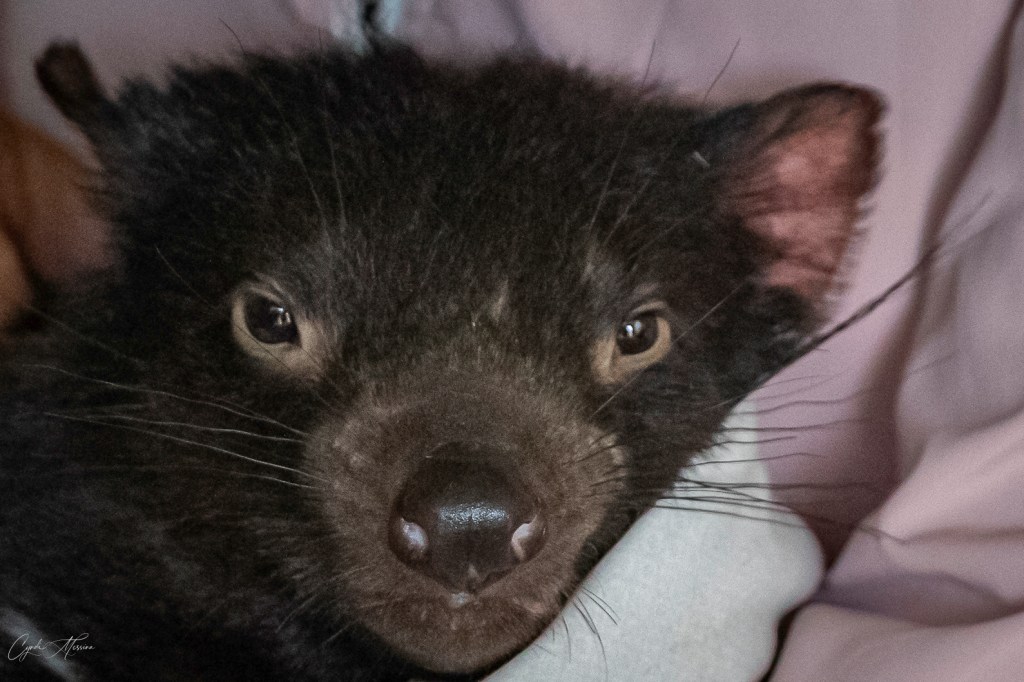
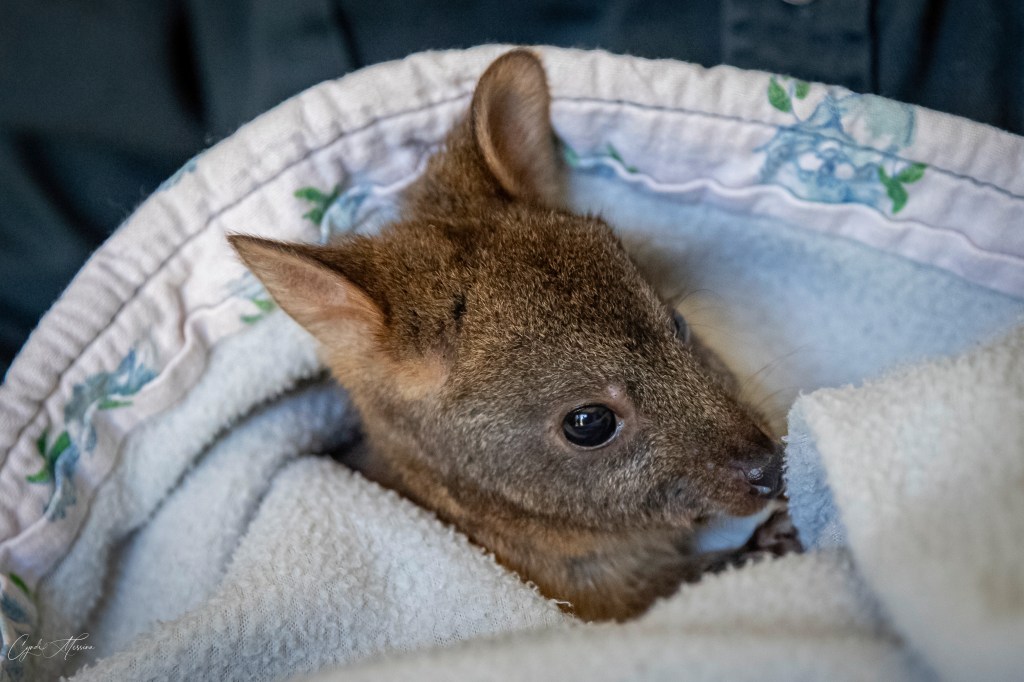
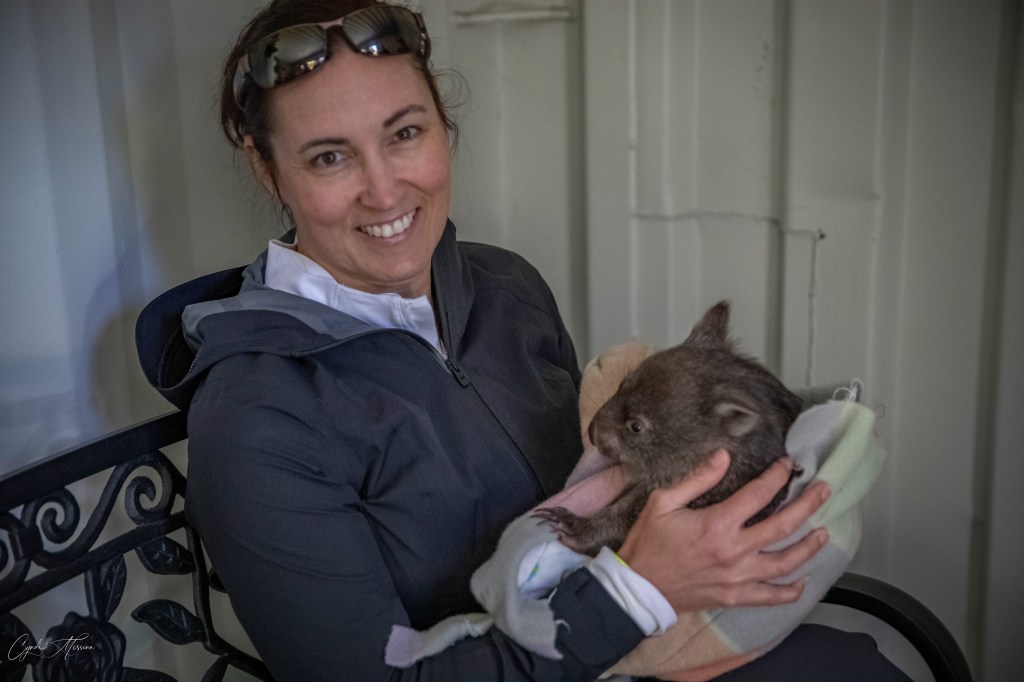
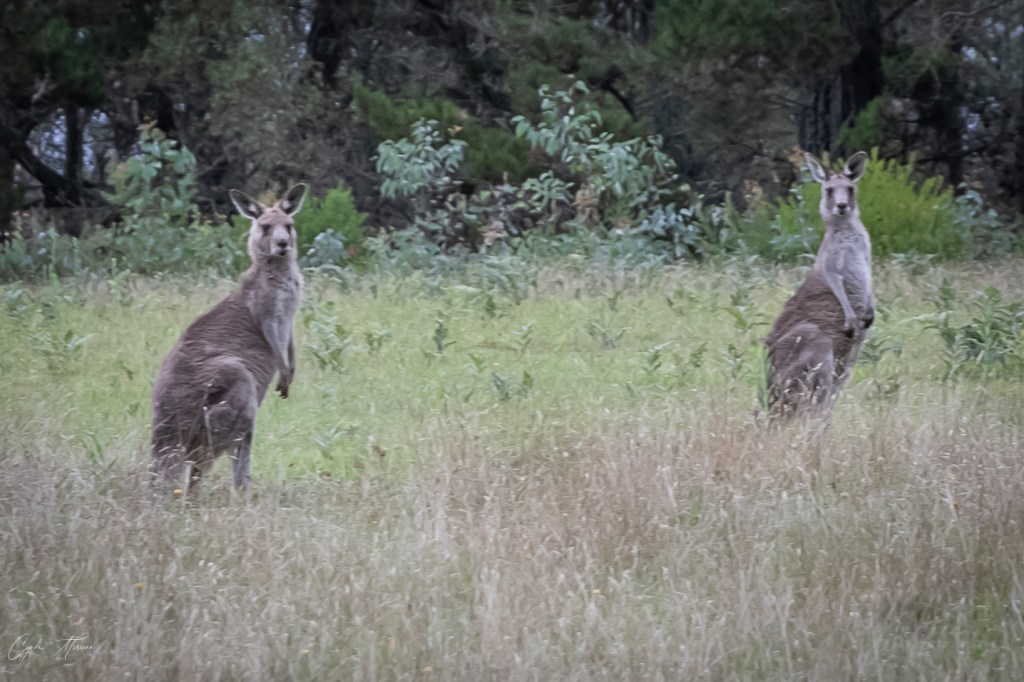
Our first stop was at Bonorong Reserve. Bonorong has 400 volunteers statewide who save animals injured or abandoned. Bonorong is an Aboriginal word for sanctuary. There were kangaroos hopping around everywhere for you to feed and to scratch their chest (they love that because they can’t do it on their own). The back foot of the kangaroo has a long nail that looks like it could disembowel you if they tried hard enough. Wombats with their steel plates in their behinds behind their fur to protect them from predators. Tasmanian devils that look like cute overgrown rodents. They have the strongest jaw strength per pound of any animal in the world. They lost over 70% of the Tasmanian devils in the last 10 years due to a contagious deadly facial tumor disease. They isolated healthy Tasmanian devils to try to build up the population again. Tasmanian devils are marsupials and give birth to 40 young at a time – all about the size of a grain of rice. They only have 4 teats though, so only the four strongest young, able to latch on, are able to survive and grow. The rest are eaten by mom. Tasmanian devils are not predators. They are scavengers. They are the Dyson deluxe of the Tasmanian animal world. They have a great sense of smell and are nocturnal. They eat …. the bones, the teeth, the fur, everything. Many think of the Kookaburra bird when they think of Australia, but they are not native to Australia. They are meat eaters and will eat baby koalas. The three most deadly snakes in the world are found in Australia. In Tasmania, there is also an ant that can be deadly. This was not comforting. There is also the echidna, which looks like a porcupine/anteater cross with a pouch.

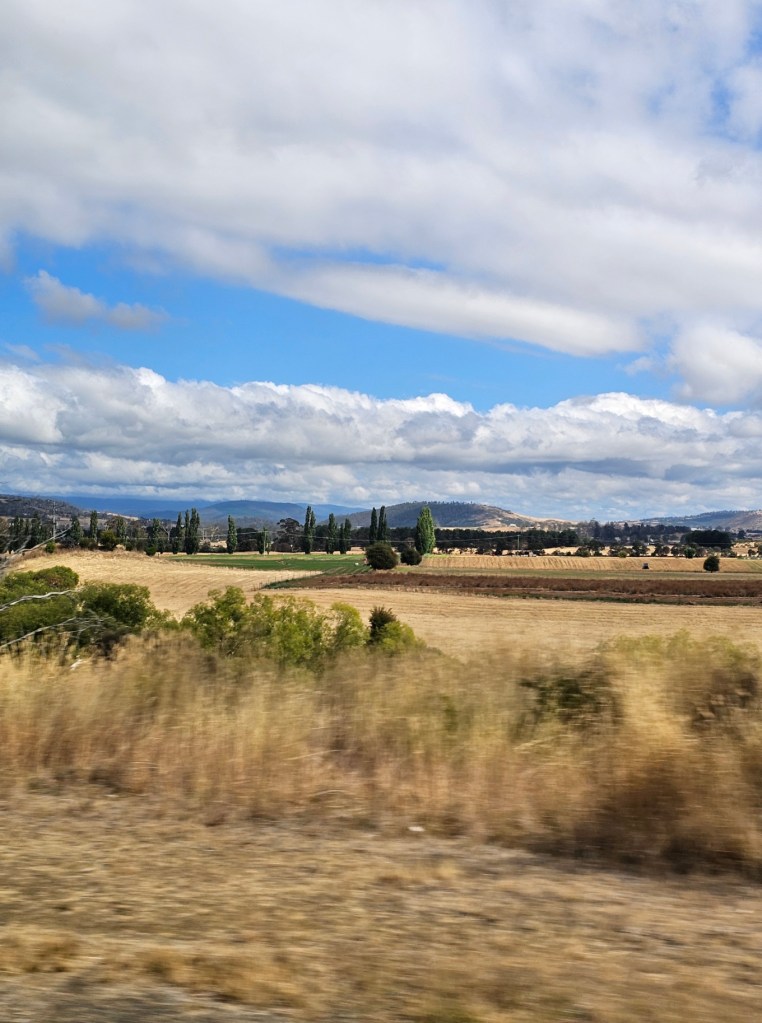
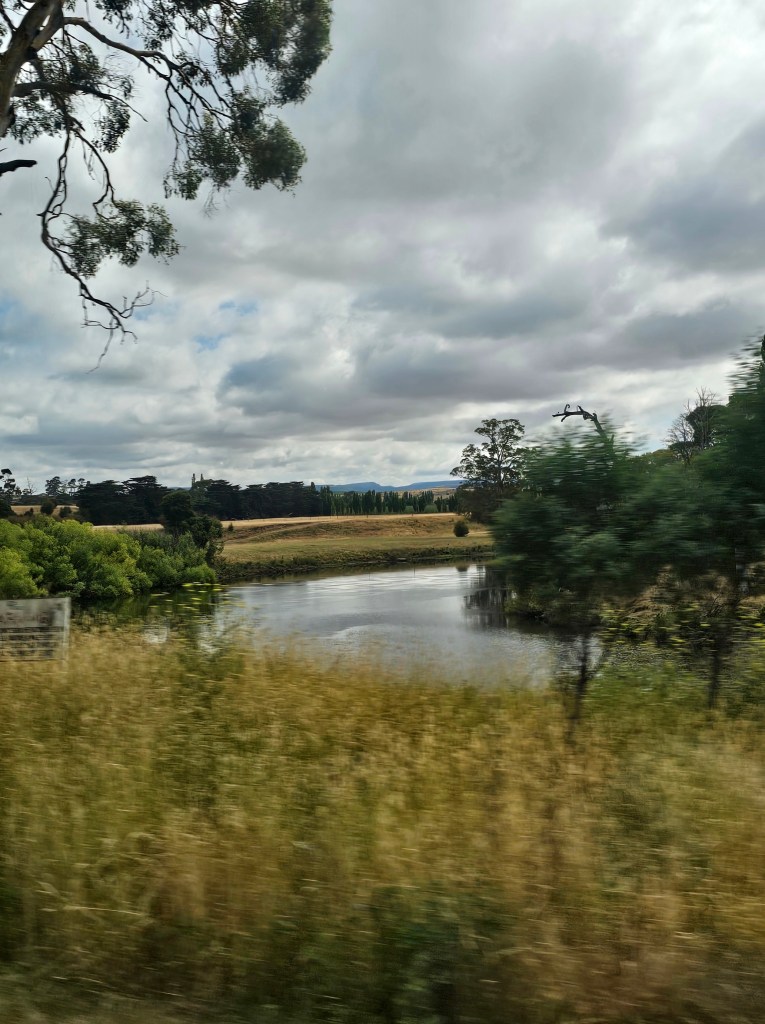
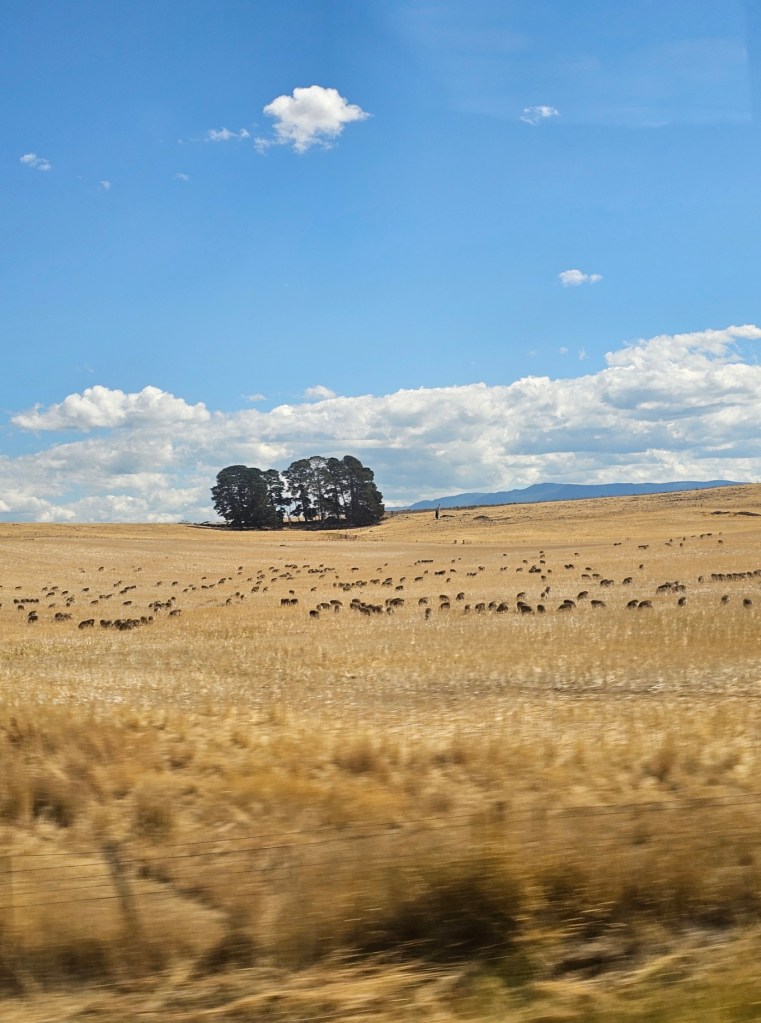
Tasmania is known for having the cleanest air in the world. Prevailing winds come from the west and the nearest land mass to the west of Tasmania is 17,800 km away in Chile. It does also have the highest incidence of melanoma due to the sunny conditions. There is a papermill in Hobart that produces 12 million tons of paper (Boyer). The Boyer paper mill have plantations of of pine trees. They have a special kind of tree with branches and leaves that have increased oil to make magazine paper. The logs are then sent away as timber. New Norfolk is a town nearby that used to house the mental institution. They call the town the “New Norfolk Nutters”. It is also known as Australia’s tidiest town. There is a pub there called the Bush Inn and it is the oldest pub in Australia. The River Durwin is freshwater starting at the bridge near the port. It is fed by Lake Sinclair, and is the deepest river in the southern hemisphere. It is 18 m across but 186 m deep. It feeds the River Durwin for 250 km and there are many dm systems for irrigation along the way. The water is so clear and clean, you can drink it. Apples and sheep are the primary agricultural products. If Tasmania was a country, it would be the 25th richest country in the world per capita. the DBP is $50,000 per person. In the 1980’s the liberal government put dams on the river system, allowing for hydroelectric power and it stopped flooding. River Durwin has 30 dams and even though the river looks like it flows at a leisurely pace, it flows at 92 cm/sec. Tasmania has some of the cleanest energy in the world. Zinc and aluminum plants stay here due to the abundance of electricity needed to make their products. There are also salmon ponds with the oldest known hatchery in the southern hemisphere. In the 1850’s, trout and salmon eggs were transported from Europe to Tasmania in bee hive combs to establish hatcheries. Seafood is #6 on the GDP. In the 1970’s farm salmon in pens became popular and now are sold to over 22 countries. The area around Hobart, Tasmania is also the hops capital of the world. They have cold winter nights and good irrigation, which is perfect for growing hops. They were brought here from Germany and just flourished. One crop I was really surprised about was poppy plants. Tasmania supplies 50% of the world’s legalized opioids. The only other place that produces more is Afghanistan and much of that is illegal.

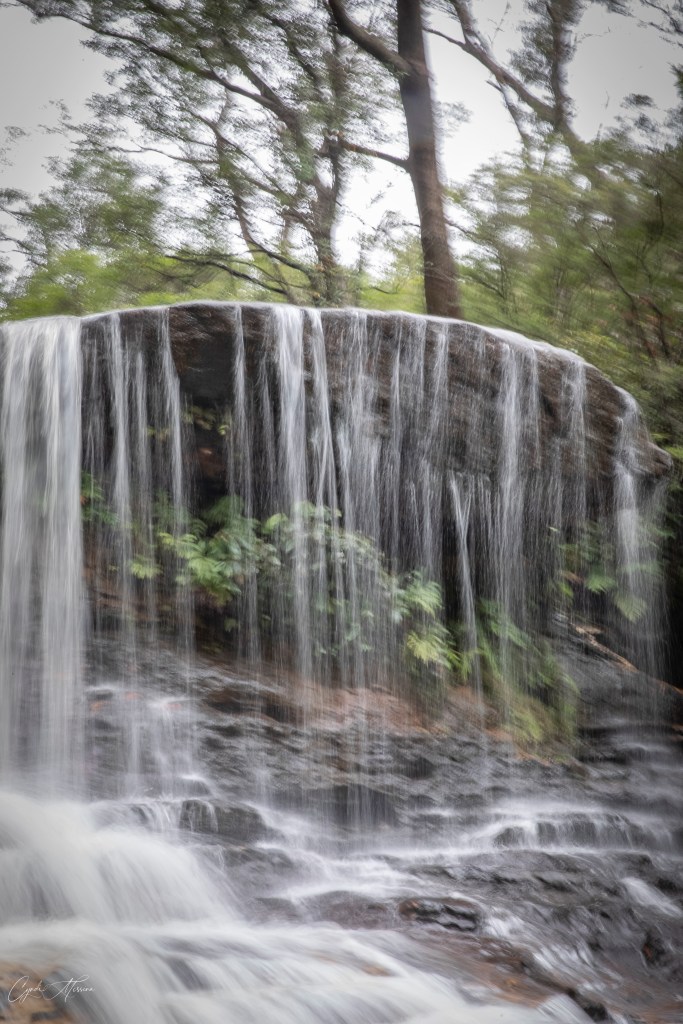
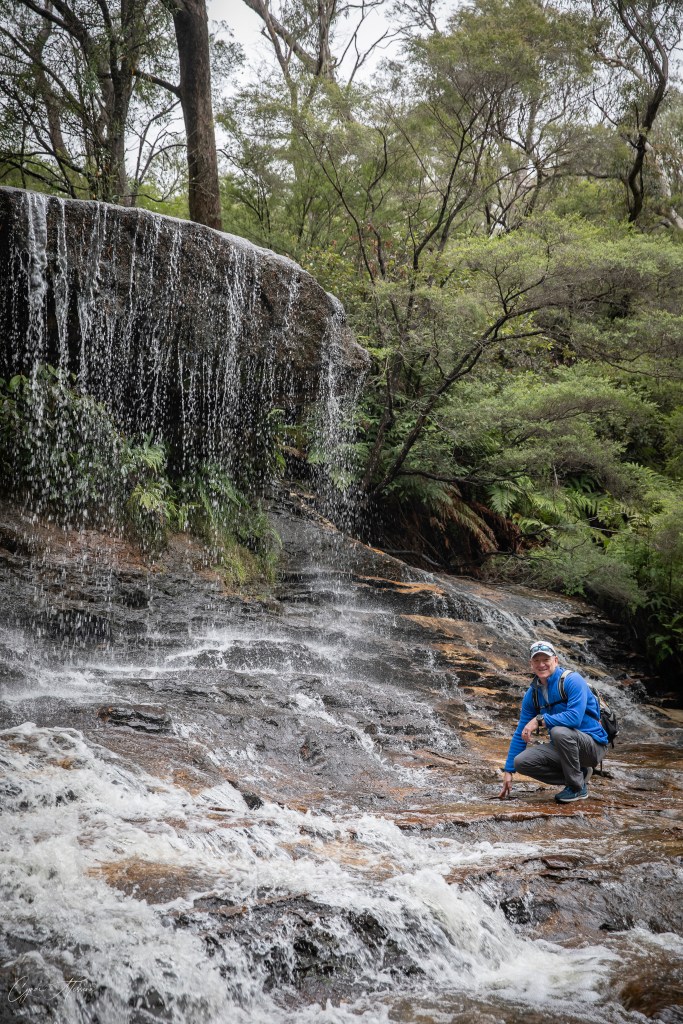
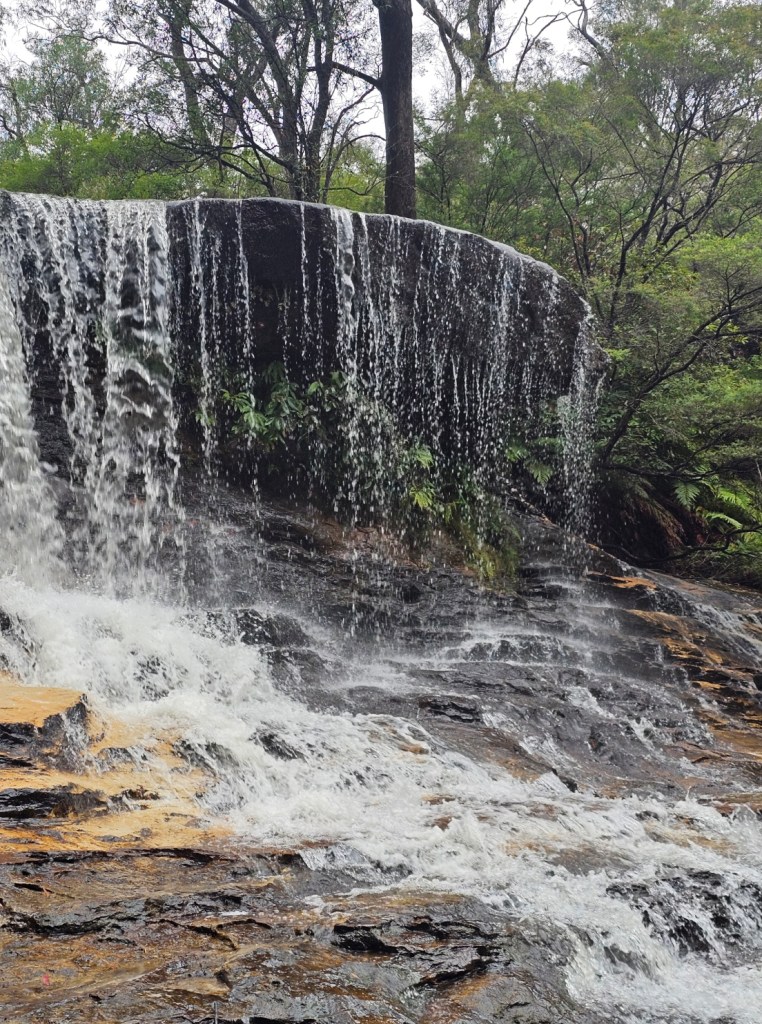
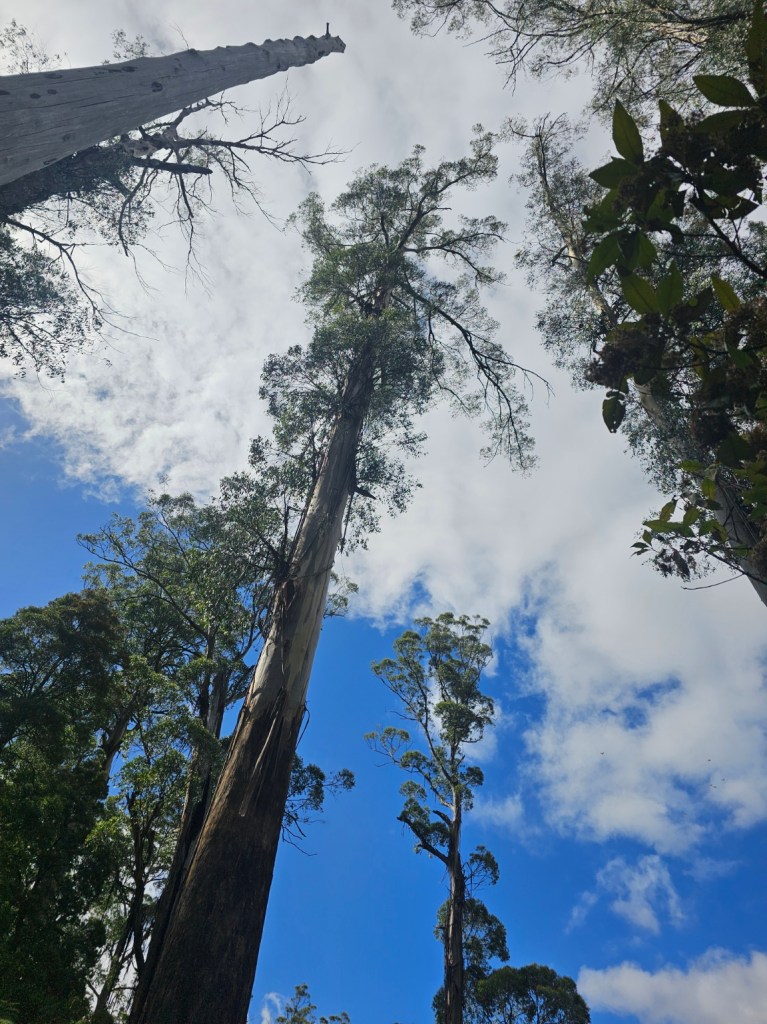
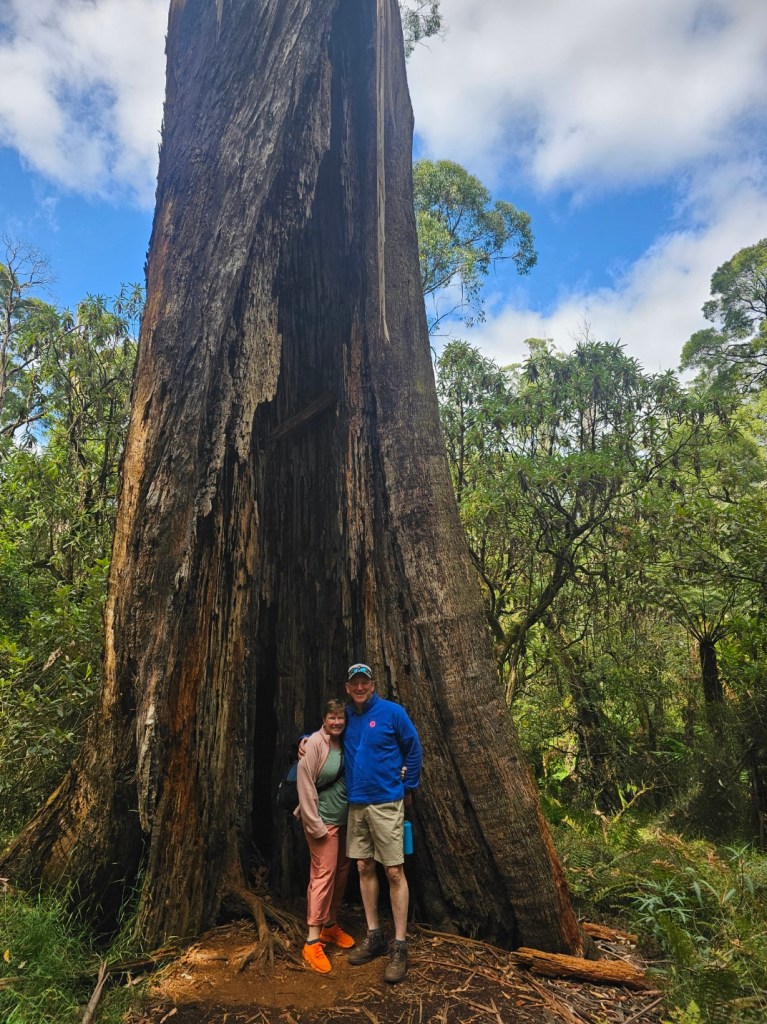
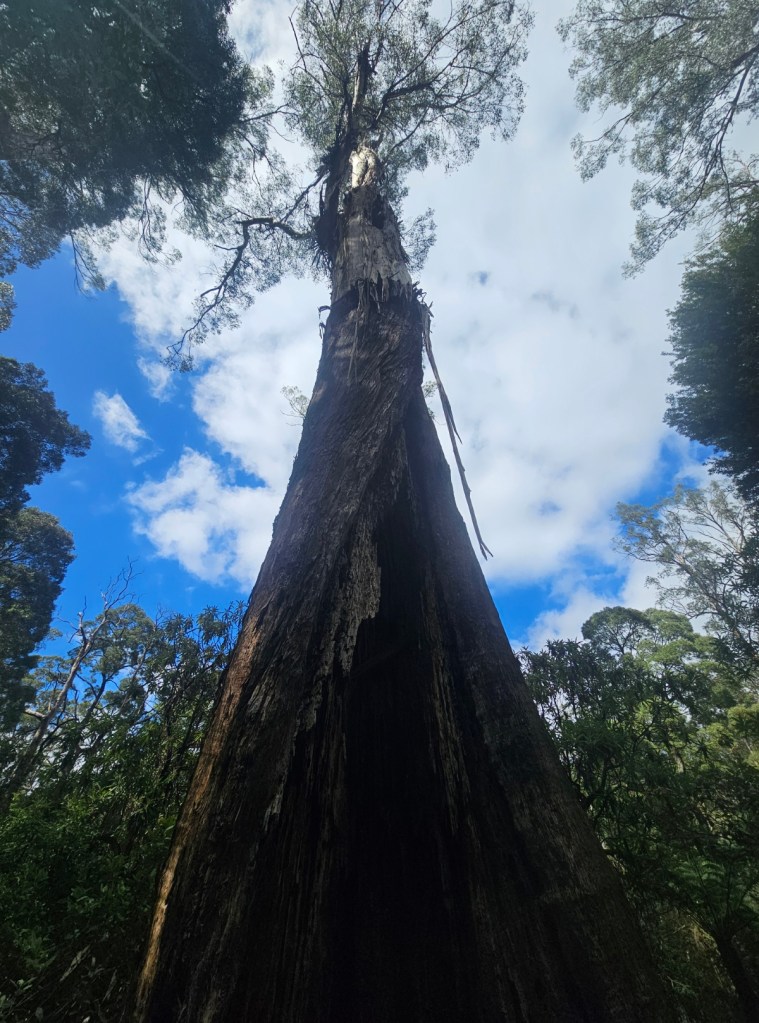
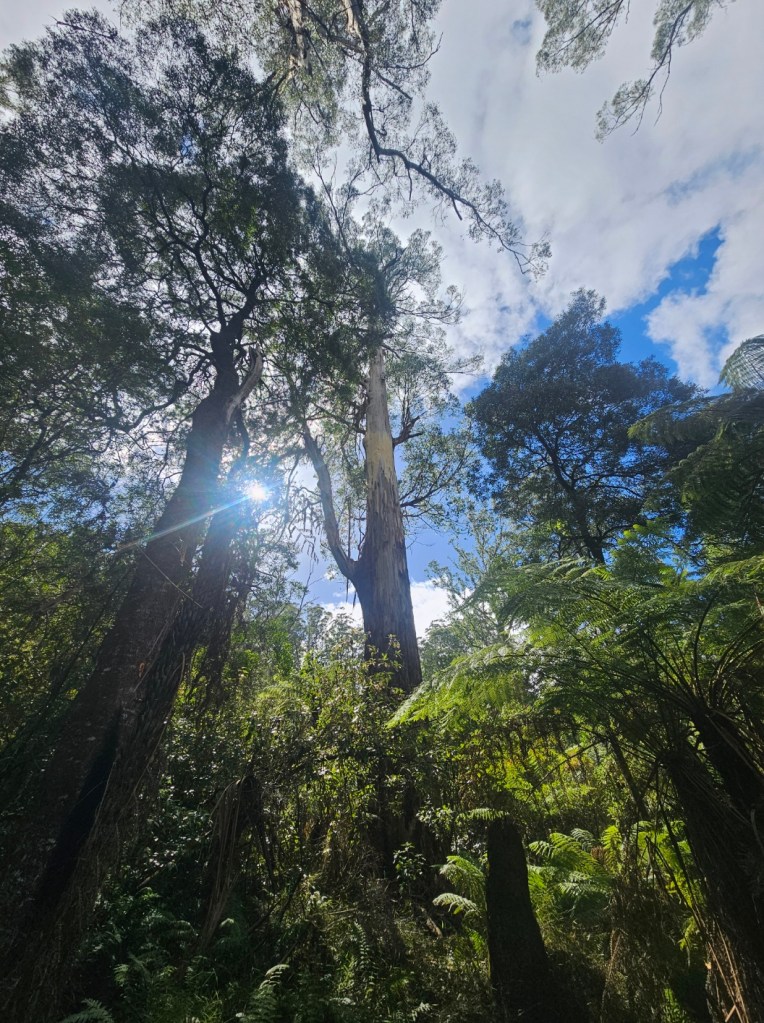
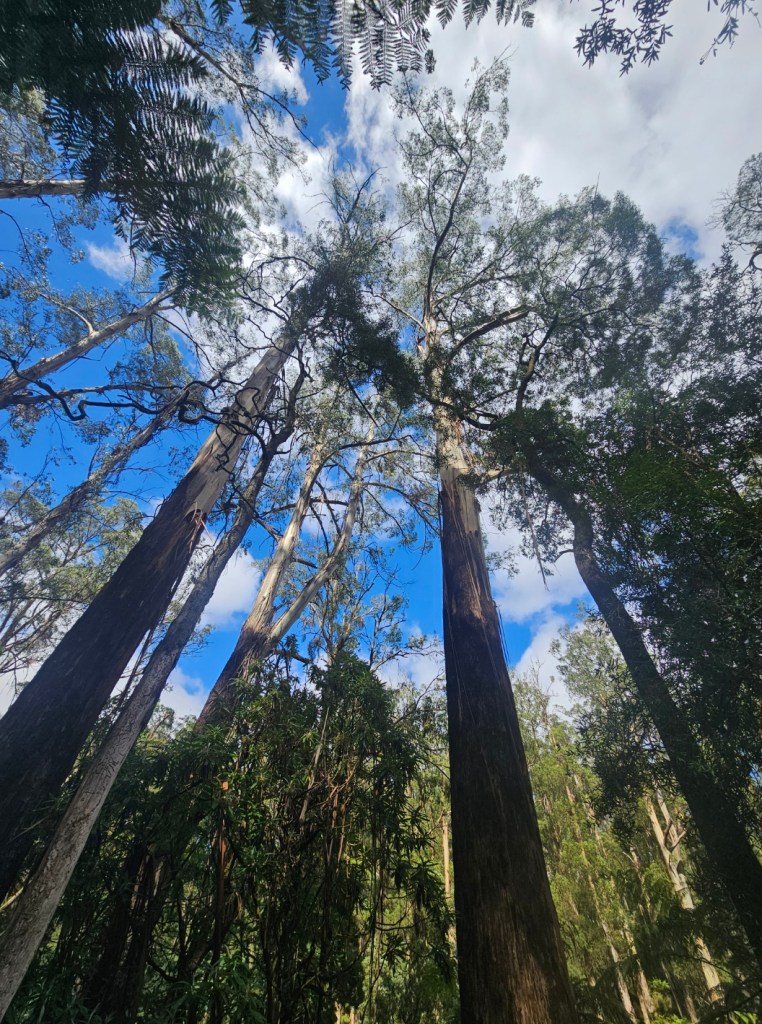
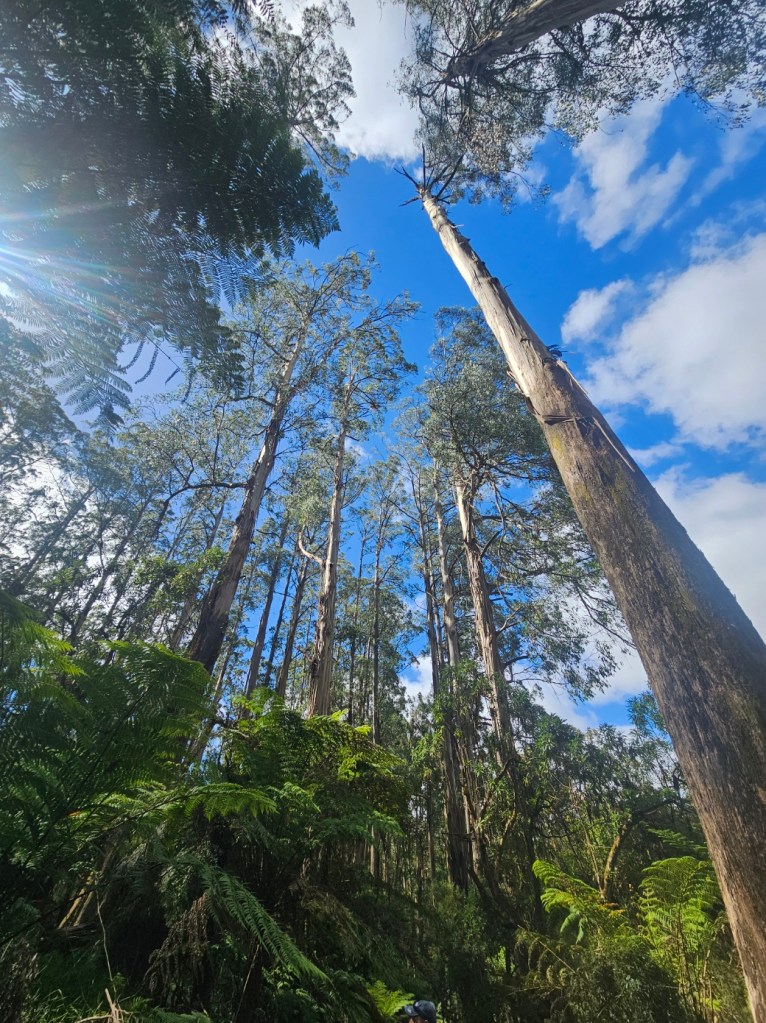
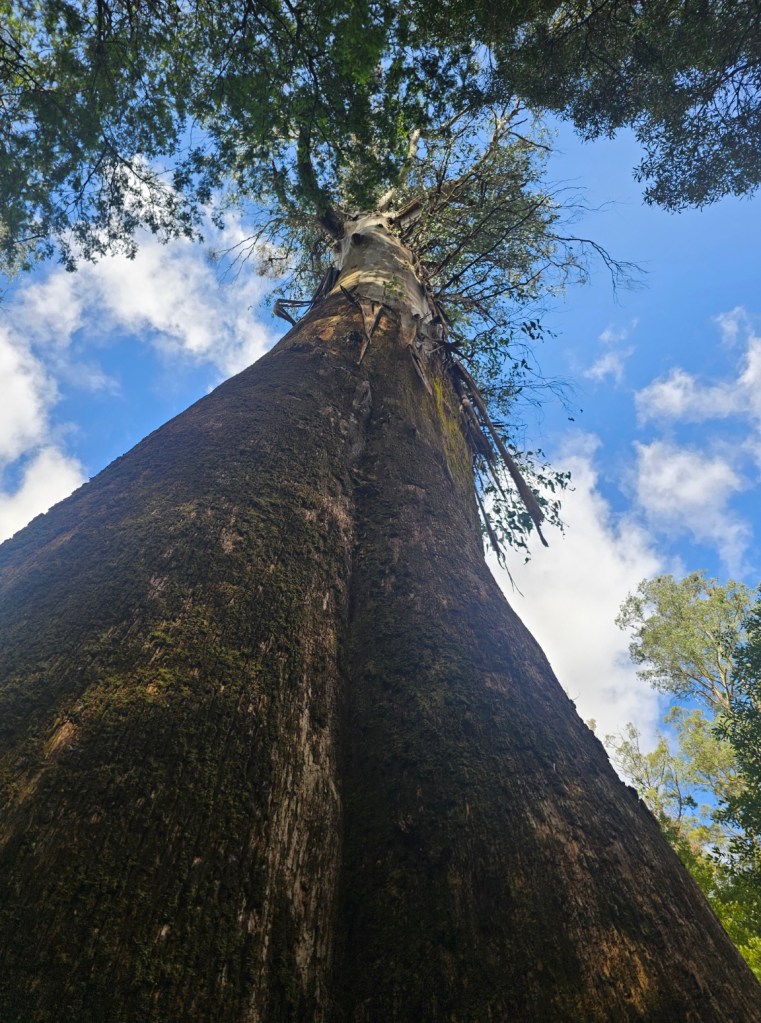
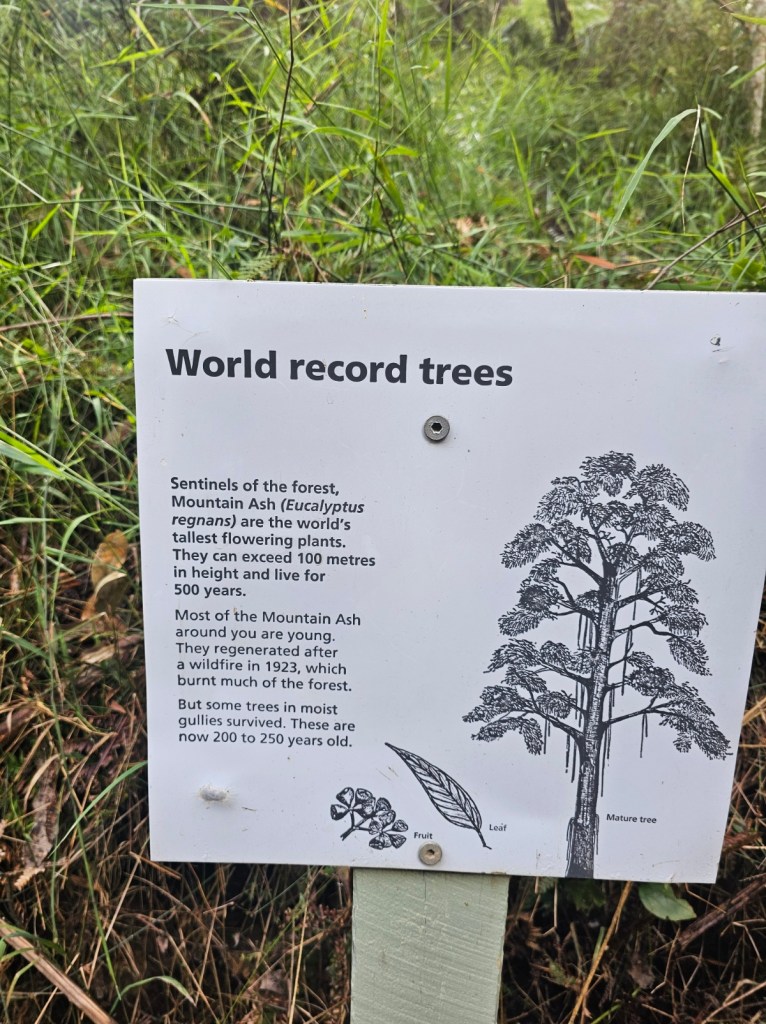
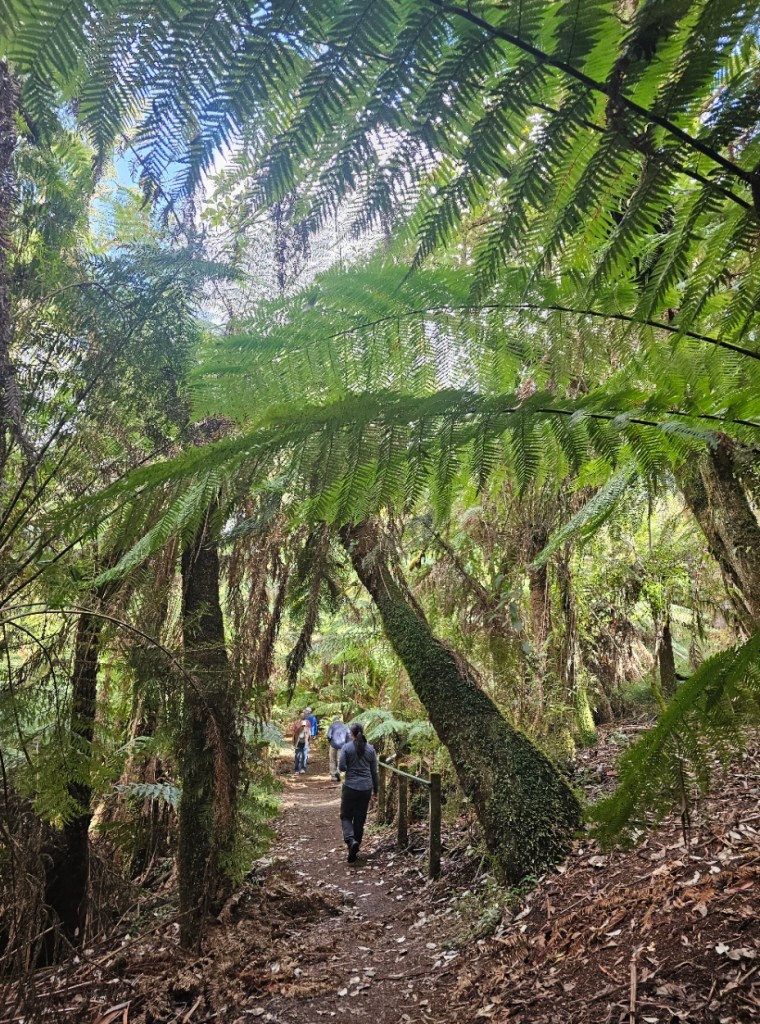
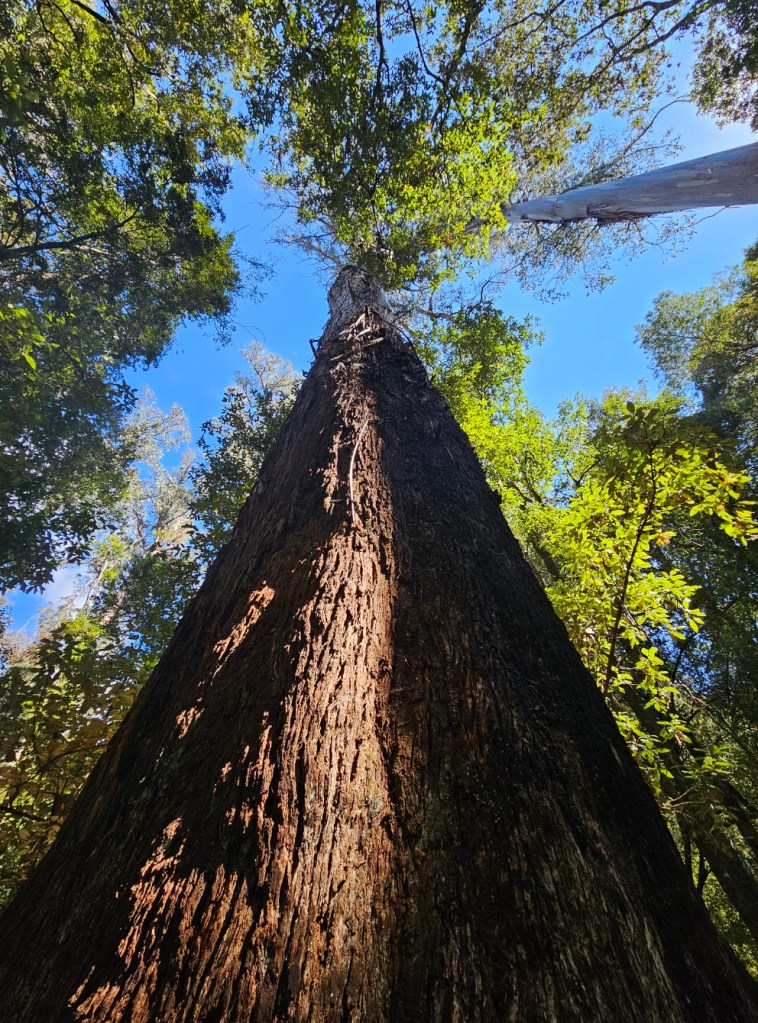
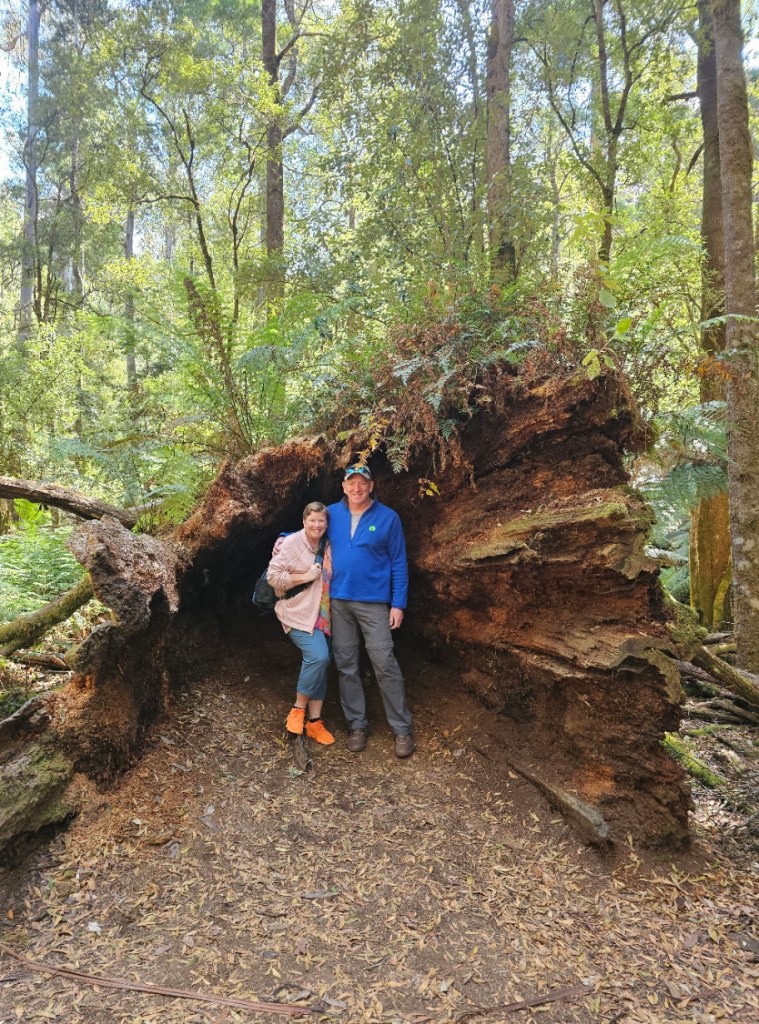
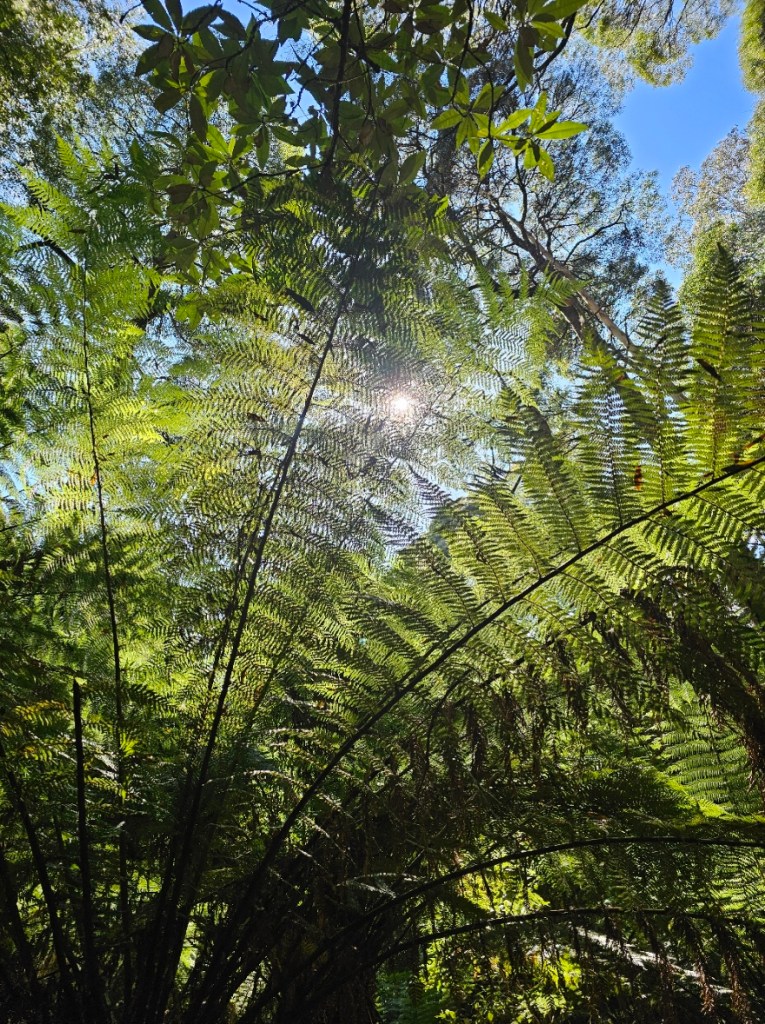
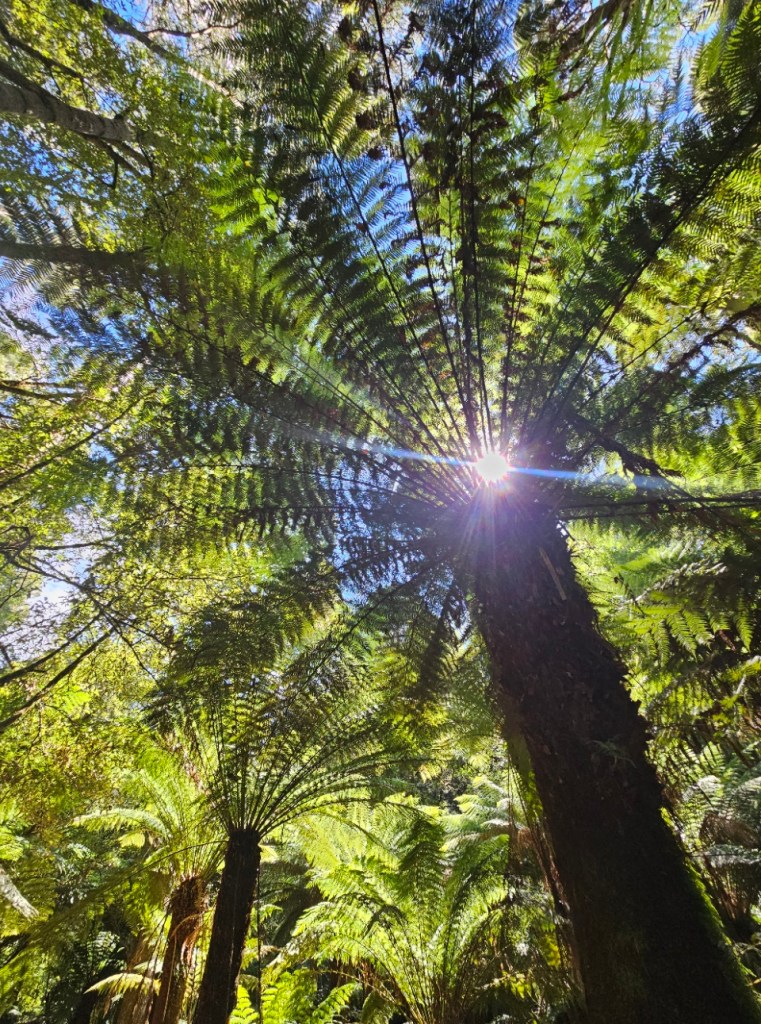
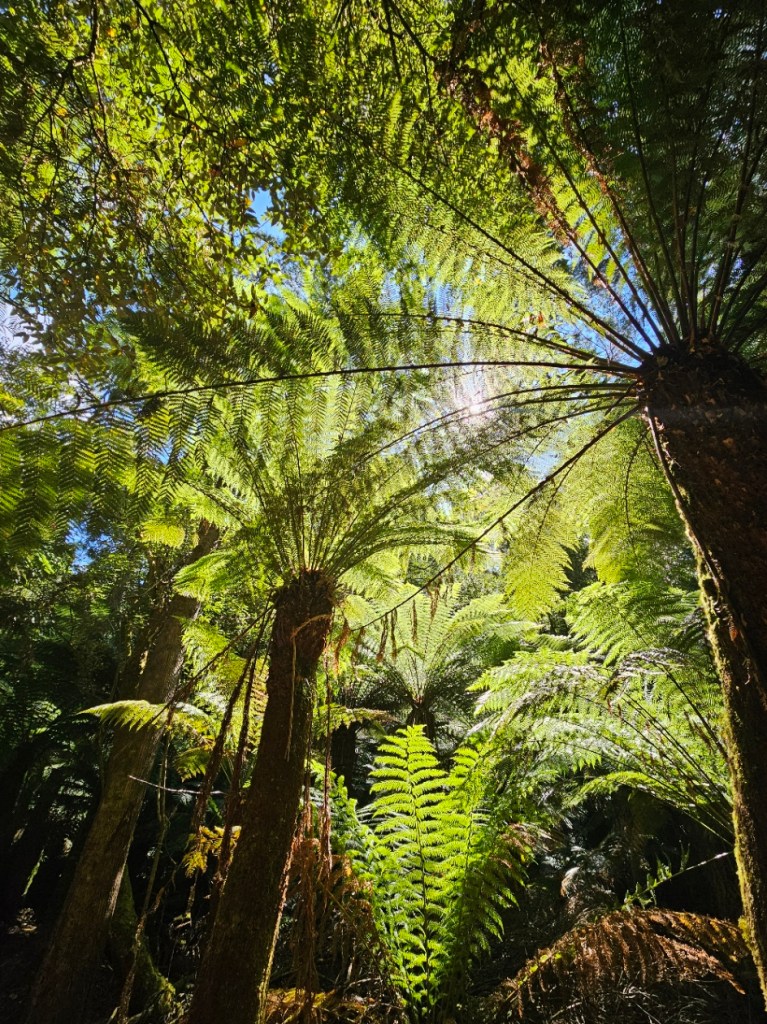
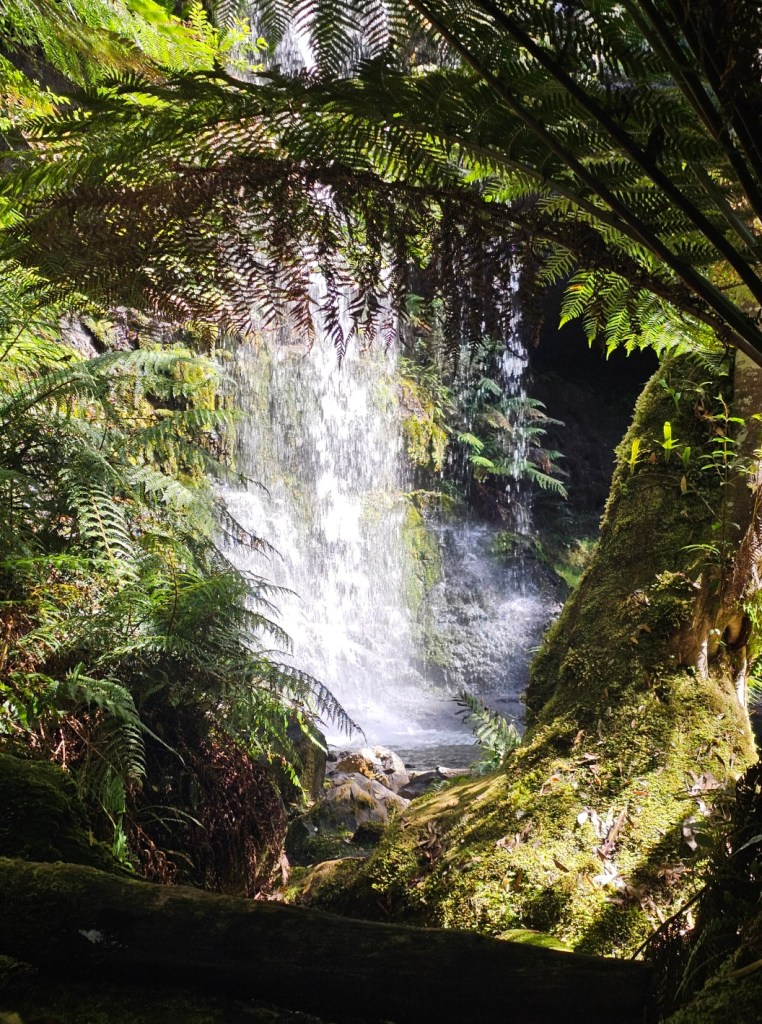
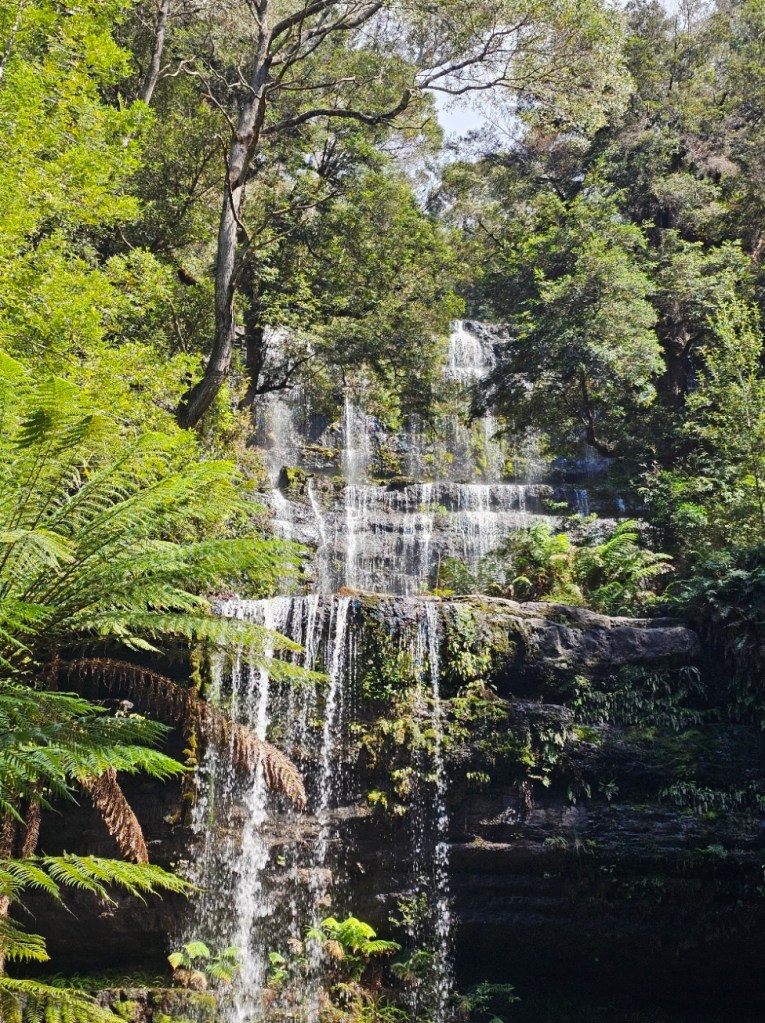
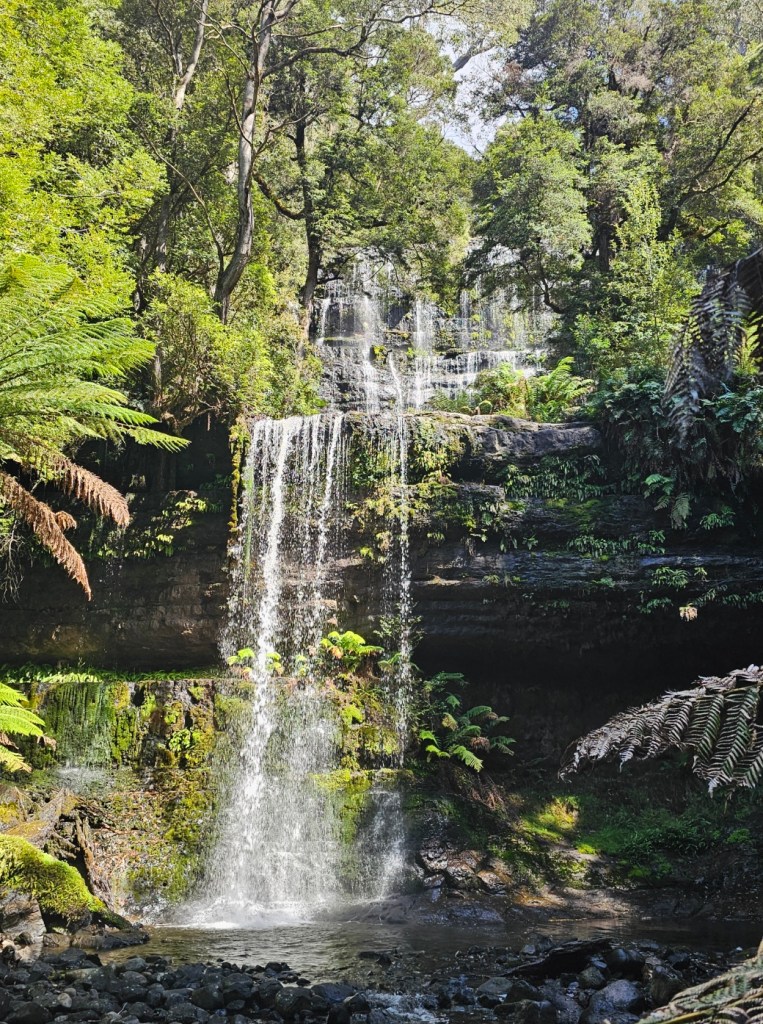
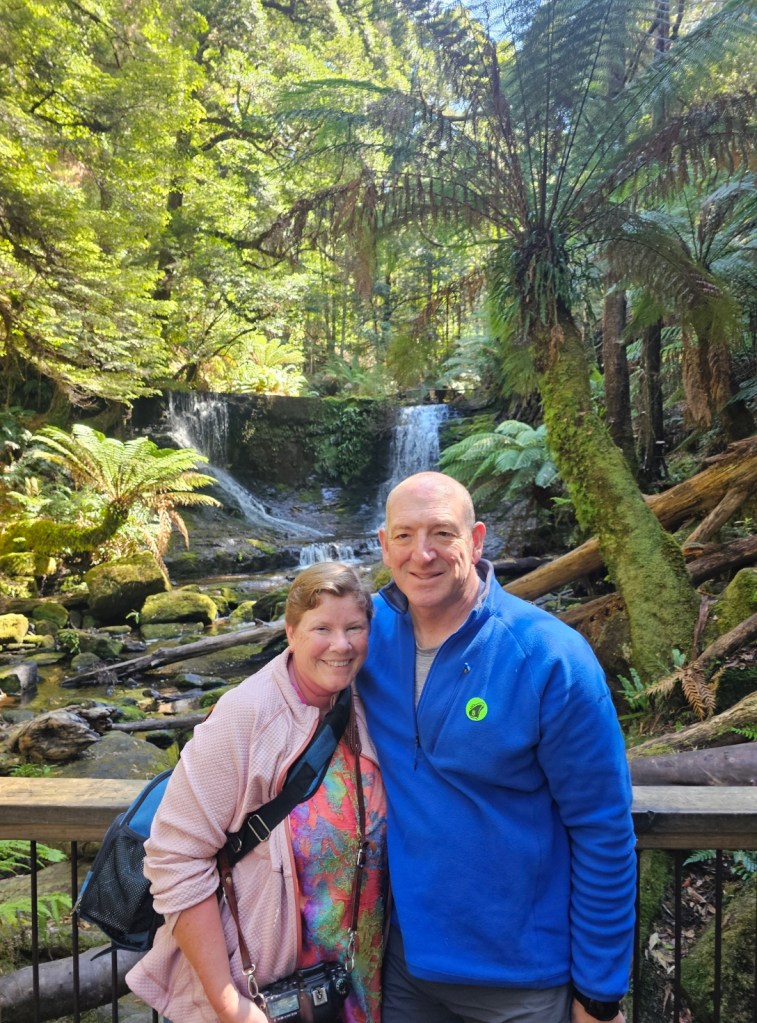
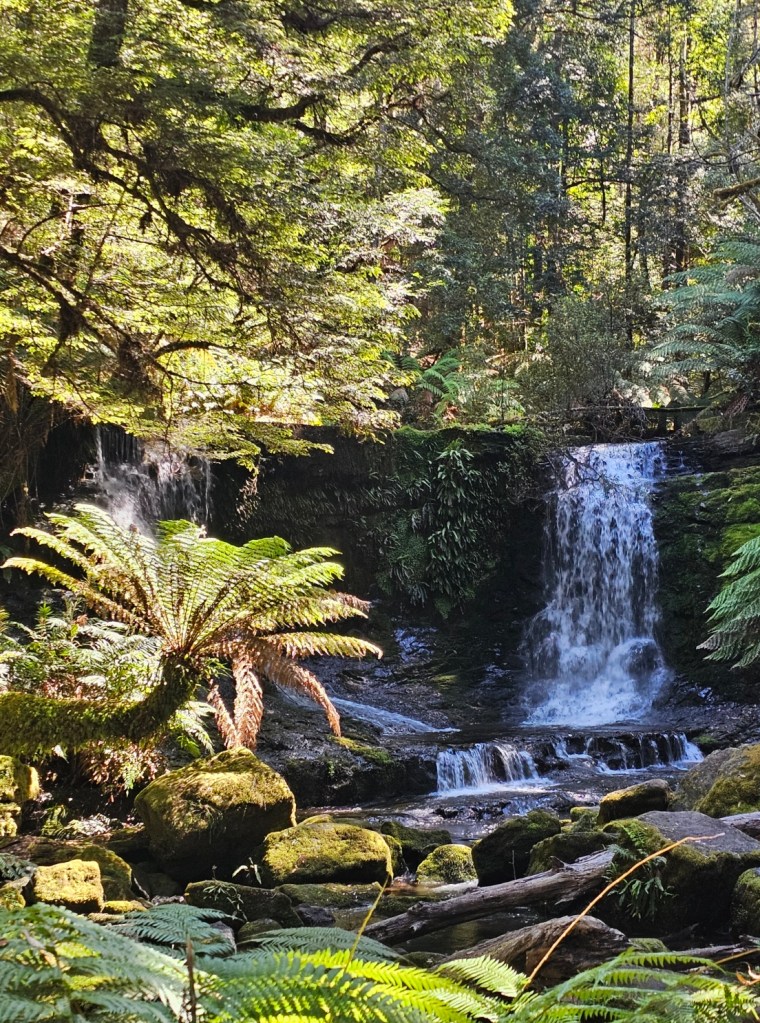
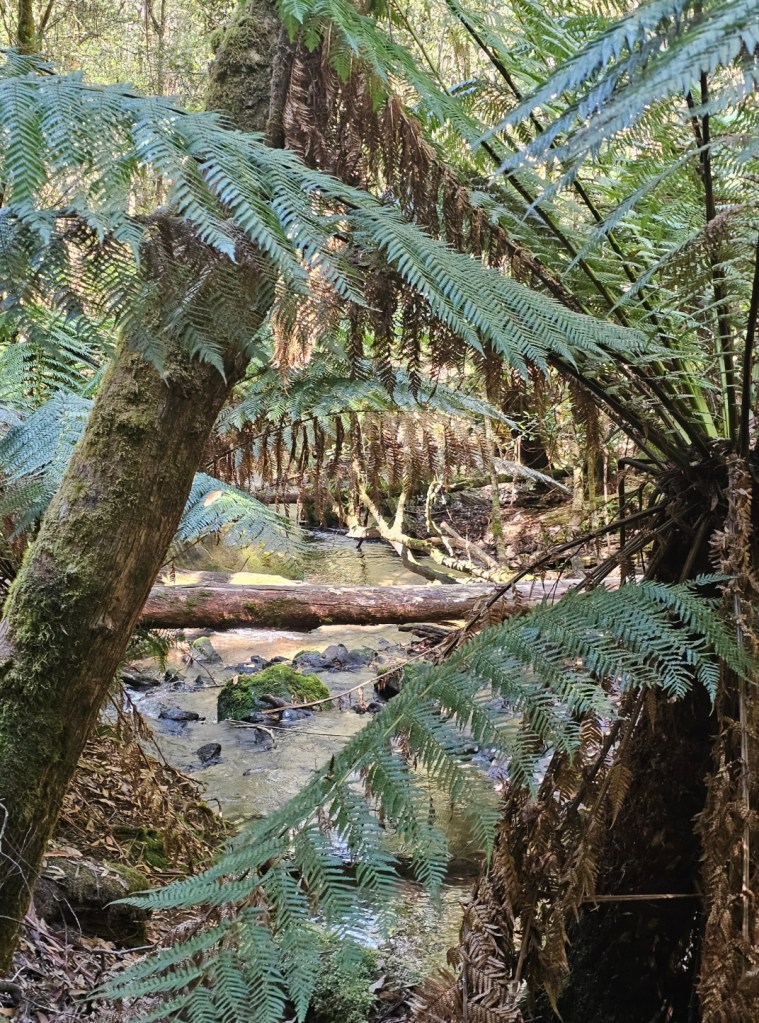
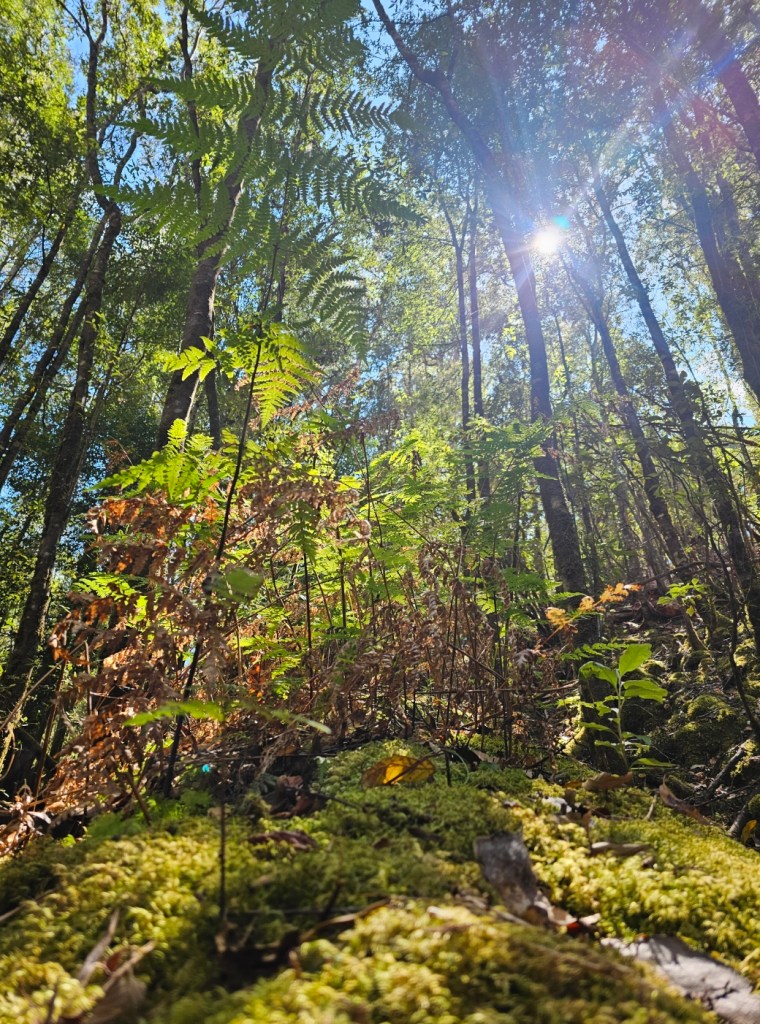
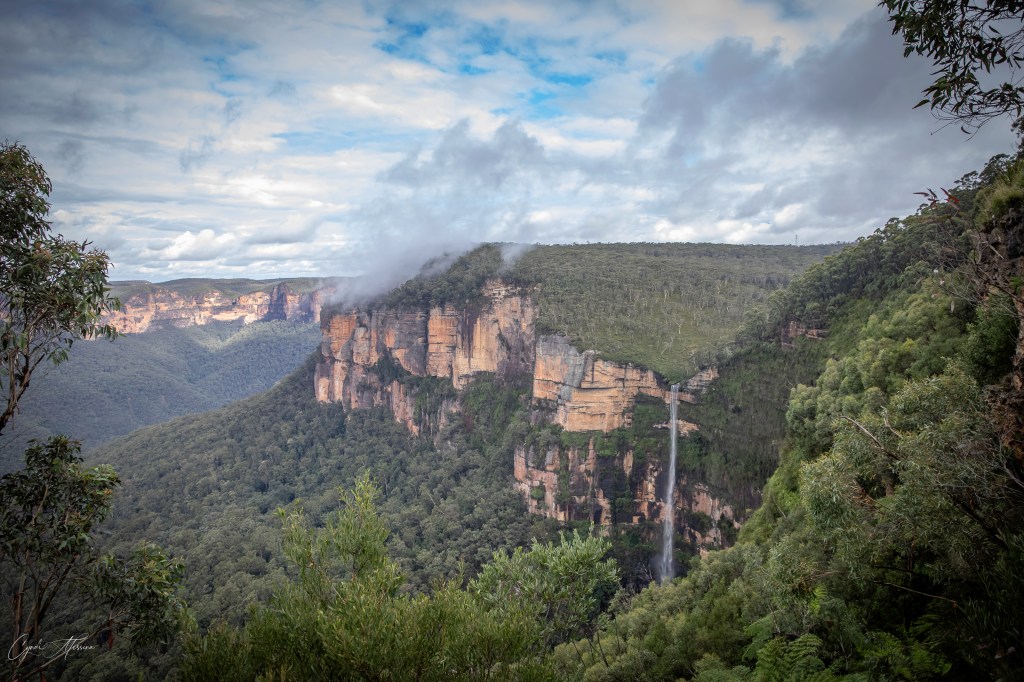
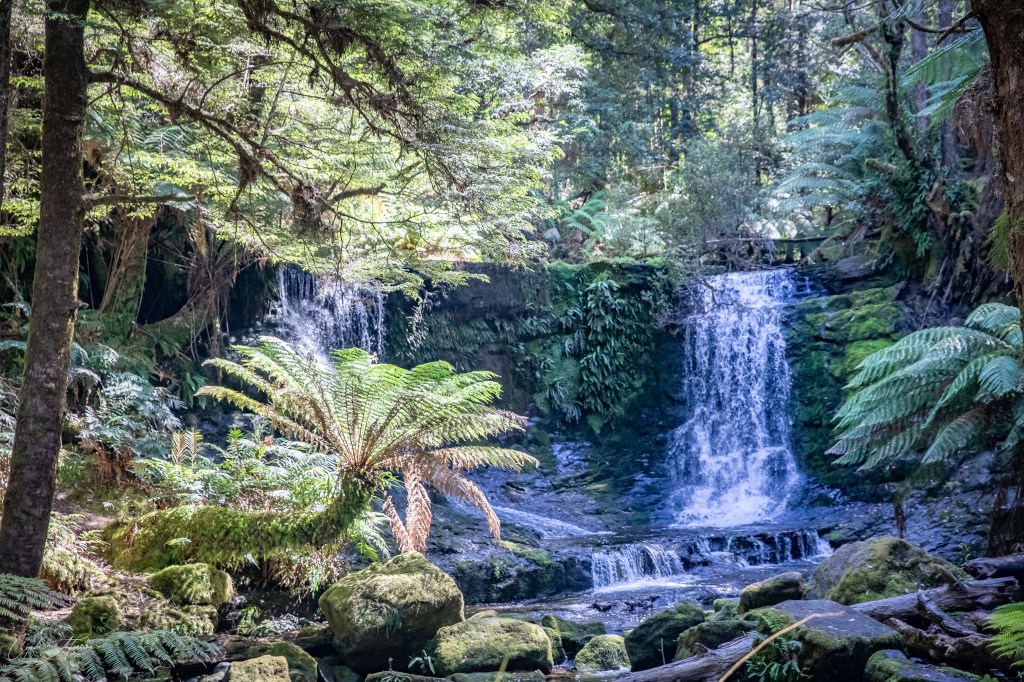
Our next stop was at Bushy Park and Russell Falls. Mount Field National Park is one of Tasmania’s oldest national parks. It is a cool temperate rain forest – one of the only in the world. We hiked into the national park and were only given an hour to explore. We felt we could have spent even longer exploring the area. Berries and cherries are grown in this region. There is a golf ball sized cherry that the Chinese like to serve during Chinese New Year. It grows perfectly in this region. They are sold for a dollar a piece. Japan likes a specific strawberry that is red on top and white on the bottom. They grow well here due to the colder nights, which make berries sweeter.

Marbles talked extensively about “the sins of our fathers” in our day with him. The Tasmanian tiger once roamed Tasmania as a native animal for over 6 million years. in 1803 white men arrived in Tasmania and within 150 years, the Tasmanian tiger was extinct. The white people also killed off the indigenous people. The last full blooded Aboriginal person died in 1936. Some died through conflict, but the main killer was the diseases that the white men brought with them that they had no way to fight off. Their immune system was very poor. The white people brought the common cold, measles and the chicken pox. They killed off 75% of the indigenous people through disease – the remaining 25% through conflict. The “Sins of the Father” is a concept drilled into kids at an early age. Australians are big into conservation. Tasmanians are easy going people. They tend to turn down prosperity and big companies in order to save natural Tasmania. Tasmania is considered the “battery of Australia” due to all its electricity. There is almost 15 hours of sunlight a day, so solar cells on houses are common. They sell the extra electricity to the state. Even though it is cooler in this area, solar power doesn’t get affected by heat but only by sunlight, which is in great abundance. Bushfires are the biggest threat – especially with the northern winds. In Australia, when you turn 67, you go on age pension. It used to be 65, but they moved the age up a few years ago.

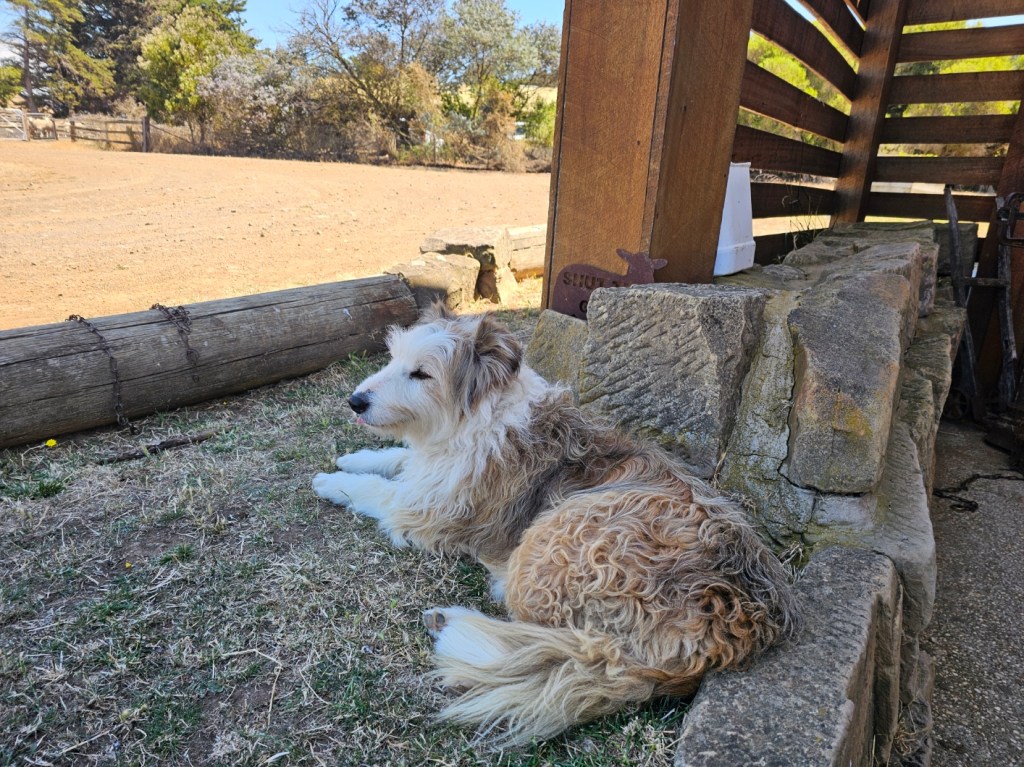
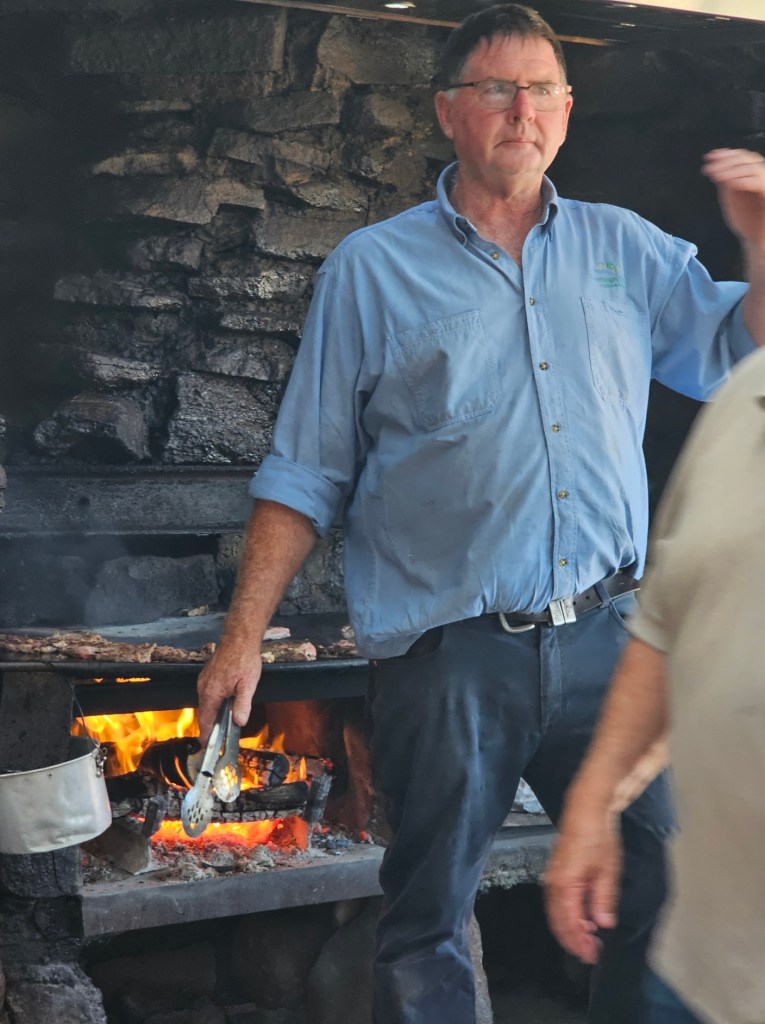
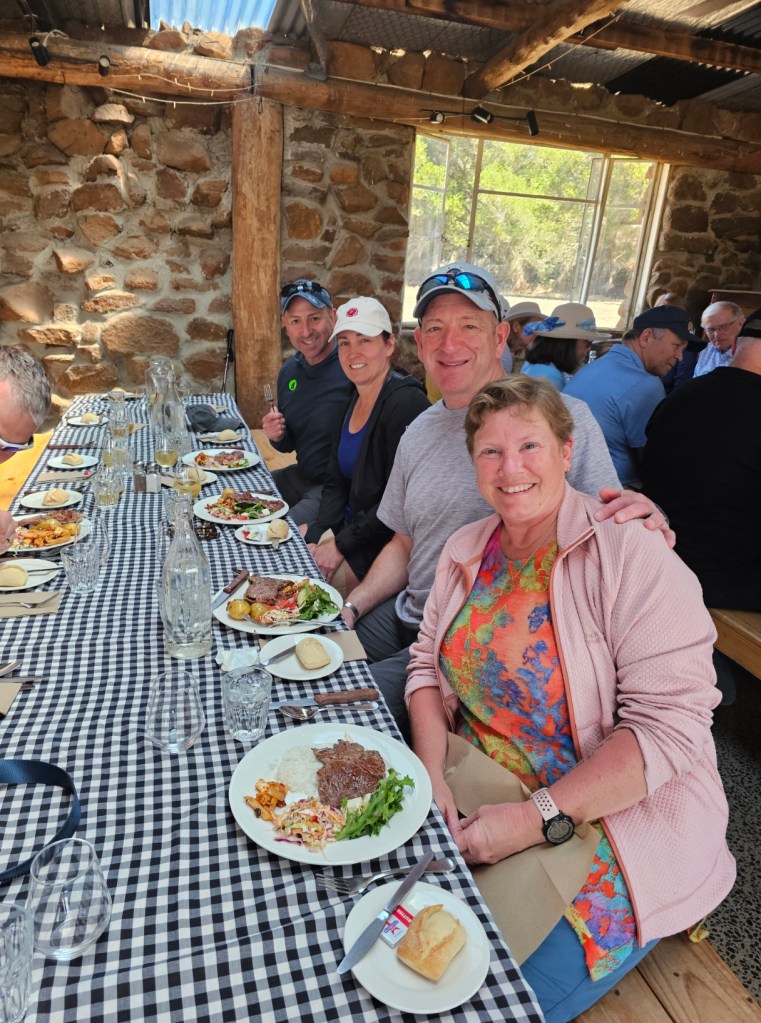
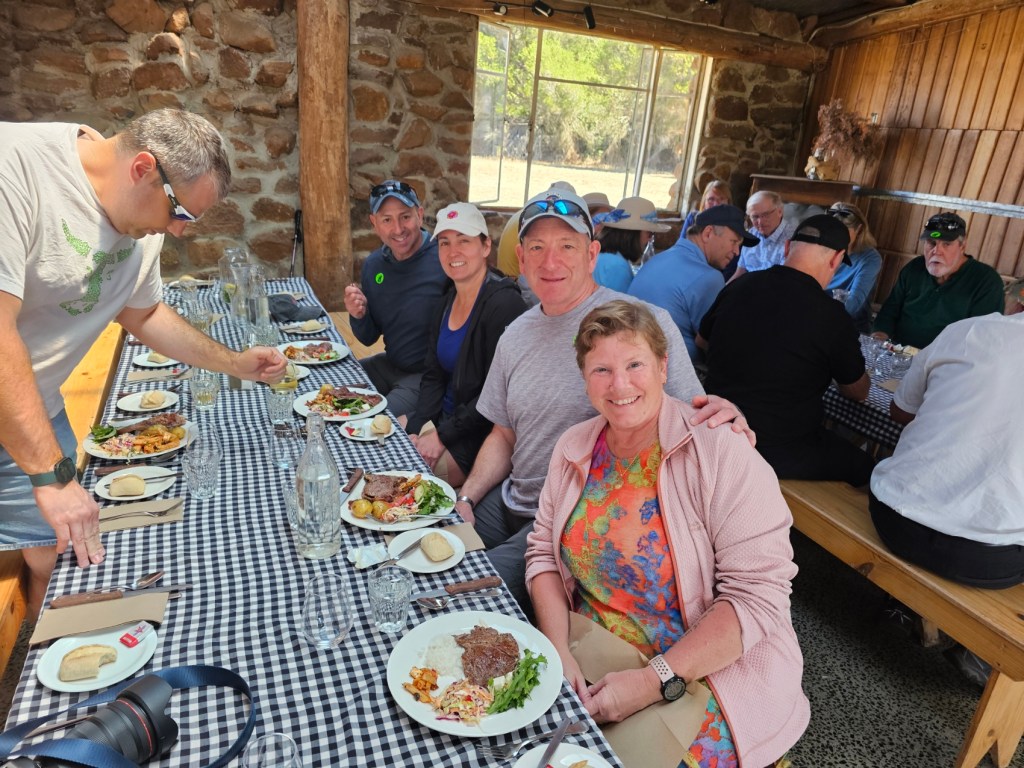
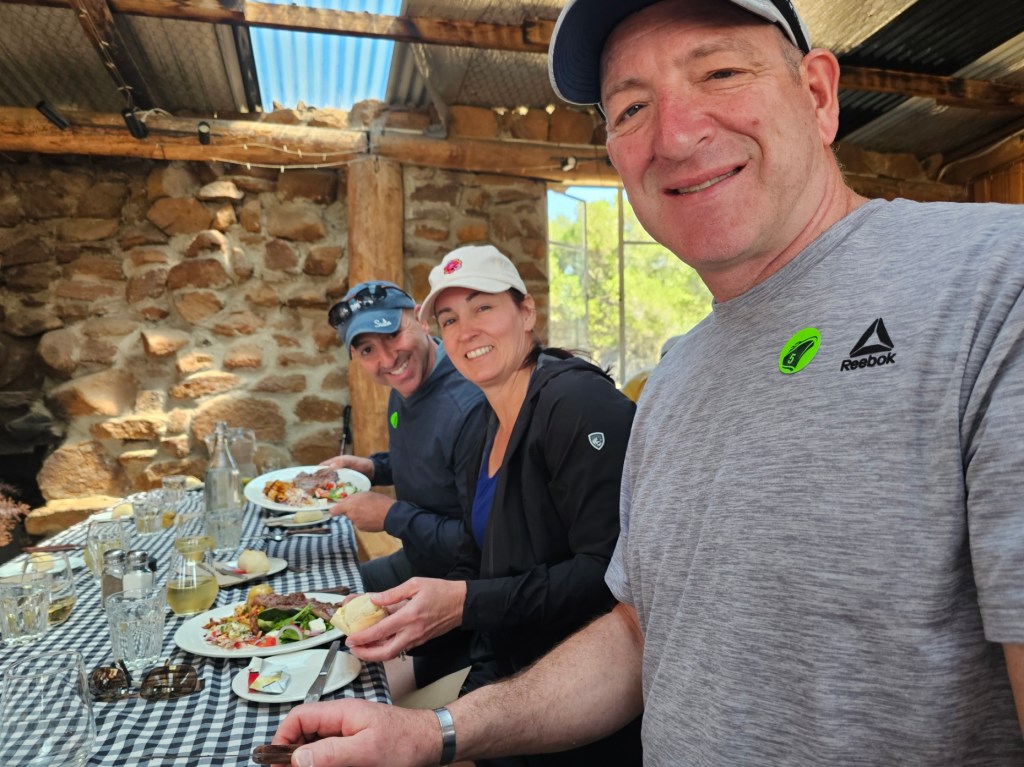
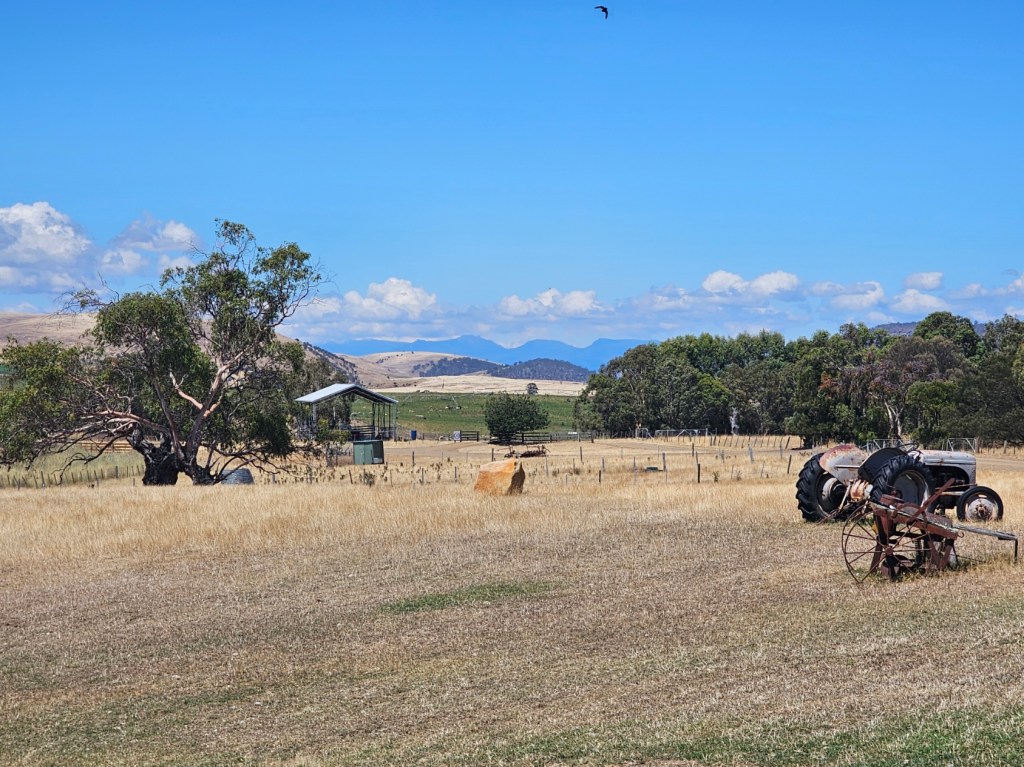
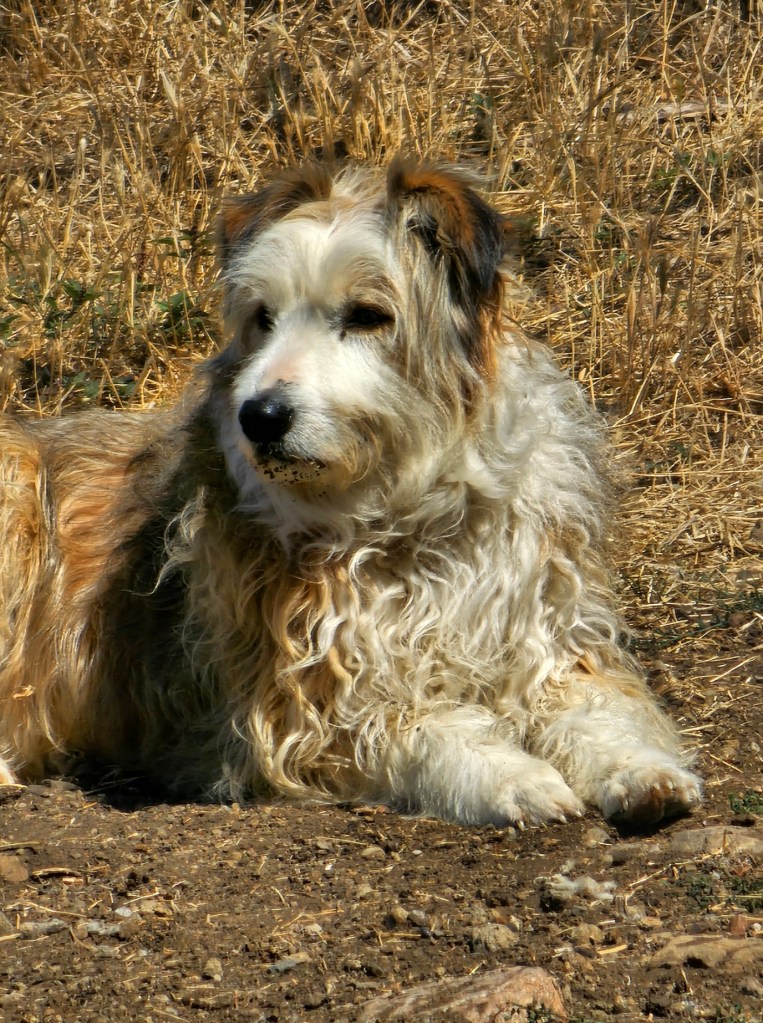
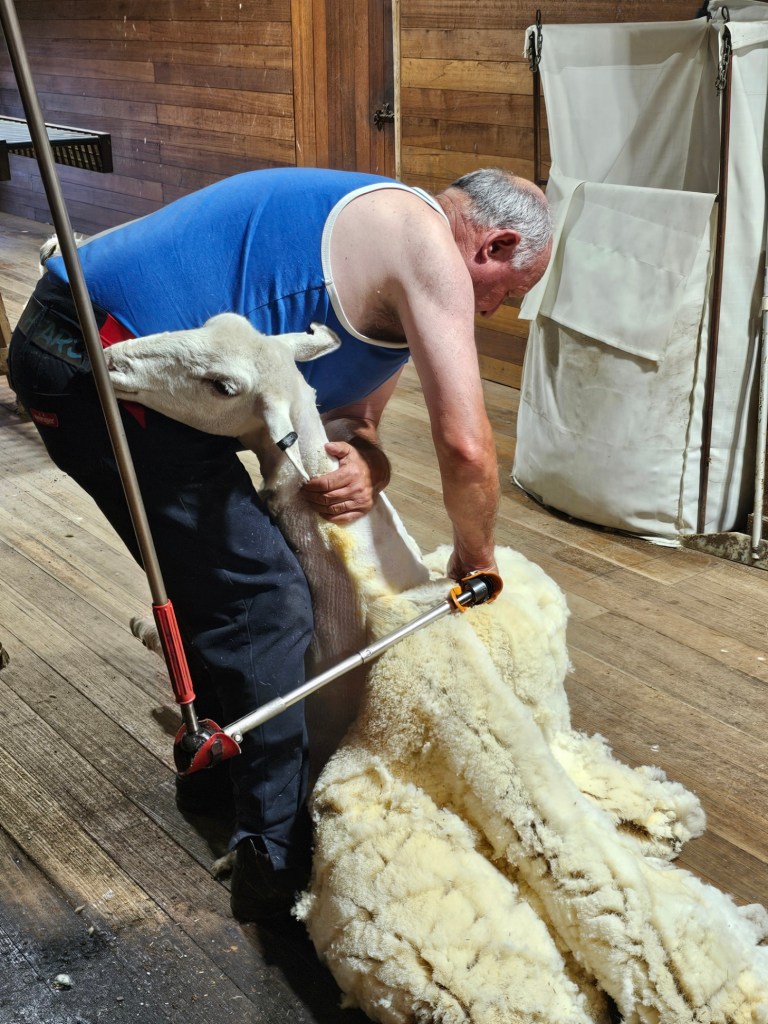
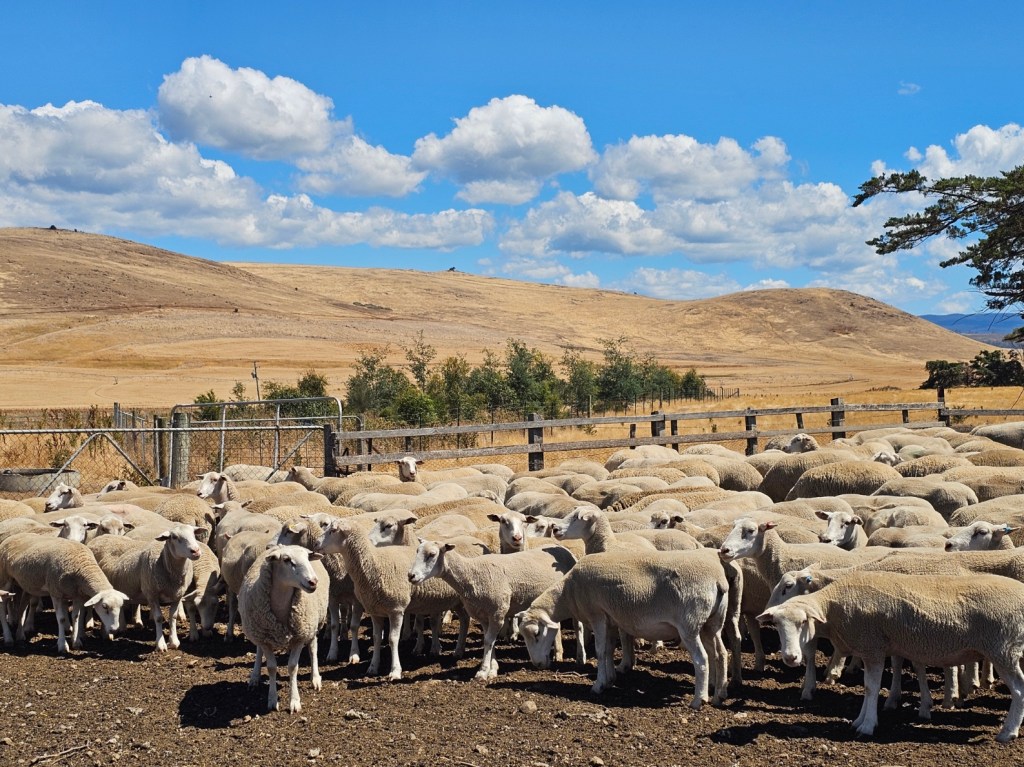
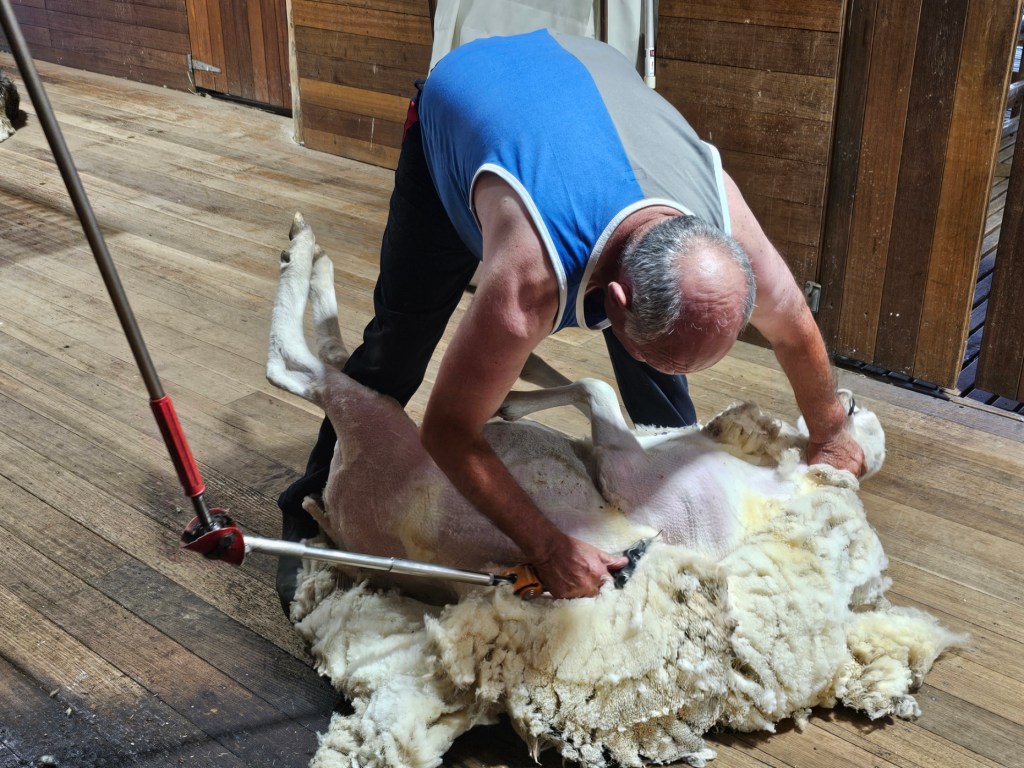
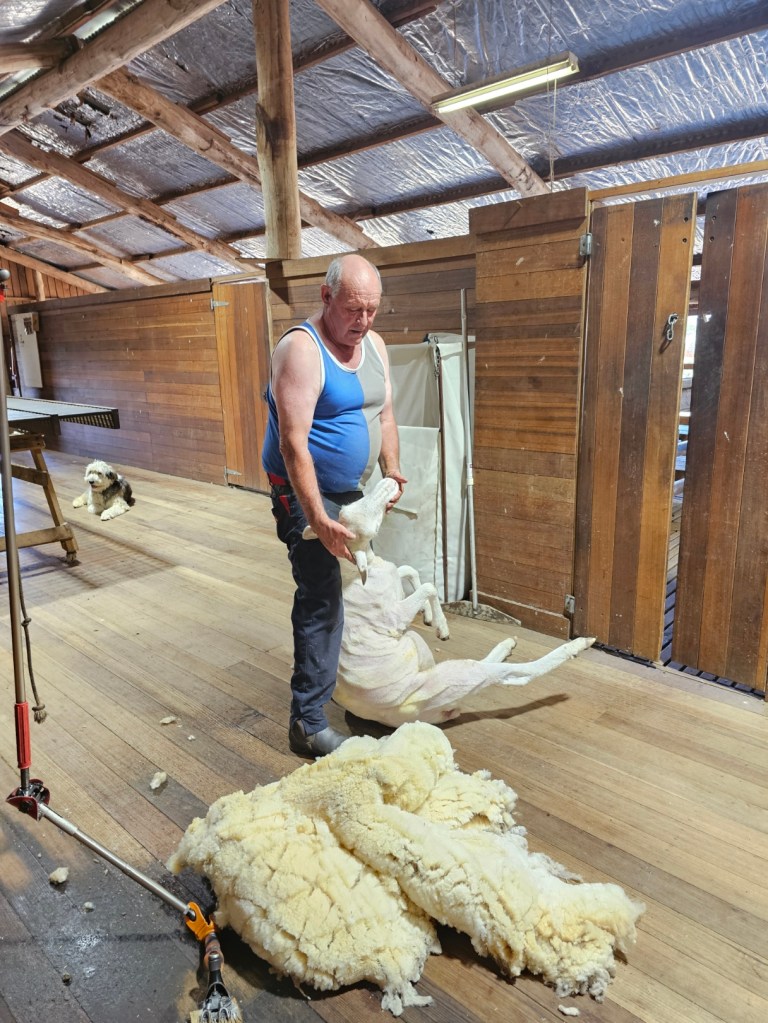
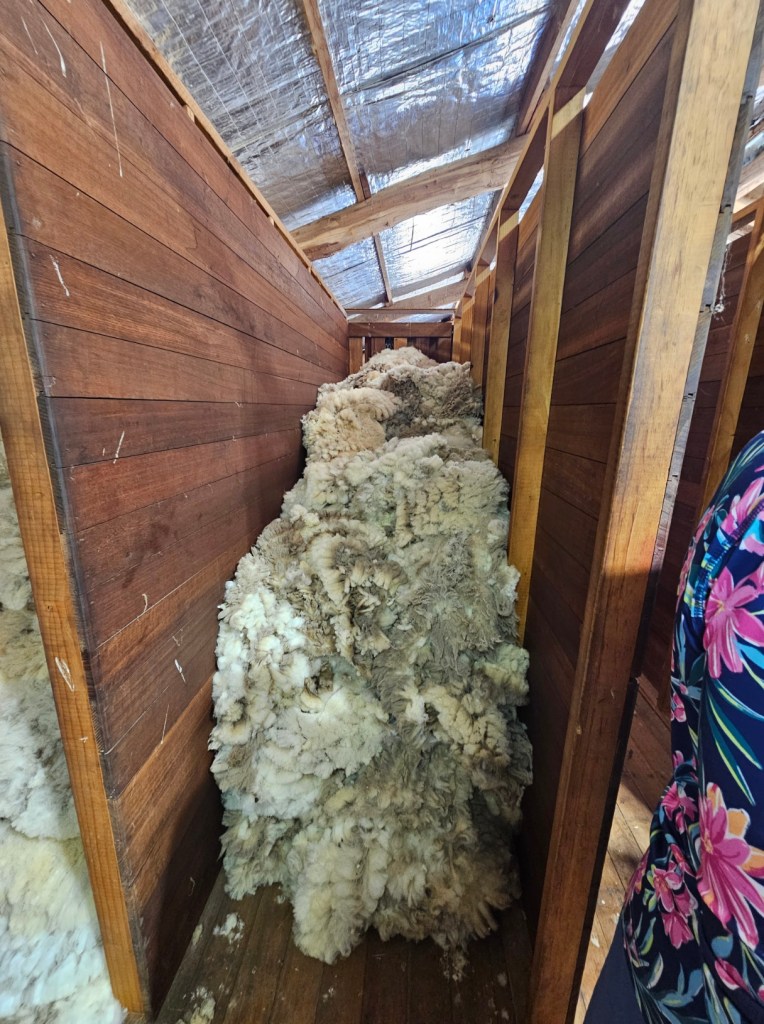
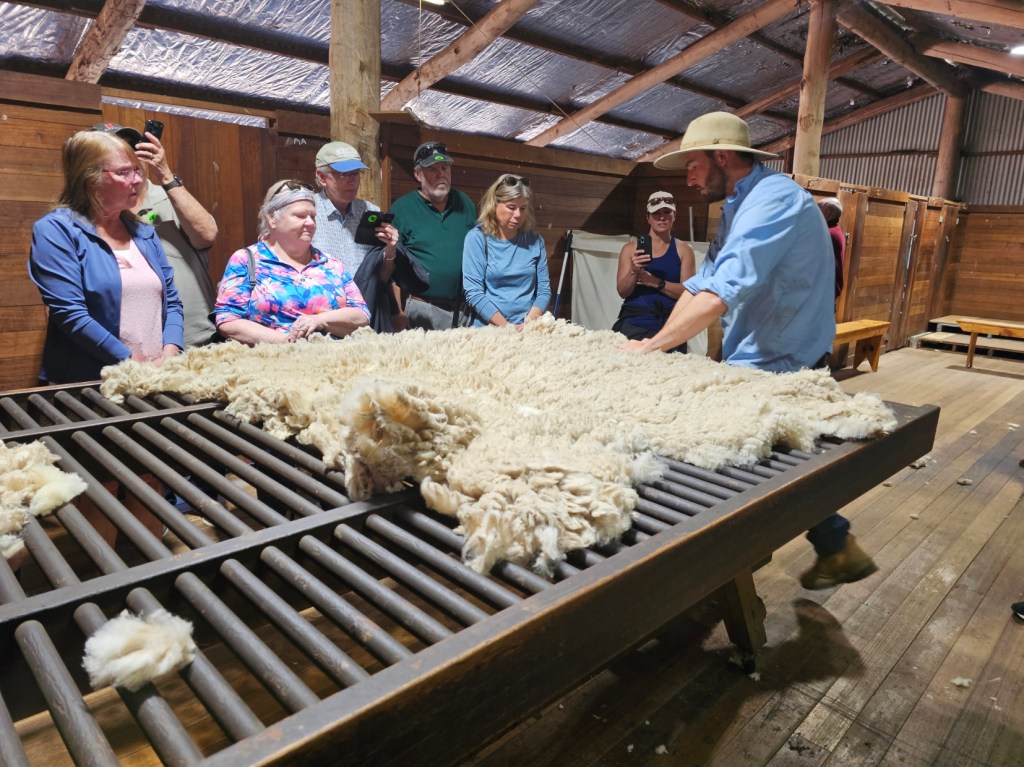
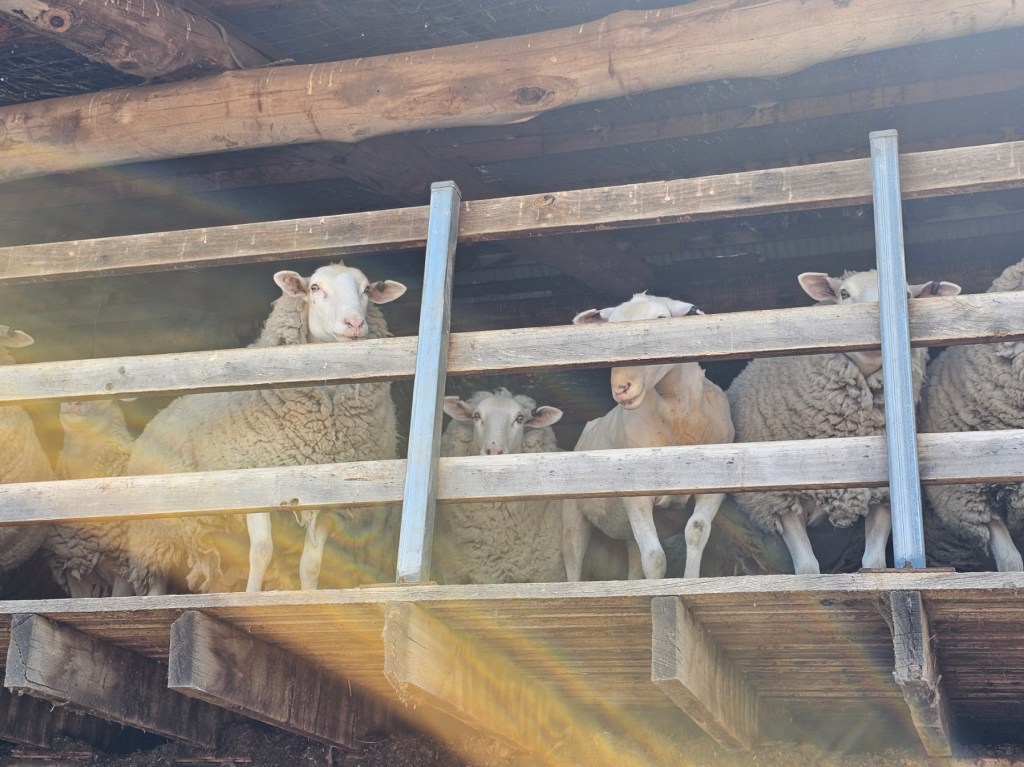
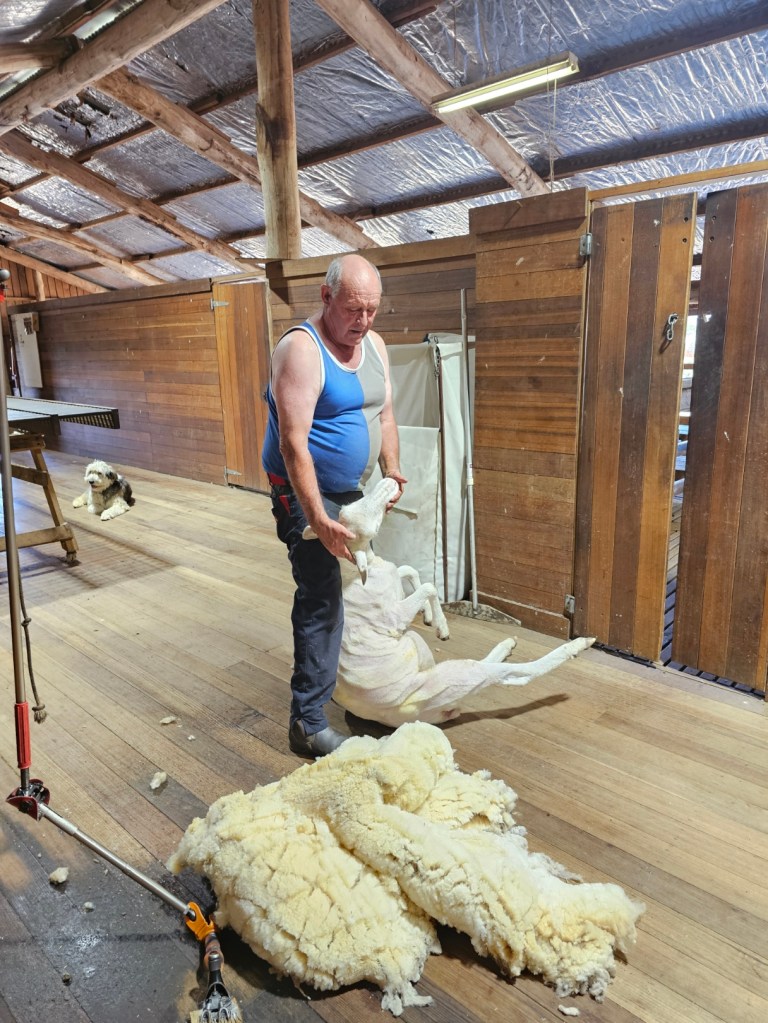
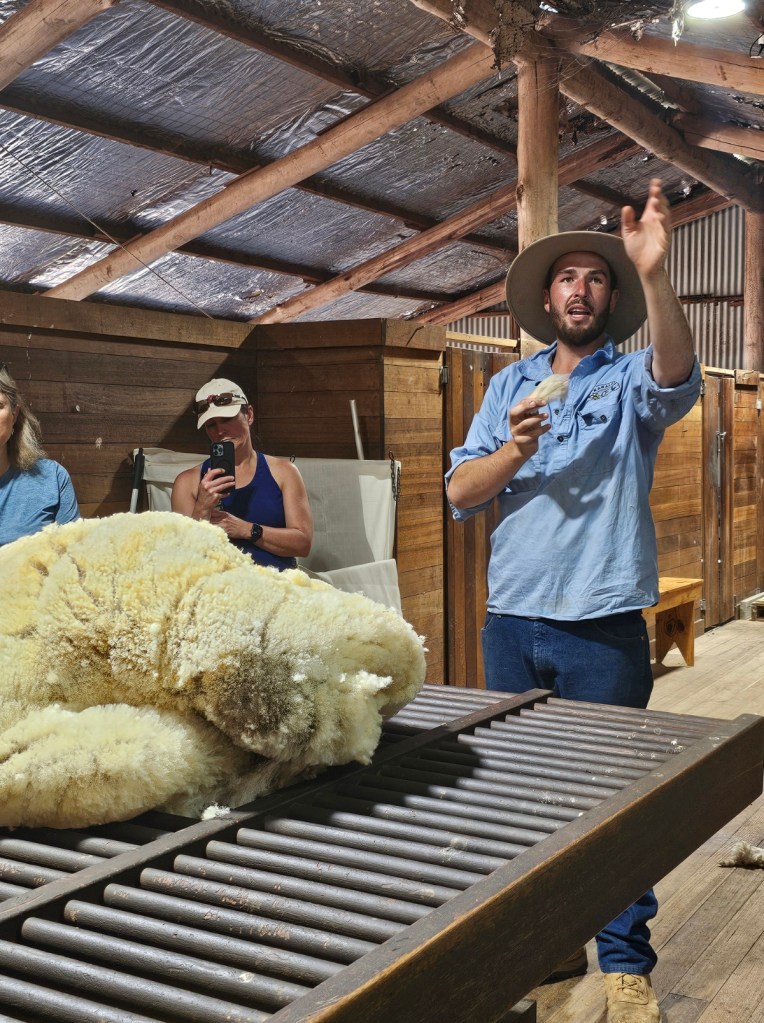
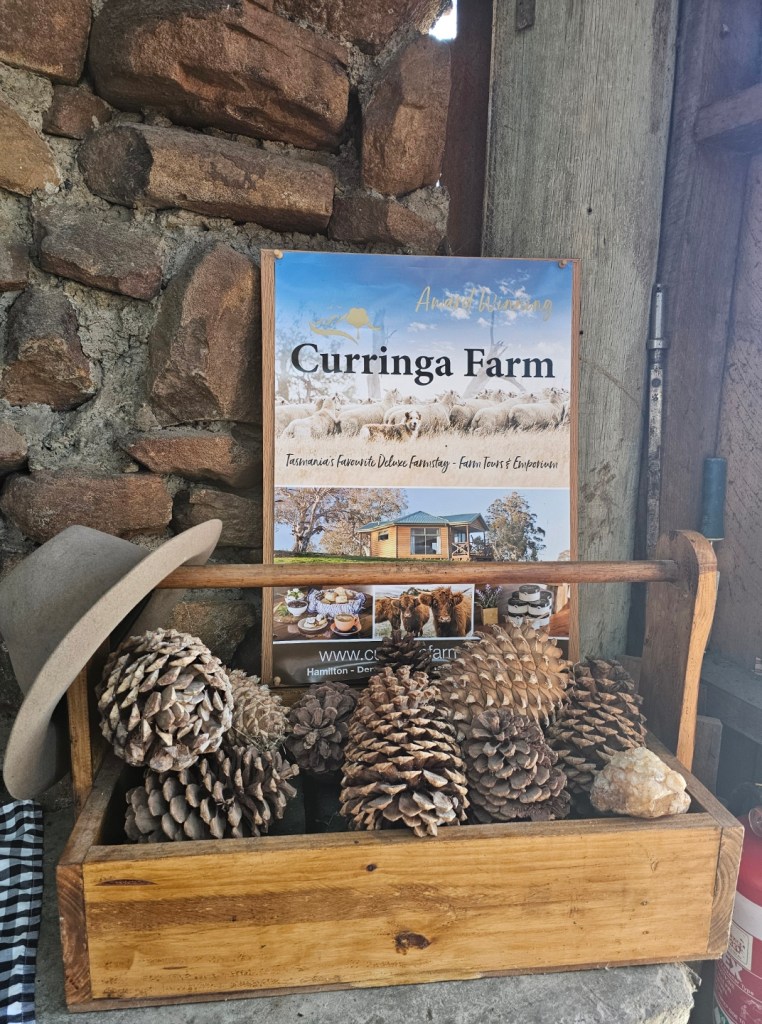
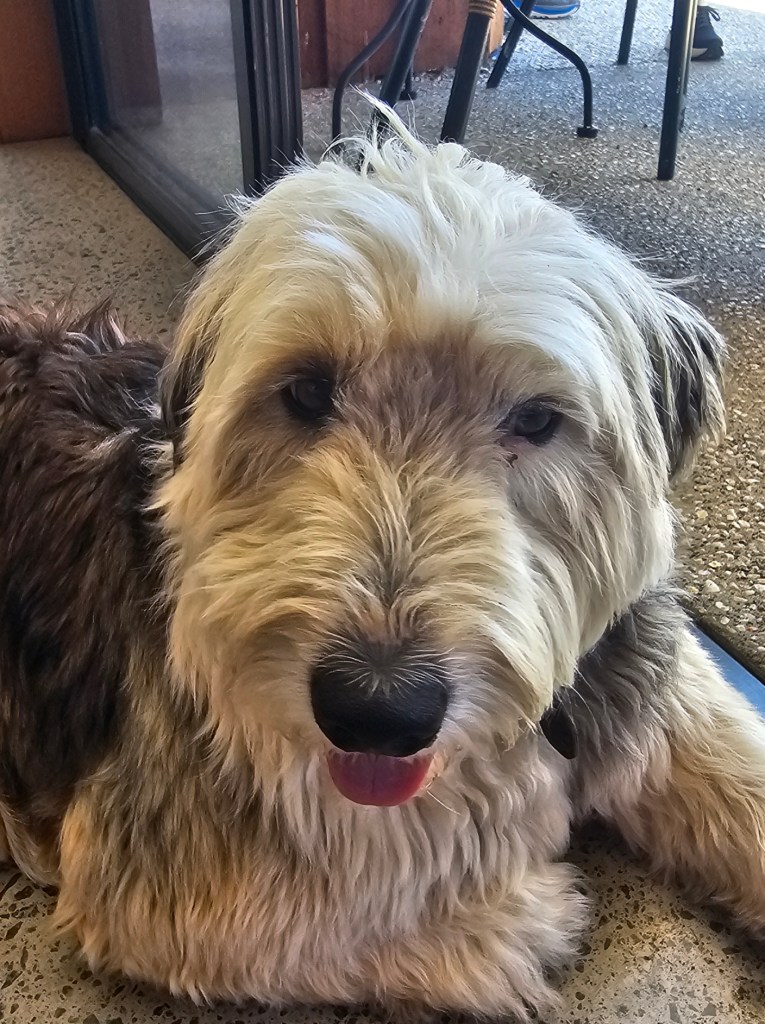
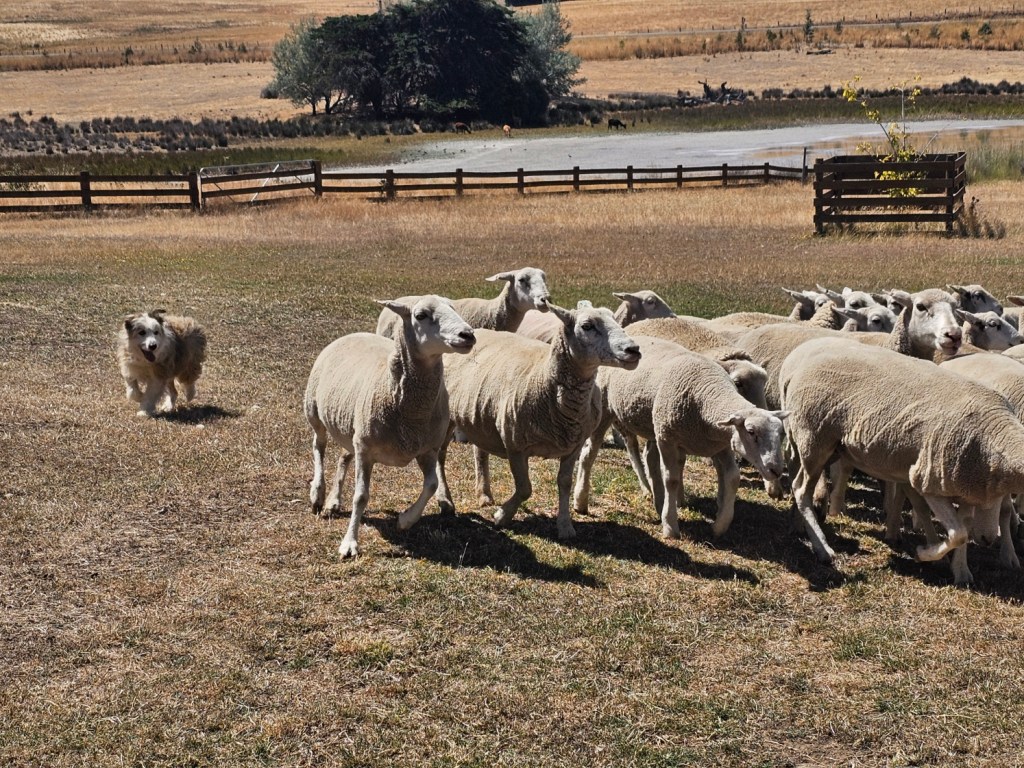
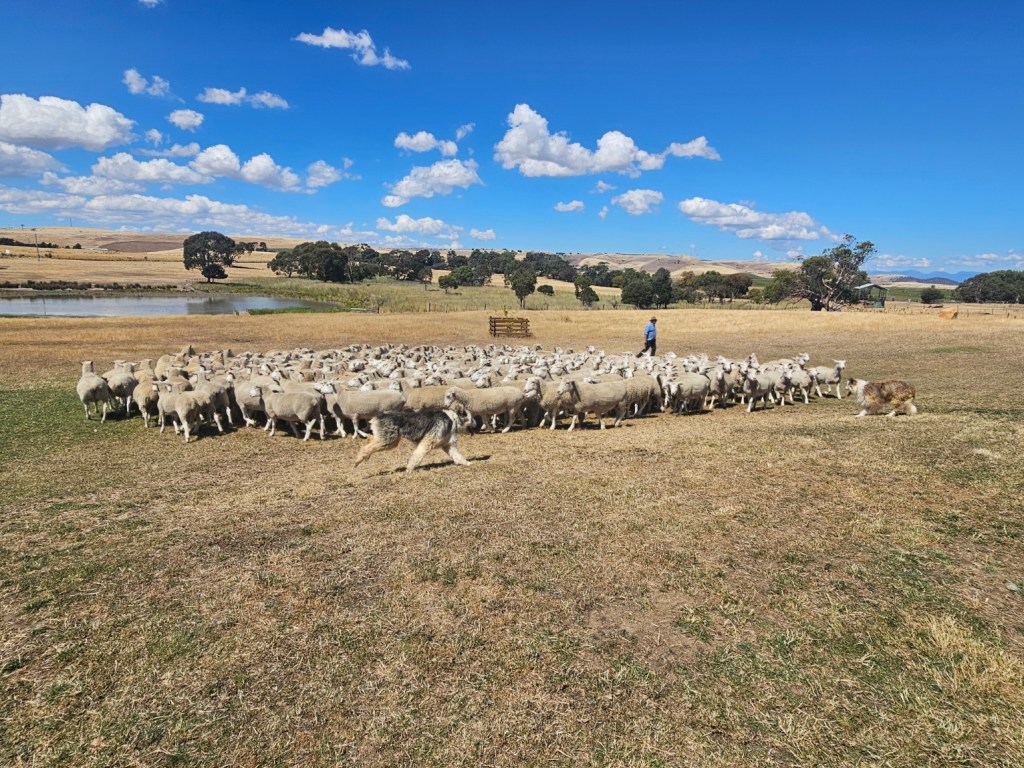
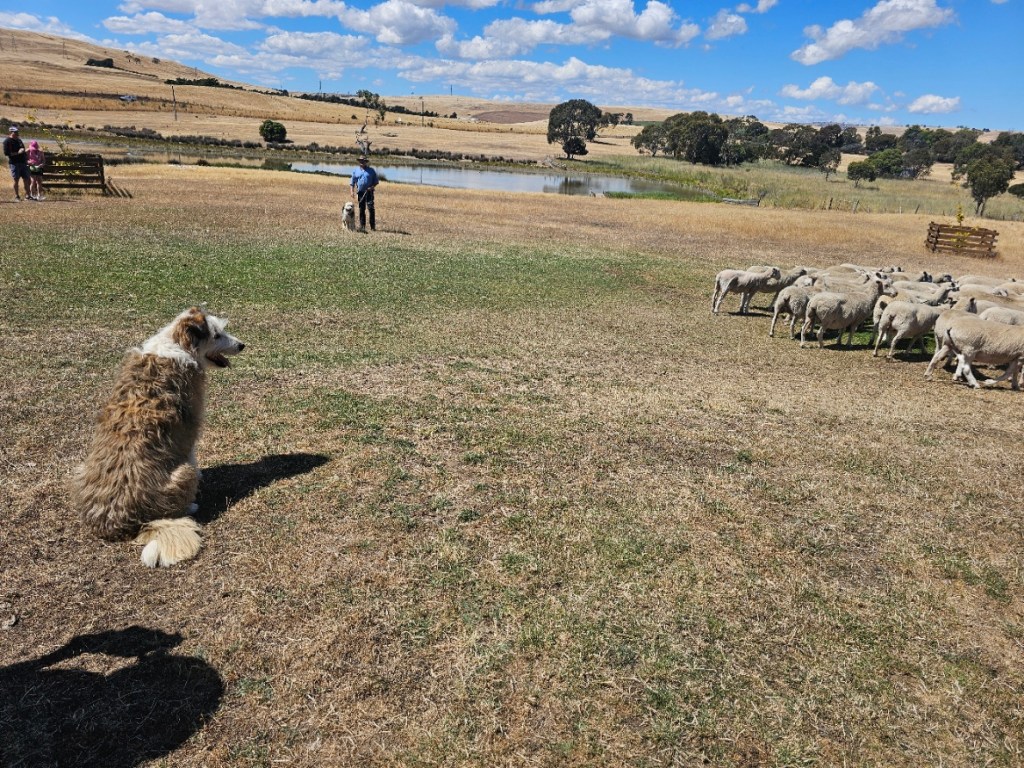
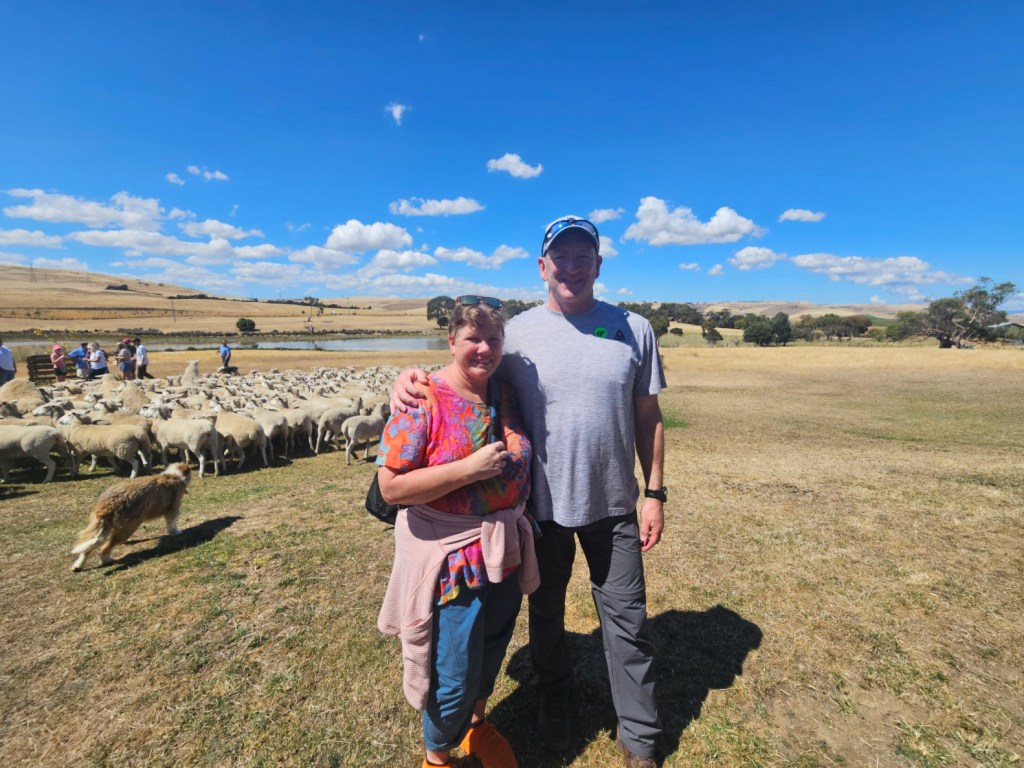
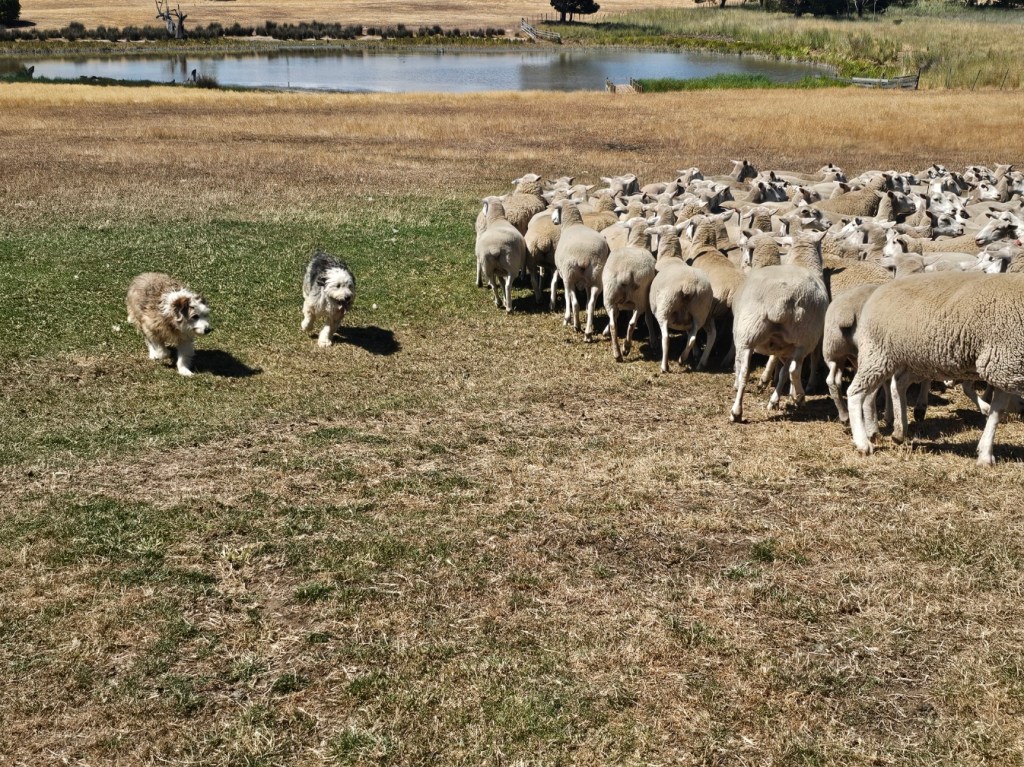
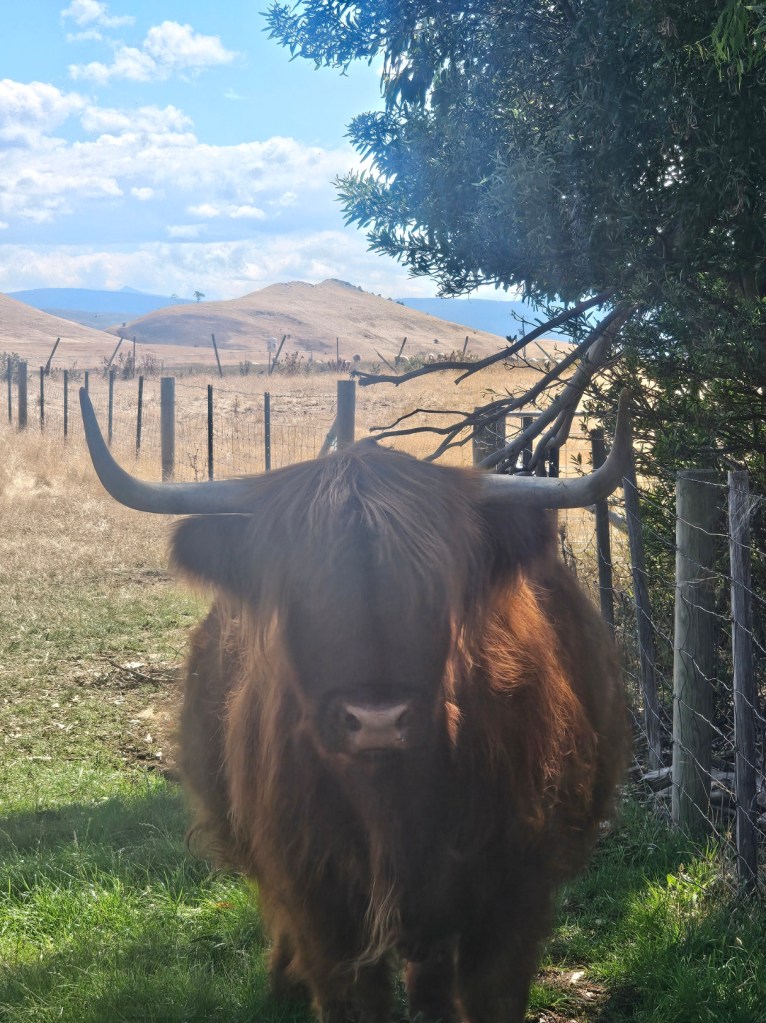
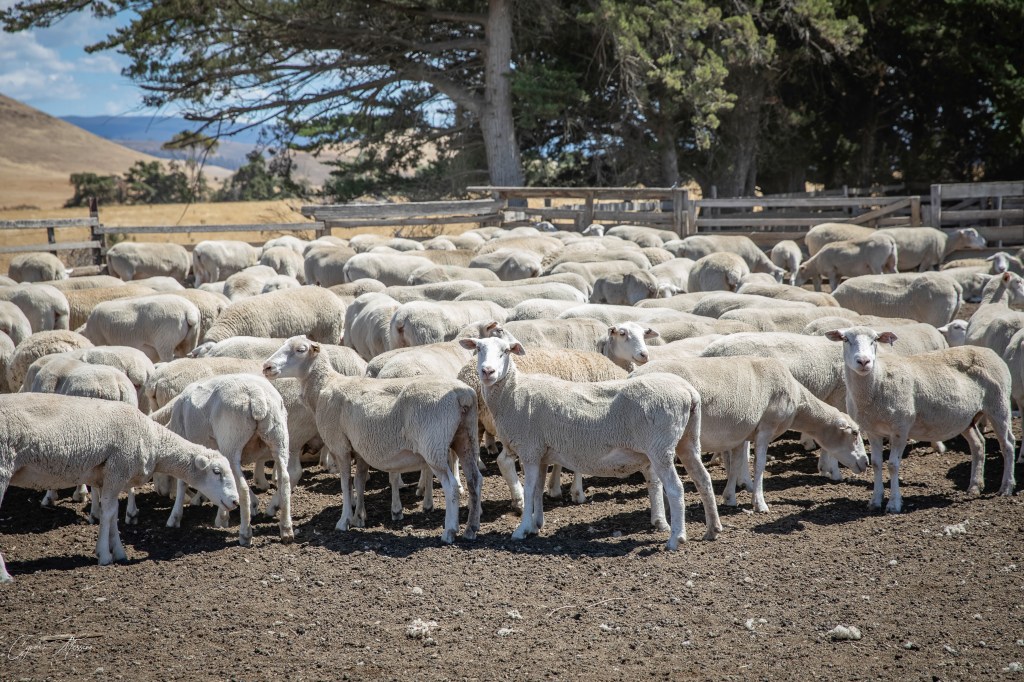
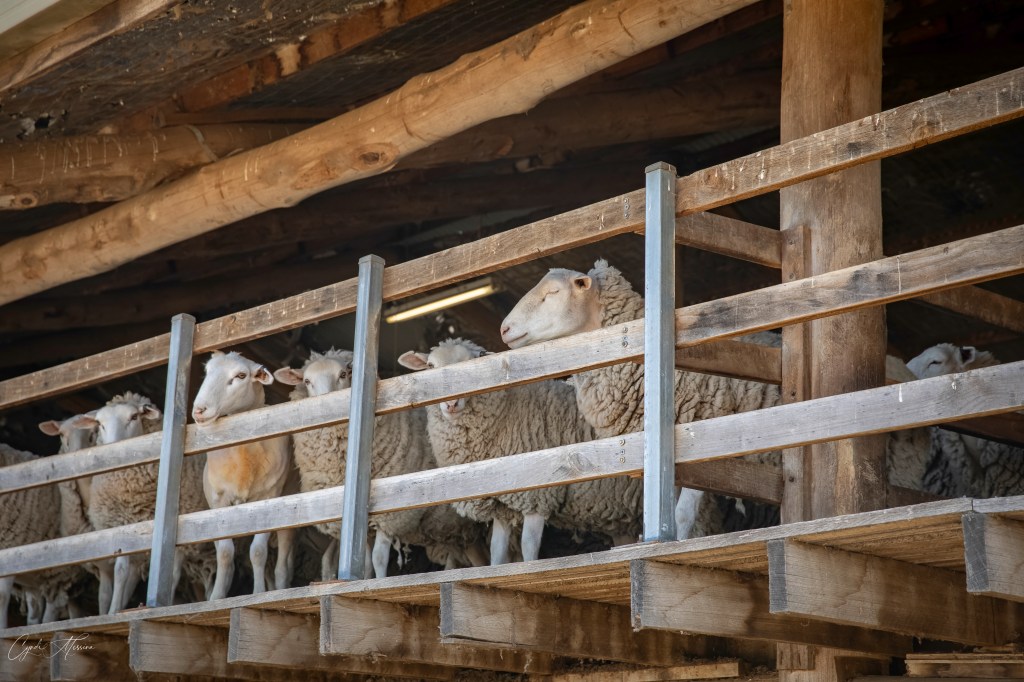
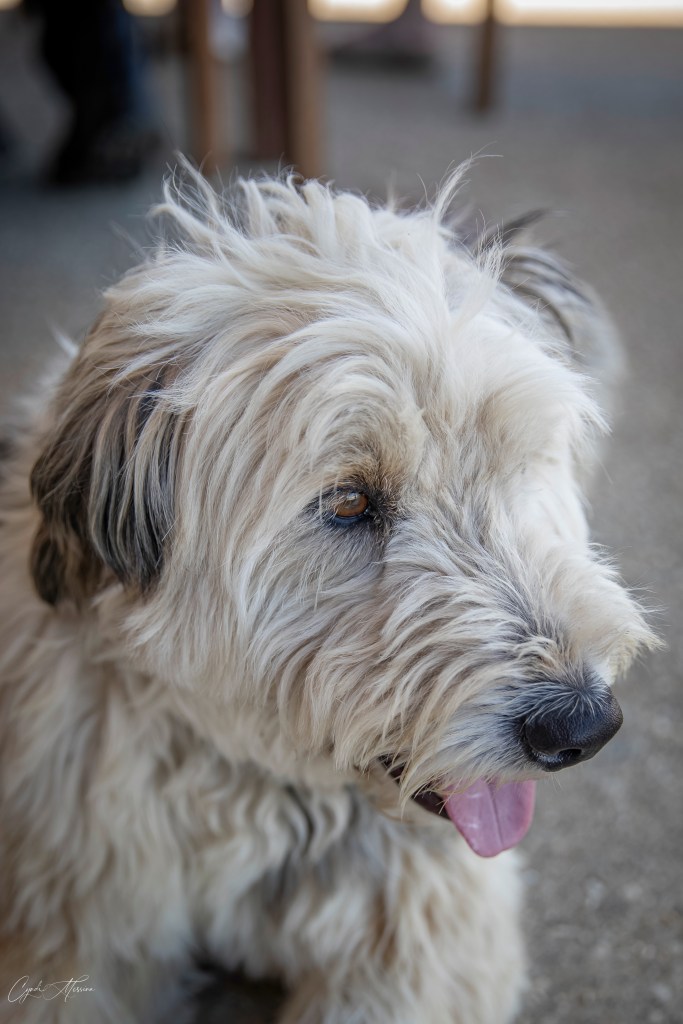
The next place we stopped was really fun: Curringa Family Farms. Tim is the man in charge right now of the working sheep farm and hundreds of acres of other crops. He is the 6th generation on this farm. His son Jacques, is now working the farm as well as the 7th generation. We watched a sheep shearing demonstration and a sheep herding demonstration with their Smithfield/border collie mix dogs. Some of their crops are: pyrethrin (crops that are used to make insecticides) onions, poppies, carrots, cabbages. They have 100 hives that come yearly from a professional pollenating service. They breed vegetables and then sell the seeds. They handpick 1 million seeds for their onions and export them globally. Tim’s wife, Jane, opened farm stay cottages on the farm in 1984 and has won a lot of awards. They shear their sheep in Dec and they are able to do the whole herd in 3 days, with 4 shearers working all day. Each shearer is about to shear 200 sheep each day…so 800 total a day. Most of their sheep are not grown for wool but for meat. They still need to be sheared and the wool gets used as stuffing in pillows and coats. They are in an area called fire storm alley. The area is very fire prone and is a high risk area. If you want to read more about this farm, the website is Curringafarm.com. Tim greeted us on the bus and talked to us about his farm and what he does. He manned the huge grill and made steaks for all of us, which were great. We had a really nice time spending time on his farm.

Fiordland National Park, New Zealand

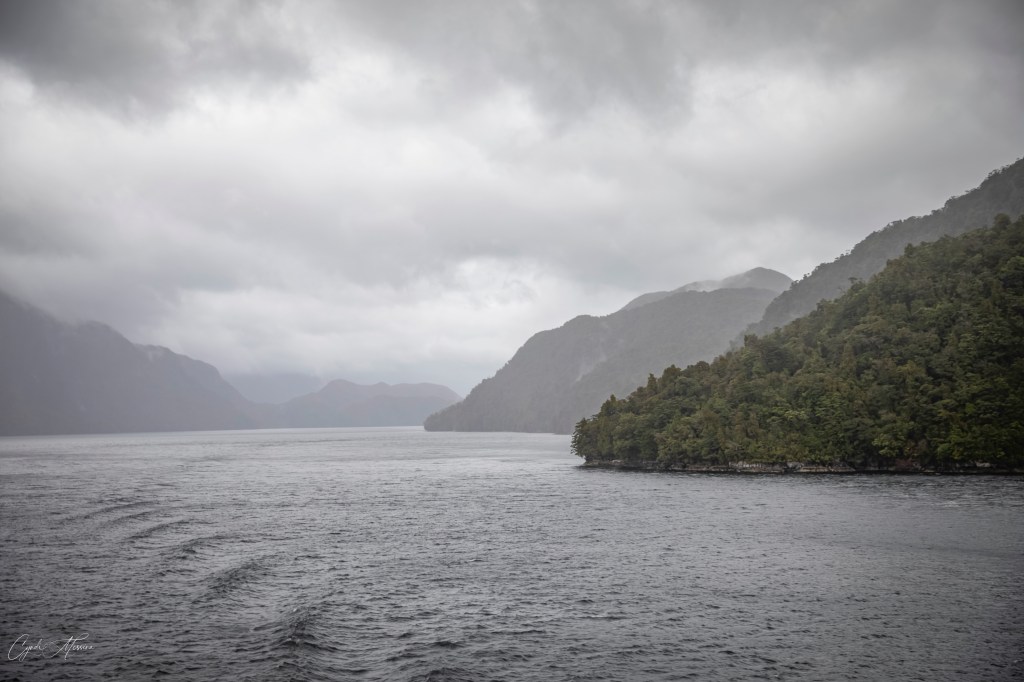
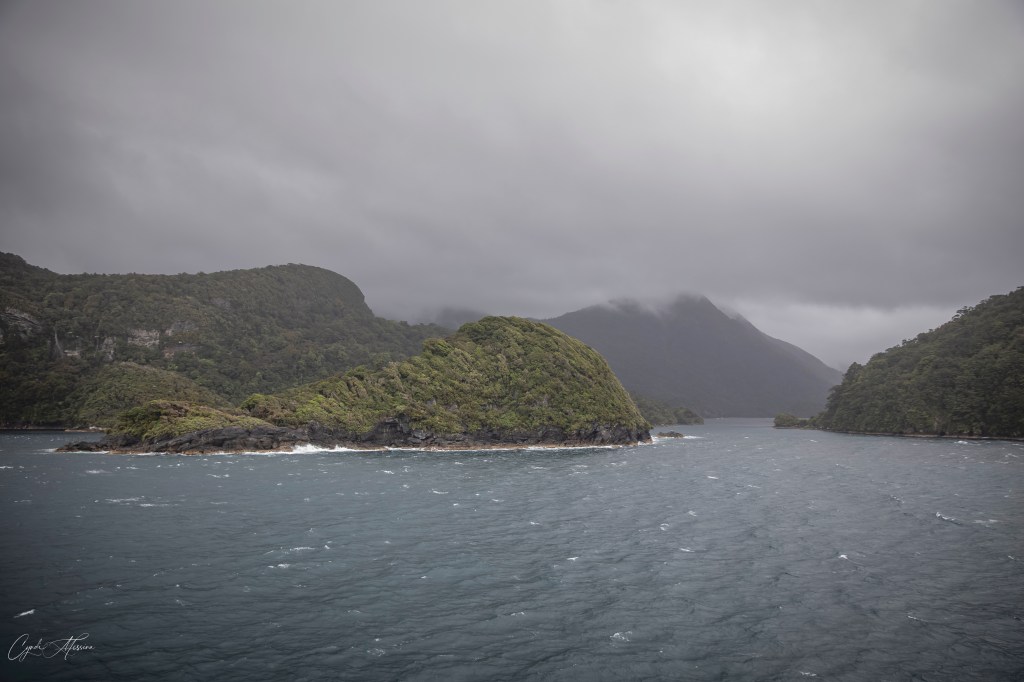
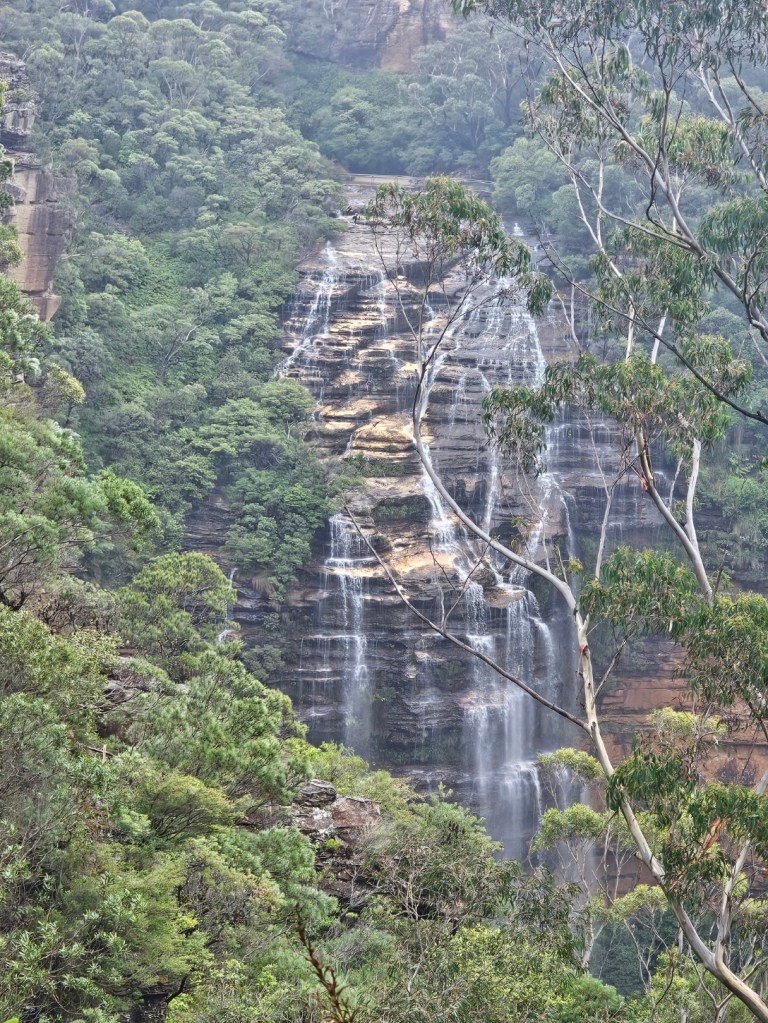
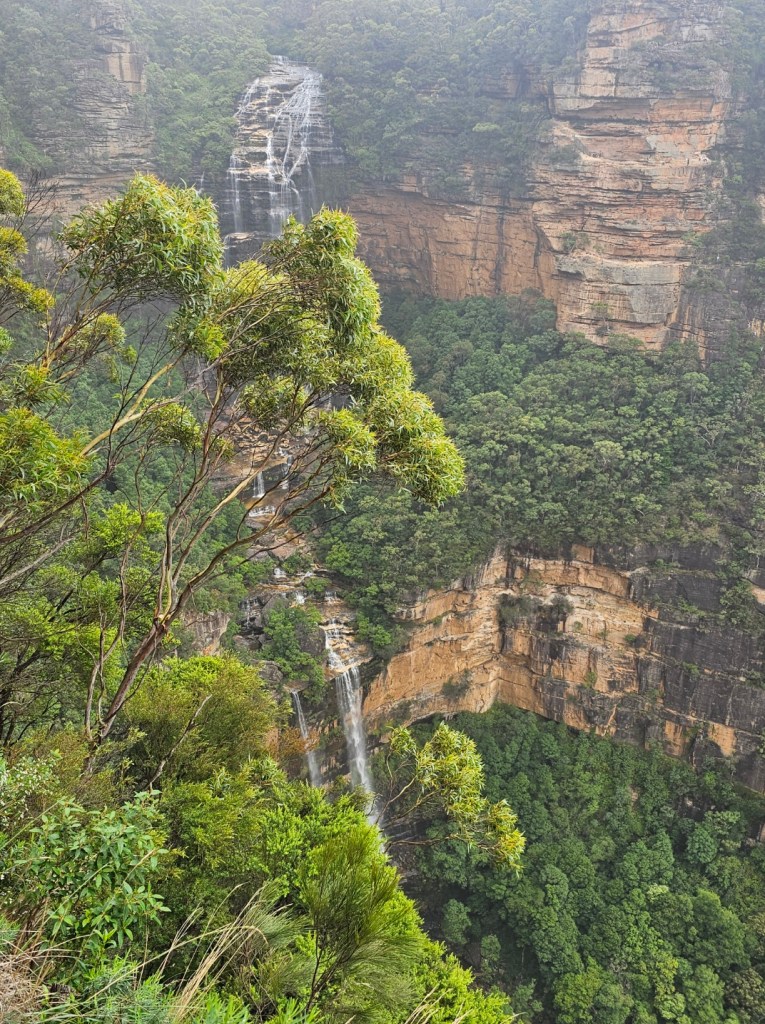
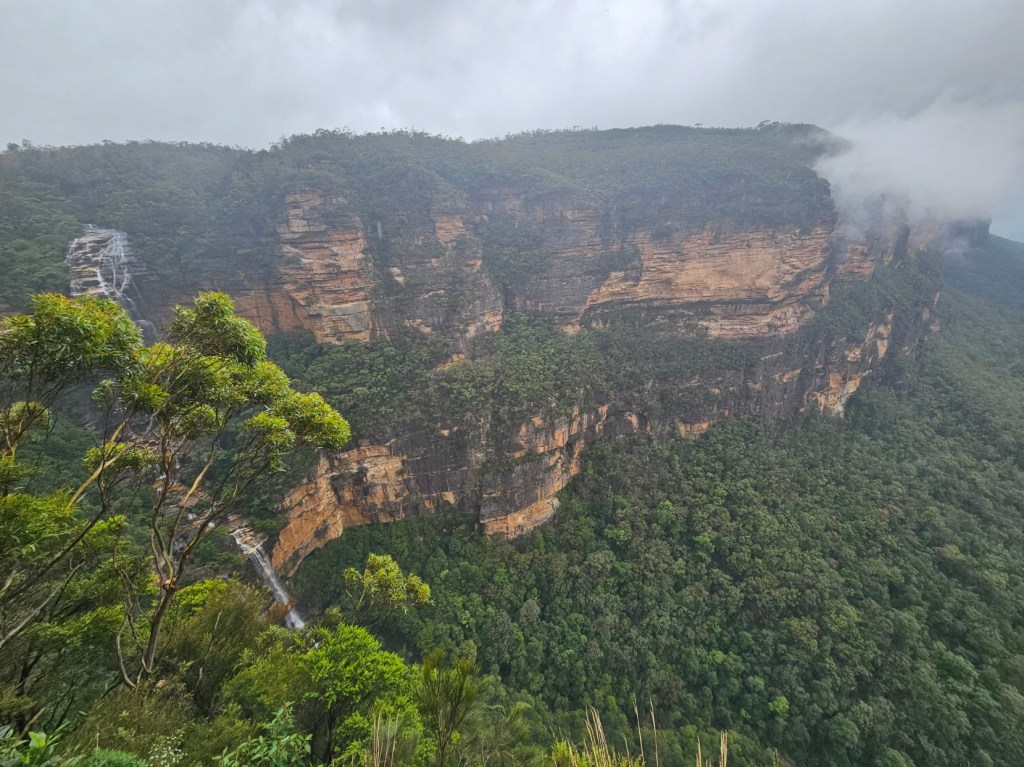
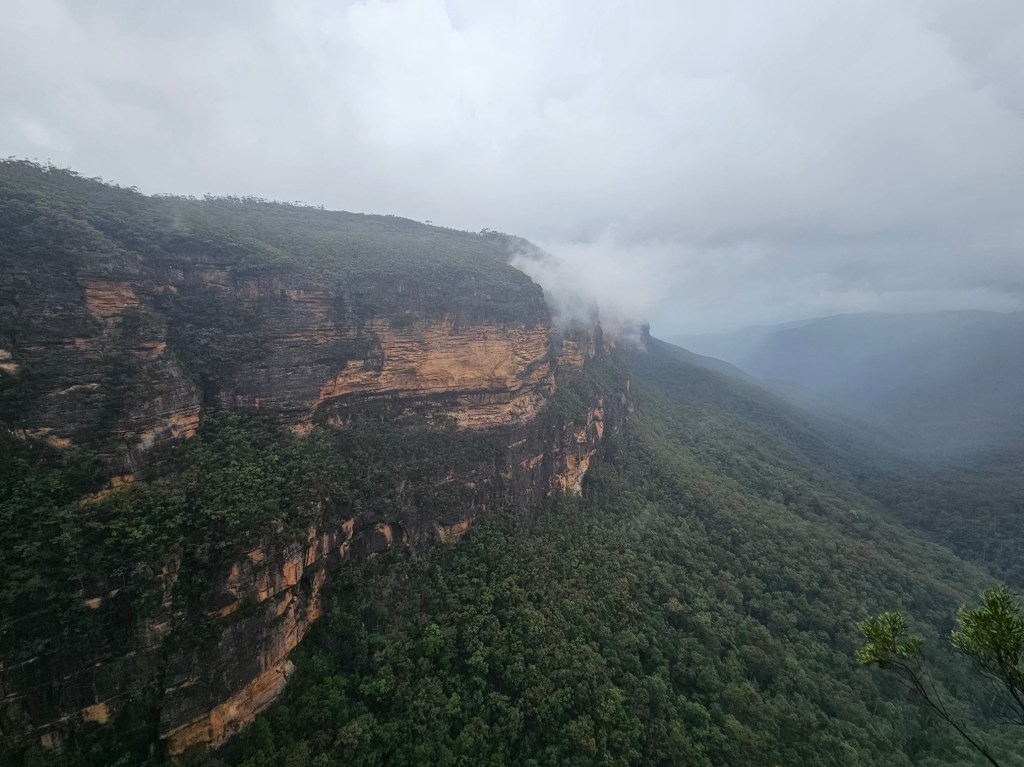
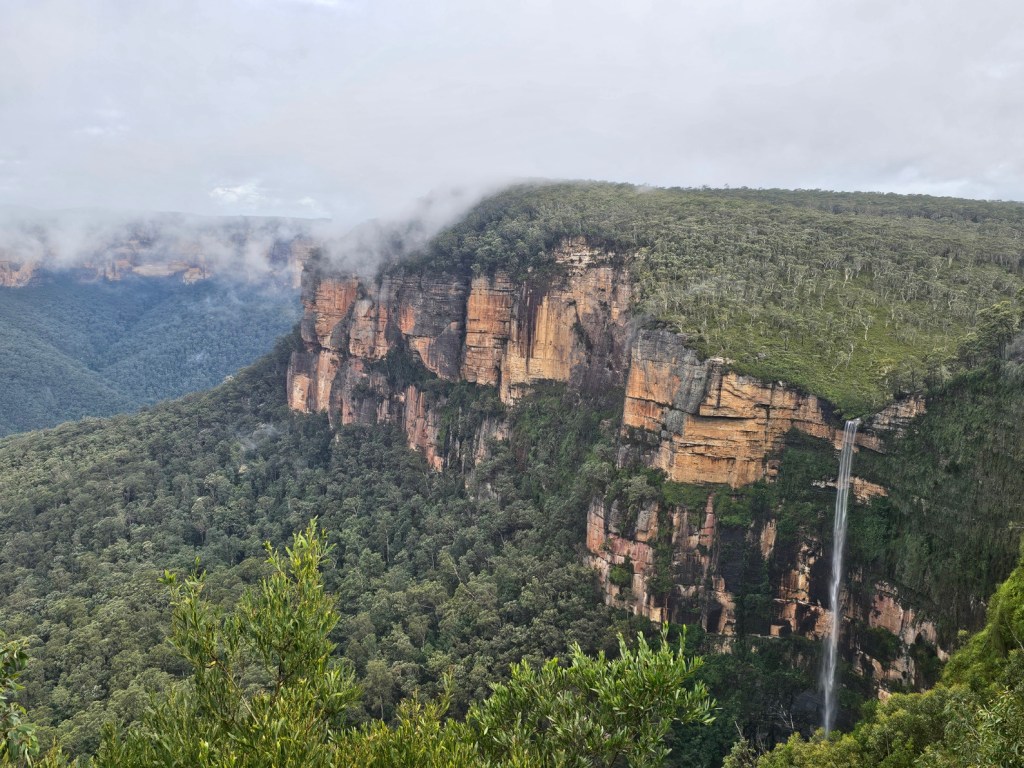
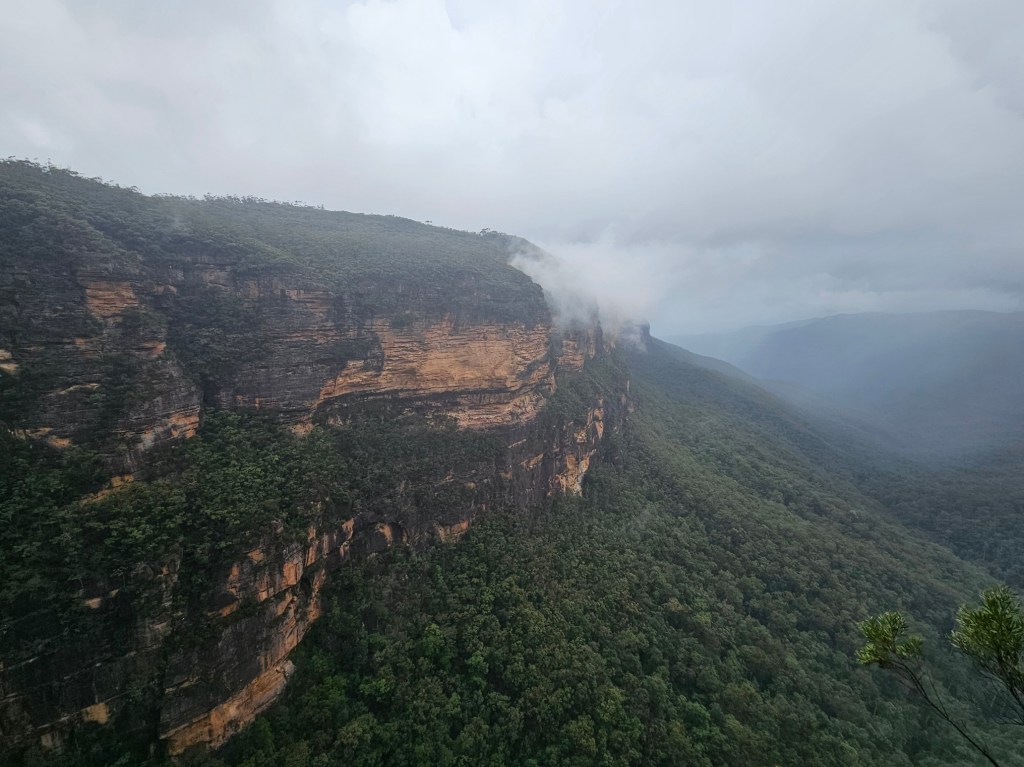
I don’t’ have a ton of information for this page because we literally just cruised through Dusky Sound, Milford Sound, and Doubtful Sound. The towering cliff faces around you are breathtaking and eerily quiet. We had somewhat of a rainy day going through the area, which the haunting mist brought it’s own beauty. Because of the rainy weather, we were able to see a lot of waterfalls that would normally have been dry. The water is almost brown….the top 10 feet of it is freshwater and below is seawater. The area gets 7 meters of rain a year. Think on that a second. That is like 23 FEET of rain. Dolphins and whales are often seen in this area and the jungle portion is filled with thousands of species of birds. Speaking of birds, I wanted to show you what we saw in the dining room every night. The person checking us in and seating us had a bunch of little tiny ducks…. interspersed was a little kiwi. Made me smile every time.

(Port Chalmers) Dunedin, New Zealand

This is also one of the stops that we didn’t get a group tour on. It is considered “Little Scotland, New Zealand” and we thought we would just walk around. Divine intervention occurred. We found out we would not be allowed to walk from the port to the town. First off, it is a working port and no one was allowed to walk around. Secondly, the cruise line had a bus that would transport you back and forth, but it was for $35 a person. We kind of had a problem with this. They were charging us for a ride to town when we had no other options. We decided to call an Uber. It was going to be less expensive and we decided that we wanted to see the Larnach Castle, which is definitely a drive and not a walk from the city centre. Dennis was our Uber driver. He was fabulous. He told us about himself and his family and about the area. By the time we got to the castle grounds, it was decided that we would hire Dennis for the day. He said he would take it off the books (only the first charge was through Uber) and the rest was him as a guide in his car. He took us to all the fun places we were interested in. He dropped us off in the city centre to wander around and grab lunch and then he picked us back up, took us to a few other spots and dropped us back off again. I think we decided it ended up being $45 per person for the day….and we saw so much. Divine intervention. This was on Feb 6th, which is a national holiday…so we did well to see the things we did. Note to those who might care: if you eat at a restaurant on a holiday, they charge you an extra 15% for eating there and them keeping it open on a holiday. (Not like you have a lot of choice!)

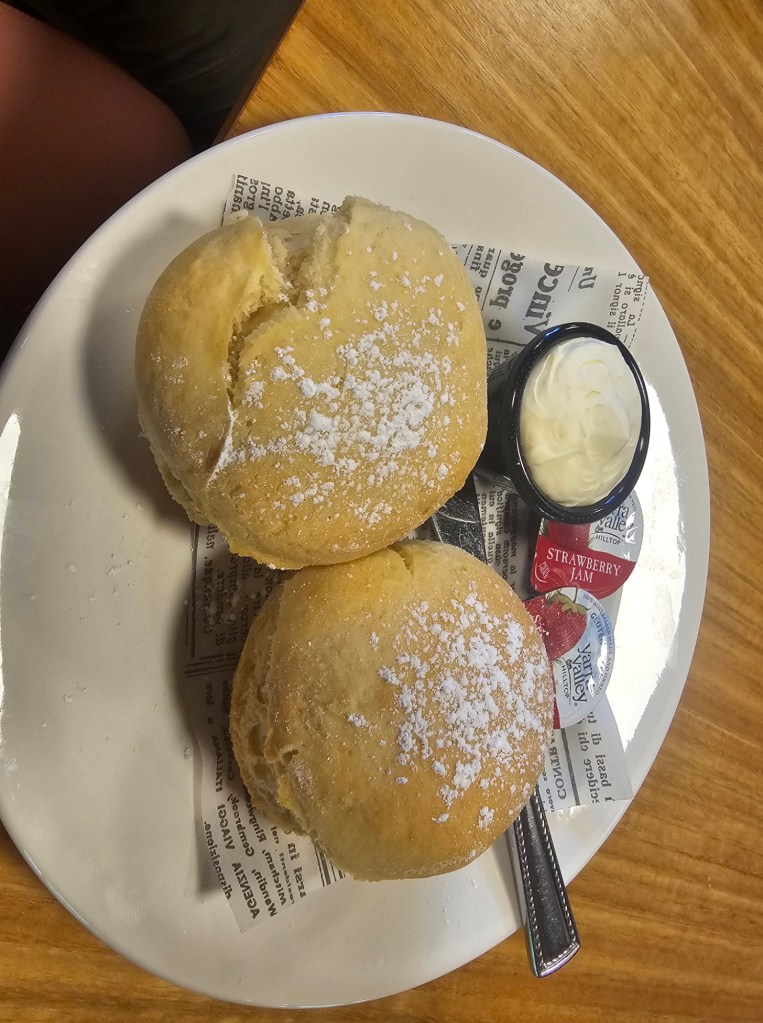
Our first stop was Larnach Castle. There is a fee to walk the grounds and another fee to tour the castle. Having seen many castles in Europe, we weren’t so interested in the tour of the inside of the castle. We did go inside for a sweet treat and coffee in their coffee shop. That was pretty good. We saw tables filled with scones and cream for the tour bus people going through the castle. I had seen photos of the grounds and they were amazing. The castle is up on a hill and so the views are amazing. The gardens are also very beautiful.

Dennis took us looking for sea lions. We went to one beach and found a single sea lion but then hit the jackpot when he took us to Allan’s Beach. It was amazing to walk along the beach and see all the sealions laying around and flapping sand on their backs. We even had to go around one who had managed to wiggle itself onto the sandy path through the dunes and settled itself by the sea lion sign (which was kinda funny). This was the first mammals we had seen since coming to New Zealand, so we were pretty excited! The sea lions in this area have a lifespan of 18-23 years. The Dunedin area is considered the wildlife capital of New Zealand as there are a lot of seals, sea lions, albatrosses, and penguins. The hills around us held sheep and horses and it was truly like being in Scotland – we even found some thistle!

At the mouth of the harbor, they have these statues called “the molars”. They look just like they are named. I found it oddly fascinating.

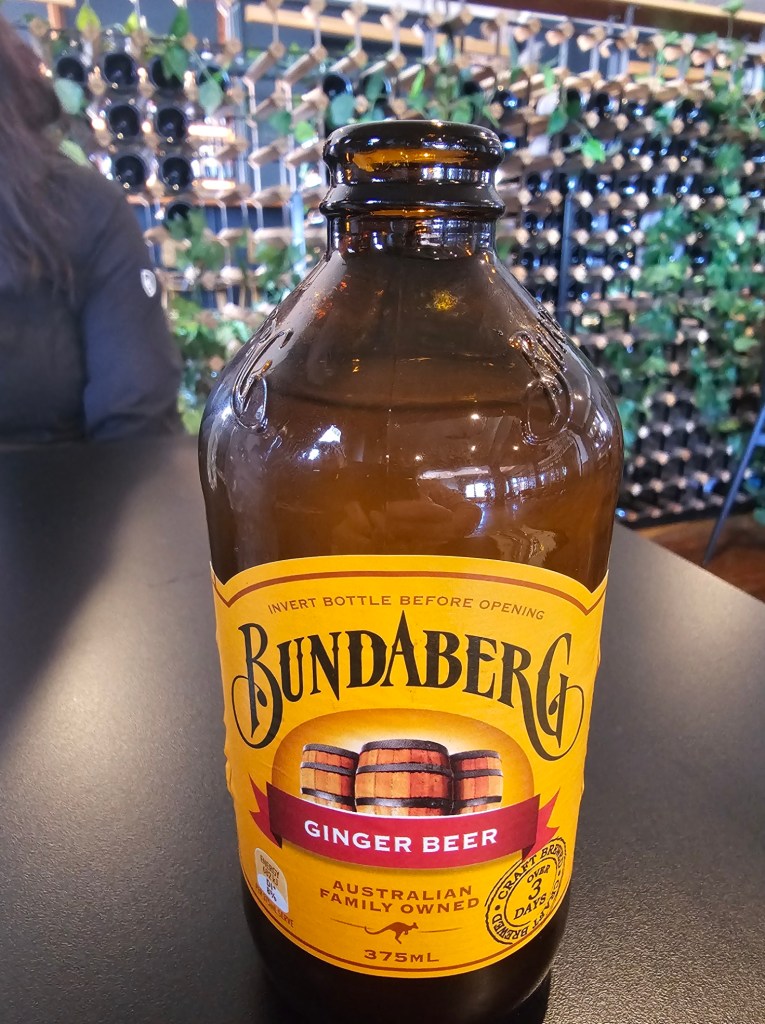
Dennis dropped us off in Dunedin to walk around and have some lunch. I once again tried a local ginger beer. The railroad station is something to looks at! We also walked to St. Paul’s Cathedral and took a peek in there.

Dennis took us on a ride through some old cemeteries and the aviary and gardens. We hit Signal Hill for some great views of the port from higher up and then went to Baldwin Street, which is in the Guinness world record book for the steepest in the world with a 30 % incline. Dennis told us that Dunedin (which is on the Southern Island of New Zealand, has the 2nd highest population behind Christchurch. He said that there was a university in the city which was the #1 employer of the city, with dairy farming and timber farming rounding out the top three. He was also able to tell us a bit more about politics in New Zealand. (You never really want to ask…. but if they offer, it is interesting to learn about.) The parties on the left (who are mainly liberal) are the labor party, the green party and the Māori party. The more conservative parties on the right are the New Zealand 1st party, the National party, and the ACT New Zealand party.

Timaru, New Zealand

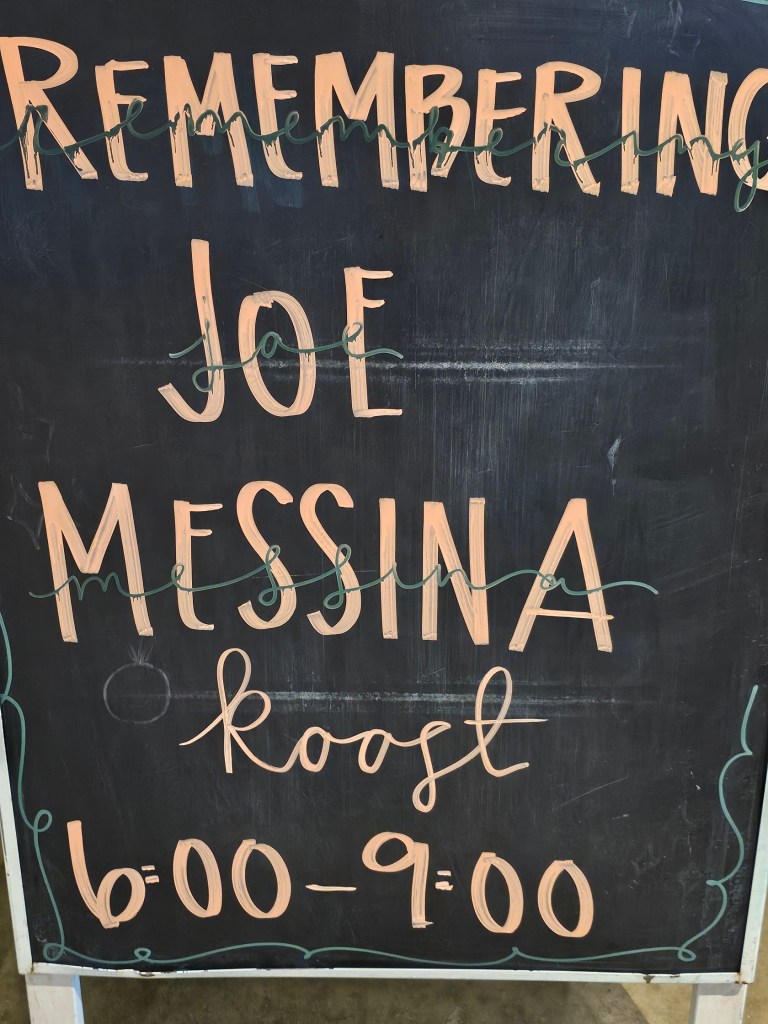
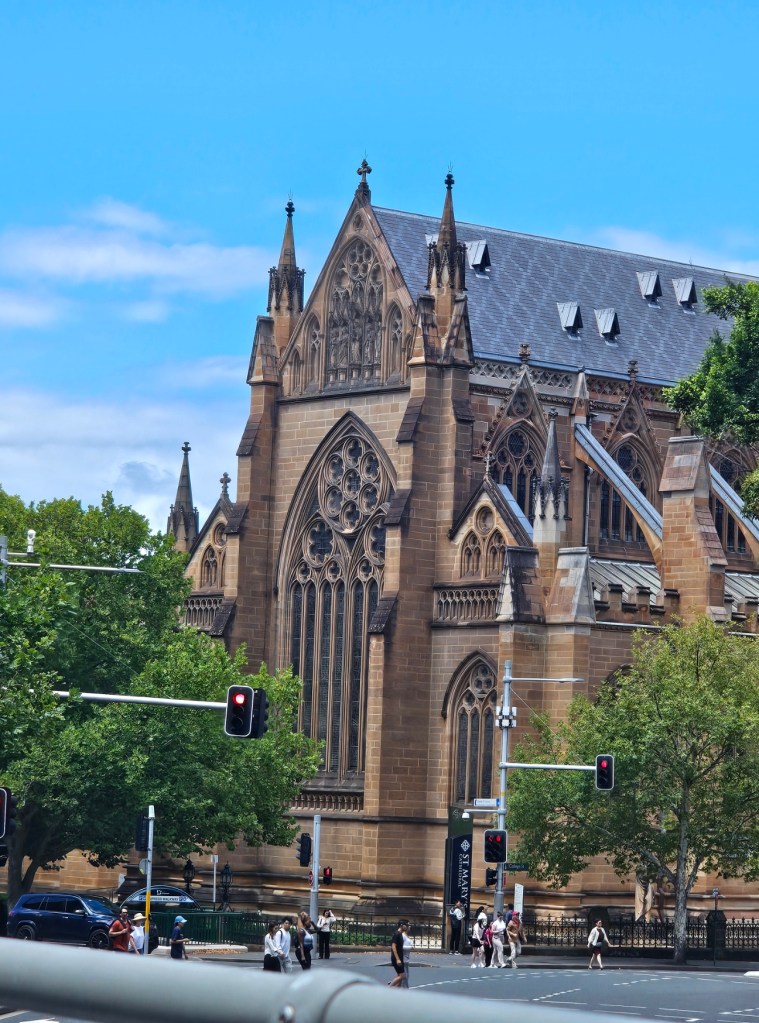
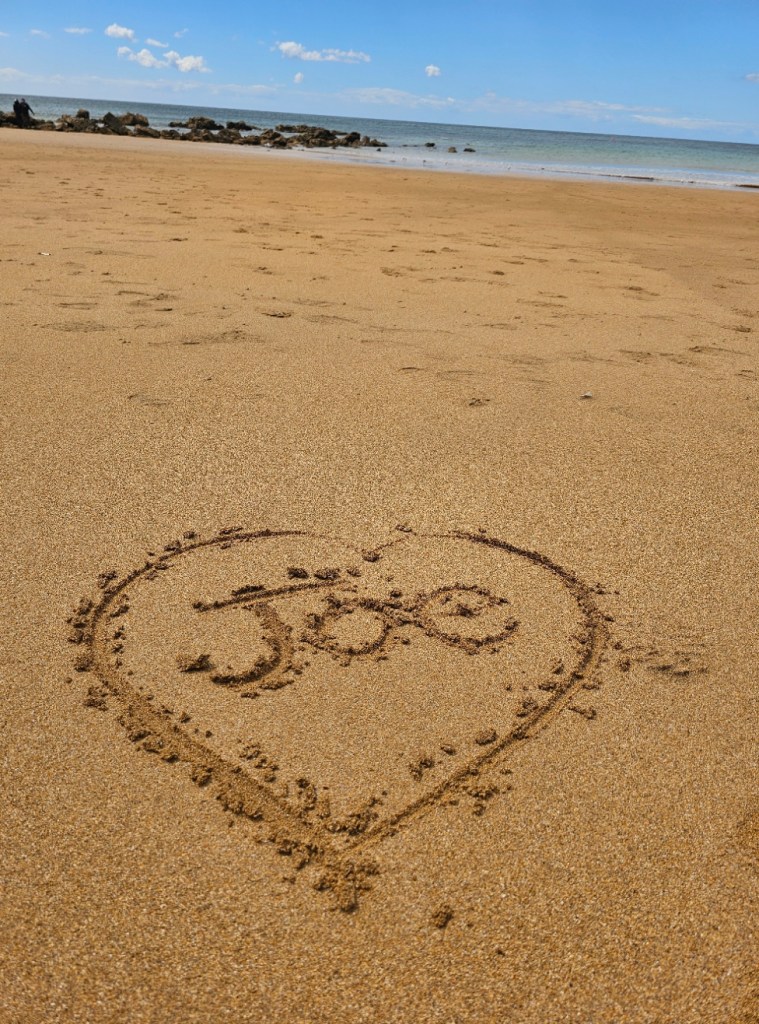
We did not do any kind of group tour in Timaru. Although they had buses to take us to the city centre, we were comfortable walking from the port. I will warn you that there are several sets of stairs you have to go up to get there though! We walked along the path along the rocks by the shore. Evidently there are tiny Little Blue Penguins (or fairy penguins – the world’s smallest penguin at only 40 cm tall) who nest amongst those rocks along Caroline Bay. They are out in the water searching for food during the day, so if you see one, you are very lucky. We didn’t see any. We walked around town and visited St Mary’s Anglican Church. We lit a candle for our Joe while we were in there. We walked around shops and the open-air market filled with handicrafts. We had some pretty good Asian food where a local we met recommended. They had a left-over spiced ginger beer from Christmas time that I had to try. It was pretty good!

We were heading to the beach to see walk to the lighthouse when we saw a big crowd along the beach. Then between people, we saw horses on the beach. Curiosity piqued, we headed that direction. Evidently they were having their first ever polo match on the hard packed sand of the beach! I had never seen polo before. It was pretty interesting to watch. There was a lot of people there….mostly locals. After the polo matches were over, they then had a horse jumping contest. It was the most bizarre thing, but we stayed for all of it and loved it! What a special treat to stumble upon!

Wellington, New Zealand

This was the only stop on our trip that Rich and I went one direction and Rich’s brother and sister-in-law went a different direction. Obviously, I will be showing you what Rich and I saw. I will just mention that my in-laws went on a day long tour of the Lord of the Rings/Hobbiton scenes, which were filmed in the area. The locals call it “Welly World” and it is on the East side of the city. Weta Group is a movie industry in New Zealand. They not only filmed Lord of the Rings, but also Avatar. James Cameron, who directed Avatar have dual citizenship with Canada and New Zealand as he is there often for filming. Weta was named after a large insect native to New Zealand. We took a tour of the Wellington area for the day. However, one of the places we stopped was the Weta Workshop gift store, where we had a few photo ops….If you are an artist, it looked like a very cool place to work.

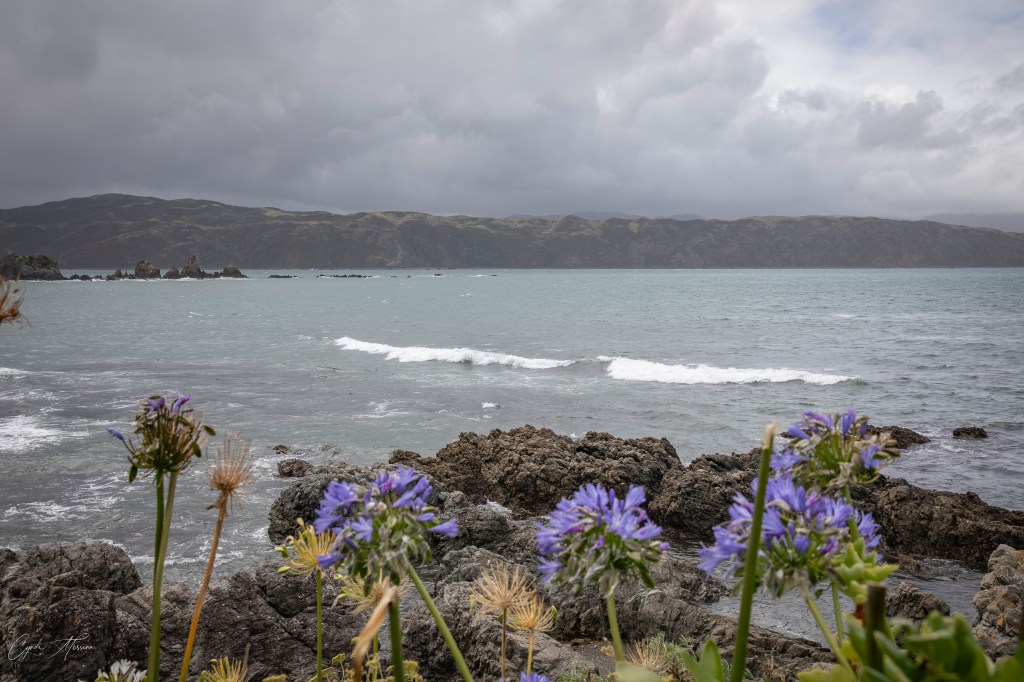
Our driver and guide, Kelvin, had a lot to tell us about New Zealand and about Wellington. New Zealand is about the same size as Japan in land area. The population of New Zealand is 5-5 1/2 million people. The population of Japan is 17 million people. There is not a lot of flat land in New Zealand….lots of hills. Wellington is made up of four cities . All the trees in the area are evergreen. Grassfed cattle is the biggest export from the area and a lot of dairy is exported as well. New Zealand is the first country with free trade agreement with China. There is a section of 600 acres up in the far hills of Wellington called Zoolandia. There is a fence around it and citizens take turns, two weeks at a time, to make sure the section of the fence assigned to them stays intact and clean. This Zoolandia is to keep the mammals out such as stoats, rats, and possums, and allow the native flightless and flying birds to procreate in a safe area. It took 2 years to develop this “predator free” fence. They cleaned up the area after putting the fence up, which took 6 months. Then the scientists reintroduced rare birds again. Kaka is one of the rare birds that is making a comeback. Most citizens have rat traps on their properties. Kelvin said 10 years ago he was catching a rat every other day. He hasn’t caught one in 7 years now. The country is aiming for no predators in the country by 2050. It is a tall order, but the citizens of the country are all on board. Kelvin stated that there are more Samoans who live in Auckland than actually live in Samoa. He told us that Australia is better at cricket but New Zealand is better at rugby. We stopped briefly along the coastline to stretch our legs and also at a higher distance, stopped to take photos of the coastline.

About 80% of the flora/fauna found in New Zealand is unique to the country. Many of the roofs are made of metal. That is so they are more earthquake proof. We stopped at a local diner for lunch and I ended up having fish and chips, which was the special. The fish was warehou, which is a local fresh caught fish and was so good. I asked several times for ginger ale, but was given ginger beer (non alcoholic). I have to say I really like the ginger beer in New Zealand and Australia. As with most of their products, they have catchy names and then a funny little paragraph on the back.

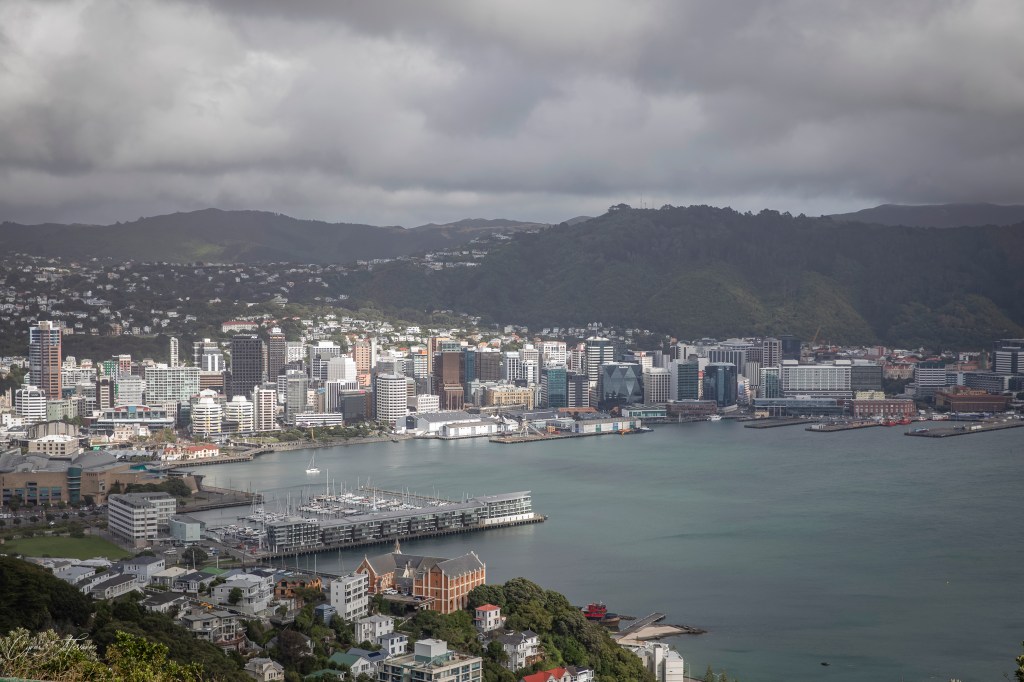
Wellington is known as “Windy Wellington” due to the stiff breezes that are forever present. Often flights inbound to Wellington are diverted to Christchurch on the Southern Island, due to high winds. It is the capital of New Zealand and is on the southernmost part of the North Island. It is the 2nd largest city in New Zealand with a population of 430,000. Wellington because the capital in 1865. There is a cable car ride to the top (which we took) and walked for a good half hour or so through the beautiful botanical gardens back down, ending in the rose garden. The cable car has been there and running since 1902. Did that make me nervous? Maybe.

One of the really nice places we stopped that we would highly recommend, especially if you are military, is the national war memorials (or ANZAC – which stands for Australia and New Zealand Army Corps). The one in Wellington is amazing. They actually celebrate ANZAC day, similar to our Veteran’s or Memorial Days on April 25th each year. Nearly every town has some kind of ANZAC memorial. The National War Memorial in Wellington is located in Pukeahu National War Memorial Park. It was dedicated in 1932 to honor the WWI fallen heroes and has a 50 meter high bell tower and a tomb of the unknown soldier. In WWI, New Zealand lost a generation. Over a century later, they still remember and honor them. At the park, they have memorials from several different countries represented there. The Australian memorial consists of 15 red sandstone columns along with interspersed gum trees. There is a stain glass tree for the British memorial, and if you stand in just the right spot, you can see a WWI British soldier saluting through the branches. It represents an intertwined Royal Oak and a Pohutukawa tree. The Turkish memorial is of two hats cast in bronze, one from New Zealand and one from a Turkish soldier along with a quote from Ataturk to the grieving mothers of the ANZAC soldiers. The hat on the left is from New Zealand (called the lemon squeezer) and the hat on the right is Turkish. The country of Turkey and New Zealand are close. Turkey has a big commemoration on April 25th on New Zealand’s behalf. The U.S. memorial is a granite tablet inscribed with a 1943 ANZAC day radio address from the U.S. Secretary of the Navy, commemorating WWII bonds. It looks as it the words are part of ripples on an ocean. The Belgian memorial is a steel sculpture of a laurel wreath, representing friendship. There is a sculpture similar to this one in East Flanders, Belgium. There are 8 countries that have their own memorial areas in the park, but they were the ones that I photographed. What was somewhat hard to take in was that there were a bunch of older teen boys skateboarding through this area. It seemed to many of us to be disrespectful, but our driver Kelvin stated it was just accepted at this point. There was a lone statue off to the side which represented the Māori mothers who stayed home and lost their menfolk – they lost their souls. It spoke volumes. The Māori were the most decorated warriors in WWII.

With Wellington being the capital, we stopped at their house of parliament. There are four buildings in total that have been used as government buildings throughout the years. You can obviously tell the one they call the beehive. New Zealand has led the world in women’s rights. Women have been able to vote since the 1890’s. It was the first western country to allow women to vote. Kate Sheppherd led the women’s suffrage movement and her face is on the New Zealand $10 bill. In contrast, the last westernized country to allow women to vote happened in 1973….Switzerland. The NZ government in a nutshell: it is an elected democracy with a monarchy. King Charles III of the UK is the king of the country (both NZ and Australia). They have one house – parliament, like our congress. When you vote, you vote for 2 things: your local representative and the MMP (mixed member proportionate) – or the party you would like to rule. The prime minister is the head of the biggest voted in party at that time. The ruling party must have 60% of the parliament. You cannot take away any members, only add. Their voting cycle is every 3 years. The only interesting part is if you are of Māori bloodlines. You have to be at least 1/16 Māori to vote on the Māori role in parliament. Māori is 17% of the New Zealand population and they have 18 parliamentary members. What was crazy was there was no police presence or guards anywhere. Kelvin stated there are usually only armed police in airports. The government is federal and city – there are no provincial or state governments.

In 1943, U.S. Marines were shipped to Wellington for a year to learn about beach landings and jungle warfare. It a local Anglican church, St. Paul’s, there is a U.S. Marine flag and a 48 striped U.S. flag hanging from the rafters. The church is old and so very beautiful.

Happy 79th Birthday, Dad!

Today is my dad’s 79th birthday. He was born Walter Carl Neitzke, II in Carson City, Michigan. He is the second child of 5 in his family. His siblings try to come once or twice a year now to visit him, which is deeply appreciated. His dad was a career Navy man and my dad grew up all over the country. In high school, they were living in Hawaii and my dad was having a rough time with the locals at school. My great grandparents back in Michigan were farming and needed help, so he moved to live there with him. He told me once that showing up to school in their rural Michigan location with flowered shirts on from Hawaii made him stick out like a sore thumb. It wasn’t long after he arrived back in Michigan that his grandfather had a fatal heart attack. My dad was tasked to drive them to the nearest hospital – with his grandfather dying in the backseat, with his grandmother holding him. He didn’t tell me about that story until I was much older…when the dementia made him like to talk about times long gone. He continued to live with his grandmother and he worked at his Uncle’s hardware store, Thomas Hardware, in Breckenridge, Michigan. He played tenor saxophone in the high school band and when marching, played the bass drum (the big one on your front like the energizer bunny plays). Evidently there was a short cornet player that marched in front of my dad and he would run into the back of her – on purpose or because he couldn’t see her over his drum, he never told me. She was a year older than him and they became friends. This was my mom, Karen Ancel. She was dating someone else at the time, but when that broke off, she called my dad and the rest is history. They have been married for 58 years this September.

My dad went to college on an ROTC scholarship, being the runner up for the West Point appointment the year he graduated. He studied finance at Lake Superior State College in Sault Sainte Marie in the upper peninsula of Michigan. He married my mom and moved her up there before he graduated. He graduated in 1969 and was commissioned into the U.S. Army as a combat engineer. My parents packed up their things and after some military schooling to include jump school and ranger school (which makes my dad a total bad ass according to my son, Joe, who was also in the army) they moved to West Germany. They came home a few years later with the token cuckoo clock and a baby – me. My dad dropped my mom and me off in Michigan and went to Vietnam for a short time. He caught the end of the war…and was sent there to help organize and get people out. He rarely talked about that time, and I wished I had asked more questions. He went to Ft. Belvoir, VA, where my sister, Pam, was born. Then we moved to Fort Bragg, NC, living in Fayetteville, where my brother, Craig, was born. We then moved to Bloomington, Indiana so my dad could get his master’s degree in finance. When he graduated, we moved back to Fort Bragg, NC. My dad continued to do well in his Army career and was selected for Command and General Staff College in Ft. Leavenworth, KS. We were there about 10 months before my dad took a remote job in South Korea. He was there for a year while we lived in Breckenridge, Michigan…and I went to the same junior high/high school he had attended…and marched in the same marching band, playing the alto saxophone. I am pretty sure I wore the same gold wool marching sweaters they wore 2 decades prior. When he was done with his overseas assignment, we went to live in Alexandria, VA, where my dad could commute with thousands of other military folks to the Pentagon. We were there three years and then moved to Fort Polk, Louisiana, where my dad took command of the 7th Engineer Battalion. I am not sure if anyone appreciated my dad’s assignment there more than him. After living in the DC area, Louisiana seemed so backwards. As always, he helped us see something good in every assignment we lived through….a lesson I continued on when I went into the military and married a military man. They then went back to northern Virginia so my dad could again work at the Pentagon. I moved away to college. Pam graduated and moved away as well. My parents and Craig, now in high school, moved to Buffalo, NY for my dad to be in charge of the Corps of Engineers District at Niagara Falls. My brother graduated and went to college. My parents moved again to Fort Monroe, VA, where my dad ended his military career at 29.5 years. They were going to send him back to the Pentagon and he just didn’t have the patience for the traffic anymore. They retired to rural Michigan, where they had met, and built a beautiful home out in the countryside. They lived there for several years until my dad started having eye and some cognitive issues. They decided to move to where their youngest grandkids were, in Houston, Texas. My dad started seeing physicians in the big city and it was discovered he had had at least one but maybe several TIAs (mini strokes). It had affected his vision and possibly his cognitive skills.

My mom kept my dad at home with her until it was so taxing that it was affecting her health. In late January of 2023, my dad entered memory care at a facility about 1.5 miles from their house. I was there to help transition him there, and the first lonely night for my mom at home without him. It broke my heart to know this was how it was going to be from now on. Fast forward three years and a month and we are at today: my dad’s 79th birthday. He has no idea who anyone is. He doesn’t know his kids, the workers who care for him, or his wife. My mom goes there for lunch and dinner 6 days a week to feed him. He has forgotten how to feed himself and doesn’t really chew. His food is pureed and looks very unappetizing, but he continues to open his mouth like a baby bird when my mom asks him to. His is wheelchair bound and has forgotten how to walk…how to help people with his own care. He hasn’t forgotten his sweet tooth though, and enjoys a good desert, even if it is pureed. He will get cake and ice cream today and he will be happy. He won’t understand that it is his birthday, but he will enjoy the sweets. I am headed to Houston to see my mom on her birthday in April, so I am looking forward to holding this man’s hand and hopefully letting him feel the love come through. This post was kind of long but the future is never guaranteed…I don’t know if he will see 80…I don’t know if I will be around for him to see 80 if he does. So, happy birthday, Dad. I love you and can’t wait to see you in about 6 weeks!

Napier (Hawkes Bay), New Zealand

Our next stop was in Napier. In 1931 they had a huge earthquake here. They gained 40 square kilometers of seabed that became part of the land during that earthquake. It reshaped the map of land of the North Island of New Zealand. What was once a lagoon was lifted up over 2.7 meters and became dry land. It is now the site for the local airport. It destroyed the city and when the town decided to rebuild, they rebuilt the entire city in art deco (like 1920’s Paris). They built 112 buildings in 2 years. This city is considered the Art Deco capital of the world. The art deco trust was founded in 1985 and many of the buildings are on their register. They also have a vintage car tour where you can be driven around in vintage car of that art deco era. They had them parked next to our ship when we returned for the day. They have a wonderful national aquarium and a wonderful botanical garden in Napier, but those were not one of our stops. If you have ever been to Copenhagen and seen the statue of the little mermaid on coastline, they have one similar not far from the port which the locals call the Pania of the Reef.

Napier is the 2nd largest wine growing area in New Zealand. There are over 100 wineries in the region. In 1957, the 1st winery in Napier was developed by the French missionaries who came here. After 19 years of making their own wine, they started selling it internationally.

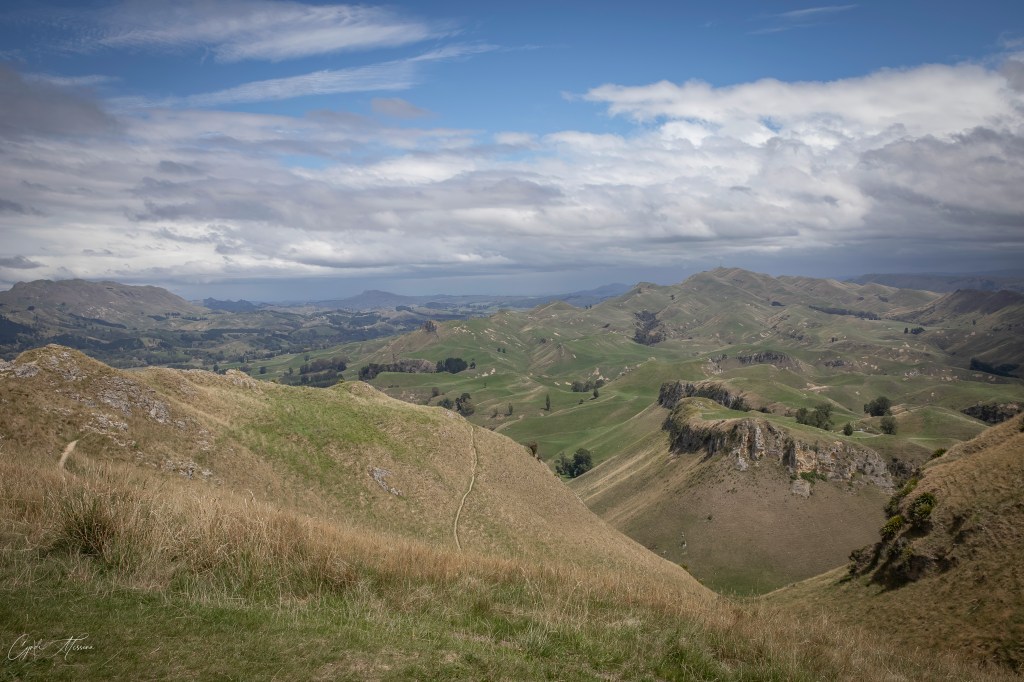
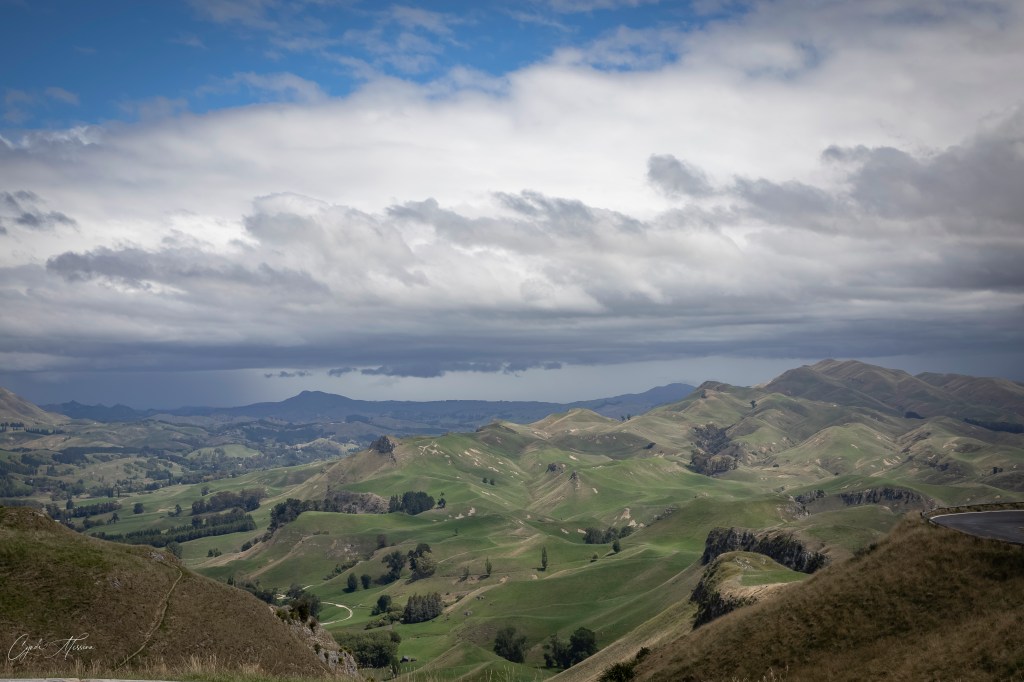
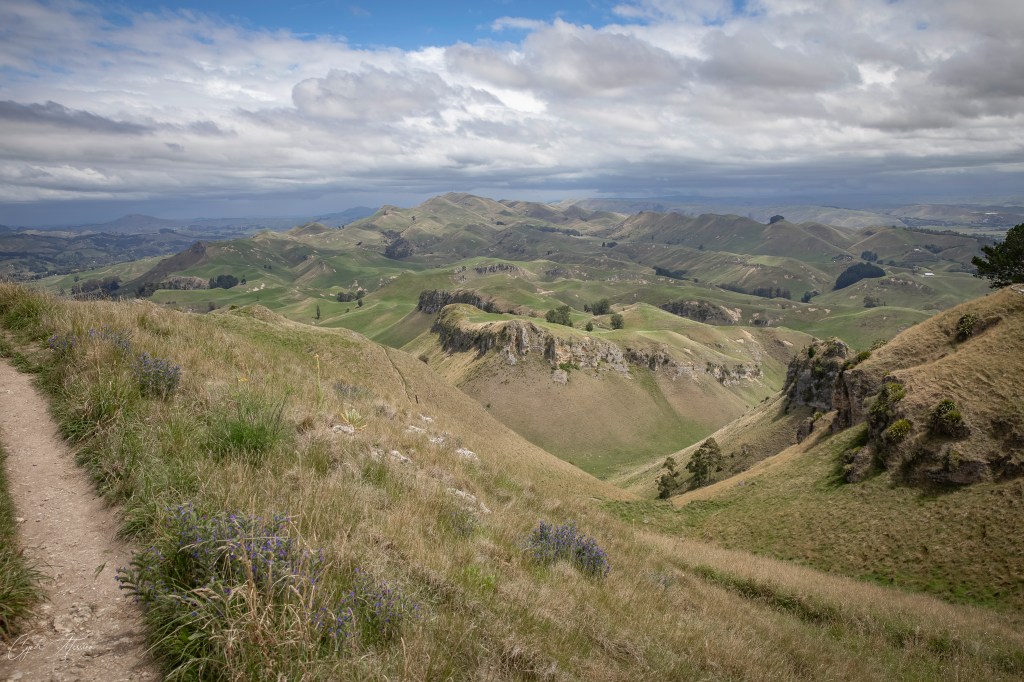
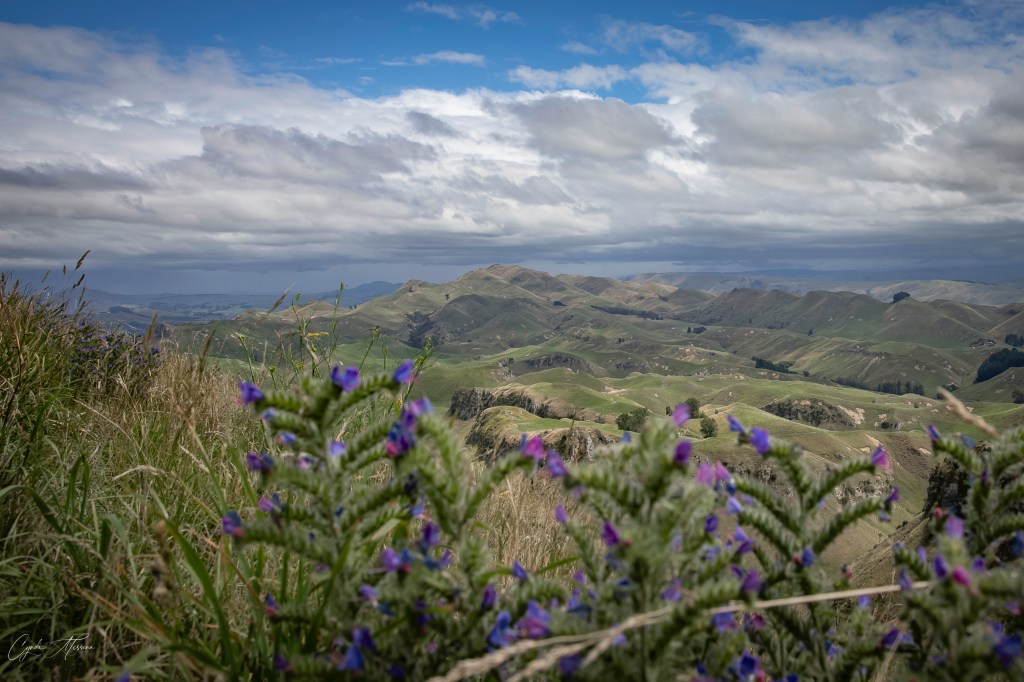
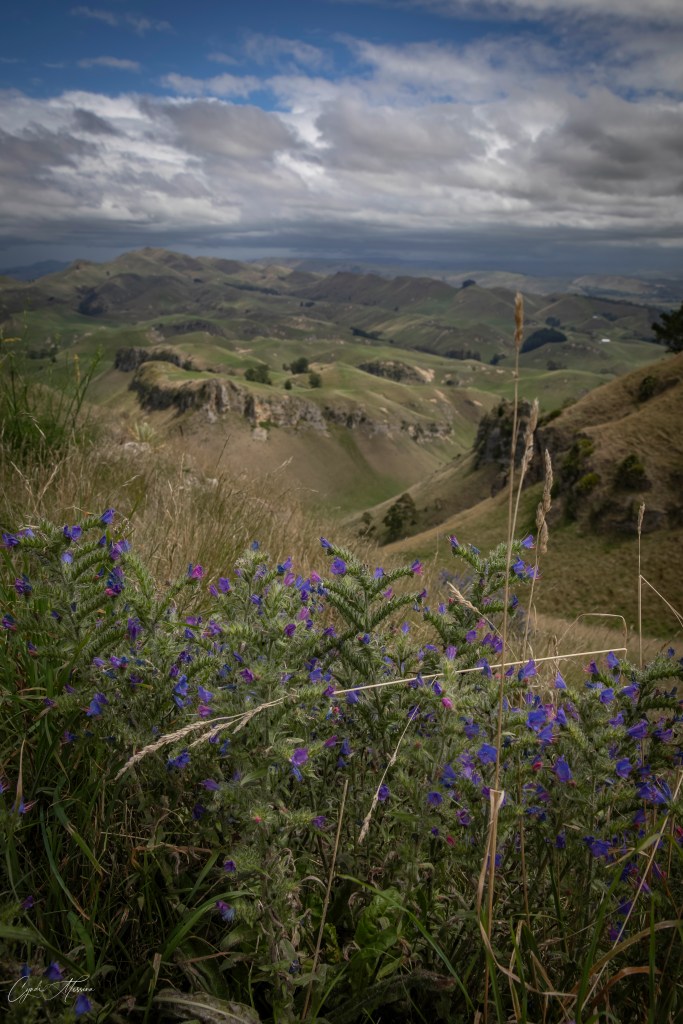
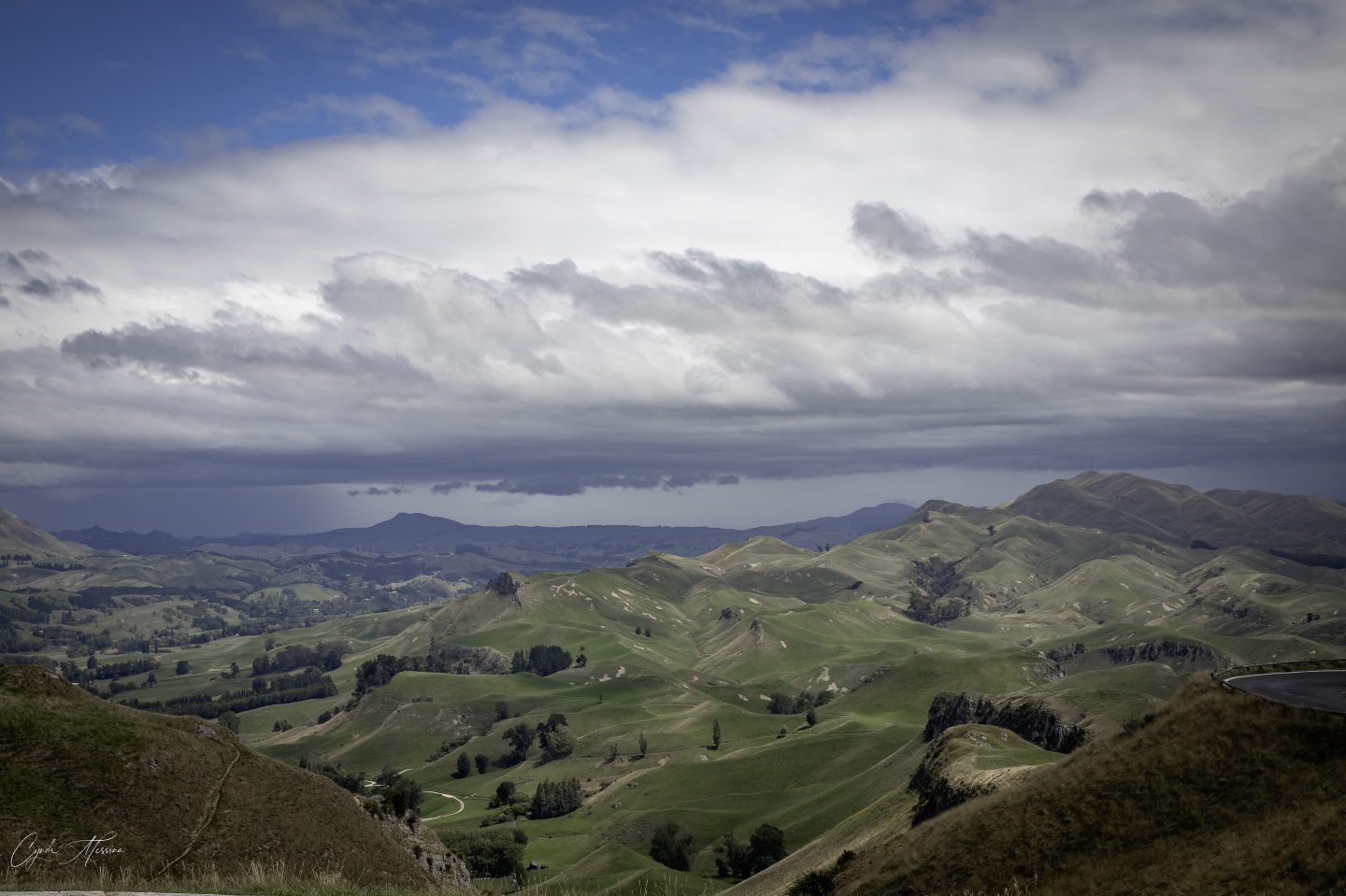
Bernie, our guide for 4 hours, shared with us some things about New Zealand. He said that the three top exports from New Zealand are dairy products, meat, and timber. He said the population of Napier is 66,000. Another big crop beside wineries in this area is the New Zealand Gala apple and that this area is the apple capitol of New Zealand. They do not waste the very fertile land here on cattle or sheep grazing but use it for crops. They have figured out a way to grow apples on my like a vine rather than a tree, which saves time and allows the fruit to grow bigger. They are also much easier to pick! We toured some honey spots (honey is big business in New Zealand!) – Arataki Honey where my sister in law got into a bee costume. We also went to some overlooks high in the hills for some gorgeous over looks. The name of that gorgeous spot was Te Mata Peak. I highly recommend a stop there! The views were amazing! We also stopped at Centennial Gardens to see a beautiful waterfall with pretty flowers all around. We even got to stop at a beach for a couple of minutes to stretch our legs. Our last stop was in town at local park to see the Pou – like a Māori totem pole of sorts.

Health Update

I mentioned a few days ago that I had CT scans re done early (at 3 months rather than the normal 6 months) due to some growth in one of my tumors. That 3 month scan was done first thing Monday morning (5 days ago) and I saw my local oncologist on late Wednesday afternoon. I knew moving here to rural Montana was what we wanted to do. The down side is rural medicine. I am 30 minutes from the oncology center where I am seen and equidistant from the hospital. Things fall through the cracks. I am meticulous about being an advocate for my own health care. Luckily I have a Bachelor’s of Nursing degree that helps me navigate some of the craziness that is a journey with terminal cancer. I can’t imagine if I were a 70 something woman with no medical background whatsoever. I honestly don’t think I would still be here, to be quite honest. Anyhow, I got my reports from the radiologist a few hours before I left for my appointment with my oncologist on Wednesday. He basically put out measurements of my two larger pelvic tumors (of which there are three – it is the smallest of the three biggies that is showing growth) and said there was no change. HOWEVER, the one tumor that was in question, he failed to mention on the report AT ALL. I noticed this right away. I waited over an hour to see my oncologist, thanks to a late day appointment, where everyone is behind schedule by then. I told her what I noticed and she agreed…the radiologist had completely dropped the ball on my CT scan reading. Of course he was unavailable to be reached. The doctor sent me a text that night at 11 pm telling me she was giving him until the end of the week to get back to her or she was shooting my scans to another radiologist. She also stated she would make sure my nurse navigator, which seems to change monthly (not a good thing) would get everything to the Mayo Clinic so they had all my files and scans in case I needed to head there again.

Today I received a call from an oncology nurse practitioner whom I had never seen before but is attached to my local oncologist. She had talked to a different radiologist, one who had read the last several CT scans on me, and he said that the tumor had indeed grown from the Nov CT scan until the Feb one. Unfortunately, they still have to get ahold of the original radiologist who did my report to have him write an addendum and fix the report so it can be sent to the Mayo Clinic. He is still unreachable so it will most likely be next week before that happens. My nurse navigator is supposed to then talk to the Mayo Clinic and see if this is enough of a reason to be seen there. If so, I am going to have to head there for another appointment and to talk about the next step…most likely going back onto a chemo regimen. I have talked to Rich, and if this can wait, I would like to do our trip to Africa in June, knowing that my traveling days may be very curtailed after that, depending on the treatment and how I react. It also may mean stepping away from the fire department at some point. This has always been in my peripheral mind’s eye…knowing that the other shoe would drop. I don’t know if that is quite where we are yet, but we are heading in that direction. Hopefully we will know more about the plan of action in the next couple of weeks. We leave Wednesday to head to Omaha and Kansas City to be with our Joe’s 2nd family – his widow, friends, and former co-workers on the anniversary (such a bad word for this date) of his death. It will be 4 years. My body seems to know that and my emotions are a total roller coaster, so the timing of this cancer issue couldn’t be worse (not that there is ever a good time.). Anyhow, I have a lot going on in my head and my heart right now, so please know I may just not want to talk about any of this right now until we have a plan. I am always so much better when there is a plan in place. I have had such a good run over the last 5 years. I have been leading such a blessed life considering I have a terminal illness. It might be time to pick up the heavy duty sword and shield again. I will post when I know more.

Tauranga (Rotorua), New Zealand

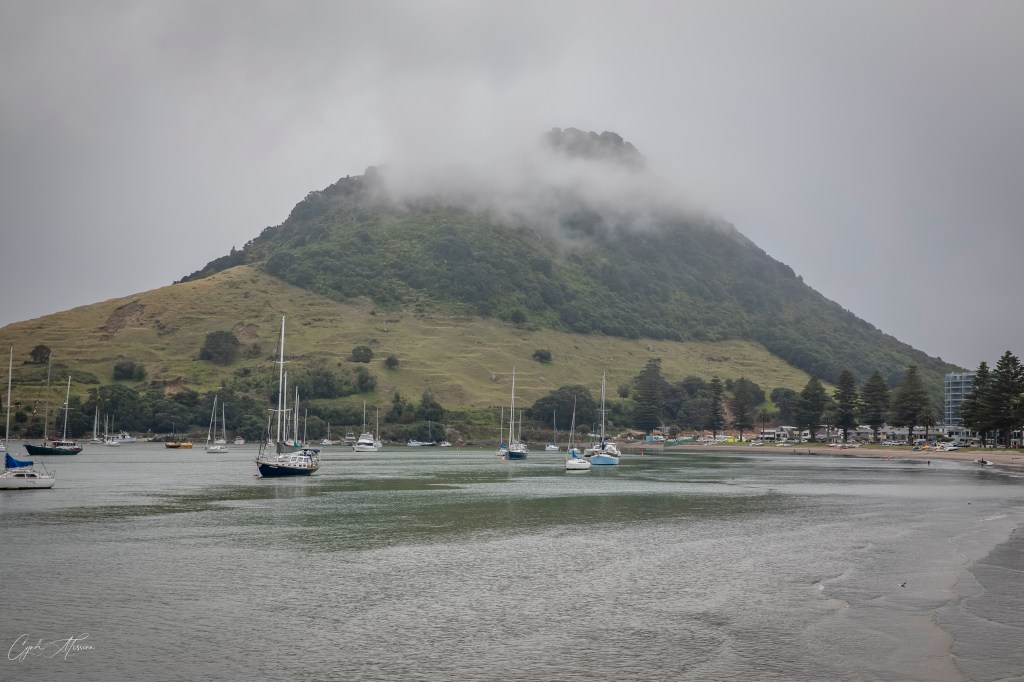
Our first stop was not far from Auckland. Our ship headed south following the eastern coast of the North Island. We got into port on a very overcast day. There had been torrential rain for the two weeks prior to us arriving. There is a hill near the port called Mount Maunganui. During the last several years, we would have been able to hike up that hill. However, the week prior, there had been a landslide (or a landslip as the Kiwis call it). There was a free camping area at the base of the hill and the landslide buried many vehicles, killing 6 people. This kind of tragedy if few and far between in this beautiful country, and it was obvious the city was very much in mourning. All national flags were at half-staff. There were police tape all around the area and there was just a somber mood to the town. Our driver picked us up in a van and the 12 of us or so spent about 7 hours seeing the area with our driver and guide, Richie. He was a retired principal and so he had a lot to share with us on our journey.
Tauranga (Rotorua) doesn’t get too hot. The hottest days are about 84 degrees and the cooler days in the lower 50’s. They get about 1.2 meters of rain a year. This area is also known for the 2nd highest number of sunshiny days in New Zealand. It is a lush, green area with a lot of golf courses. They have good roads. The speed limit on toll roads is about 68 mph and regular roads have a speed limit of 62 mph. There is a coastal strip between the beach and the toll road where homes (expensive ones) are located. Crops that are grown in this area are Maize (corn for feed for animals – they are harvested in April, dried, then fed to the animals.) 99% of the animals in New Zealand are grass fed and therefore are more desirable for their meat than other animals fed grains. There is a lot of dairy farming in NZ – it is their 2nd biggest export – dairy products. They have very large black and white Friesan cows which are larger and create better milk on grass alone. There are also jersey cows which are lighter in color and smaller. The milk dried into milk powder and sent to China. NZ has a good relationship with China because they export a lot of their products to China. The cows will calf in July and the mom will be milked 2x/day until Mar/April. Usually the milking times will be 4 a.m. and then 2 p.m. It will take 2-3 hours to milk the whole herd. The cows are then let out to eat fresh grass. The average size herd 15 years ago would have been 350 head. Now it is around 1000 cows. The dairy farmers use halter technology on the collar of the cows to track milk production, health, and to set up virtual fencing, which can be done from a cell phone.

Most New Zealanders (Kiwis) want land so they can have a proper vegetable garden in their yard. They are not happy with new builders who put the houses too close together. Plus, Kiwis believe their kids should be out in the fresh air playing and they need space to run.

Our first stop of the day was at Kuirau Park. This area of Rotorua is where there is a lot of geothermal activity – lots of boiling mud pits and steaming lakes. There is a public park where you can walk around on a board walk amongst the steam and even a place for you to sit down and put your feet and calves into the warm water. I sat pretty close to an inlet pipe which was allowing the natural hot water into the foot pool. I am pretty sensitive on my hands and feet due to chemotherapy in the past. It was pretty hot for me! Rich traded spots with me and it was much better. He felt it was pretty hot too. We sat for about 10-15 minutes and I was amazed at how good my feet and lower legs felt the rest of the day. We then also stopped at another geothermal park called Sulphur Point on the edge of Lake Rotorua. Rotorua is known for its sulphur smell. Tauranga is the port we docked in and Rotorua is the nearby city. Lake Rotorua is a caldera filled with water. The volcano erupted 250,000 years ago. There are 10 lakes in this area caused by volcanoes. There are currently only 2 active volcanoes in all of New Zealand. The last eruption was on White Island in 2019 and 21 people were killed. There are lots of earthquakes in New Zealand. The South Island, especially, has some major fault lines running through it. There are an average of 14-15,000 earthquakes per year in New Zealand. Most are not even noticed. During COVID, New Zealand had one of the lowest mortality rates in the world. They closed their borders for a year. This was horrible on their economy because they deal mostly in tourism.

The Māori arrived by small boats in 1300 A.D. They came here to be next to the warm waters and learned to steam their food over the edge of the steaming vents. They also dug holes in the ground and built a fire, put stones on it and baskets of food over the fire – called Hangi. We stopped at Māori tribal area (the one with the incredibly long name) and all had hangi meat pies for lunch. Meat pies are to New Zealand as to what hamburgers and hot dogs are the U.S. Everyone sells meat pies. About 75 million meat pies are sold in New Zealand every year.

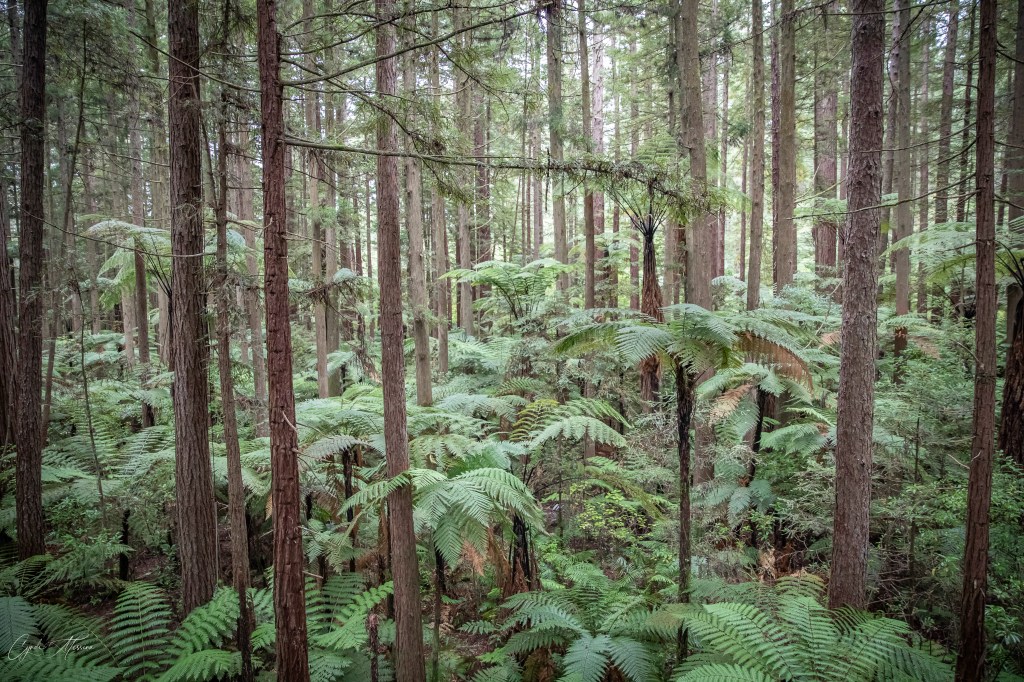
After lunch, we went to the Redwoods – the Whakarewarewa Forest. They have amazing redwood trees (from America) that have grown into giants. They were planted 70 years ago on 3.5 thousand hectares. They have walk ways higher up into the trees so you can see the fern trees from the top and enjoy being high in the air. It was a lot of fun walking the course! There was also an area where caves were set aside and you could go inside and see the famous glow worms. (which are really larvae). It was so interesting!

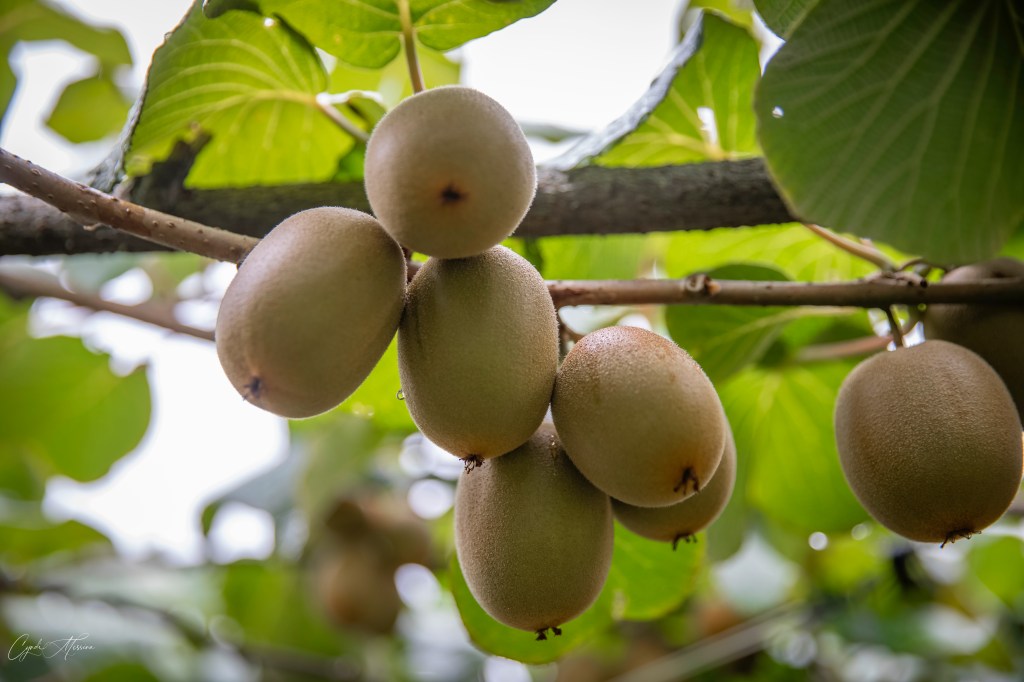
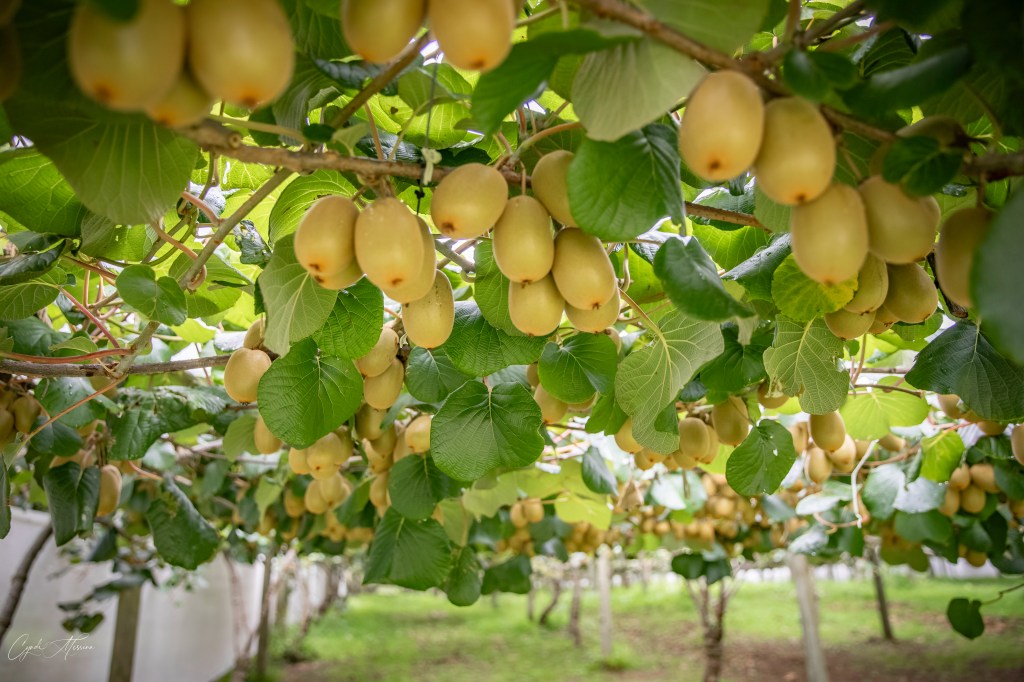
We happened to be traveling through the world capitol of Kiwi Fruit – the town of Te Puke and the area around it. The region produces 85% of New Zealand’s kiwi fruit crop. There were huge hedges about 12 feet tall in large squares. They are windbreaks for the kiwi plants. I always thought they grew on a tree…they do not! they grow on a vine. It was fascinating learning about the whole process. Kiwis were brought to New Zealand from China via Shanghai. The Chinese called them gooseberries. There are over 60 varieties of kiwis but they fall into general catagories such as red, gold, and green kiwis. The red ones will rarely be seen in the U.S. because they rot very quickly and therefore are kept locally. The only time the kiwi fruit is ever touched by human hands is when they are being picked. The gold kiwis are harvested in Mar and April. The green kiwis are harvested in May and June. A quick kiwi secret (both Kiwi people and kiwi fruit). If you want to tenderize a steak, slice kiwi fruit and place it all over the piece of meat. Put in the refrigerator for 1-2 hours. Will tenderize cheaper pieces of steak. There is some enzyme in the kiwi fruit that will do that. If you want to ripen a kiwi, place it in a paper bag with a banana and it will ripen in 2-3 days. They should not be hard.

I can’t fail to mention Manuka honey. It was everywhere…all the different flavors of the honey the bees made. I think every tourist leaves with at least one pot of honey. We may have left with two…. Dependent on what the bees are feeding off of, the honey is different in taste and coloring. So good!
Richie was a principal, so we got some low down on education in New Zealand. Kids start school on their 5th birthday. Literally on the day they turn 5. That makes it a hot mess for that level teacher – having kids that have been in school for months with kids who have been there a day. Ideally, they will go to preschool first, to give them some sort of idea of what school is about. They have preschool available for 3 and 4 year olds for 20 hours a week. If you want them to go longer, the extra time will cost you $4/hr. Primary school is age 5 to 11/12 years old. There are no private primary schools, they are all state funded. Secondary schools are about 5 years and you can go to private or public schools. There are no private secondary (high schools) in Tauranga. Private schools are expensive. They average $30,000/yr and $12,000 a year additional for boarding. Going to the other end of the spectrum, when a New Zealander turns 65 years old, they are automatically put on pension. It is not dependent on the money you earned in your lifetime. Everyone gets the same pension. Each person would get approximately $830 every 2 weeks. You can choose to still work and also get your universal pension. Everyone pays into the ACC tax, which will pay out 80% of your medical bills. All in all, a pretty sound system. We had a really good time traveling through the area and walking through the giant redwoods.

Auckland, New Zealand

First off, we were totally bummed that we didn’t get our passports stamped in either New Zealand or Australia. We had to fill out ETAs for both countries and pay a fee to enter ahead of time. However, as is the case with a lot of other countries, they no longer stamp passports. I was thinking we would have kiwi stamp for New Zealand and a kangaroo for Australia. Sigh.

The Auckland Airport was beautiful and welcoming. With only 5 million people in the country of New Zealand, 4 million live on the north island and 1 million live in the south island. Of those 4 million people living in the north island, 1.5 million live in Auckland, the biggest city in New Zealand. That is 1/3 of the population of the country in one city, if you are a math person. Auckland is called the City of Sails. New Zealand has about 2000 miles of coastline…so watersports are very popular here. Auckland is only 11 miles coast to coast, so it is one of the most walkable cities. There is one area that the locals call “Spaghetti Junction” where there are a bunch of overpasses and highways. Here’s a little Kiwi lingo for you: Togs (bathing suit) and Jangles (flipflops) and “sweet as” (cool) and “yeah, nah” (maybe). Here are some photos from the airport. Kira ora is the Māori greeting meaning hello or be well.

The people of New Zealand are very much into their culture and flora and fauna. They each feel they have a personal responsibility to keep their nation clean and pure. They have a goal for 2050 to eradicate all wild predators and bring back their native flora and fauna. It is their “Moonshot” as they call it. It is a tall order, but prior to people living on this country’s land, there were only two types of mammals, and they were both small bats. New Zealand has a lot of flightless birds. The Māori were the first to come to New Zealand and they brought Pacific rats with them in their boats. Then the Europeans brought possums and stoats to kill the rats. All of them fed on the native flightless birds and eggs of all the birds. They are still fighting this battle. Most people who live in New Zealand have traps on their property to catch the unwanted predators. The Kiwis have taken a step further and ask for all entering their country to honor their heritage, their land, and what they are trying to do as a country. This sign was in all the ports and in several places in the airport – the Tiaki promise. Tiaki is a Māori word meaning to care for, guard, and protect people and places.

Auckland….I just loved it! Rich and I have decided over the last several years that we are just not city people. We would rather spend time in the countryside. However, we really enjoyed our time in Auckland, even in the city centre, where we stayed. It is hilly. We were lucky that we could walk from our hotel to the port to board our ship and it was all downhill. We landed in the morning and were happy that once we got to our hotel, we only waited about 30 minutes before they had our rooms ready for us. We were able to drop our bags off, change from our travel clothes to walk-about-town clothes and take off to explore. We were pretty jet lagged but were determined to stay up until 8 p.m. and try to get ourselves on a good local schedule. We were in Auckland for three days prior to boarding the ship. The first two days we had passes for the Hop On Hop Off Bus. We usually like to do at least the first day in a city on something like this so we can get the lay of the land and get from point A to point B with relative ease. Also, there is a recording tell you facts about the city that we would have not known about as well. Did we need two days? Probably 24 hours would have been okay. However, we did get to go to a lot of neat places within the city. The next several paragraphs will be of information I gleaned off the recordings and photos of places we stopped that we found interesting.

Auckland has an art gallery which contains the largest collection of Māori art in New Zealand. We didn’t get a chance to go in there, but I think it should be on your list of things to see if you go. They also have a place called the Civic Palace that is a 1920’s era theatre. It is the only atmospheric theatre in the southern hemisphere. What is an atmospheric theatre, you ask? Well, after we all came up with blanks, I looked it up. An atmospheric theater is a 1920’s era theatre that is decorated as if it is outside…think deep blue ceilings with stars painted on it so you feel like you are outside but you are inside.

We are huge All Black fans. What are the All Blacks? It is the New Zealand men’s national rugby team. The women’s team is called the Black Ferns. Both have silver ferns on their chest on a uniform of all black. They are the premier rugby teams in the world. Whenever the All Blacks 15’s team is in the U.S., I am usually there. I have seen them in Chicago a couple of times and in Washington, D.C. Their 7’s team also does quite well and I used to watch them in person with my boys when they were playing the U.S. circuit in Las Vegas. Anyhow, when you think of New Zealand, you think of rugby….and you think of kiwis (the bird, the fruit, and the nickname for New Zealanders), and you think of ferns. There are over 200 fern species in New Zealand and 40% of those fern species grow nowhere else on earth. We stopped at the Winter Gardens in Auckland and they actually have a big area called the Fernery there. I grew up thinking ferns were just ground cover or bushy plants in pots. Nope…they have fern TREES. I have never seen anything like it. They are everywhere though! Here are some photos from the winter garden.

Okay, some additional random facts about New Zealand….there are 160 languages spoken in New Zealand. However, there are only 3 official languages: English, Māori, and New Zealand Sign Language. Auckland is the largest Polynesian city in the world. Over half the population is Polynesian. New Zealand has more golf courses per capita than anywhere on earth besides Scotland. New Zealand is a relatively young country. No one even lived here until 600-700 years ago. The Māori came first and settled. They fished off the coast and they hunted a flightless HUGE bird called a Moa. The Moa bird is now extinct but think about an ostrich or emu the size of an elephant. They have been extinct for nearly 400 years now. The Māori call New Zealand “Aotearoa” which means “the land of the long white cloud.” That name is used often in conversation and interchangeably with “New Zealand”. Then the British came. New Zealand was established in 1840. From 1841 to 1865, Auckland was the capitol. Auckland is the largest city in New Zealand, with Christchurch coming in second (on the southern island) and coming in third, is Wellington, the capitol of the country, with about 235,000 people. Hamilton, the town south of Auckland, has 170,000 people and is growing quickly. They have the National and Labor parties for their government. About 65% of the population of New Zealand is of English/British decent. Māori make up 20% of the population (about 1 million). Asians (Chinese and Indian mostly) make up 15% of the population. We actually were very surprised at how many Asians we saw. There seemed to be a Chinese restaurant every 4th door when we were walking around the city center. The main tourists are folks from Australia and Americans. The weather in Auckland never drops below freezing. However, if you drive south to the South Island, you can find skiing in the wintertime. It was odd knowing that heading north meant warmer temps and heading south meant cooler temps. Also, our winter is their summer. They enjoy summertime BBQs for their Christmas celebrations and are often on the water. Kids get about 6 weeks off of school over the Christmas holidays to enjoy the warm weather with their families. State Hwy 1 runs from the tip of the northern island to the southern part of the southern island, running 1270 miles. This includes a ride on the car ferry getting you between the north and south islands. As for sports…the most popular sports in the winter are rugby, netball, and hockey. The summer sports are tennis and cricket. Sports are pretty big in New Zealand. All children are expected to be on teams and participate in sports. We passed Eden Park, where the All Blacks Rugby team play (cricket plays there as well). That was pretty cool.

One of the places we got off the Hop On Hop Off bus to stretch our legs was MOTAT. That stands for Museum of Transportation and Technology. Yawn. We didn’t go into the building. We walked along the park near it called Western Springs Park. There was a pond there they called “Eel Pond”, well, because it was full of longfin eels. There were A LOT of them. You expect to see fish…not eels. Evidently they can live up to 80 years and are the biggest eel in the world. They can live on land for up to 2 days breathing through their skin. That’s the stuff of nightmares, right there, folks. There were also a lot of swans…black swans. Never saw a white swan while we were in New Zealand. Theirs are all black. (play on words there….) There were also ducks there including mallards, NZ Scaup, and Paradise Shelducks. There are over 5000 tree species in New Zealand and I am a sucker for a pretty tree, so you have been warned. Photos will include tree photos! Here are some of the photos from our walk in this pretty park.

Another place we stopped along the bus route was Mount Eden (Maungawhau). We walked to the top of an extinct volcano for beautiful views over the city. It was about 300 meters each way, so about a 10-minute walk. It is a 75 hectare green space. It is a crater on top of an extinct volcano. The large crater creates a grassy bowl. It is roped off and considered sacred ground. No one is allowed to walk on that part of the park.

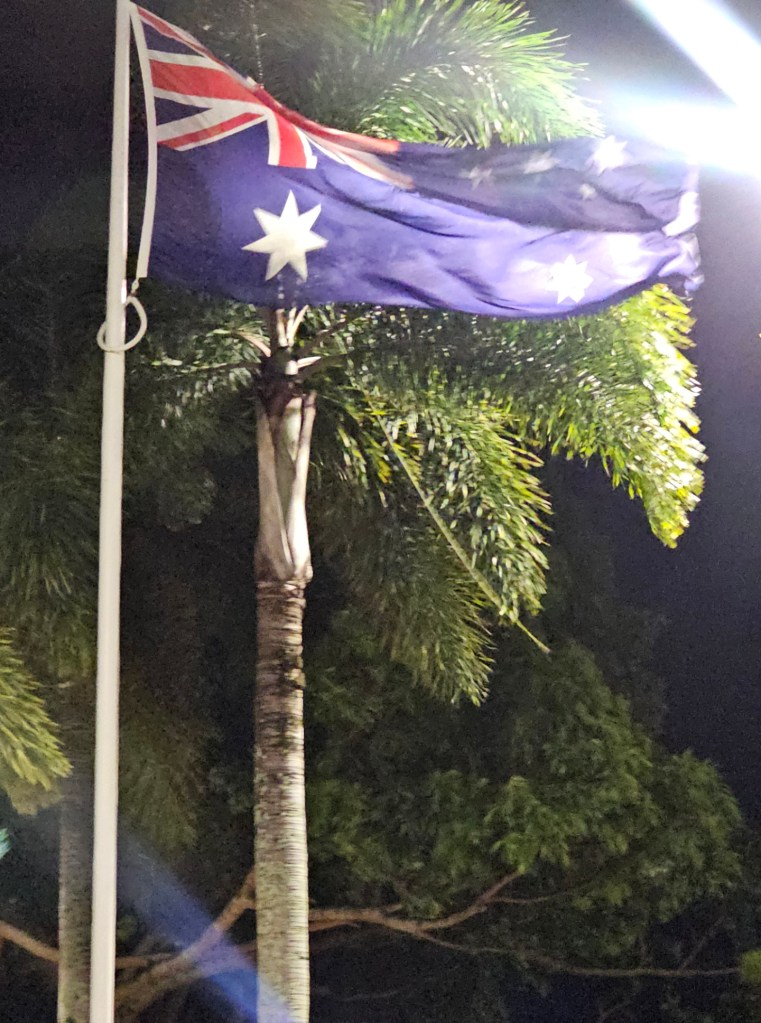
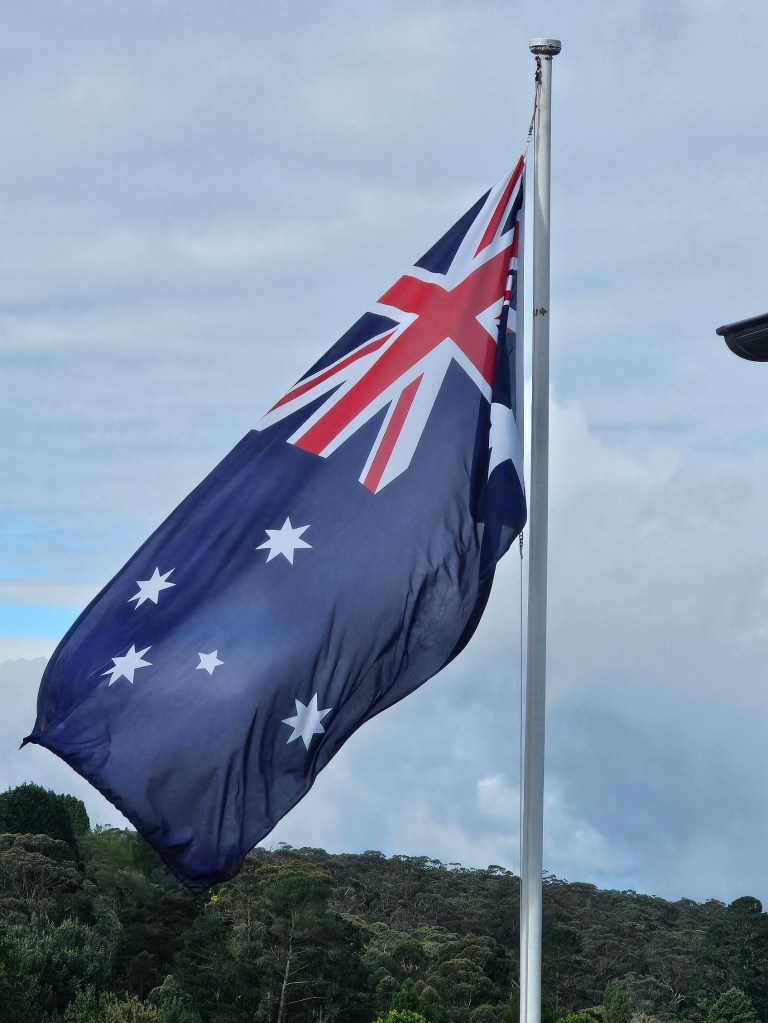
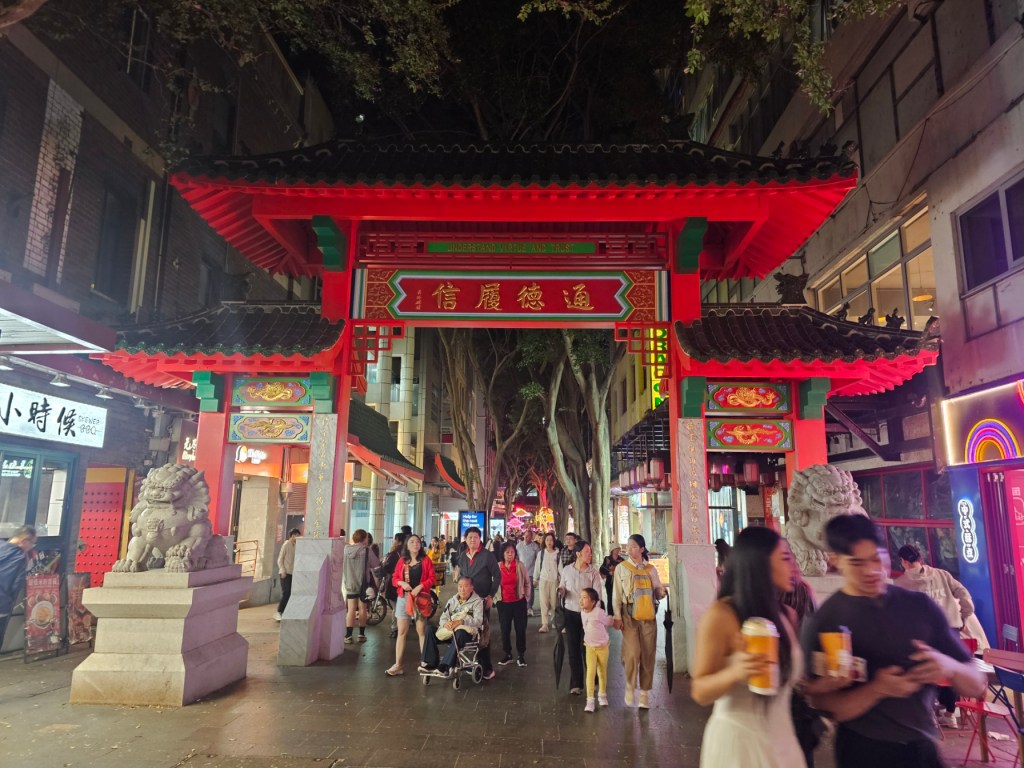
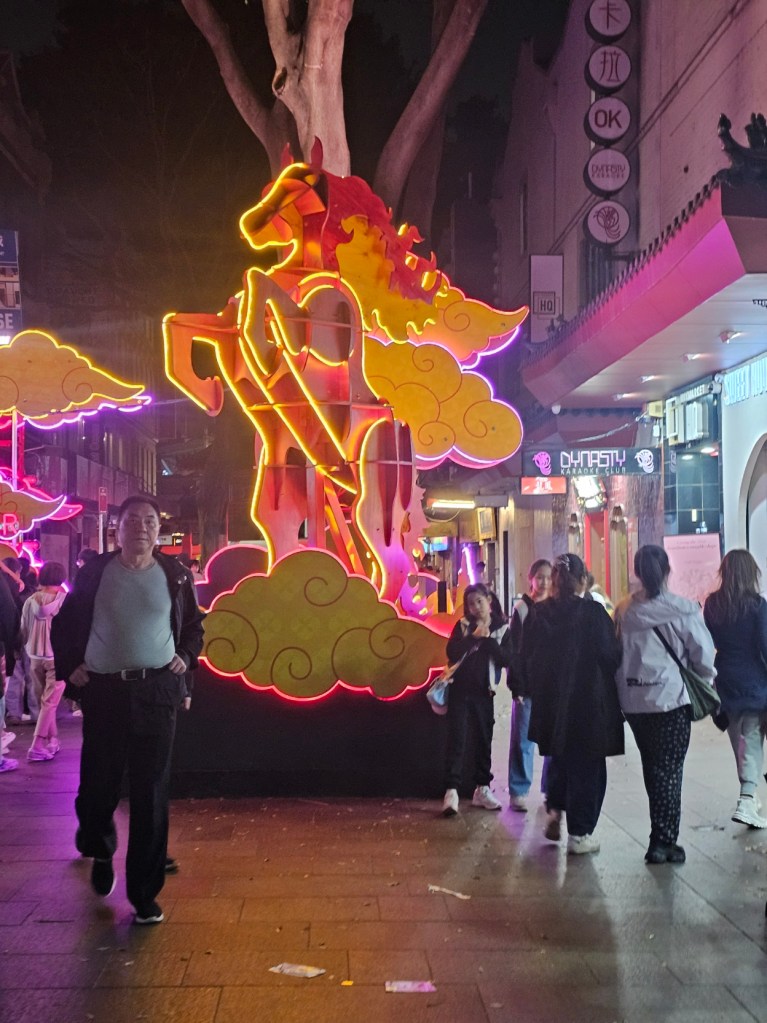
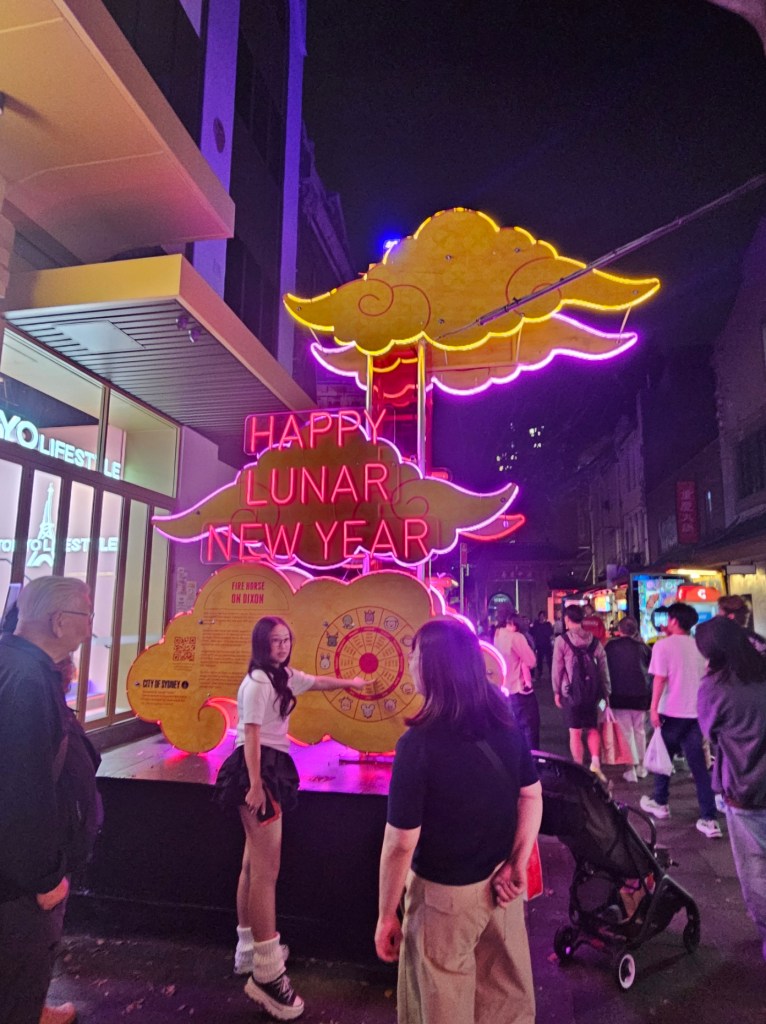
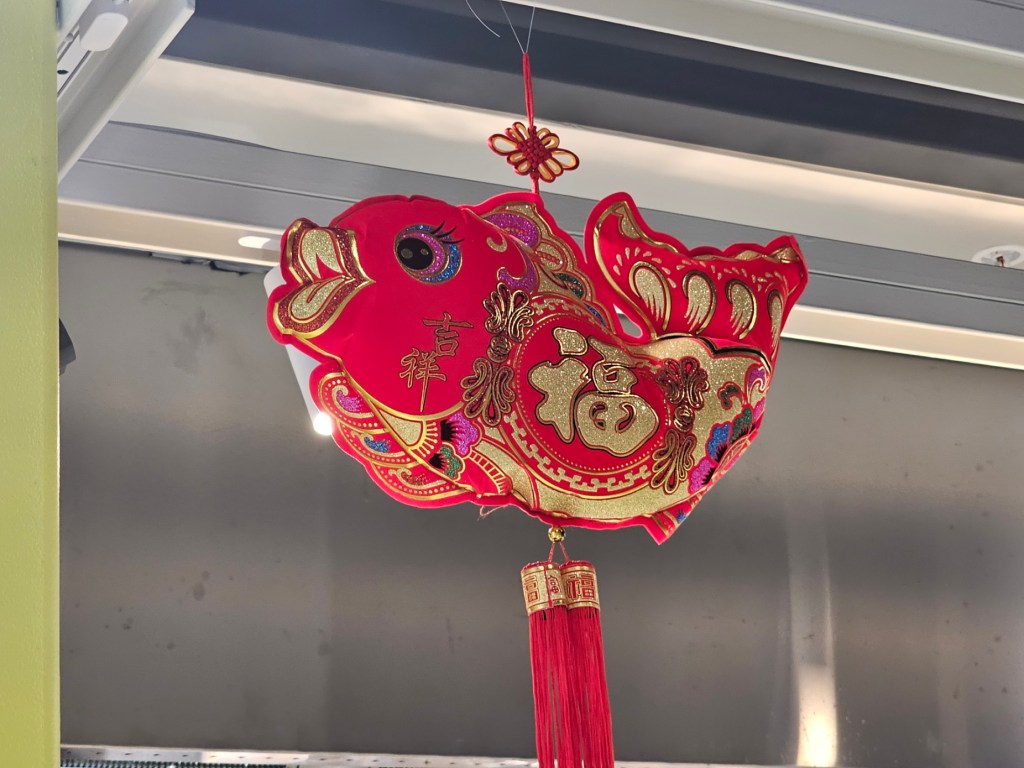
Here are a few other random photos we took as we walked around the city. If you get confused between the New Zealand and the Australian flags, you are not alone. They look very similar. Both flags are a blue standard with the British Union Jack in the upper lefthand corner. Australia has a constellation of 4 stars with one smaller star for a total of 5 white stars on the right-hand side of the flag. They also have a larger white star with 7 points under the Union Jack. The New Zealand flag has the same 4 start constellation next to the Union Jack, but they are white stars outlined in red. We noticed that on the boats, the background color for the flags were red instead of blue, we are guessing it was to better see them against the blue water. We happened to be in New Zealand on their holiday on Feb 6th, Waitangi Day. It commemorates the 1840 signing of the Treaty of Waitangi – between the Māori and the British to form New Zealand as a country. The tall spire-like building is the Sky City Tower. It is 328 meters high. We had drinks and listened to live music at the base of it each afternoon we were there. It was a short walk from our hotel. We watched people do sky jumps off the top of it – you jump but are attached to a wire that slows you down towards the bottom. They fall 192 meters. Yep, happy to watch, not to play. Rich’s brother and sister-in-law were on the lookout for an ice cream place called Giapo Ice Cream. They make wild shapes with their ice cream cones and they were looking for the chocolate squid. They found it! We went out to eat at two nicer restaurants while we were there: Sails and White and Wongs. White and Wongs was phenomenal. It is Asian fusion and everything was reasonably priced and delicious. We also were able to walk there. Sails is a higher end seafood place you need a reservation for. The food was good but it wasn’t necessarily worth the Uber ride to get there and back. We arrived just before Chinese New Year kicked off. With the huge Chinese population in the region, there was no shortage on decorations. Rich and I attended Sunday Mass at The Catholic Cathedral of St. Patrick and St. Joseph, which was a short walk from our hotel. We lit a candle for our Joe there.

Rich and I also went to the All Blacks Experience – an interactive museum where you learn about the history and culture of the All Blacks rugby teams – men’s and women’s. There is a swirling Māori tattoo of sorts along the walls of the museum with the names of all players who have ever played for the team. Next to their name is a number…the higher the number, the newer the team member. I found a few of my favorites. We had a blast spending time there. There is a piece of jade or pounamu that the team actually takes with them when they play overseas. They were in the off season, so the jade stone was there for us to touch. Each player touches it as they go onto the pitch to play. Many New Zealanders wear a jade carving around a leather strap around their necks. The carvings represent different meanings and blessings. You never buy one for yourself. It is meant to be a gift from a loved one. The jade warms and it is believed to absorb the wearer’s mauri (life force). This is interesting as when I was in China, they have somewhat of the same tradition with their jade bracelets for women. The jade pieces are a sacred taonga (treasure) and are often handed down through the generations. Back to the All Blacks Experience….we got to stand on astro turf in front of a screen while life-sized players performed the haka in front of you as if you were the opposing team. The haka is often thought of as a war dance, but it is really a sign of respect. They feel you are a worthy opponent; you see the haka. If a special person dies, the haka is performed at their funeral. If you achieve something wonderful – like graduation from college, your family can do the haka for you. It was intense enough to blow your hair backwards. The women’s version of the haka is different, but no less intense. Anyhow, if you are a rugby fan at all…this is your haven. If you know rugby at all, you know about Jonah Lomu. He debuted for the All Blacks rugby union team in 1994. He was a beast of a man…large but the fastest player on the team. He was 6 ft 5 in and weight 276 lbs. He was considered one of the best rugby players of all times. He died in 2015 at the age of 40 due to a heart attack. He was a gentle giant with a heart of gold off the field and a beast who wouldn’t be slayed on the pitch. Seeing his jersey and his name on the wall meant a lot to this fan.

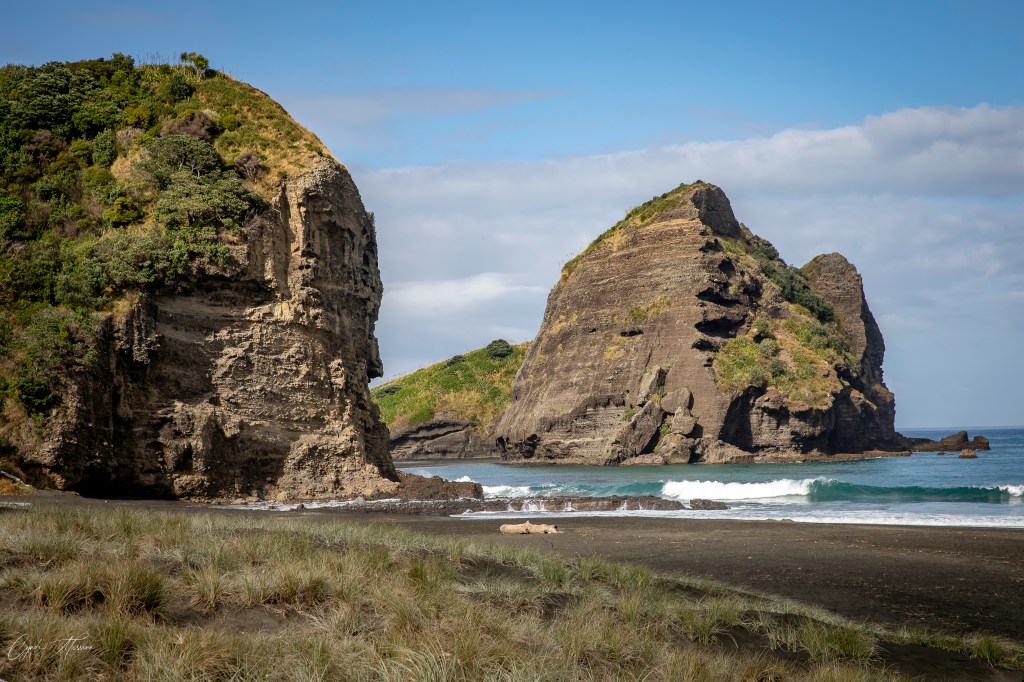
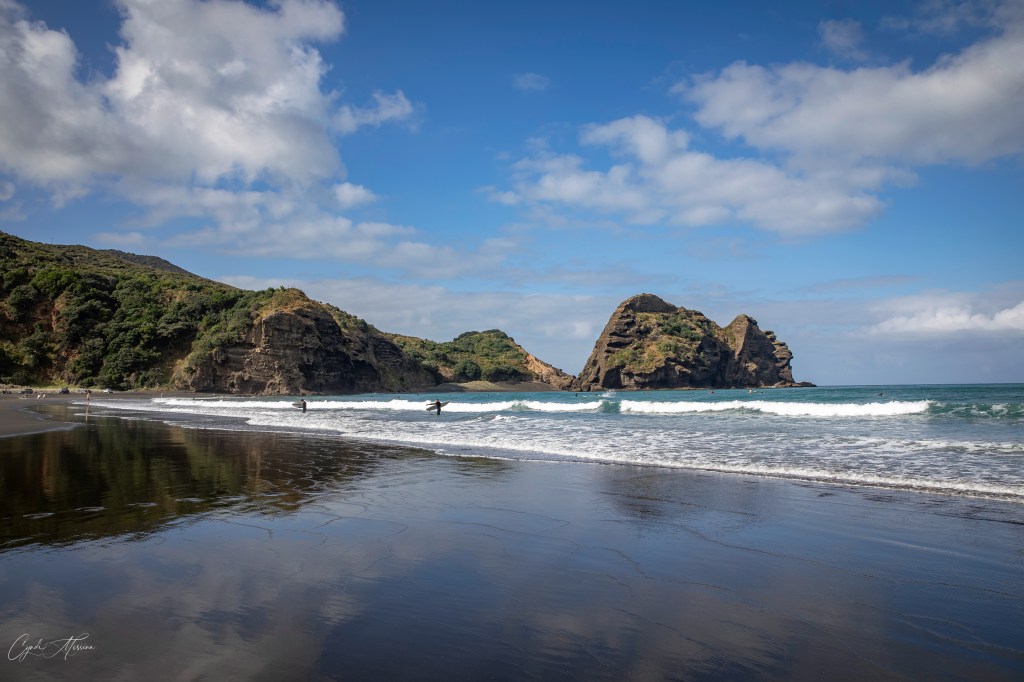
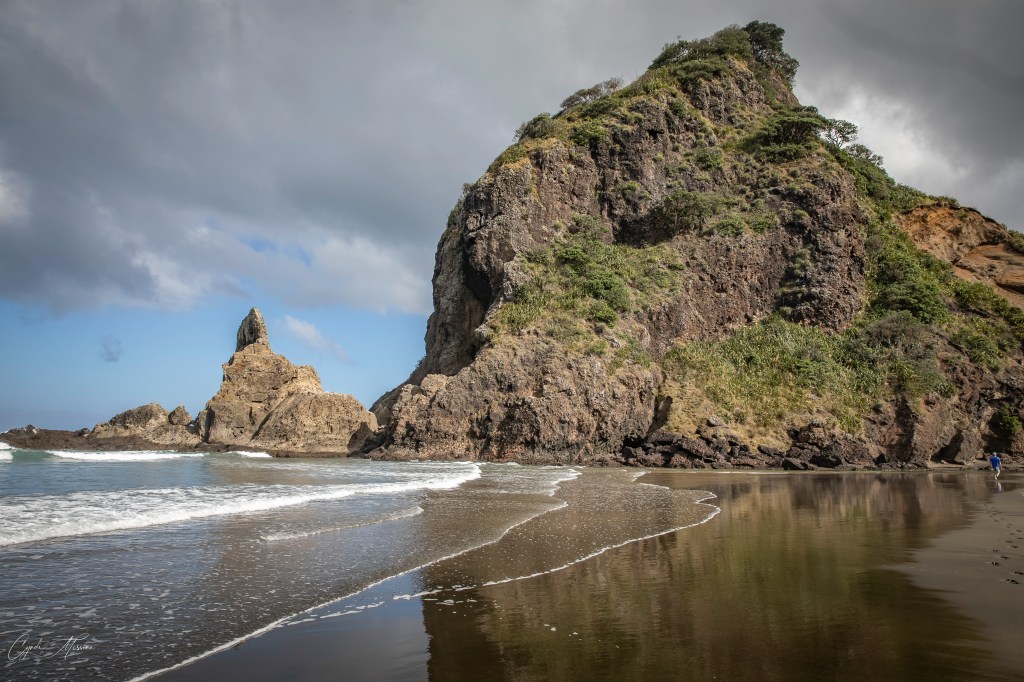
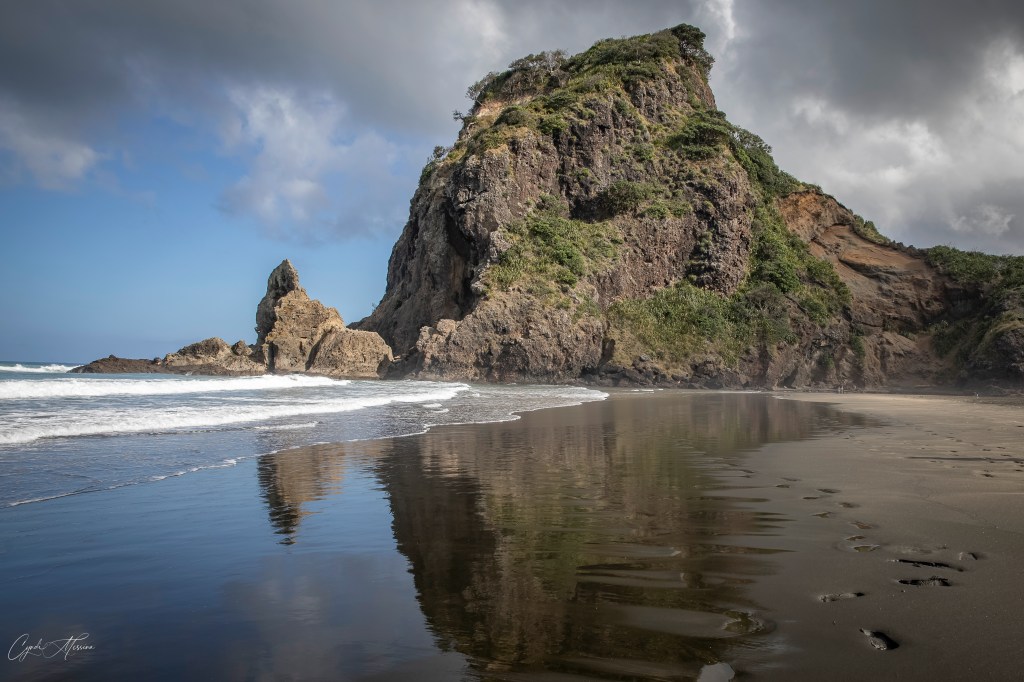
Our last day in Auckland, we took a trip to Piha Beach. It is a black sand beach known for good surfing. It is one of the most popular surfing beaches in the world. There is a large rock they call Lion Rock, right next to the shore. Behind some of the rocks are colonies of small penguins. I didn’t get to see them though. The water made the black sand shimmer and was a perfect canvas for reflections of the rock formations around the beach. The sand was thick! I felt like I was walking through brownie batter.

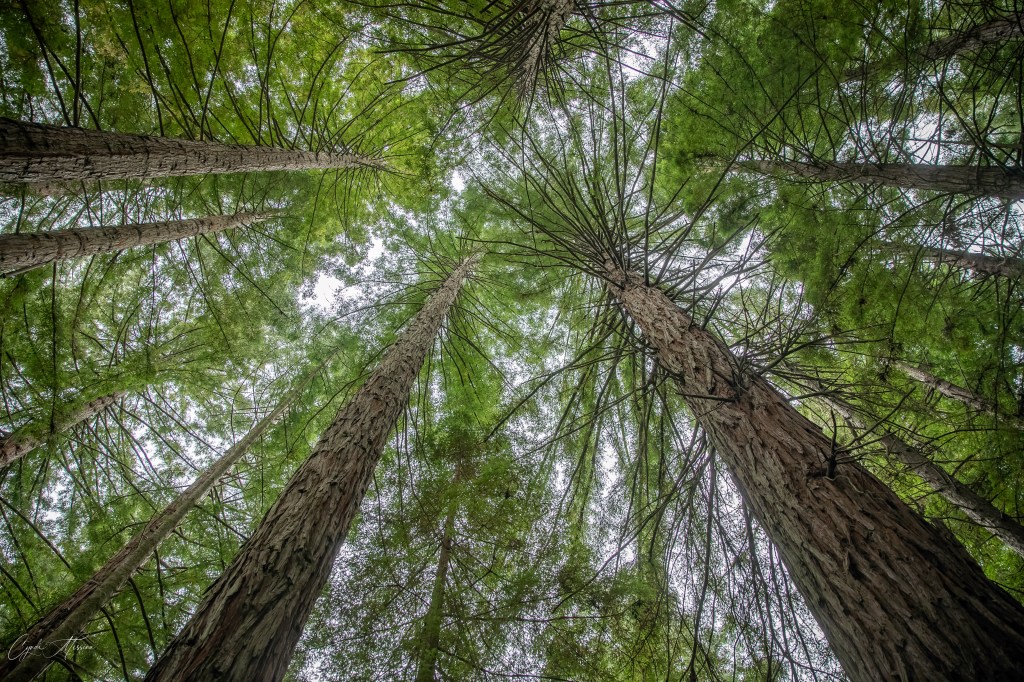
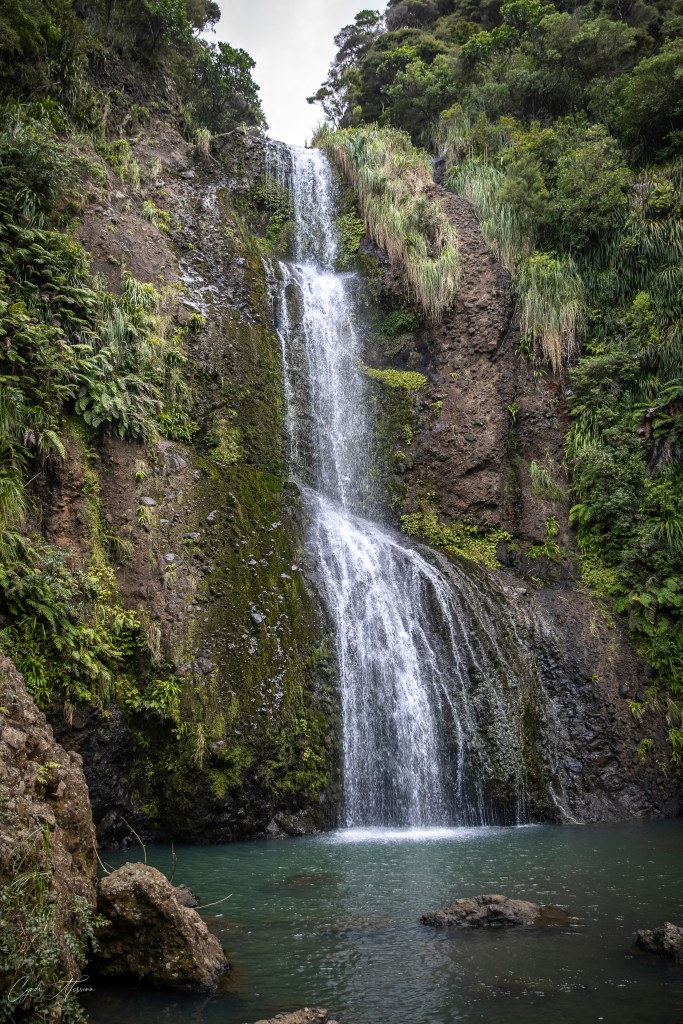
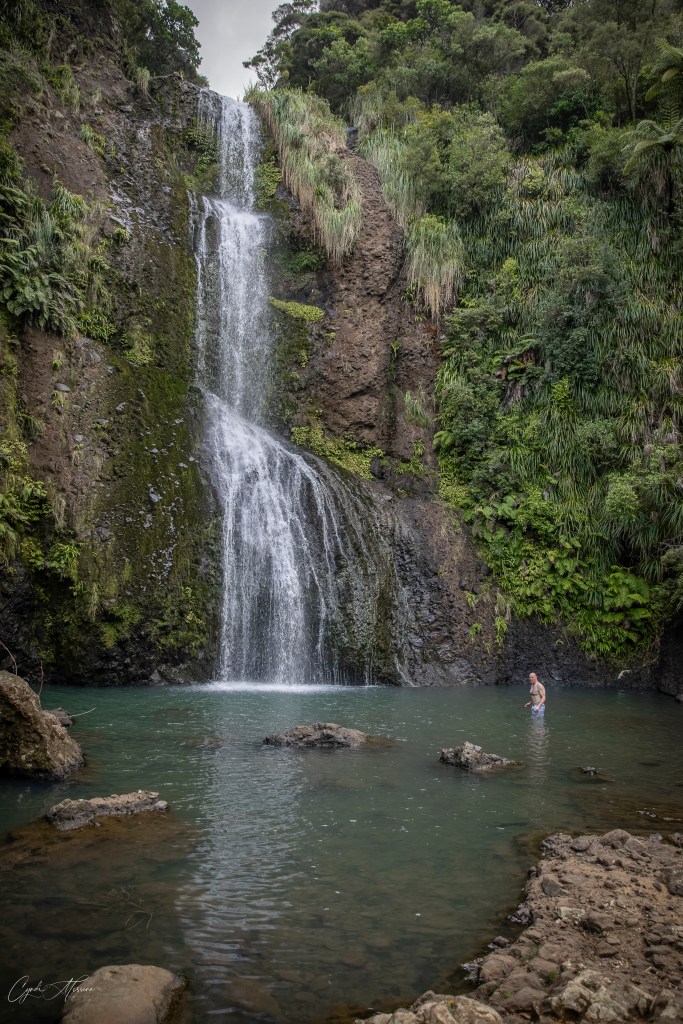
After some time on Piha Beach, we drove a few minutes down the road to Kitekite Falls. We walked along a trail in the native forest to get to a multi-tiered waterfall. We walked through ferns and ancient kauri trees. This was one of the places we had to clean the soles of our shoes entering the trail and then exiting. They are really trying to maintain their local flora and fauna. They don’t want anything brought into the area. You will see some fern trees in these photos. Rich took a dip in the water. He said it was incredibly cold. He also found an eel!
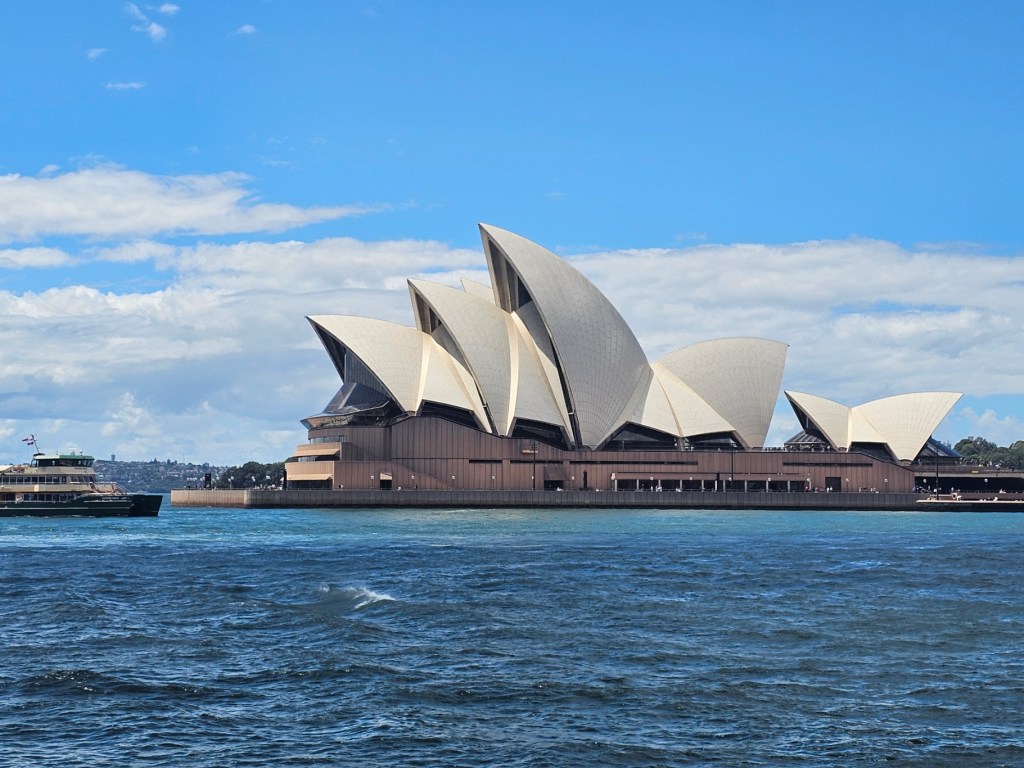
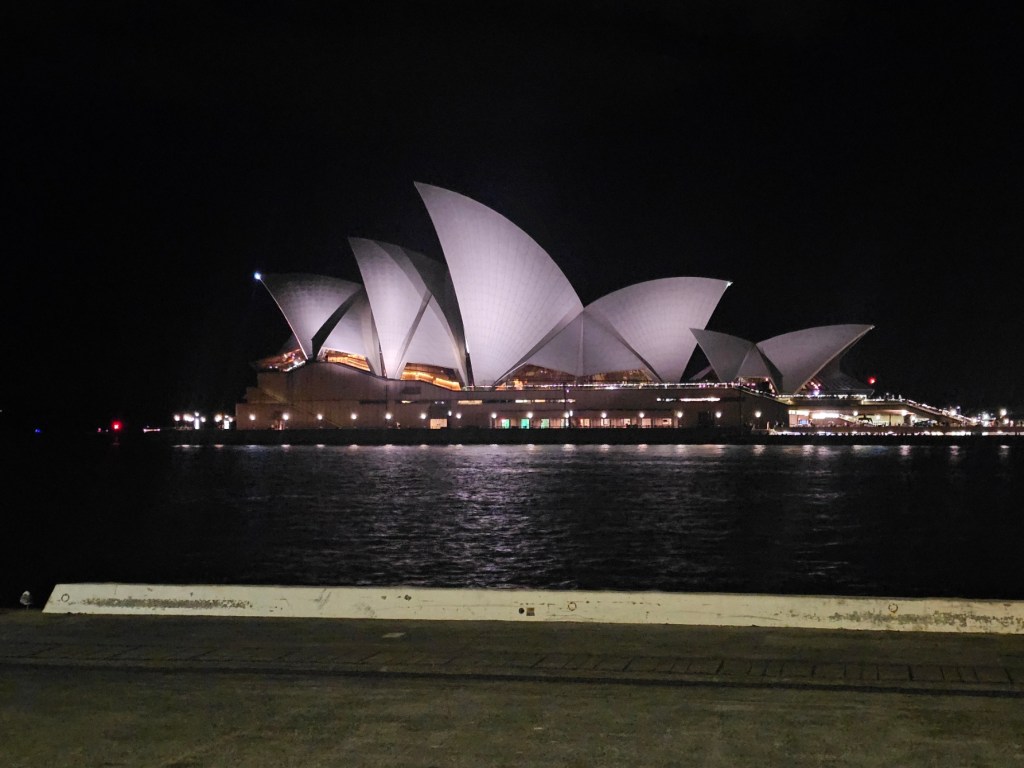
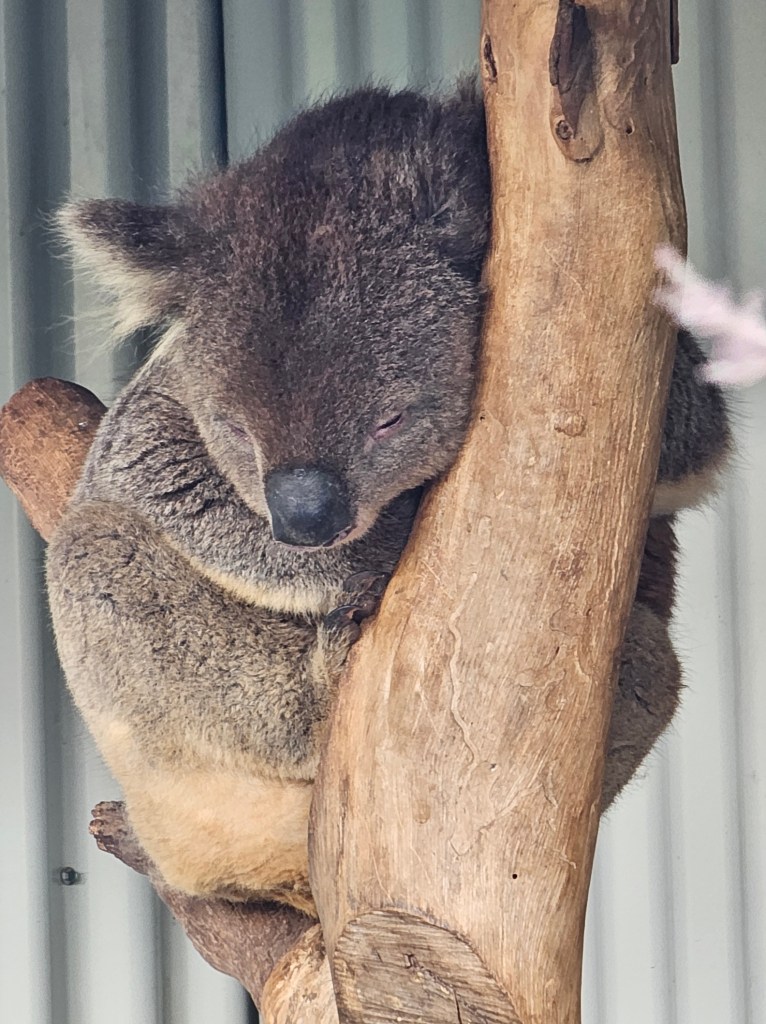
After three full days in Auckland, it was time for us to head to our ship, the Holland America Lines MS Noordam. We were actually able to walk to the port as it was all downhill for us and took maybe 10 minutes to walk there. My brother-in-law decided to try and surf his suitcases down, but it didn’t quite work…. We had a great time in Auckland and would highly recommend a trip there!