
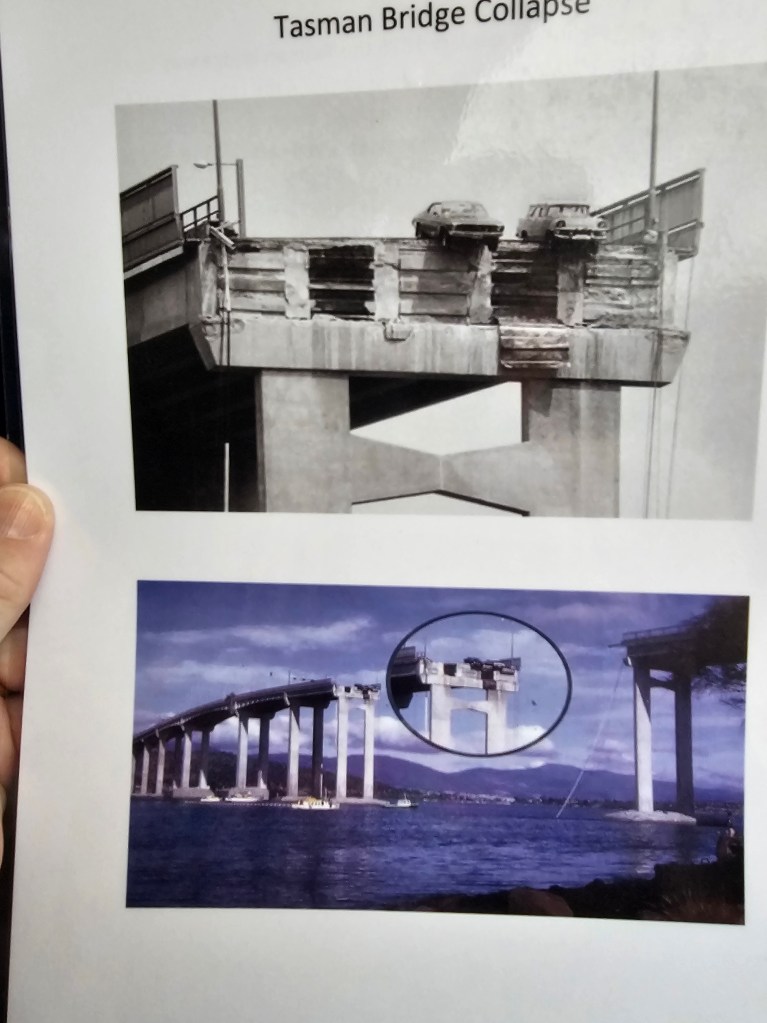
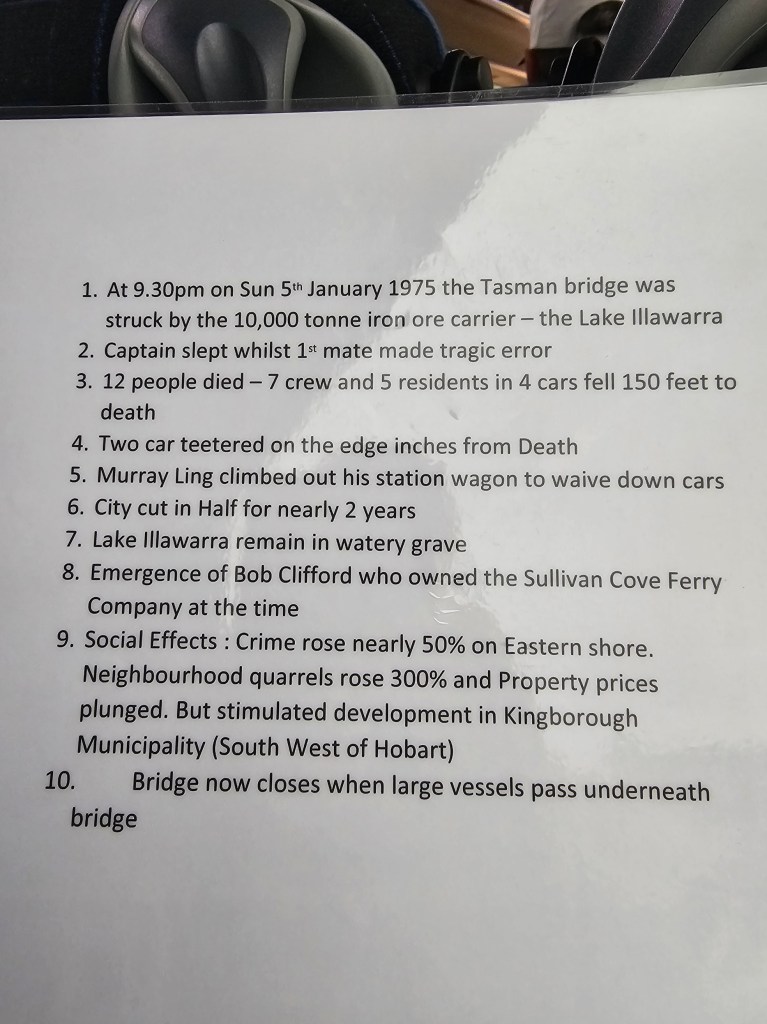
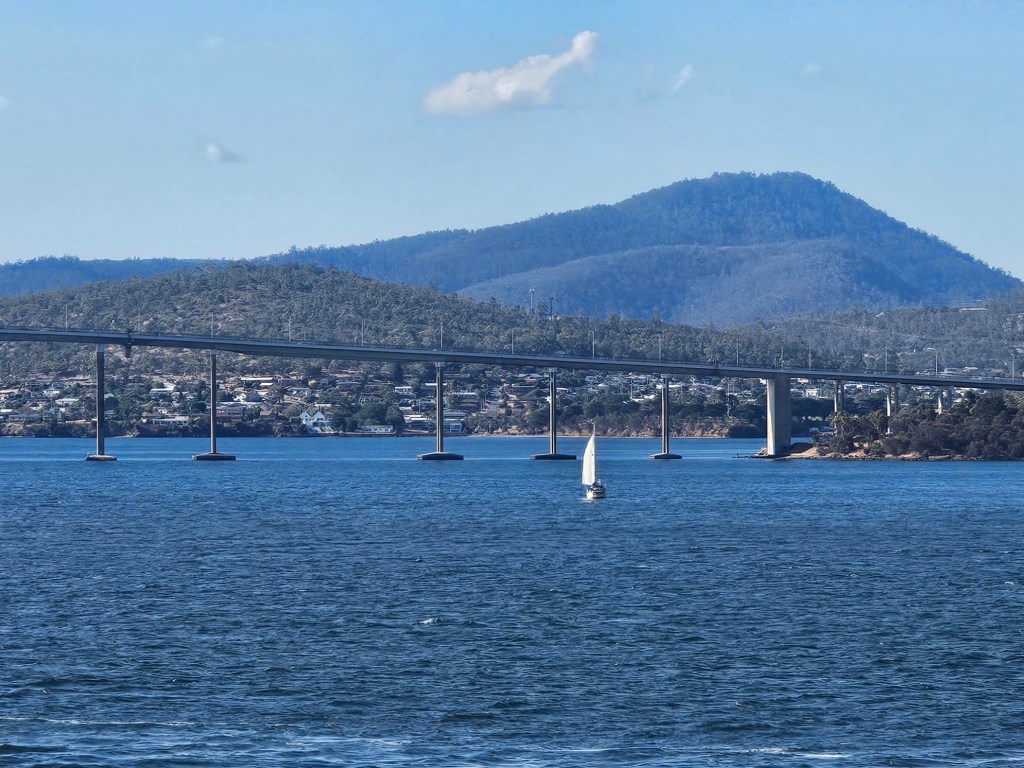
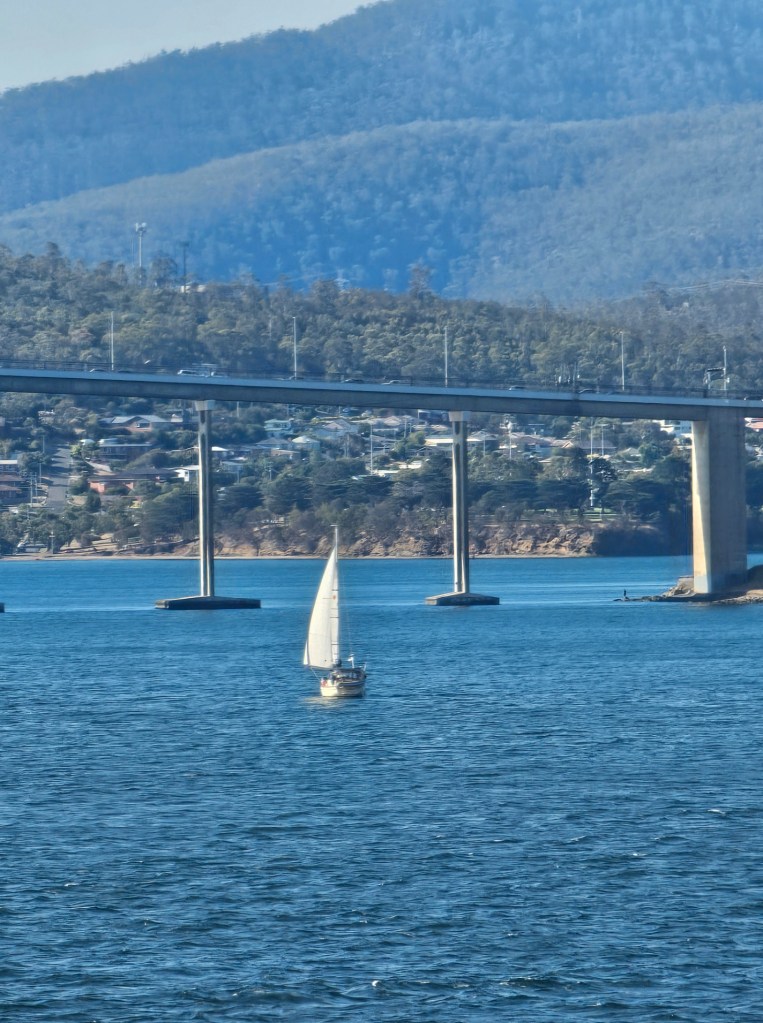
Hobart was our first steps on Australian soil. Tasmania is an island south east of Australia, but is a state of Australia – one of six states. I think we all decided that this was our favorite stop of the entire trip. We really got around and made a lot of stops, so that is saying a lot. We had two stops in Tasmania – one in the south and one in the north. This was the southern stop. We had a long day guided tour on this stop and it did not disappoint! Our guide, Marbles (yes, that is what he goes by), was a wealth of information. First off, a lot of Aussies call Hobart, “Slow bart”. There is no hurry to be anywhere. At the docks near where we disembarked, there were old apple sheds and wool sheds. That used to be the two big exports from this area. From the 1800’s to 1950, Tasmania was known as the “Apple Isle.” It is now known as the holiday isle and is a place where Australians, New Zealanders, Europeans, and Americans like to come to visit. In 1803 on Nov 26th, Tasmania was colonized by the British to establish a penal colony. It wasn’t named Tasmania until 1856. The River Durwin (278 km up the middle of Tasmania) and Mt. Wellington control the weather within Tasmania. Everyone in Tasmania has a water or mountain view or both. On 5 Jan 1875, a big ship hit two pylons on the bridge in Hobart and knocked the bridge down. It was 9 p.m. on a Sunday and it killed 16 people. Citizens lived on the eastern side of the river. All the shops and schools were on the western side. People had to drive 50 km out of the way to get around the river. It was devasting for the area. Bob Bifford ran a ferry service for $0.20 a ride one way per person to help out. He had large garbage cans he would just have them put their 20 cent piece into. Smart man that he was, he got a liquor license and allowed people to drink on the ferry. The ferry ride was 12 minutes long. The record number of beers consumed on a ferry ride was 10 10 oz bottles of beer. Bob was a high school dropout but he was resourceful. He already had a garage full of trashcans full of 20 cent coins. He decided to charge 80 cents per beer. People would give him a dollar and he would hand them back a 20 cent coin to help get rid of them. Tasmanians are known as being loyal and resilient and he was a prime example of this. He now develops electric boats…expensive catamarans. His first all electric catamaran he sold to Argentina for $30 million.
In 1642, Abel Tasmin discovered Tasmania. in 1798, Australia and Tasmania was circumnavigated. The first white settlement was placed in swampland, but quickly moved to Hobart. In 1836, Carles Darwin came to Tasmania and declared it to be “the Noah’s ark of the world.” There are zinc works in the area that are worth billions to the Tasmanian economy. A lot of the dairy products go to China but also to the Cadbury chocolate factory in Hobart.
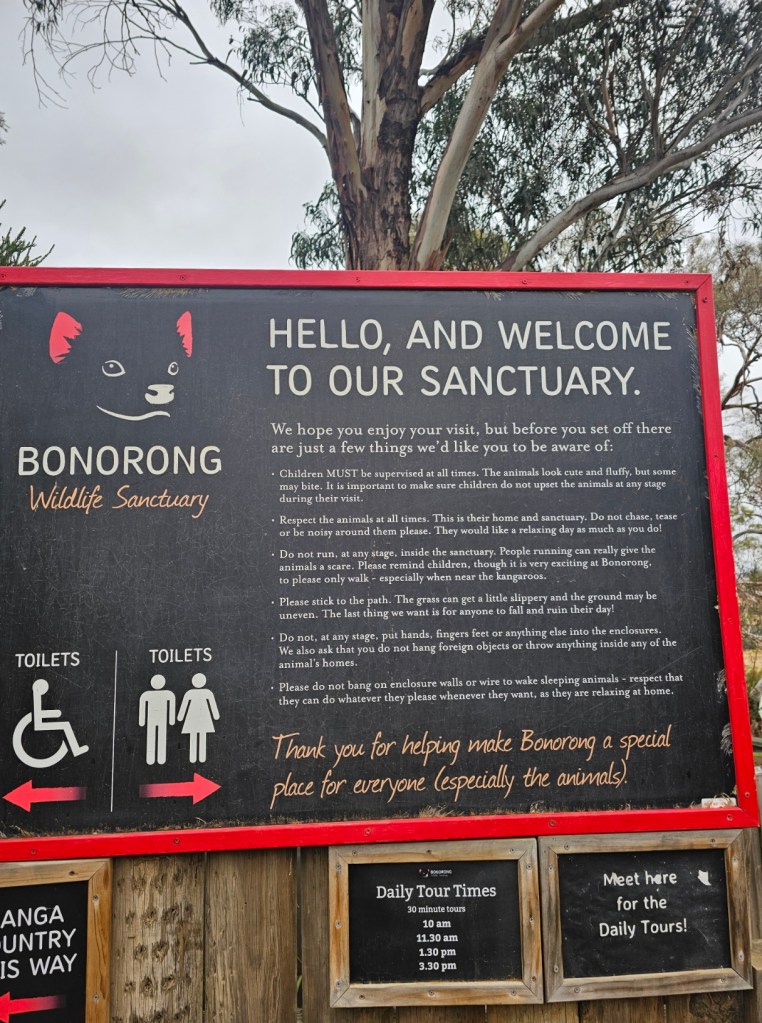
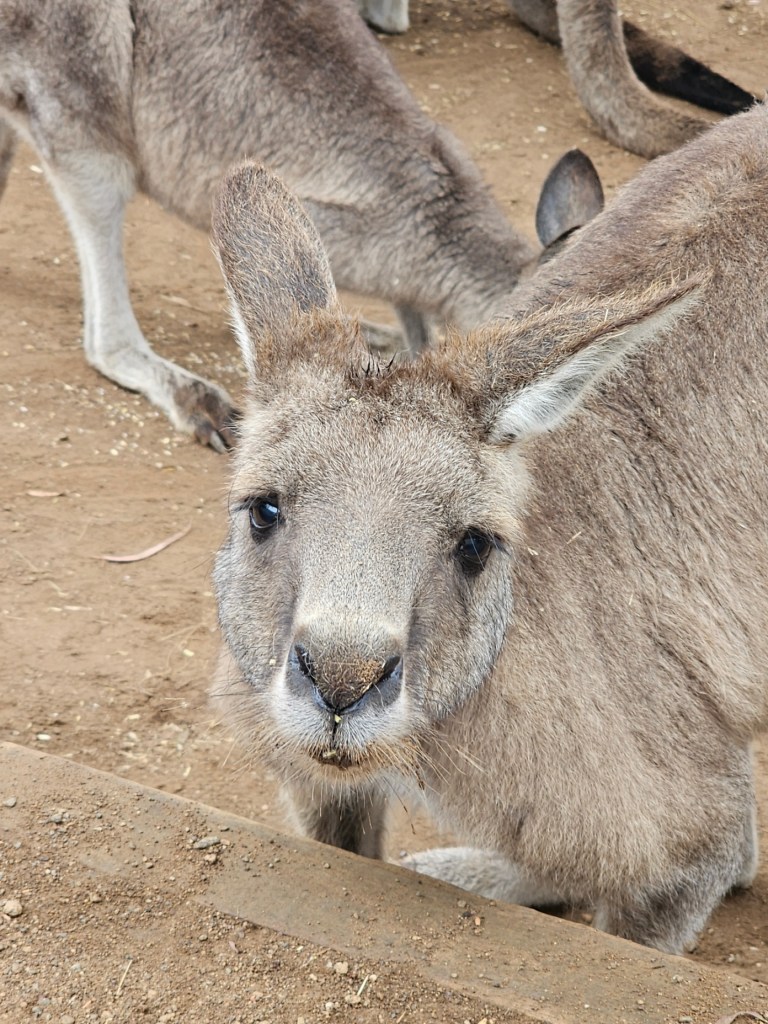
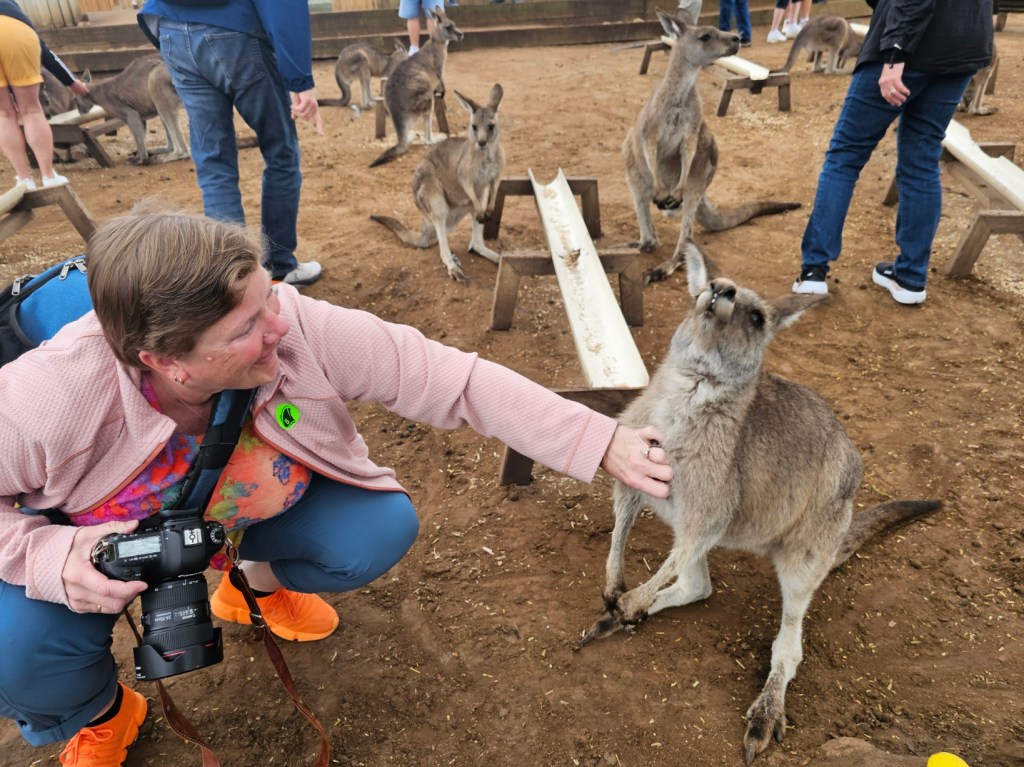
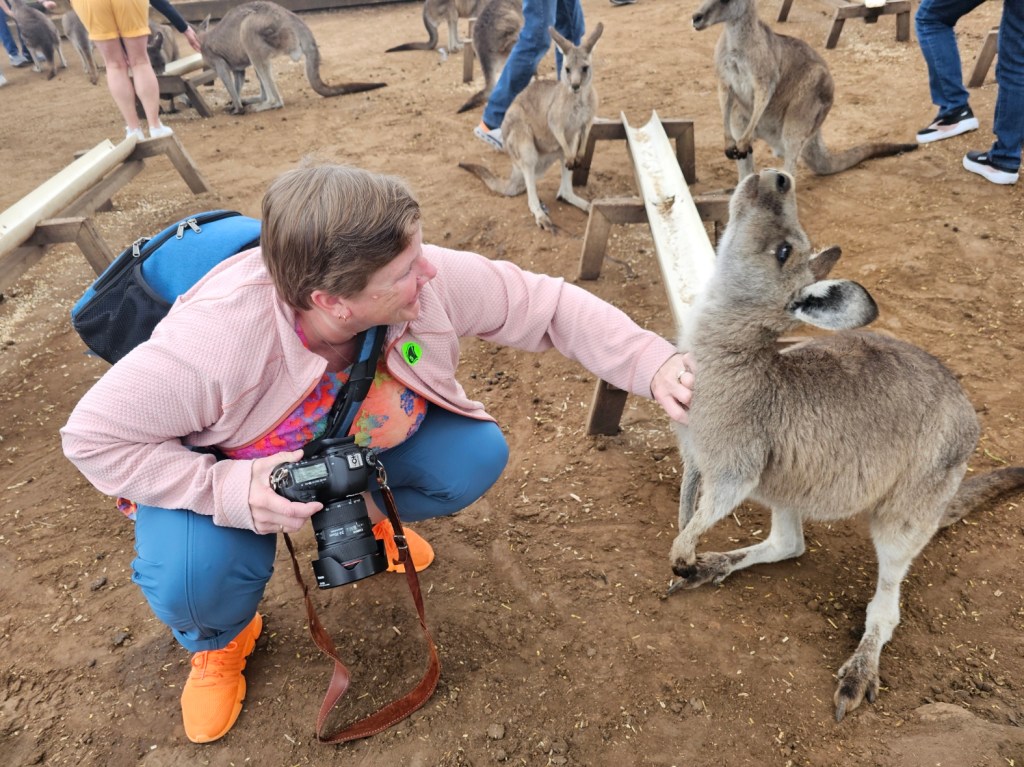
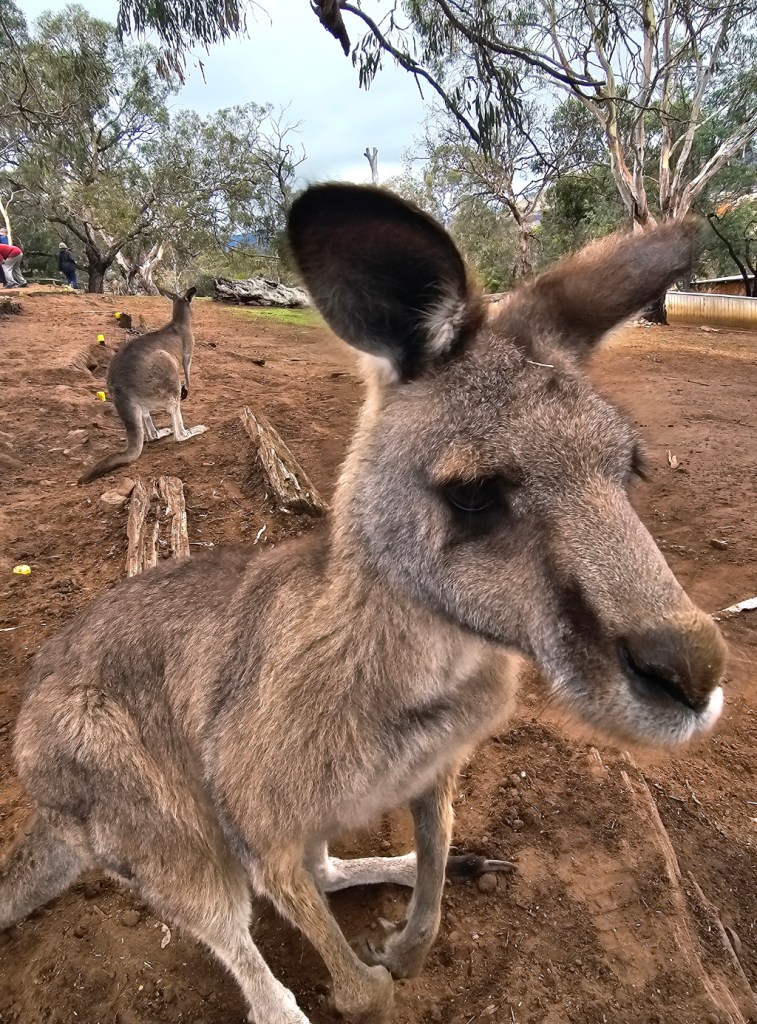
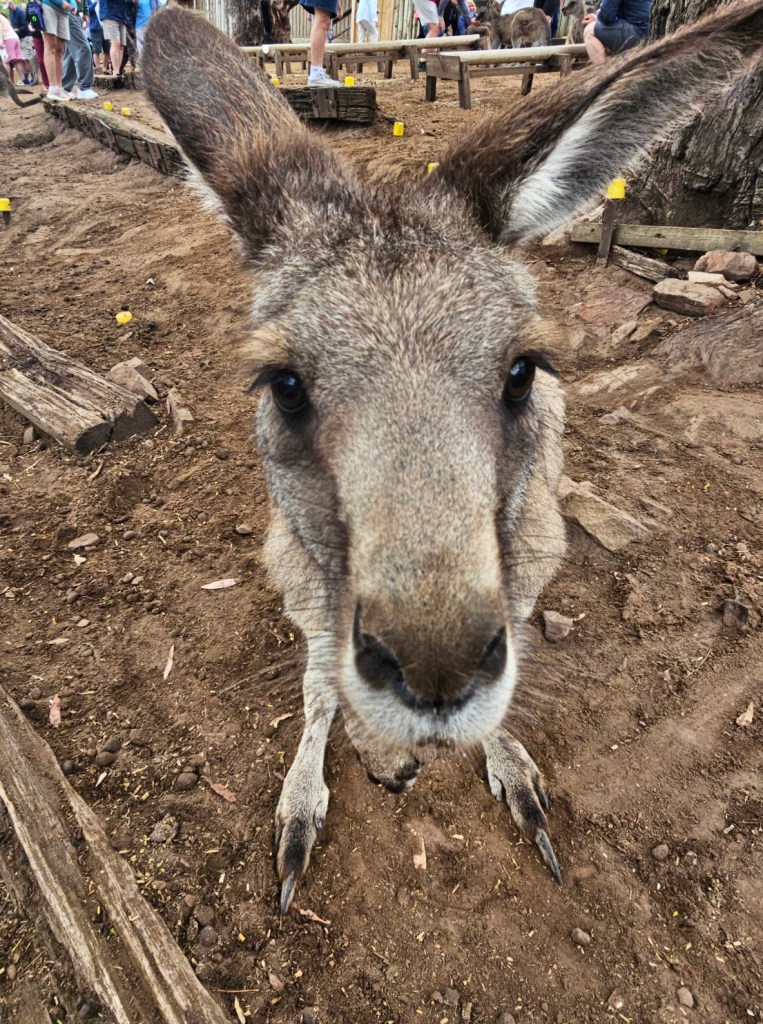
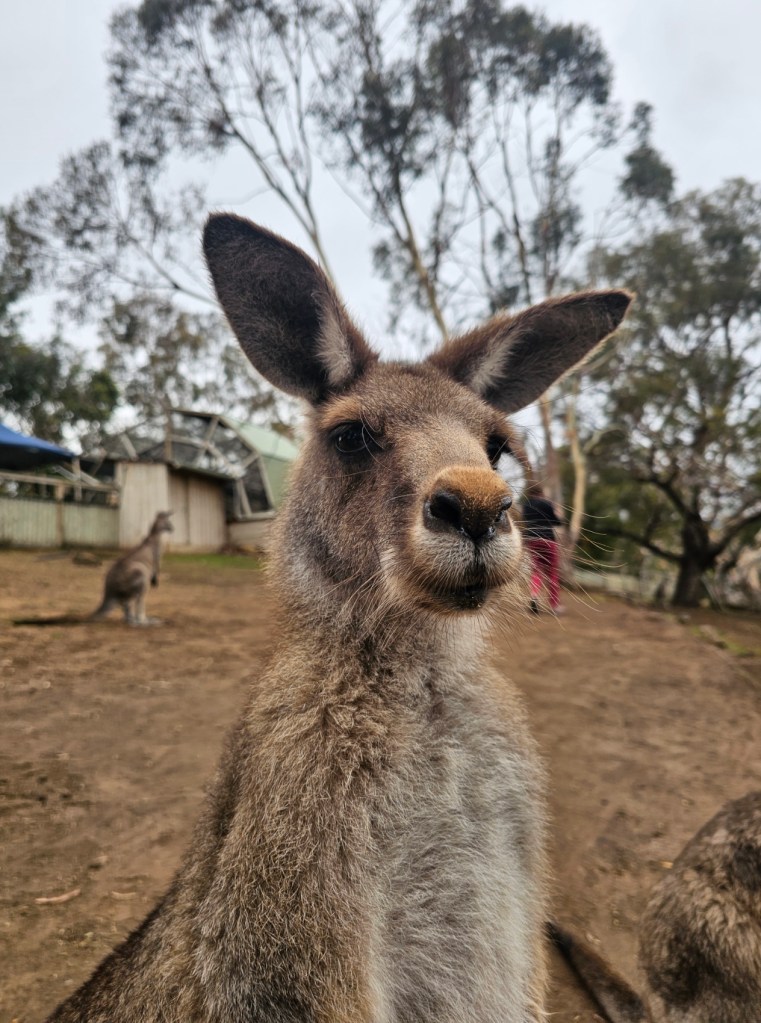
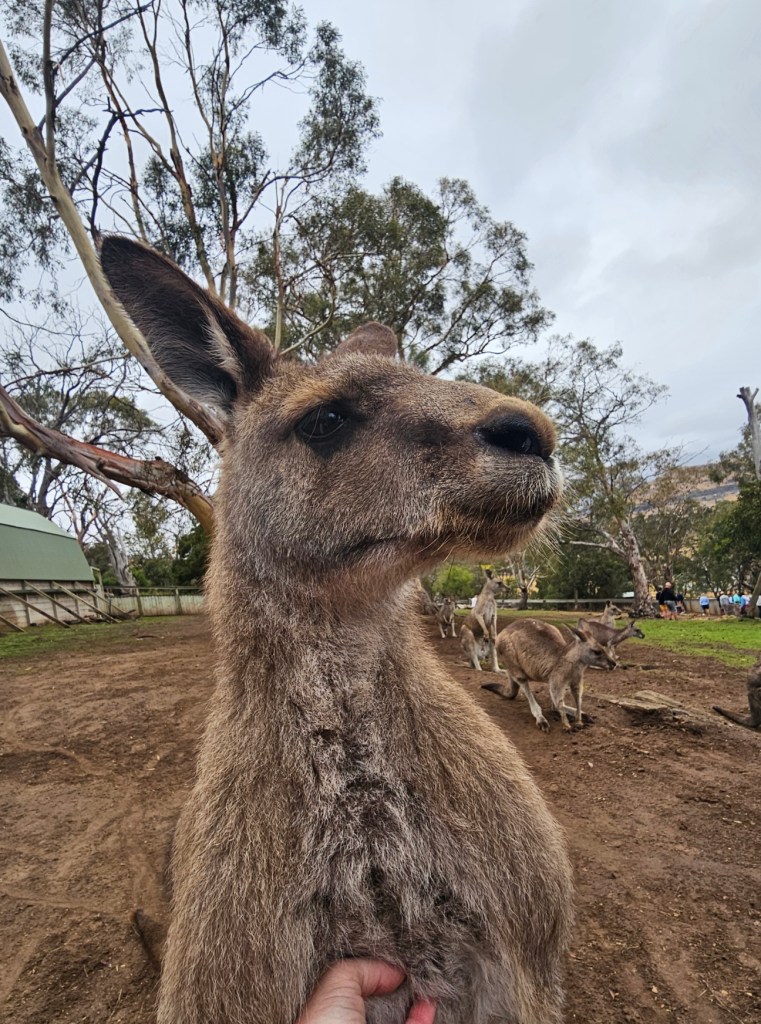
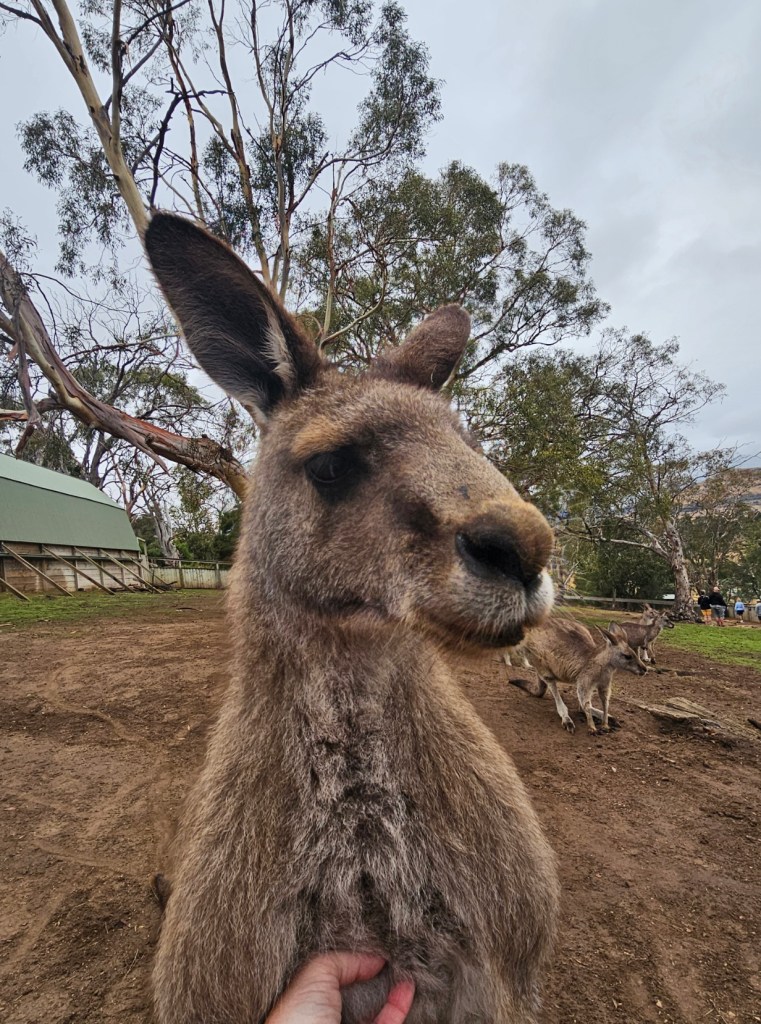
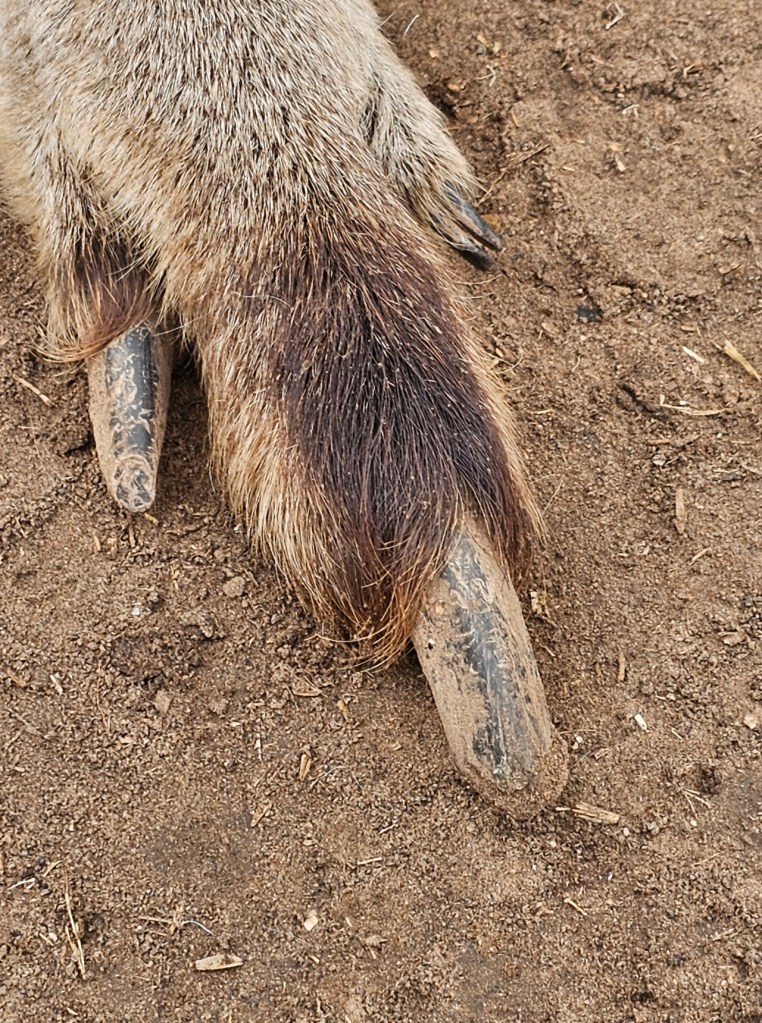
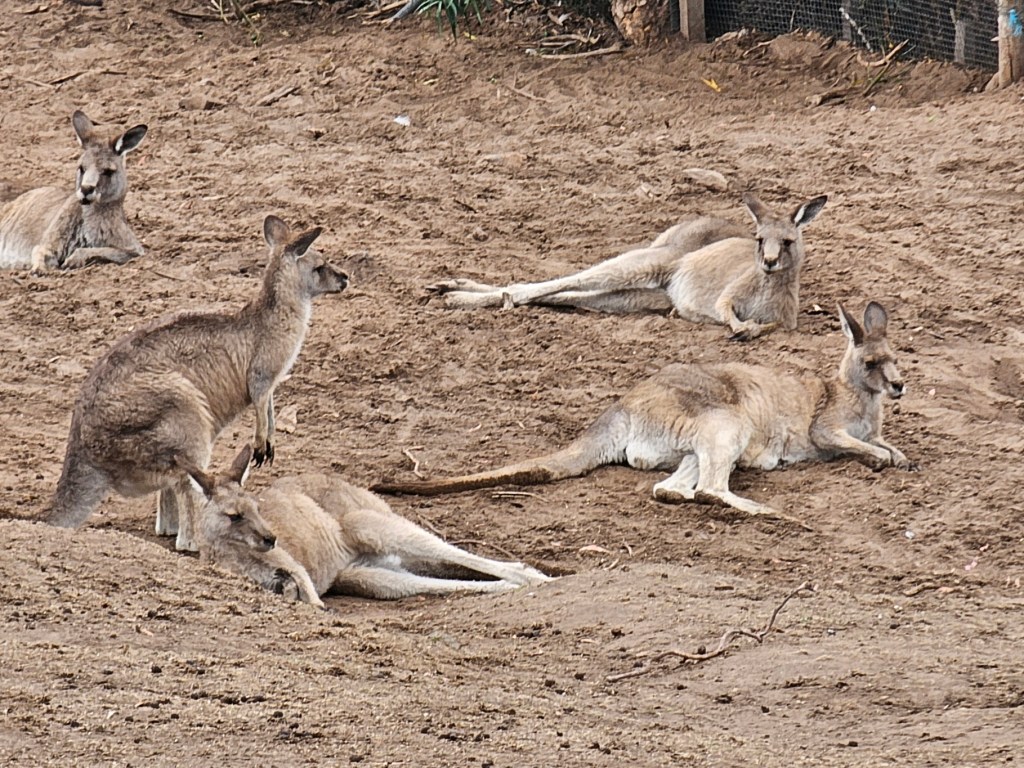
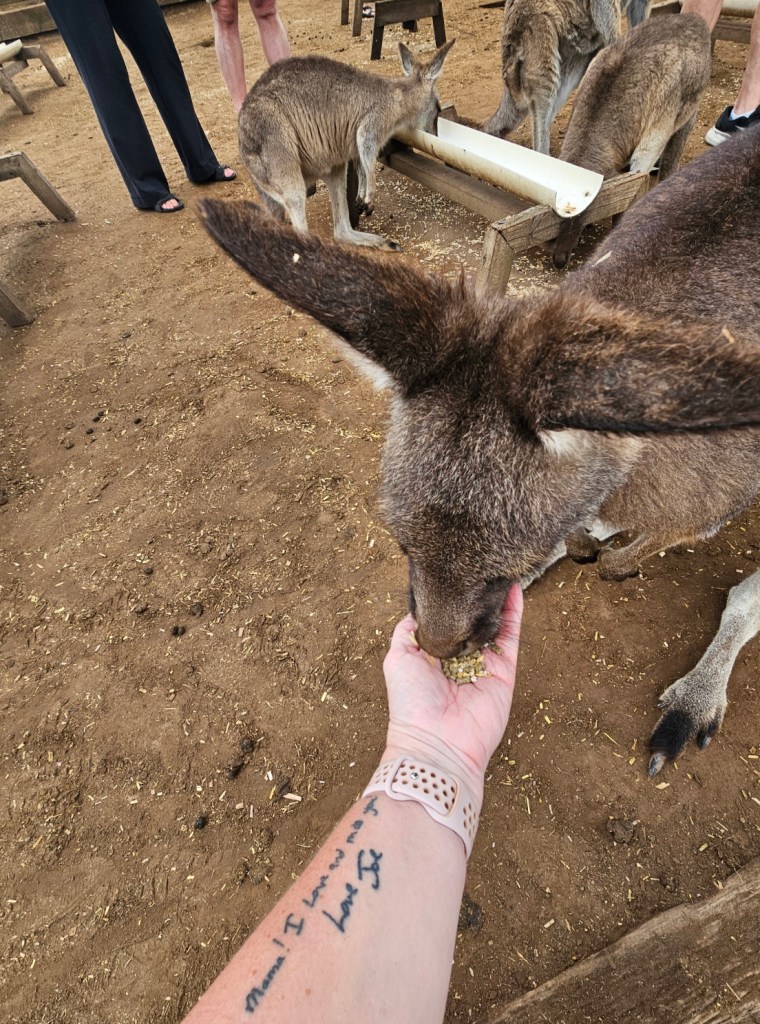
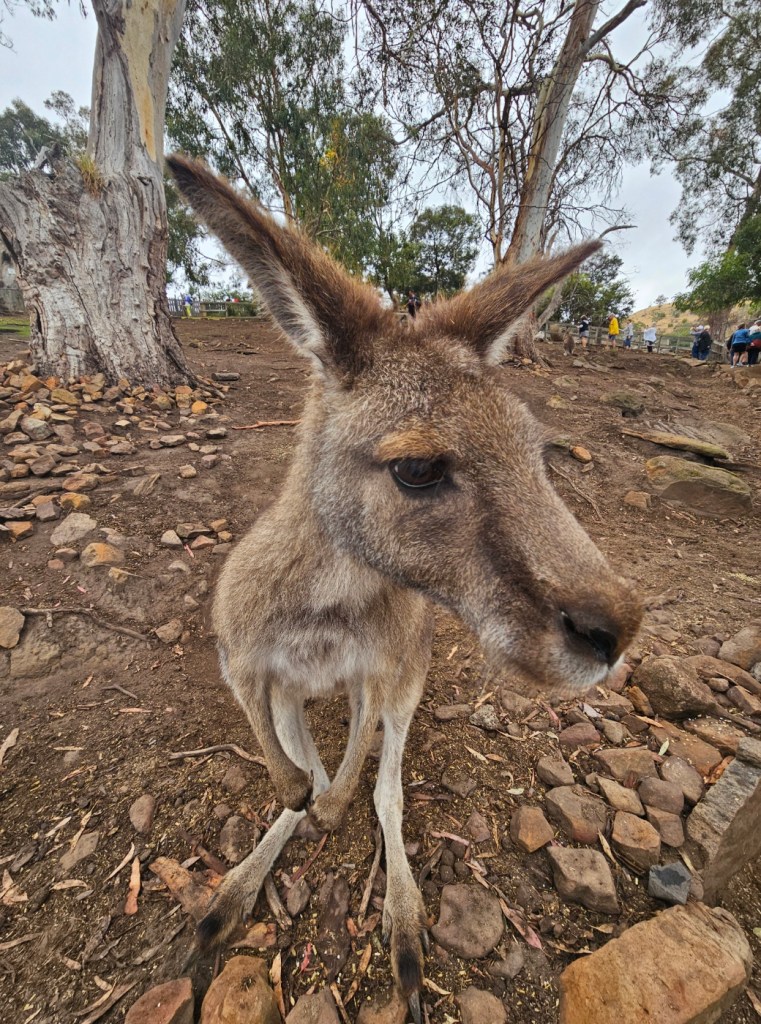
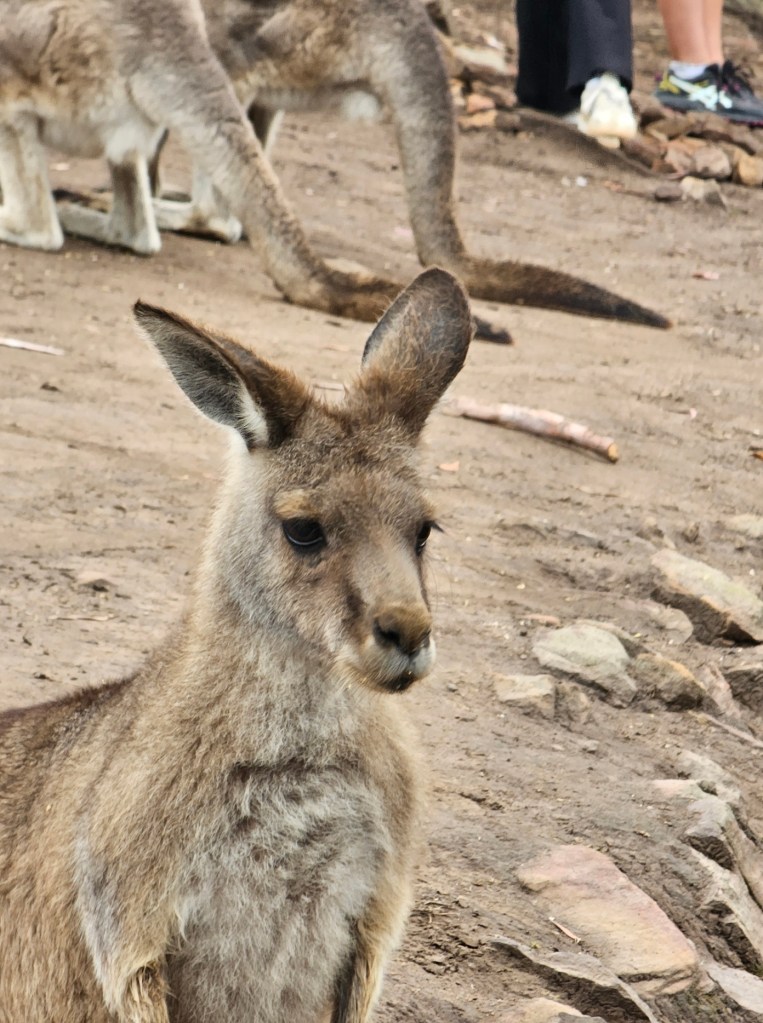
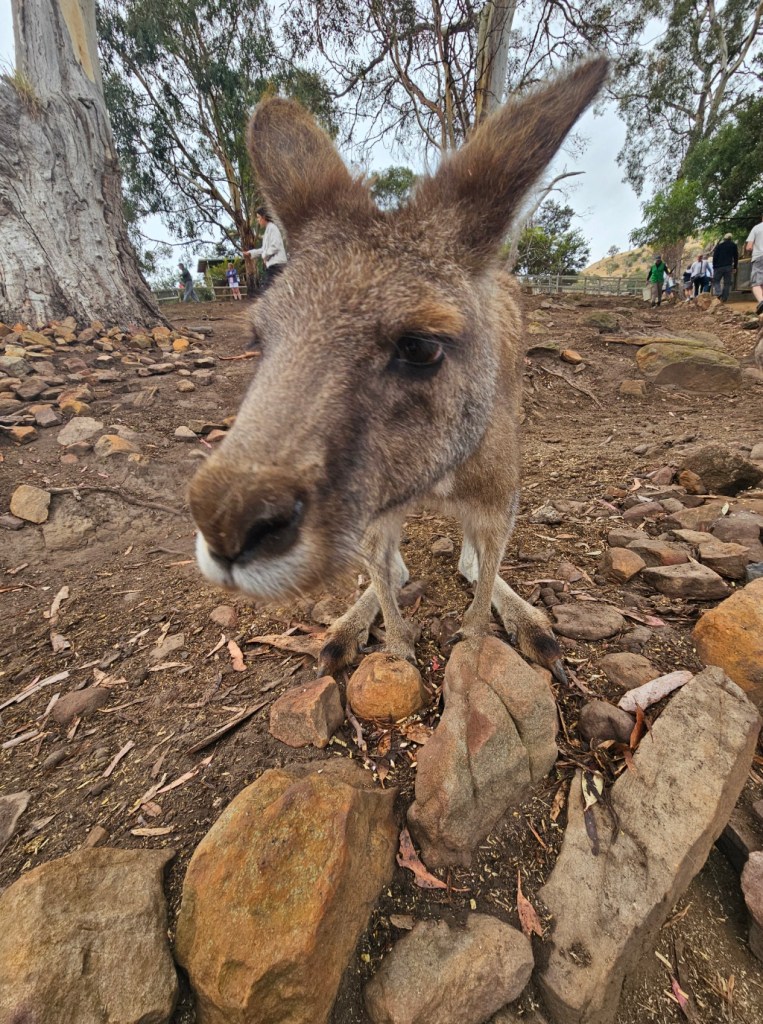
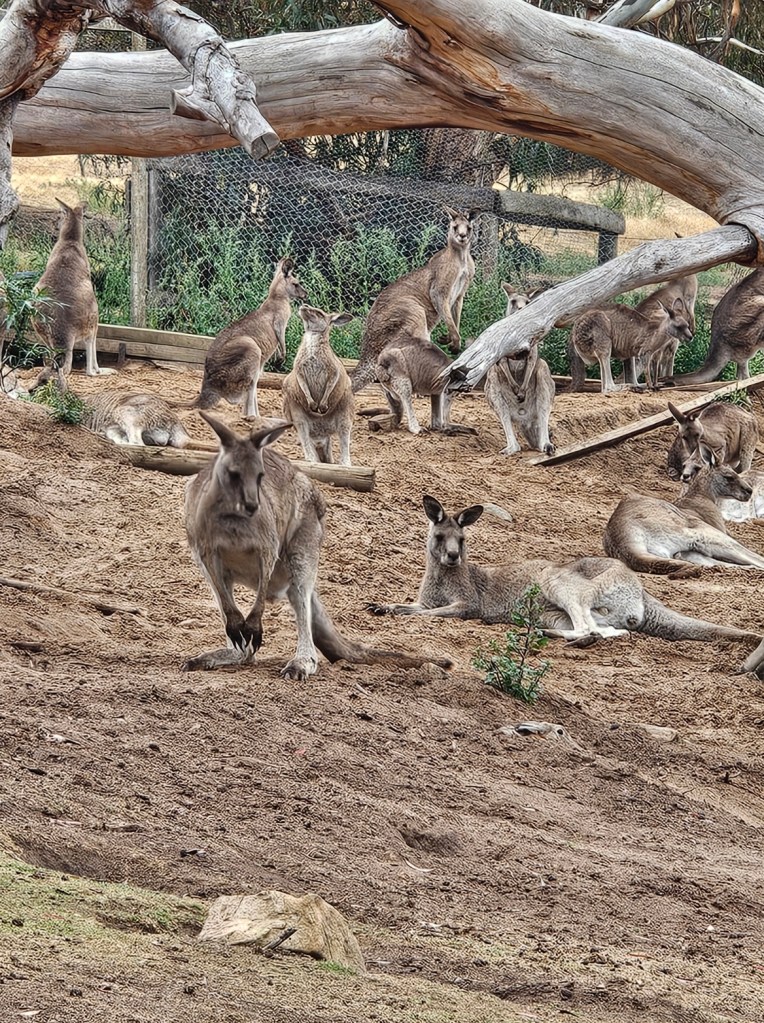
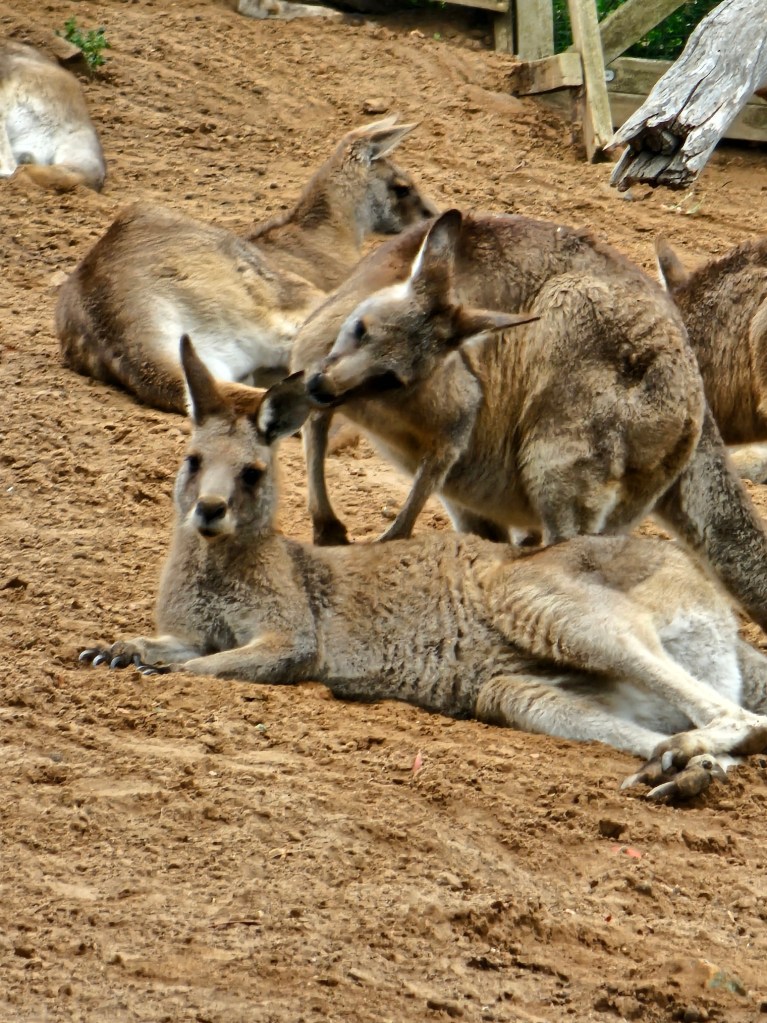
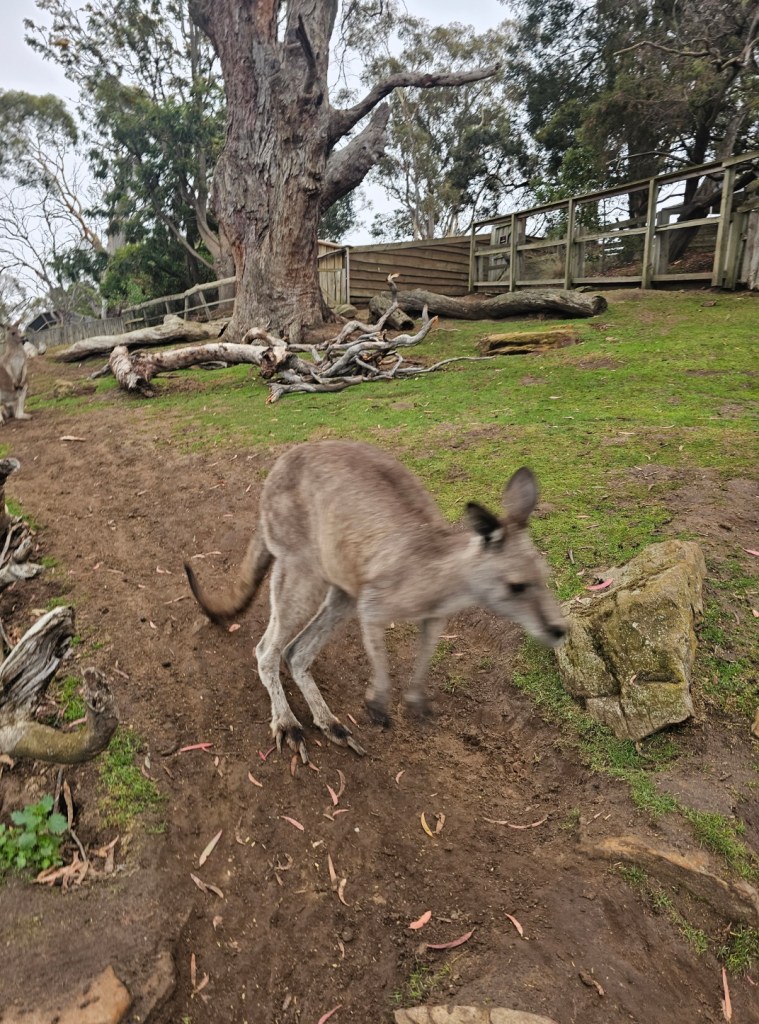
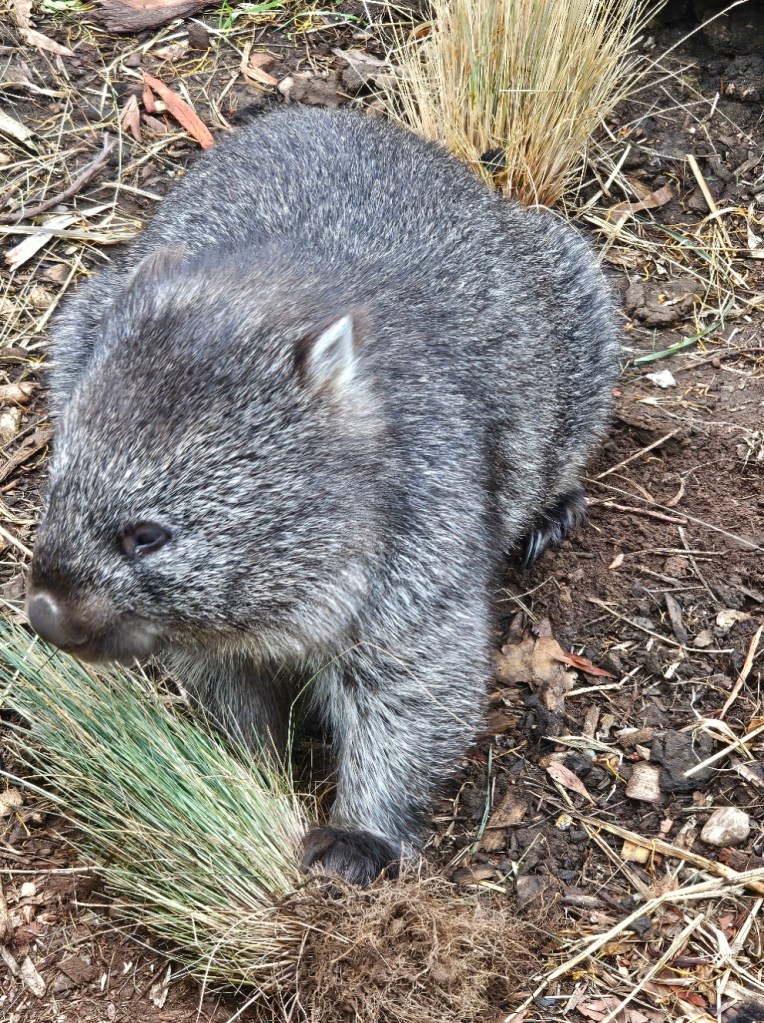
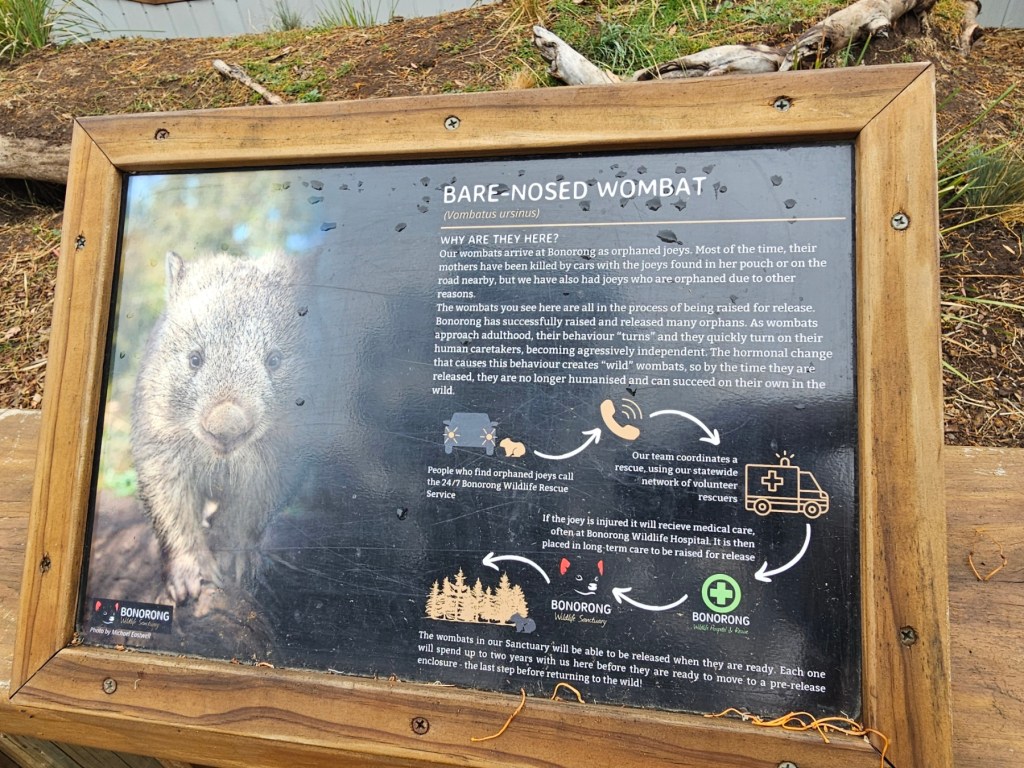
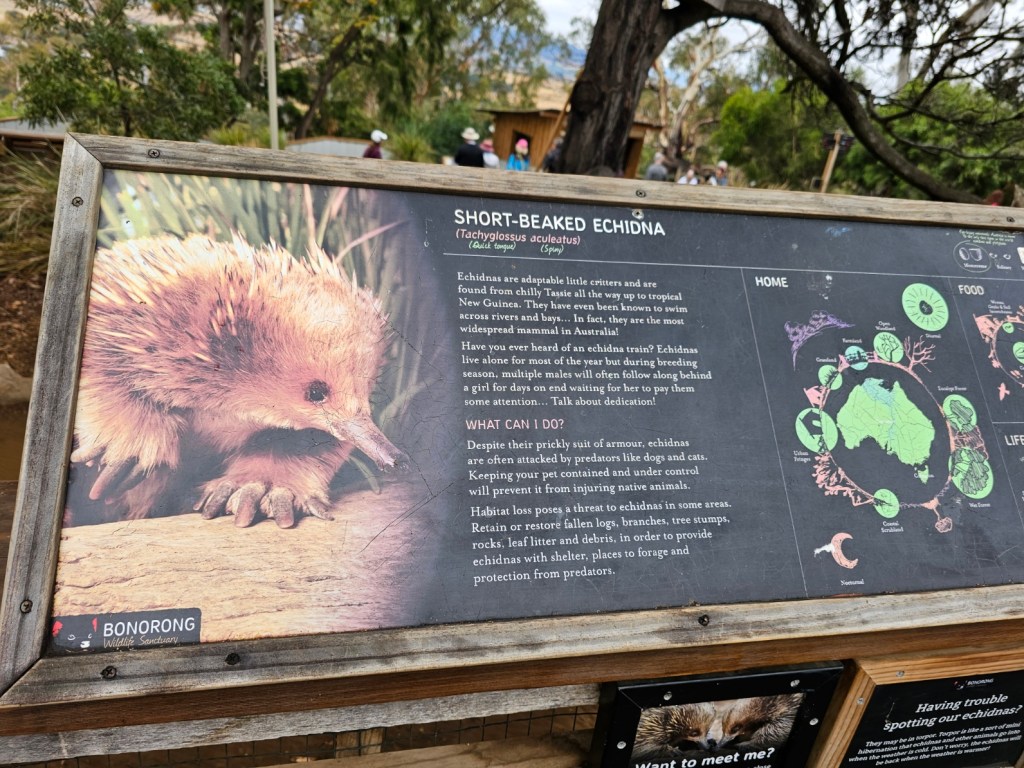
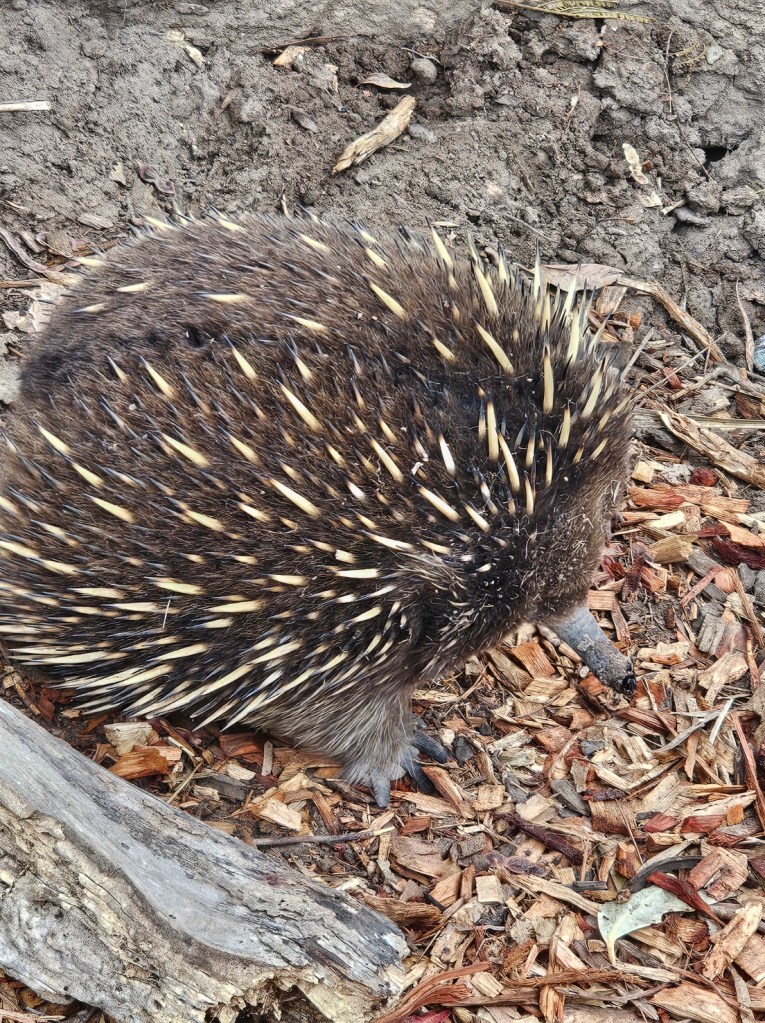
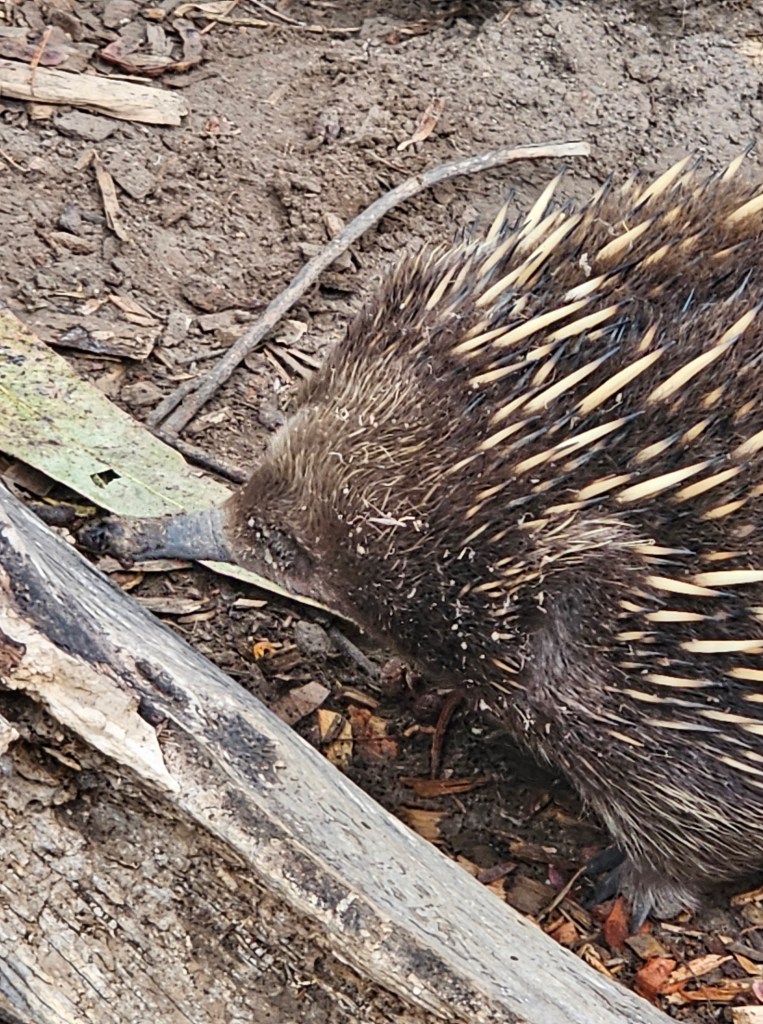
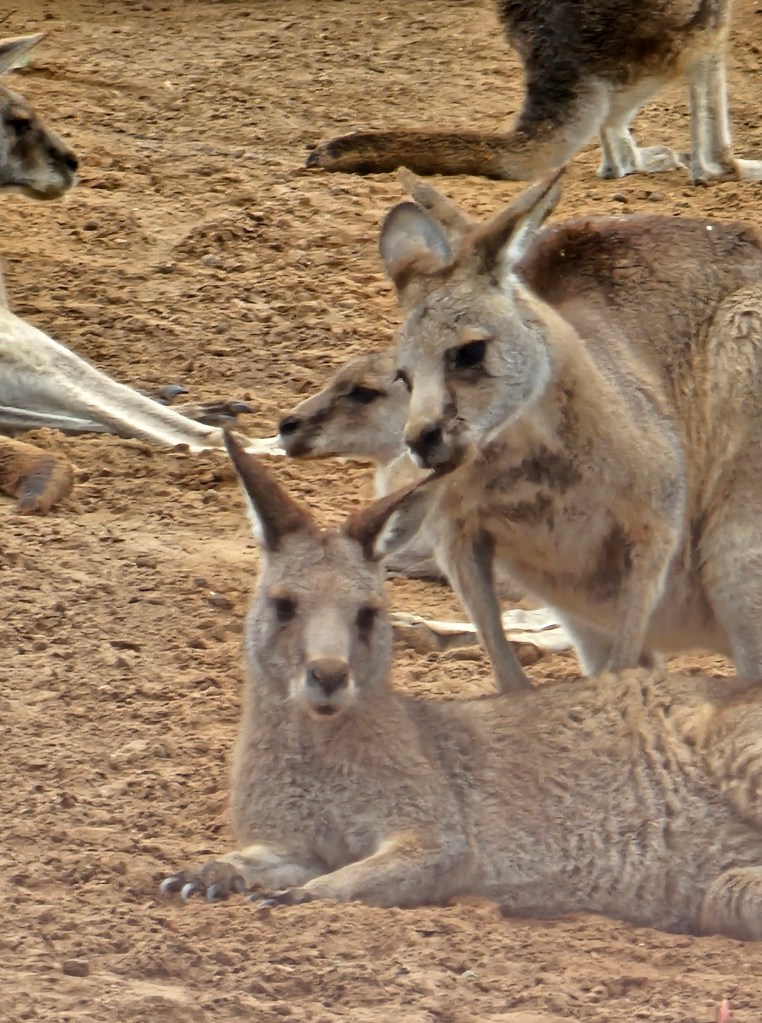
Our first stop was at Bonorong Reserve. Bonorong has 400 volunteers statewide who save animals injured or abandoned. Bonorong is an Aboriginal word for sanctuary. There were kangaroos hopping around everywhere for you to feed and to scratch their chest (they love that because they can’t do it on their own). The back foot of the kangaroo has a long nail that looks like it could disembowel you if they tried hard enough. Wombats with their steel plates in their behinds behind their fur to protect them from predators. Tasmanian devils that look like cute overgrown rodents. They have the strongest jaw strength per pound of any animal in the world. They lost over 70% of the Tasmanian devils in the last 10 years due to a contagious deadly facial tumor disease. They isolated healthy Tasmanian devils to try to build up the population again. Tasmanian devils are marsupials and give birth to 40 young at a time – all about the size of a grain of rice. They only have 4 teats though, so only the four strongest young, able to latch on, are able to survive and grow. The rest are eaten by mom. Tasmanian devils are not predators. They are scavengers. They are the Dyson deluxe of the Tasmanian animal world. They have a great sense of smell and are nocturnal. They eat …. the bones, the teeth, the fur, everything. Many think of the Kookaburra bird when they think of Australia, but they are not native to Australia. They are meat eaters and will eat baby koalas. The three most deadly snakes in the world are found in Australia. In Tasmania, there is also an ant that can be deadly. This was not comforting. There is also the echidna, which looks like a porcupine/anteater cross with a pouch.
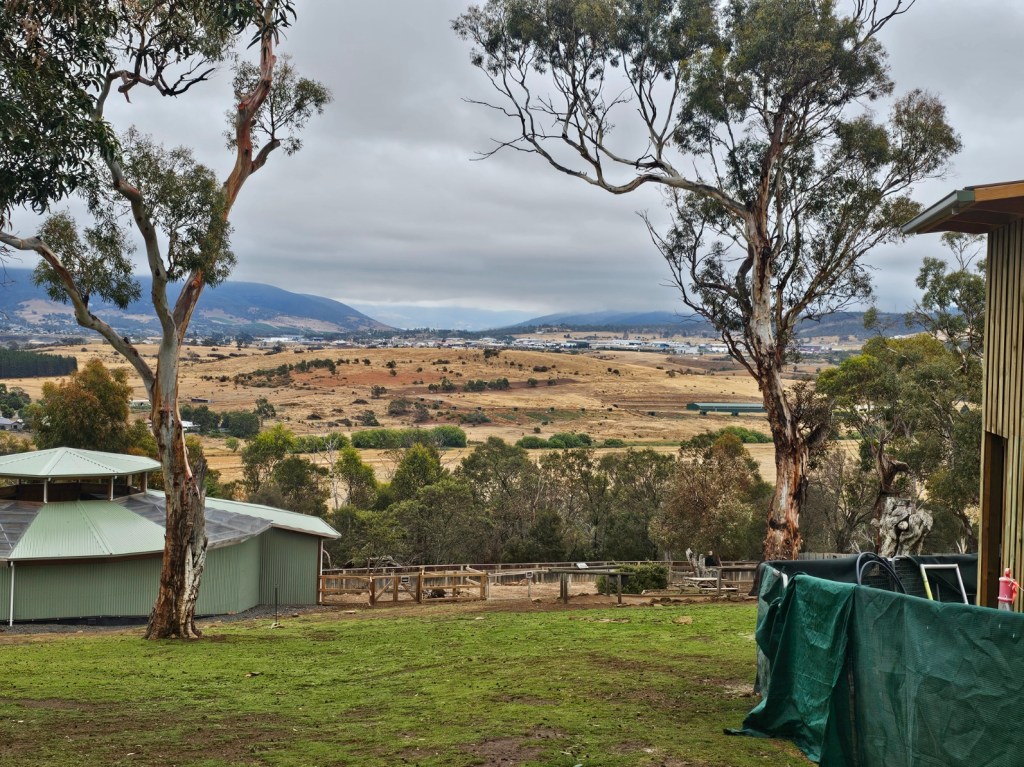
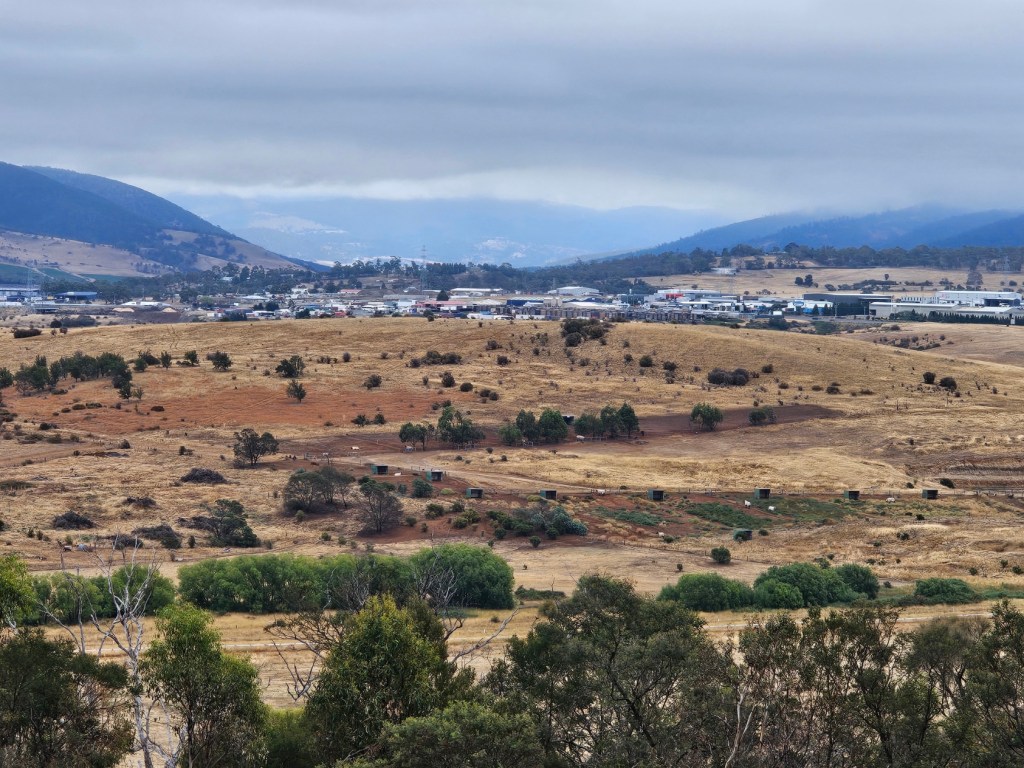
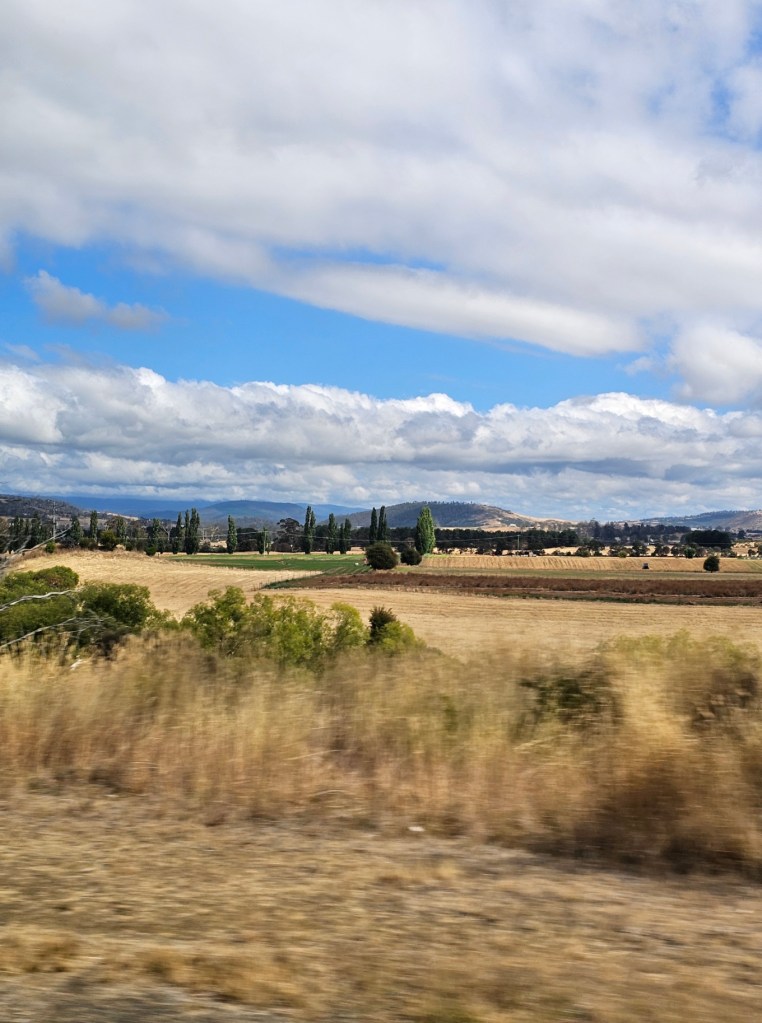
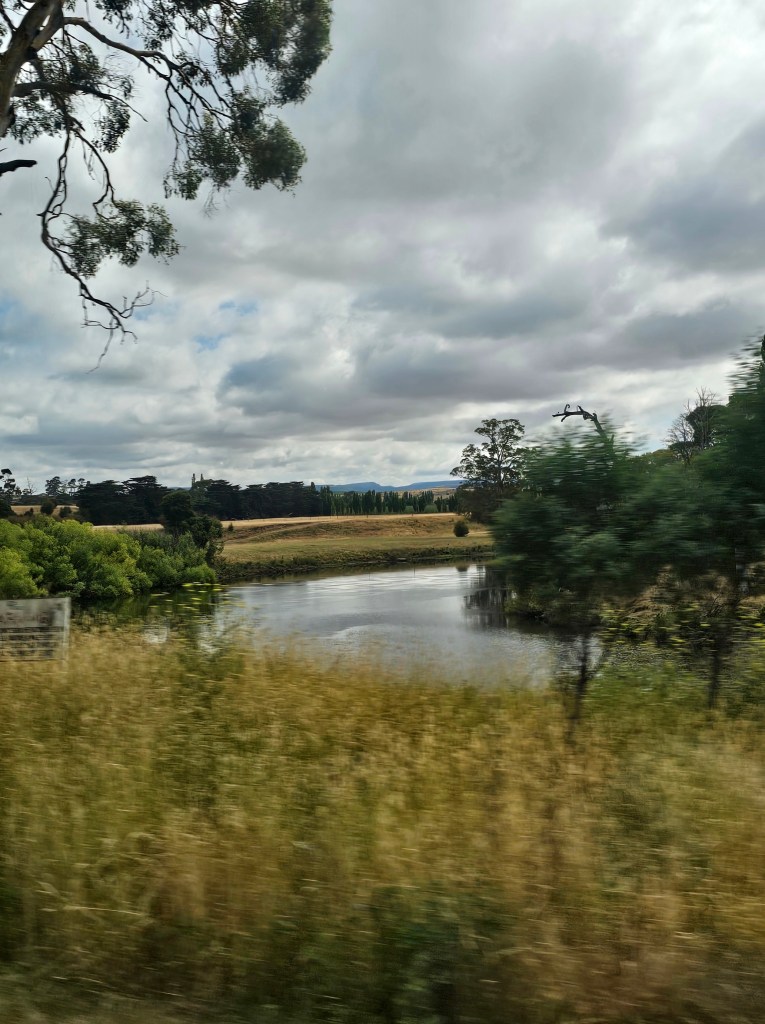
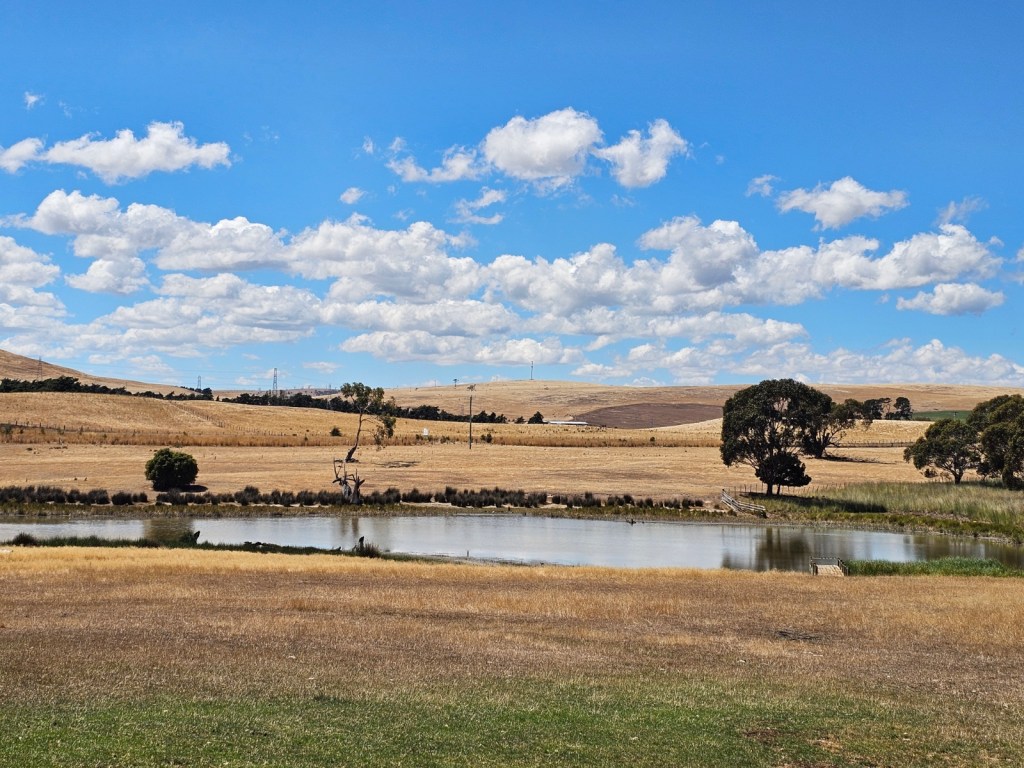
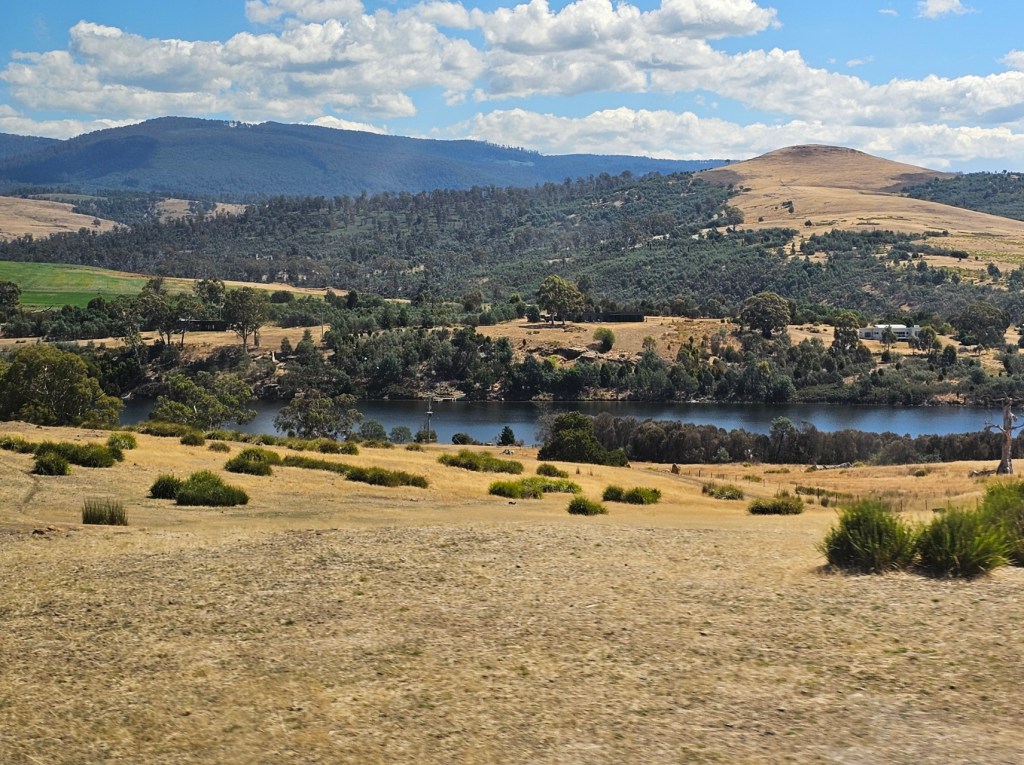
Tasmania is known for having the cleanest air in the world. Prevailing winds come from the west and the nearest land mass to the west of Tasmania is 17,800 km away in Chile. It does also have the highest incidence of melanoma due to the sunny conditions. There is a papermill in Hobart that produces 12 million tons of paper (Boyer). The Boyer paper mill have plantations of of pine trees. They have a special kind of tree with branches and leaves that have increased oil to make magazine paper. The logs are then sent away as timber. New Norfolk is a town nearby that used to house the mental institution. They call the town the “New Norfolk Nutters”. It is also known as Australia’s tidiest town. There is a pub there called the Bush Inn and it is the oldest pub in Australia. The River Durwin is freshwater starting at the bridge near the port. It is fed by Lake Sinclair, and is the deepest river in the southern hemisphere. It is 18 m across but 186 m deep. It feeds the River Durwin for 250 km and there are many dm systems for irrigation along the way. The water is so clear and clean, you can drink it. Apples and sheep are the primary agricultural products. If Tasmania was a country, it would be the 25th richest country in the world per capita. the DBP is $50,000 per person. In the 1980’s the liberal government put dams on the river system, allowing for hydroelectric power and it stopped flooding. River Durwin has 30 dams and even though the river looks like it flows at a leisurely pace, it flows at 92 cm/sec. Tasmania has some of the cleanest energy in the world. Zinc and aluminum plants stay here due to the abundance of electricity needed to make their products. There are also salmon ponds with the oldest known hatchery in the southern hemisphere. In the 1850’s, trout and salmon eggs were transported from Europe to Tasmania in bee hive combs to establish hatcheries. Seafood is #6 on the GDP. In the 1970’s farm salmon in pens became popular and now are sold to over 22 countries. The area around Hobart, Tasmania is also the hops capital of the world. They have cold winter nights and good irrigation, which is perfect for growing hops. They were brought here from Germany and just flourished. One crop I was really surprised about was poppy plants. Tasmania supplies 50% of the world’s legalized opioids. The only other place that produces more is Afghanistan and much of that is illegal.
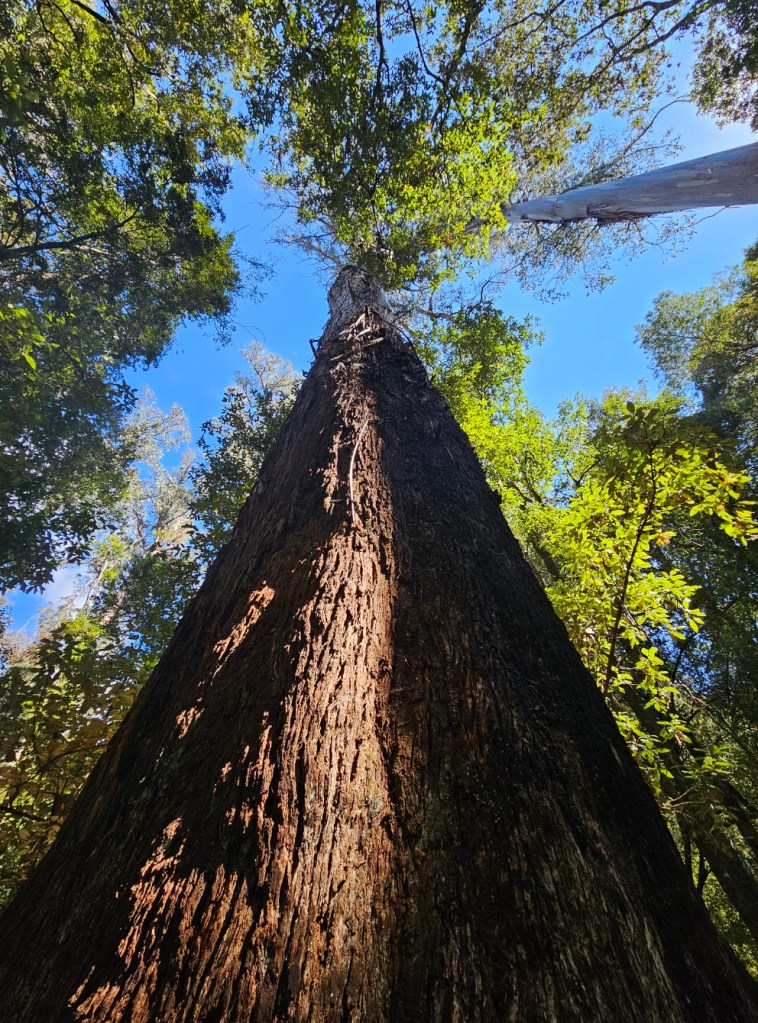
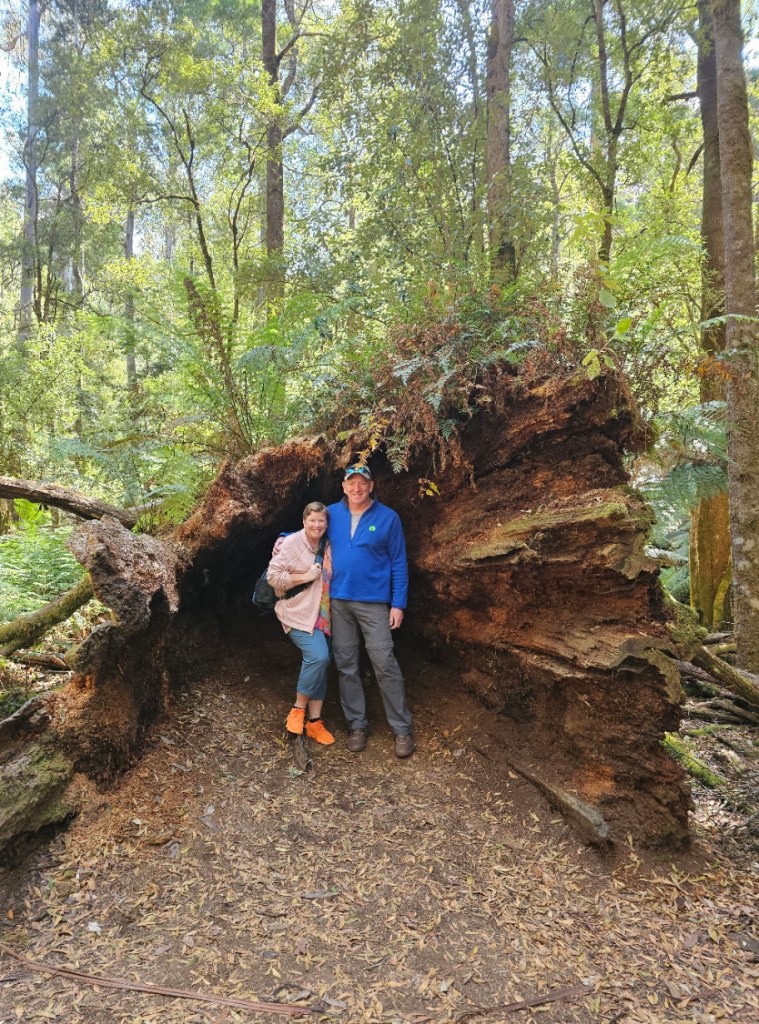
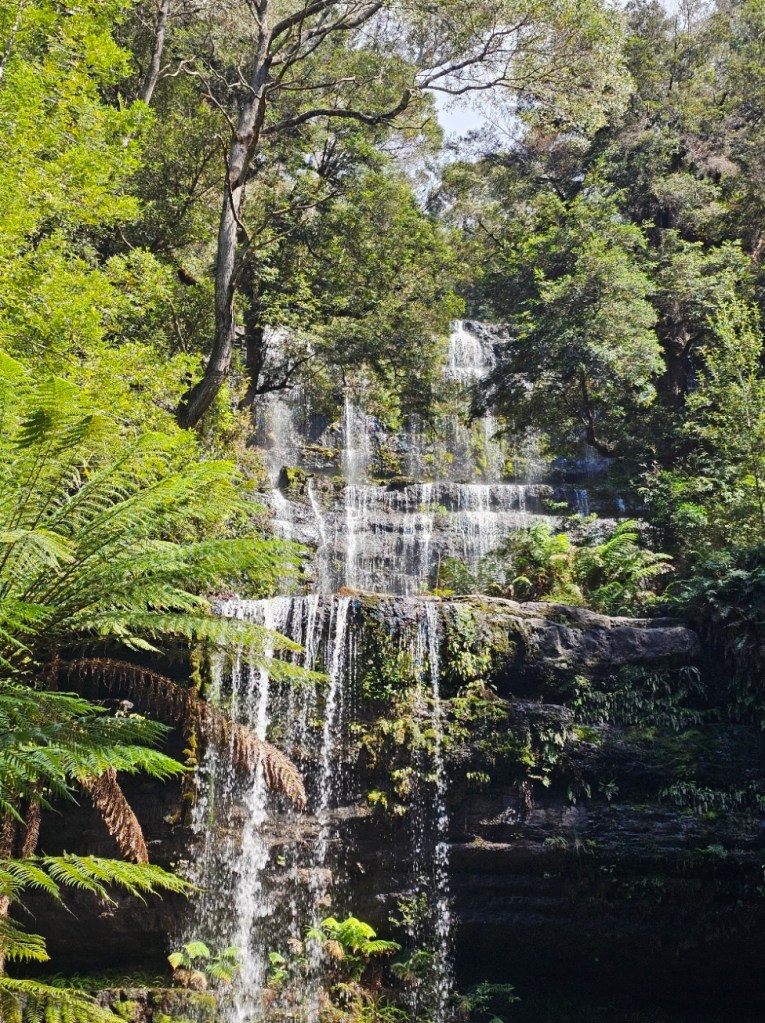
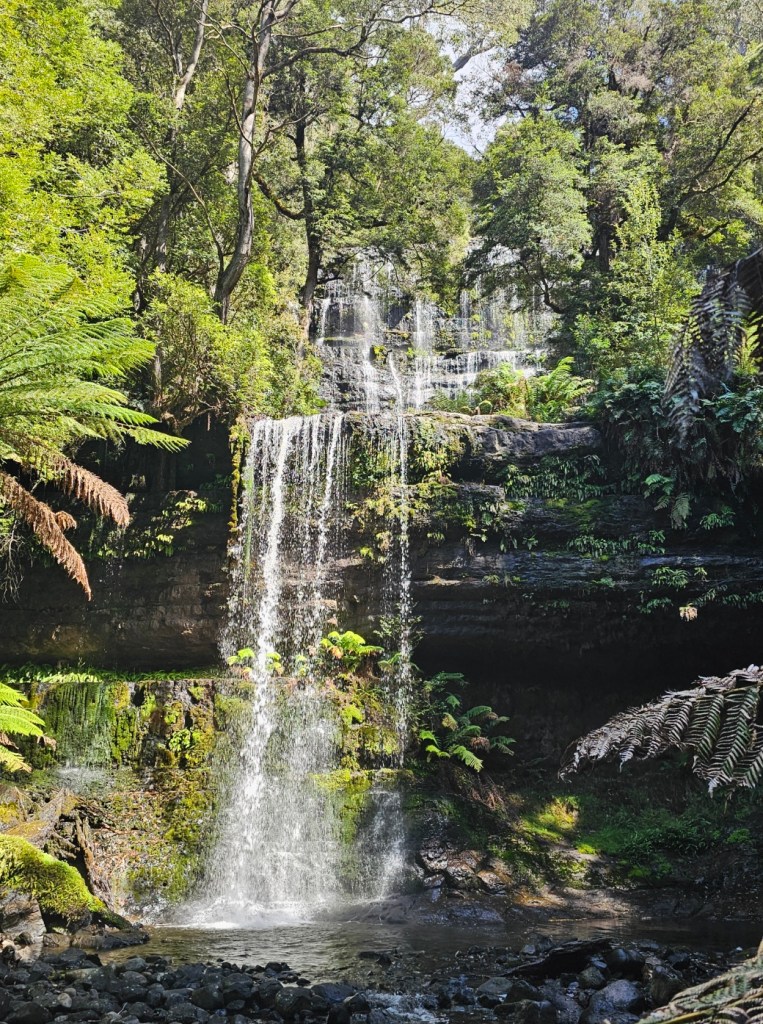
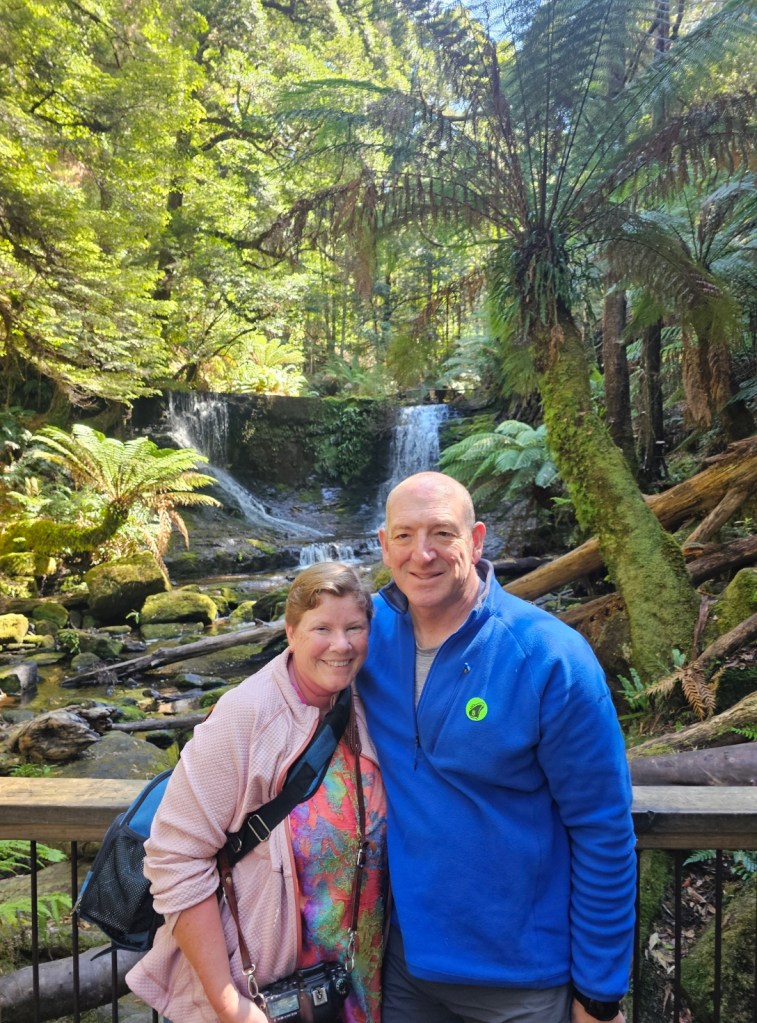
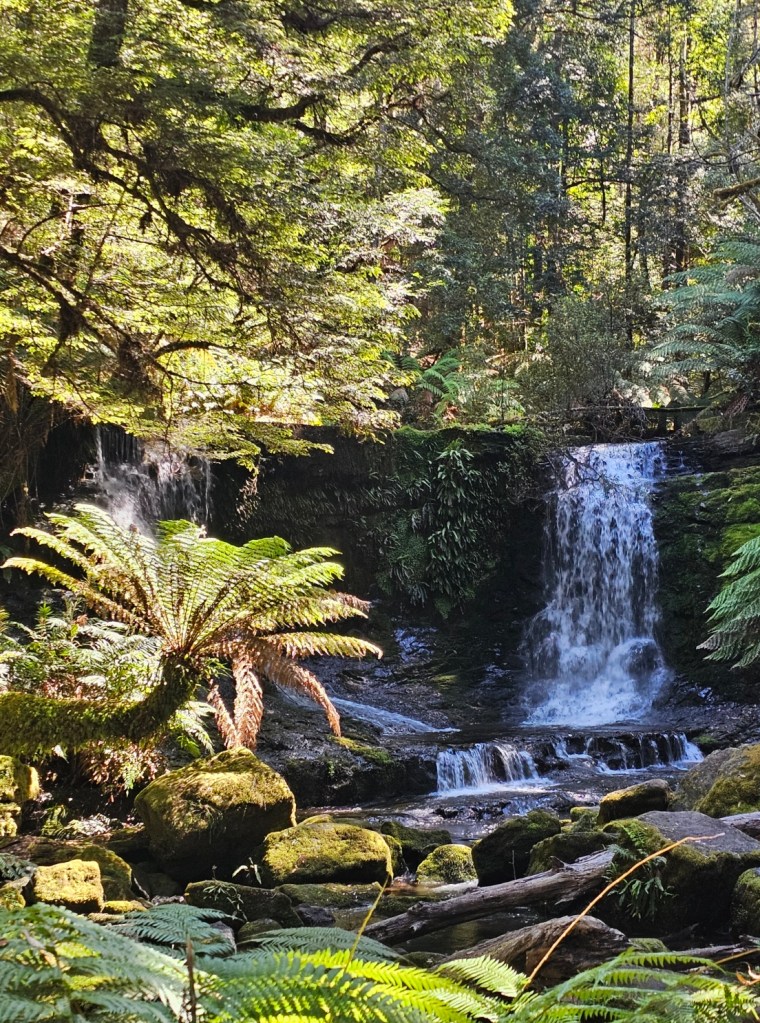
Our next stop was at Bushy Park and Russell Falls. Mount Field National Park is one of Tasmania’s oldest national parks. It is a cool temperate rain forest – one of the only in the world. We hiked into the national park and were only given an hour to explore. We felt we could have spent even longer exploring the area. Berries and cherries are grown in this region. There is a golf ball sized cherry that the Chinese like to serve during Chinese New Year. It grows perfectly in this region. They are sold for a dollar a piece. Japan likes a specific strawberry that is red on top and white on the bottom. They grow well here due to the colder nights, which make berries sweeter.
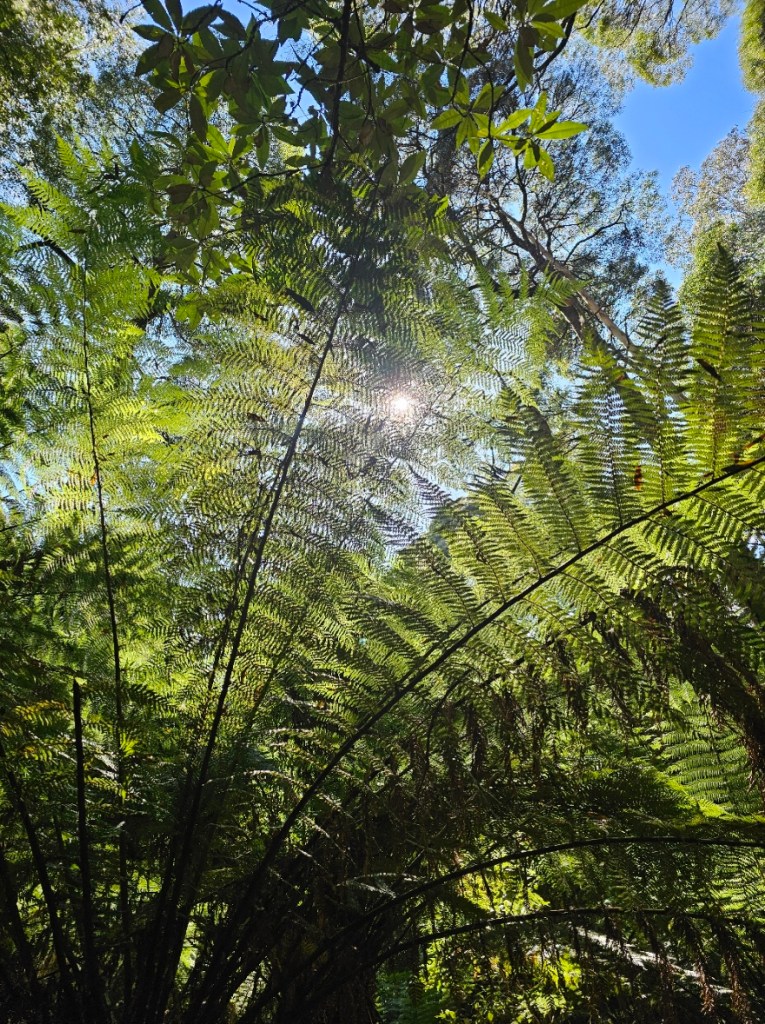
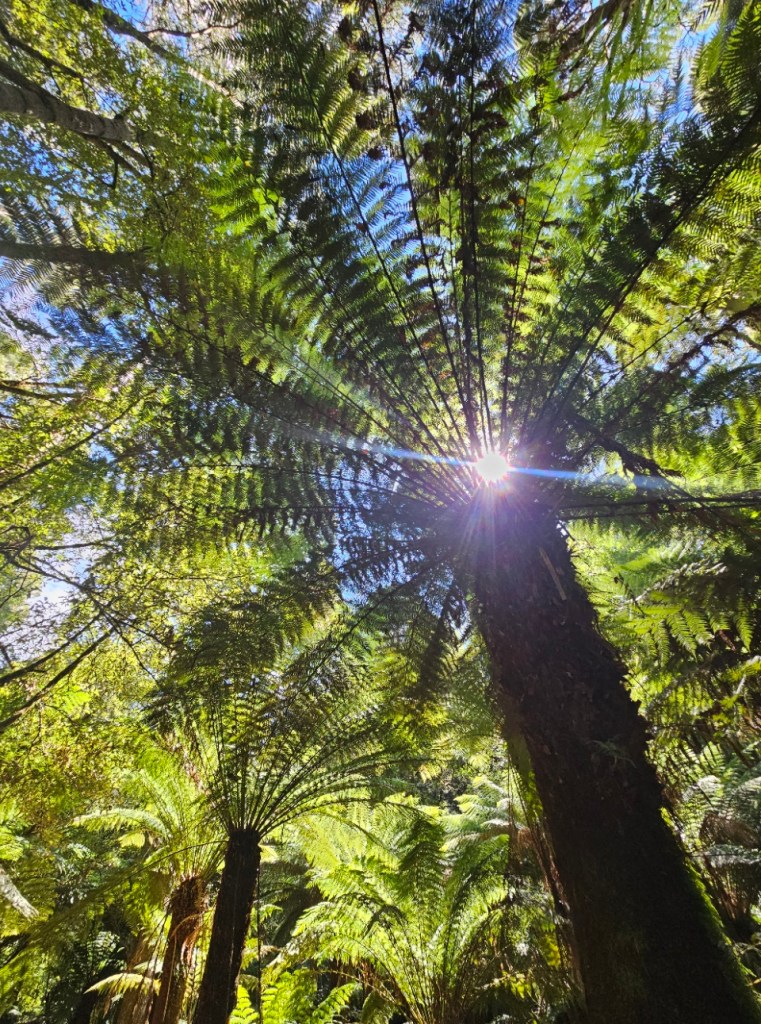
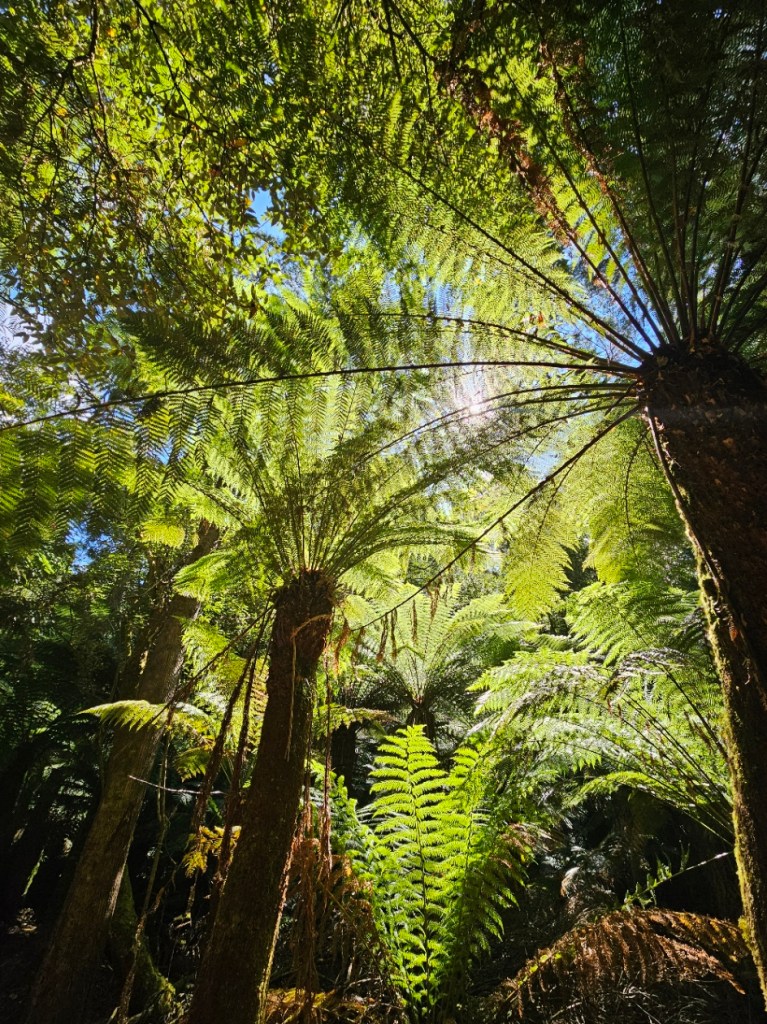
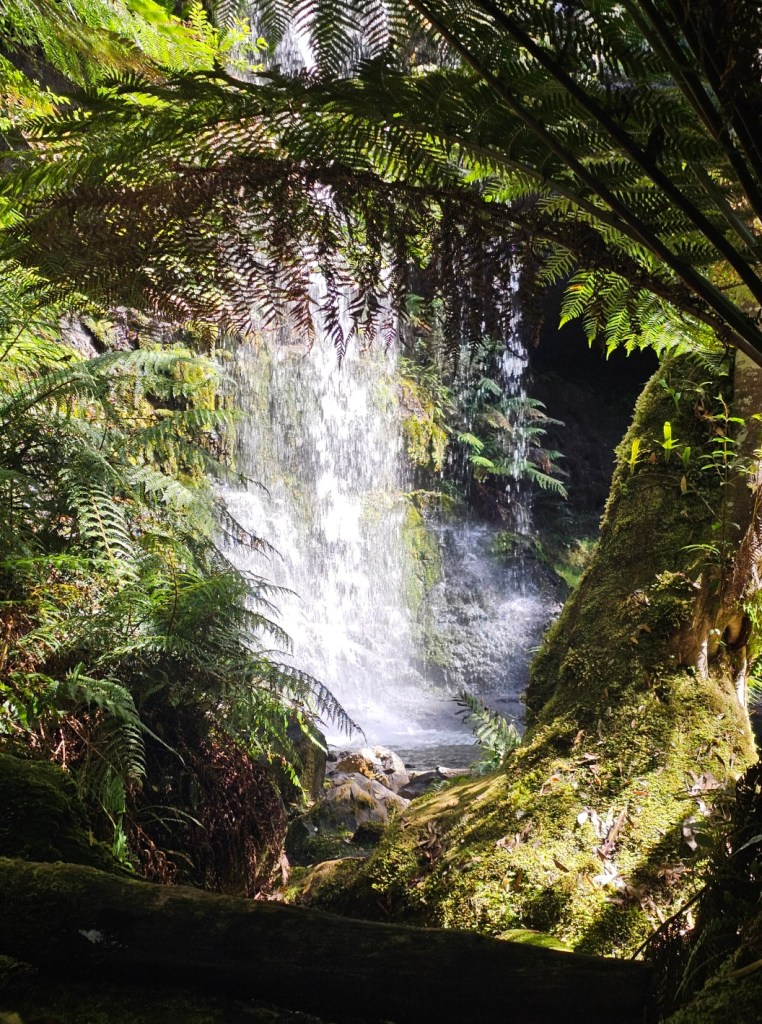
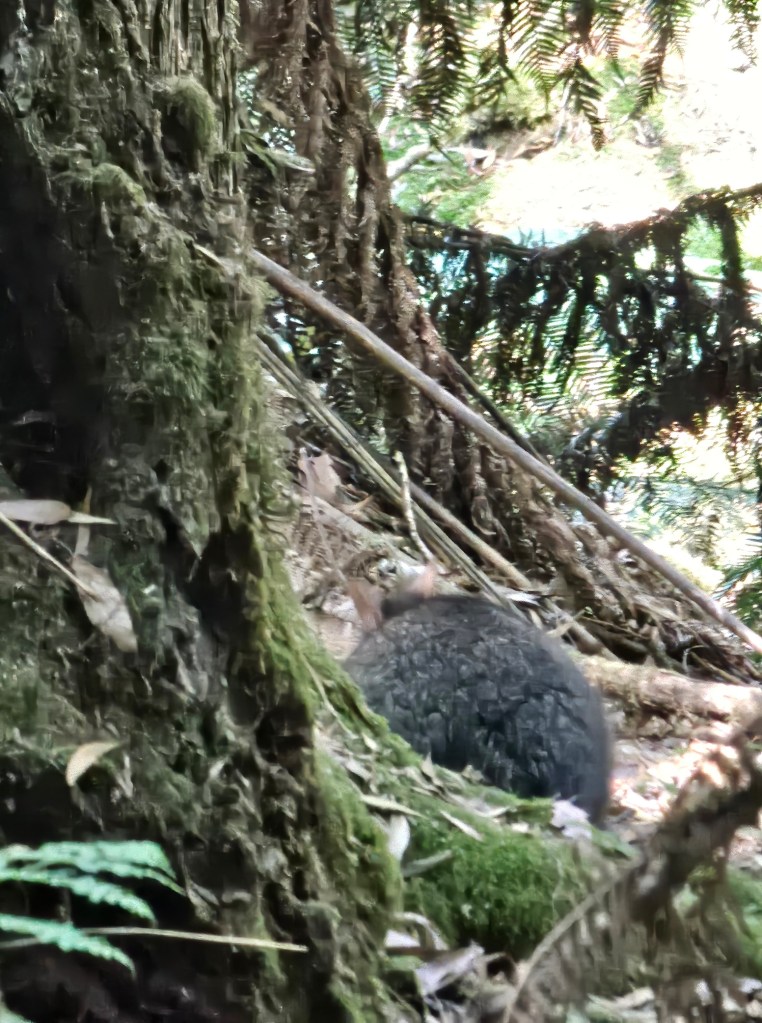
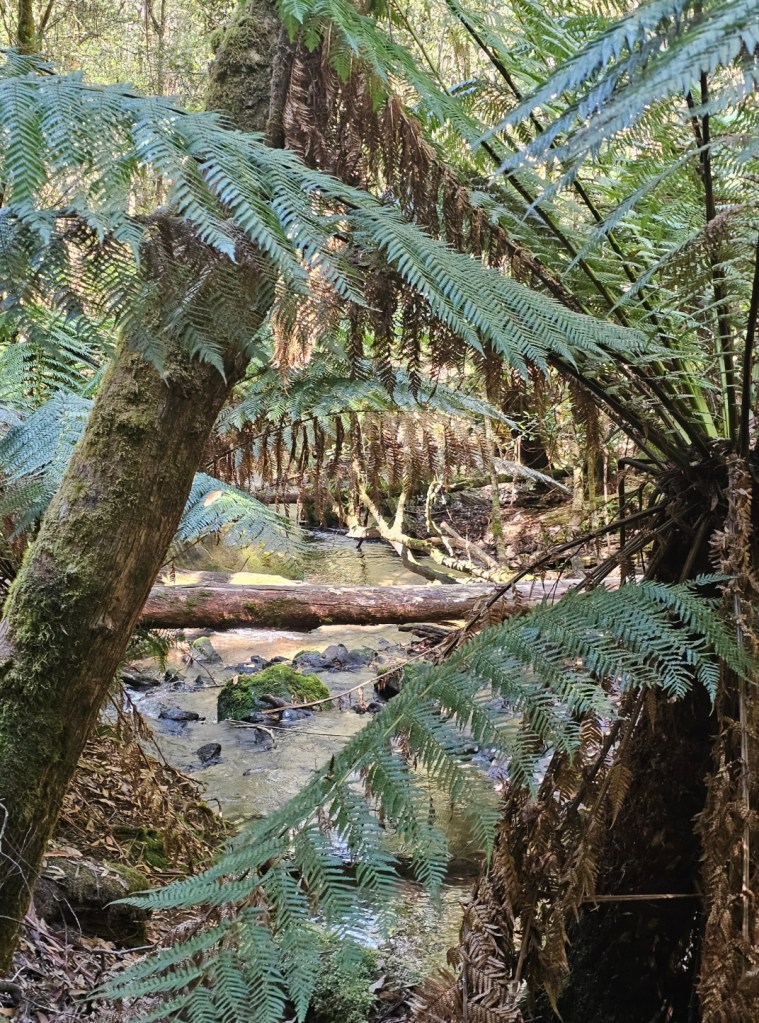
Marbles talked extensively about “the sins of our fathers” in our day with him. The Tasmanian tiger once roamed Tasmania as a native animal for over 6 million years. in 1803 white men arrived in Tasmania and within 150 years, the Tasmanian tiger was extinct. The white people also killed off the indigenous people. The last full blooded Aboriginal person died in 1936. Some died through conflict, but the main killer was the diseases that the white men brought with them that they had no way to fight off. Their immune system was very poor. The white people brought the common cold, measles and the chicken pox. They killed off 75% of the indigenous people through disease – the remaining 25% through conflict. The “Sins of the Father” is a concept drilled into kids at an early age. Australians are big into conservation. Tasmanians are easy going people. They tend to turn down prosperity and big companies in order to save natural Tasmania. Tasmania is considered the “battery of Australia” due to all its electricity. There is almost 15 hours of sunlight a day, so solar cells on houses are common. They sell the extra electricity to the state. Even though it is cooler in this area, solar power doesn’t get affected by heat but only by sunlight, which is in great abundance. Bushfires are the biggest threat – especially with the northern winds. In Australia, when you turn 67, you go on age pension. It used to be 65, but they moved the age up a few years ago.
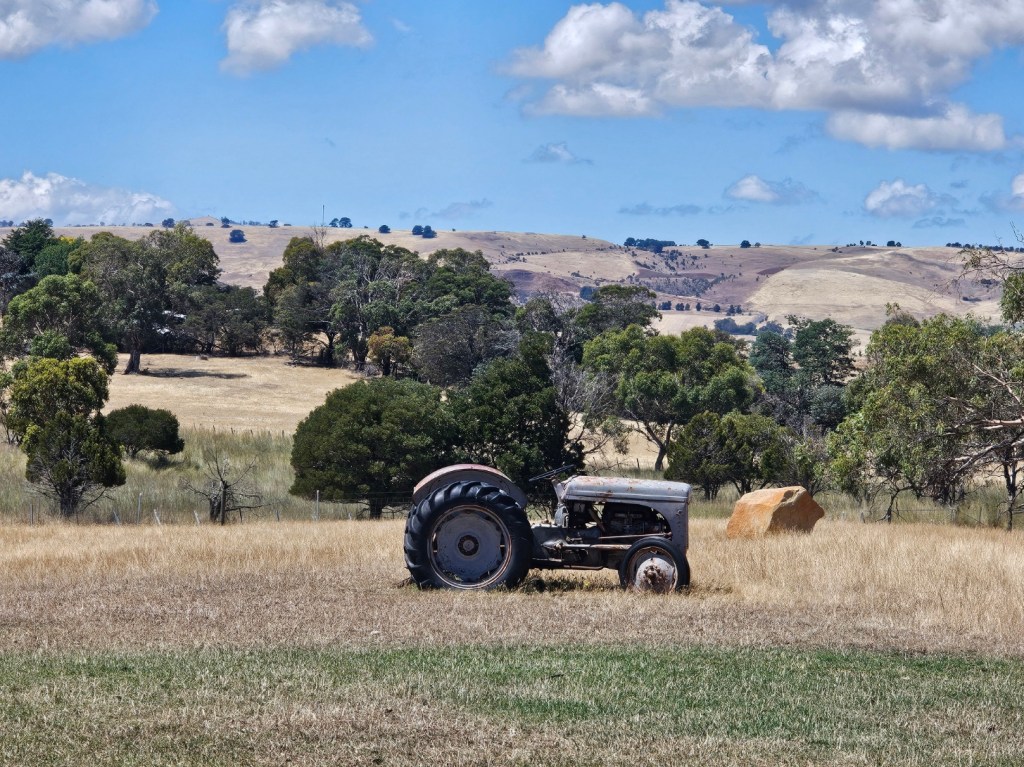
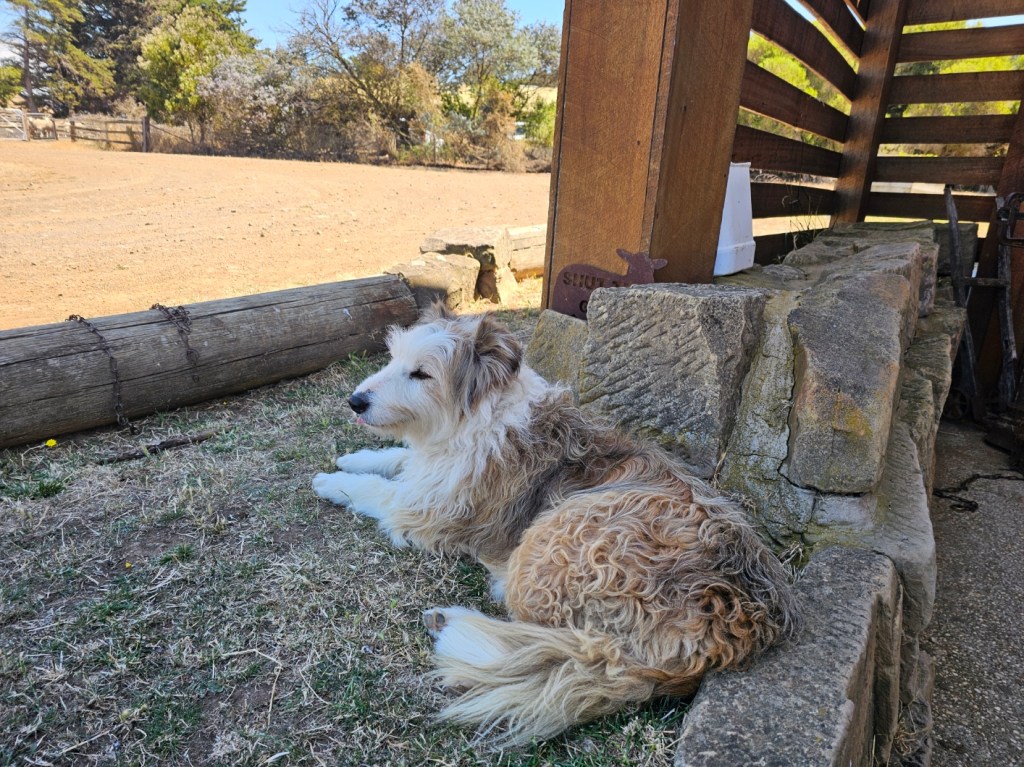
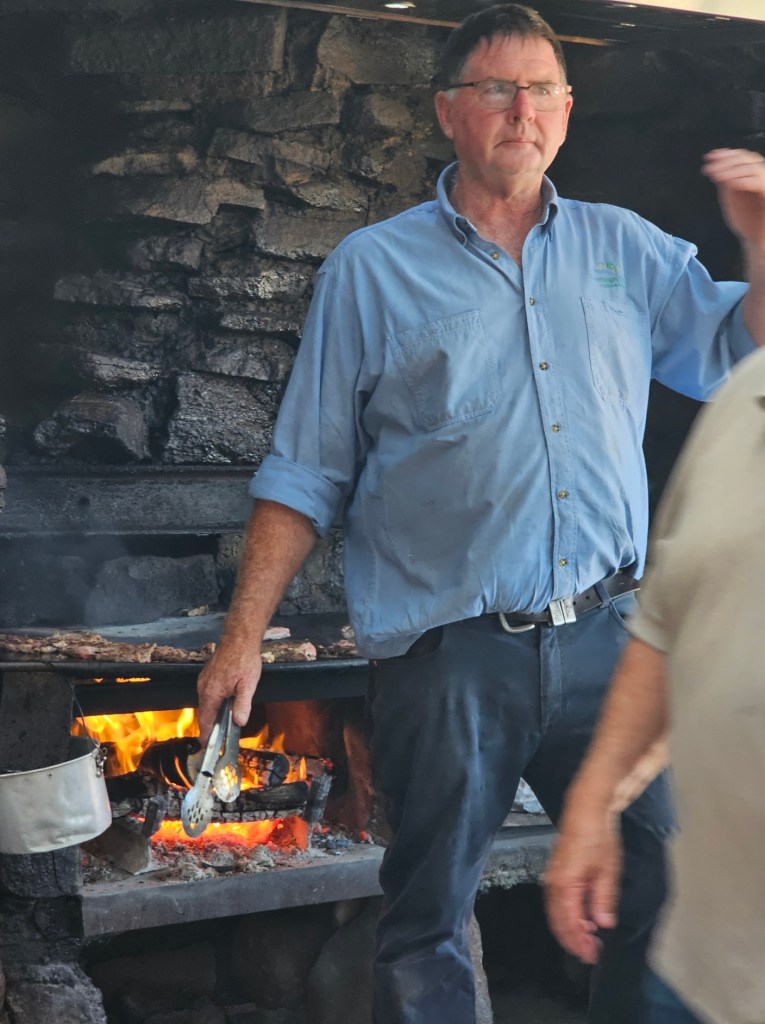
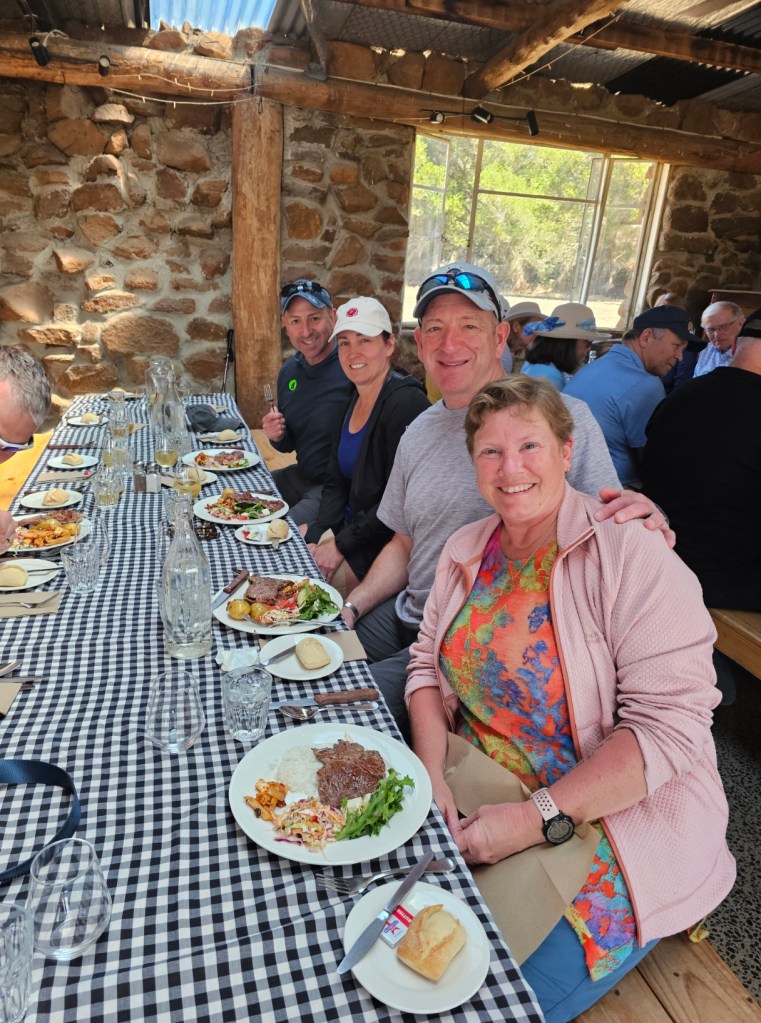
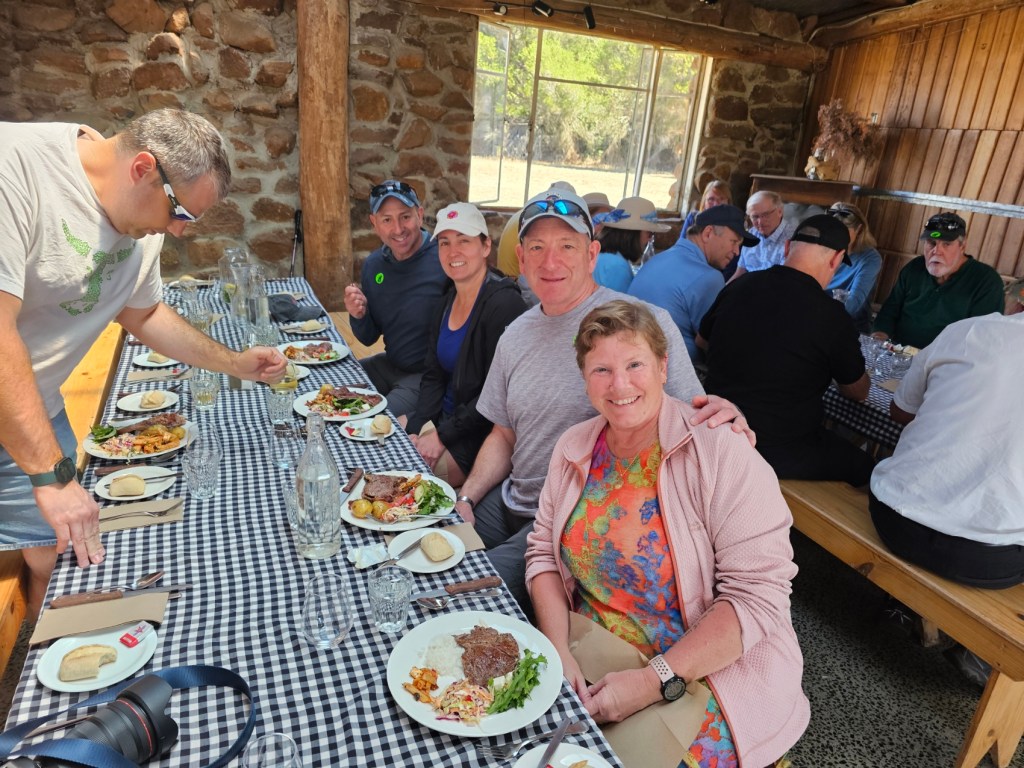
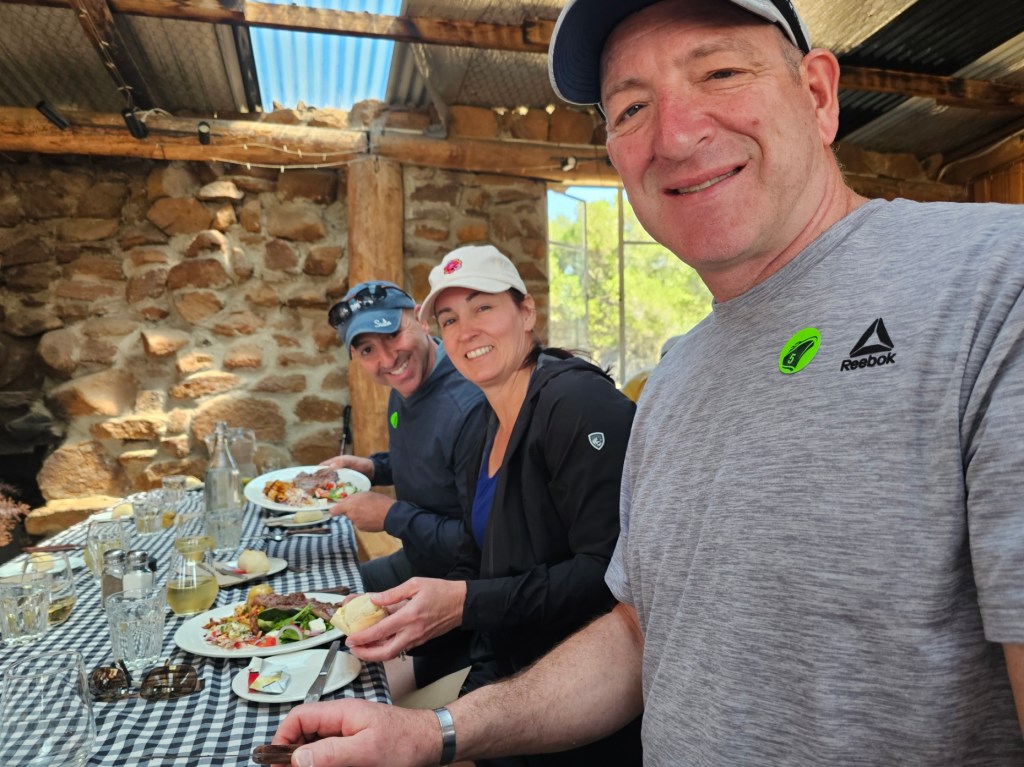
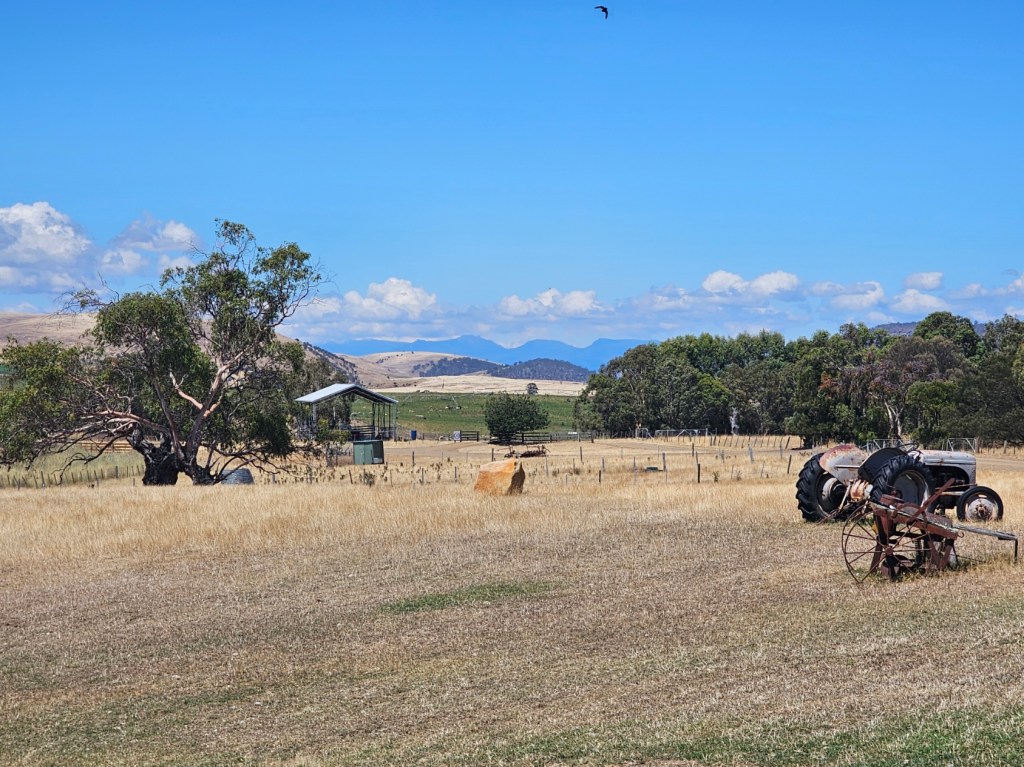
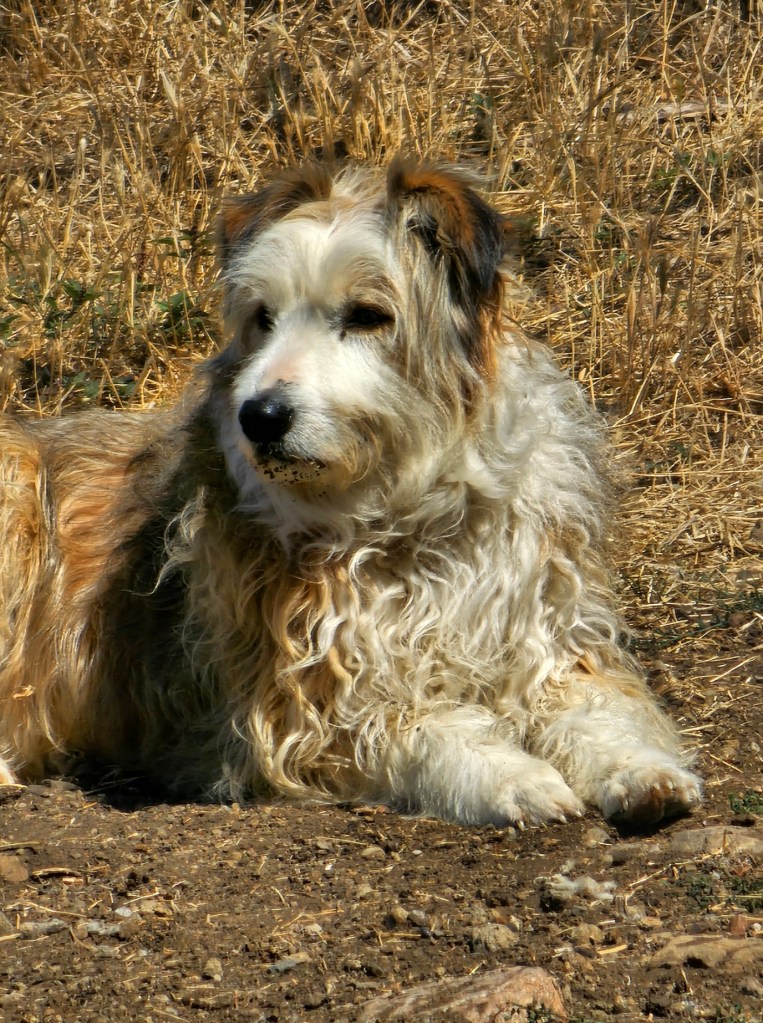
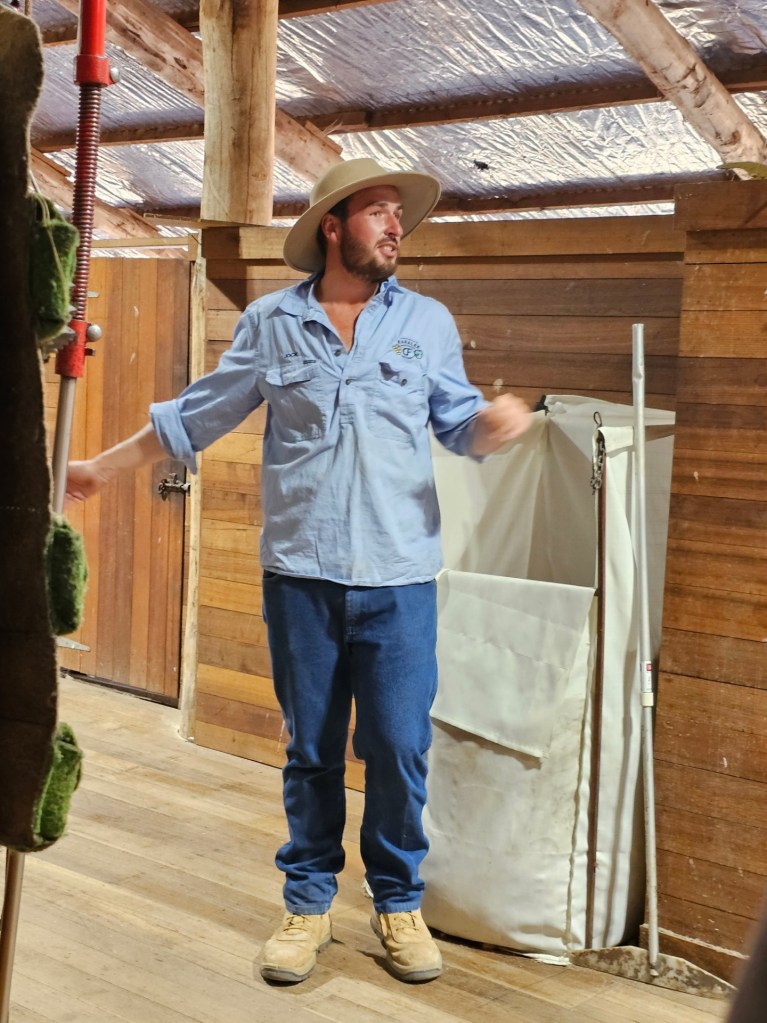
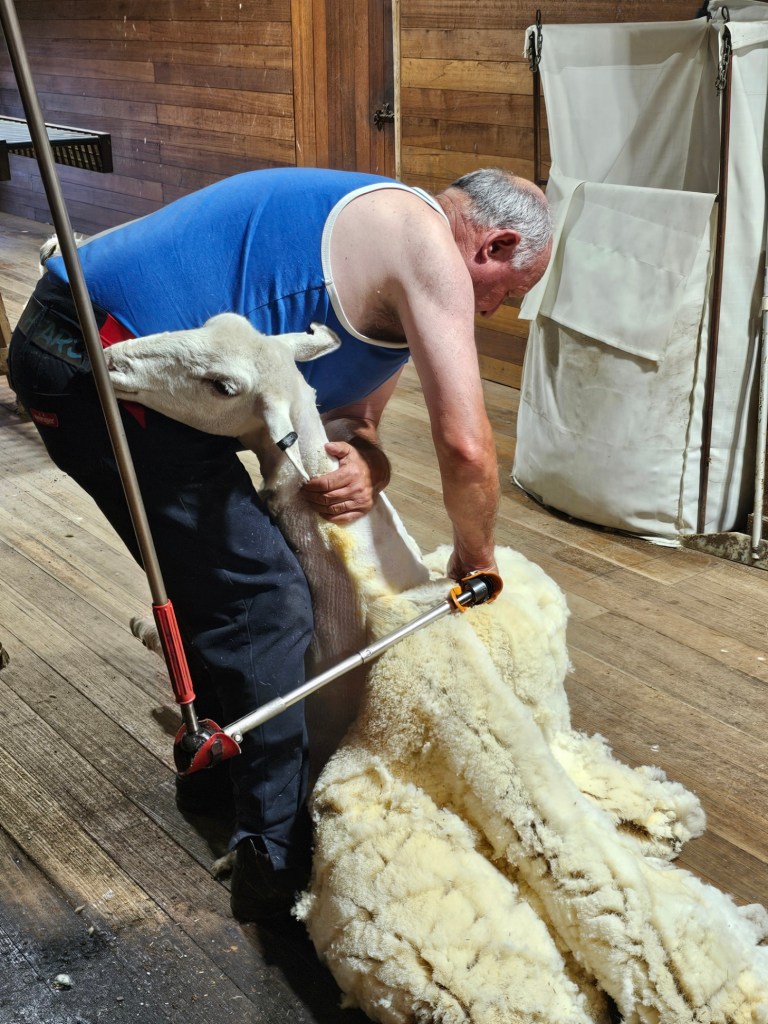
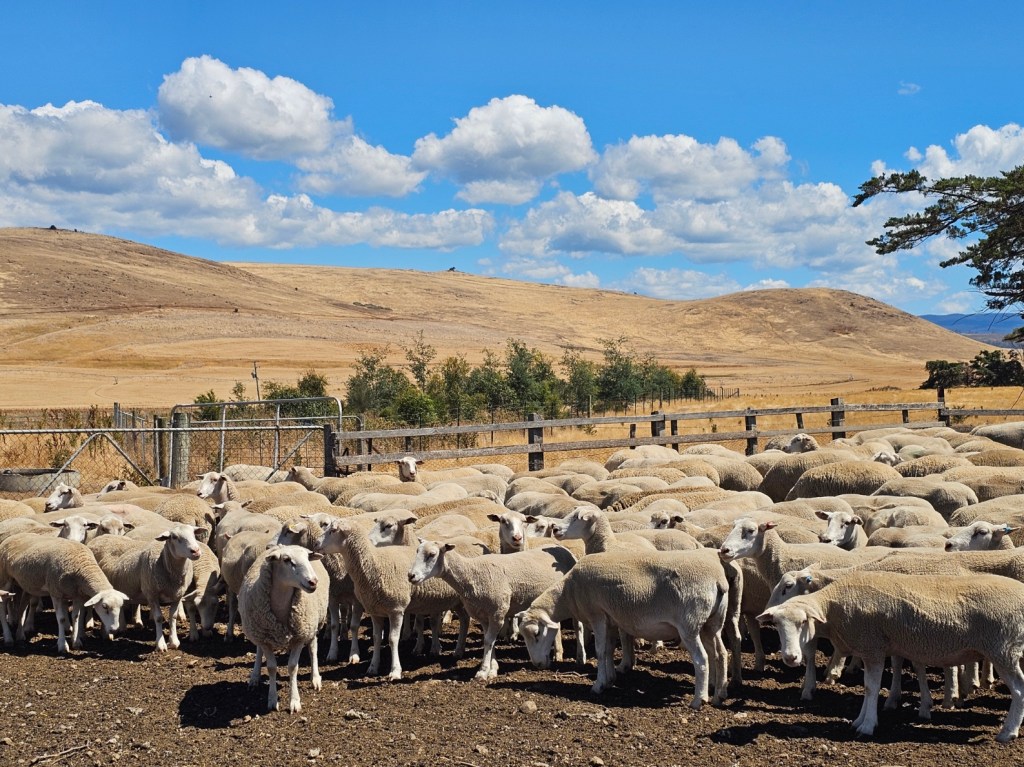
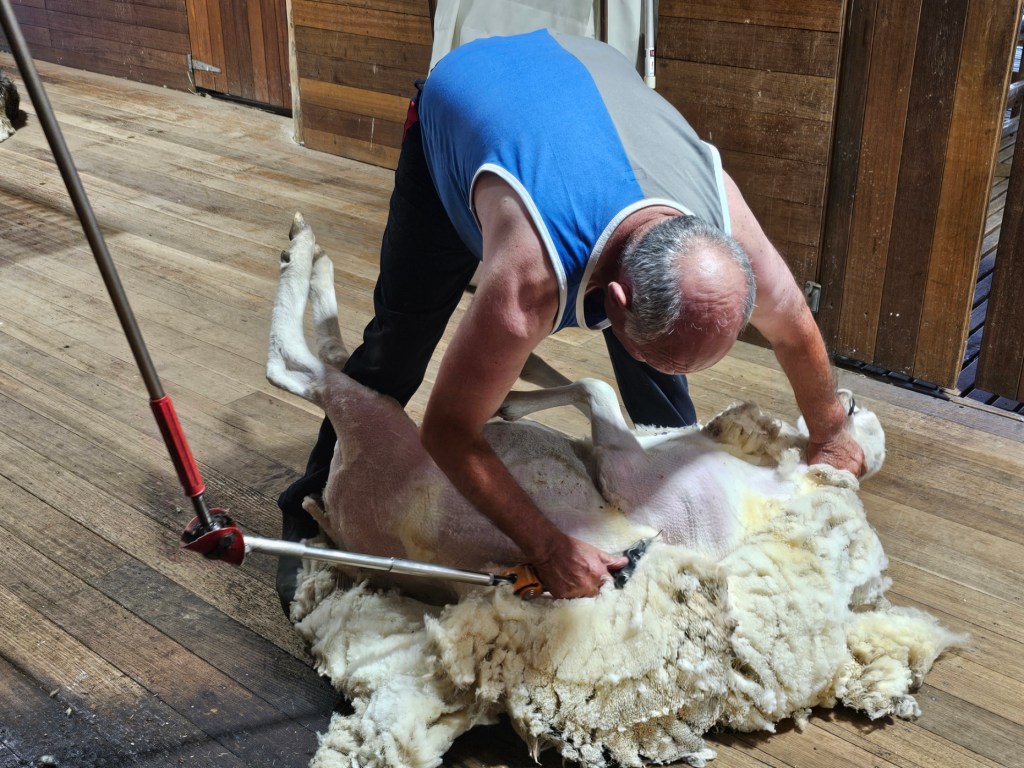
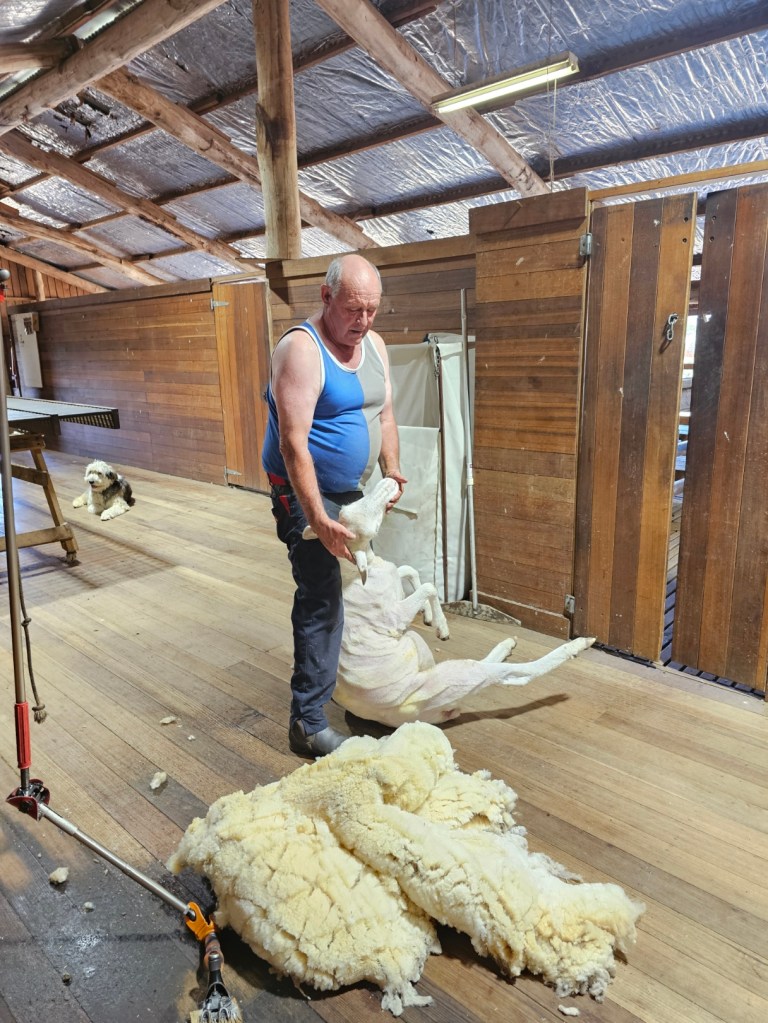
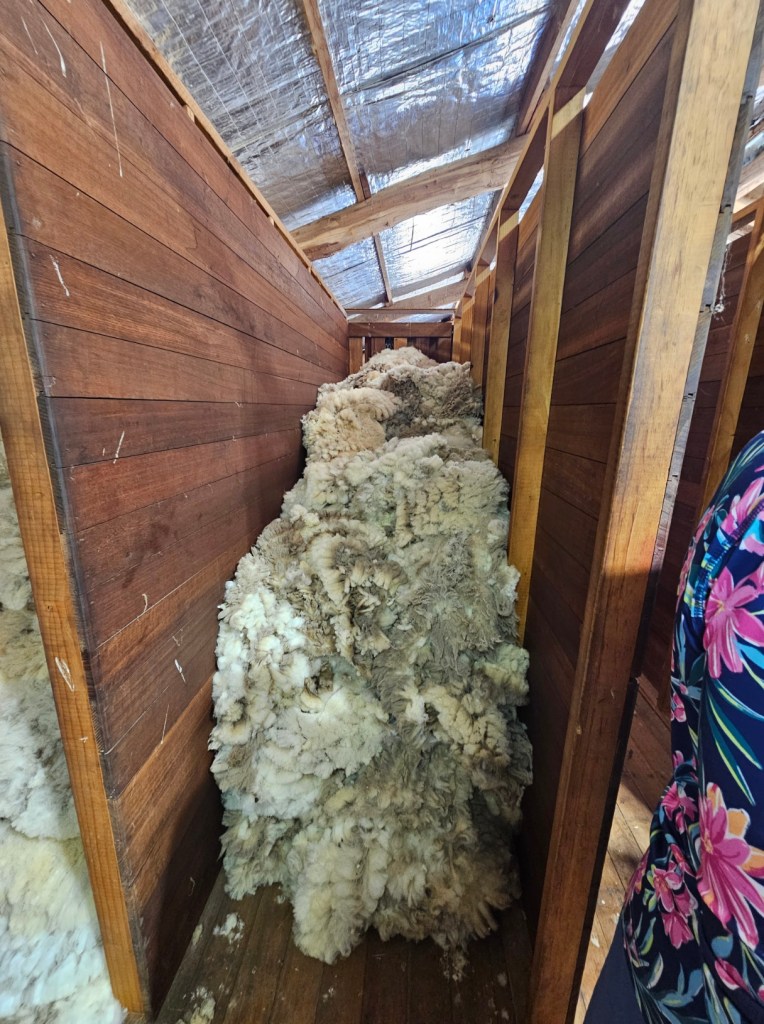
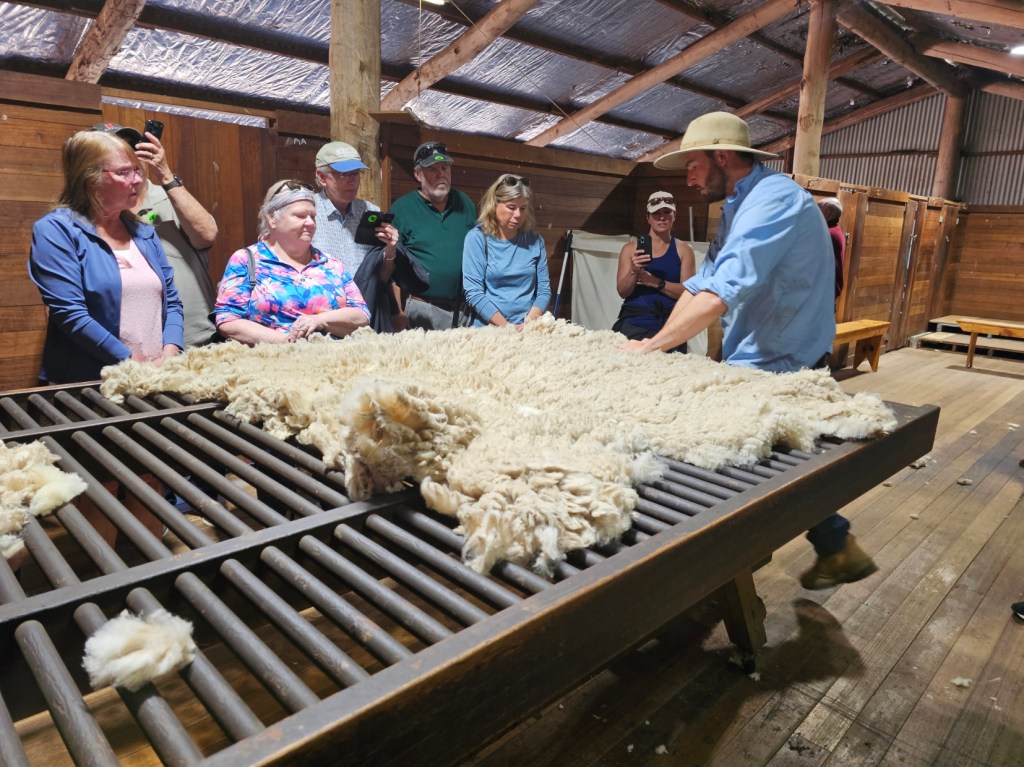
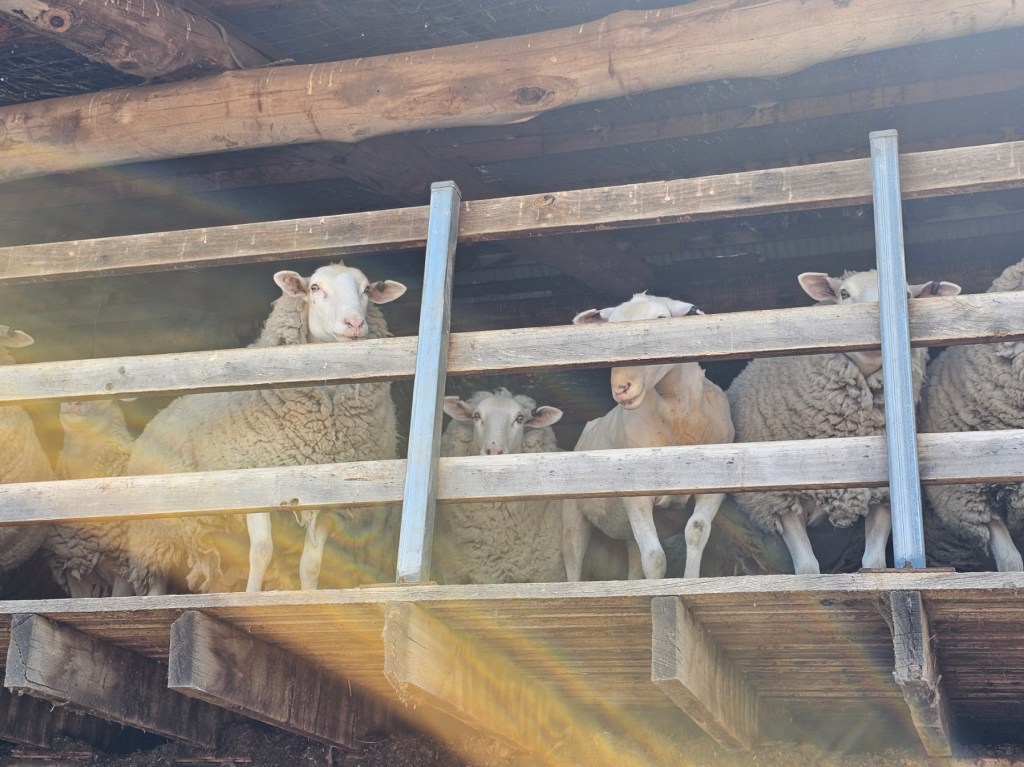
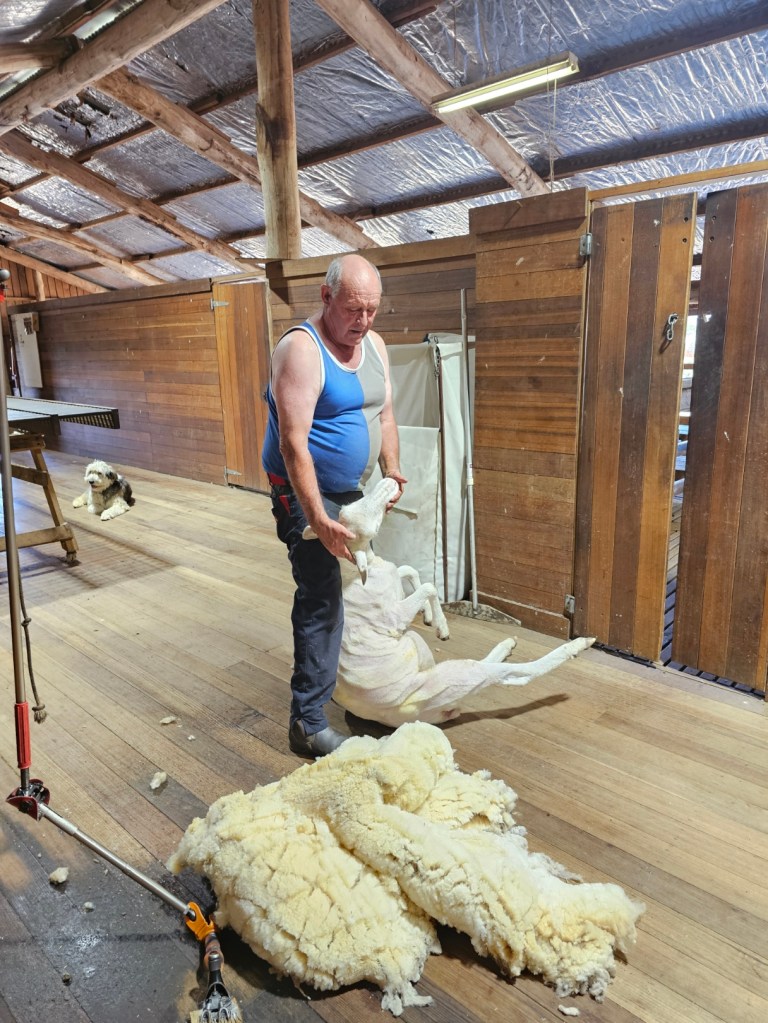
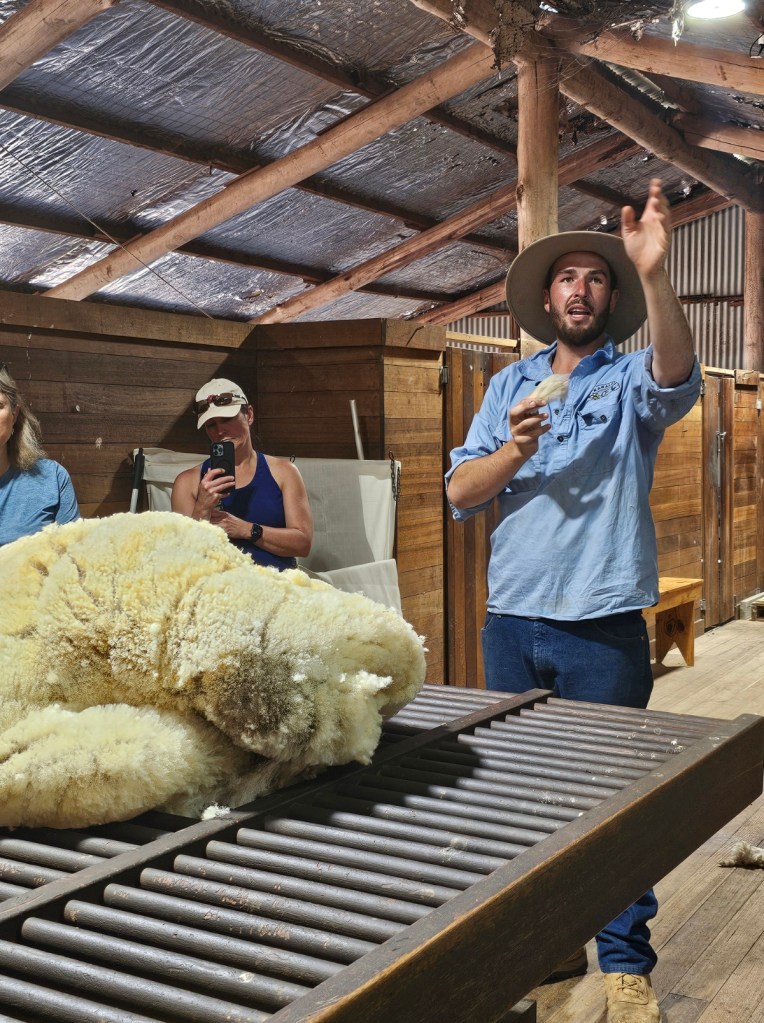
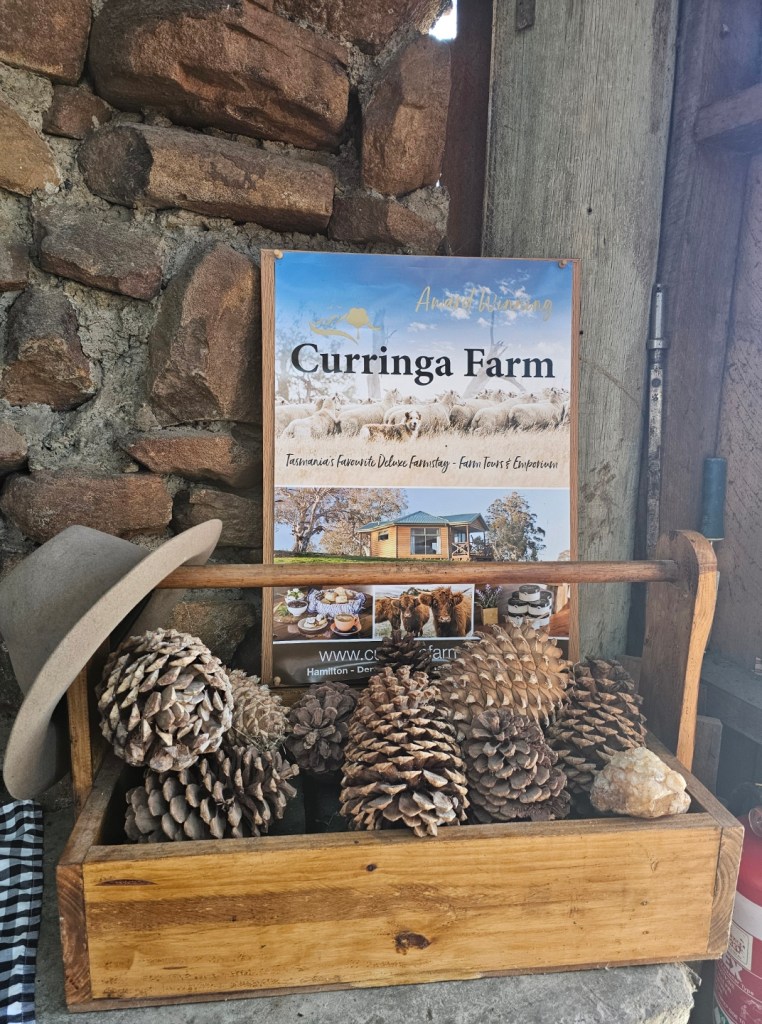
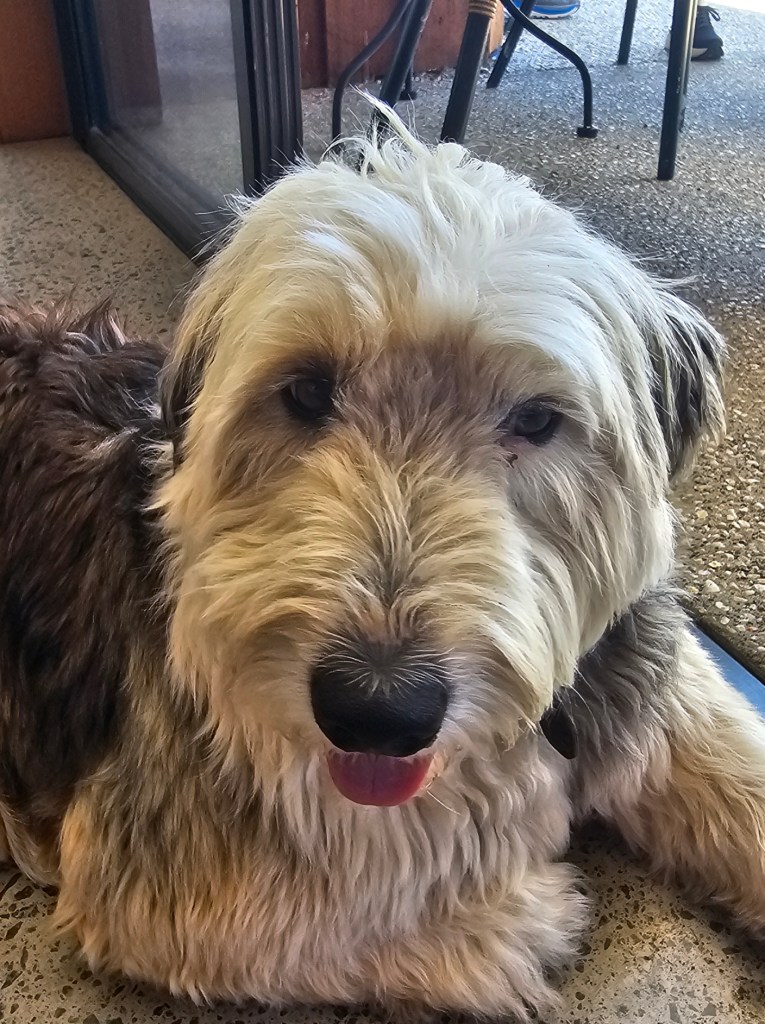
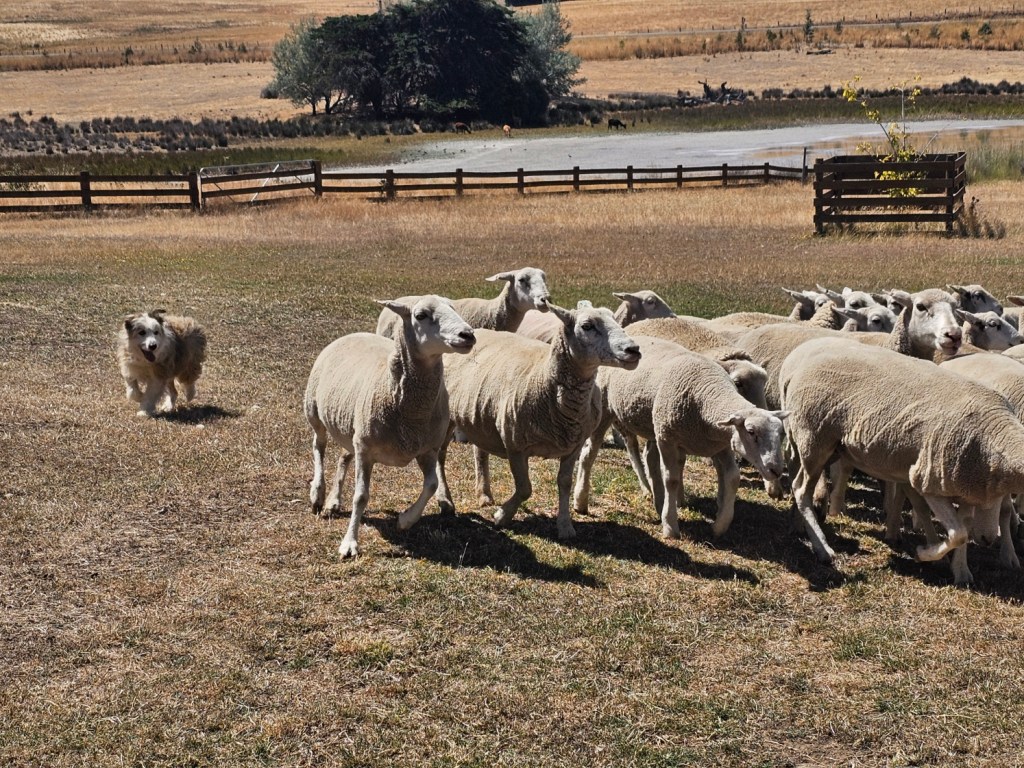
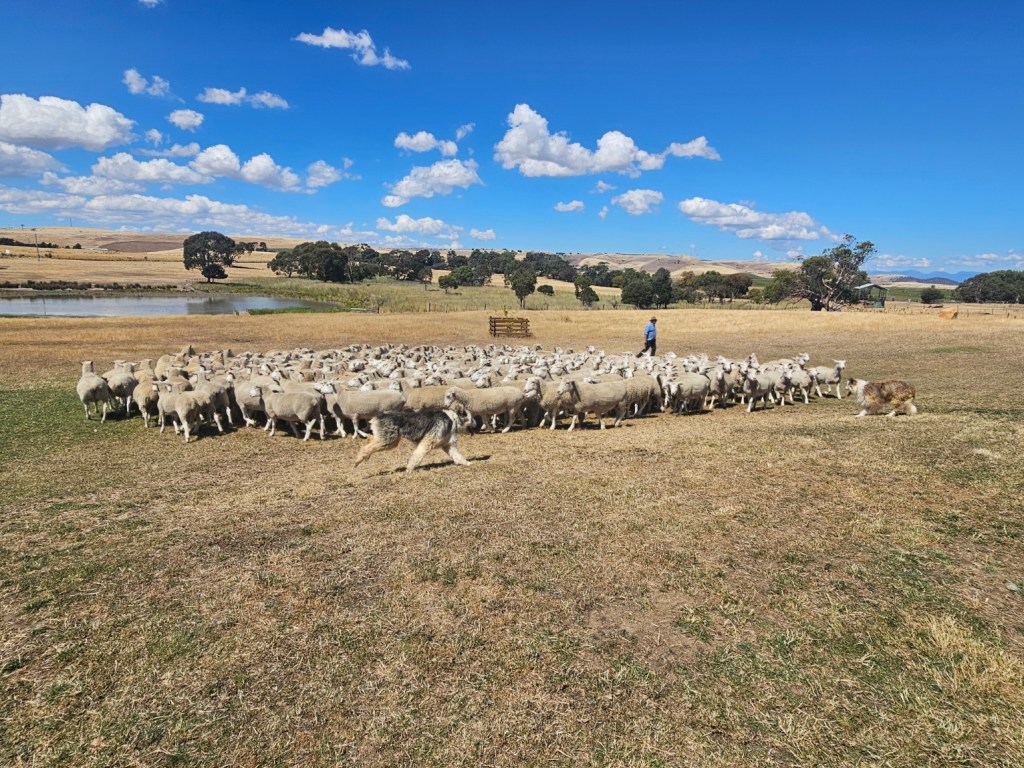
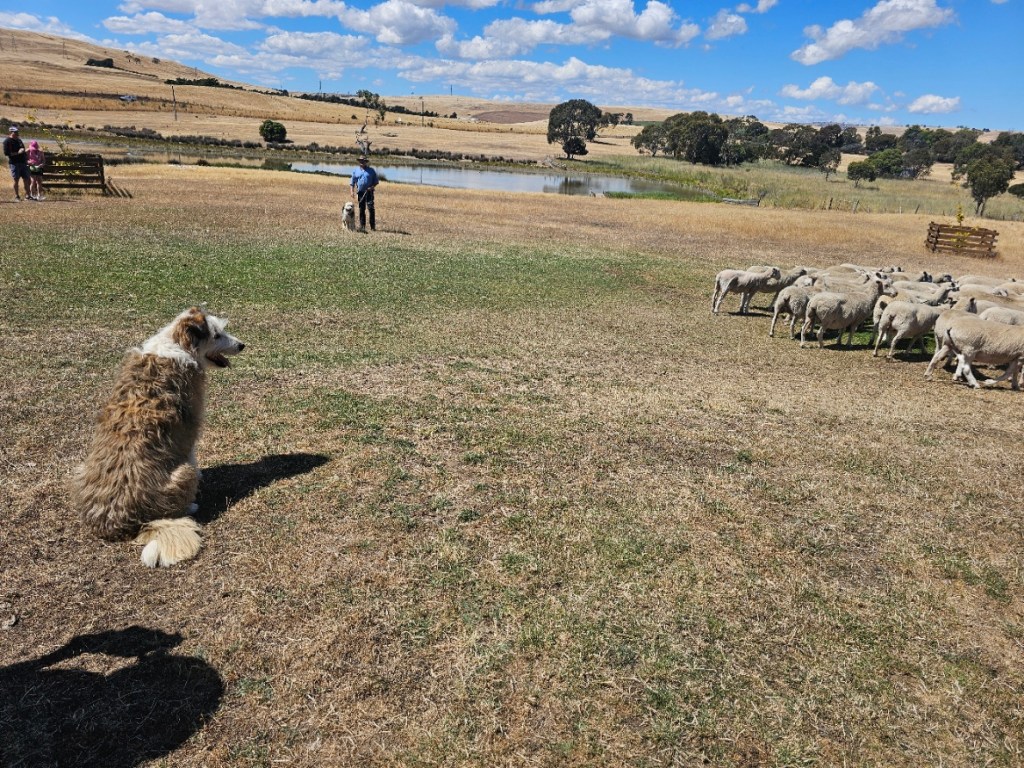
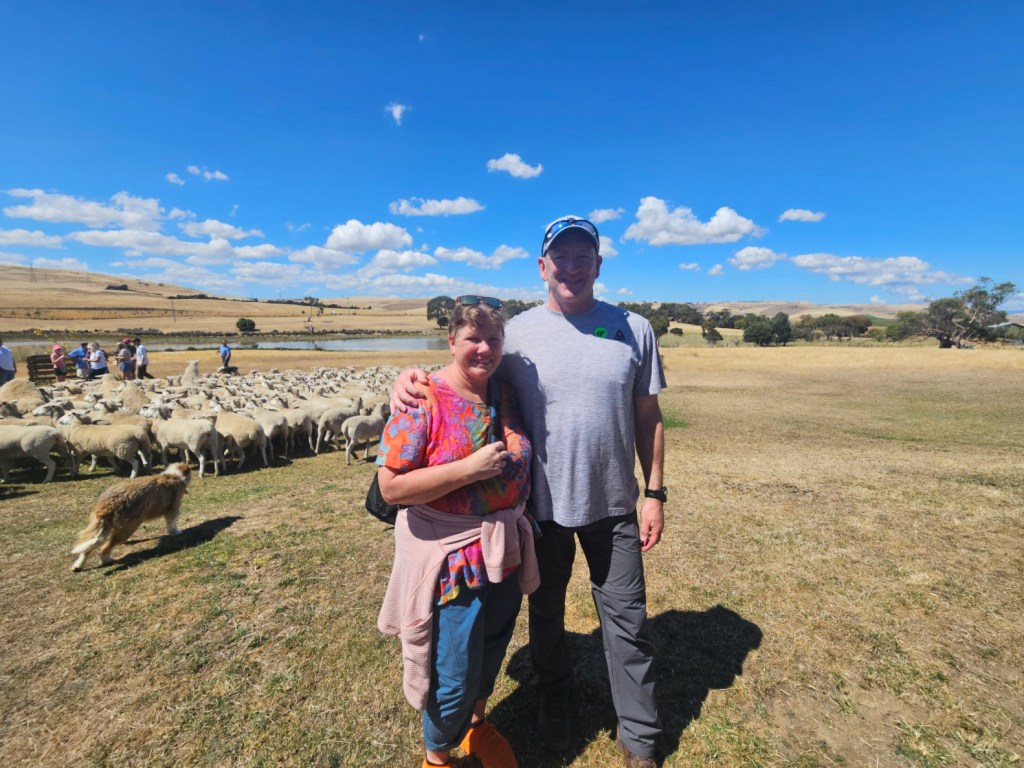
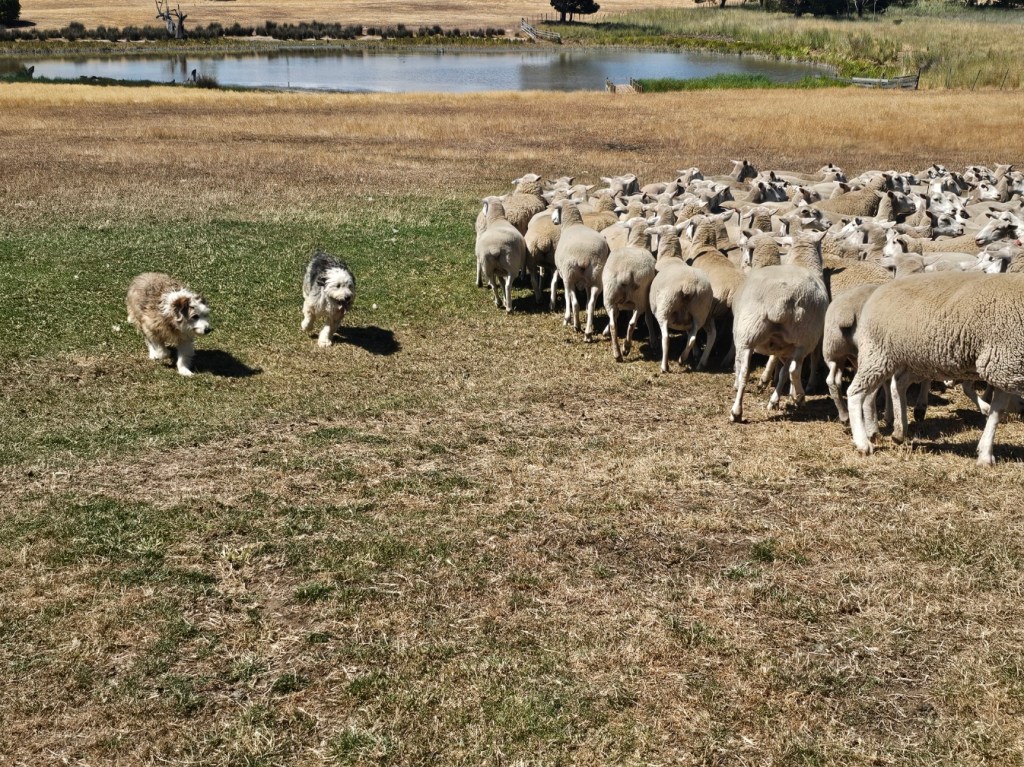
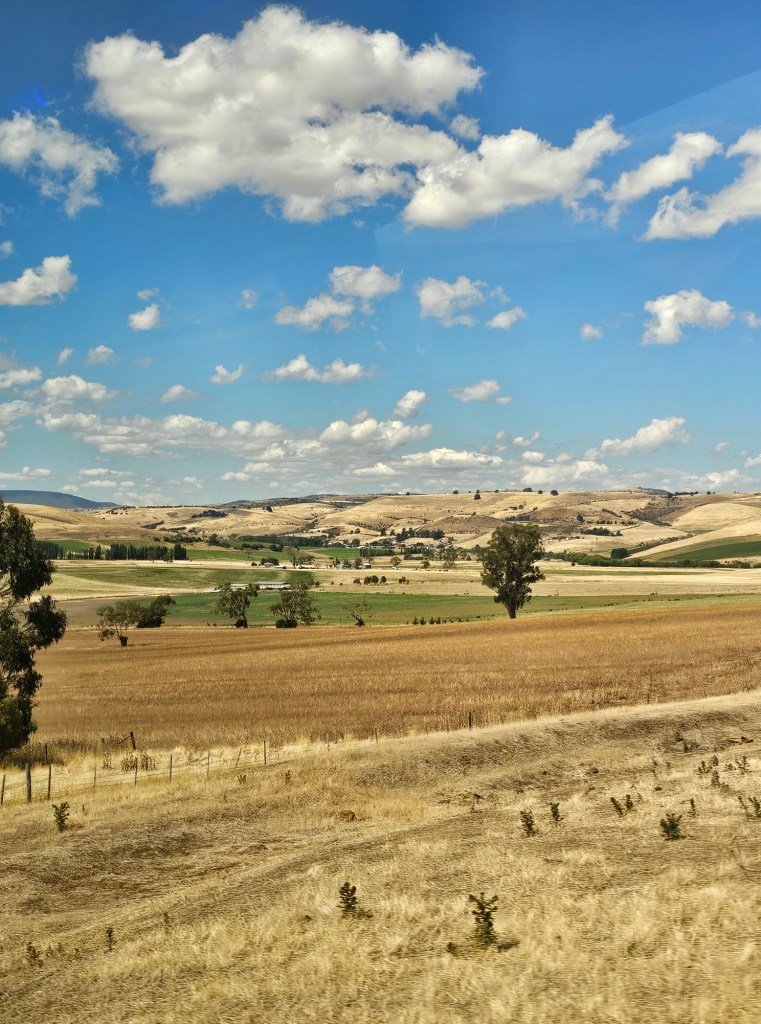
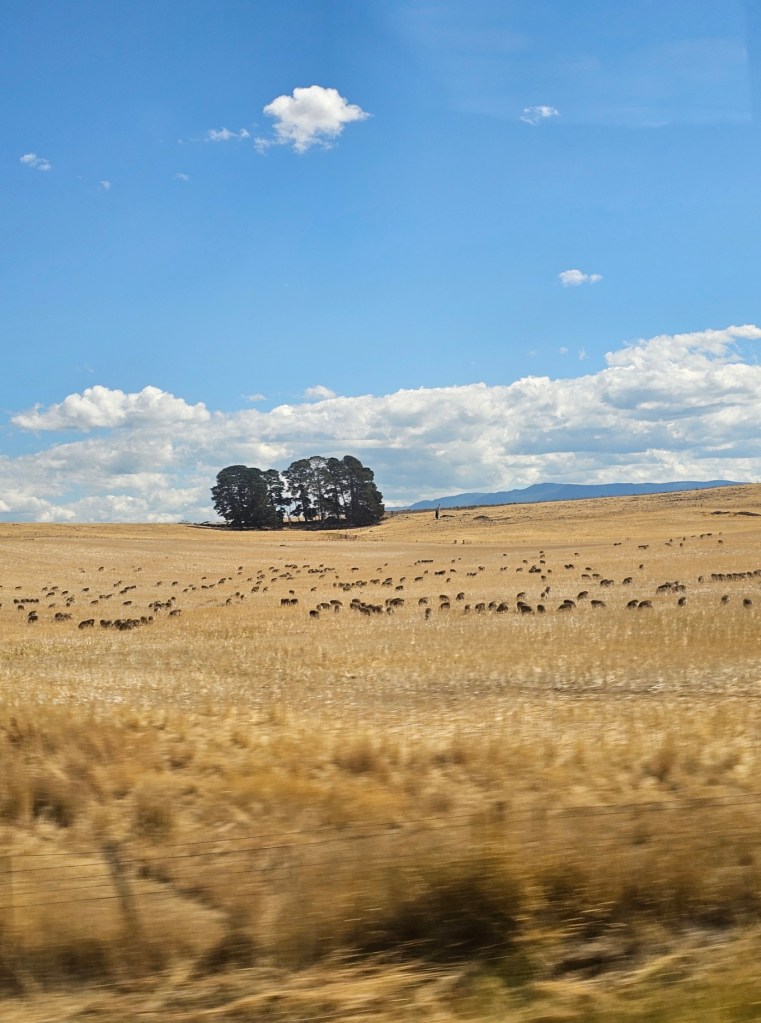
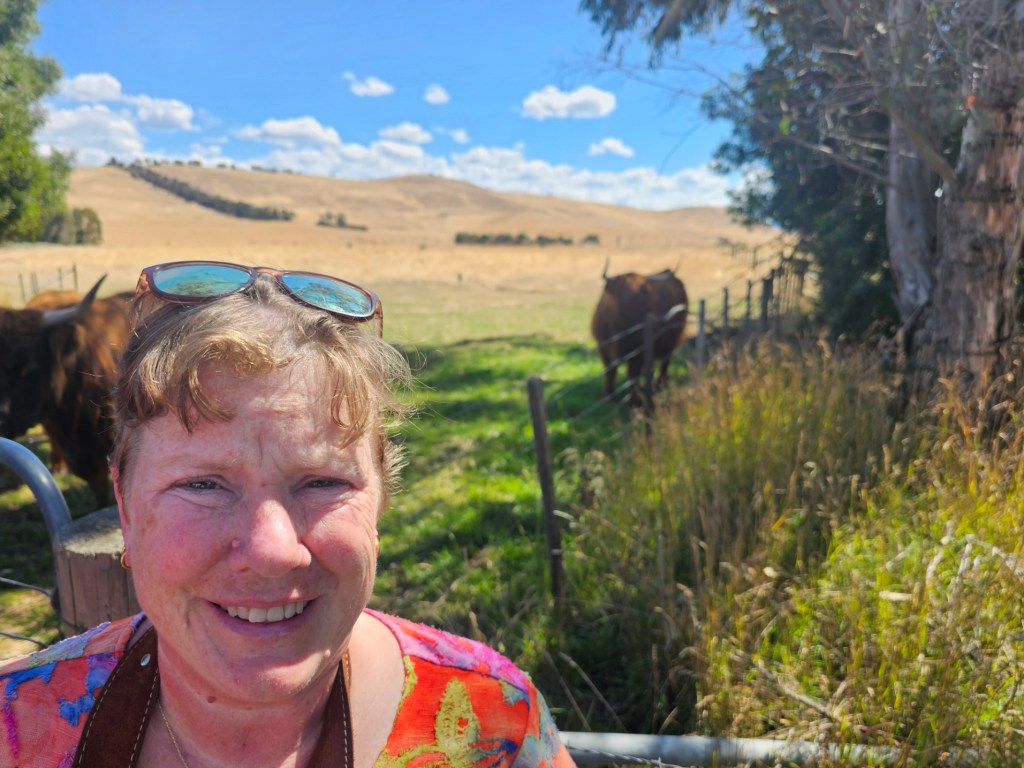
The next place we stopped was really fun: Curringa Family Farms. Tim is the man in charge right now of the working sheep farm and hundreds of acres of other crops. He is the 6th generation on this farm. His son Jacques, is now working the farm as well as the 7th generation. We watched a sheep shearing demonstration and a sheep herding demonstration with their Smithfield/border collie mix dogs. Some of their crops are: pyrethrin (crops that are used to make insecticides) onions, poppies, carrots, cabbages. They have 100 hives that come yearly from a professional pollenating service. They breed vegetables and then sell the seeds. They handpick 1 million seeds for their onions and export them globally. Tim’s wife, Jane, opened farm stay cottages on the farm in 1984 and has won a lot of awards. They shear their sheep in Dec and they are able to do the whole herd in 3 days, with 4 shearers working all day. Each shearer is about to shear 200 sheep each day…so 800 total a day. Most of their sheep are not grown for wool but for meat. They still need to be sheared and the wool gets used as stuffing in pillows and coats. They are in an area called fire storm alley. The area is very fire prone and is a high risk area. If you want to read more about this farm, the website is Curringafarm.com. Tim greeted us on the bus and talked to us about his farm and what he does. He manned the huge grill and made steaks for all of us, which were great. We had a really nice time spending time on his farm.
 Messina Musings