
On June 10th, just two days before we left for Montana, I did a tour of the cheetah breeding facility at the Wildlife Safari in Ashland, Nebraska. It is part of the Henry Doorly Zoo in Omaha, but located over 30 minutes away from each other. The Wildlife Safari has a huge acreage that houses herds of buffalo, elk, many wild birds, a bear, and a wolf pack. It is spectacular to drive through. There are some places to get out and hike to fenced areas, but for the most part, you drive through the grounds at a snail’s pace through the fields of elk, deer, and buffalo. I have been there many times but there are some behind the scenes programs there that are not open to the public that I just heard about recently. There is both a cheetah and a lion breeding program on the back forty away from the prying eyes of the people going through the safari. I had gone on a backstage cheetah experience the month prior at the zoo and that was when they talked about the breeding program at the Wildlife Safari. I checked it out and they had a tour the Saturday before I left for Montana and I signed up for it. It was worth every penny! We were a small group of maybe 7-8 people and we were met with two zookeepers who were so knowledgeable, they blew my mind. I learned so much about the cheetahs!
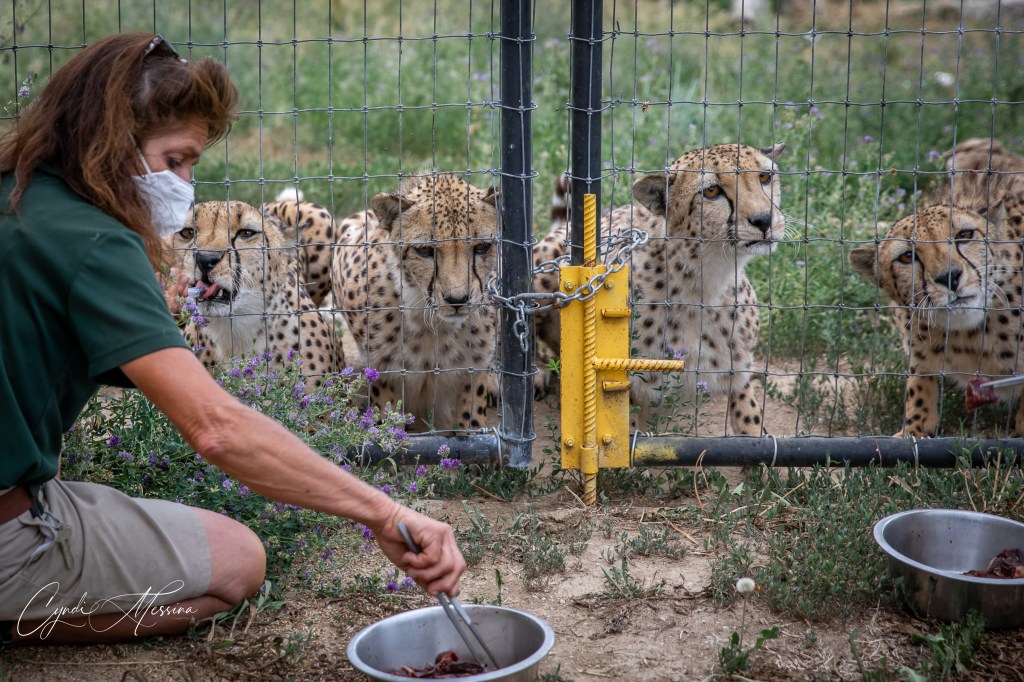
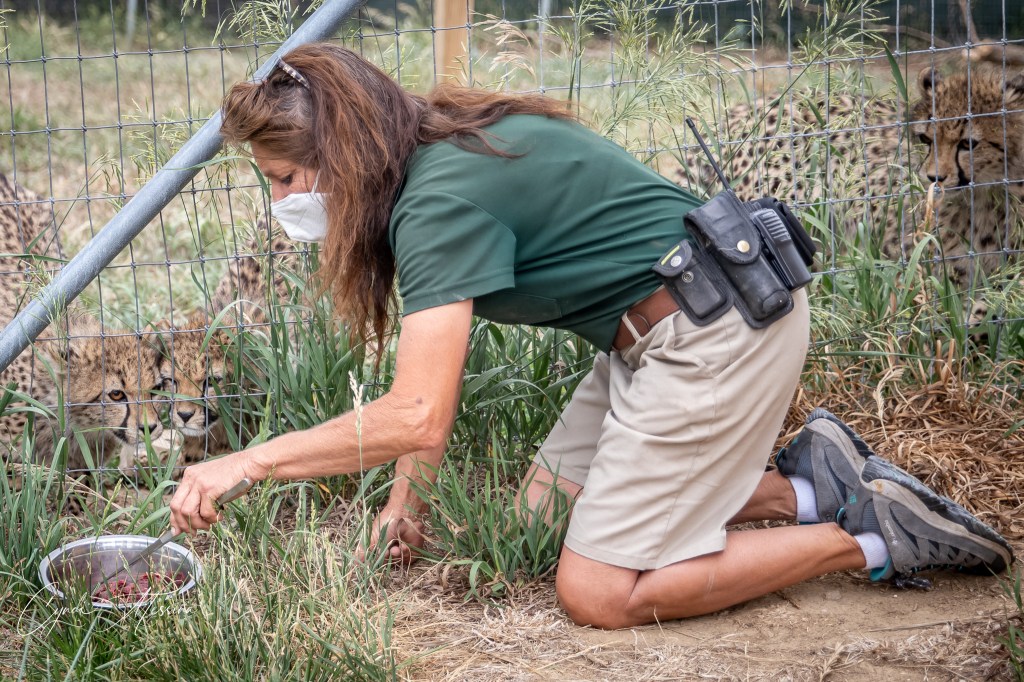
I am going to try to remember as much as I can, but with chemo brain….grief fog….and just the utter busy-ness of my life in the last couple of weeks, I know I will forget a lot. You will notice that the keepers are wearing masks. Cheetahs are high susceptible to COVID. We had to stay at least 10-12 feet from the fence. The lions had all been vaccinated but evidently there is a shortage of cheetah COVID vaccine right now, so they have not been vaccinated yet. Male cheetahs have to be separated from their mother and female litter mates by age 18 months. The boys go off together and the group of them is called a coalition. The gene pool for cheetahs is very small. There was a time in history about 10,000 years ago where there were very few cheetahs and there was a bottleneck of the gene pool. There were so few that they bred with each other to keep from extinction. Almost all cheetahs are related by DNA to each other much more closely than you would think. Evidently there is a male cheetah from Russia who is in the breeding facility and he is highly sought after as a mate to the females within the western hemisphere because he is not closely related by DNA. He is the perfect mate for the gals on this side of the world. There is a group of zookeepers and scientists who work on figuring out which of the cheetahs should be mated and when. Cheetahs have very sensitive stomachs and they can only eat the really good beef that is raised just for them. There is a place in western Nebraska that creates the beef for the big cats of the United States. How cool that they are right here in the state! The Wildlife Safari also had “retired” cheetahs – cheetahs too old to breed and retired from being on display. They live out their end years in the comfort and quiet of the Wildlife Safari, roaming their yard and playing with toys. The zookeepers were very big on have stuff for the cheetahs to stimulate their minds in their environments. They have huge fields to run and play in. They also have indoor facilities that they can choose to come in an relax in if the weather is bad or they just need a break inside. I was very impressed. The keepers say that the cheetah breeding centers are run very similarly to each other all over the world so that when a cheetah is transferred to another facility to breed, they won’t be stressed out. Many cheetahs carry the herpes virus and it is relatively kept under control unless they get sick or are stressed out. Then they can get very sick, very fast. Told you I learned a lot! But that’s all I can remember tonight.
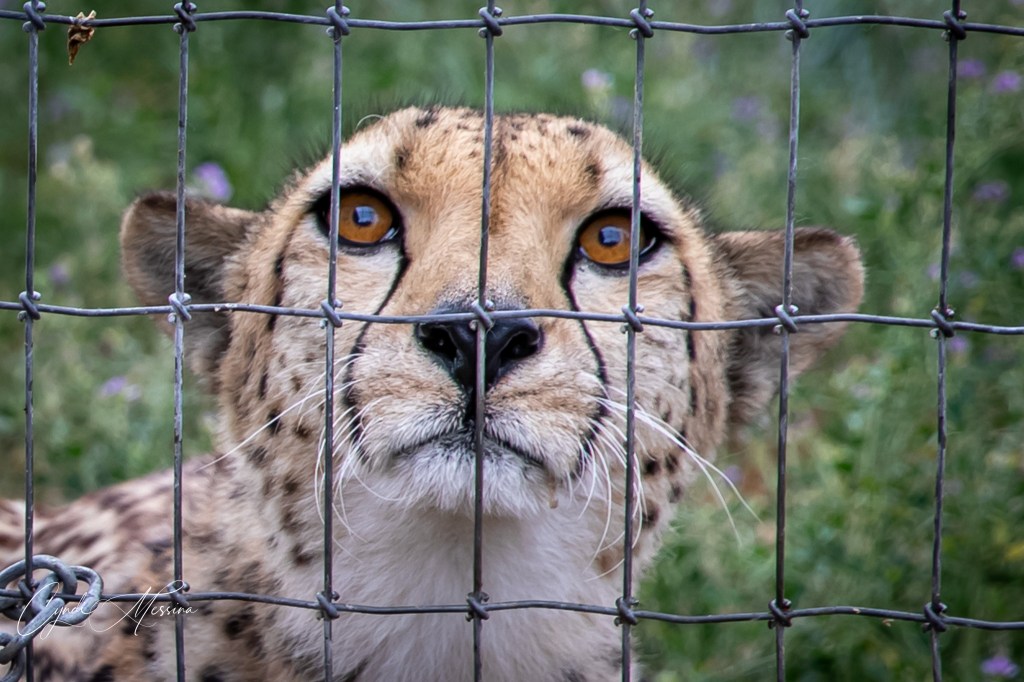
Here are some photos of the boys in the coaltion:

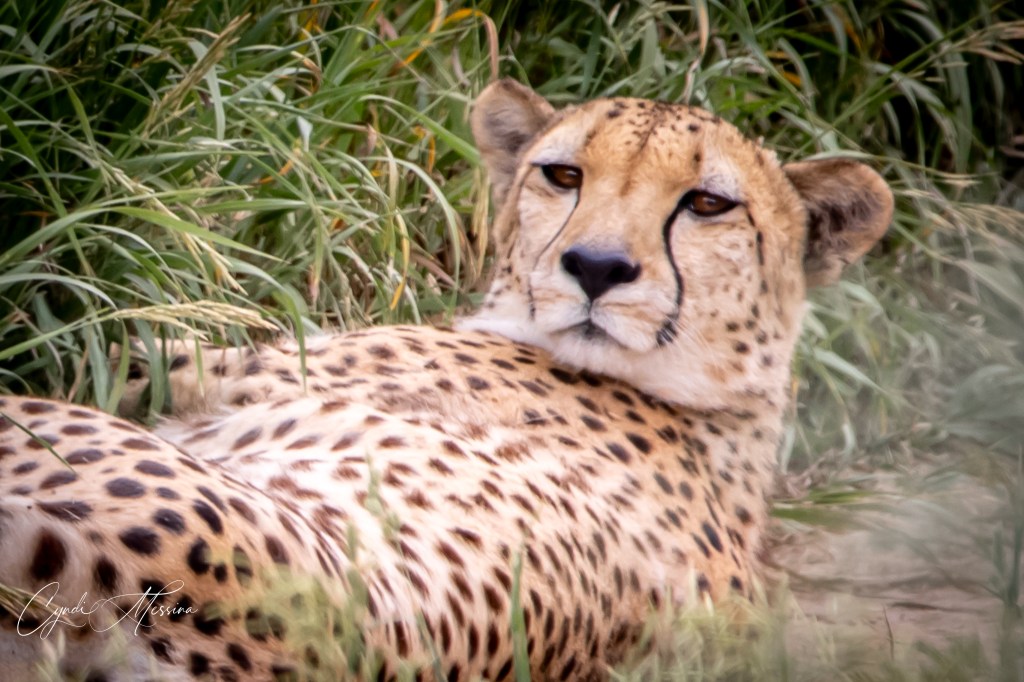
Here are some photos of a momma cheetah and her cubs. There are four of them and two are male and two are female. They were born Nov 14th, 2022, so were almost 8 months old the day I got to meet them. This was the first cheetah breeding program tour of the season and the first for this momma, Clio. She was a first-time mom and has done very well with her four cubs. She seemed pretty non-plussed by our presence and even just laid down with her cubs around her playing after they were done feeding them.
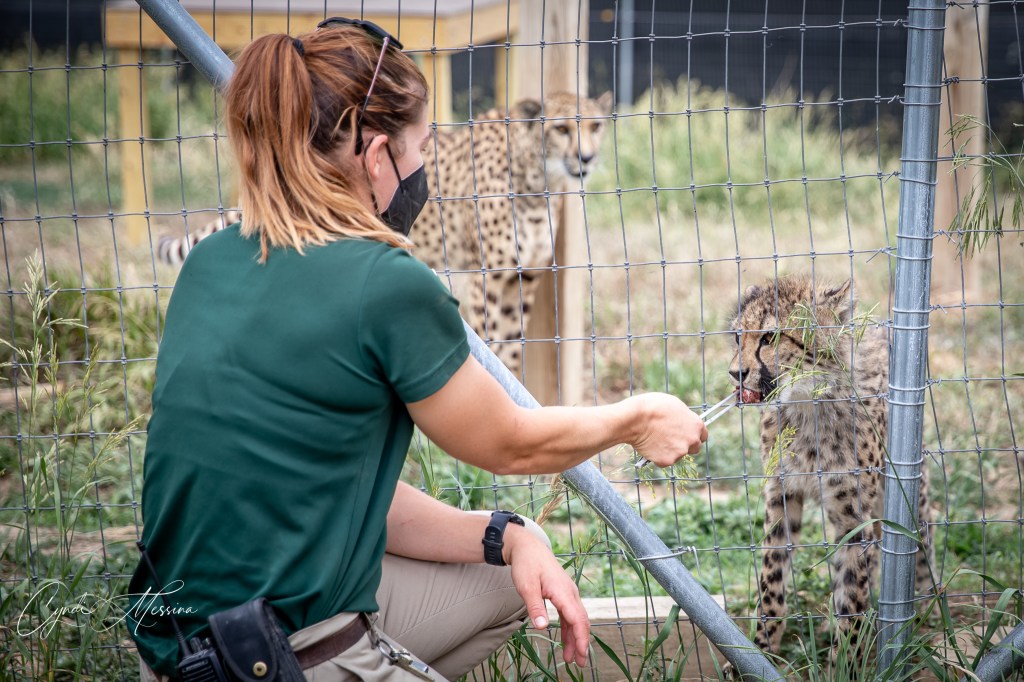
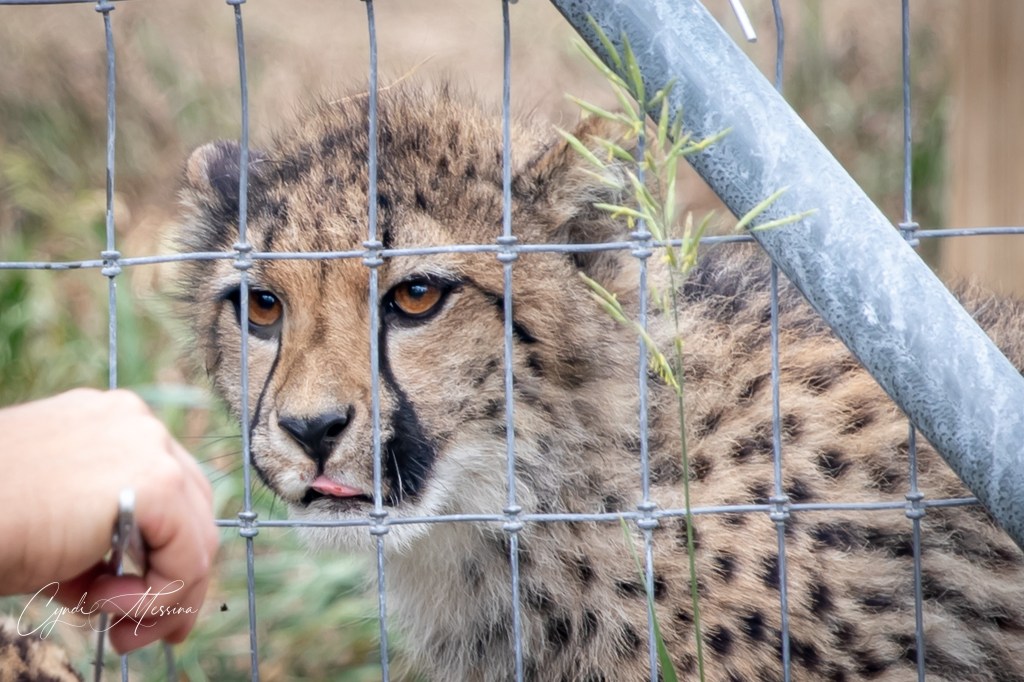
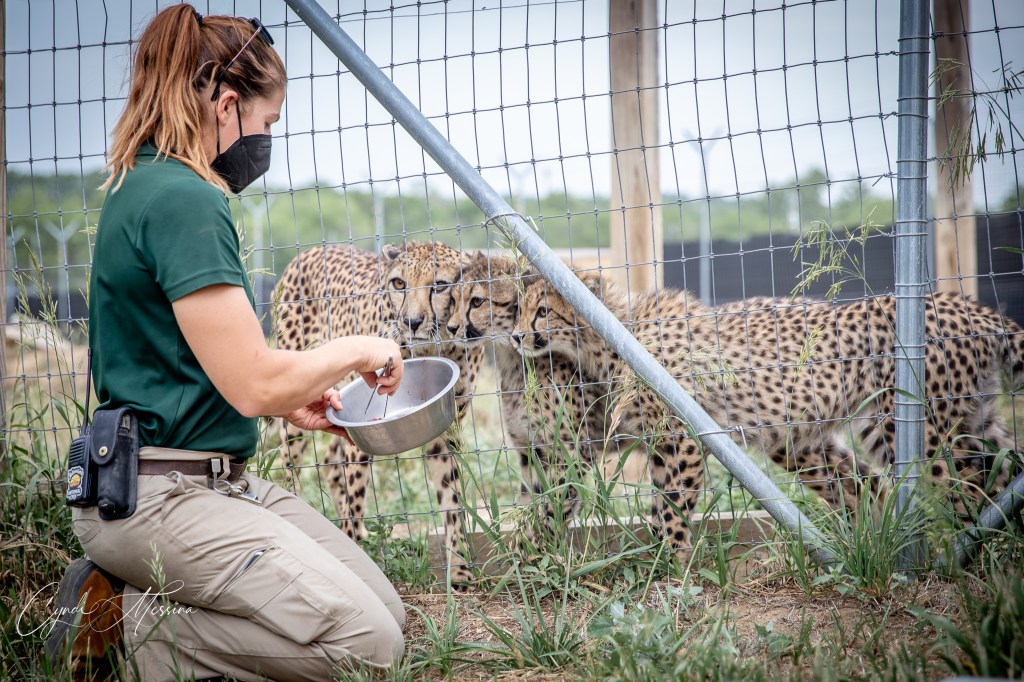
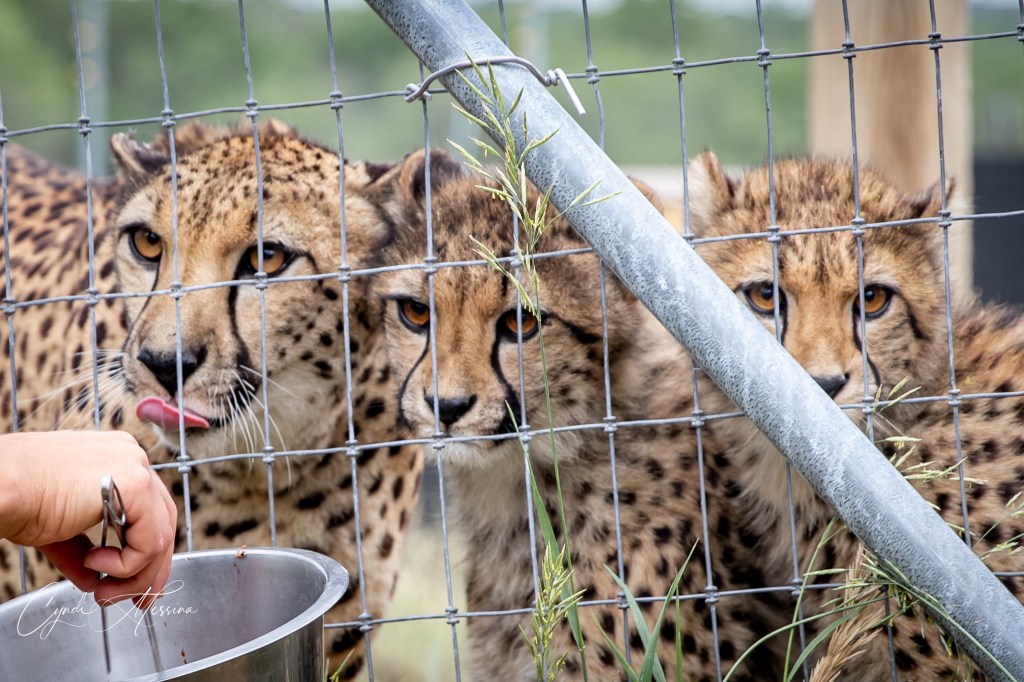
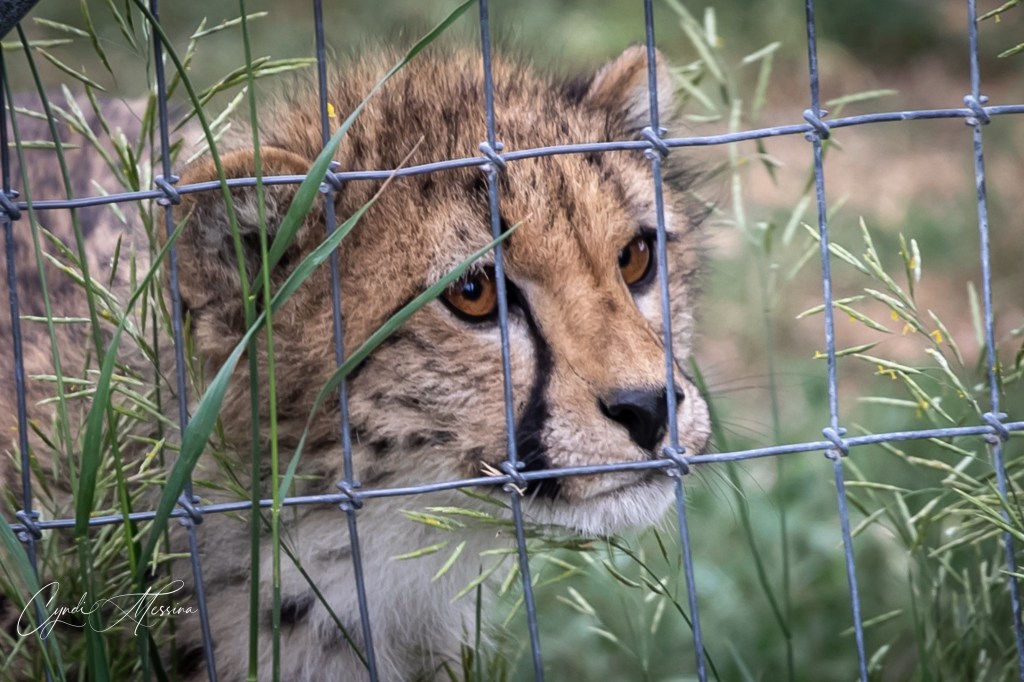
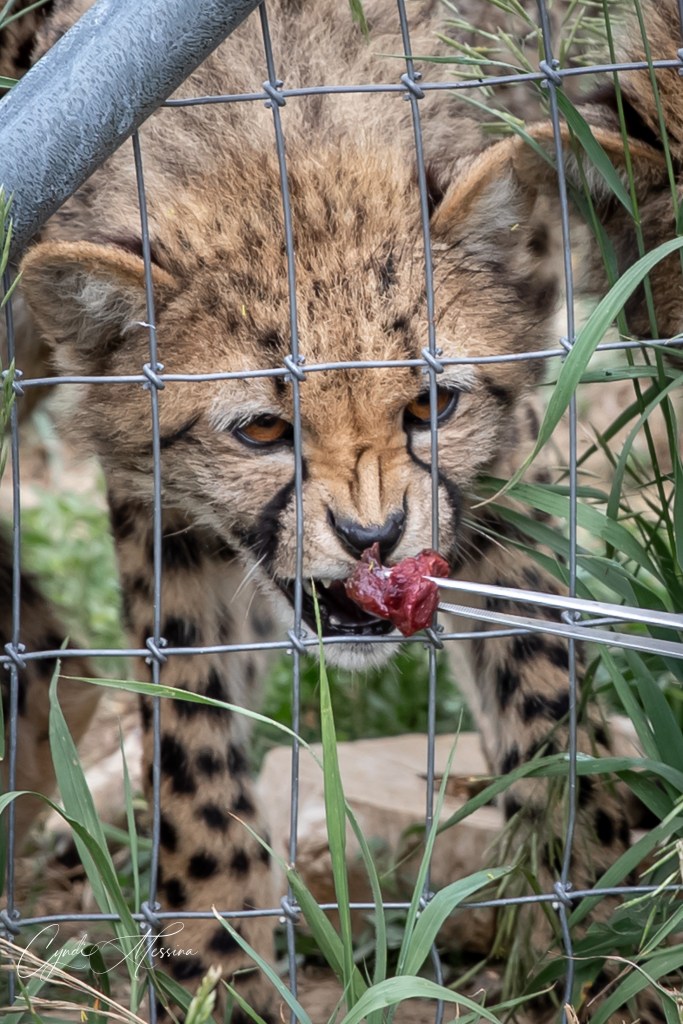
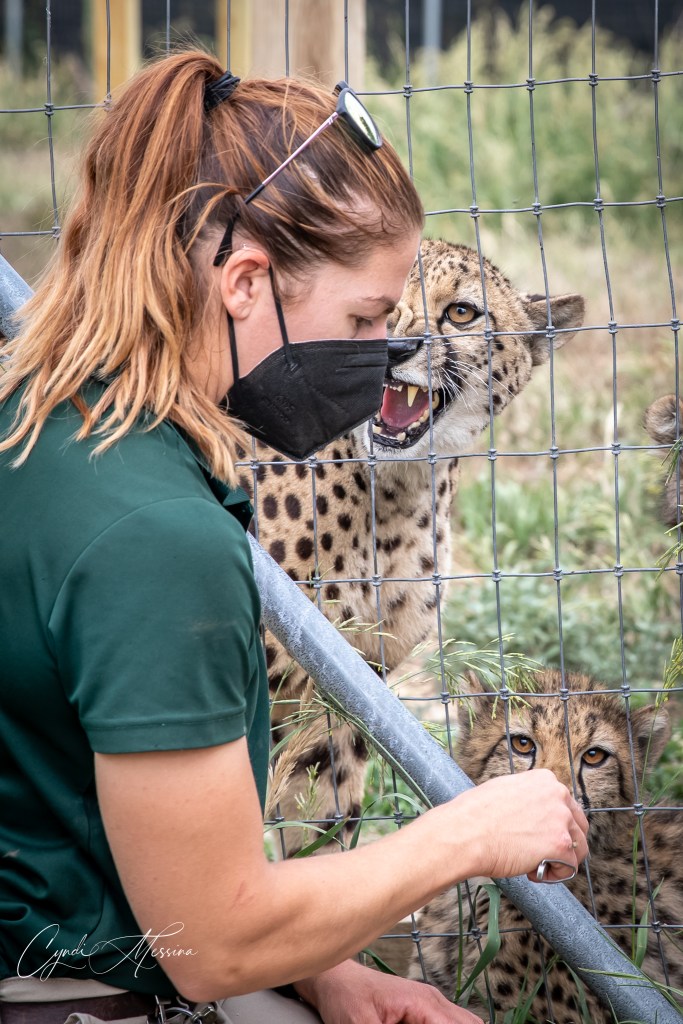
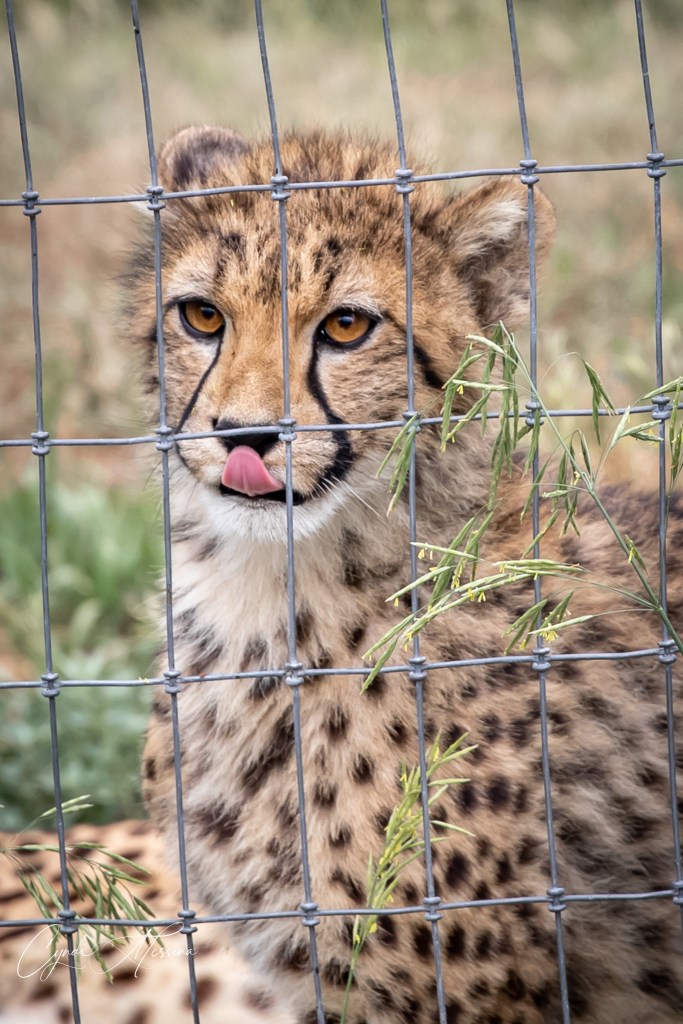
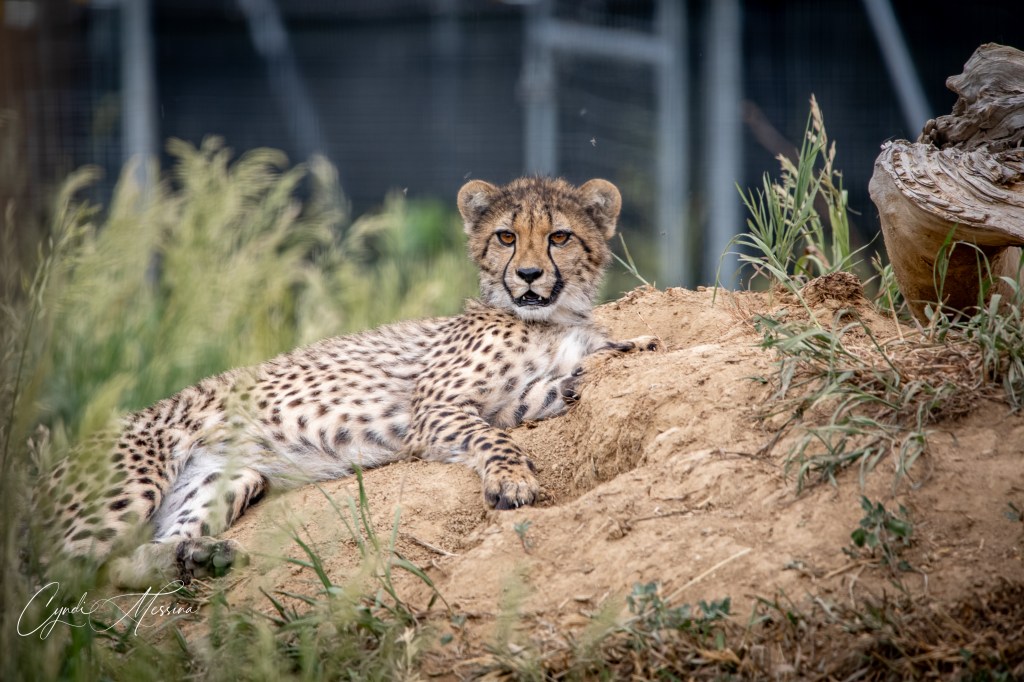
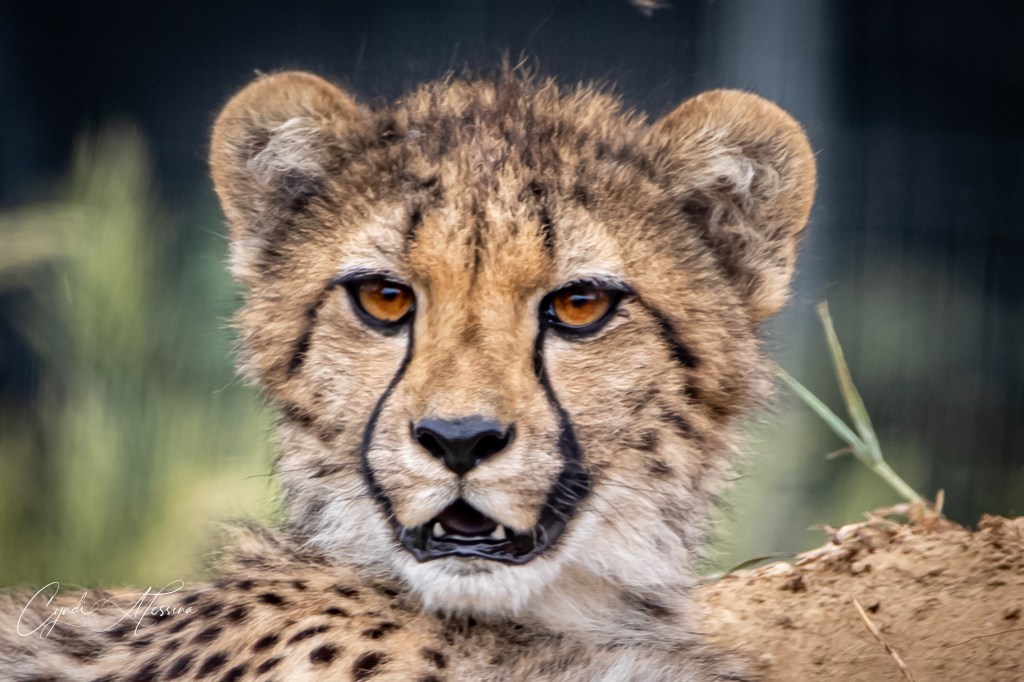


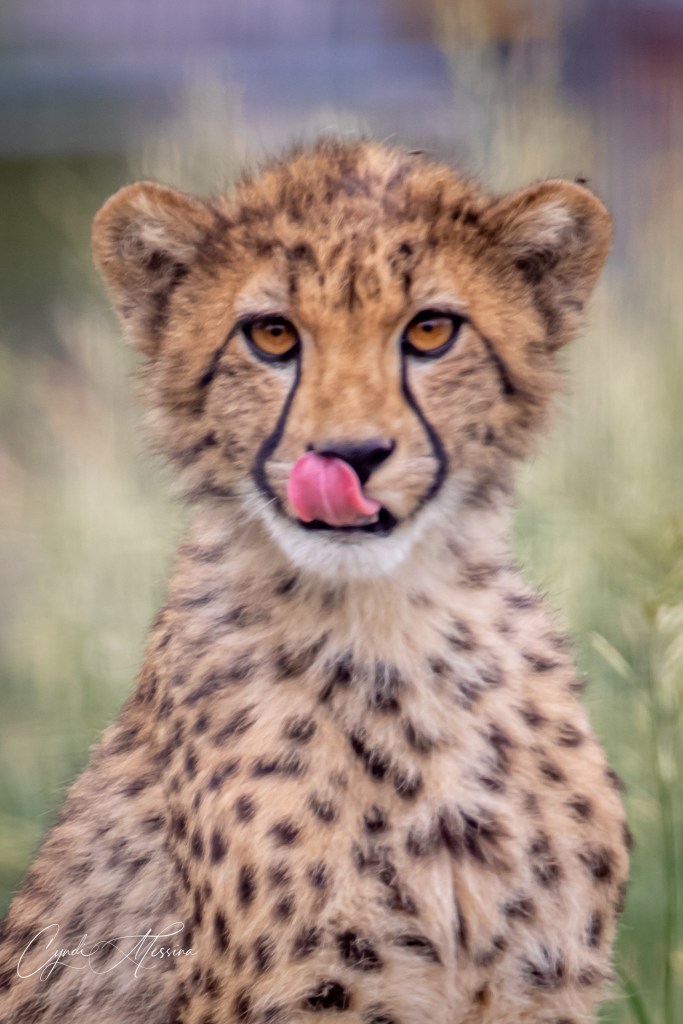
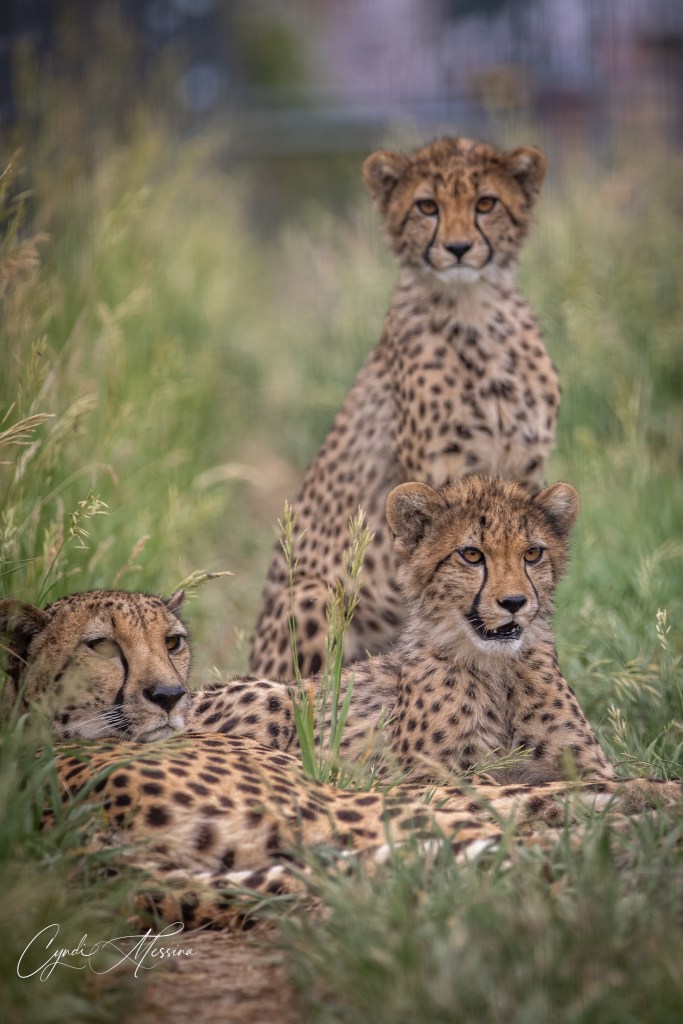
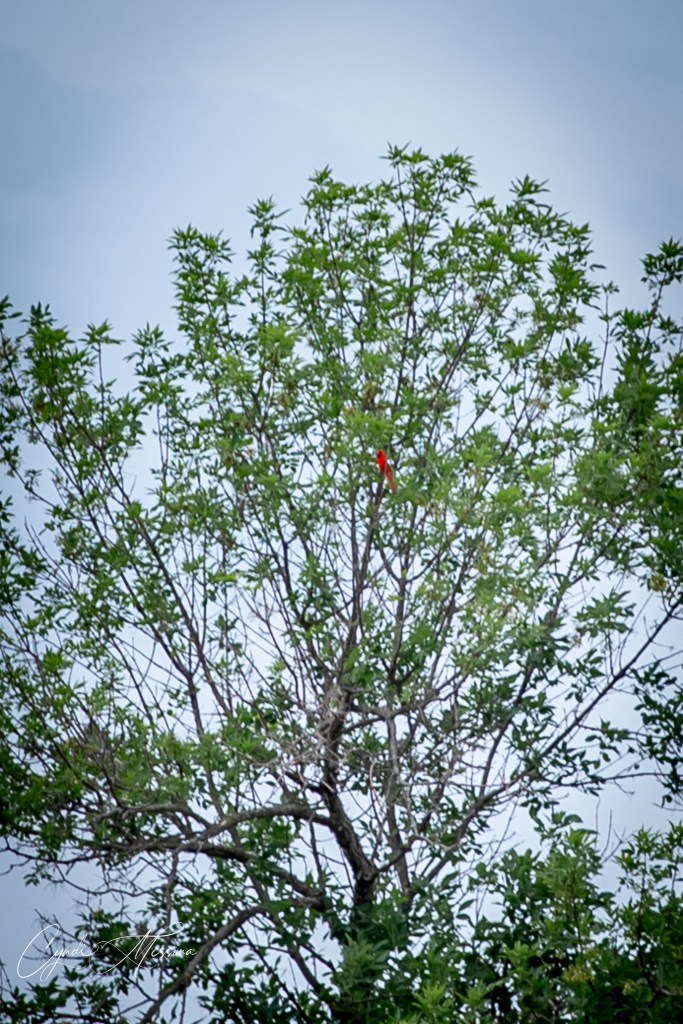
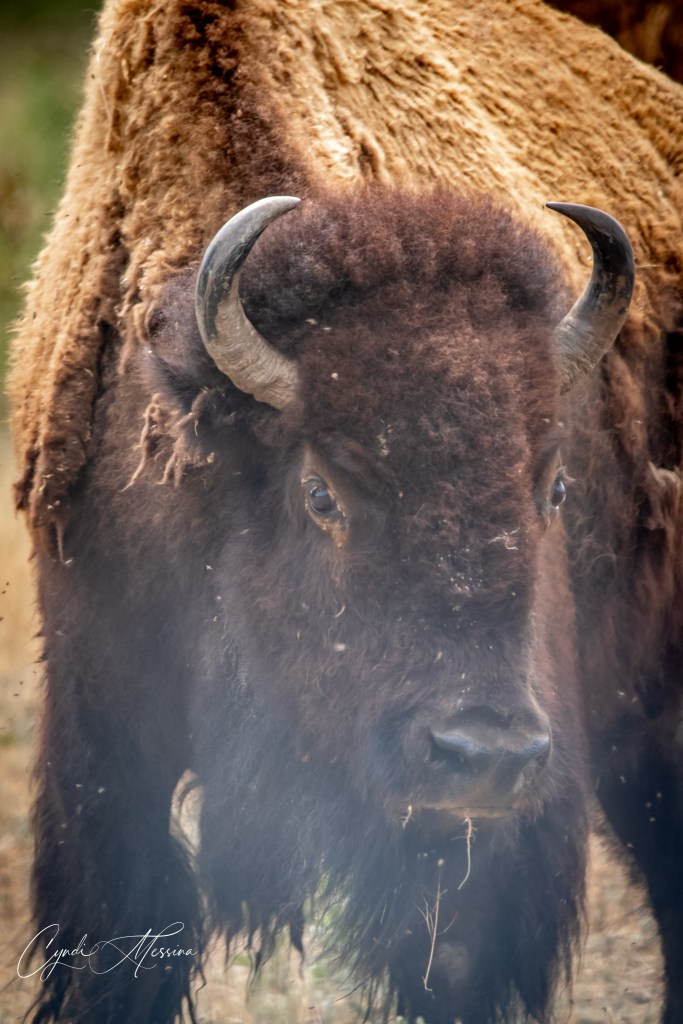
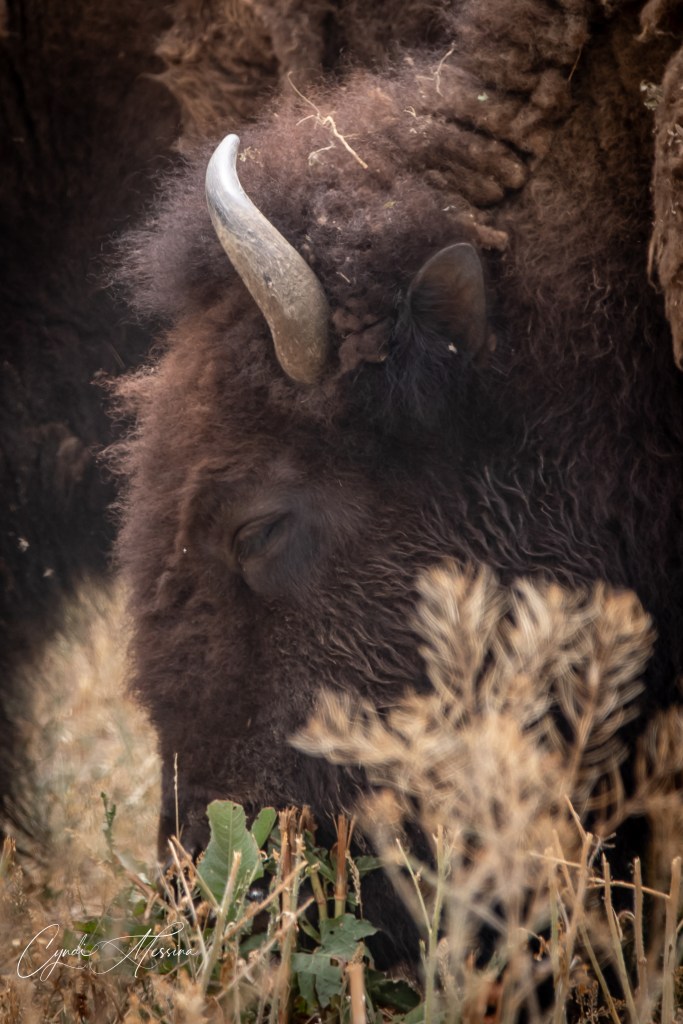
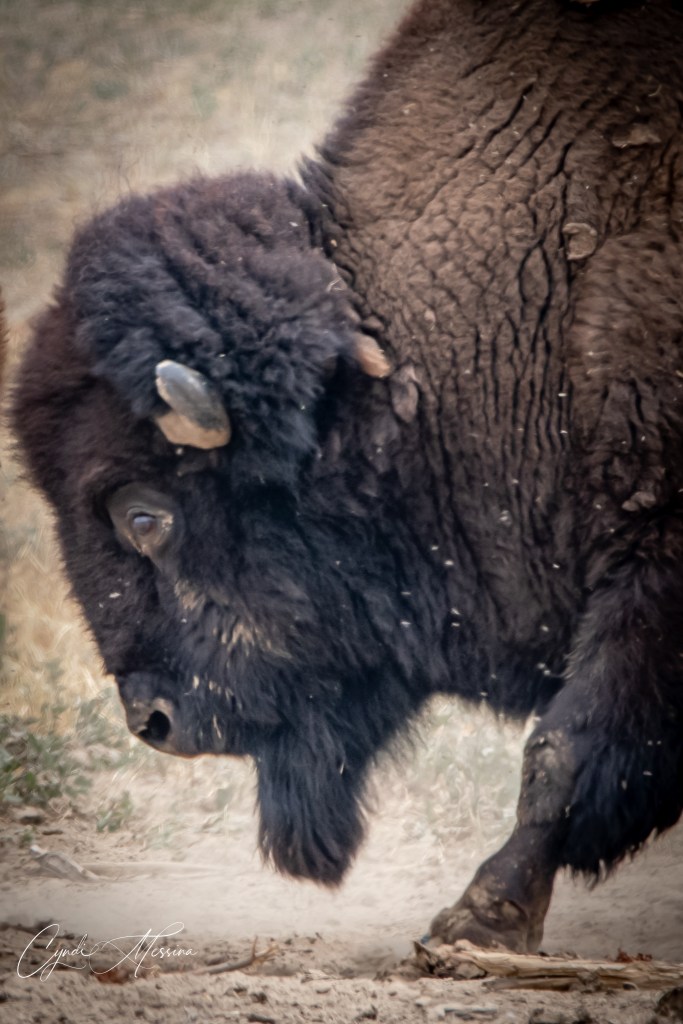
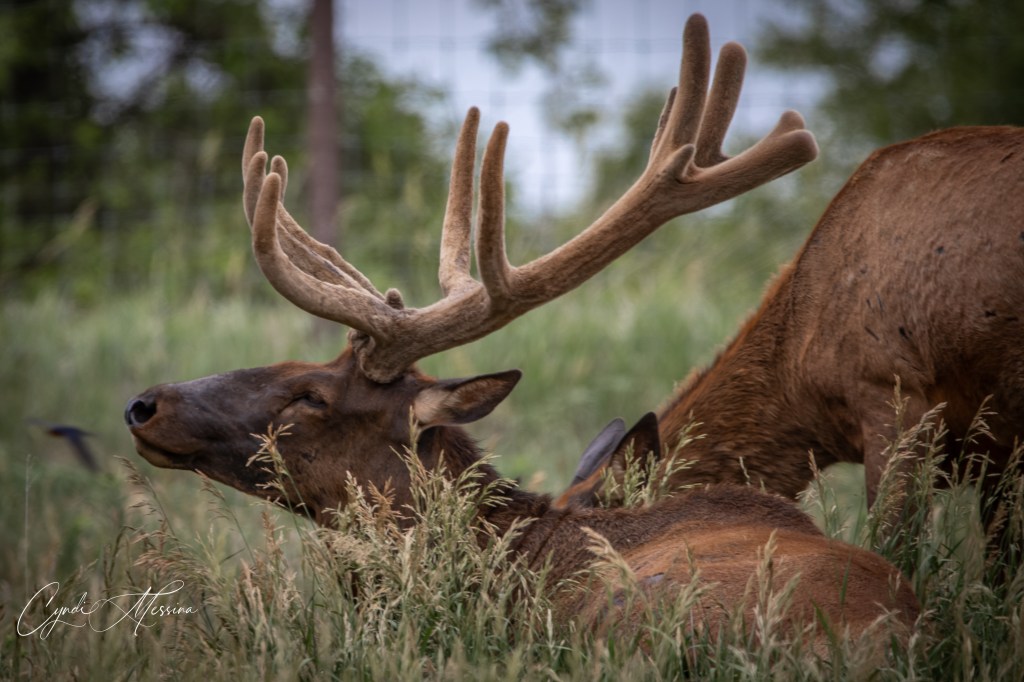
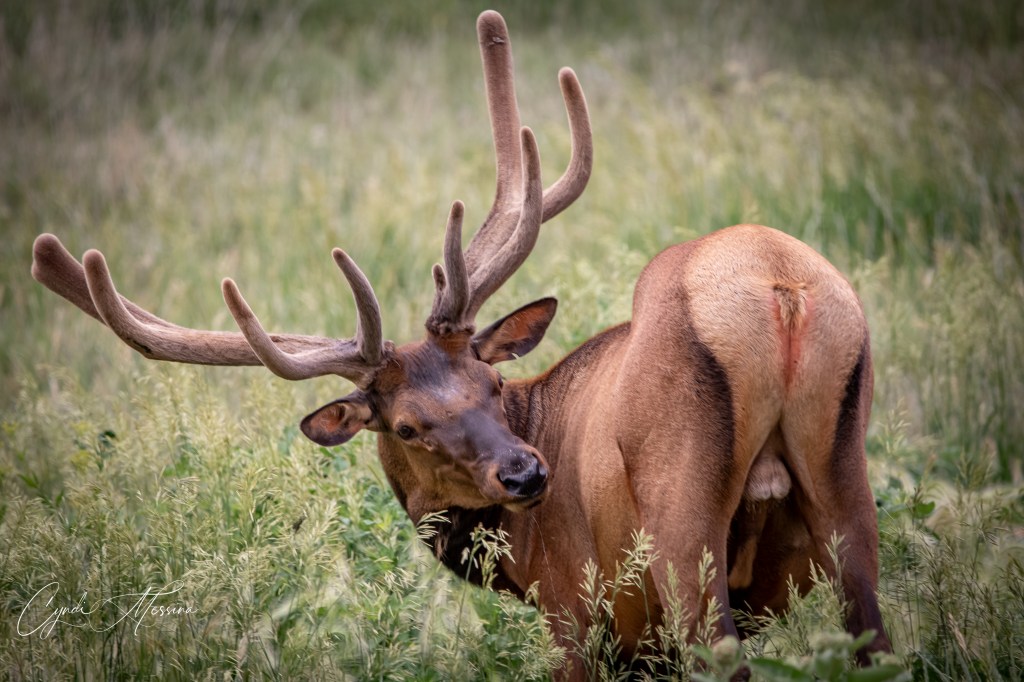
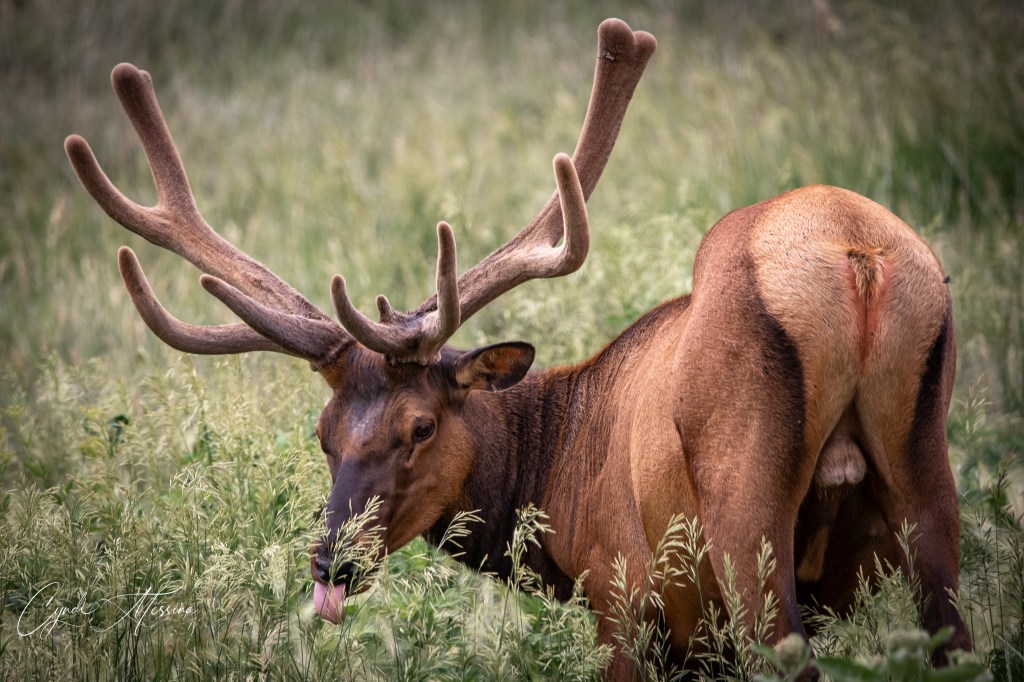
So those are the photos of those little cuties….who meow and purr…and cannot roar. They mostly chirp, which is so unusual to hear. I did get a few photos of some of the other animals at the park that day. Of course, there was a cardinal singing to loudly in a tree at the end of the cheetah area the whole time I was there….over an hour. I always see cardinals when I am at a zoo. I like to think that it is just a sign that Joe is there with me, enjoying watching the animals like I am. He would have loved this backstage encounter so much.


 Messina Musings